Review by Lee Halvorsen •
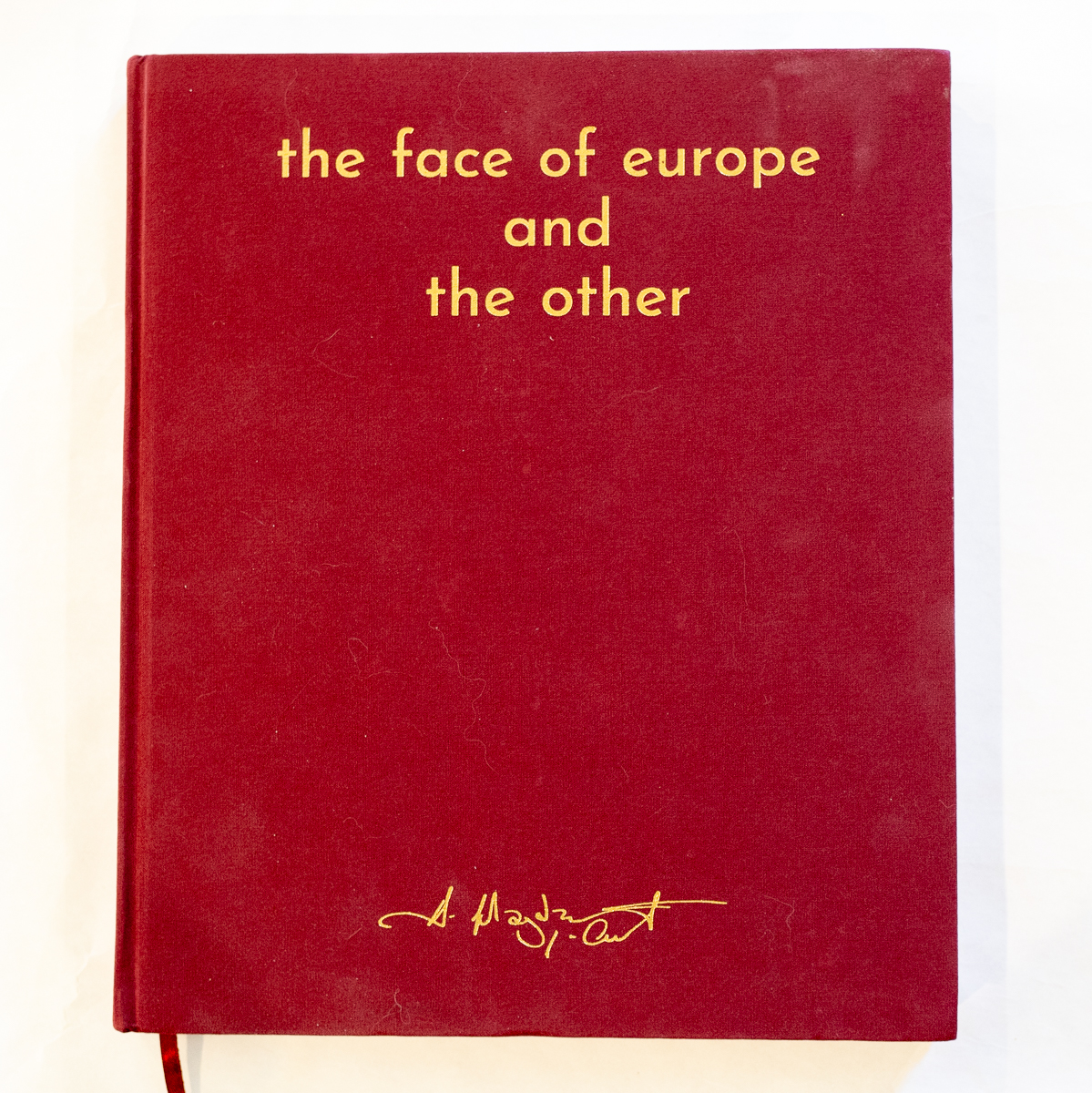
This fascinating book blends striking photography with human sociology, using the metaphor of a two-way mirror to reflect a Europe beyond postcards—and the people at its margins looking back. It is puzzling, yes, but undeniably compelling. In Yesilyurt’s opening manifesto, he makes clear that his aim is not to present an idealized or iconic image of Europe, but to show everyday Europeans looking at one another and at “the other,” those not usually associated with stereotypical ideas of what Europeans look like. To do this, he creates portraits of people, places, and objects, focusing on the relationships among the elements gathered within each image and bringing us all into his universal family.
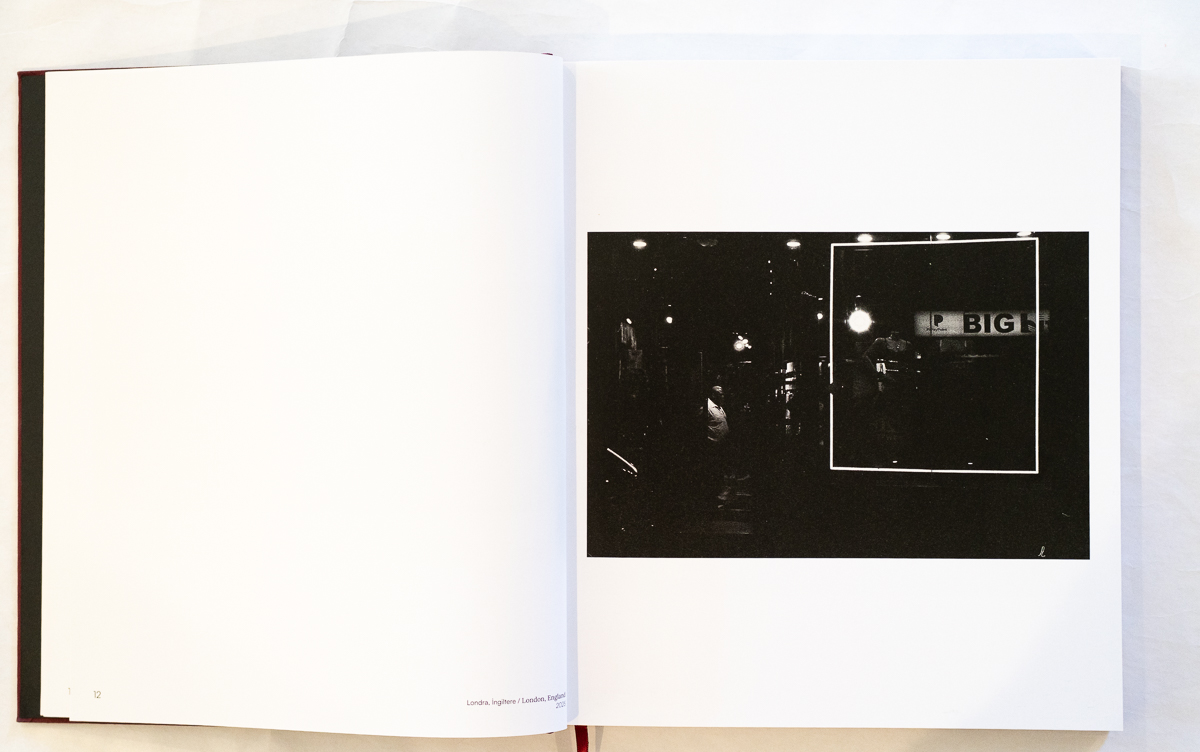
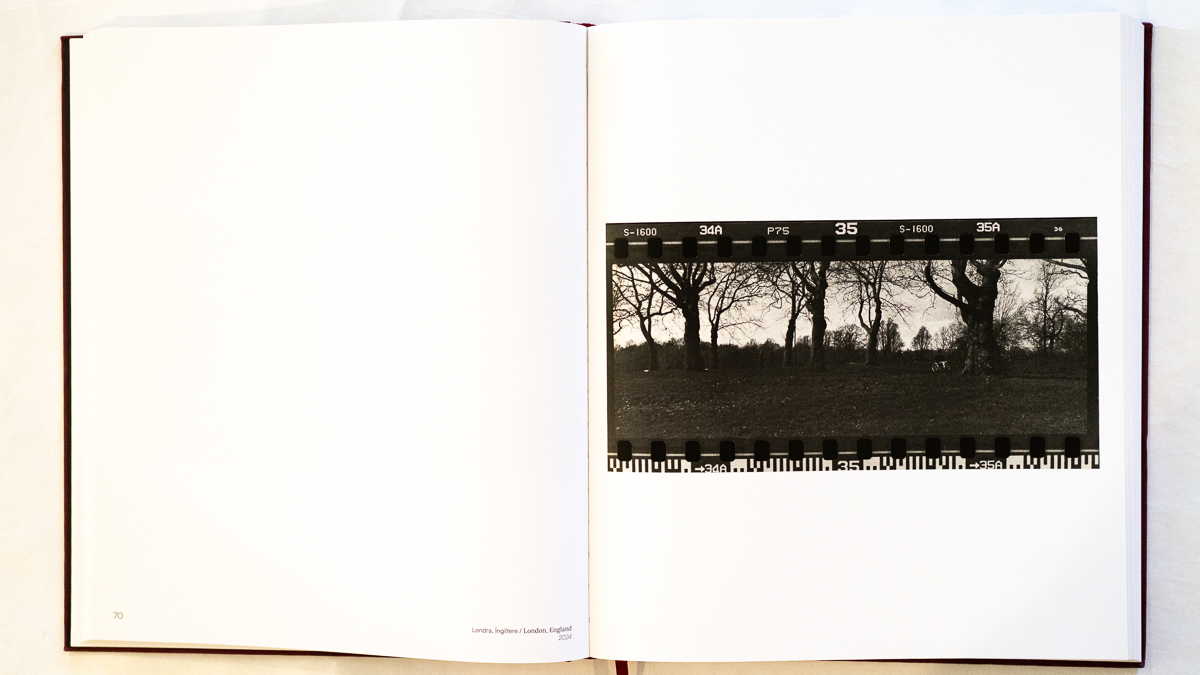
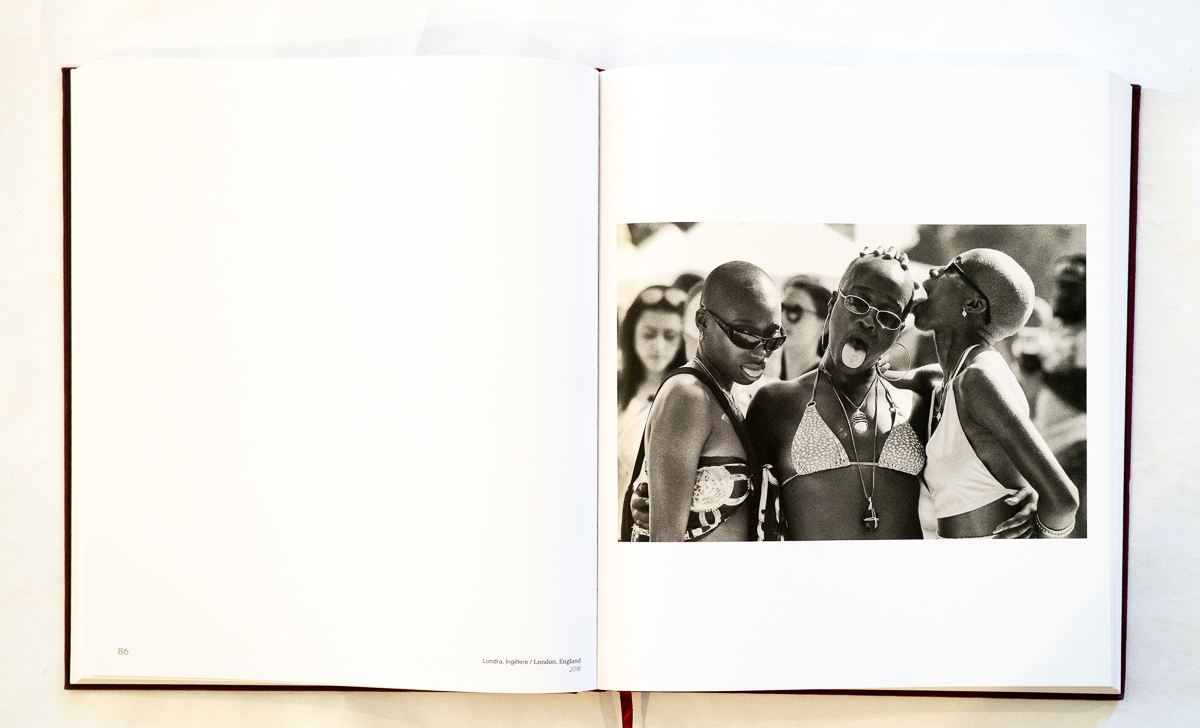
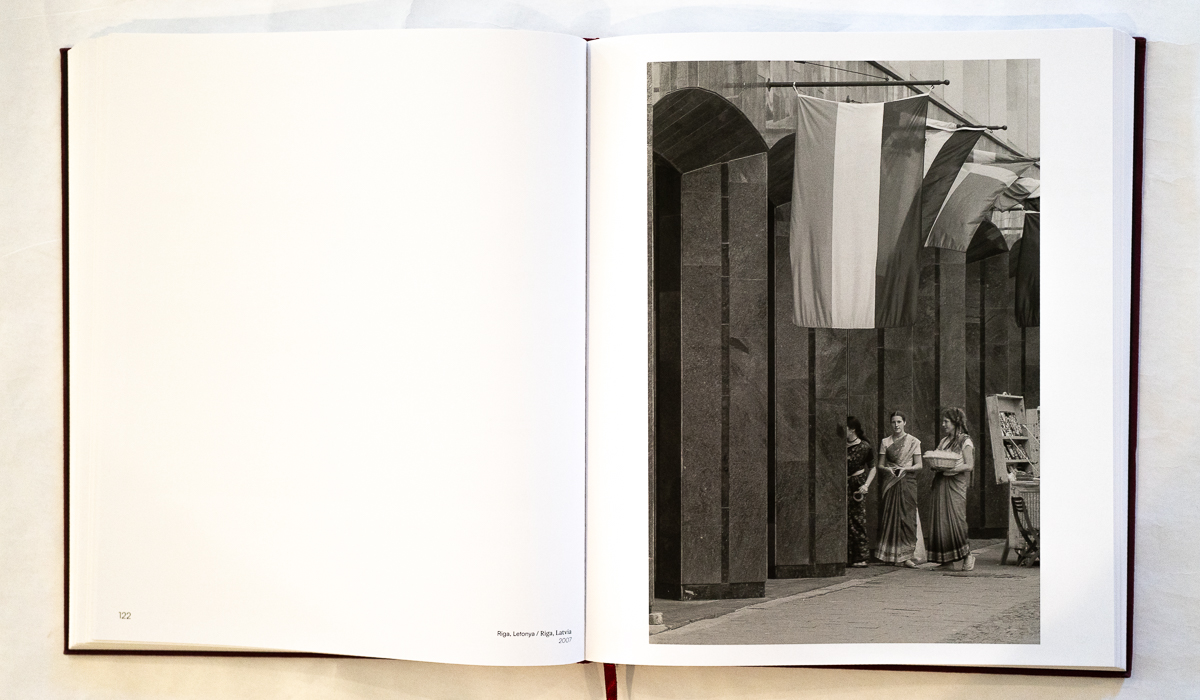
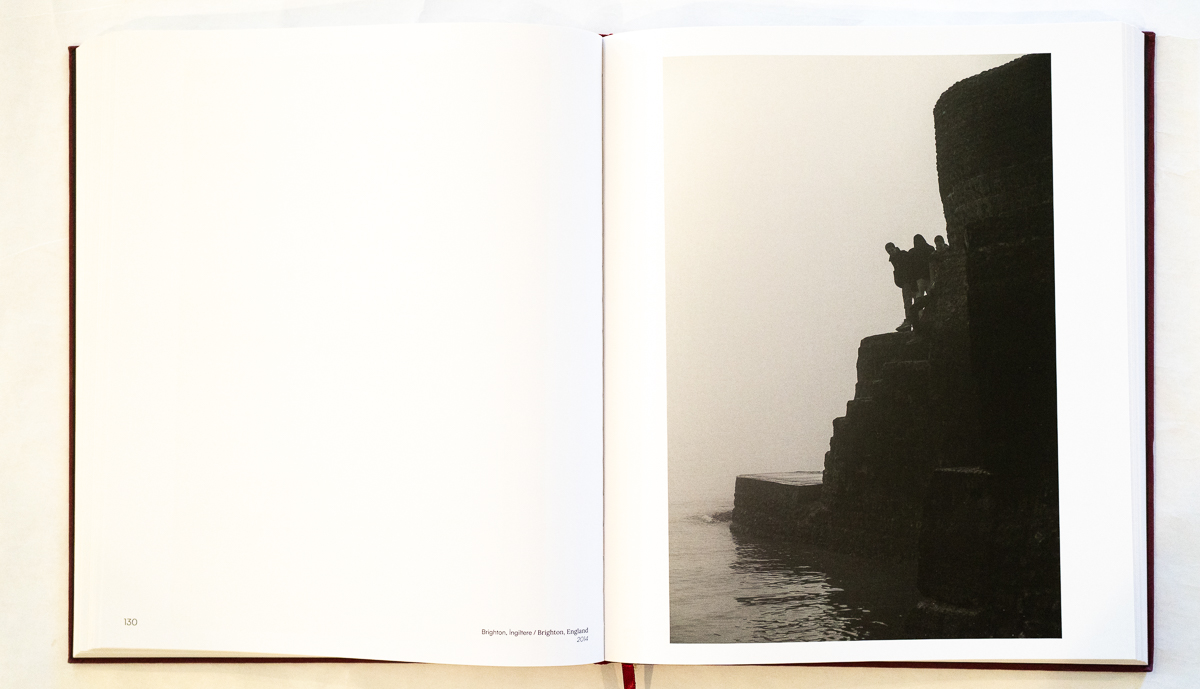
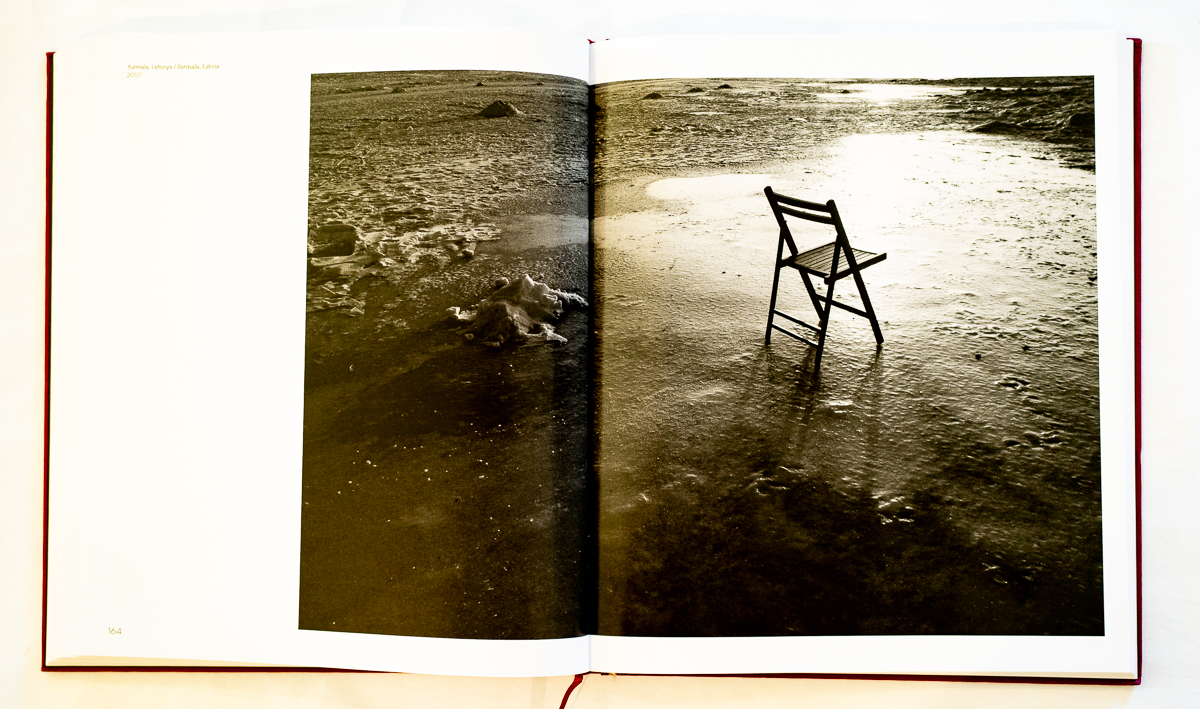
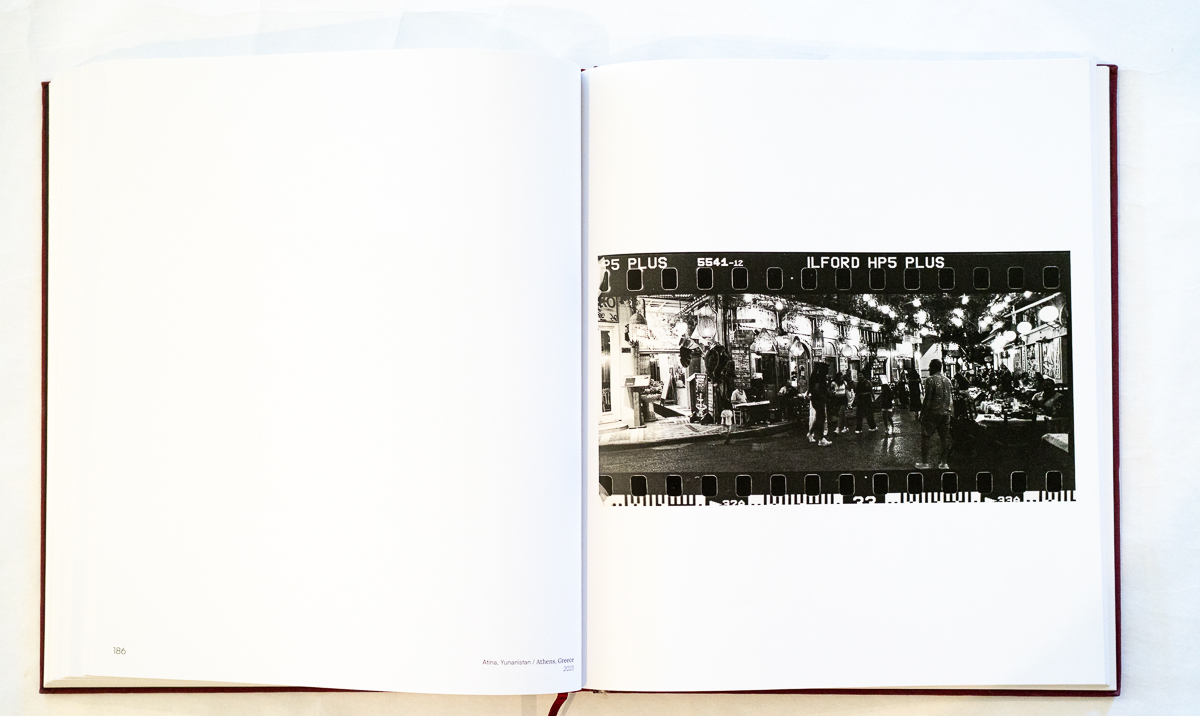
The images were made with a range of digital and film cameras, including some loaded with long-expired film. The resulting grain, wrinkles, and other process irregularities enhance each image’s character and become part of the content. Some photographs are tack sharp; others are softer, and that variation is part of the art. All the images are black and white. Each two-page spread places a single image on the right. The sequencing is cool, an almost rhythmic movement of culture, perspective, people, places, and things. We move easily from place to place going from wide view to closeup which emphasizes the artist’s skill at making portraits, not only traditional portraits but portraits of urban-scapes, landscapes, and life-scapes that have the same portraiture characteristics capturing the essence, personality, and soul of the content…not just the postcard view visitors expect to see in a book about Europe. And then…we’re taken to the other side of the mirror and we wonder…are these folks looking at the “normal” Europeans? What is the edge? Is it political? Geographic? Economic? Yesilyurt seems to hint it’s a “class” issue that’s never disappeared. His images do not suggest the subjects are one class or one group or one segment of society, he lets the reader decide by digging deep into the people, places, and context of his images and suggesting that perhaps we all belong together.
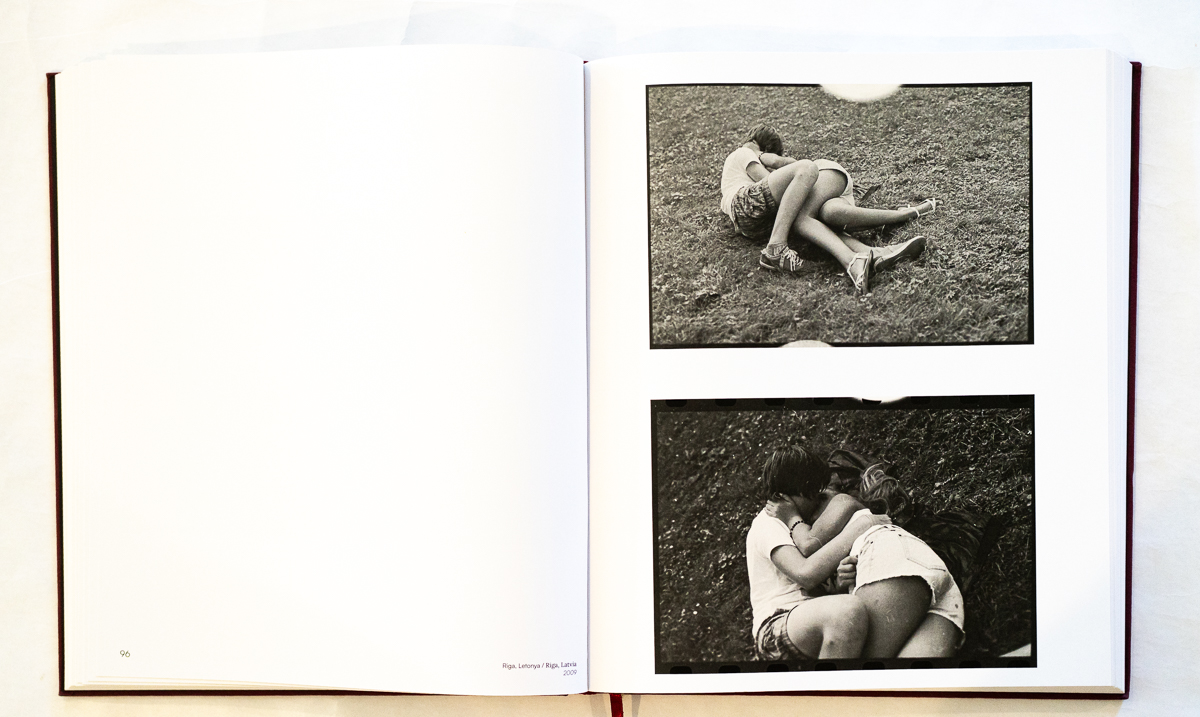
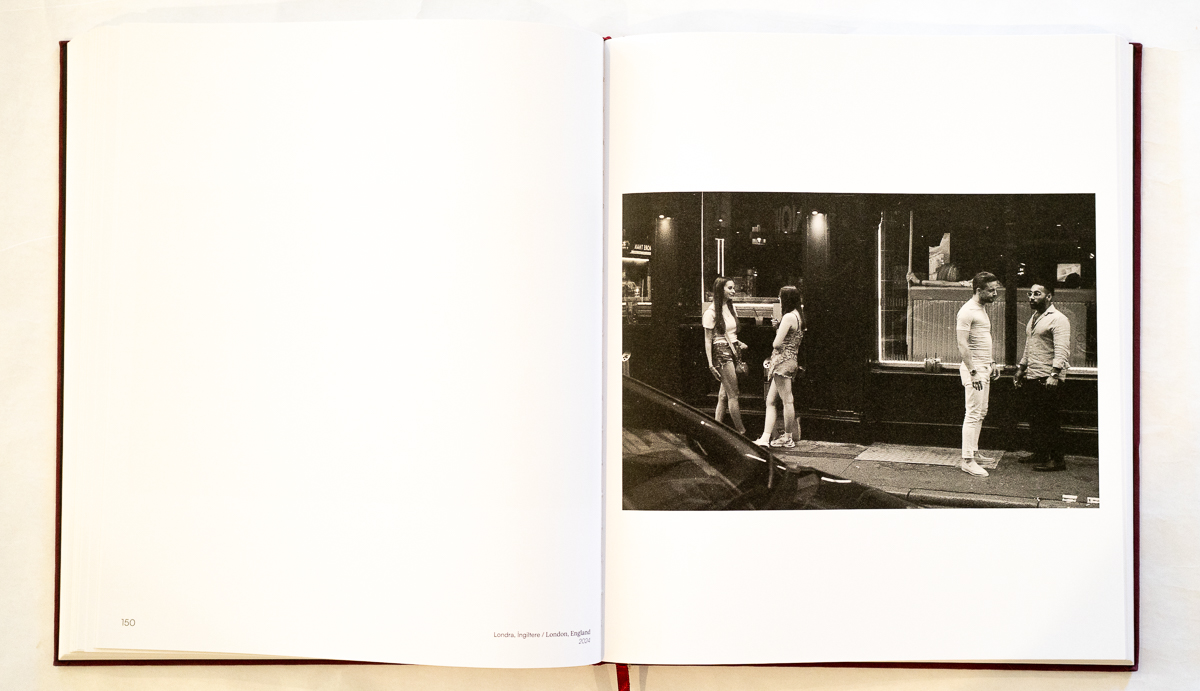
The images kept my attention, made me want to “see” the entire picture, and want to turn the page to continue the story. The tones of black and white bring the subjects alive…be they people, trees, buildings. The range of tones makes the geometry of each image the supporting star but the content was comforting, real people, doing real things, in real places. Where the people are adds context to the contact they are having with one another and to the place itself. Kissing in a deserted park. Walking in front of a café late at night. Lounging in London. I’m sure some posing took place, some of the more serious “looks” cry out as posed. But in truth, the sequencing brings out the people and places and any posing is lost in the view of the “real” person in the image. I tried to lose myself in the images and forget the wall Yesilyurt would have us believe exists. I’m quite aware of the actual divides and differences but what Yesilyurt’s story brings is there is possibility. Perhaps not to erase or ignore the chasm but to understand and build bridges.
This isn’t the easiest book to buy in the U.S., but much easier from Europe. Please consider writing to inquire about getting a copy…you’ll love it.
Lee Halvorsen is assistant editor, writer and visual artist living in Virginia.
__________
the face of Europe and the other by Ali Haydar Yesilyurt
Artist: Ali Haydar Yesilyurt, born in Ordu, Turkey, working and living in London
Manifesto/Foreword: Ali Haydar Yesilyurt
Opening Essay: Orhan Cem Cetin
Epilogue: Professor Dr. Ataol Behramoğlu
Design: Serla Tekin
Copyright ©2026, All Rights Reserved
Publisher: Espas Sanat Kuram Yayinlari
Please write to inquire about ordering this book: svetlana.yesilyurt@gmail.com
Link to more info on the book.
Printed in Instanbul
Language: Turkish and English
Large-format hardcover edition, 240 pages, 114 images, 27 × 32 cm, ISBN: 978-605-4363-66-7, bound in Italian linen cloth.
__________
__________
Articles and photographs published in the PhotoBook Journal may not be reproduced without the permission of the PhotoBook Journal staff and the photographer(s). All images, texts, and designs are under copyright by the authors and publishers.


Leave a Reply