Review by Hans Hickerson ·
Move over, Alec Soth.
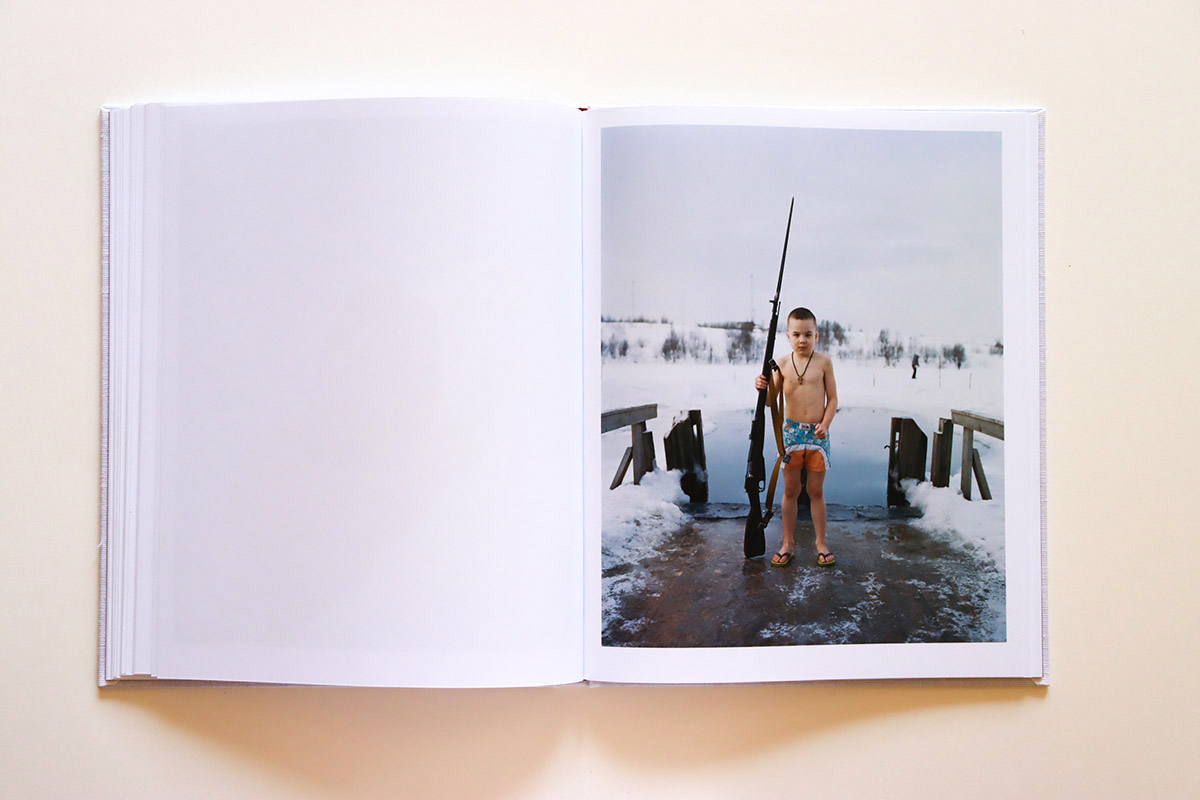
The iconic photo of Airplane Man that helped make your reputation has been updated and is now set in Russia, on the Kola Peninsula. Instead of a man, he is a young boy wearing only a colorful swimming suit and flip flops. He is standing in front of a lake in a barren, frozen landscape and is holding a vintage military rifle, complete with bayonet. He has a buzz cut and is wearing a simple wooden cross around his neck. We gather he is at the lake for a polar plunge. He does not seem to be nervous about jumping into the frigid water, and he stares at the photographer with the grim seriousness of the soldier he may one day become. Strange, memorable, and true, just like Airplane Man. A mystery begging to be explained.
A picture is worth a thousand words, and this photo and others in Tanya Sharapova’s Kolsky capture the situation in one corner of Russia today. But you have to think about these photos, you have to give them time to work on you, you have to allow them reveal themselves. You cannot get them in the time it takes to swipe an image on Instagram. Although they are contemporary photographs, this is slow media. These are images to ponder.
Photos like this need some context, if not explanation, and the text by Andrei Zavadski that follows them provides it. He explains the history of colonization of the Kola Peninsula, the northwestern-most region of Russia that borders Finland, Norway, and the Barents Sea. In Soviet times it was a hub of mining and it hosted a strategic northern naval port, but in past decades it has fallen on hard times.
Sharapova shows us decay and neglect in her photos. Roughly a third of the photos are portraits, and interspersed among them are landscapes, urban views, details of contemporary life, and a few vintage snapshots of people. There are no captions or identifying texts.
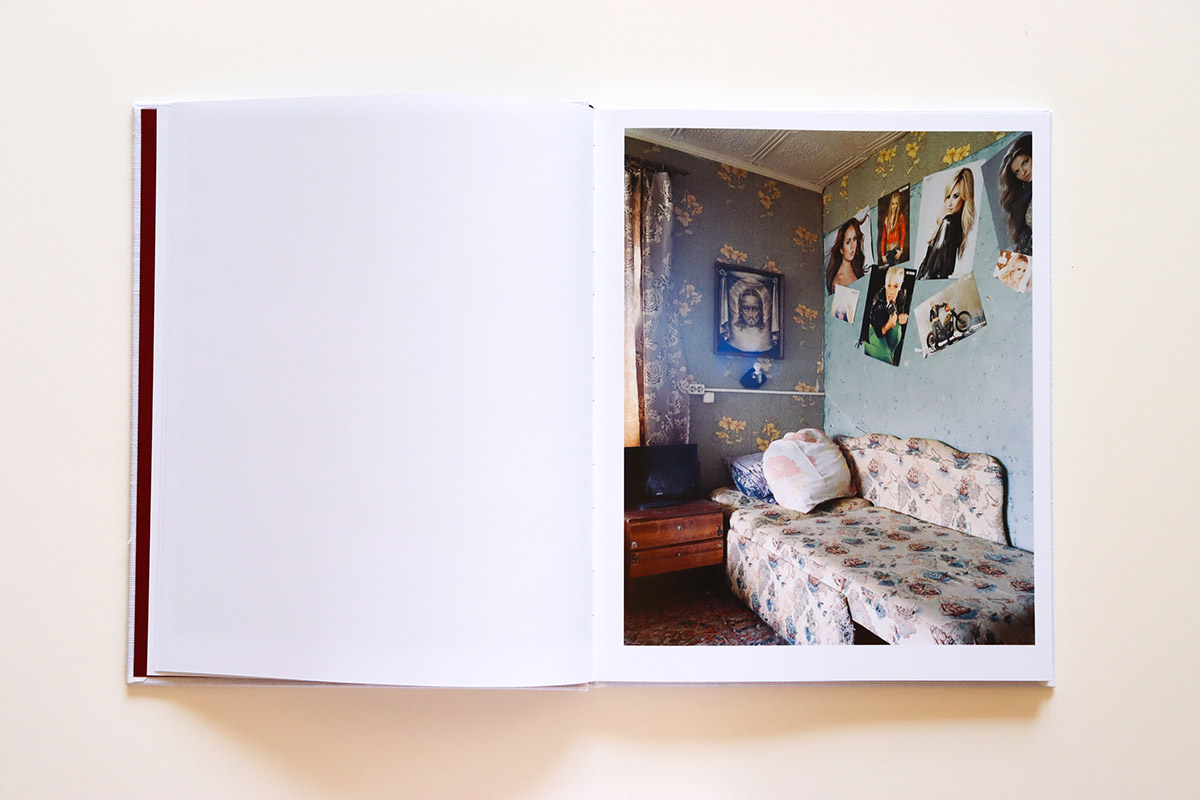
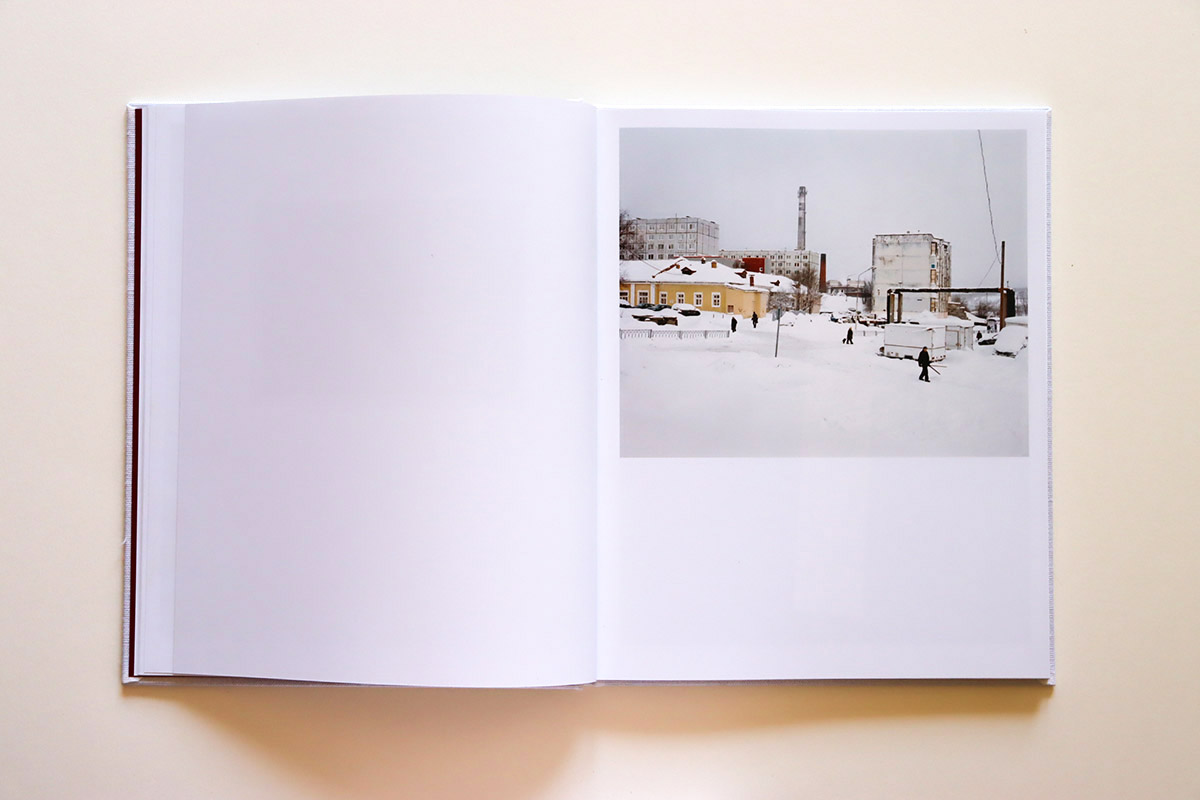
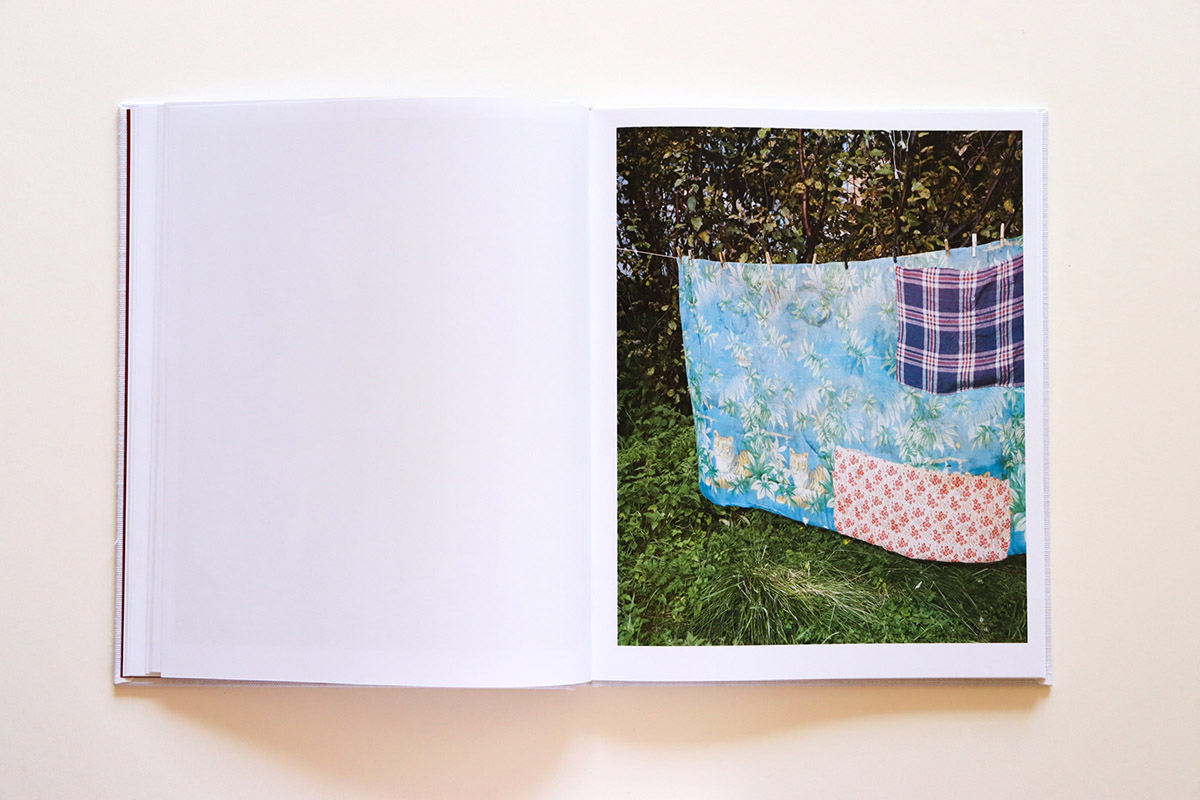
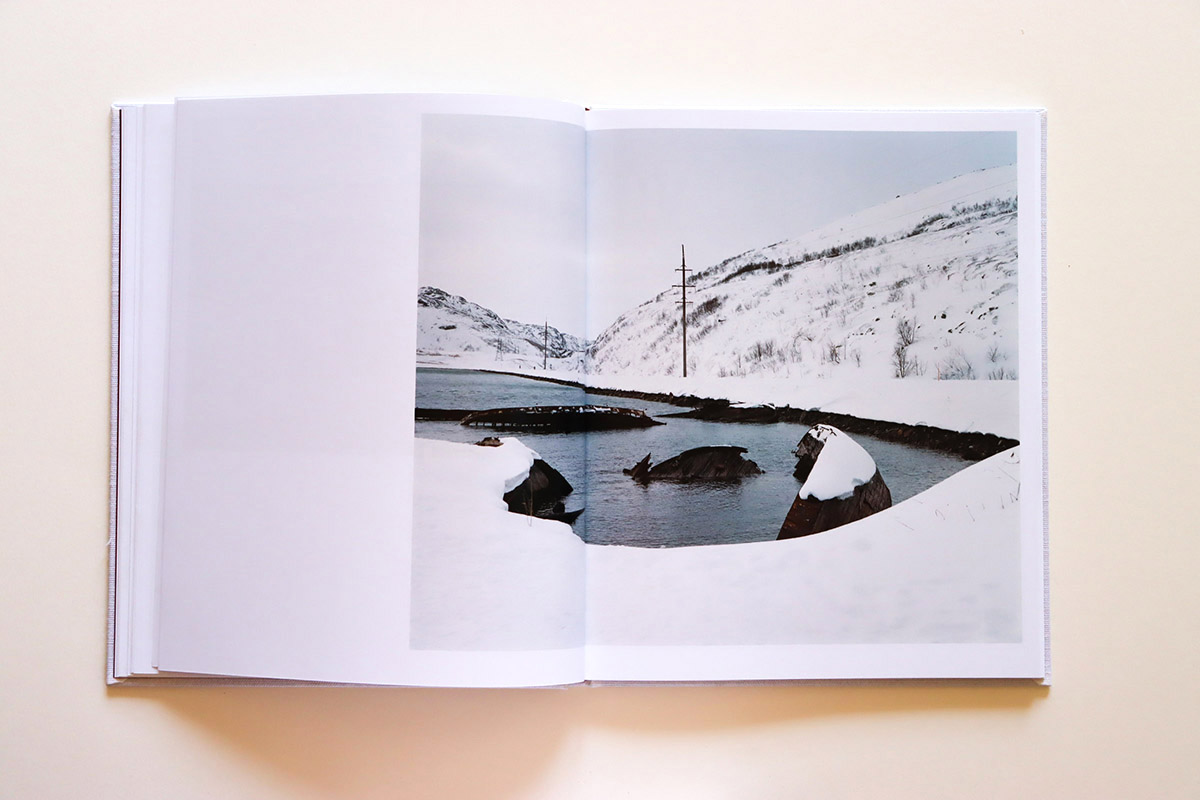
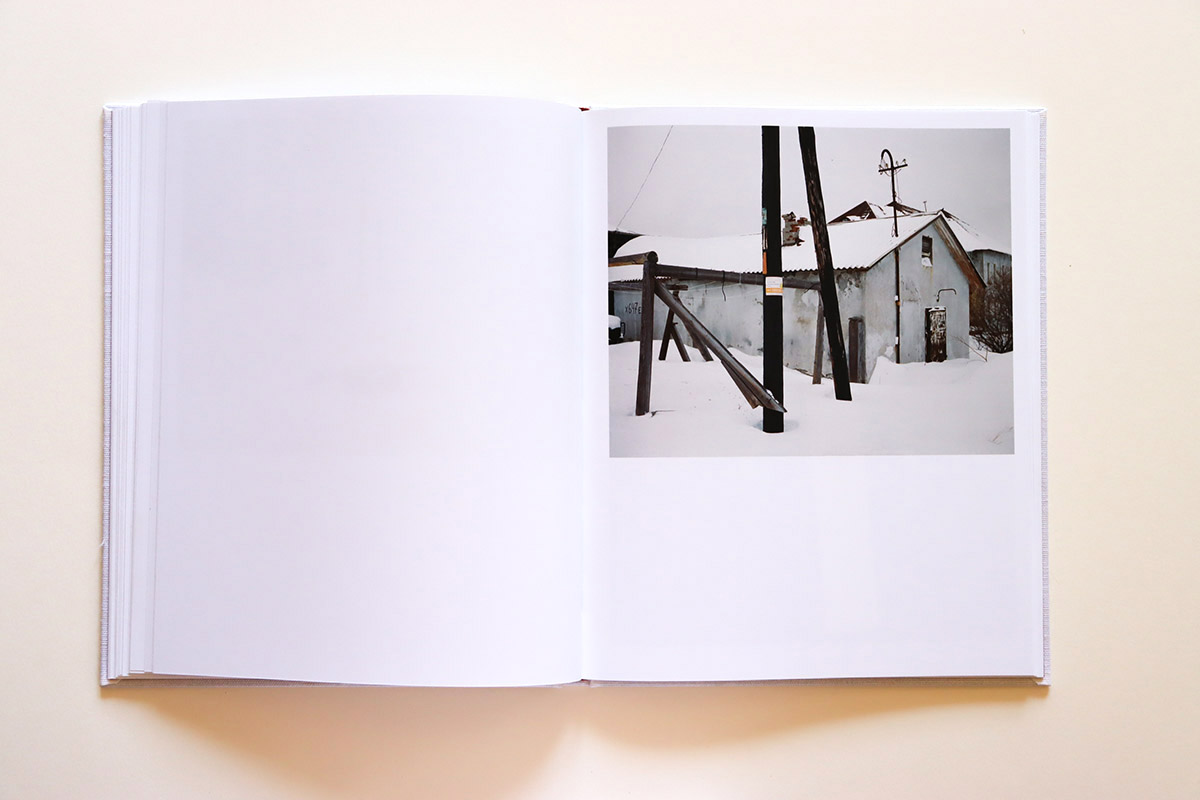
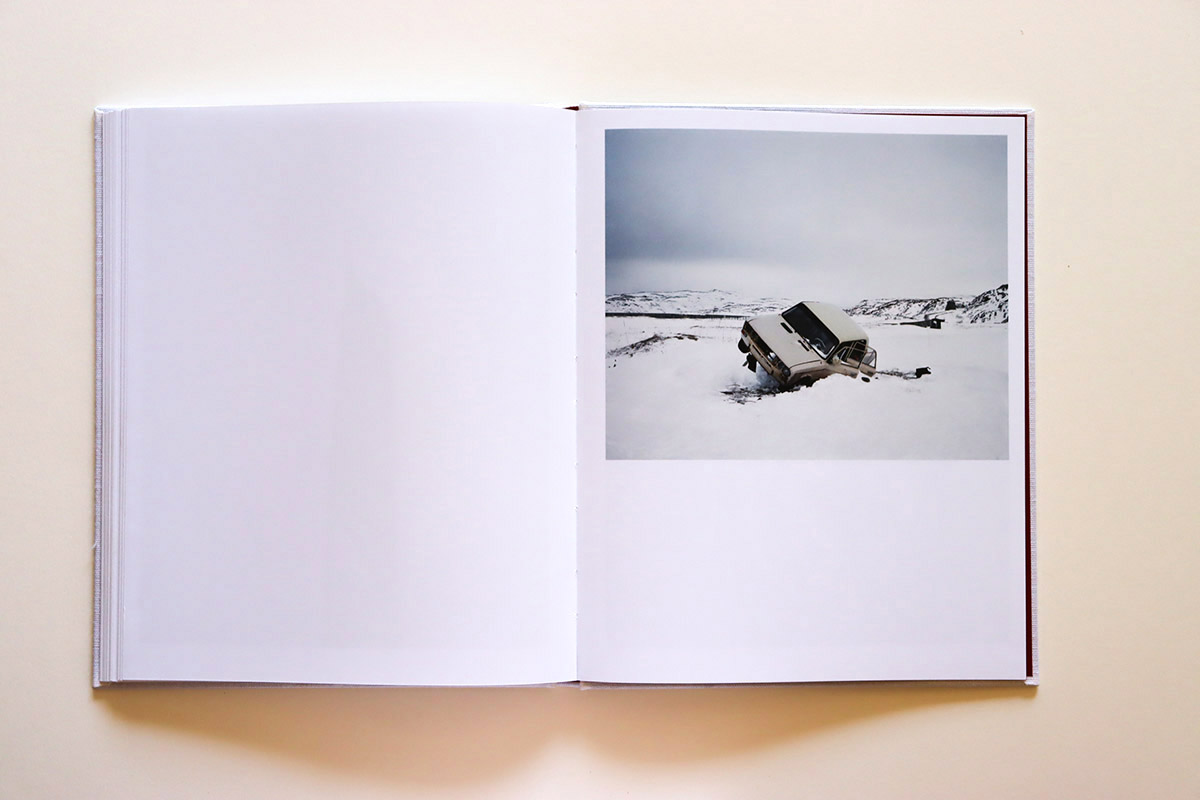
The landscapes feature snow-covered expanses with abandoned buildings, sunken wooden boats, and grim views of blocky buildings. We are shown details of cars buried in snow, piles of broken concrete and twisted rebar, worn wooden buildings, and a “Z” graffiti on an interior wall. The interior scenes we see are similarly humble and faded. Is the unrelieved gloom what we ourselves would observe or is it merely Sharapova’s take on the place? Impossible to know, but we trust that she is sharing what she saw.
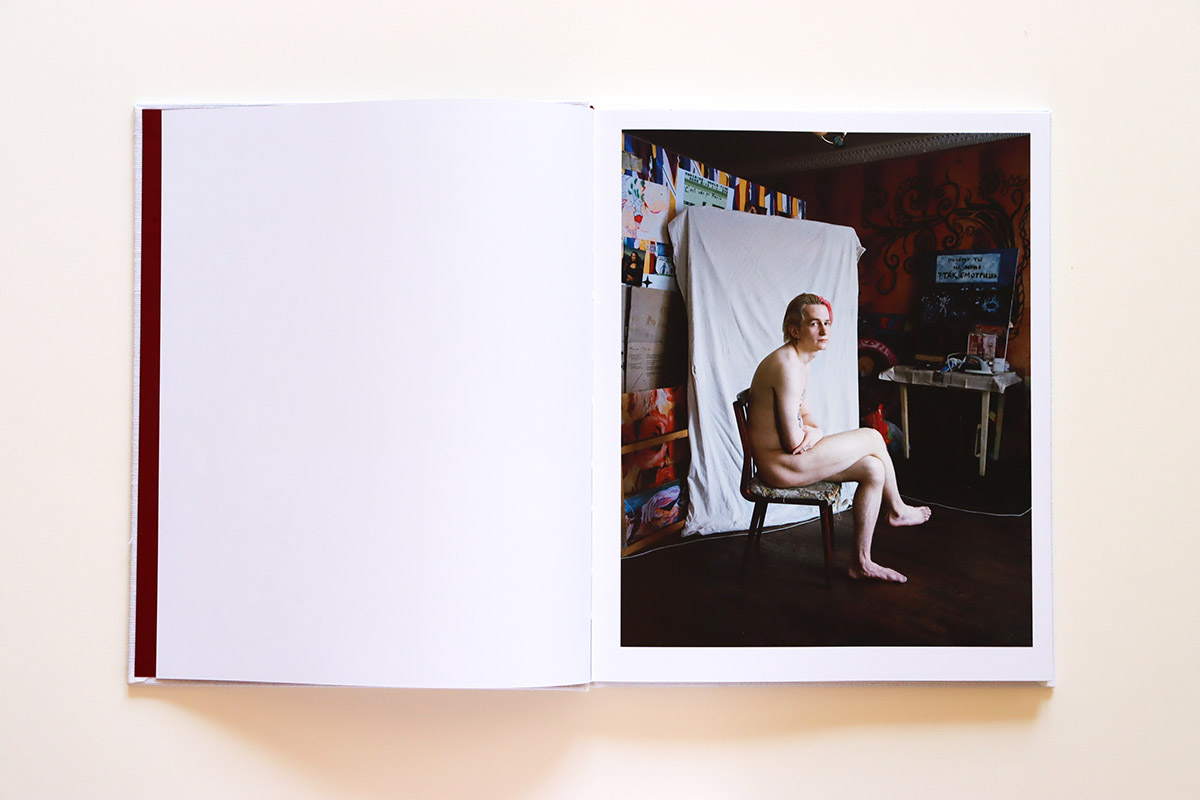
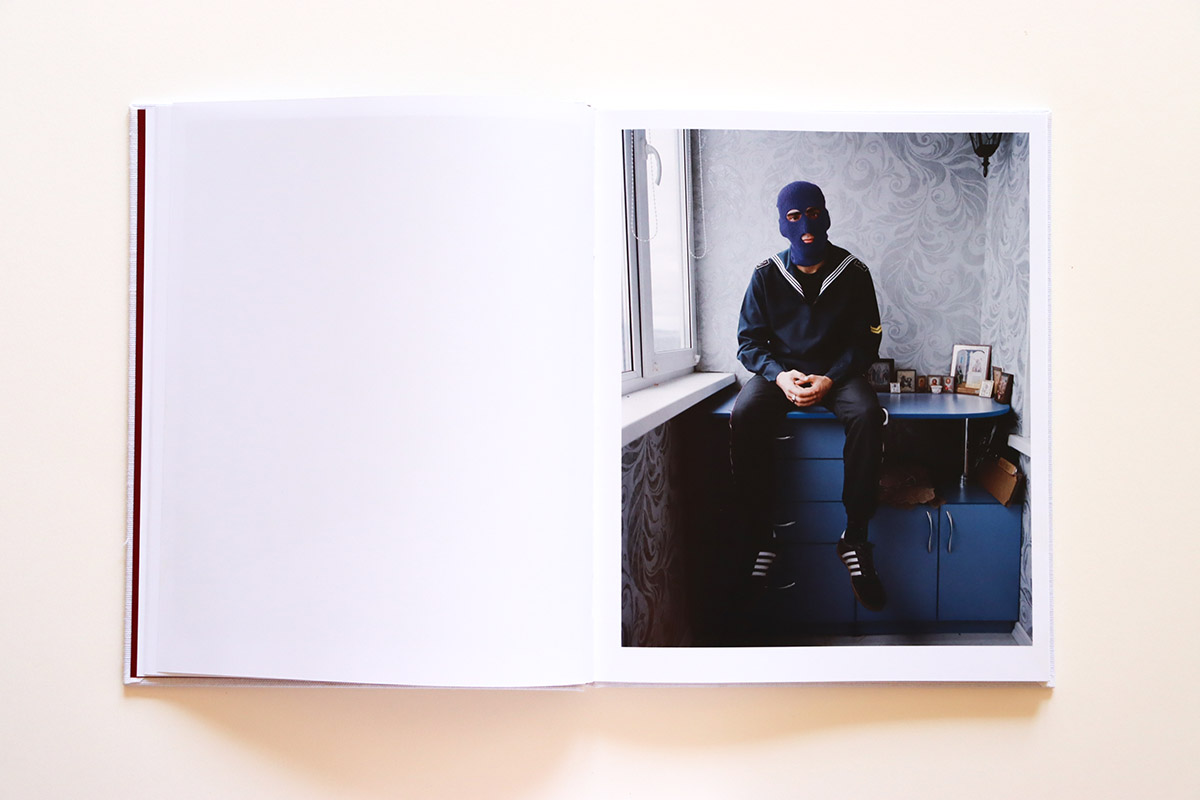
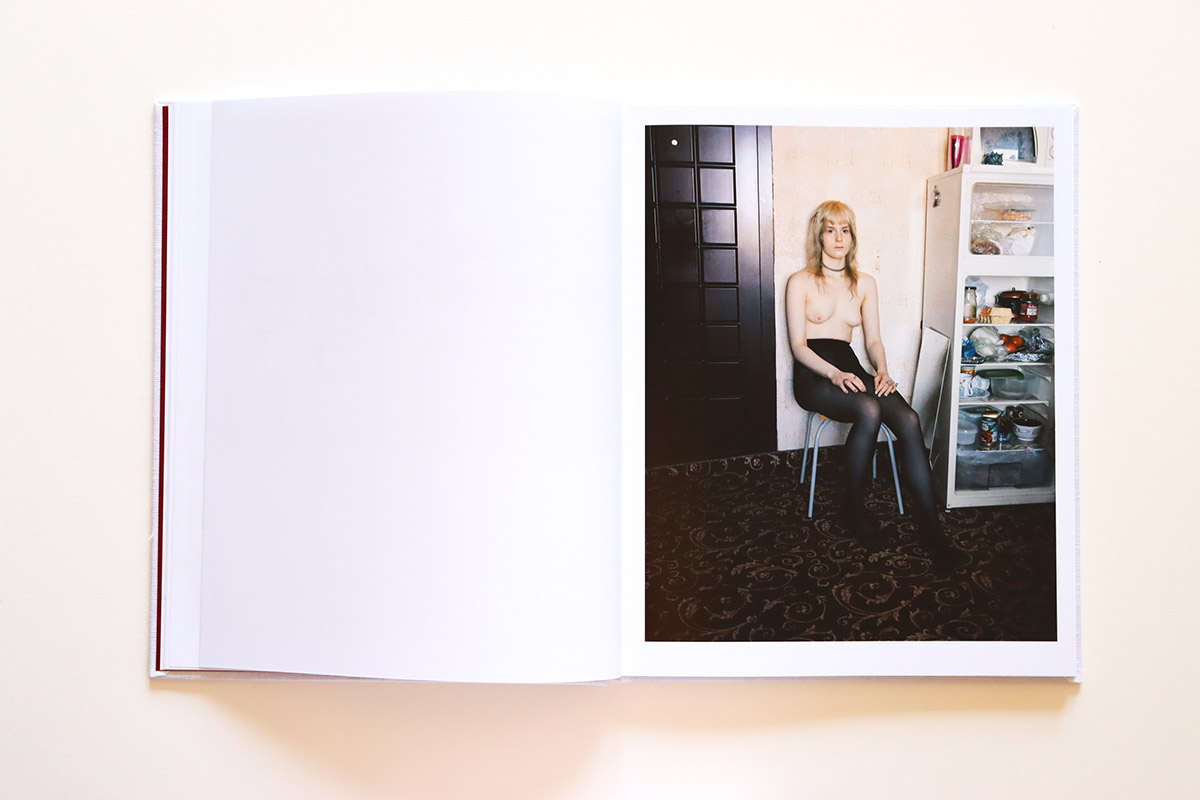
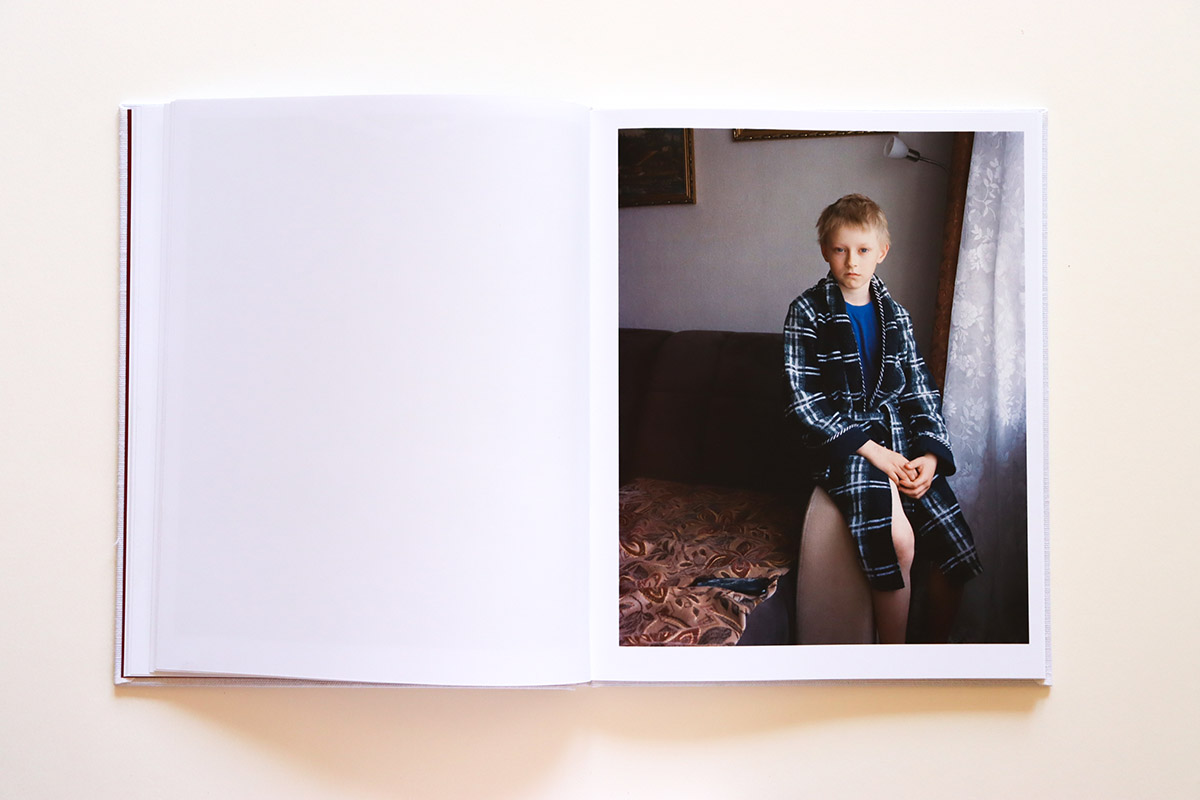
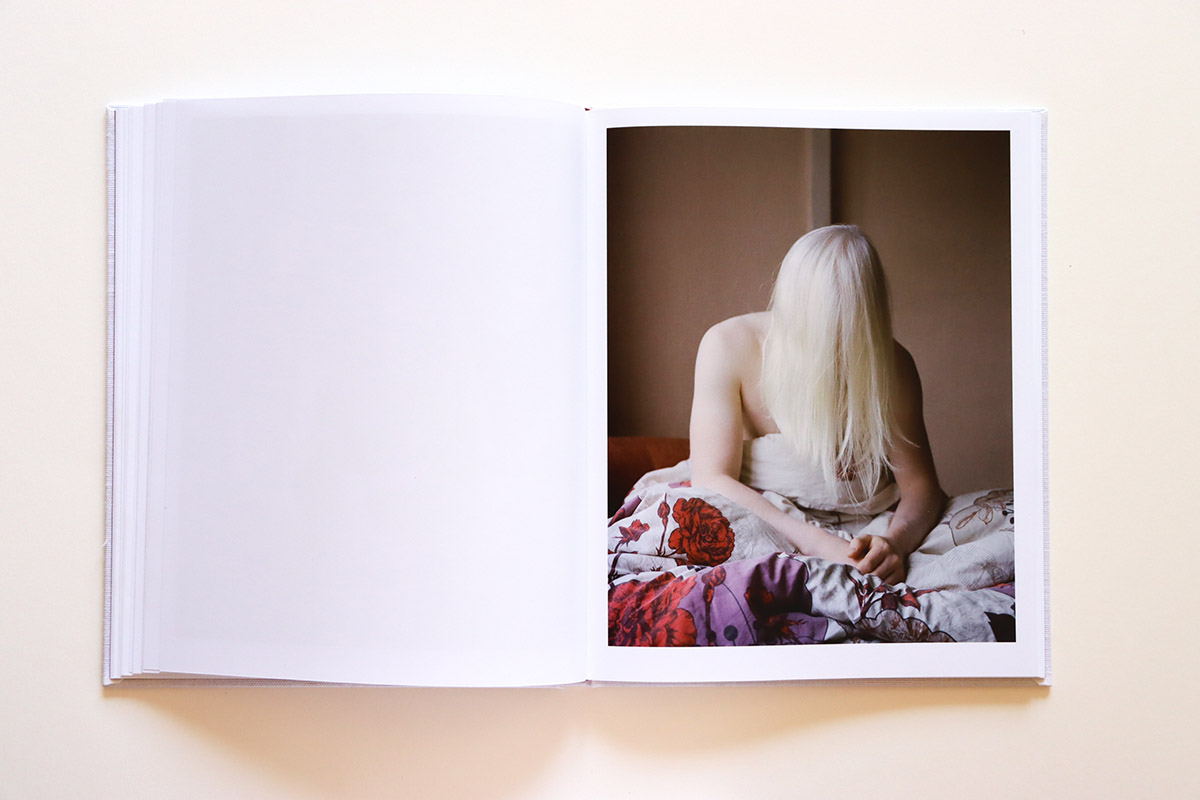
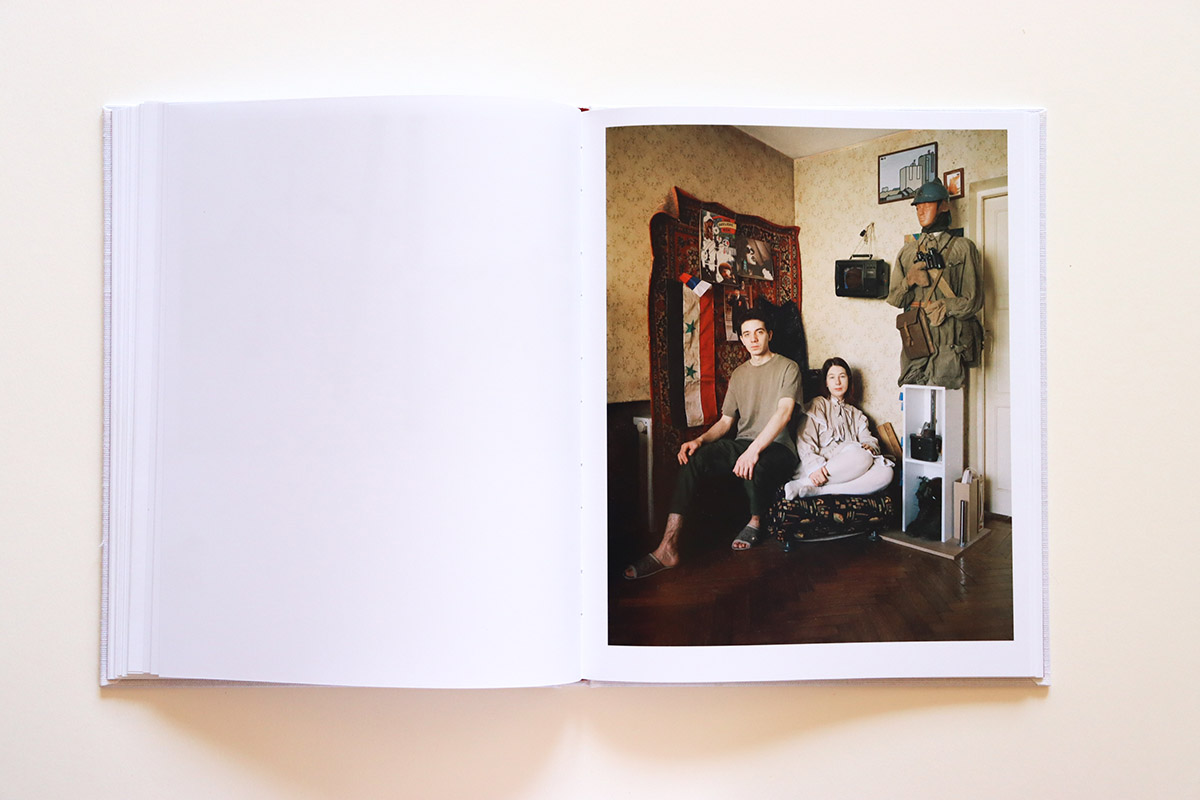
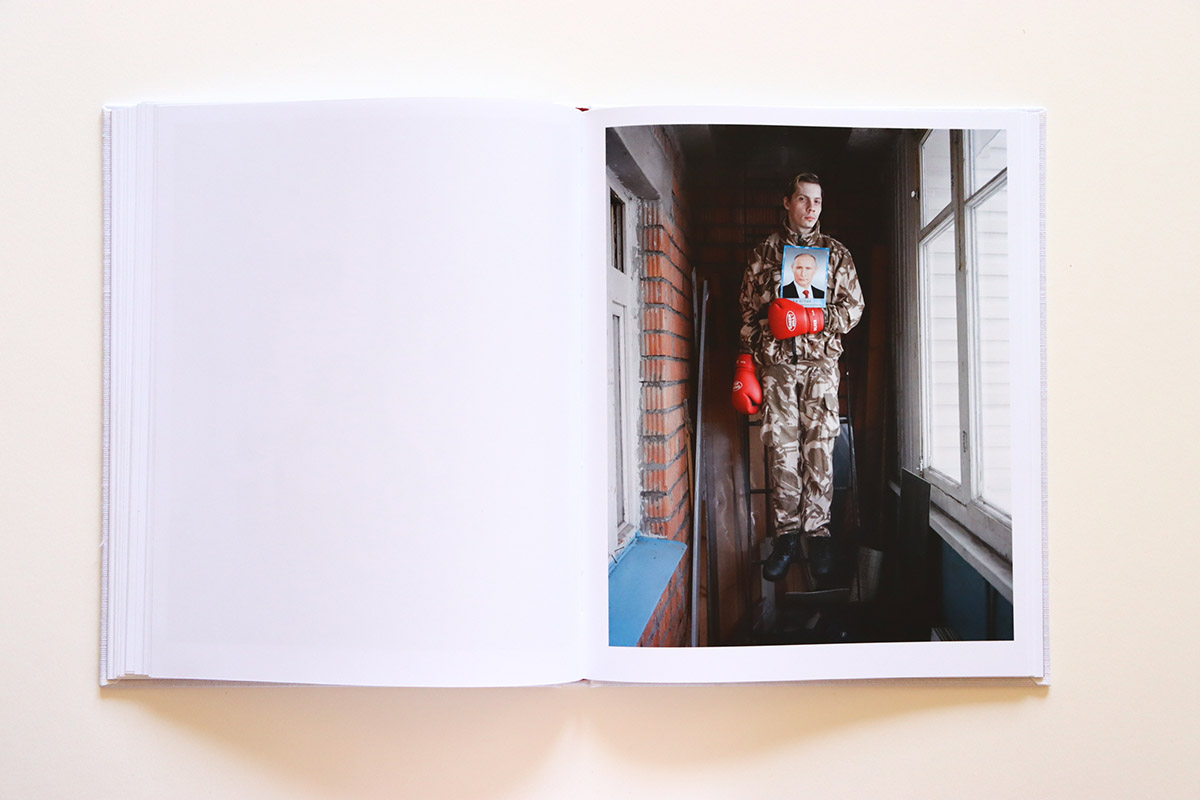
The eighteen portraits are mostly of younger people, perhaps because they were more open to posing and less suspicious of a stranger. The portraits obviously involved the cooperation of the sitters. Most were taken inside, and in not quite half of them the people are partially or fully nude. In a number of pictures their faces are obscured or hidden and in quite a few others we see military uniforms. One young woman poses with a large snake. A young man in camo standing on a chair wears boxing gloves and cradles a photograph of Vladimir Putin. Two teenage boys with VR headsets sit outside on an enormous painted truck tire.
You could spend days analyzing the psychological messages the sitters send. You could discern defiance, pride, stoicism, stubborn resistance, realism, and resignation, along with notes of generosity and innocence. They are straightforward pictures of people, but they are not so simple. They hide as much as they reveal.
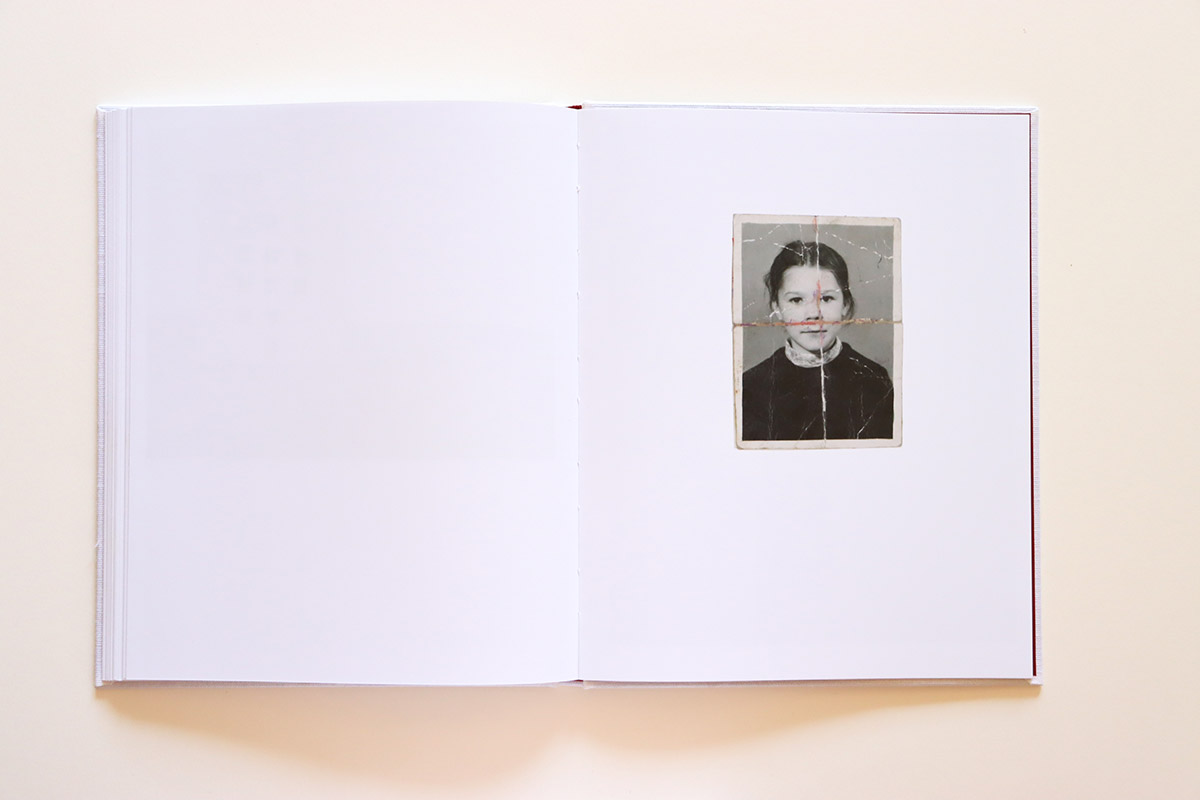
The five vintage monochrome snapshots – “found material” – add another layer to the narrative. They capture intimate, happier, more spontaneous moments that contrast with the seeming emptiness of the present.
The treatment of the photographs in Kolsky is in keeping with Kult’s emphasis on giving the pictures space to breathe. There is a single image per right-hand page spread, although some are larger and continue onto the left page. There are no editorial gimmicks. The photos are well printed and the layout is direct, honest, and effective.
In Kolsky Tanya Sharapova’s photographs are a revelation. They take us somewhere we wouldn’t otherwise go; they show us things we wouldn’t otherwise see. Their mystery makes us think. What are these places? Who are these people? What do they mean?
Hans Hickerson, Editor of the PhotoBook Journal, is a photographer and photobook artist from Portland, Oregon.
____________
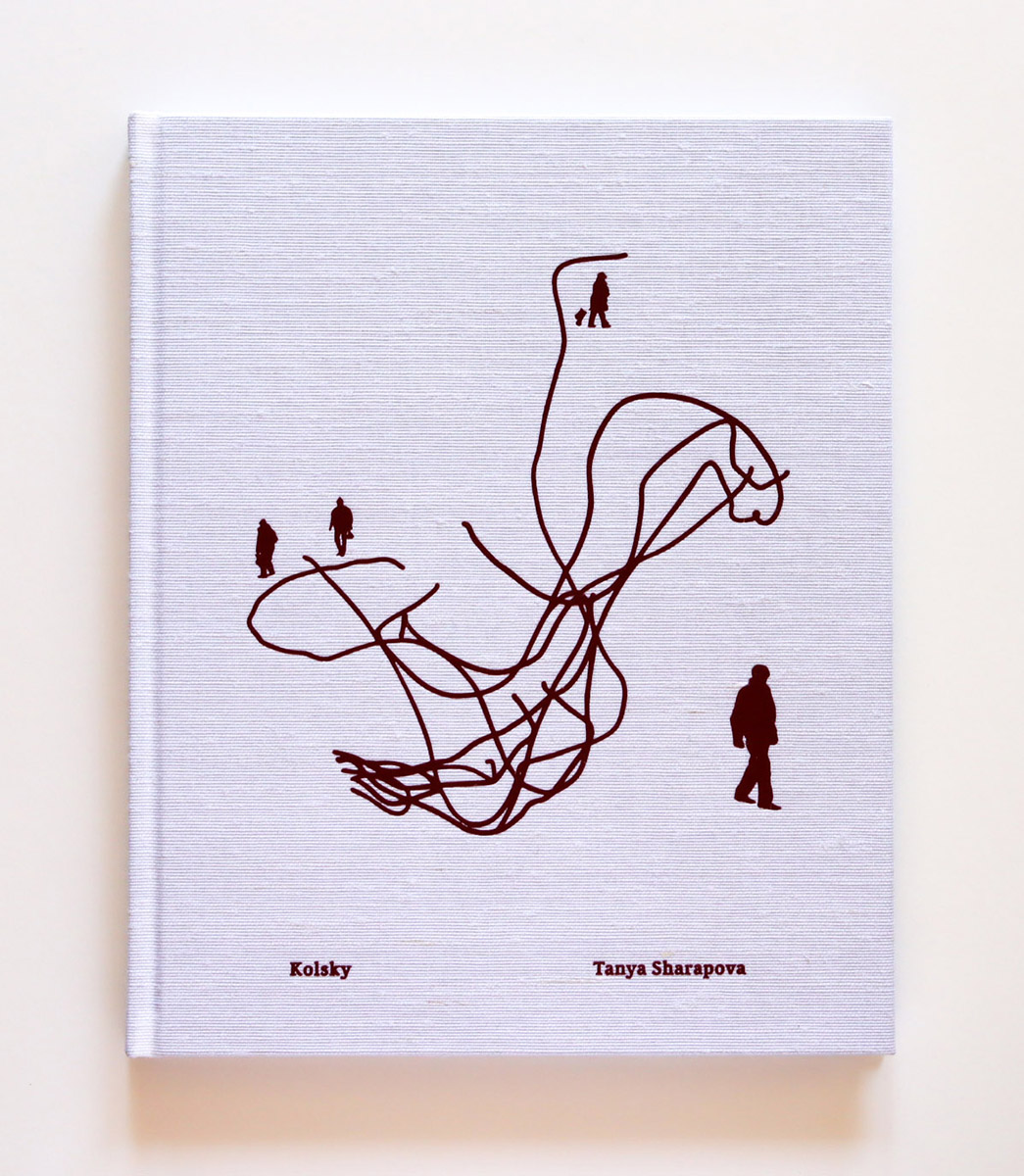
Tanya Sharapova – Kolsky
Photographer: Tanya Sharapova (born in 1984 in Russia, lives in Berlin)
Publisher: Kult © 2026
Language: English
Text: Andrei Zavadski
Design: Tanya Sharapova and Janne Riikonen
Printing: Jelgavas Tipografija
Foiled cloth hardcover; sewn binding; 41 photographs and found material; 96 pages; 21 x 26 cm; ISBN 978-91-990235-6-4
____________
Articles and photographs published in the PhotoBook Journal may not be reproduced without the permission of the PhotoBook Journal staff and the photographer(s). All images, texts, and designs are under copyright by the authors and publishers.


Leave a Reply