Review by Hans Hickerson ·
When is less more and when is it less? When do fewer images in a photobook result in a better viewing experience, and when are more images better? It is a tricky question. Everyone’s experience of a book is personal. One person’s overstuffed album is another person’s fascinating collection. One person enjoys an extensive collection of photos that are variations on a theme while another does not.
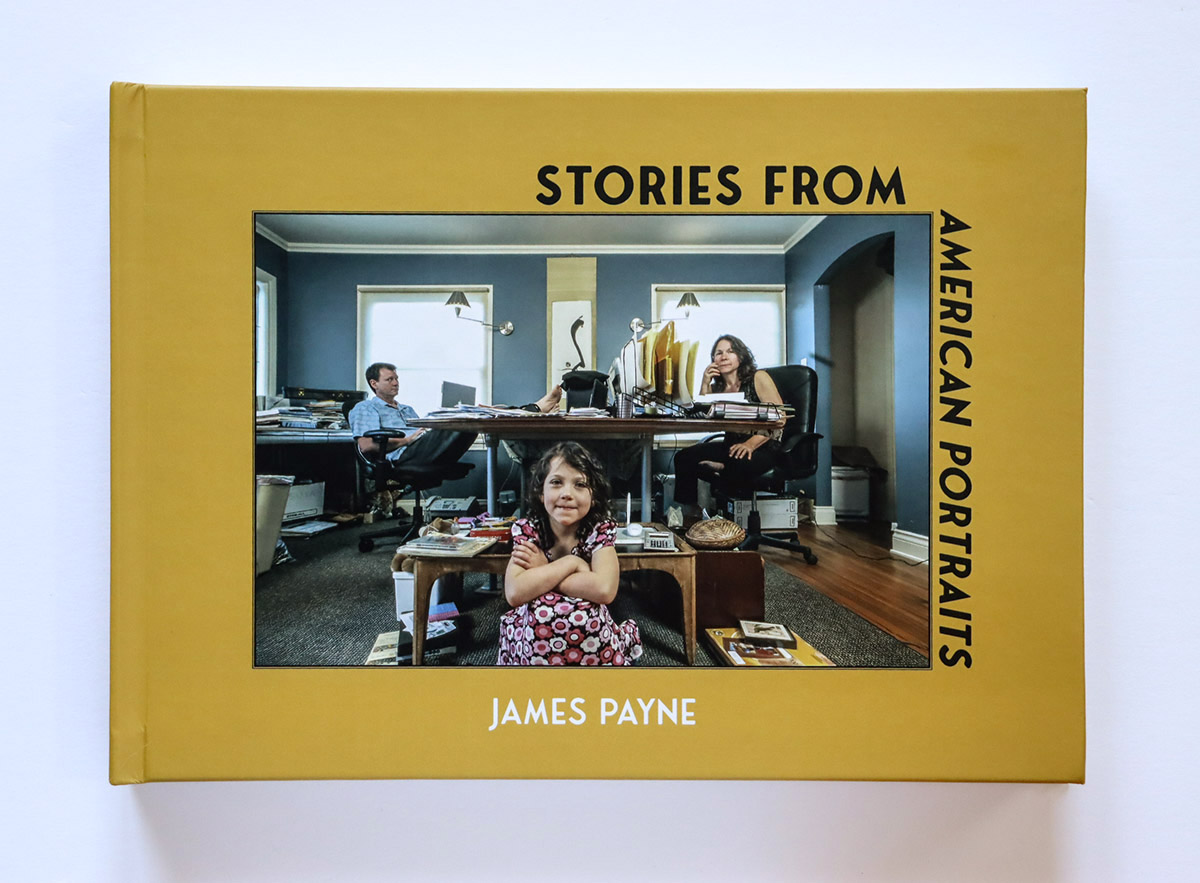
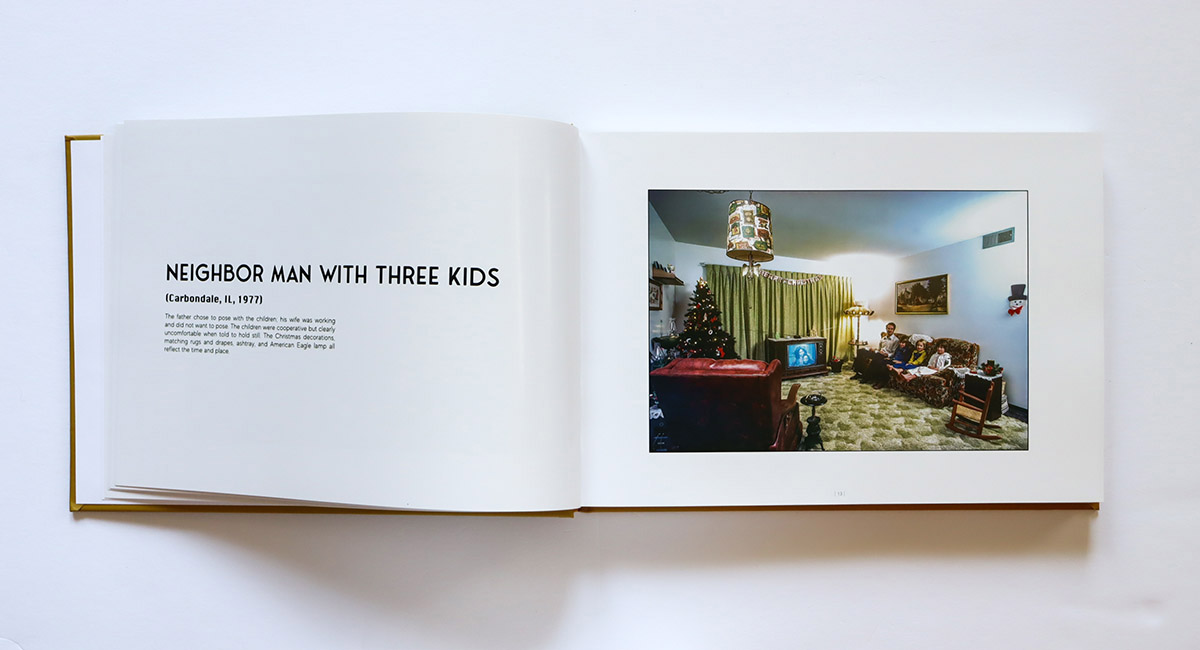
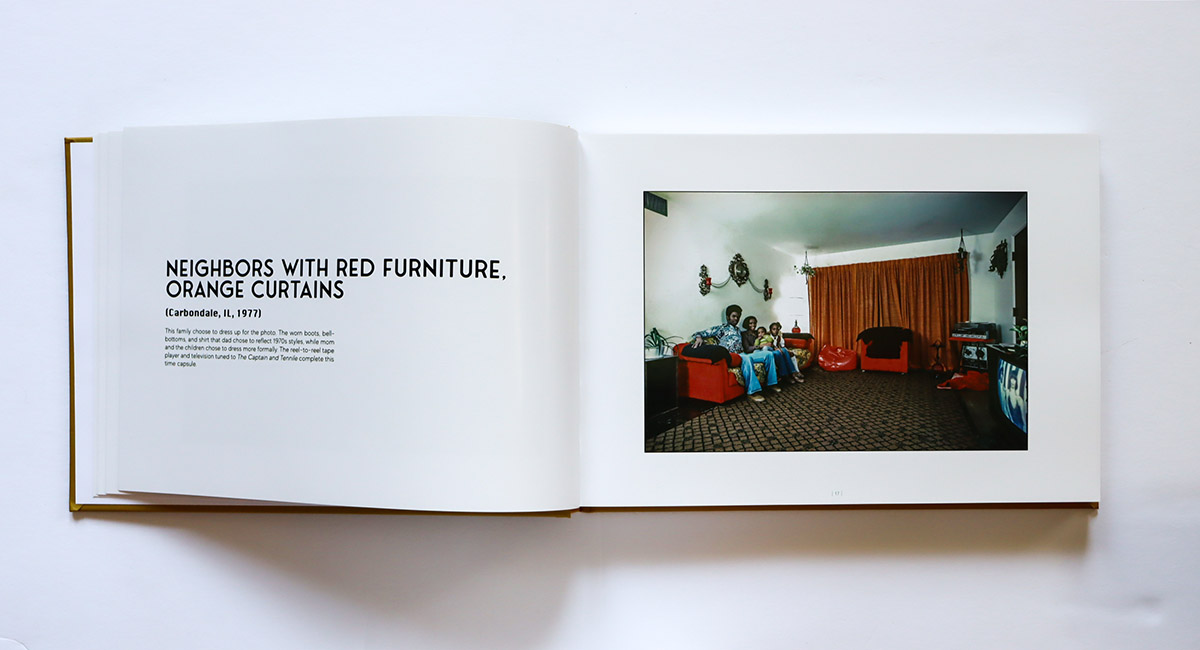
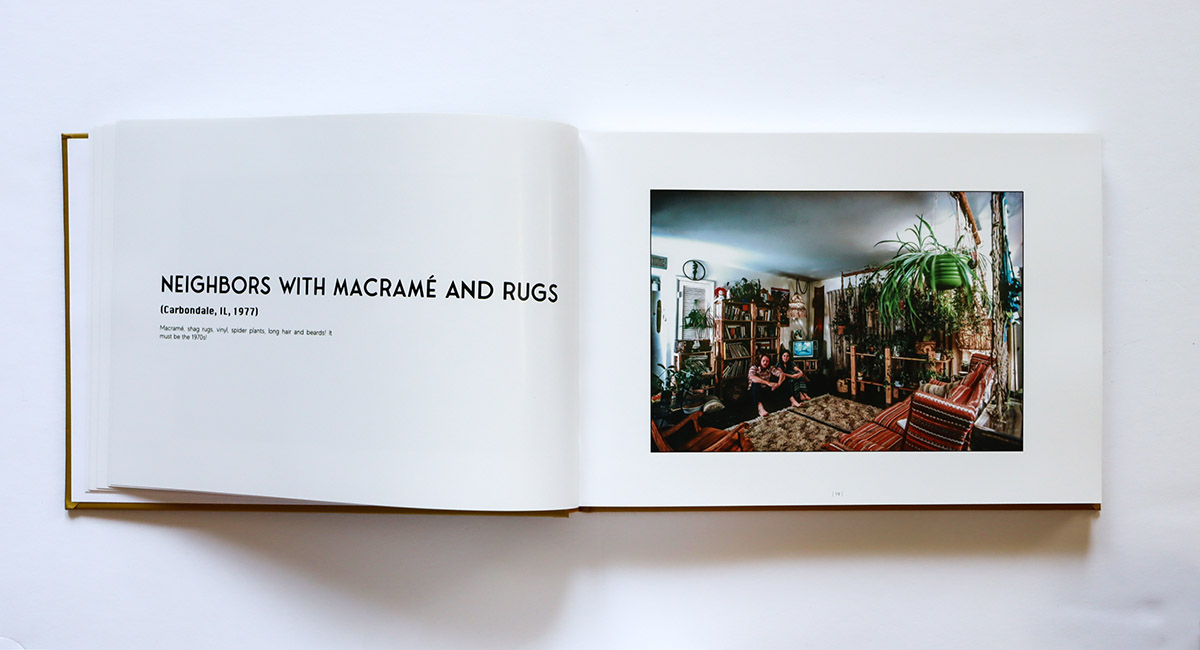
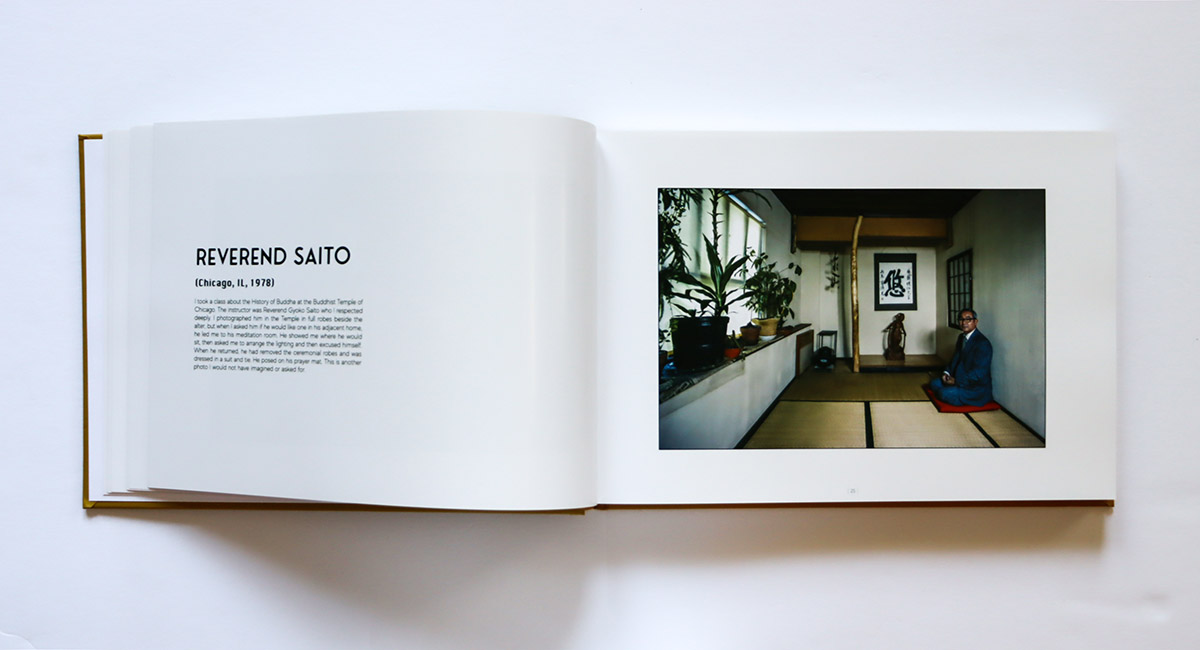
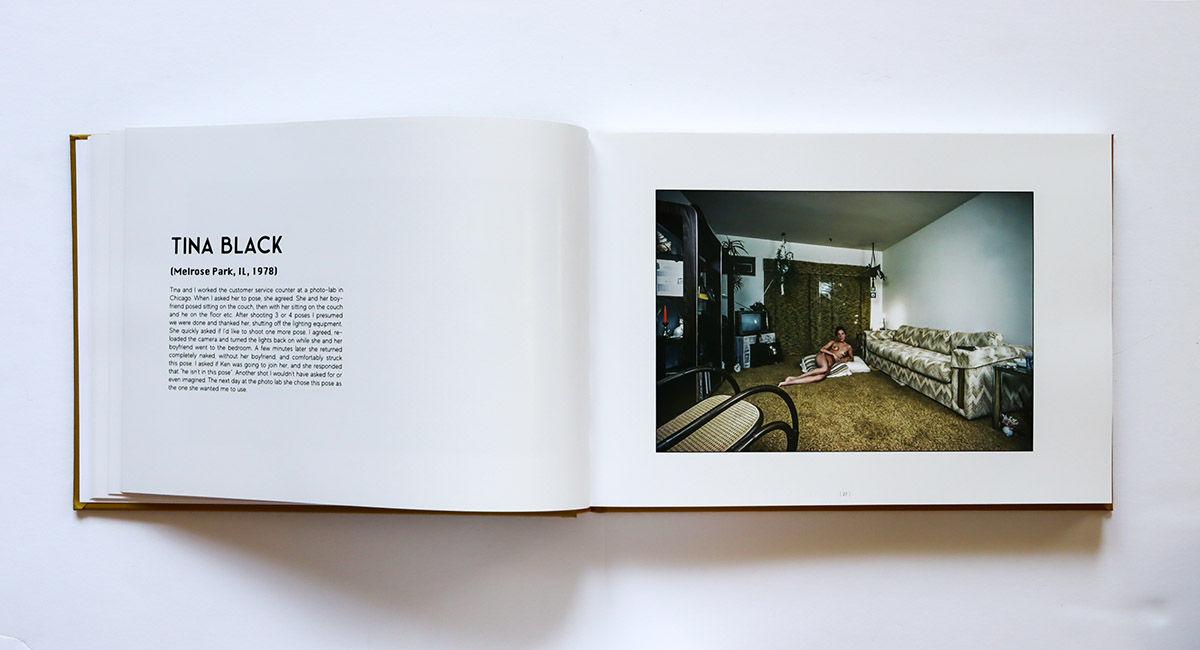
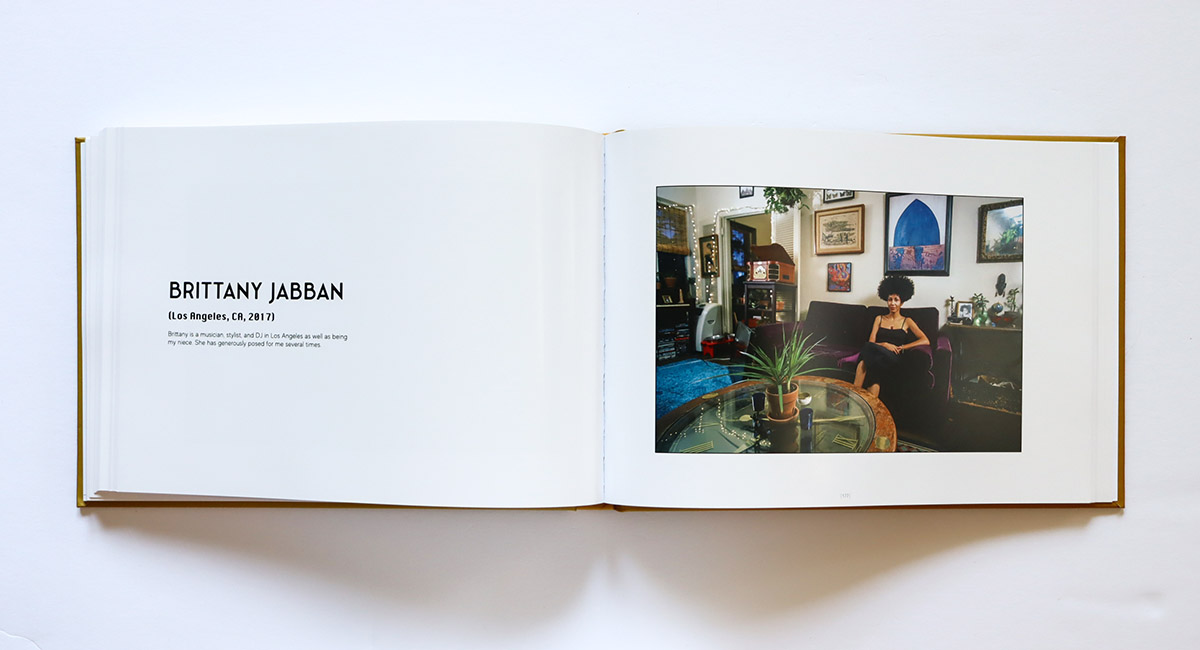
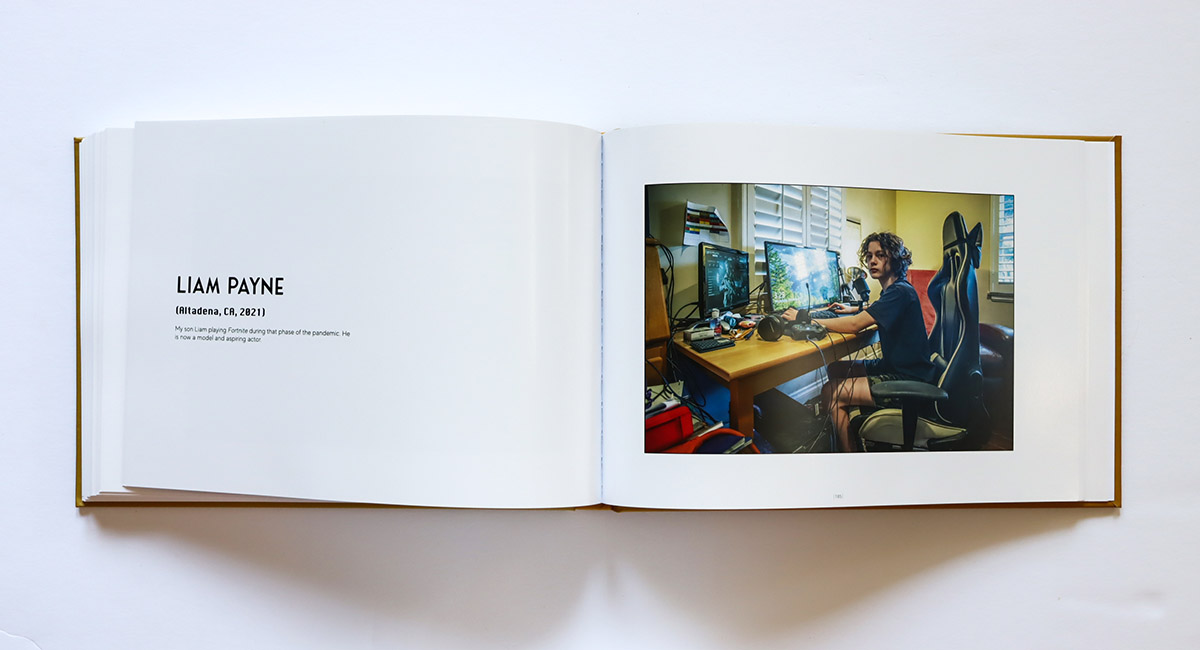
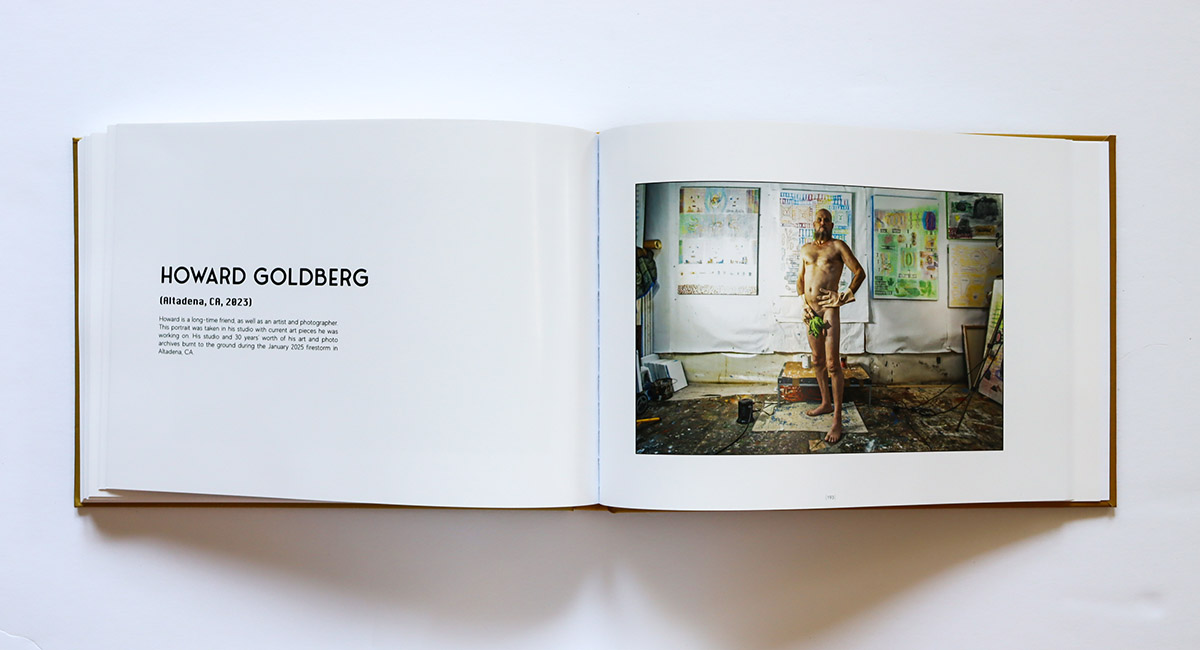
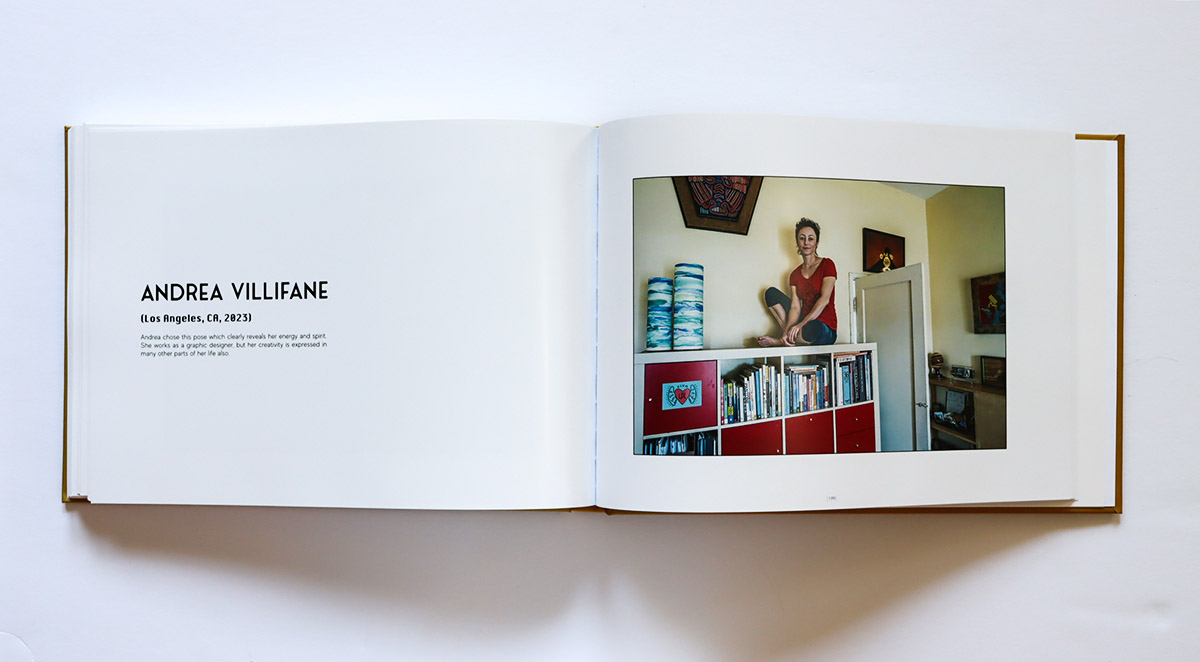
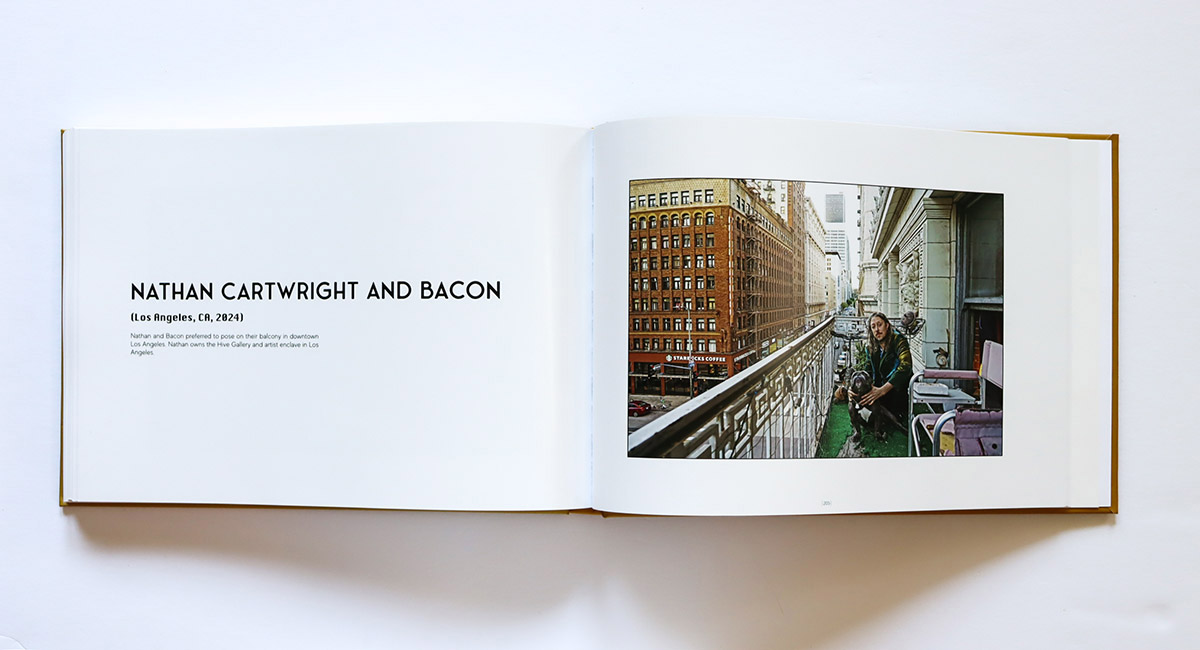
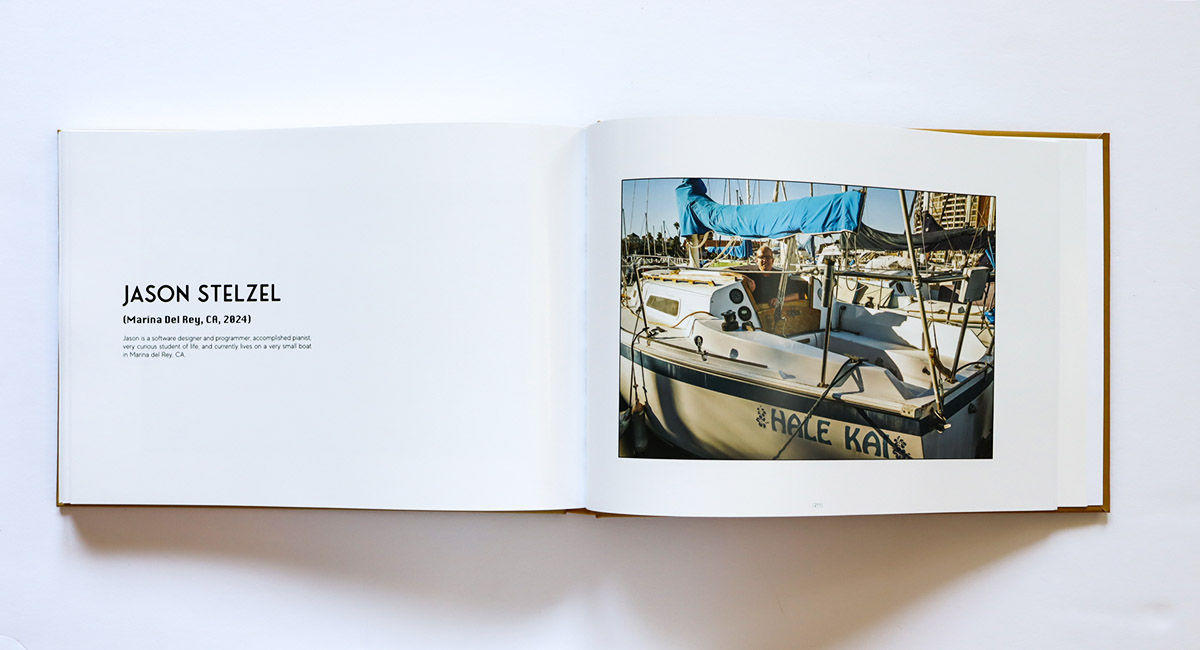
Take James Payne’s Stories from American Portraits. The images were taken over five decades, and the book includes just over a hundred portraits chosen from Payne’s archive of some five hundred. The people photographed are Payne’s friends, family, colleagues, and neighbors. They are pictured in their chosen spaces, in poses, with props, and dressed as they wished. They are able to present themselves as they choose, and most of them look at the camera with neutral expressions.
A lot is revealed by the settings, props, and clothing. We can guess as to the sitters’ interests, personalities, and professions, and sometimes we get hints into their relationships. Plus on the pages opposite the photos Payne gives his sitters’ names, the date, and the location, and he often includes additional details about them and the portrait session. The photos begin in Illinois in the late 1970s and then settle, with a few outliers here and there, in southern California starting in the early 1980s.
There are artists in their studios, couples young and old, straight and gay, and parents with children. They are mostly comfortable, middle-aged, middle and upper middle class white folks, but there is some variety. In terms of settings, we see living rooms, lofts, kitchens, balconies, bedrooms, studios, dining rooms, offices, a sailboat, and one person on the street. We see clothing, hair, and decorating styles come and go.
There are a couple of self-portraits of Payne in the book, along with images of his wife and children, and as Payne notes in his introduction, the book is his own self-portrait as reflected in his social network over the years. Payne shares his approach to portraiture in his introduction, and in an afterword he explains the technique he used to create his stereo images, where two slightly offset images mimic human vision.
Stories from American Portraits, with over two hundred pages of thick, glossy paper, is a hefty tome, weighing in at more than three pounds. It is a monument to Payne’s enduring and ongoing effort to document, chronicle, and portray his peers.
Hans Hickerson, Editor of the PhotoBook Journal, is a photographer and photobook artist from Portland, Oregon.
____________
James Payne – Stories from American Portraits
Photographer: James Payne (Born 1950, lives in Los Angeles)
Publisher: Progressive Publishing House © 2025
Language: English
Text: James Payne, Michael Kennedy
Design: Olivia Agostini
Printing: Peecho
Hardcover; perfect binding; 112 photographs; 122 pages; 8.5 x 12 inches
____________
Articles and photographs published in the PhotoBook Journal may not be reproduced without the permission of the PhotoBook Journal staff and the photographer(s). All images, texts, and designs are under copyright by the authors and publishers.


My own collection of photographs shows that a limited selection of items creates a stronger emotional impact.