Review by Hans Hickerson ·
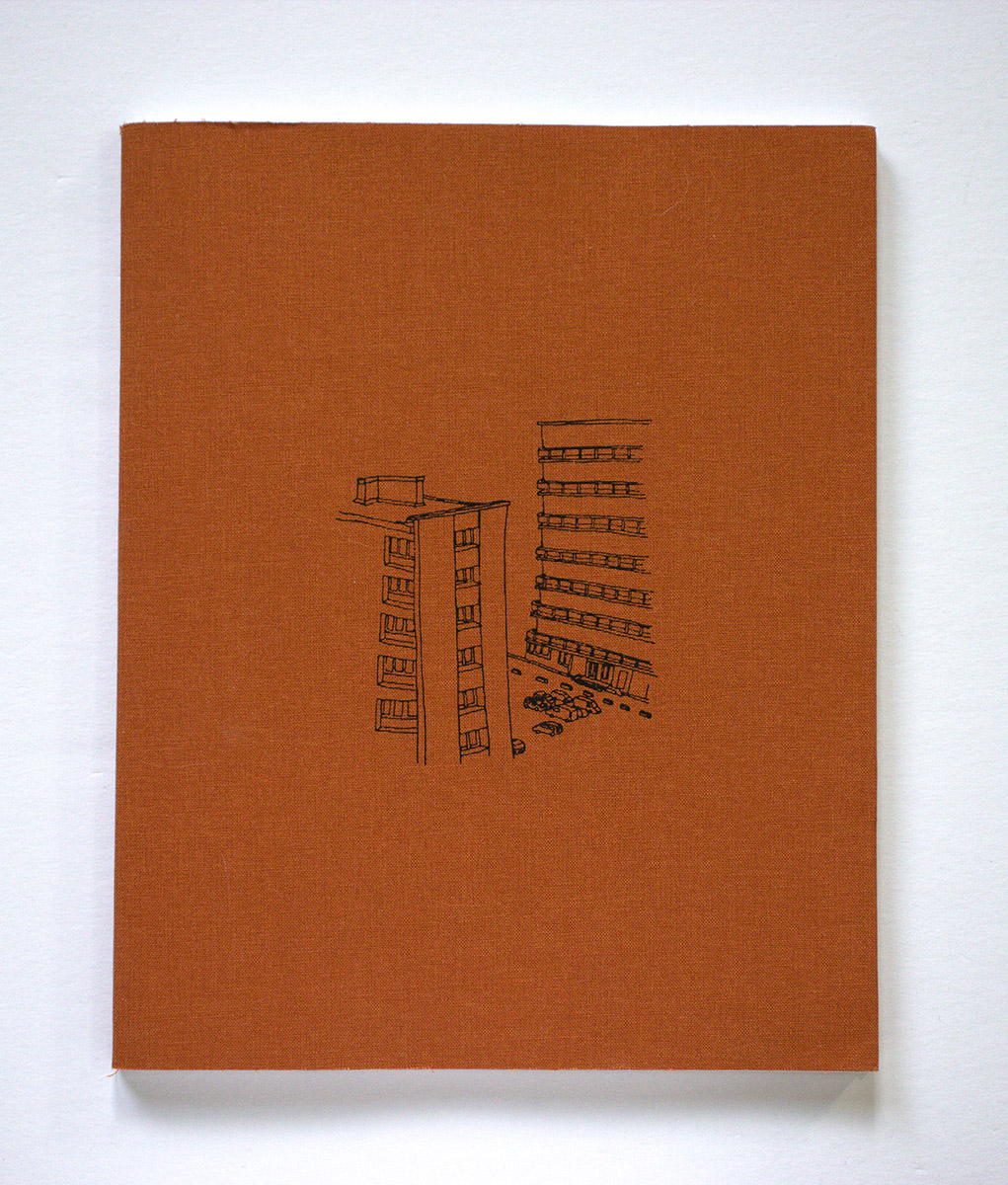
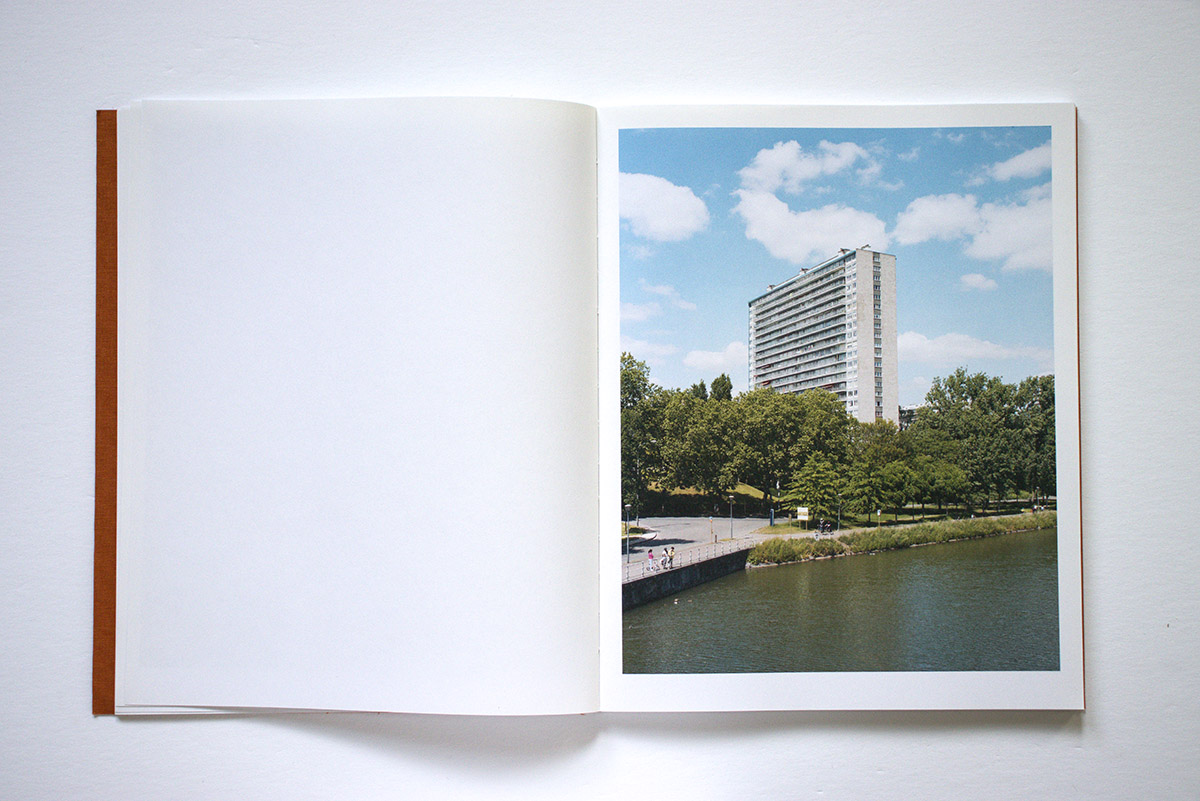
Disarmingly direct and unassuming, Tom Lyon and Pauline Vanden Neste’s On est venus ici pour la vue presents people and places in the Aurore neighborhood of Brussels, Belgium. Built in the 1960s, the neighborhood comprises seven high-rise apartment blocks set among green spaces along a canal. Like other engineered housing projects of the time, Aurore probably did not end up being the paradise predicted. Urban planners in the 1960s did not foresee that their design choices would lead to social isolation and a breakdown of community. The green spaces they included became zones of transit rather than social meeting places, and residents moved out when they were able to do better.
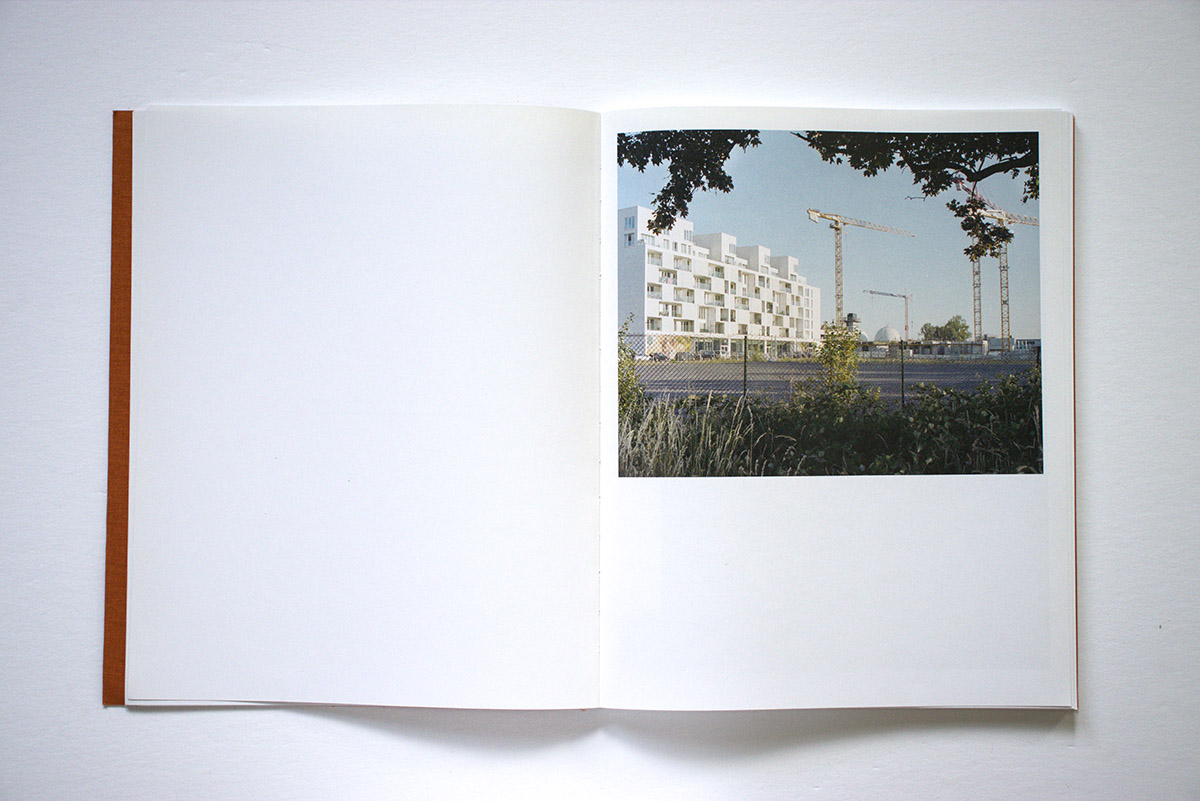
Today Aurore houses a mix of immigrants, students, blue-collar workers, and long-term residents. Just across the canal a large neighborhood is undergoing gentrification, and the implication is that Aurore will be next. The book offers a particular take on a time and place positioned between past and present.
Looking at the photographs of the neighborhood, it does not appear sketchy, chaotic, or dangerous. The people seem approachable and open. Compared to some other European suburban “zones,” it appears ordered, calm, even tidy. A different duo of photographers of course might have experienced and depicted something completely different – a scary hellscape for example, or a buzzing hub of manic social activity. (Selective editing can work wonders.)
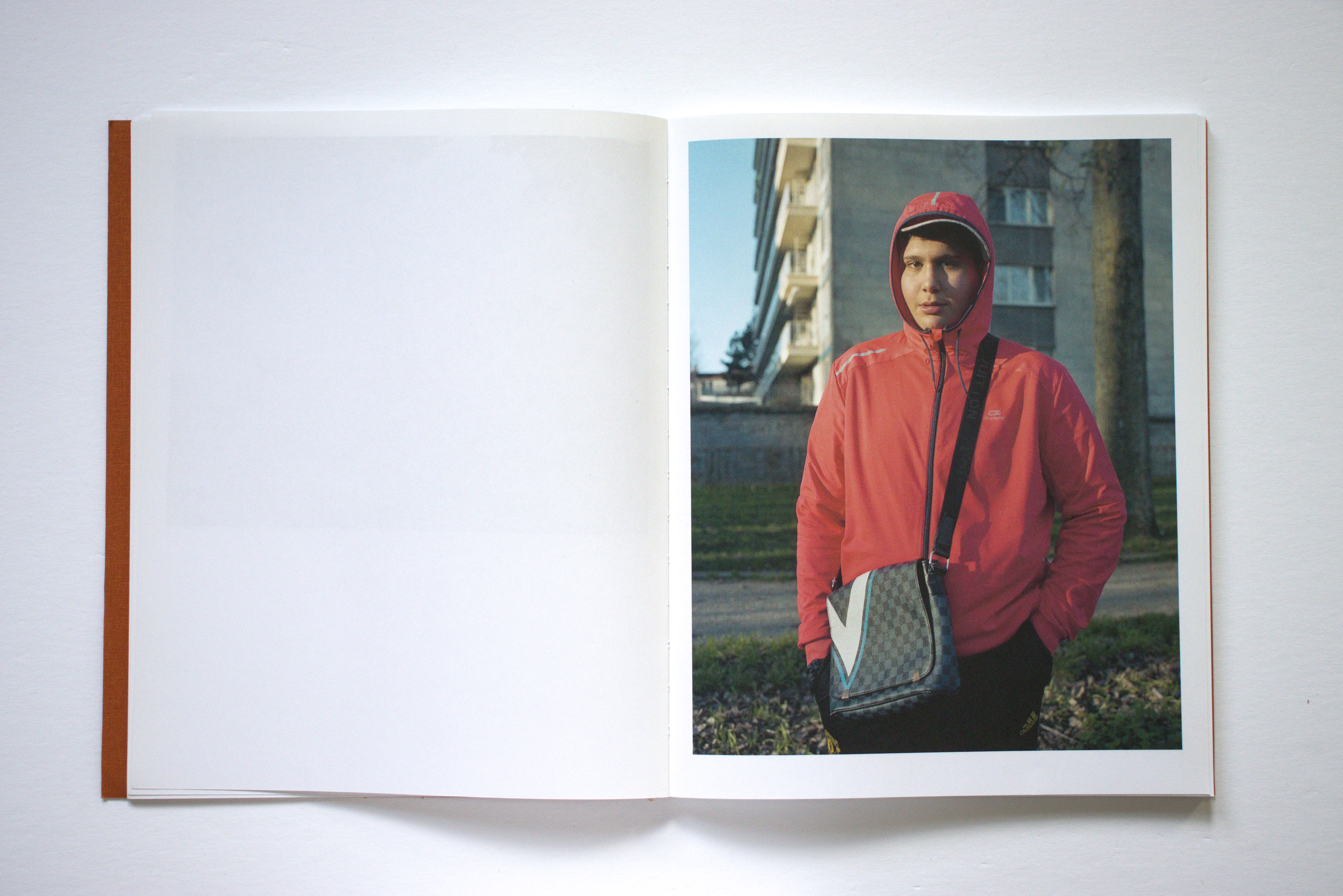
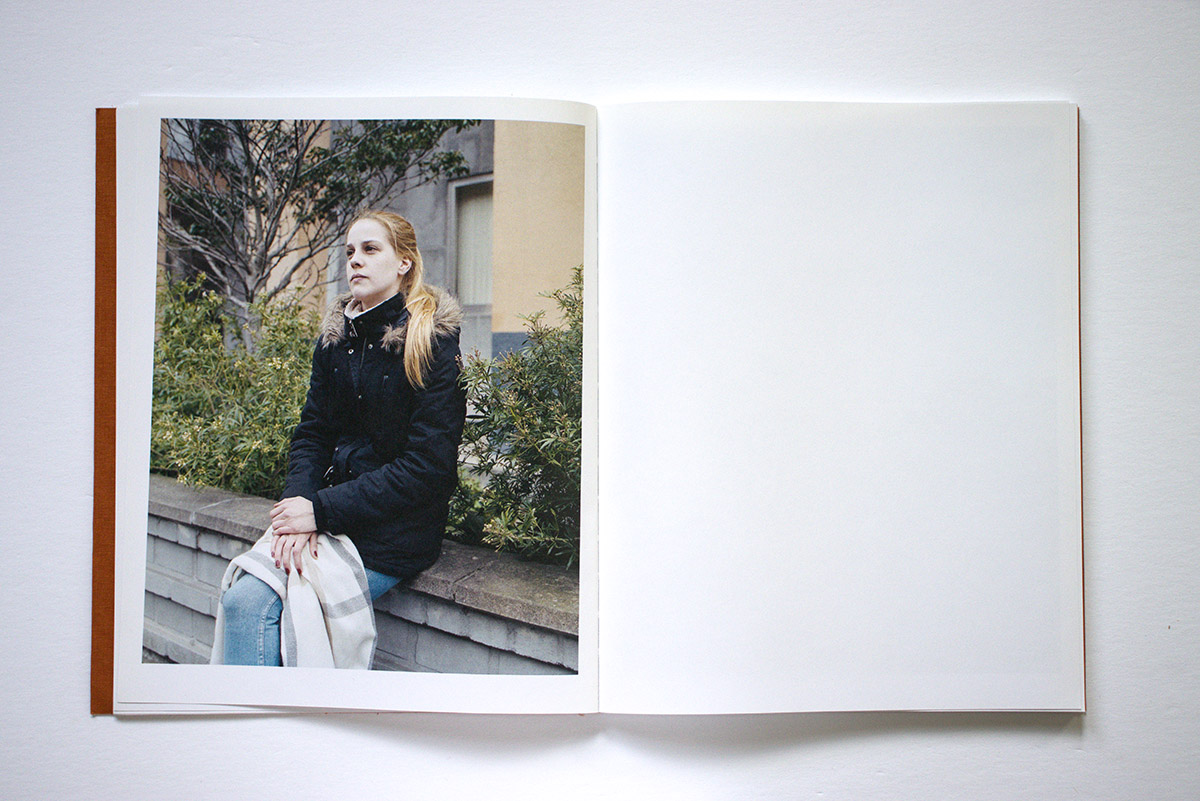
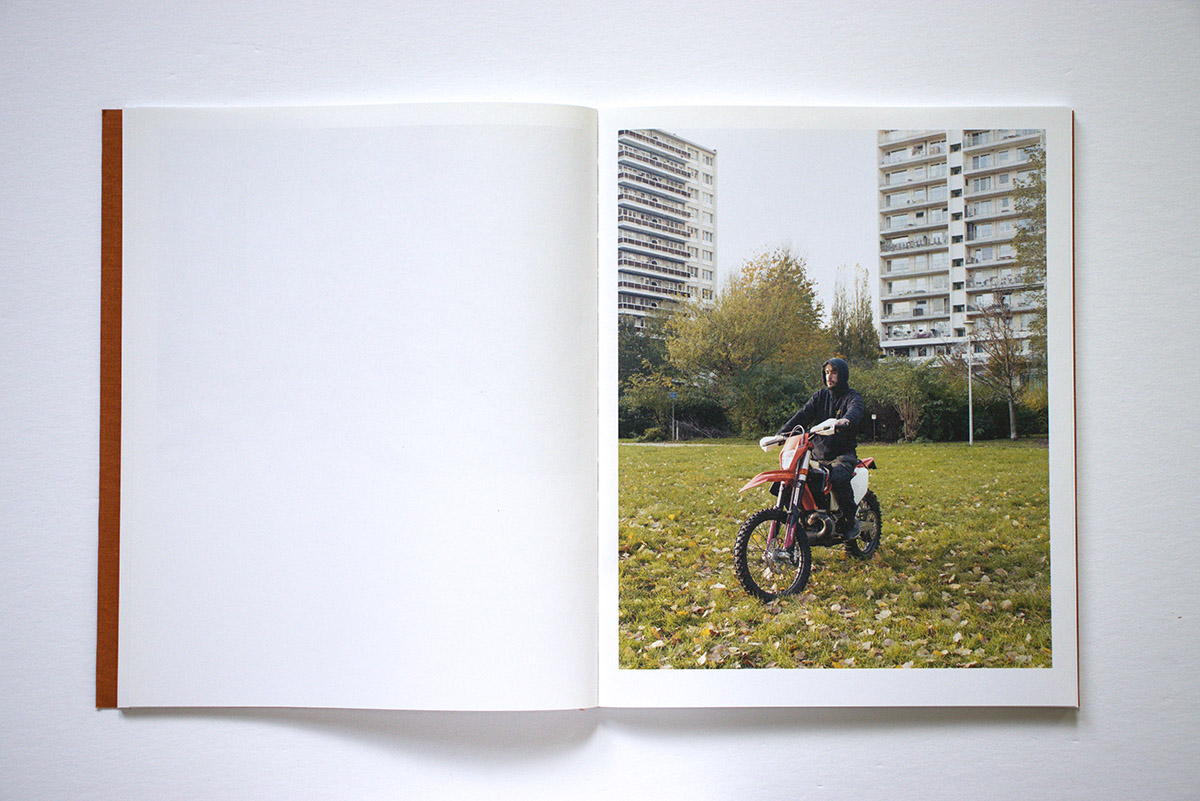
Most of the photos were taken outside. They include portraits of residents, details of buildings and surroundings, and overall views of the area. Many of the portraits are of younger people, presumably because they were more numerous and approachable.
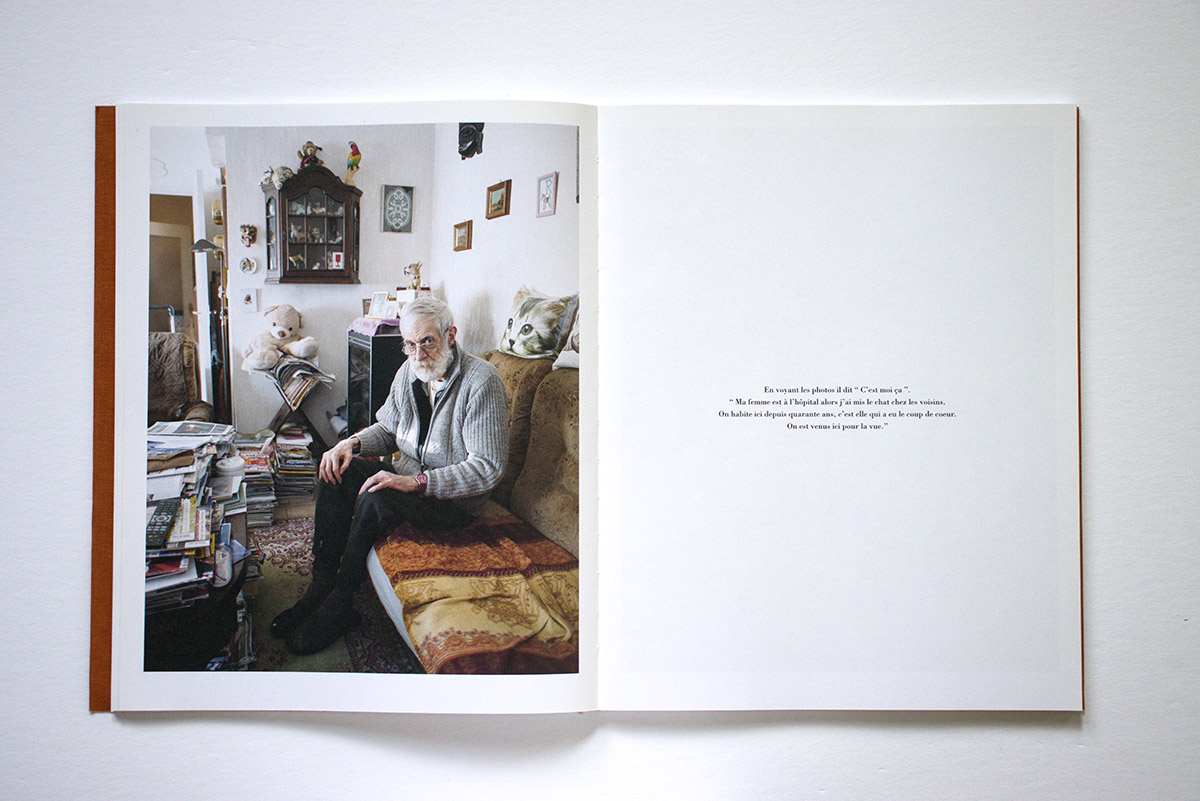
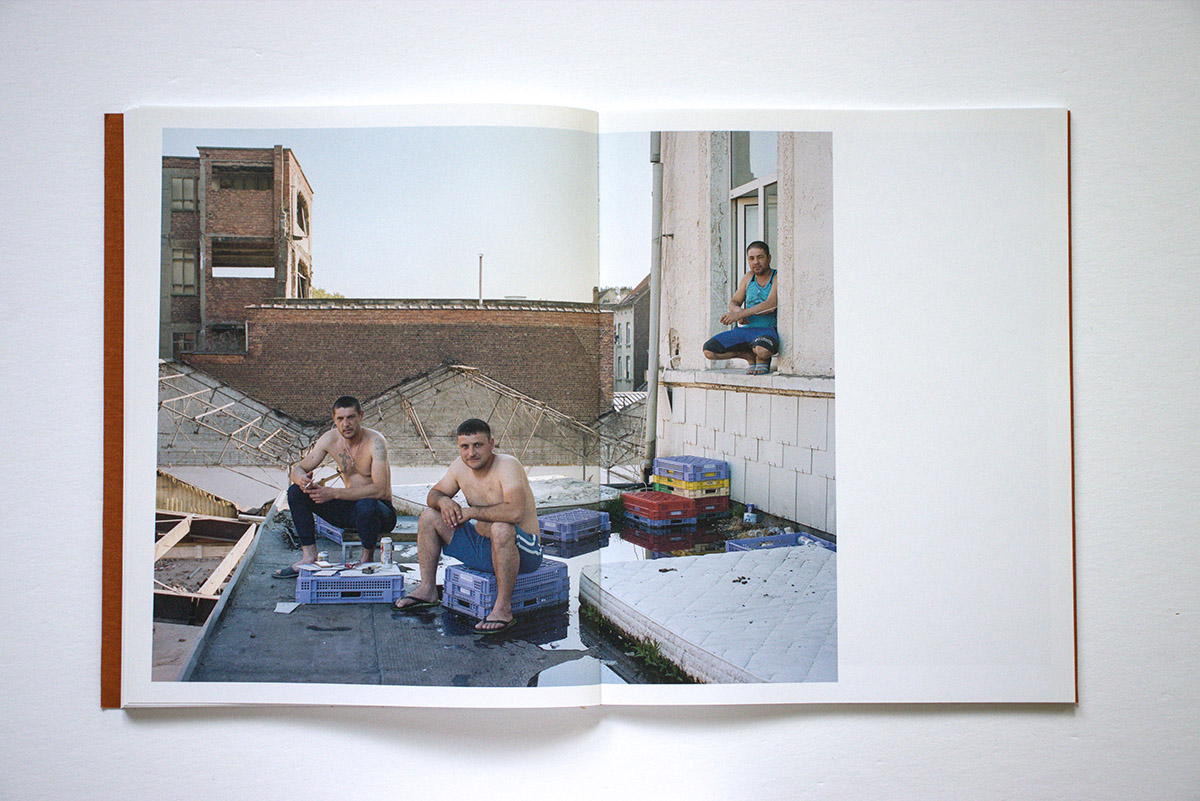
The people photographed are presented with dignity. They are comfortable and look at the camera with neutral expressions. No drama or pathos but rather quiet consideration. Lyon and Vanden Neste seem to have connected with and gotten to know them and then asked them to pose for photographs. Interspersed among the images are quotes that add depth and color. The book’s title comes from one of them. An elderly long-time resident explains that his wife fell in love with the view forty years earlier when they first came.
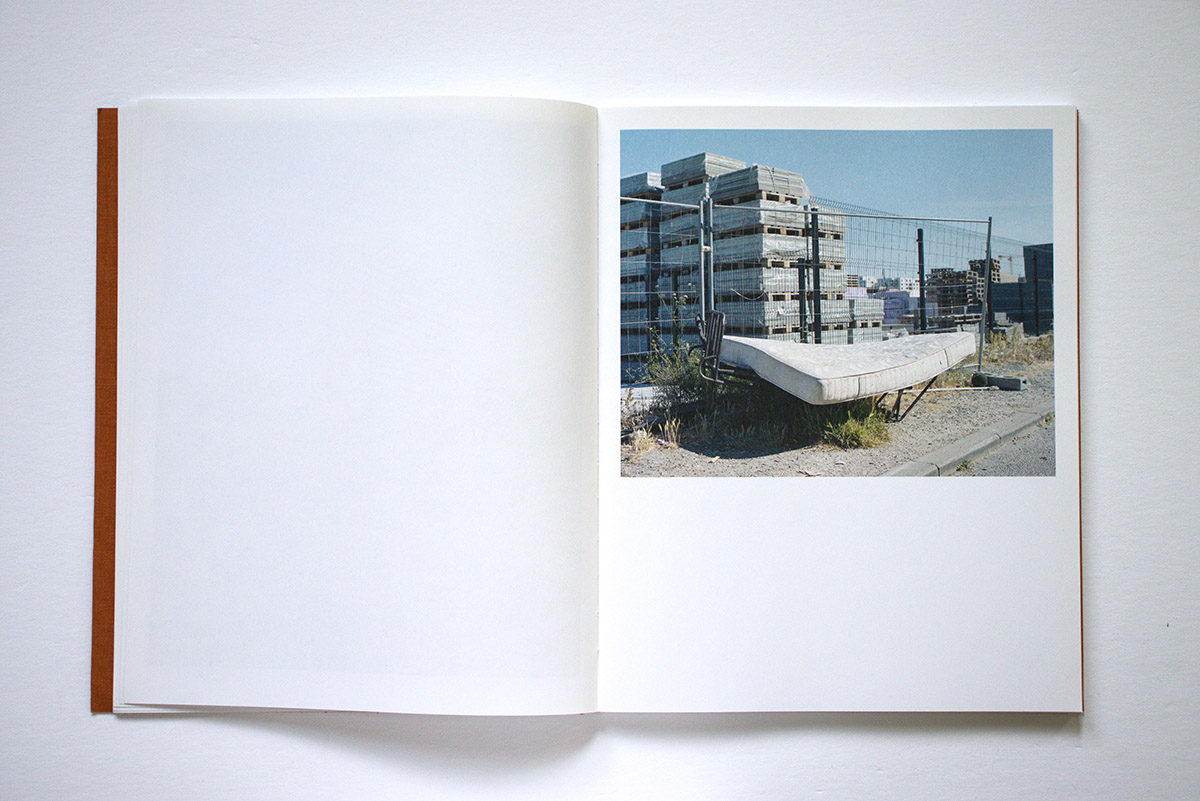
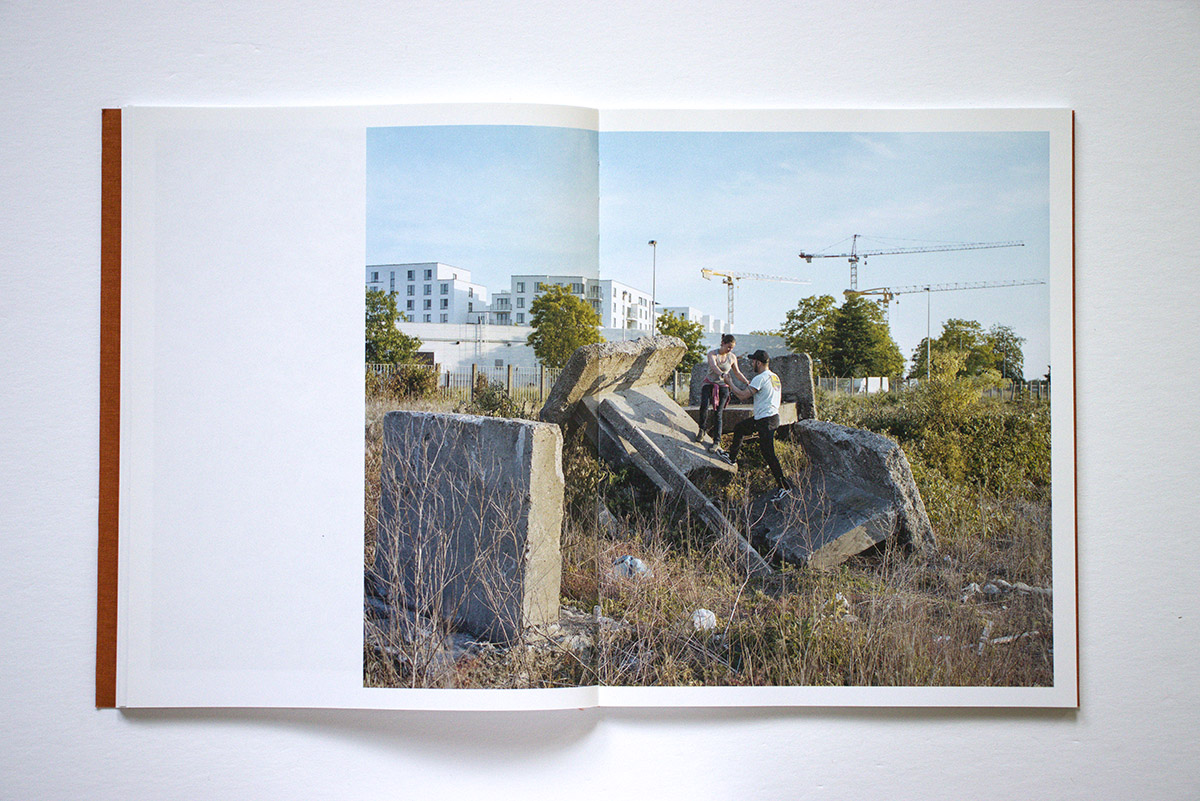
In other photographs we see signs of urban decay as well as renewal. An empty lot, overgrown with weeds and strewn with large blocks of concrete. The backside of gutted, empty industrial buildings. A pile of construction debris. An abandoned mattress alongside stacked construction materials. Graffiti.
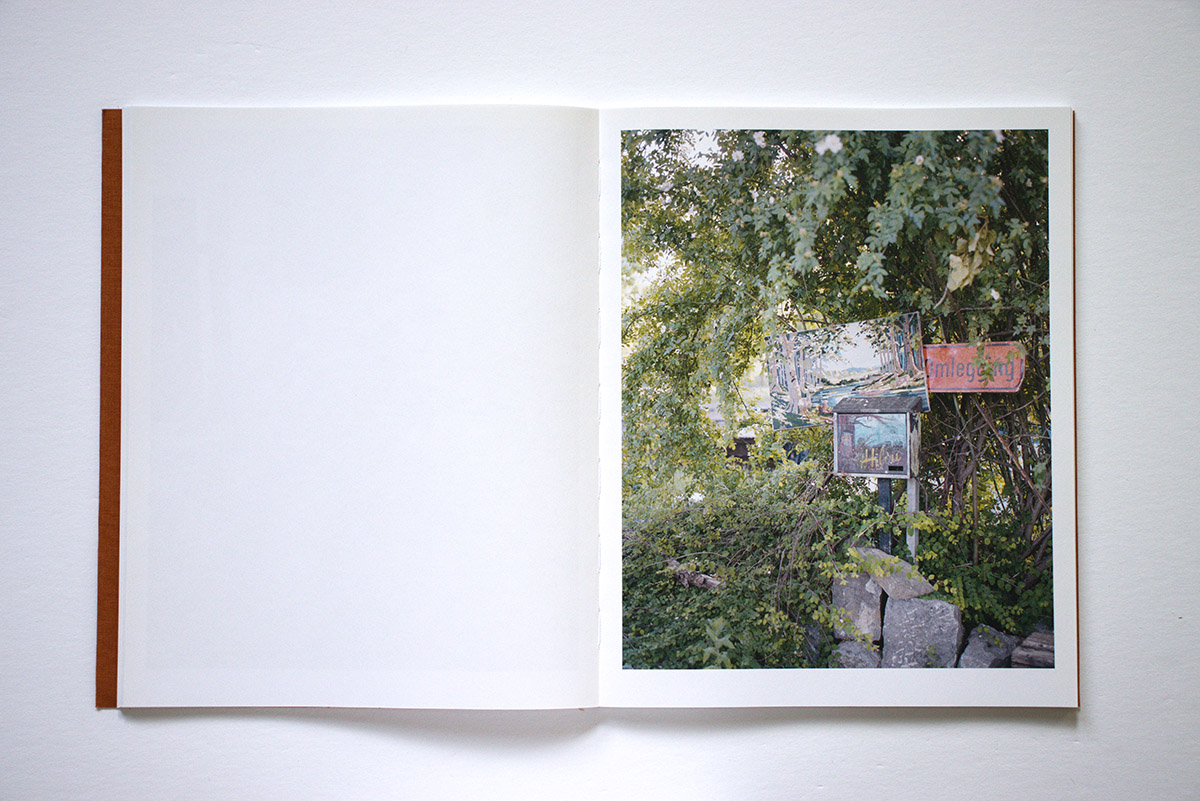
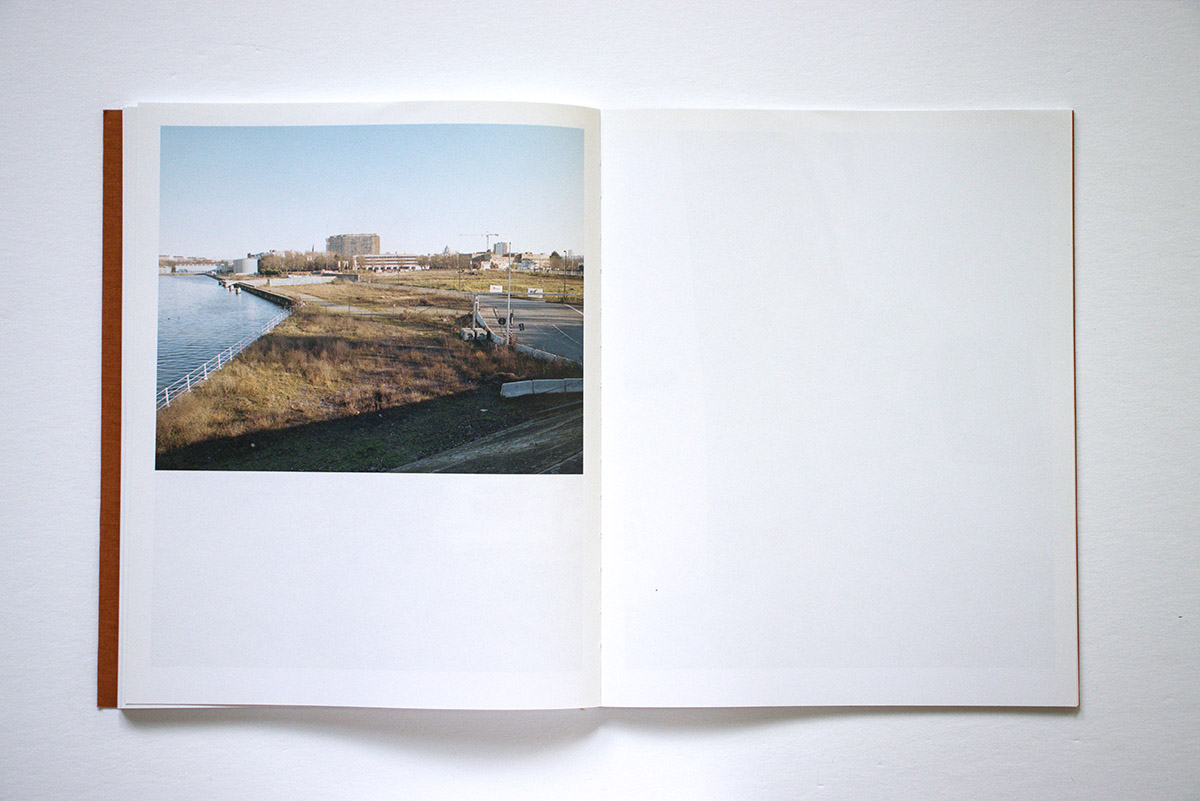
The natural world is also present. Tender green leaves on a weeping willow. A tree-lined soccer field. An expanse of canal water gleaming in the sunlight. Added to the mix are shots of interior details. A curtained bed. An ornamented Christmas tree. An empty lobby with tile floors, metal mail boxes, and a fake potted plant.
An intriguing aspect of On est venus ici pour la vue is that you are not able to attribute authorship to individual photos. You cannot tell if they were taken by Lyon or Vanden Neste. Not that you need to know however. I would be curious but it wouldn’t change anything.
It wouldn’t change anything because the book is not about a personal style. Instead, On est venus ici pour la vue offers a straightforward, matter-of-fact analogue of things seen and experienced. It offers ordinary people and ordinary scenes that enrich us, suspended as they are, like us, between past and future, good and bad, hope and despair, somewhere and nowhere.
Hans Hickerson, Editor of the PhotoBook Journal, is a photographer and photobook artist from Portland, Oregon.
____________
Tom Lyon, Pauline Vanden Neste – On est venus ici pour la vue
Photographers: Tom Lyon, Pauline Vanden Neste
Publisher: Les Editions de la CAB © 2021
Text: Colin Delfosse
Language: French
Design: Les Editions de la CAB
Printing: Kaunas
Softcover with book cloth dustcover; 20 X 26 cm; Swiss binding; 34 photographs; 100 pages; ISBN 978-2-9602908-0-6
____________
Articles and photographs published in the PhotoBook Journal may not be reproduced without the permission of the PhotoBook Journal staff and the photographer(s). All images, texts, and designs are under copyright by the authors and publishers.


Leave a Reply