Review by Hans Hickerson ·
In much the same way that the Internet has democratized speech but also cheapened it, the ability to produce photobooks easily today is a blessing and a curse. It is a blessing because photographers can package and share their work with fewer barriers. It is a curse because everyone is publishing books and new photobooks have become so much background noise.
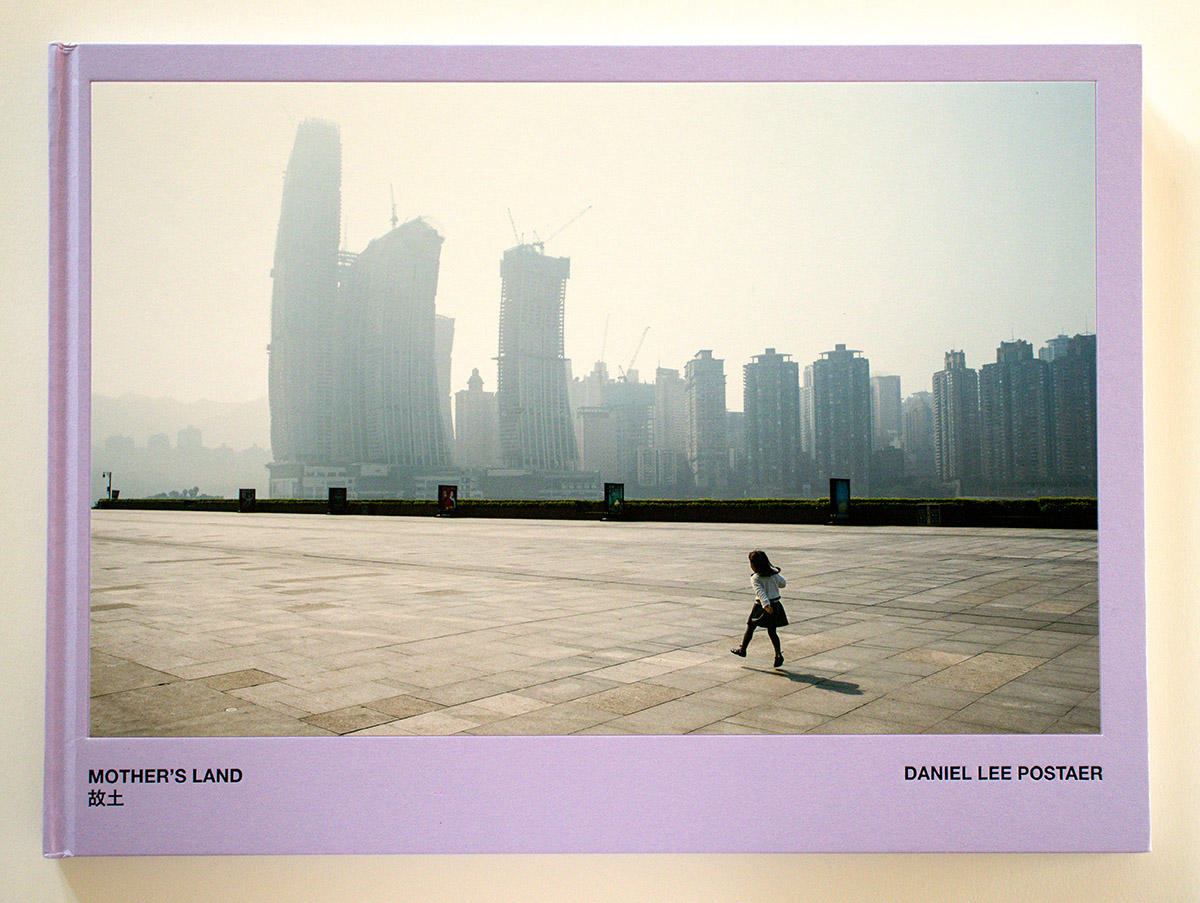
Daniel Lee Postaer’s Mother’s Land seems like a throwback to an earlier era in book publishing, back when photobooks were the work of mid-career photographers who had spent decades assembling their portfolios and honing their vision. It is also similar to earlier practices in that his images are intended first as large-scale physical prints. In book form they are a portfolio of related pictures, and like Postaer’s physical prints they are on the larger side. The majority of the images in the book are landscape format and measure 8.75 X 13.25 inches (about 22 X 33 cm.)
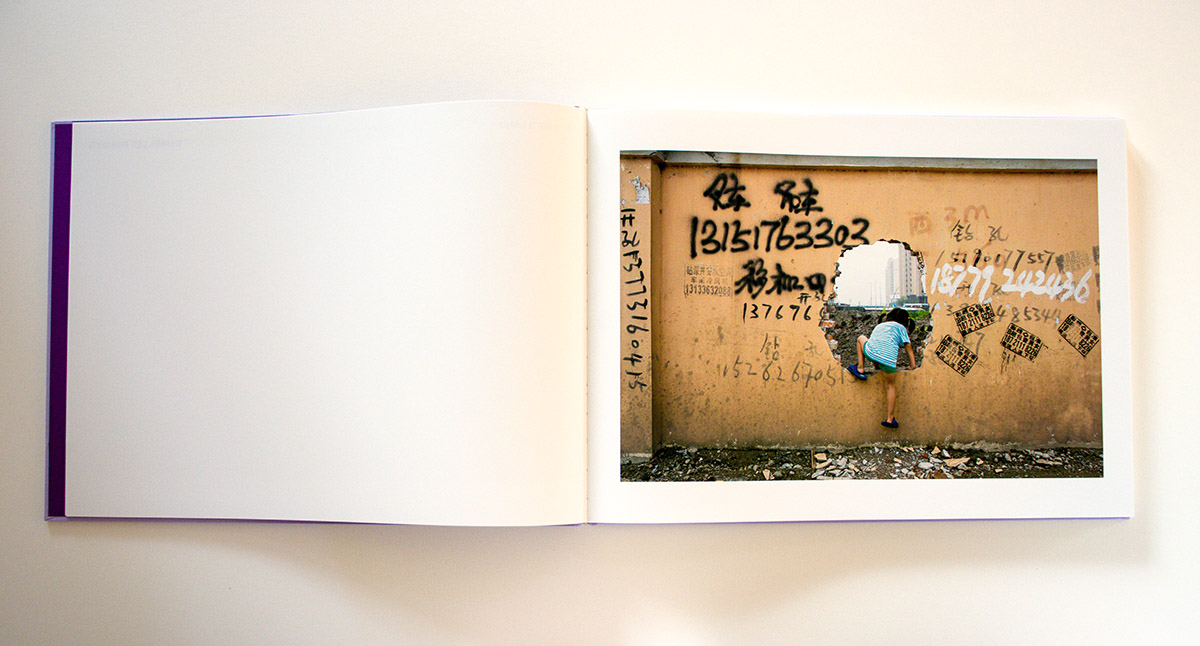
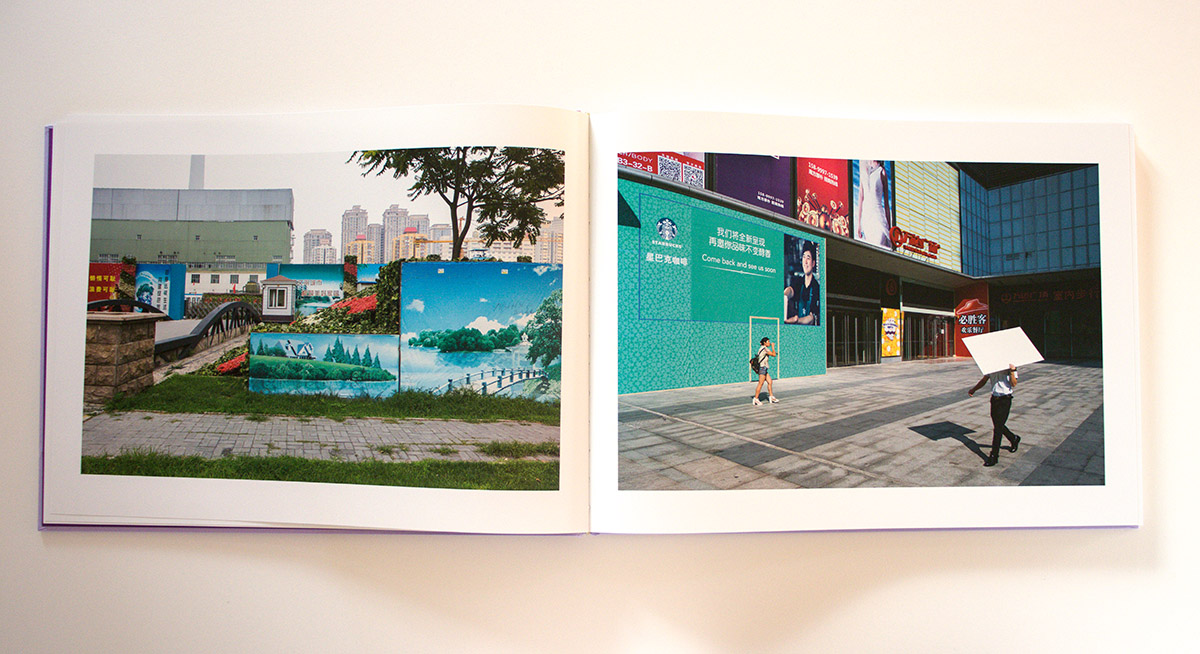
Of the 56 photographs in Mother’s Land, 51 are landscape and only 5 are portrait orientation. Most page spreads have one image on the right page along with some 10 page spreads with photos on both sides. This is a large, immersive book. When opened up it measures 30 inches from side to side, some 76 centimeters.
The photographs can be read as quick takes but they are also printed so that you can slow down and absorb details that have been rendered with care and precision – a wealth of them to satisfy the hungry eye.
The book is titled Mother’s Land because Postaer’s mother is from China and the book is a collection of photographs of China. Postaer speaks Chinese, has family in China, and he lived and worked there for a number of years before going back to make these photographs. His insider’s vantage point allows him to observe and notice things, and he shows us people and places we might not necessarily see in the work of visiting photojournalists.
The photographs in Mother’s Land work together as a body but also can be read separately as individual stories. They have a lot to say about China but also about people in general, about the human condition, modern life, social organization, the new replacing the old, nature versus civilization, and man’s impact on the environment. Plus they show an awareness of perspective, light, color, and composition.
Postaer is an accomplished visual story teller. He has clearly absorbed the lessons of previous generations of photographers working in the traditions of landscape and street photography. I see Postaer’s photographs as close in style and content to Joel Sternfeld’s large-format color work in American Prospects. Sternfeld asks big questions about the people and places he photographs and so does Postaer.
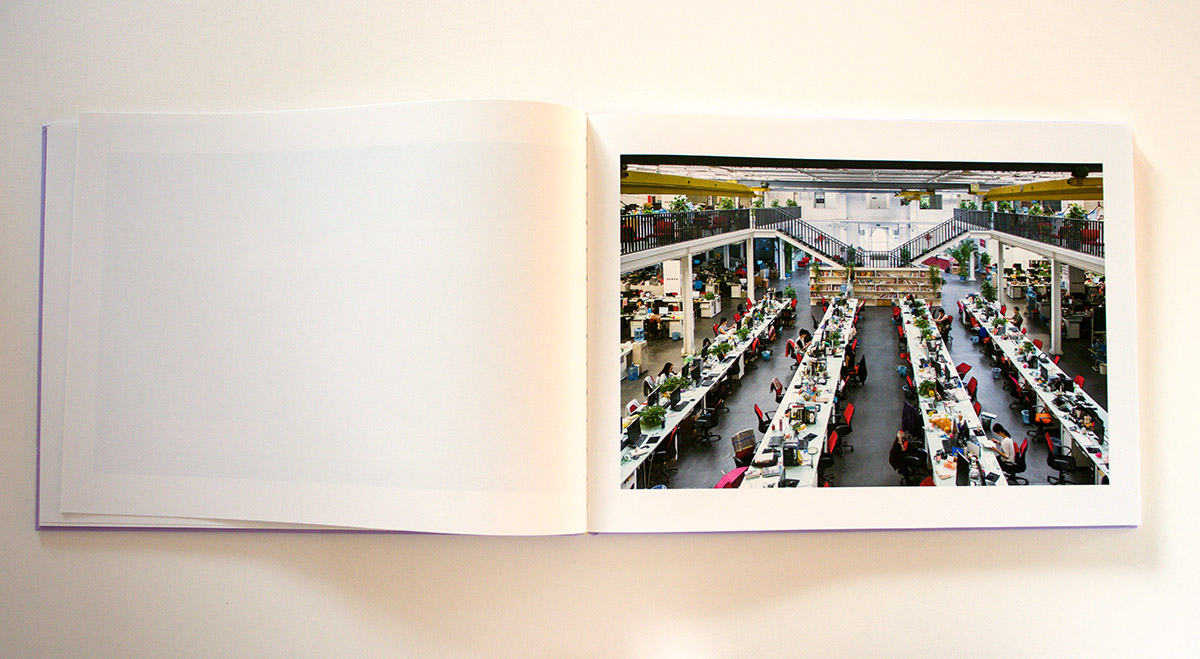
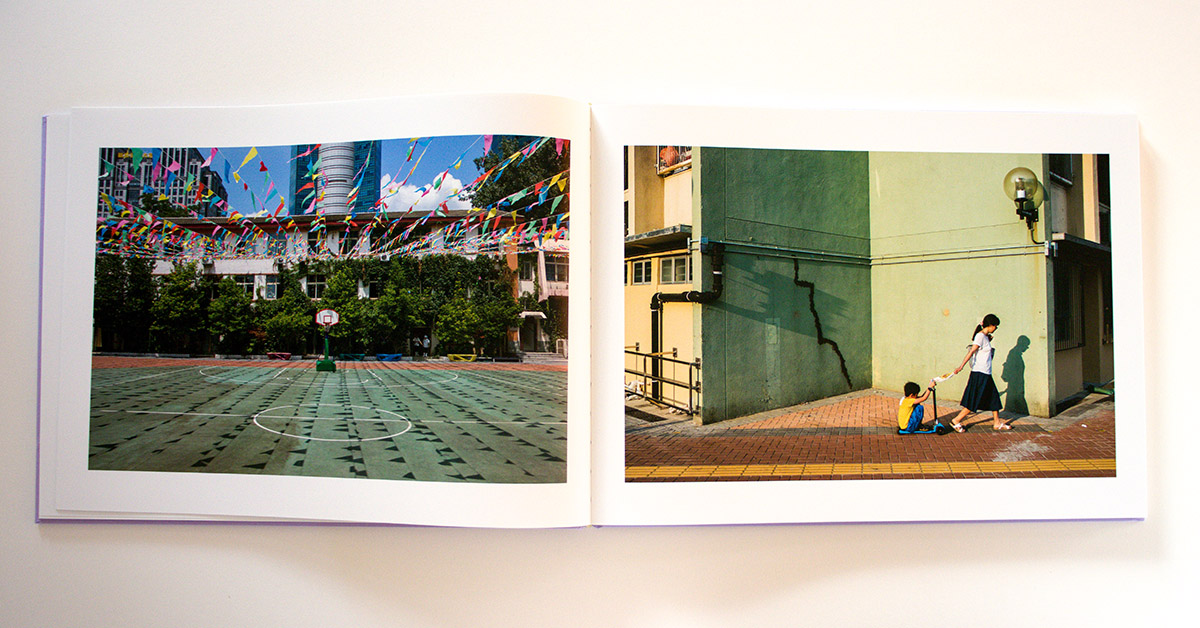
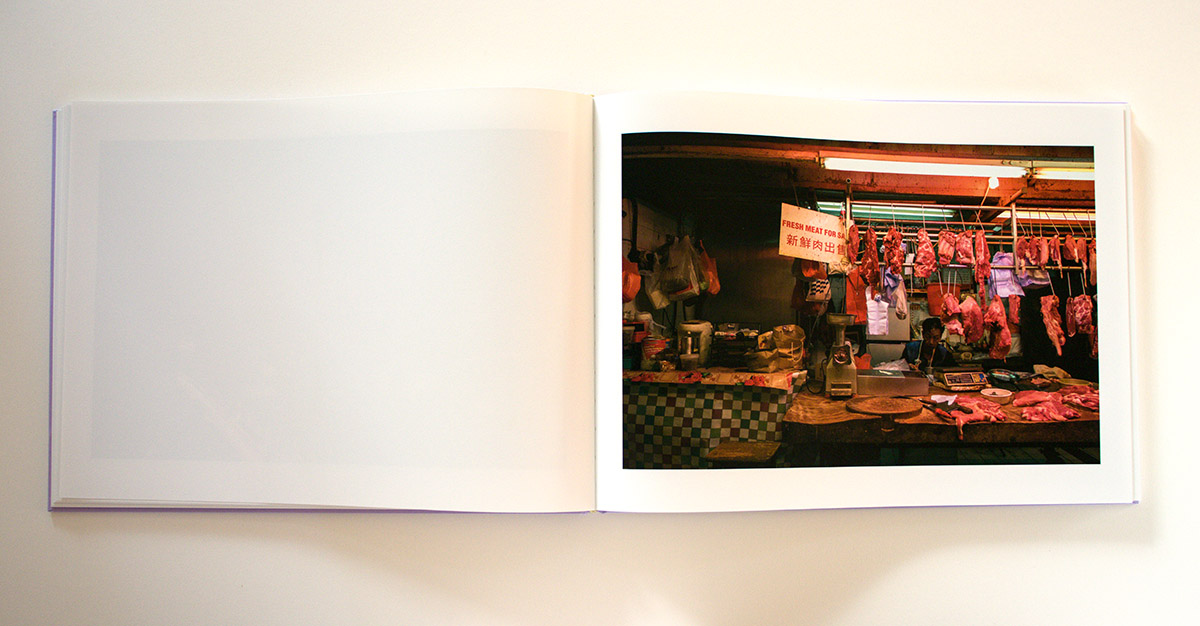
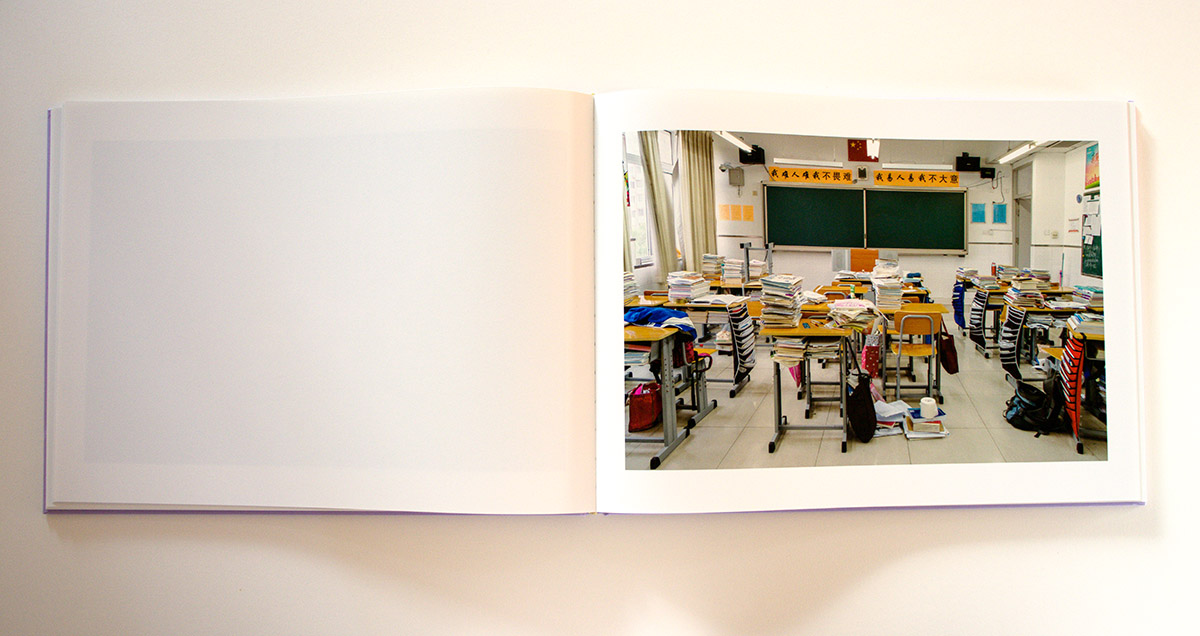
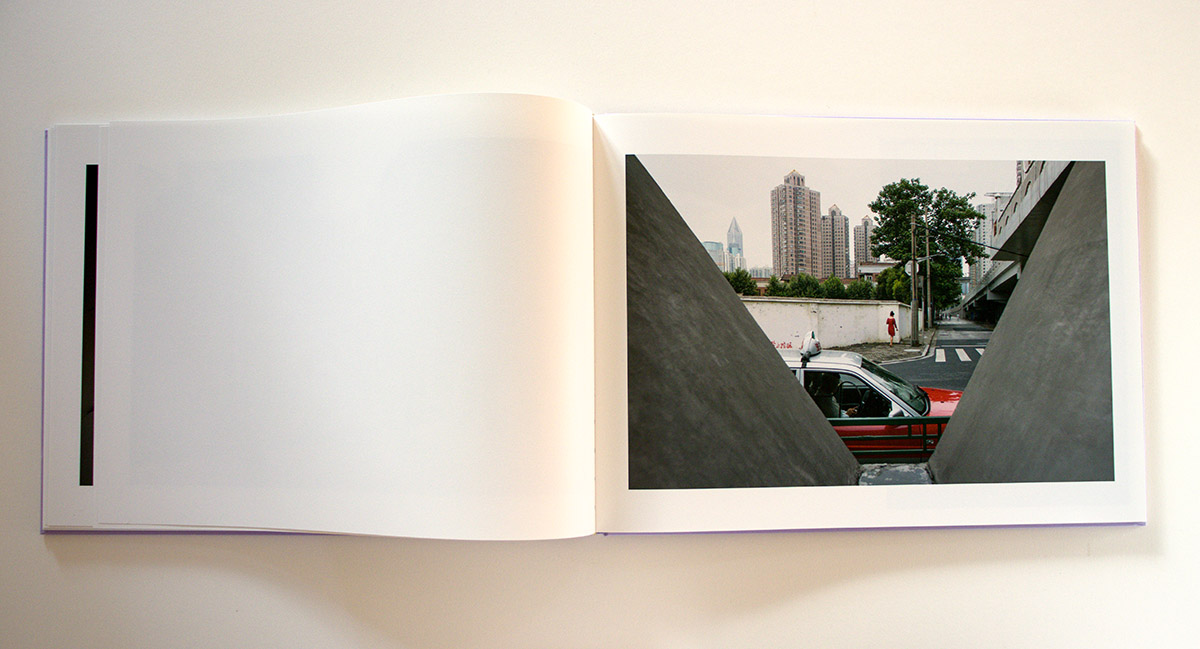
Postaer offers us numerous views of China modernizing, including construction sites that resemble war zones adjacent to new high-rise towers. We see dramatic urban vistas with smoggy skies, cityscapes at night, nighttime views of office windows, a city bus packed with passengers. He takes us into modern offices with workers seated at long open tables, inside an elementary school classroom where student desks are piled high with books and notebooks, to a butcher stall with unrefrigerated meat hanging on hooks, and into a gaming room where young men with glowing headsets stare at screens. We see a golf course, a liquor store, a beauty salon, torn posters on walls, storefronts, land slated for industrial development, bags and bags of corn piled in front of a store or restaurant, and a virtual reality room. So many places, so many stories to tell, each story adding to the collection.
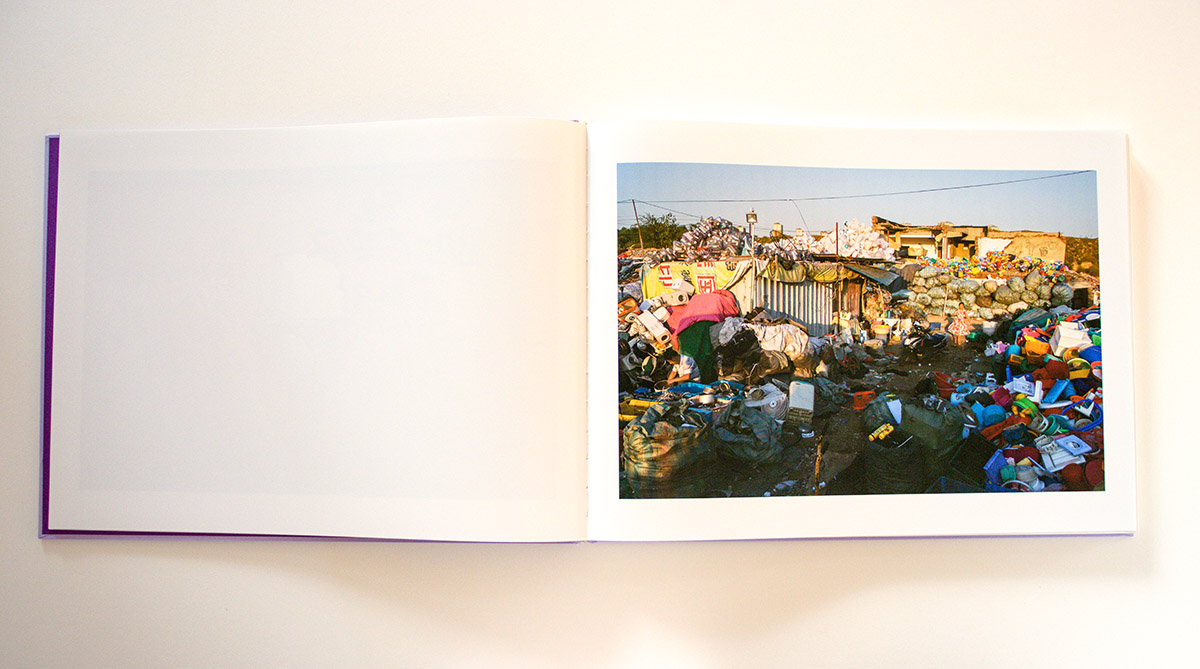
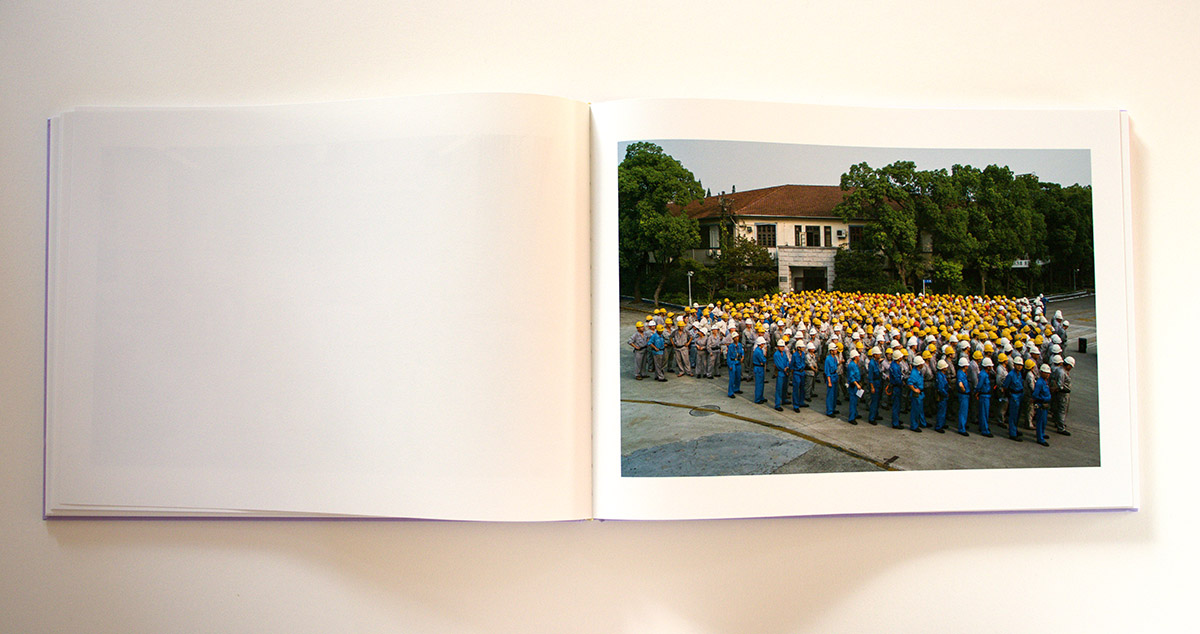
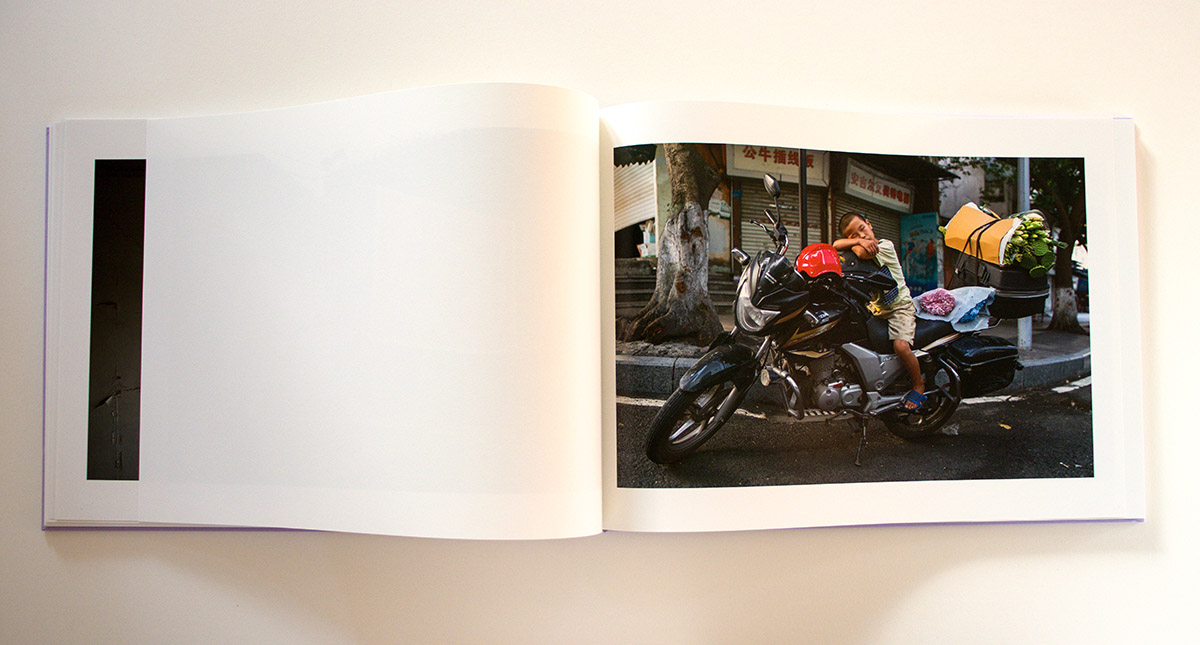
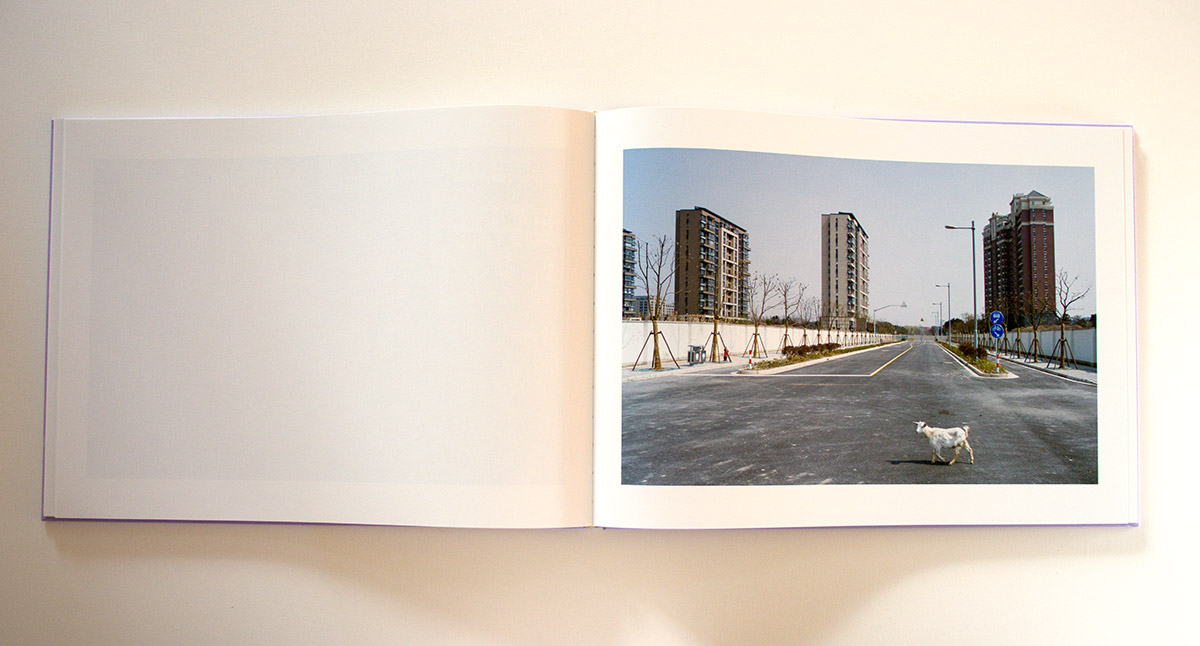
Besides distanced views, Postaer shares shots of memorable details and exquisite juxtapositions. The trunk of a tree that has merged with a concrete wall crisscrossed by a crazy pattern of wires and water pipes. A spanking new street next to modern apartment towers… with a goat ambling by. A boy asleep on a parked motorcycle, a bunch of flowers strapped on behind him. A group of police cadets resting in a park, one of them apparently getting told off by another. Workers in color coded helmets and uniforms lined up in neat formation. A recycling dump with piles of plastics and a neatly dressed woman in a bright floral dress striding through the middle.
As debut monographs go, this is a singularly accomplished book. A satisfying blend of landscape and socio-cultural observation, the photographs in Daniel Lee Postaer’s Mother’s Land offer the complete package – big picture and detail, form and content, voice and vision.
Hans Hickerson, Editor of the PhotoBook Journal, is a photographer and photobook artist from Portland, Oregon.
____________
Daniel Lee Postaer – Mother’s Land
Photographer: Daniel Lee Postaer (born in 1978; lives in Los Angeles)
Publisher: Deadbeat Club © 2025
Language: English
Text: Christopher McCall
Design: Clint Woodside
Printed in China
____________
Articles and photographs published in the PhotoBook Journal may not be reproduced without the permission of the PhotoBook Journal staff and the photographer(s). All images, texts, and designs are under copyright by the authors and publishers.


Leave a Reply