Review by Olga Bubich ·
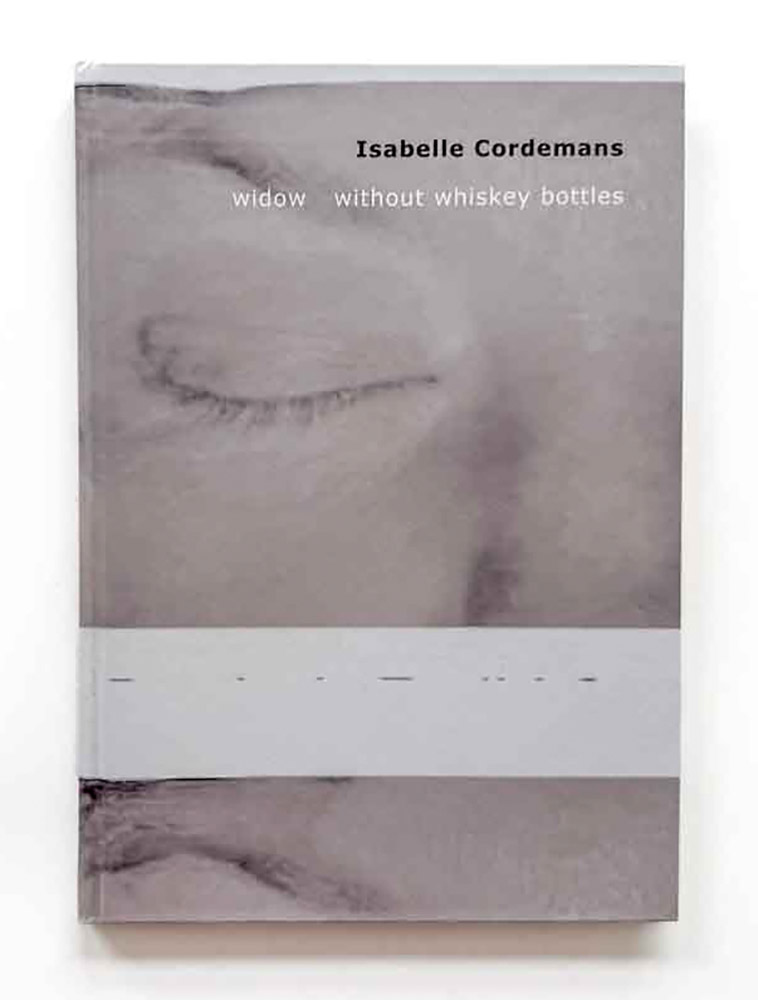
Sometimes what draws a collector towards a photobook is a name – that of a photographer whose eye and voice one trusts, a designer whose choices one allows to curate personal collections, or a small independent publisher whose selectiveness, often conditioned by financial limitations, makes each of their projects immediately desirable. Not infrequently, we are carried away by form: an unusual layout, experimental binding, an impressive cover, or an altogether intricate visual concept that captivates at first sight. While browsing the shelves of Antwerp’s FOMO shop, in Isabelle Cordemans’ work my attention was drawn to something beyond this list – a gap. A space that followed the first word in the title of the artist’s debut photobook, designed and produced by “Matanna Editions.” In the sequence of four words – all lowercase and written in quite an unremarkable font – my eye was stopped by the space intentionally left too large and thus evoking a feeling of uneasiness or understatement.
“widow without whiskey bottles”
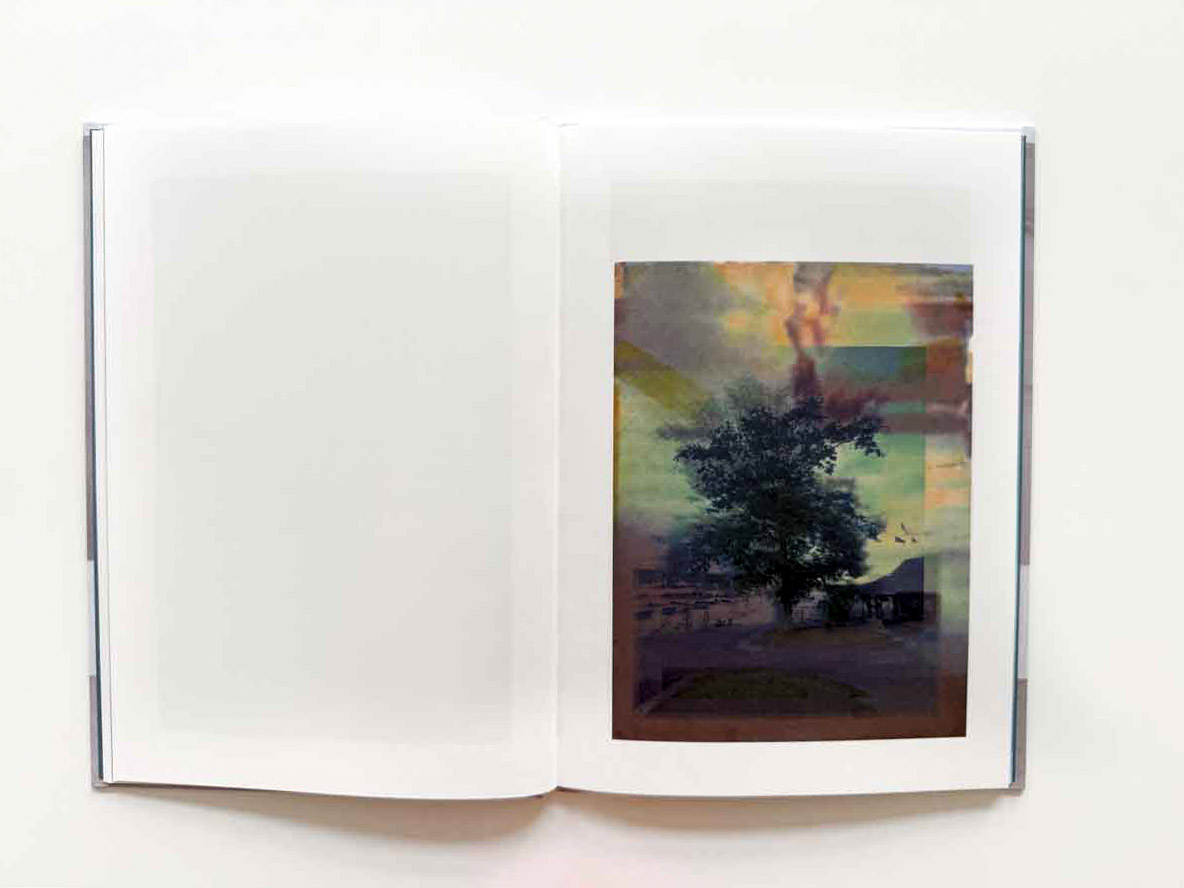
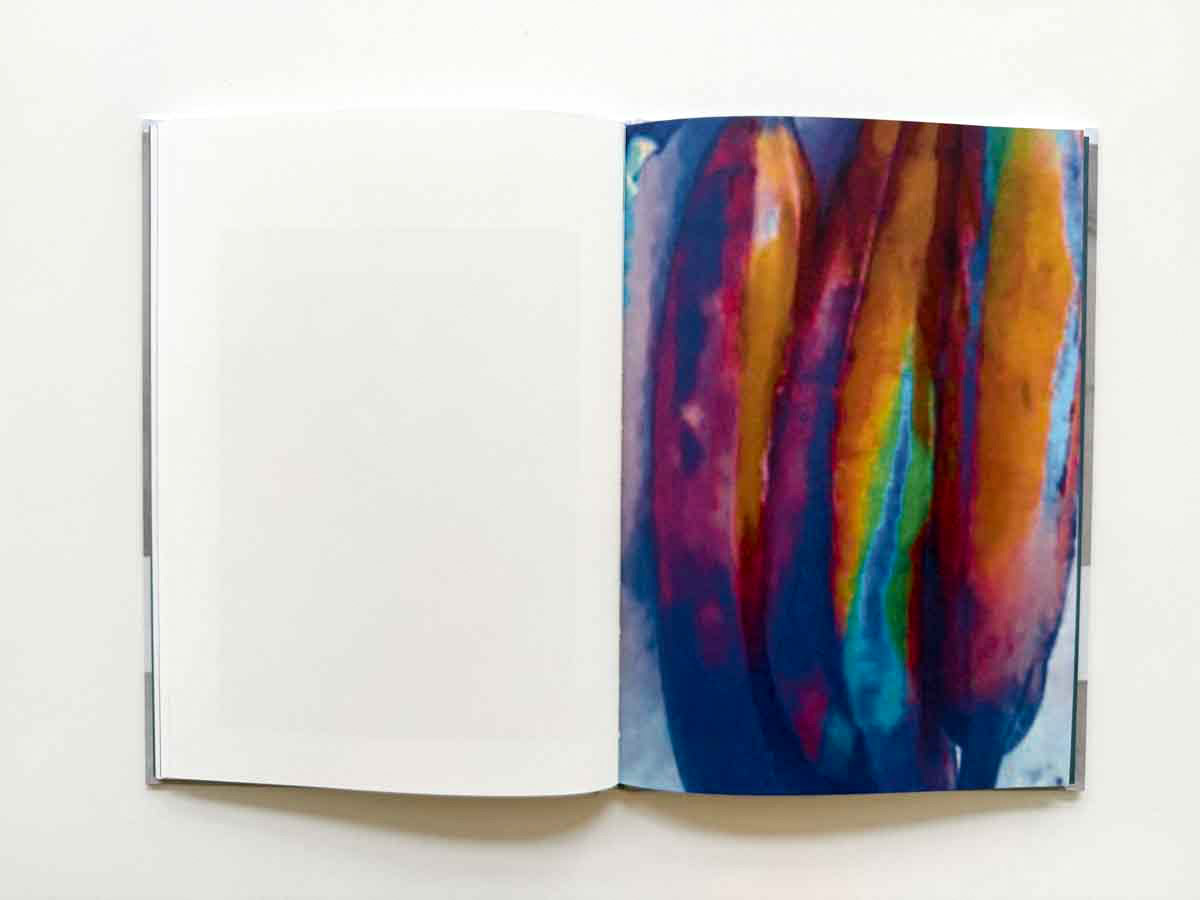
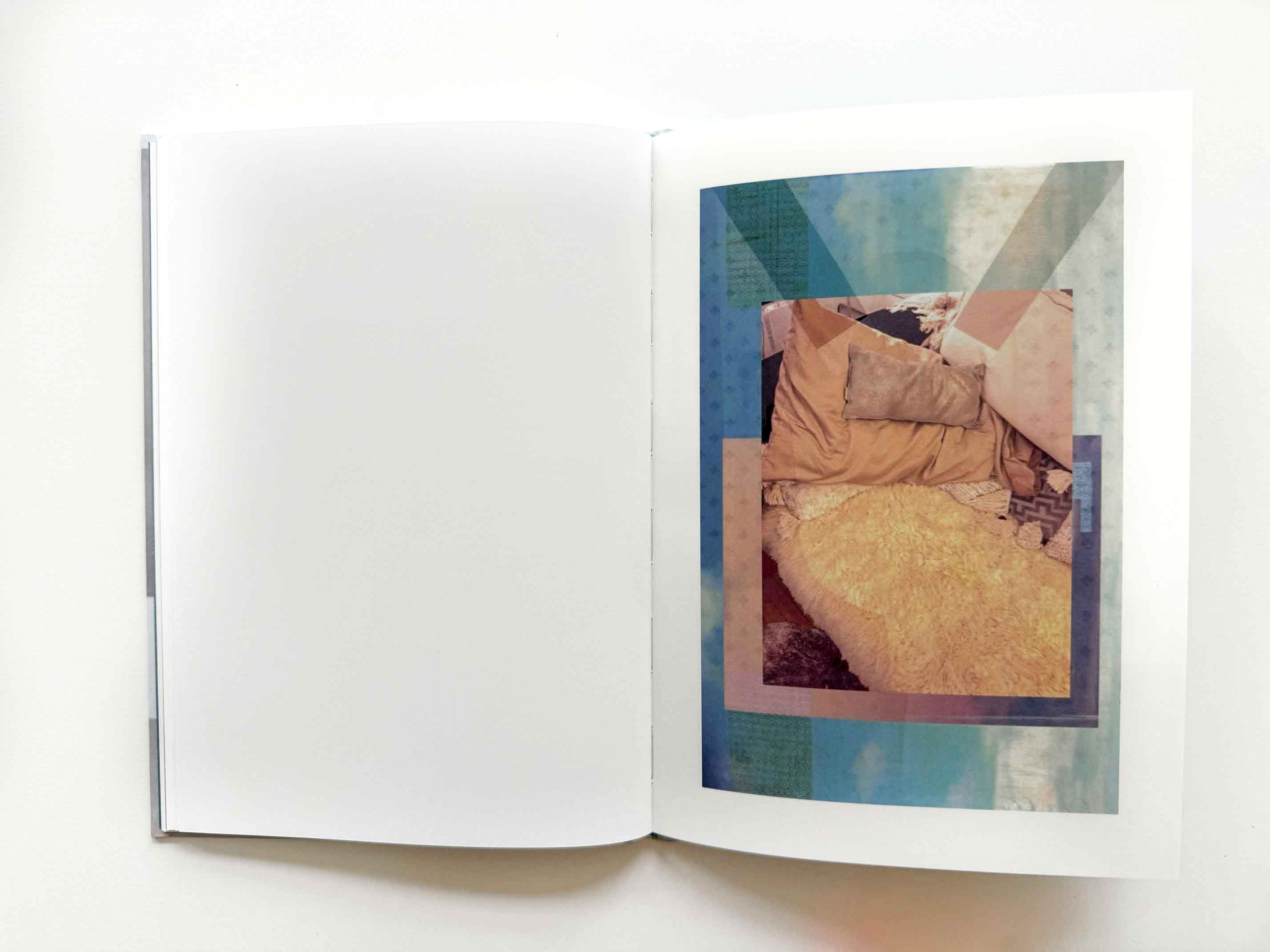
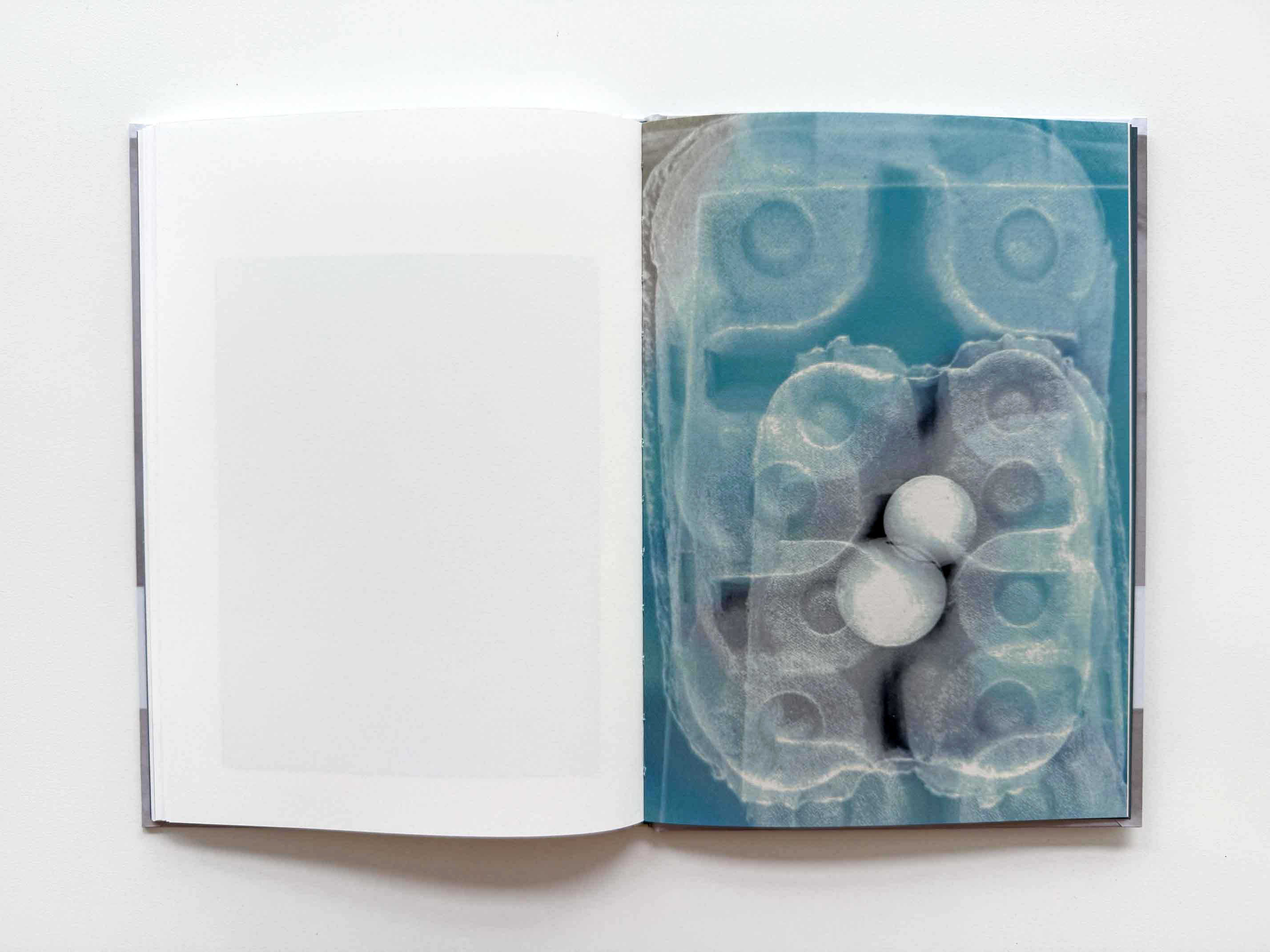
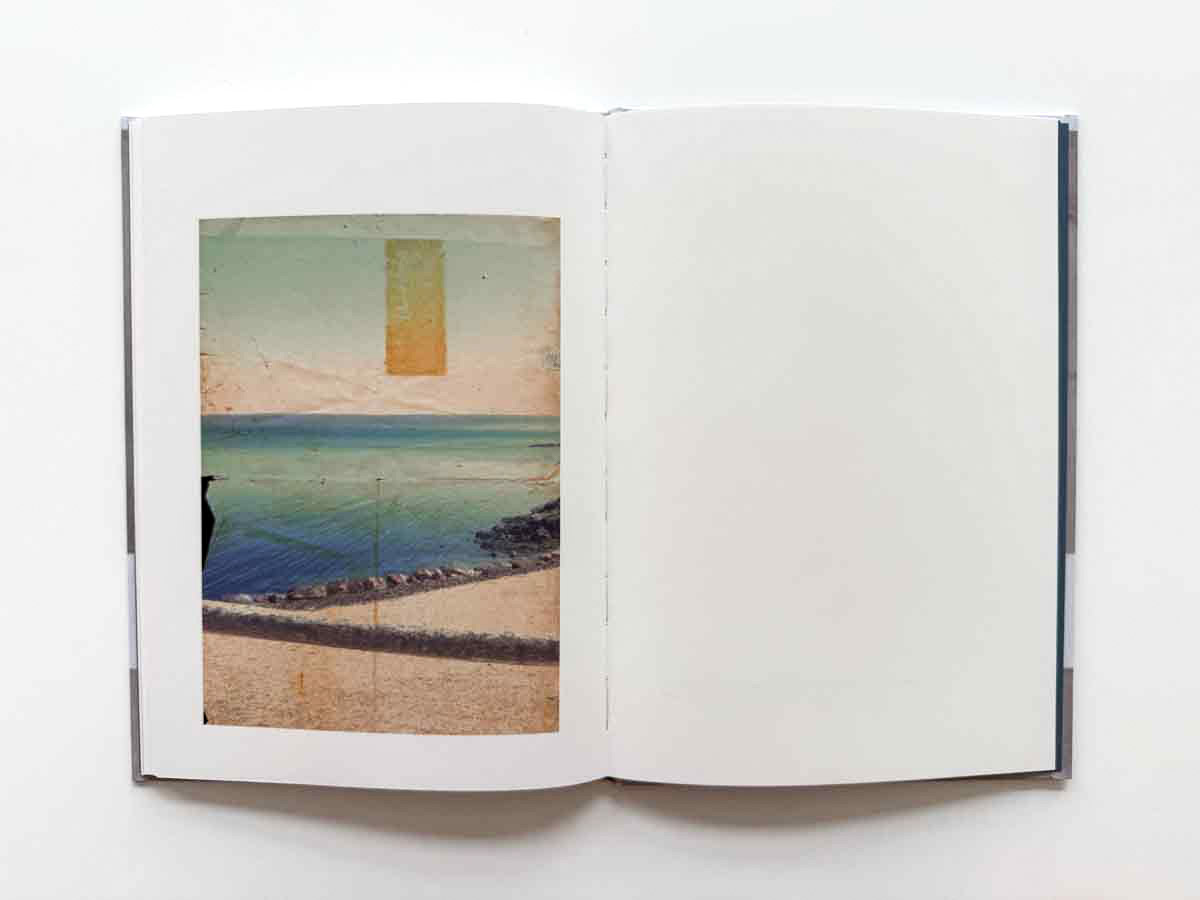
The motif of loss turns out to be indeed present in the series, though the semantics it addresses is much broader and, like the gap itself that only marks the absence, is much less direct. All the twenty-two surreal digital collages comprising the book may be described as the artist’s way to temporarily regain agency and process (or step outside of?) the experiences accumulated throughout the day: the only time she had for herself, when her husband Mark Babski, diagnosed with posterior cortical atrophy, was resting and no longer needed assistance in navigating his compromised world, its compass needle spinning freely.
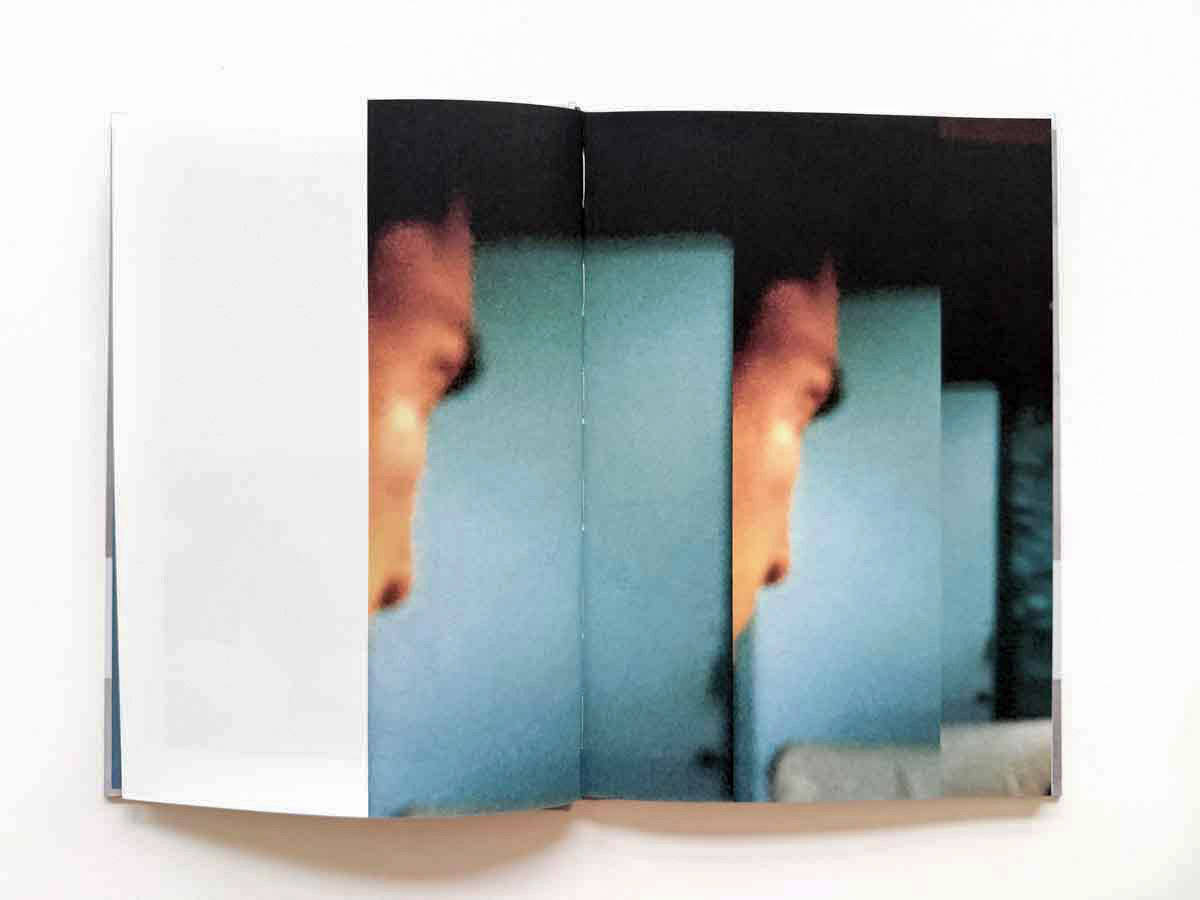
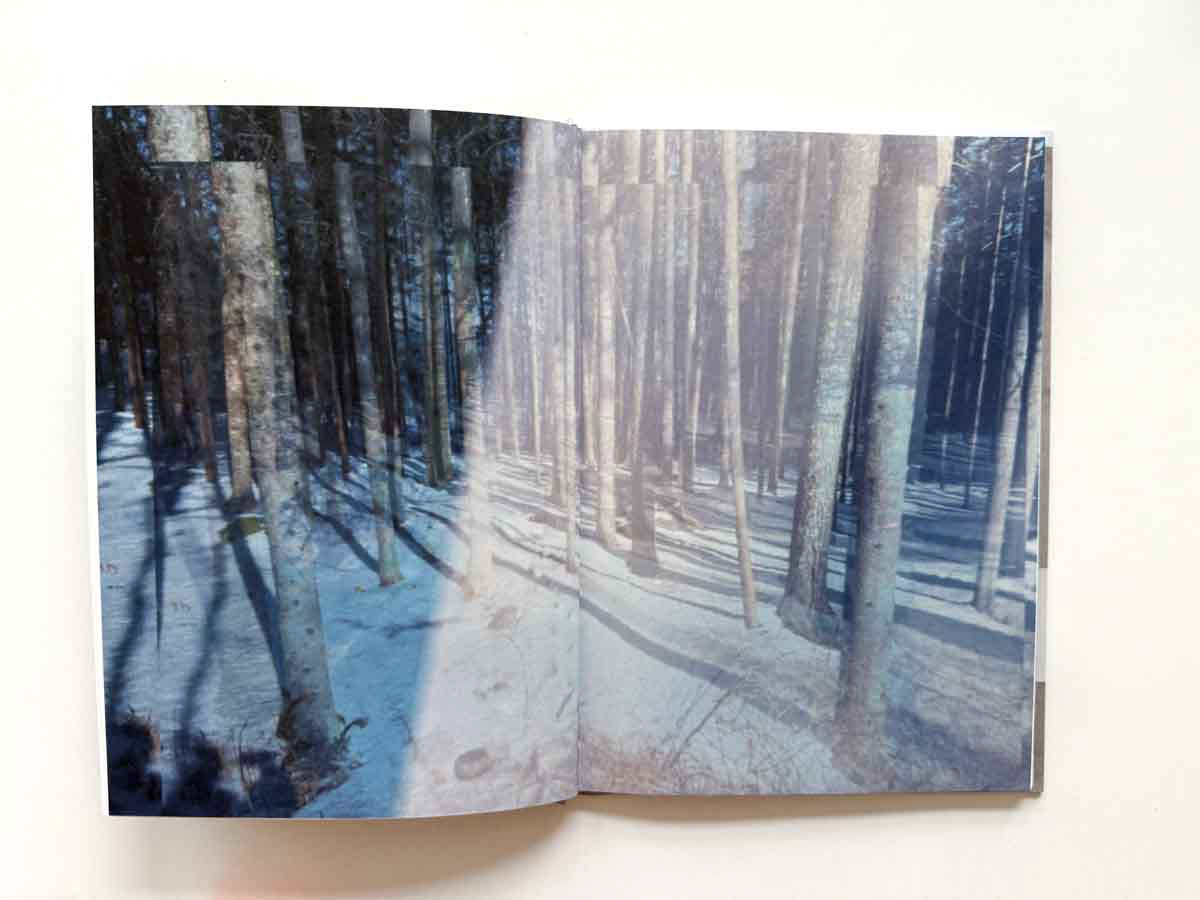
I find speaking about the aesthetics or symbolism inherent in Cordemans’ art unnecessary. Aware of the circumstances and reasons of the photos’ creation – during the nights that followed the days, mornings, weeks, months, and years of her family’s attempts to live and support their loved one whose behaviours they watched becoming increasingly altered by a rare form of young-onset Alzheimer’s – it is the elements of the context that form the message. Yes, we can certainly name what is visible in the overlayed, cropped, overexposed, blurred or sharpened screenshots of frames Isabelle made those evenings: empty rooms, surreal landscapes, beds still remembering the sleeper’s outlines, and hands touching other hands, fingers spread in act of fragile openness towards contact… Cordemans’ experience, sharp eye for details, and fine intuition for surrealistic juxtaposition make all of them outstanding and even function as solo works.
But still… what can this, formally perceivable, layer actually tell us about the reality that made their existence possible and, in a way, necessary? About the feelings and experiences of a person whose ability to visually, spatially, and verbally make sense of the world was progressively weakened. About the feelings and experiences of the partner, who was witnessing the loss – observing the impairments, inventing ways to compensate for them, struggling together with the growing disorientation and anxiety it caused, looking for words, finding them, guessing them, and losing them again. The art born on the margins of the search for what to hold on to seems to inhabit the space beyond the visual. One may call it telepathy, as the gift of communicating without words, or empathy, as what – under special conditions – can grow into telepathy. One can call it love, or the art of being human.
Olga Bubich is a Belarusian essayist, visual artist, and memory researcher currently based in Berlin.
____________
Isabelle Cordemans – widow without whiskey bottles
Artist: Isabelle Cordemans
Publisher: Matanna Editions
Design: Matanna Editions, © 2025
Production: Camera Work
Printed in the Netherlands
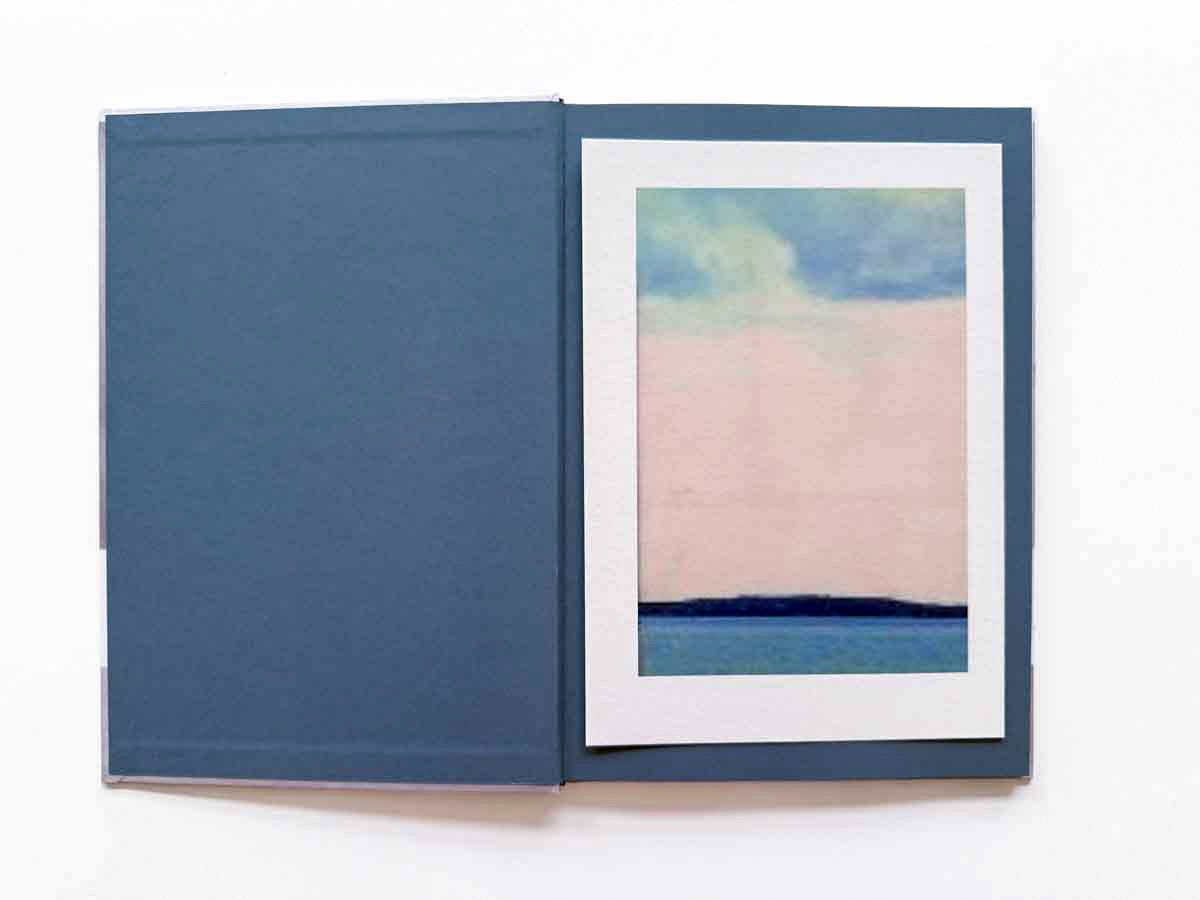
17,5 x 24,5 cm hardcover book; 48 pages; 22 images; comes with a 13,7 X 17,4 cm print, signed by the author (Book Archival Pigment Print on Fine Art Paper by Innova); ISBN 97890 8094 4664
____________
Articles and photographs published in the PhotoBook Journal may not be reproduced without the permission of the PhotoBook Journal staff and the photographer(s). All images, texts, and designs are copyright of the authors and publishers.


Leave a Reply