Review by Hans Hickerson ·
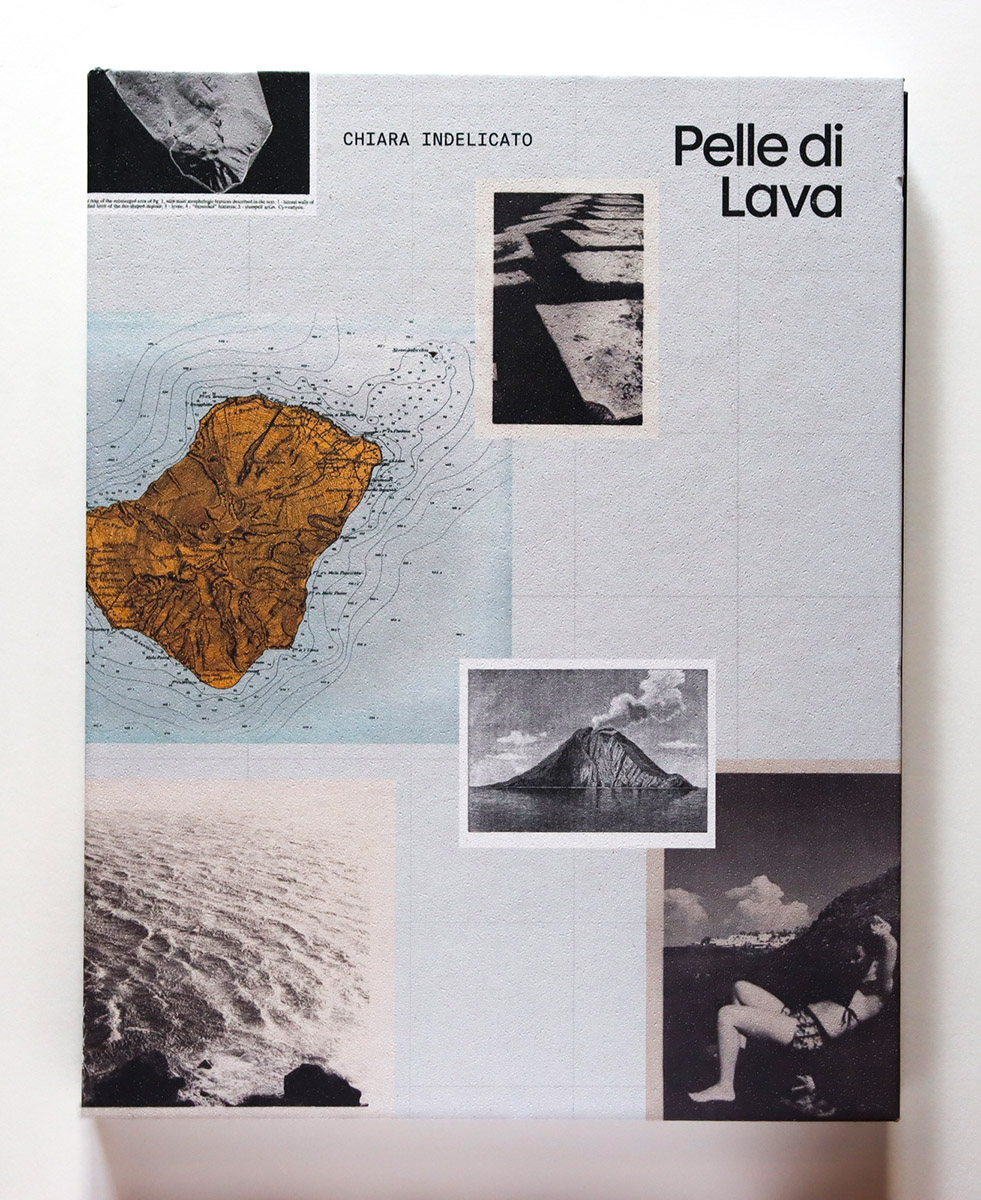
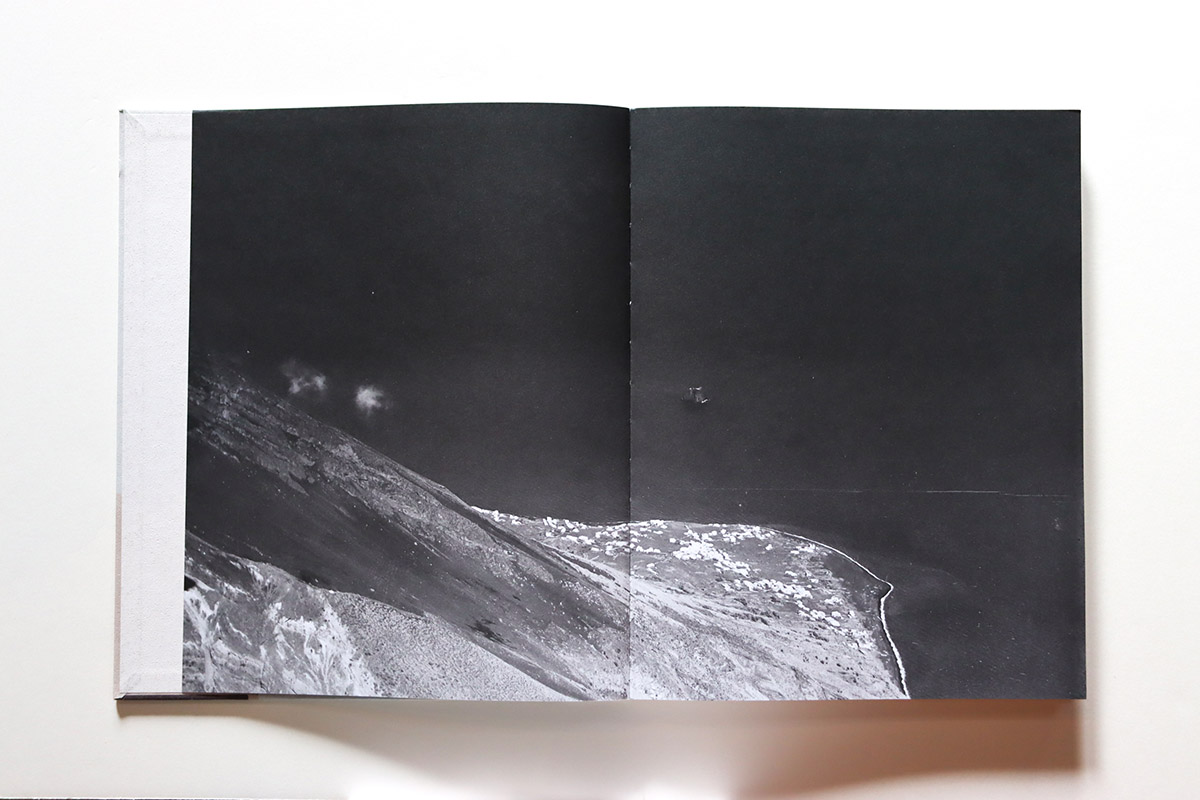
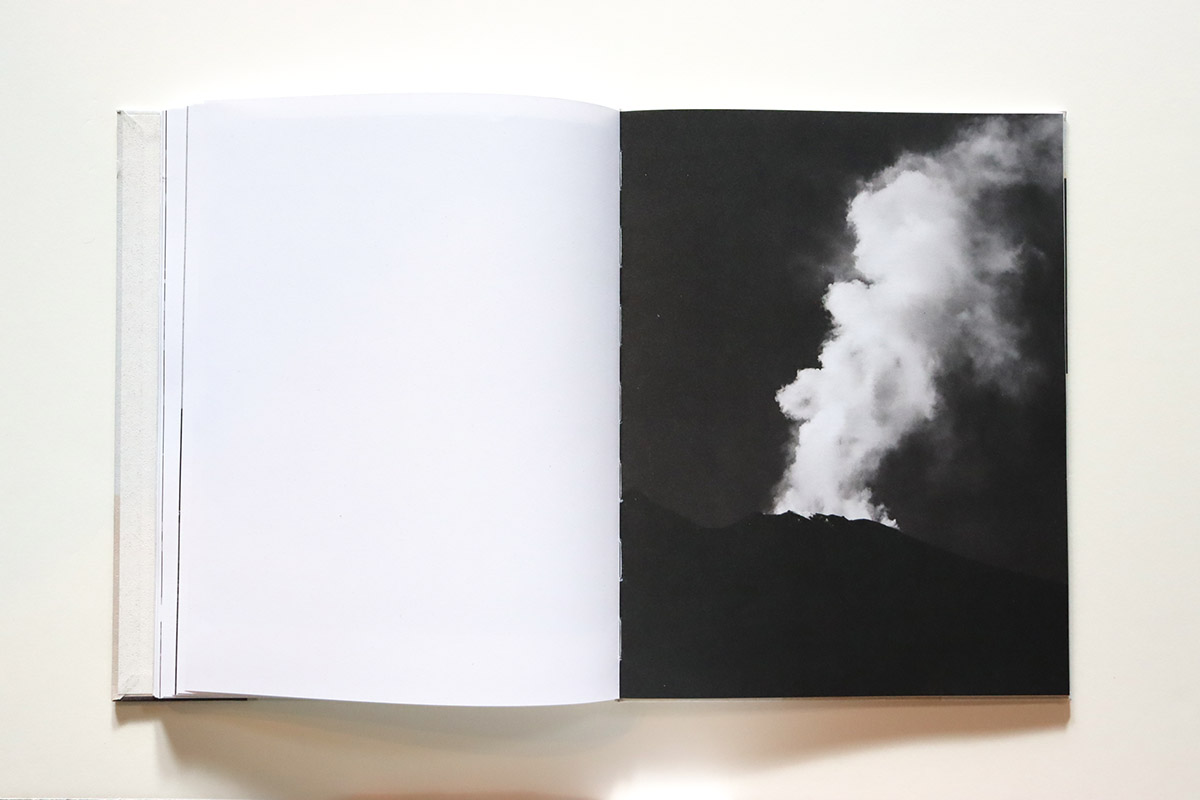
If you look at Chiara Indelicato’s photobook Pelle di Lava without any background, you may be puzzled. The monochrome photos look like they might have been taken more than a century ago using an early photographic process. Many are not sharply focused, and their tones are muddy and dark and their highlights blown out. Others are marked with dust spots that have not been removed, or chemical decay that has eaten into the image.
Indelicato’s photographs look like that because she uses seawater and coffee in her own alternative, earth-friendly analog process for developing film and printing in the darkroom. That way she does not have to drain potentially hazardous chemicals into the local environment. Aesthetically speaking, it flavors Pelle di Lava with an appropriately antique, timeless feel.
Pelle di lava means “lava skin” in Italian. The lava refers to the volcano on the Italian island of Stromboli, located northeast of Sicily, where a volcano has been continuously active since the 1930s. The island is the subject of the book.
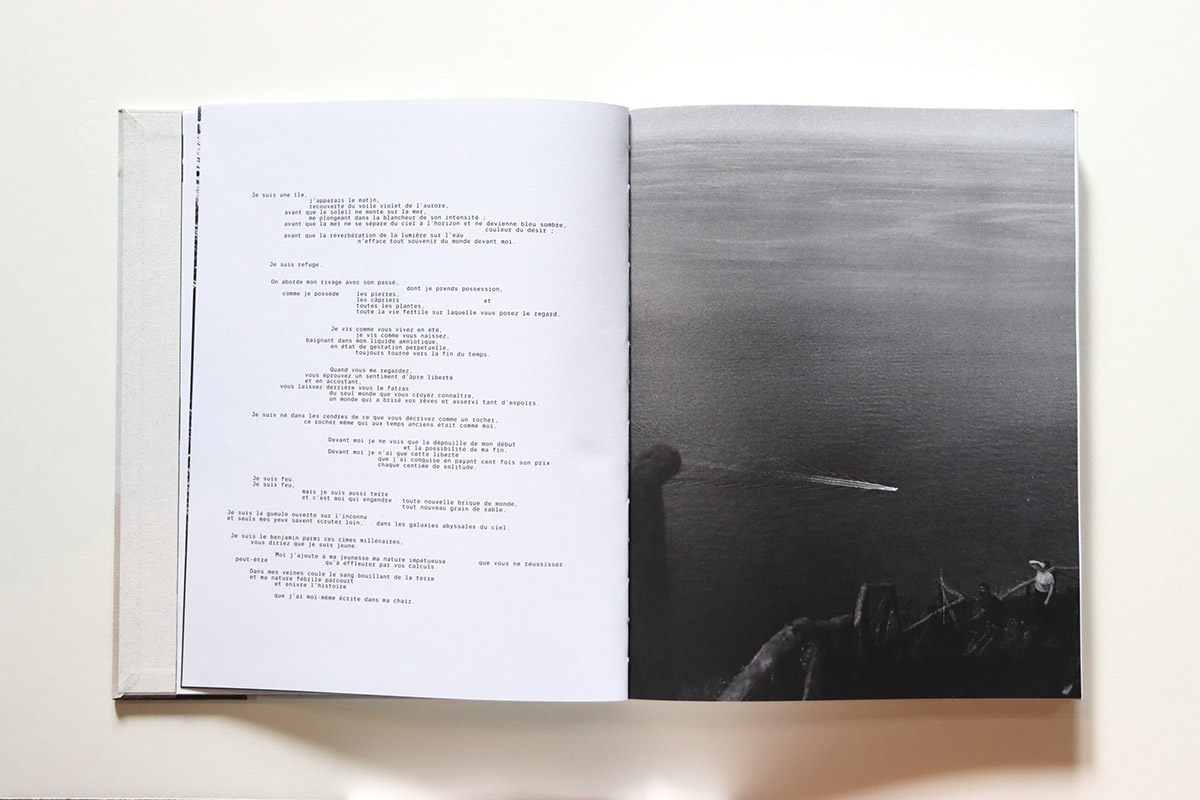
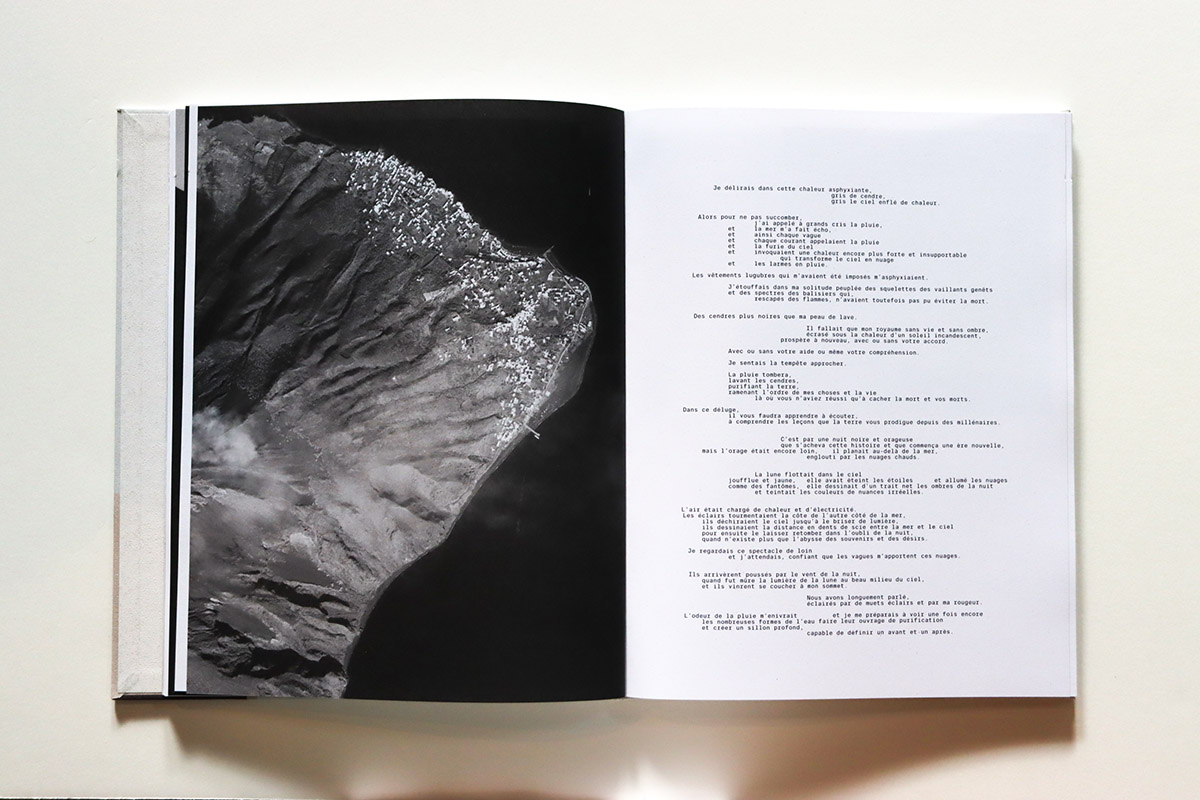
The book is divided into three chapters or acts, each accompanied by a text in French representing the voice of the volcano. English and Italian translations appear at the end.
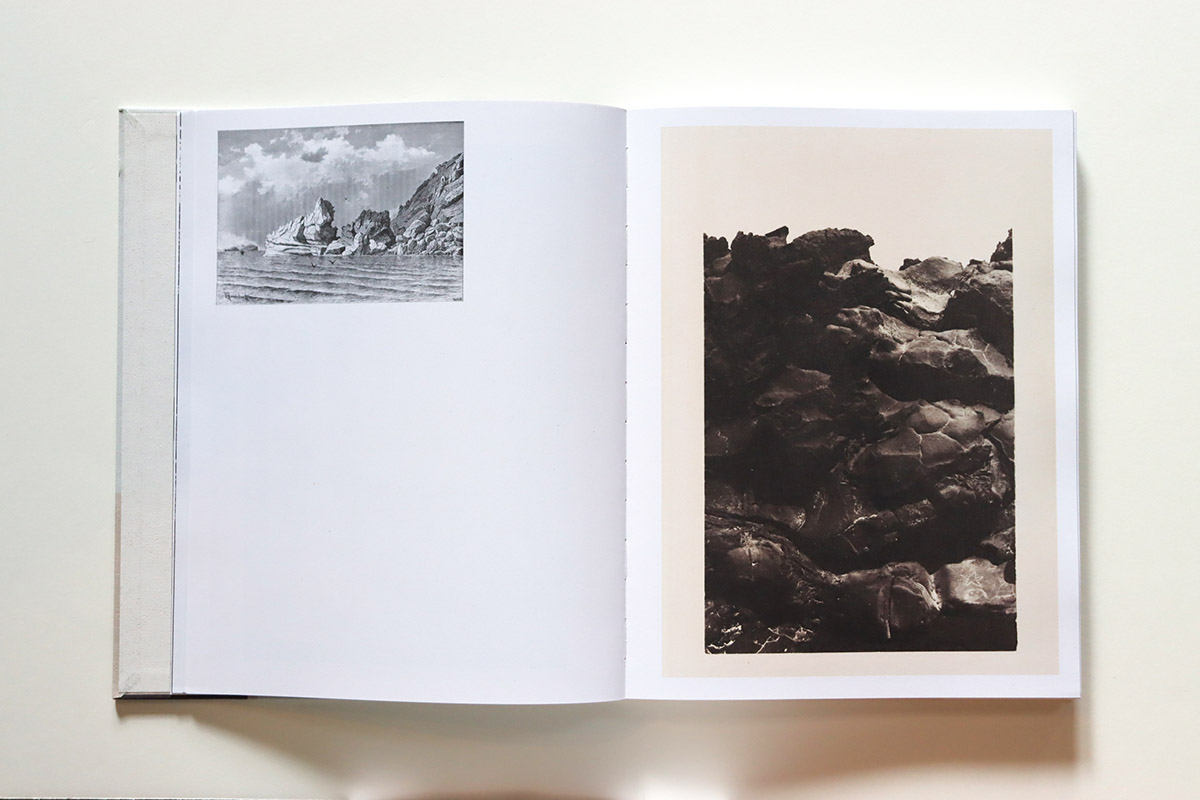
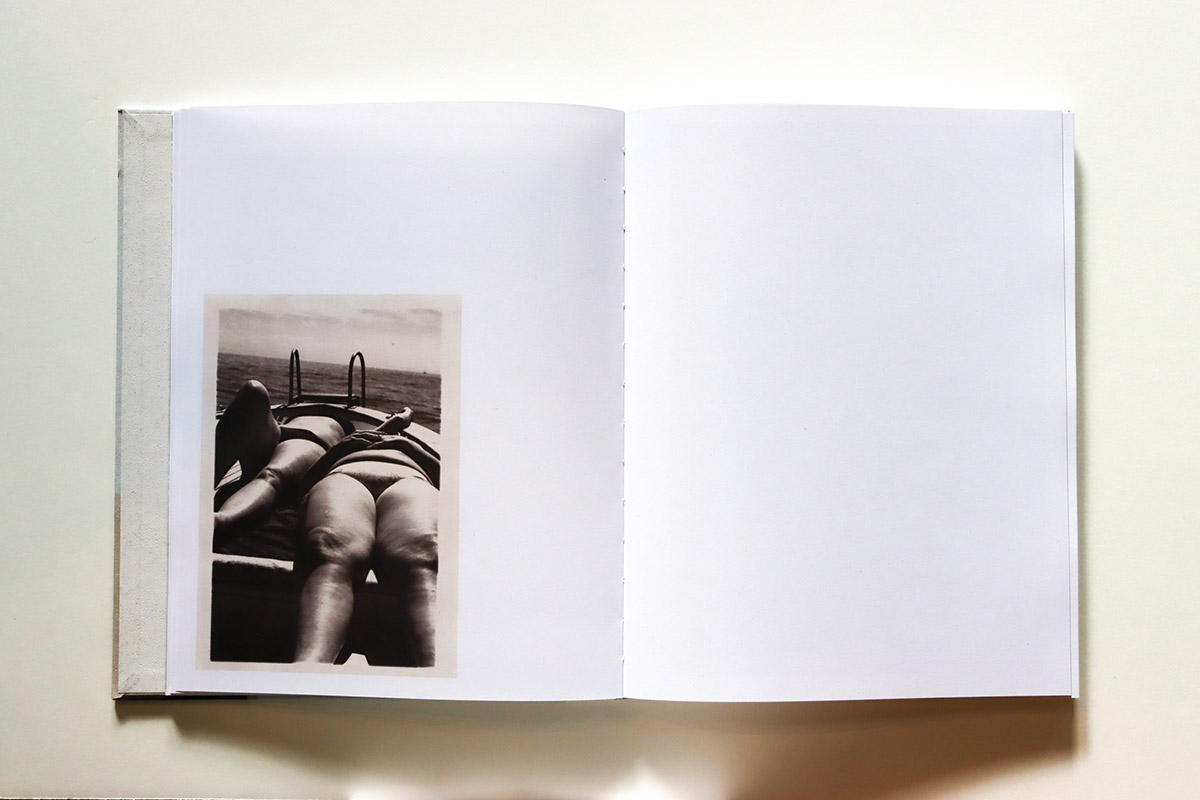
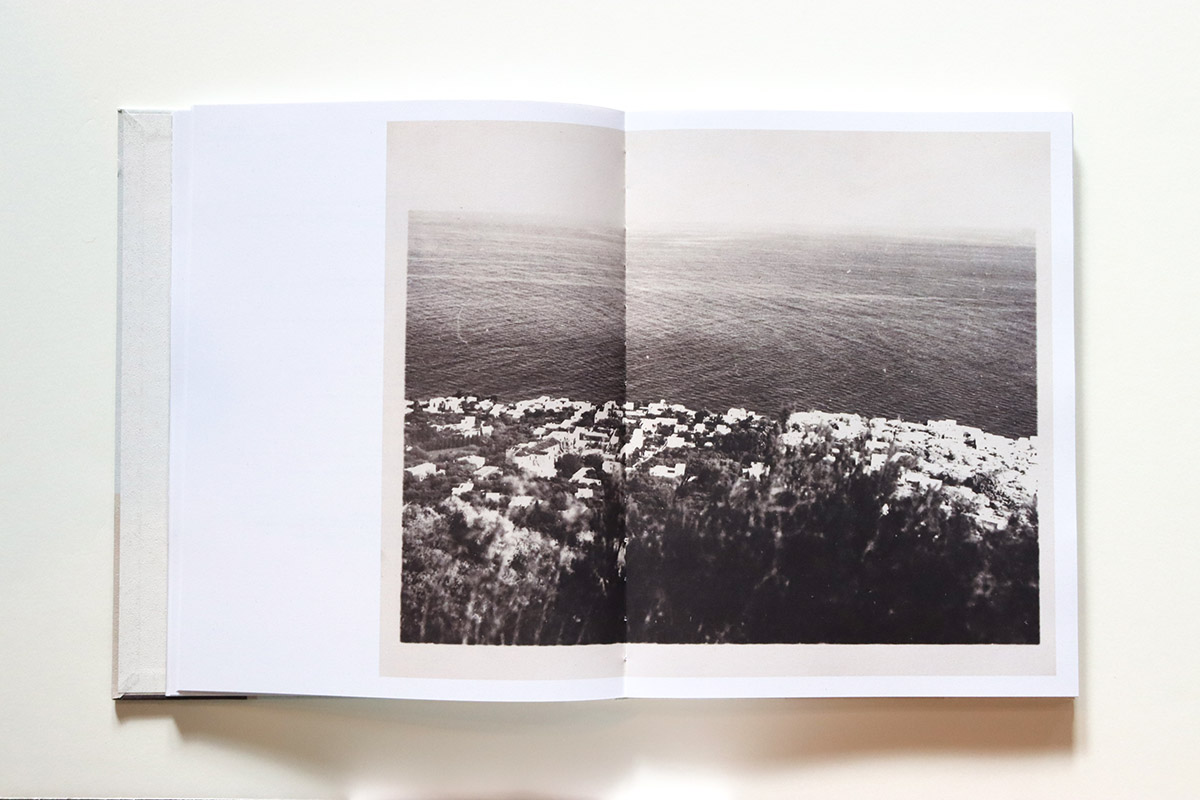
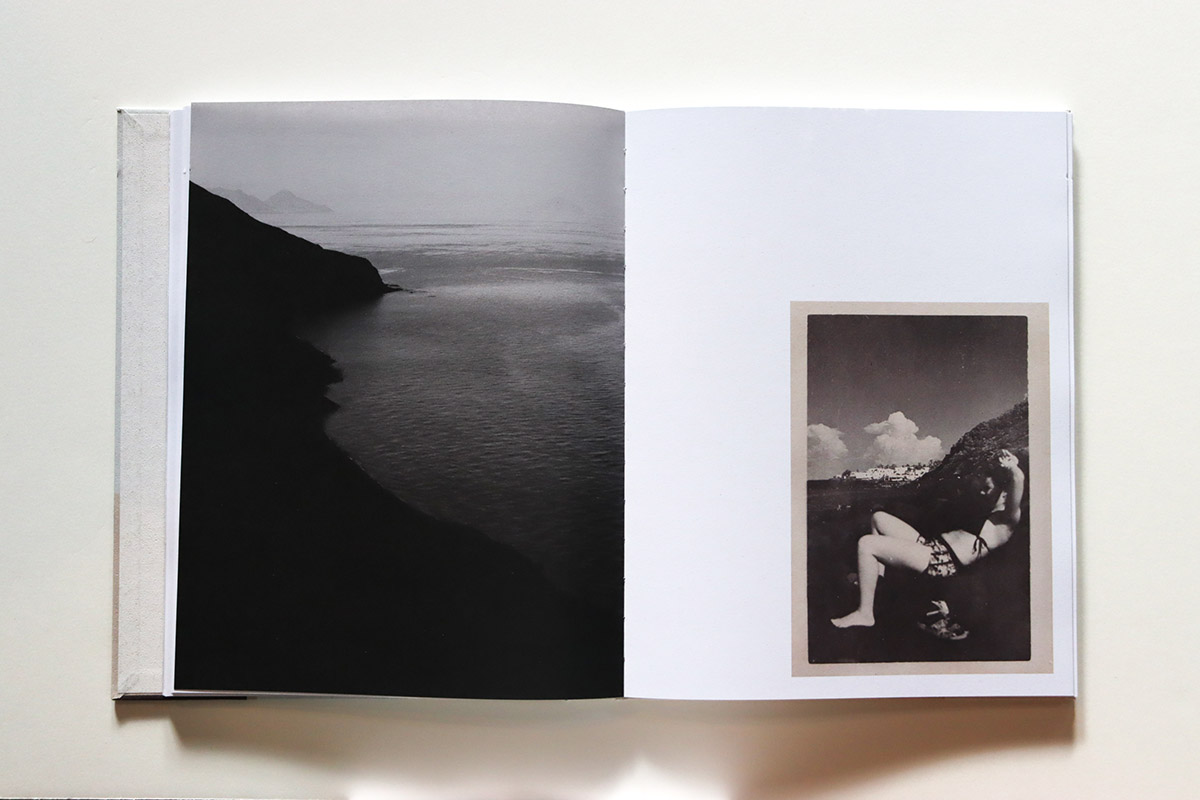
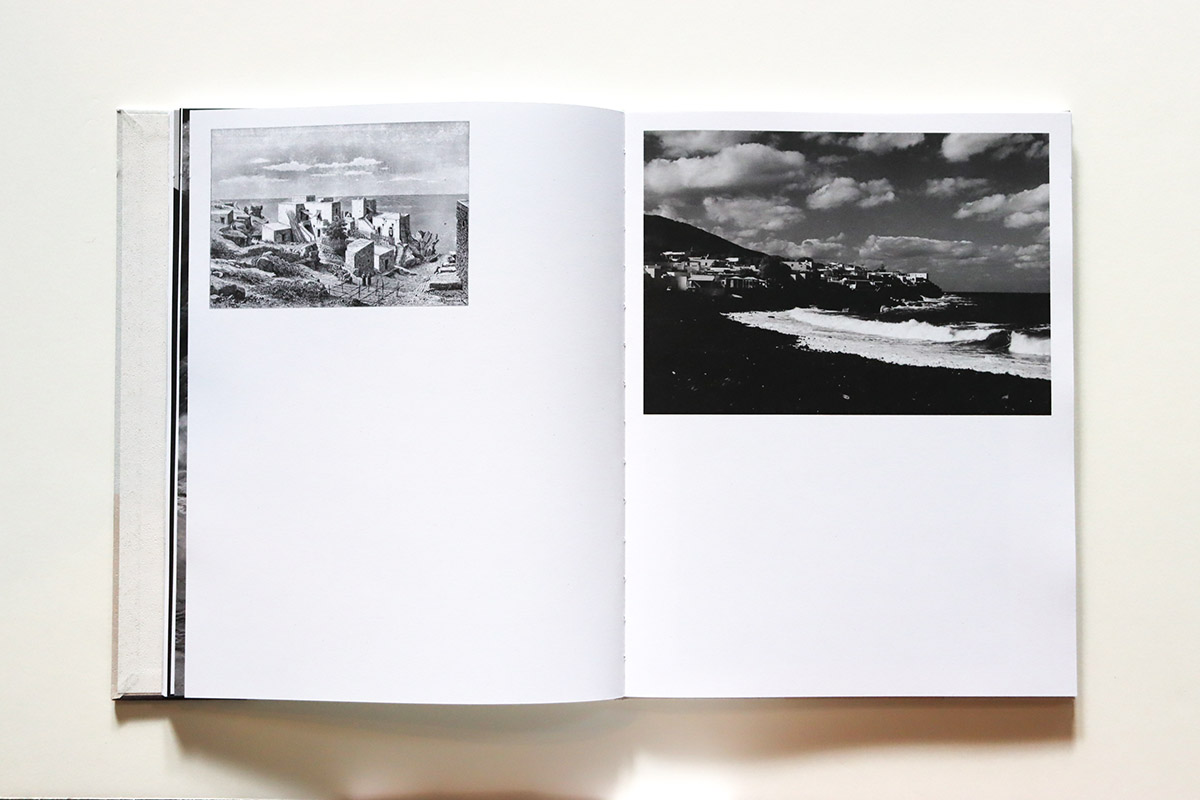
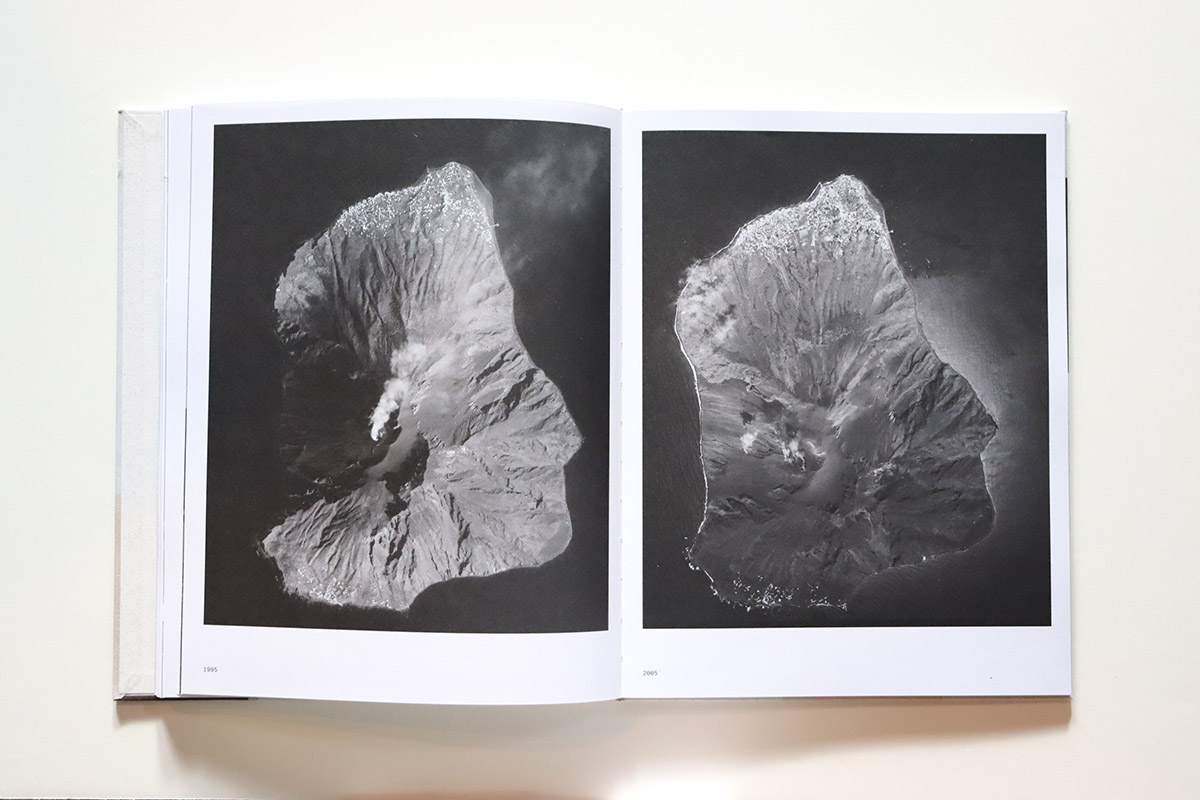
In Act 1, “Lava Skin,” after several precisely detailed satellite views of the island, the photos take us in close. The details they present are stark and spare. Sun, sea, and sky. Rocks, water, sky. Vegetation, grasses, sky. Details of buildings. But then we see people, people in swimming suits sitting or standing on the rocks, taking in the summer sun. Mixed in are vintage gravures of scenes from the island, one an image of a small island recognizable in one of Indelicato’s contemporary photos. We also see scientific drawings of geographic features of the volcano.
Act 2 is called “The Island that Used to Exist.” Here the photos show us the consequences of careless human involvement with nature, including an especially disastrous man-caused fire in 2022 that burned much of the vegetation on the volcano. We see charred, denuded landscapes, blackened rocks, scarred tree trunks, and bare branches.
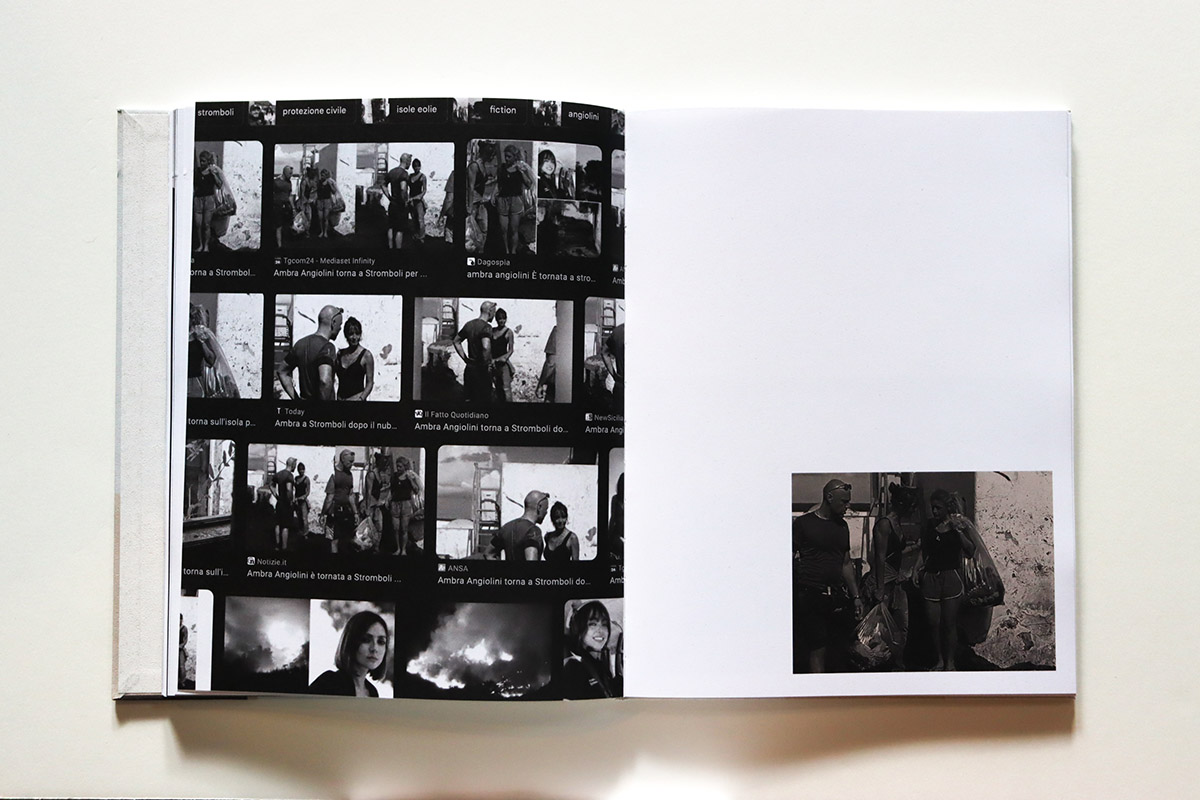
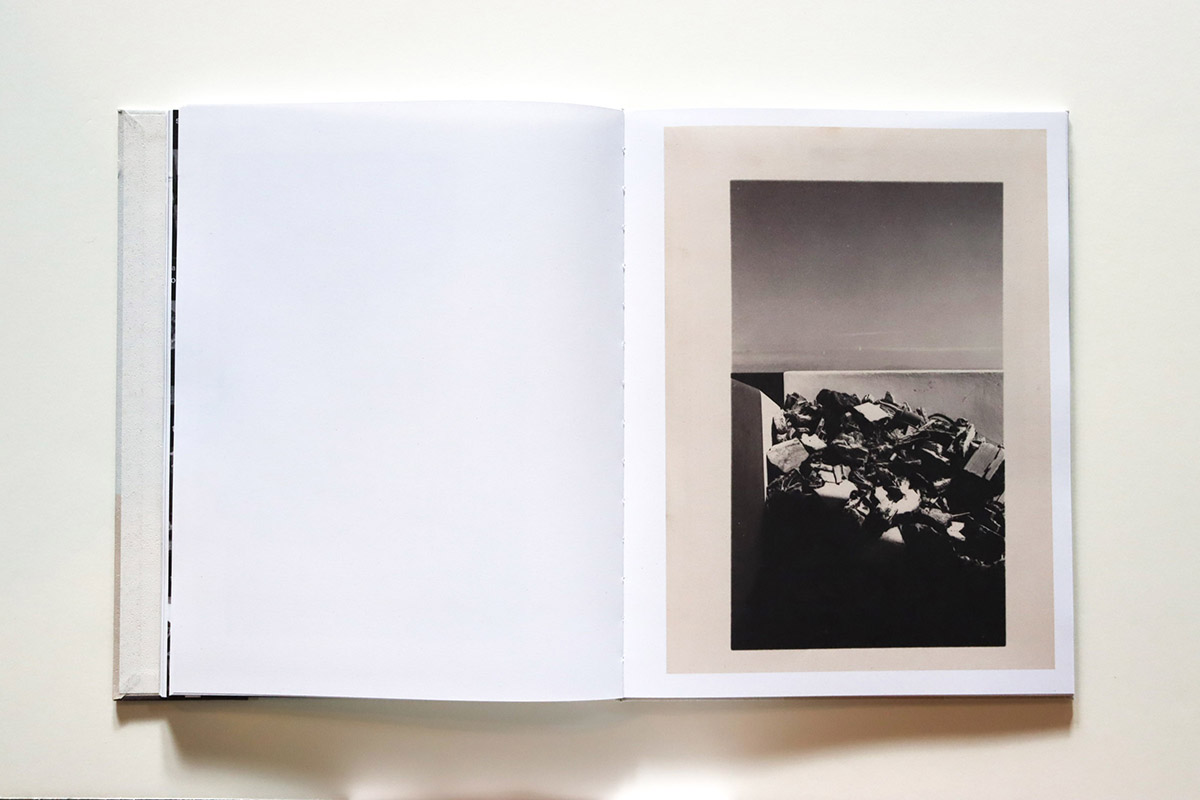
Act 3, “Night,” recounts the events of August 12, 2022, when a heavy downpour hit the island, dropping over two inches of rain in an hour. Without vegetation to anchor the soil on the steep slopes, massive rivers of mud poured down the mountain, covering streets and homes under tons of mud. The photos show us the aftermath of the storm and mudslides. Piles of rocks, debris, mud, and rubble, and people dealing with the disaster. The last photos echo the book’s opening images with satellite views of the mountain taken from space, as if to show us that life goes on, whatever we humans do, and that nature does not stop doing what it does.
An extensive first-person epilogue concludes the book. In it Indelicato details the history of human habitation on Stromboli and the misguided administrative policies and laxism that have led to the current fragile ecological situation. She also tells her personal story of August 12, 2022, and the aftermath. When you read the epilogue, the parts of the book fit neatly together. You look back through the images and it all makes sense and the direction of the narrative becomes clear.
Some photobooks may not be obvious at first. But then you follow along and they take shape, gradually sink in, get under your skin, and become impactful and more than the sum of their parts. Chiara Indelicato’s Pelle di Lava is like that, and its message is clear: you don’t mess around with nature. You have to pay attention and take nature seriously on its own terms, otherwise… voilà… disaster.
Hans Hickerson, Editor of the PhotoBook Journal, is a photographer and photobook artist from Portland, Oregon.
____________
Chiara Indelicato – Pelle di Lava
Photographer: Chiara Indelicato (Born Italy 1987, lives in Italy and France)
Publisher: Palais Books, Arles © 2025 (second edition)
Language: French, English, Italian
Text: Chiara Indelicato
Design: Yann Linsart
Printing: Faenza Printing, Italy
Hardcover; Swiss binding; 75 photographs; 168 pages; 22 x 29 cm; ISBN 978-2-493-123-077
____________
Articles and photographs published in the PhotoBook Journal may not be reproduced without the permission of the PhotoBook Journal staff and the photographer(s). All images, texts, and designs are under copyright by the authors and publishers.


Leave a Reply