Review by Olga Bubich ·
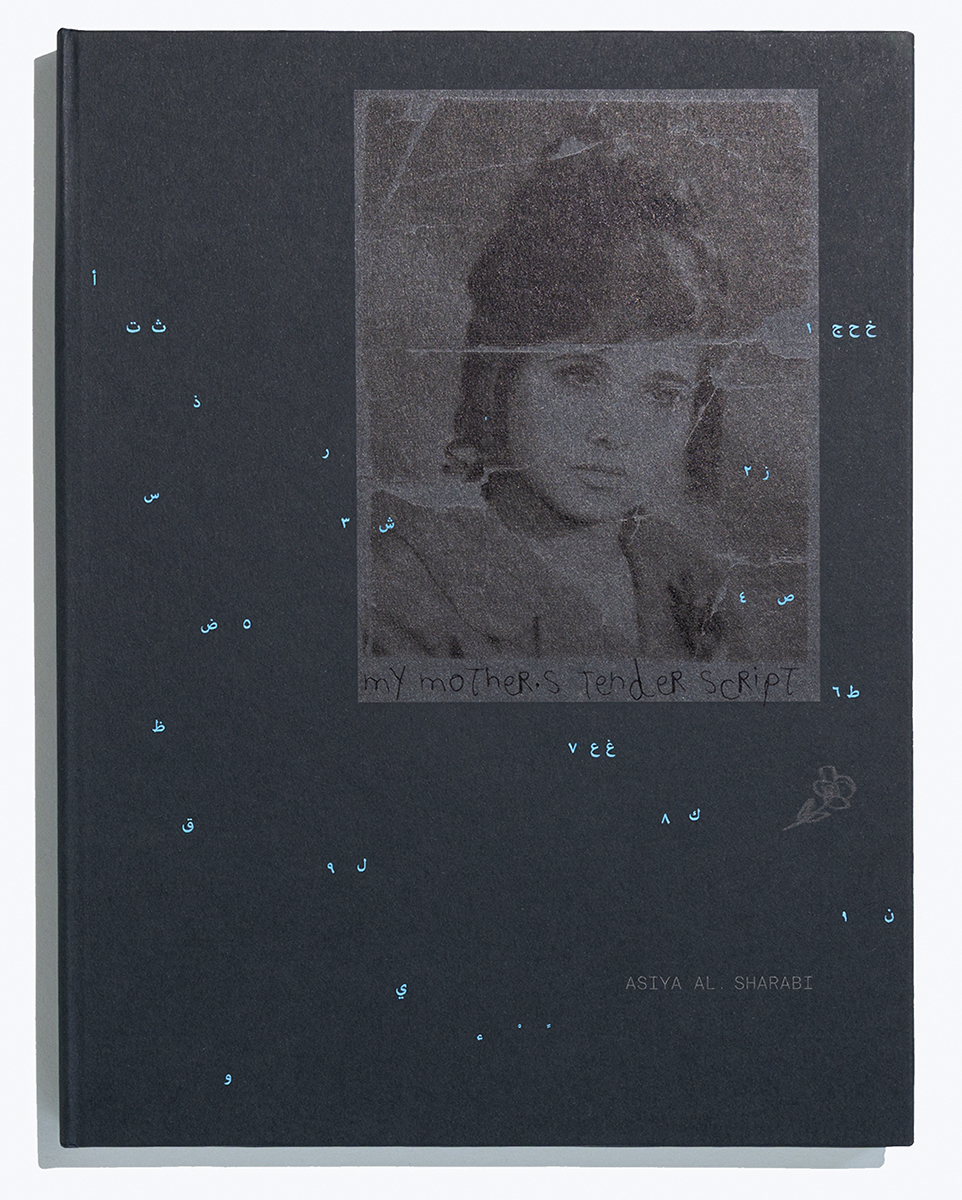
Addressing traumatic or otherwise challenging pasts and processing childhood trauma have long been among the most common subjects in photography, and photobooks are no exception. Every year, numerous projects are created, sharing with distant readers stories of close proximity: those of complicated – or non-existent – relationships with fathers, those of abusive partners or of loved ones whose lives were cut short by illness, addiction, or natural disasters. Mirroring the realities of our lives, art is filled with grief, pain, and loss, and how rarely, then, do we encounter a well-thought-out project that is, at its core, a profound declaration of love – a work that invites us to look back on our own past with gratitude to our parents’ dedication and sacrifice. Such is the case with the recently published debut photobook by Yemeni artist Asiya Al. Sharabi with its very title foreshadowing a deeply personal narrative: My Mother’s Tender Script.
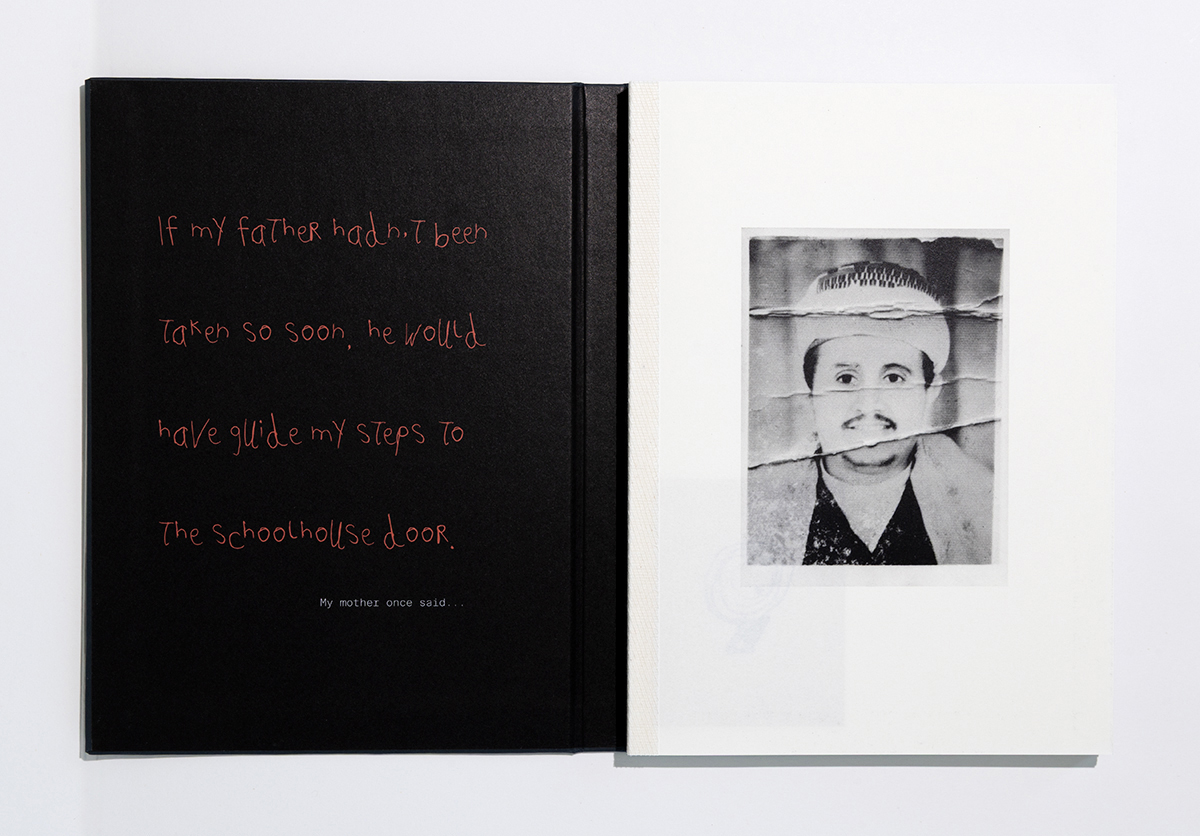
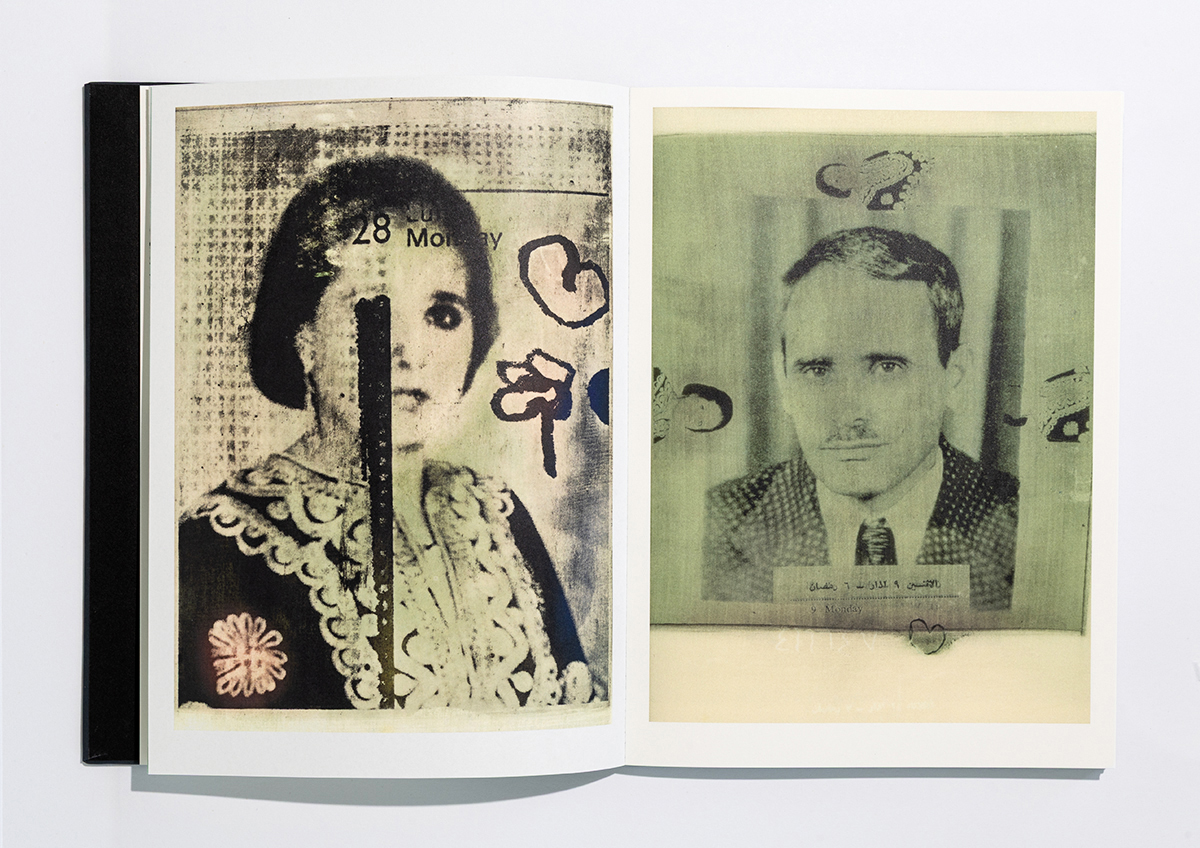
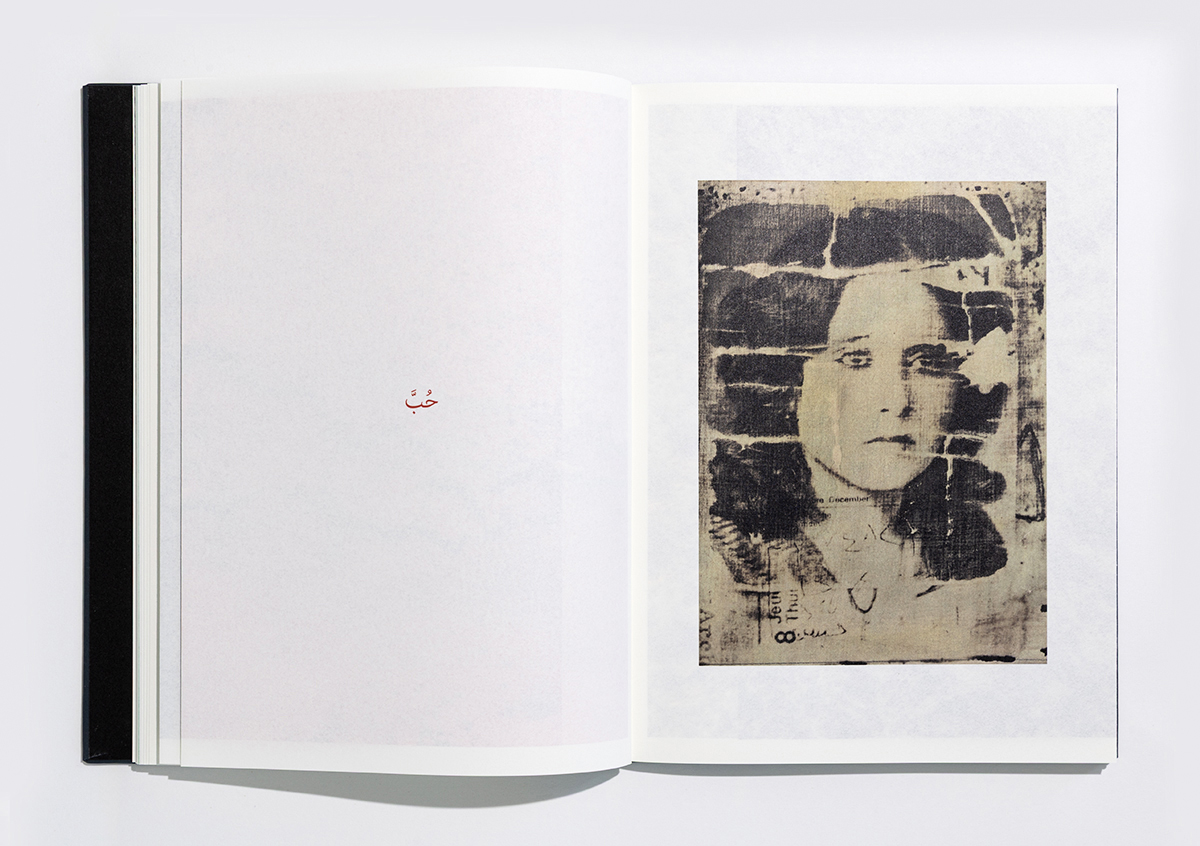
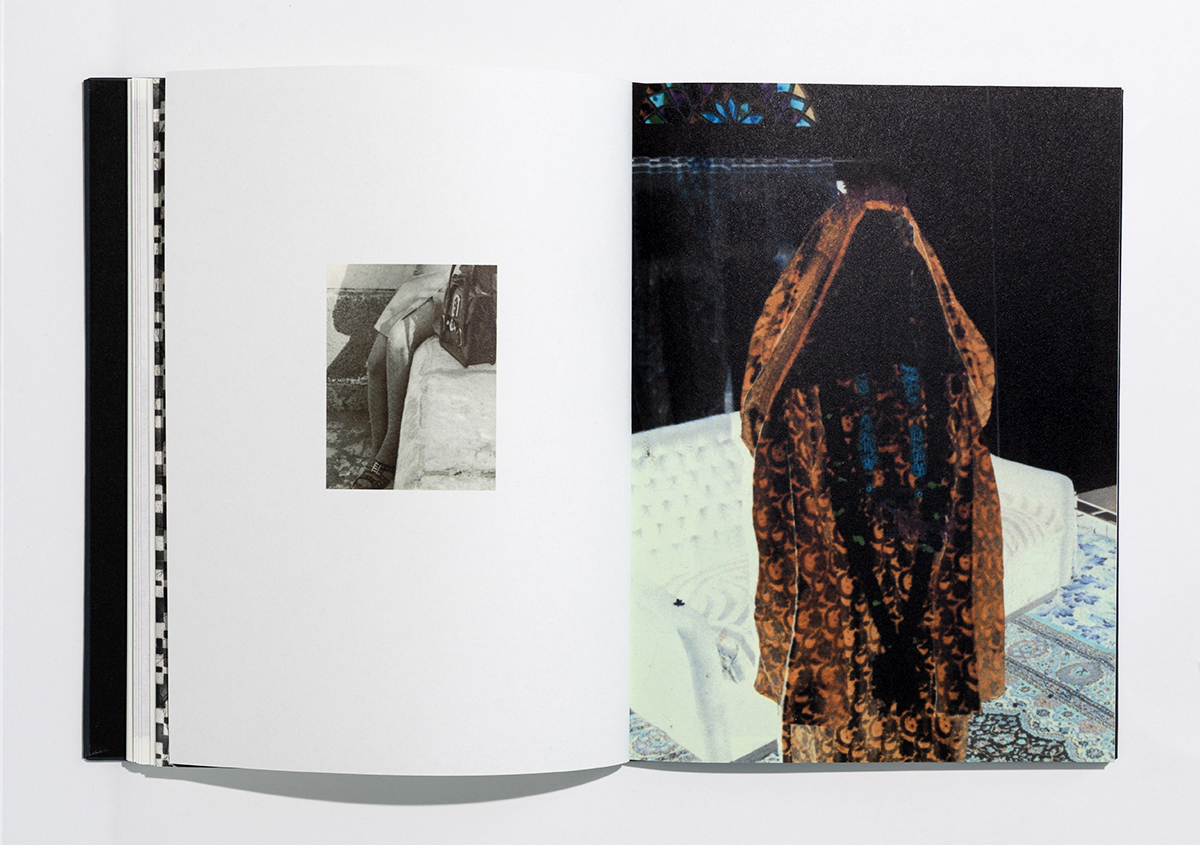
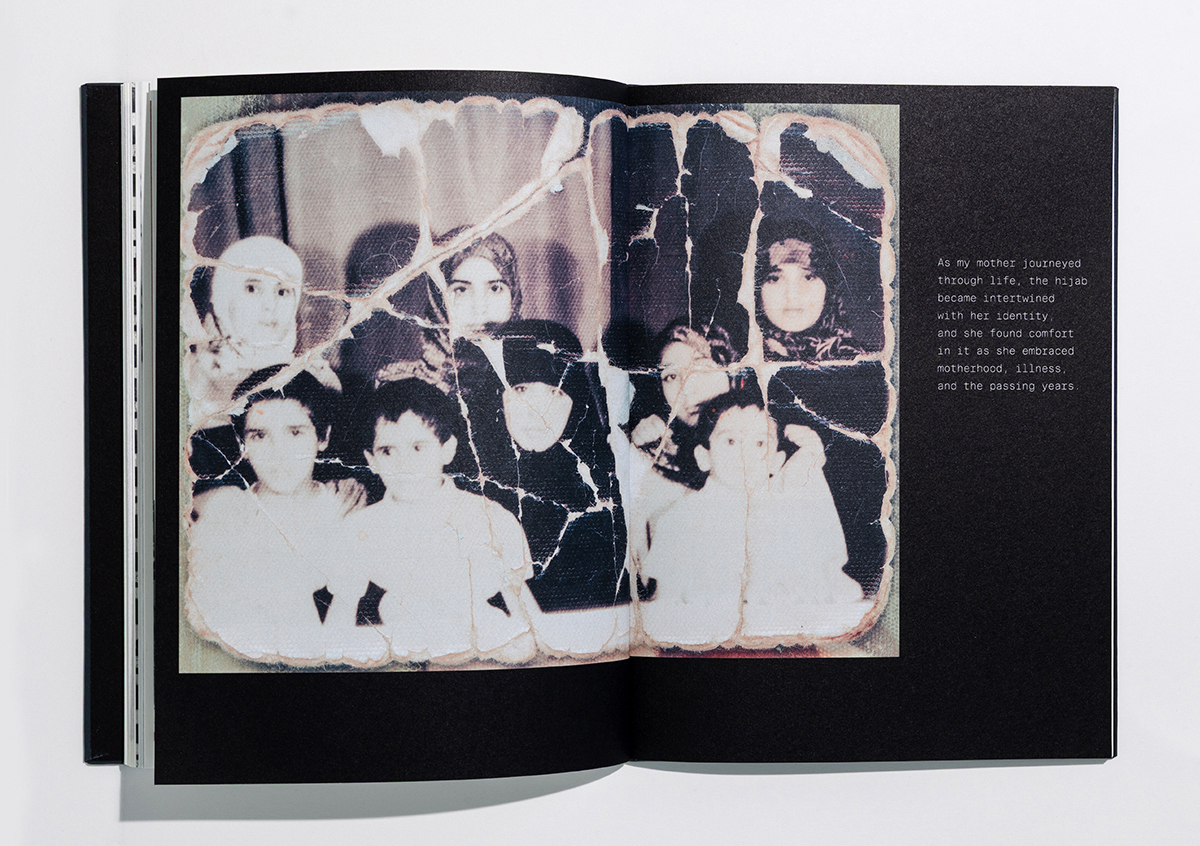
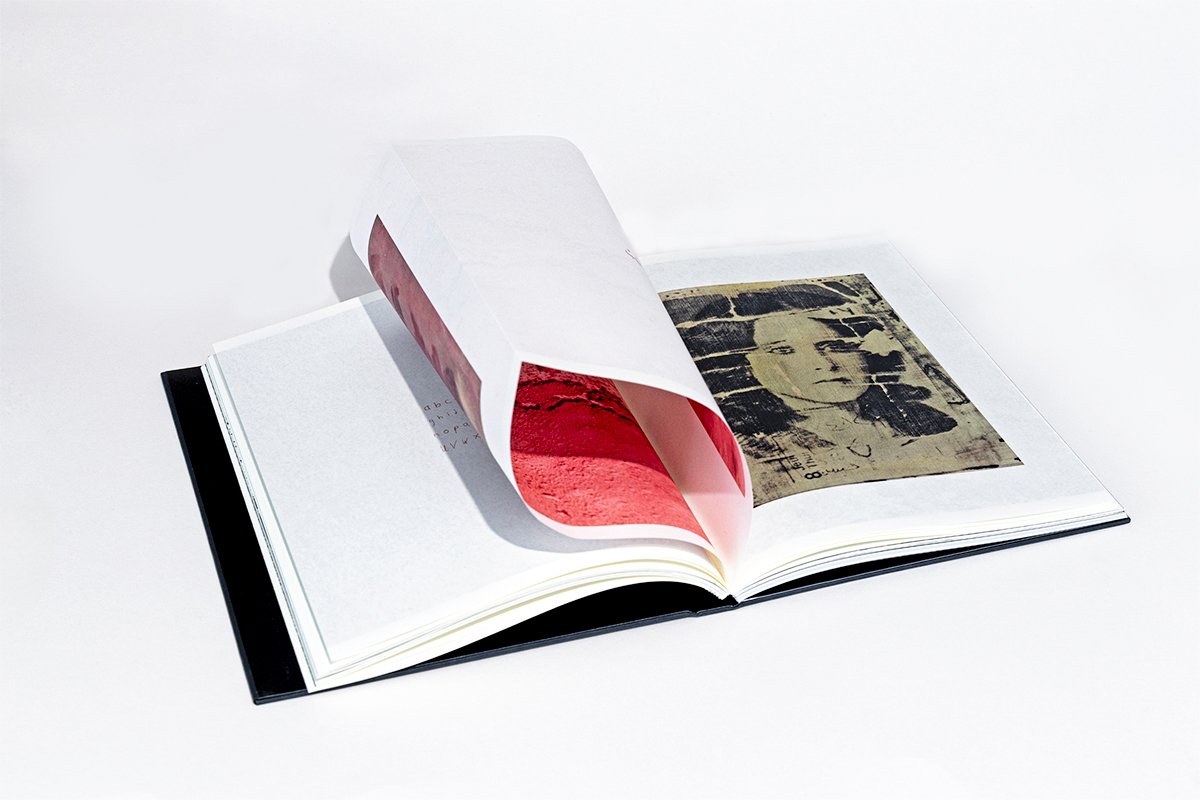
At first glance, My Mother’s Tender Script could be read as a book about absence: the absence of education, of childhood, of freedom, and ultimately of choice – the most fundamental right, denied to so many women living in today’s Houthi-controlled Yemen. Yet the more time one spends with the portraits of the artist’s mother Shukria – reproduced through the rare alternative process of resinotype, each differing from both the original photograph and every subsequent handmade impression – the clearer it becomes that Asiya Al. Sharabi’s book is not about what her parent missed. Nor does it aim to evoke sympathy only. The life of the beautiful woman, caring mother, and patient wife we see on the surface is only one of its many layers, reflecting the fleeing public gaze and assumptions many make when they see an Arab woman, particularly one wearing a hijab. In Shukria’s case, a girl made a wife at the age of 11, a mother of eight children and a woman who turned widow at the age of 15. The questions My Mother’s Tender Script poses are far broader and more unsettling than that, and some are truly hard (or perhaps even impossible) to answer.
What remains of one’s free will, when the realities one is born into do not allow choices? Can a person still live authentically – building a meaningful life rooted in values they have genuinely made their own – within tenderly created and carefully curated spaces, whatever form these spaces take? Can one adapt without compromising? Can one still dream and see their dreams come true, fulfilled through the next generation, who may, hopefully, have more choices available to them?
Can one pass on what they never had themselves?
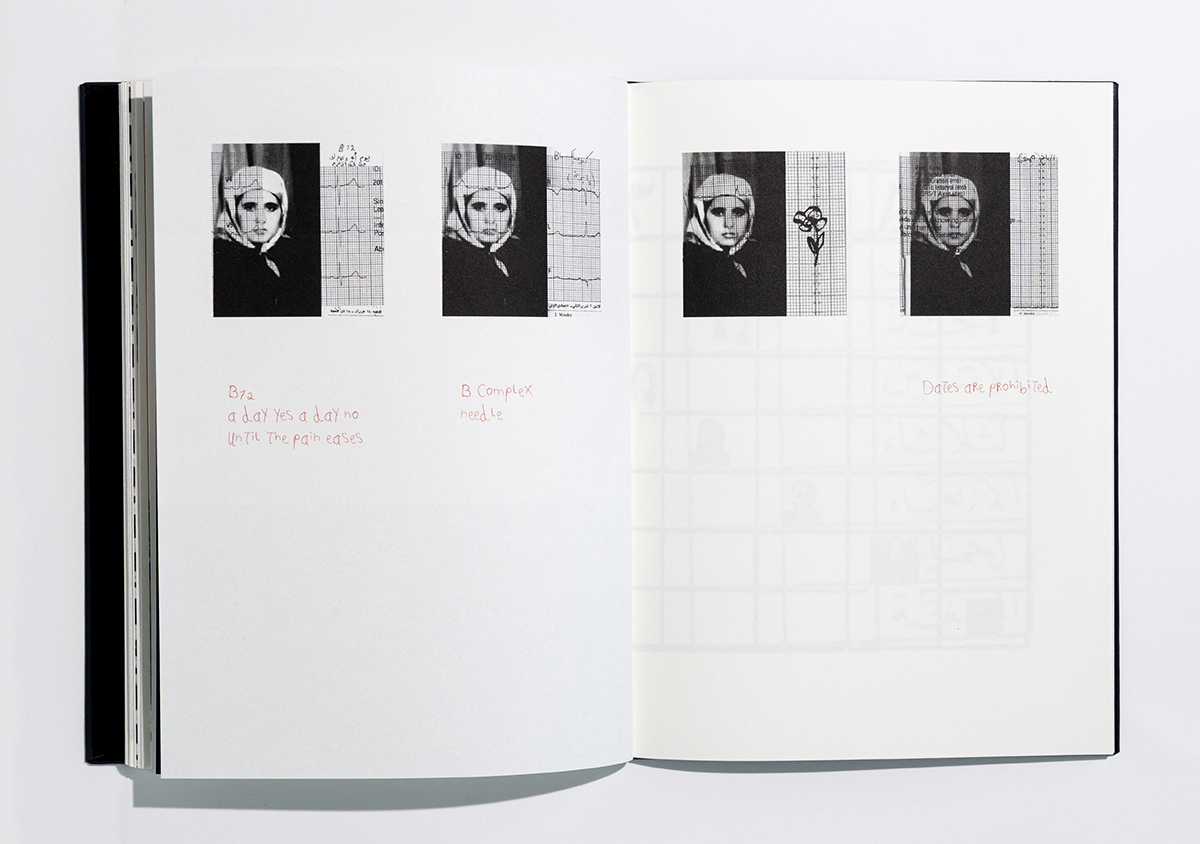
And these questions seem to extend beyond the religious and cultural conditions of contemporary Yemen. Certainly, the hijab and the Arabic script of Shukria’s address book – the object paradoxically at the centre of the life of a woman who did not have a chance to attend school and yet managed to keep the records of her extensive network and become indispensable to so many around her – anchors the narrative within a particular language and geography. But somehow, I have a feeling that Asiya Al Sharabi succeeded in making this personal story achieve a more universal resonance.
The systematic denial of girls’ education, child marriage, restrictions on women’s autonomy, and other forms of institutional discrimination that continue to affect women in countries such as Yemen, Afghanistan, Sudan, and others, certainly cannot be compared with the challenges faced by women in societies where these rights are, at least formally, protected. But the underlying mechanisms have a lot in common. Even in countries that declare gender equality, a dynamic, naturally curious, and free-thinking girl may still be met with judgement, discouraged from speaking her mind or showing ambition. Worldwide, women remain underrepresented among political leaders, corporate executives, museum collections, and scientific institutions and girls – pushed into marriage and motherhood in the name of “traditional values.” The barriers may be less visible, but, sadly, they keep on shaping our lives even in the 21st century. The dreams of many girls and women thus continue being preserved in carefully protected spaces, away from the public gaze – much like the photographs of little child-like drawings of Shukria’s hidden within the Japanese-fold pages of Asiya Al Sharabi’s project – never finding their way to be seen and embraced by those out of the address books of their lives.
And while these parallels are profoundly unequal, I still believe that what cross-cultural dialogue can and should be centered on concerns the universal: the relationship between circumstance and agency, between inherited limitations and human capacity to nevertheless create meaning despite this. It should be centered on the importance of alternative forms of resistance, the power of resilience, the underrated timeless force of love, and the often-overlooked significance of gratitude to those who selflessly pass on what they never had themselves.
Contributing Editor Olga Bubich is a Belarusian essayist, visual artist, and memory researcher currently based in Berlin.
__________
Asiya Al. Sharabi – My Mother’s Tender Script
Artist: Asiya Al. Sharabi
Publisher: Workshop Arts, 2026
Design: Caleb Cain Marcus, Luminosity Lab
Printing: Robstolk, Amsterdam.
Hardcover Swiss binding with metallic black ink and blue Arabic vowel marks screen-printed on the cover; 9 × 6.6 inches; 132 pages; ISBN 978-1-959684-50-3
___________
Articles and photographs published in the PhotoBook Journal may not be reproduced without the permission of the PhotoBook Journal staff and the photographer(s). All images, texts, and designs are copyright of the authors and publishers.


Leave a Reply