Review by Olga Bubich ·
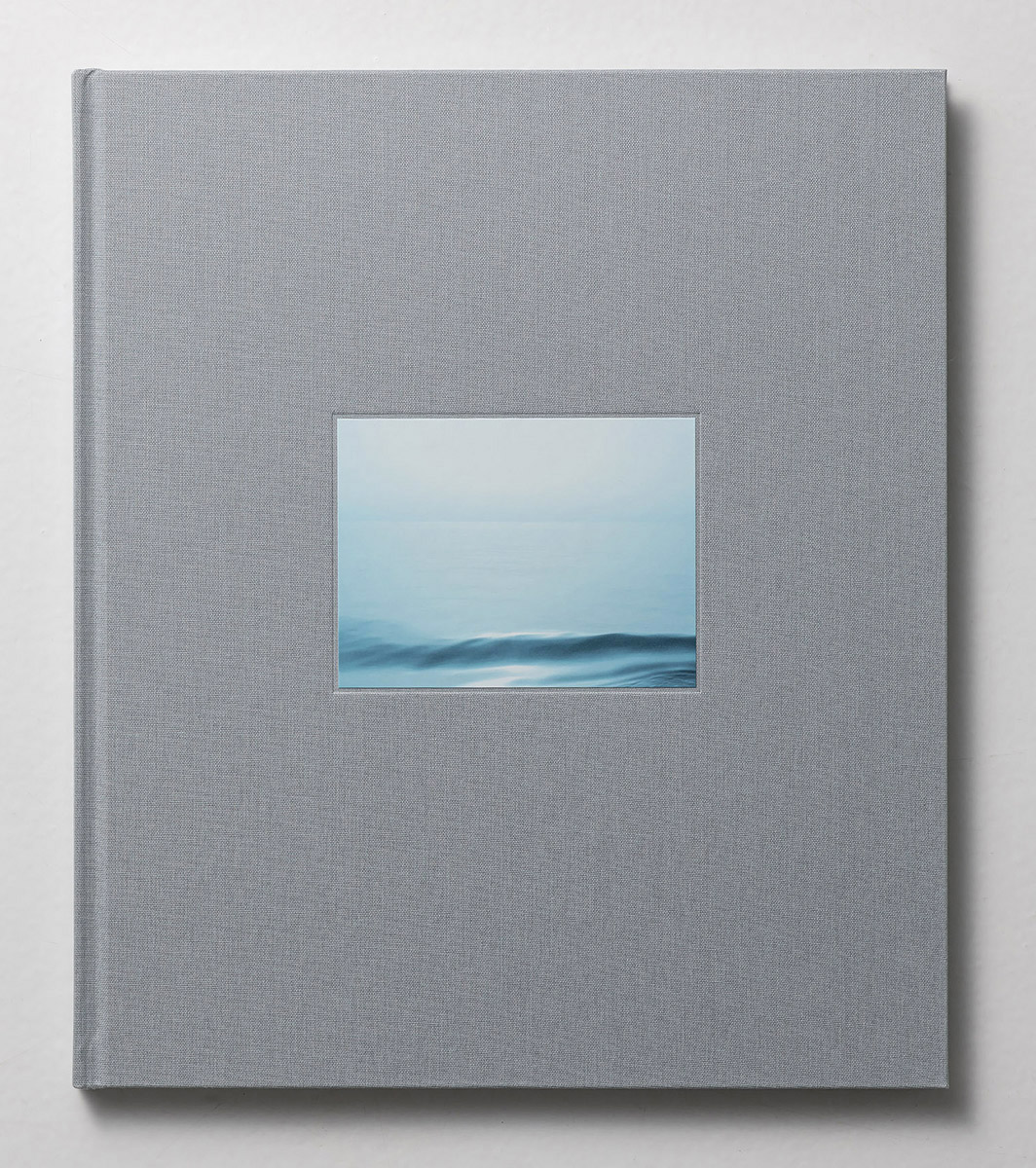
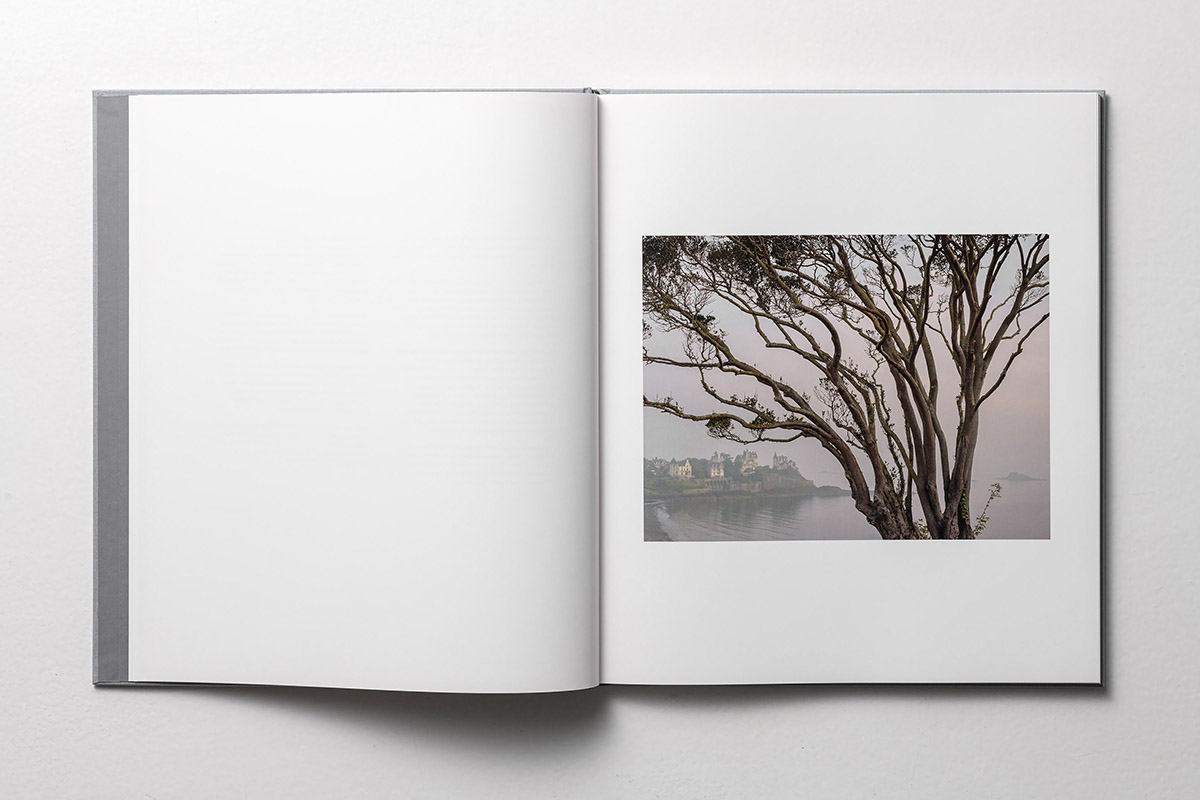
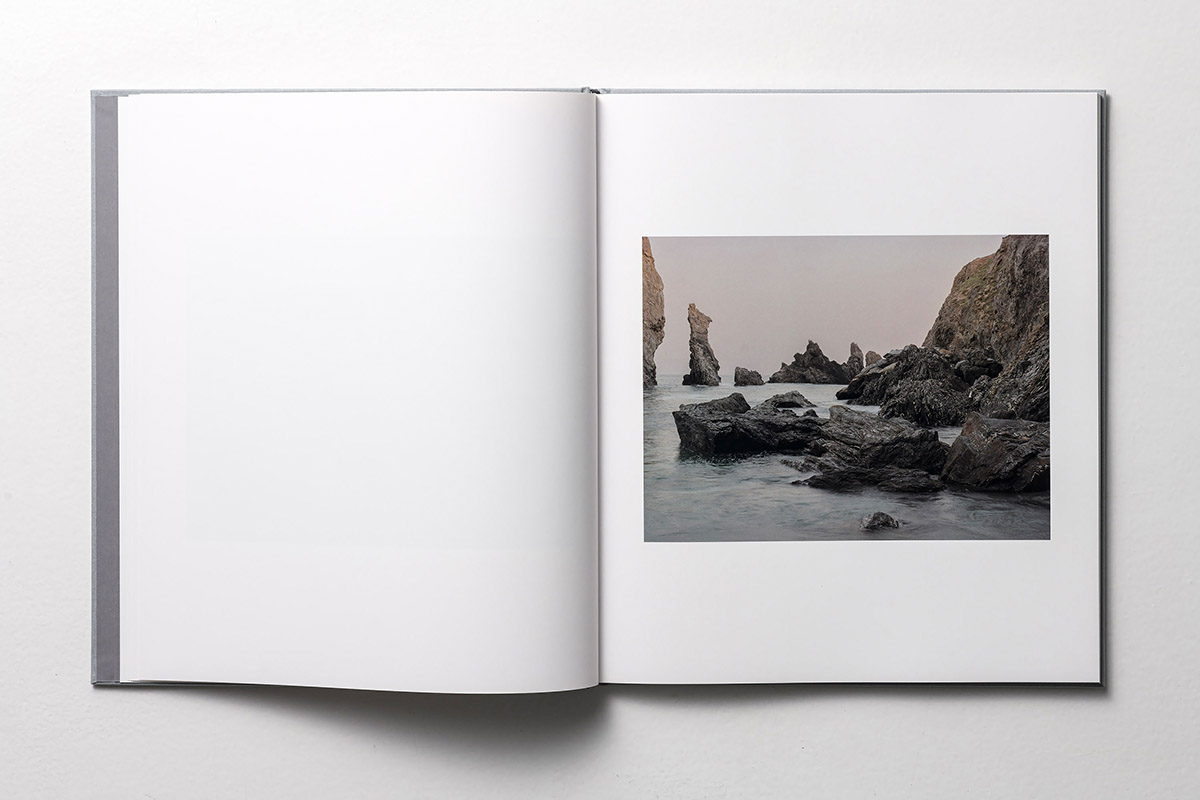
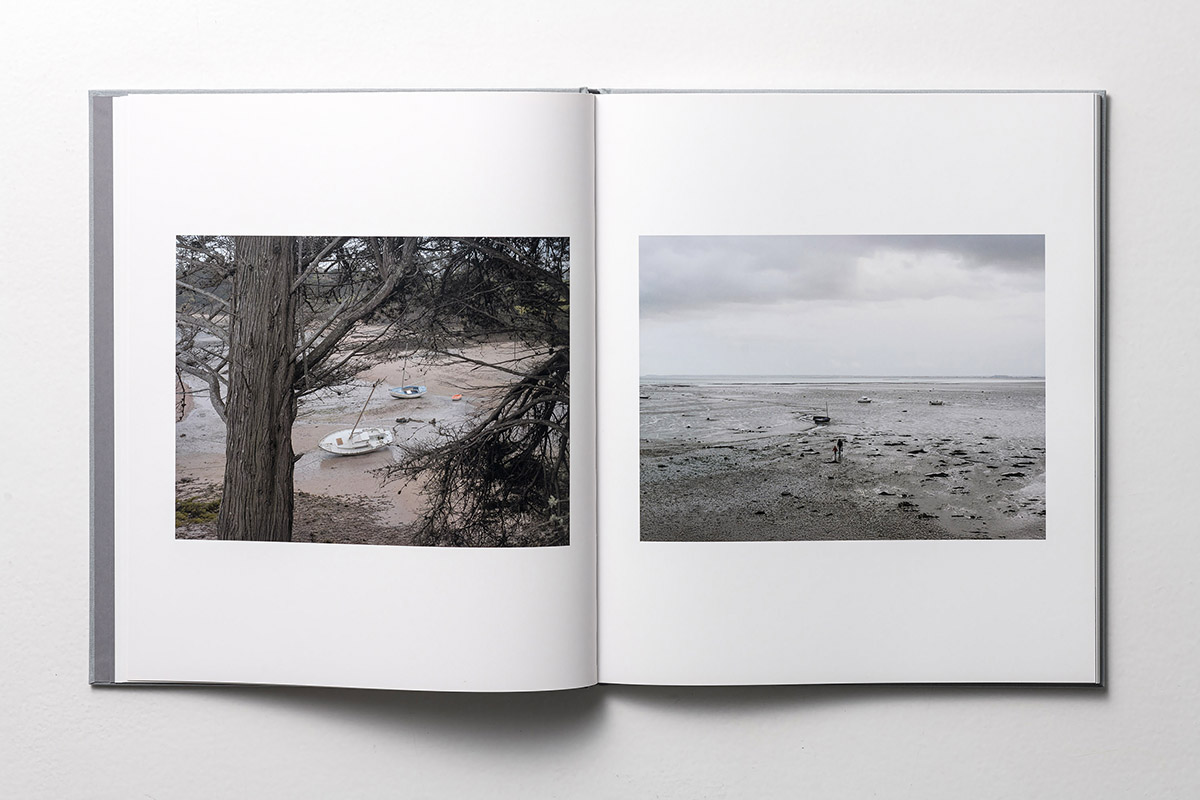
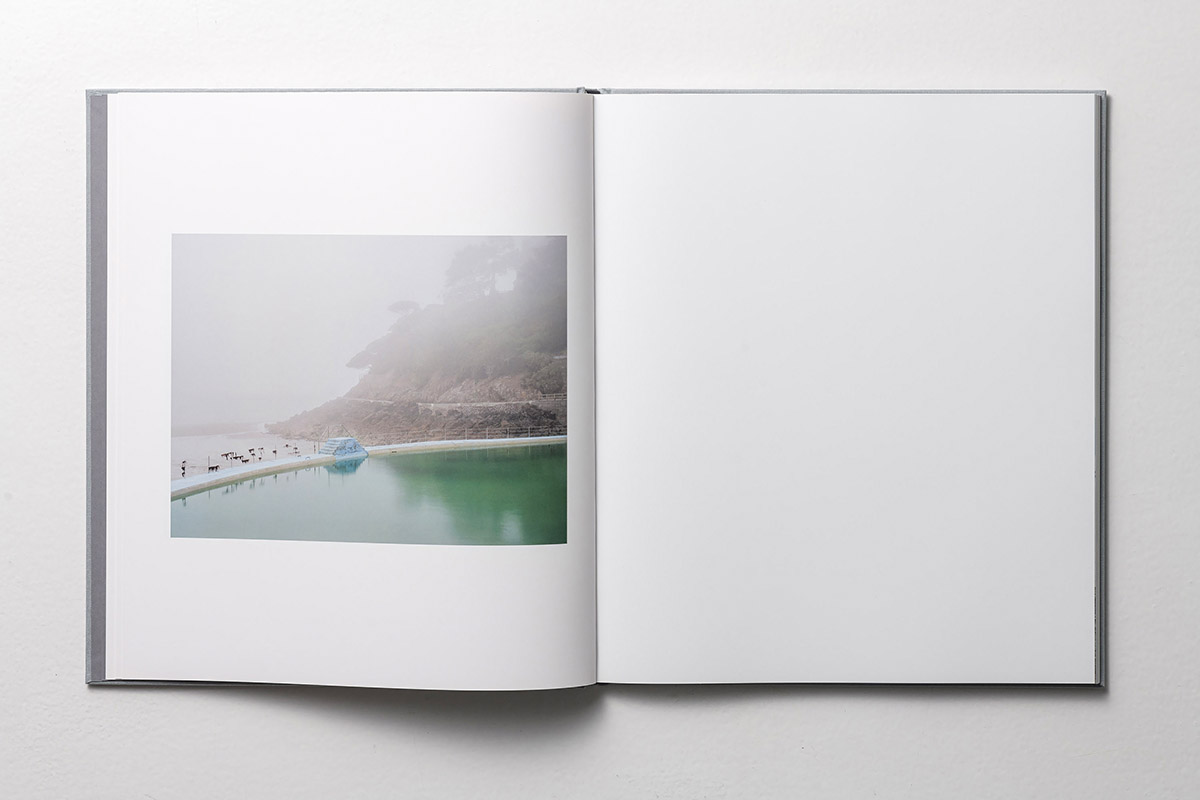
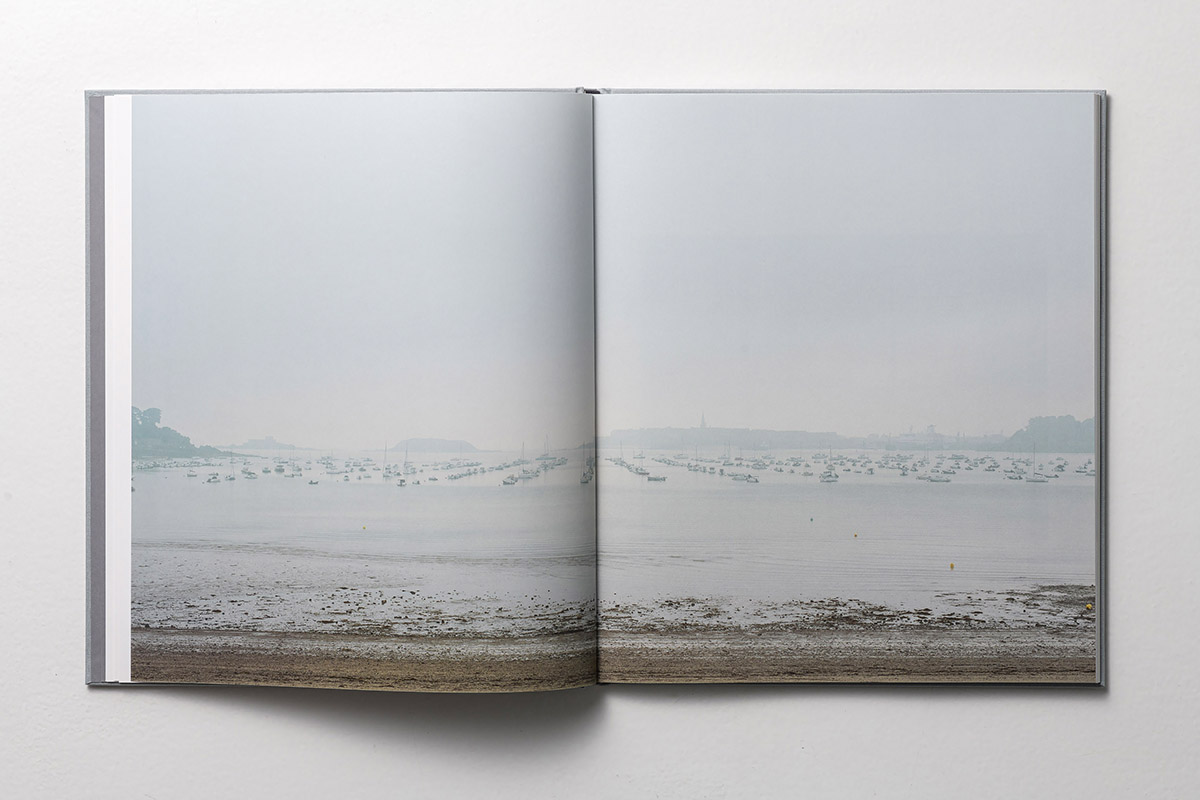
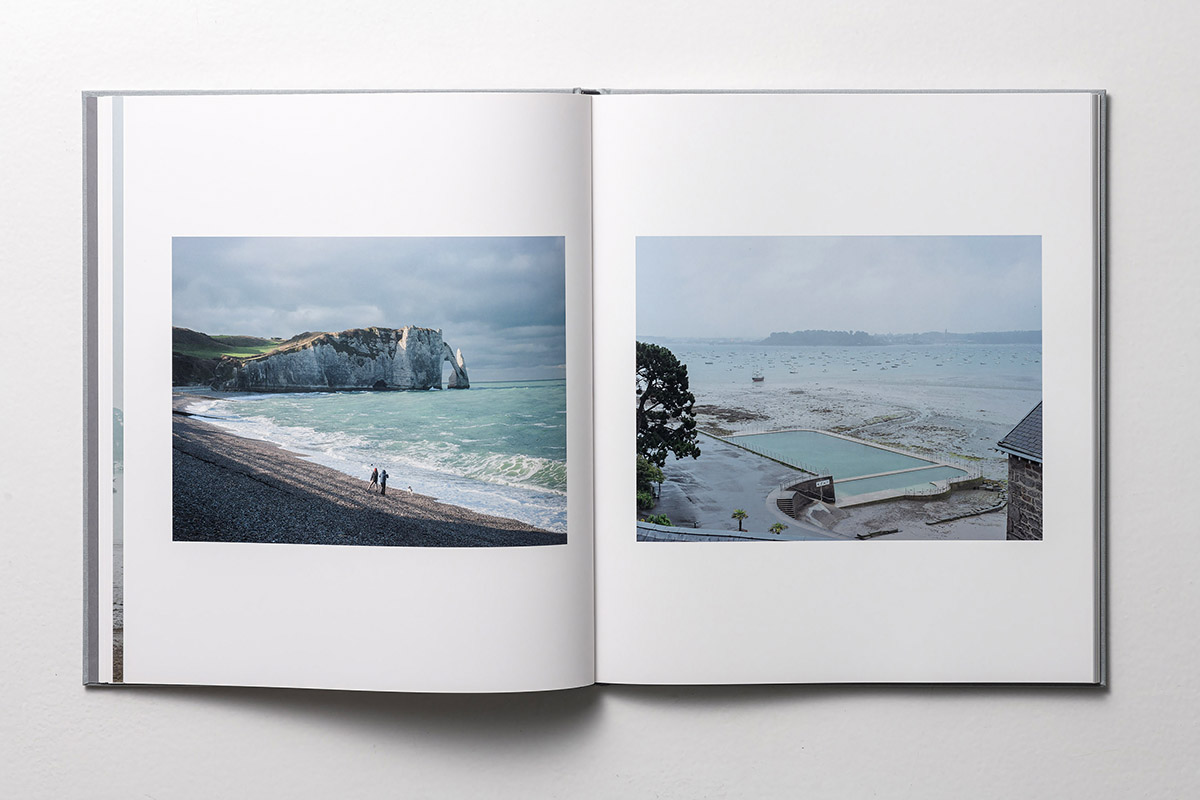
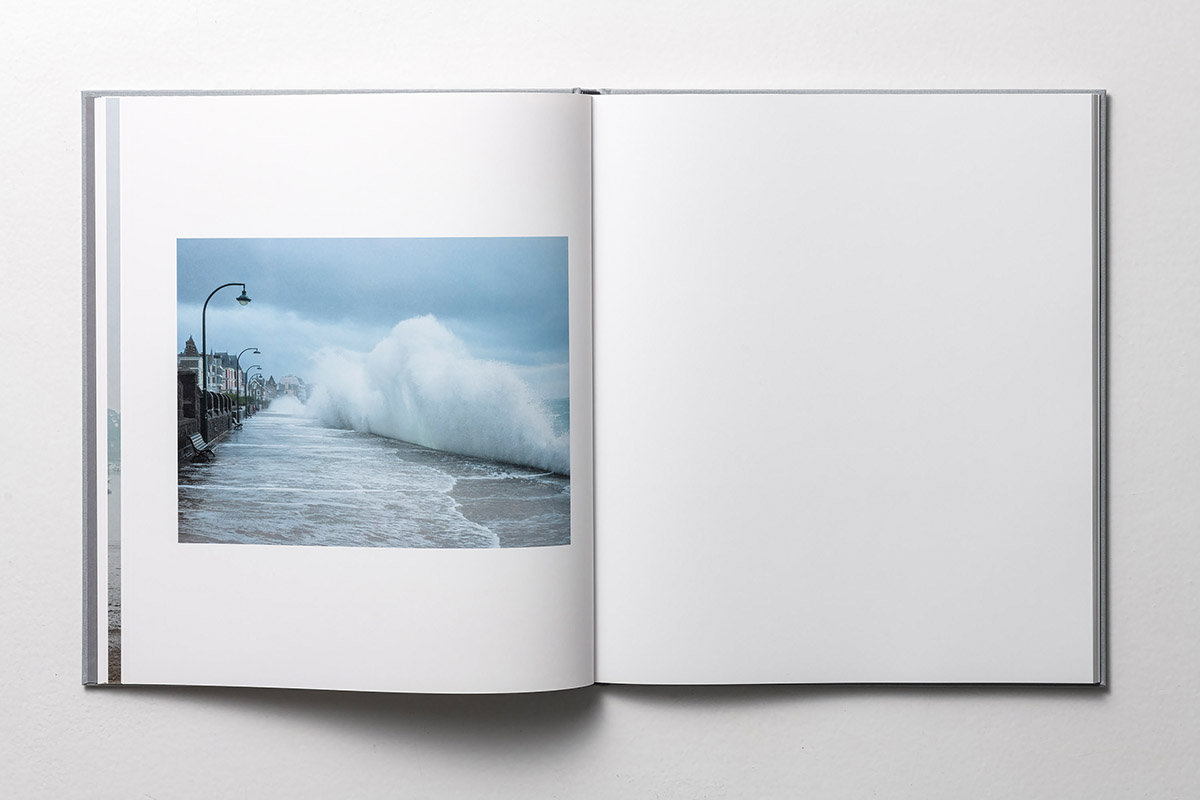
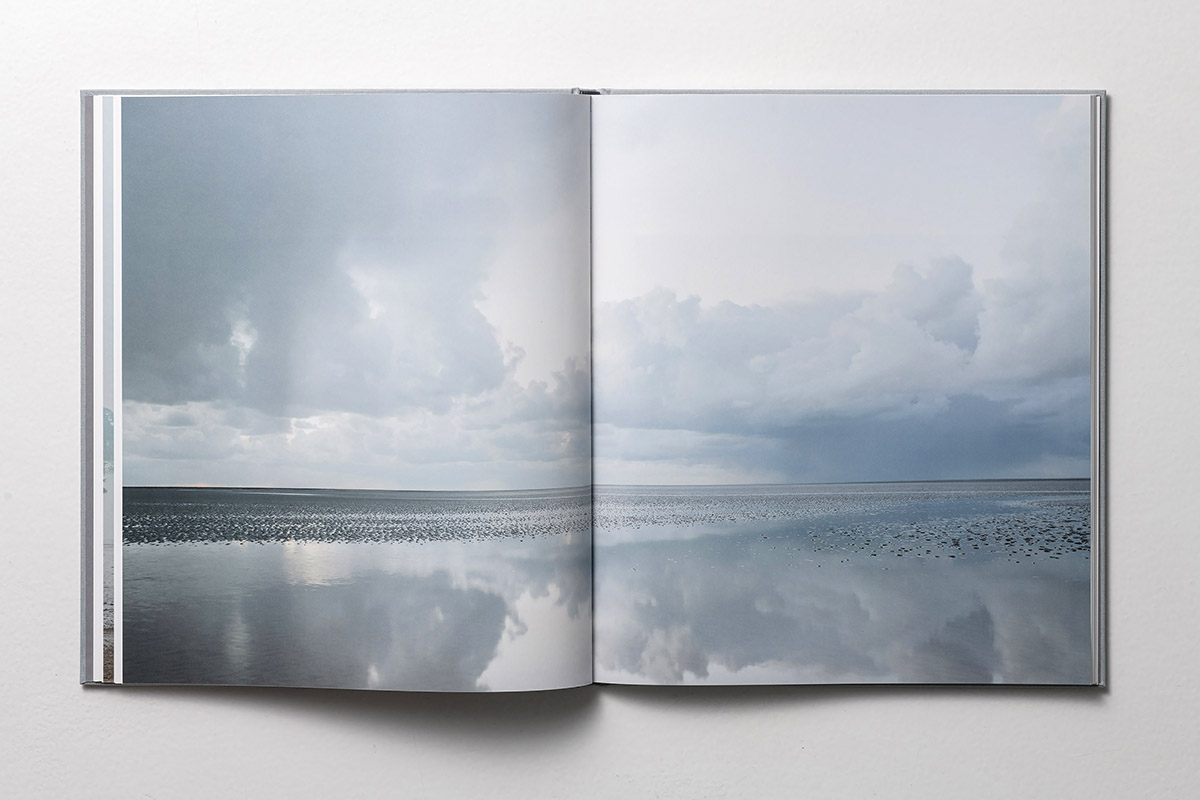
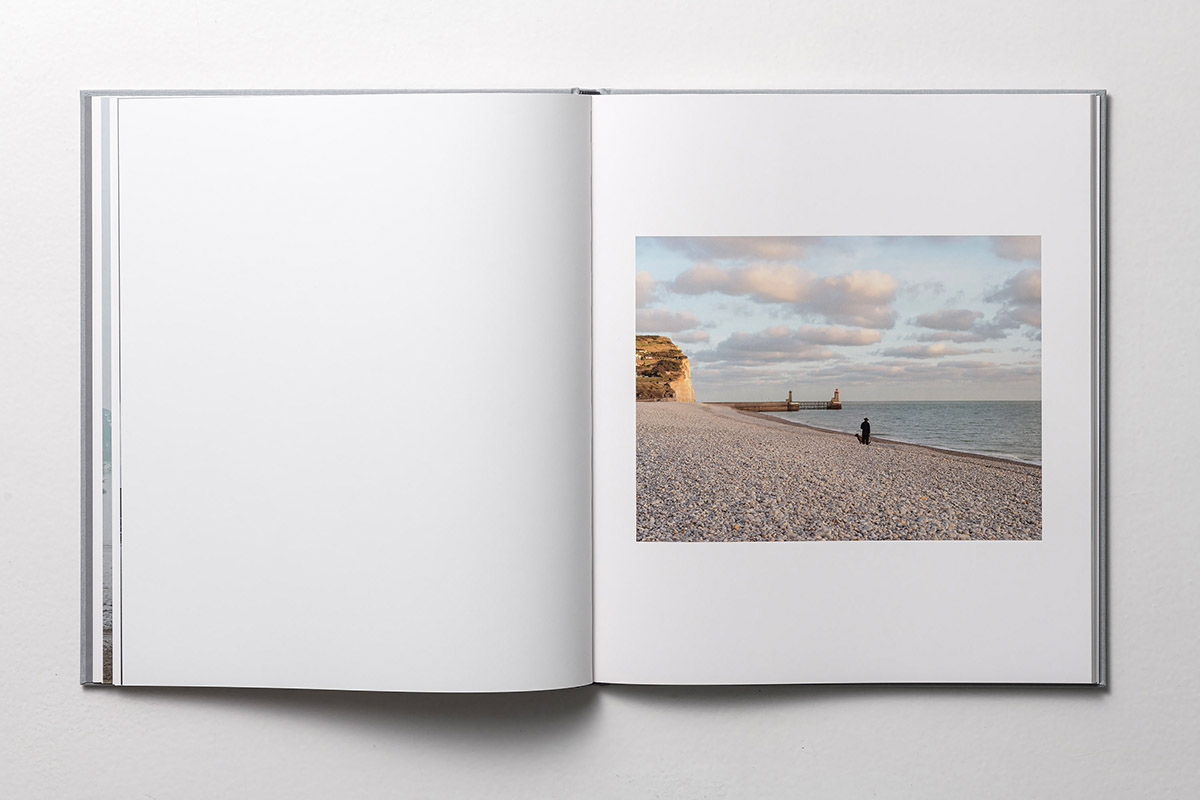
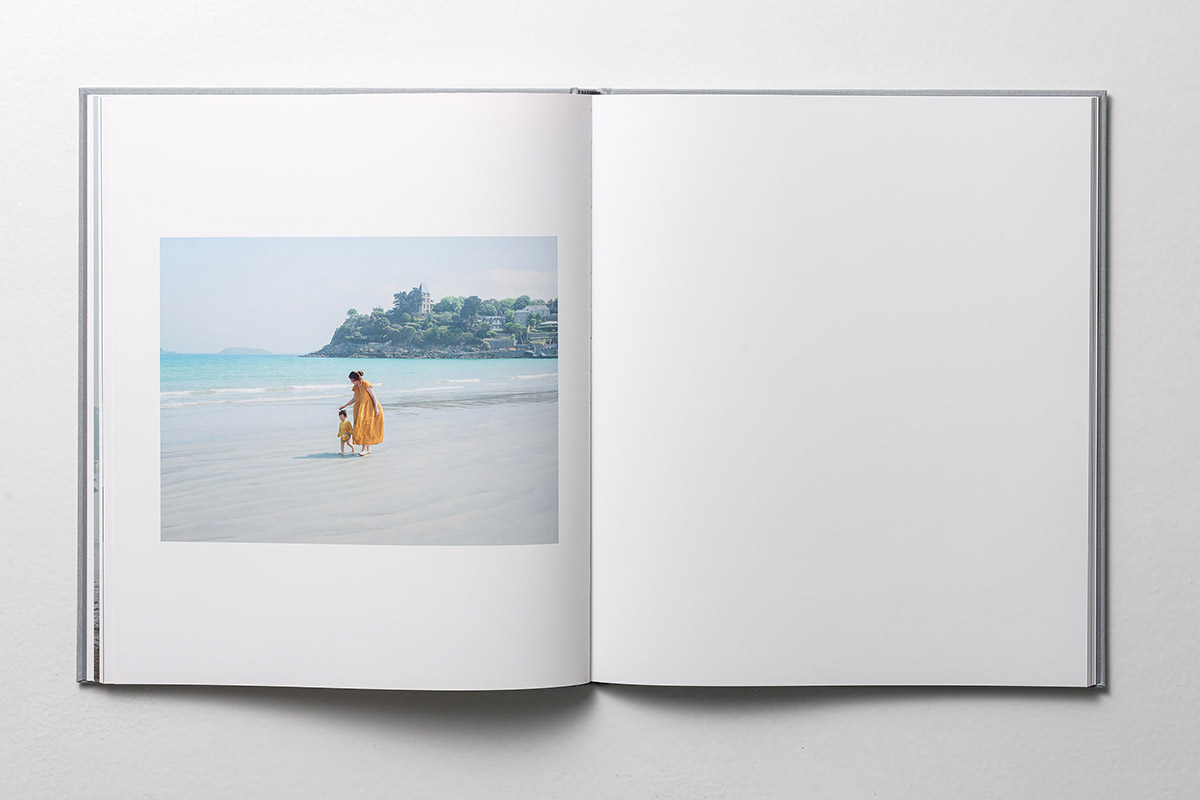
Atlantic is a new photobook by the Ukraine-born photographer, curator, and publisher Dimitri Bogachuk, whose delicate work and attentive eye for seascapes have established him as a distinctive voice in contemporary art photography. Formally, the collection can be seen as the extension of the artist’s previous volume entitled Le Plat Pays (2017): in both we are invited to join him in the journey across times, spaces, and seasons with the difference that the new work focuses on the Atlantic coast of Brittany, which since 2022 has become a second home for Bogachuk and his family.
Seascape emerged as an independent artistic genre during the seventeenth century, particularly in the maritime cultures of the Dutch Republic, where the access to the water routes shaped trade, exploration, and warfare and was seen as a source of more pragmatic, or “commercial,” inspiration. Despite finding the sea and coasts present in some early European paintings as part of religious, mythological, or historical scenes, the style adopted by such maritime artists as, for example, Willem van de Velde the Elder (1611-1693) and Ludolf Bakhuizen (1631-1708) often reflected admiration for maritime skill, economic prosperity, and the growing importance of naval power. During the eighteenth and nineteenth centuries, seascape expanded beyond documentary and nautical interests reflecting the interest in the sea as a source of particular psychological atmosphere and emotional palette. In this regard, one should certainly mention the landscapes of the British genius J. M. W. Turner, whose turbulent waters and luminous skies conveyed movement, energy, and power of elements often out of human control. Romantic painters associated seascapes with experiences of awe and human vulnerability; Impressionists treated the coastline as a laboratory of visual perception; modern and contemporary artists have approached the sea as a carrier of ecological, political, colonial, and memorial histories. Throughout these transformations, seascape has remained a powerful artistic form through which artists explore ideas of journey, uncertainty, freedom, distance, and the shifting boundaries between the known and the unknown.
But, whatever period of art history we consider, it is interesting to notice that the seascape, whichever way it was shown, always reflected what the artist longed for. In a certain way, it is always a mirror of one’s desires – an inner landscape.
The very genre, thus, often invites contemplation of movement and temporality: water is rarely imagined as completely still, tides advance and retreat, weather transforms the shades and shapes of the visible from one moment to the next. So, in the end, any art is an attempt at the impossible: to freeze this movement, to slow both the nature and the spectator down, to make and hold the promise of one’s tomorrow. Horizontal line as such is conventionally associated with the passage of time, with the narrative, the story. To place a seascape in your private living space is to situate yourself in a larger horizon of life’s universal aesthetics. Maybe it is actually a promise, an anchor into something that will remain? A similar thought is mentioned by the journalist and curator Caroline Gaujard-Larson in the text that accompanies “Atlantic” – she describes Bogachuk’s seascapes as “emanating motionless tranquility” and giving “a sense of peace and of eternity”. And, indeed, isn’t it what we all are longing for at the moment? Peace, anchors, a story capable of continuing – also beyond the canvas, frame, or photobook.
Contributing Editor Olga Bubich is a Belarusian essayist, visual artist, and memory researcher currently based in Berlin.
____________
Dimitri Bogachuk – Atlantic
Artist: Dimitri Bogachuk
Publisher: Form
Design: Form © 2025
Production: form.photography
Printing: Trifolio, Verona, Italy
29 x 34 cm hardcover book; 80 pages; 34 images; ISBN 978-2-487691-98-8
____________
Articles and photographs published in the PhotoBook Journal may not be reproduced without the permission of the PhotoBook Journal staff and the photographer(s). All images, texts, and designs are copyright of the authors and publishers.


Leave a comment