Review by Hans Hickerson ·
“Fifty years from now, they won’t believe this shit.” *
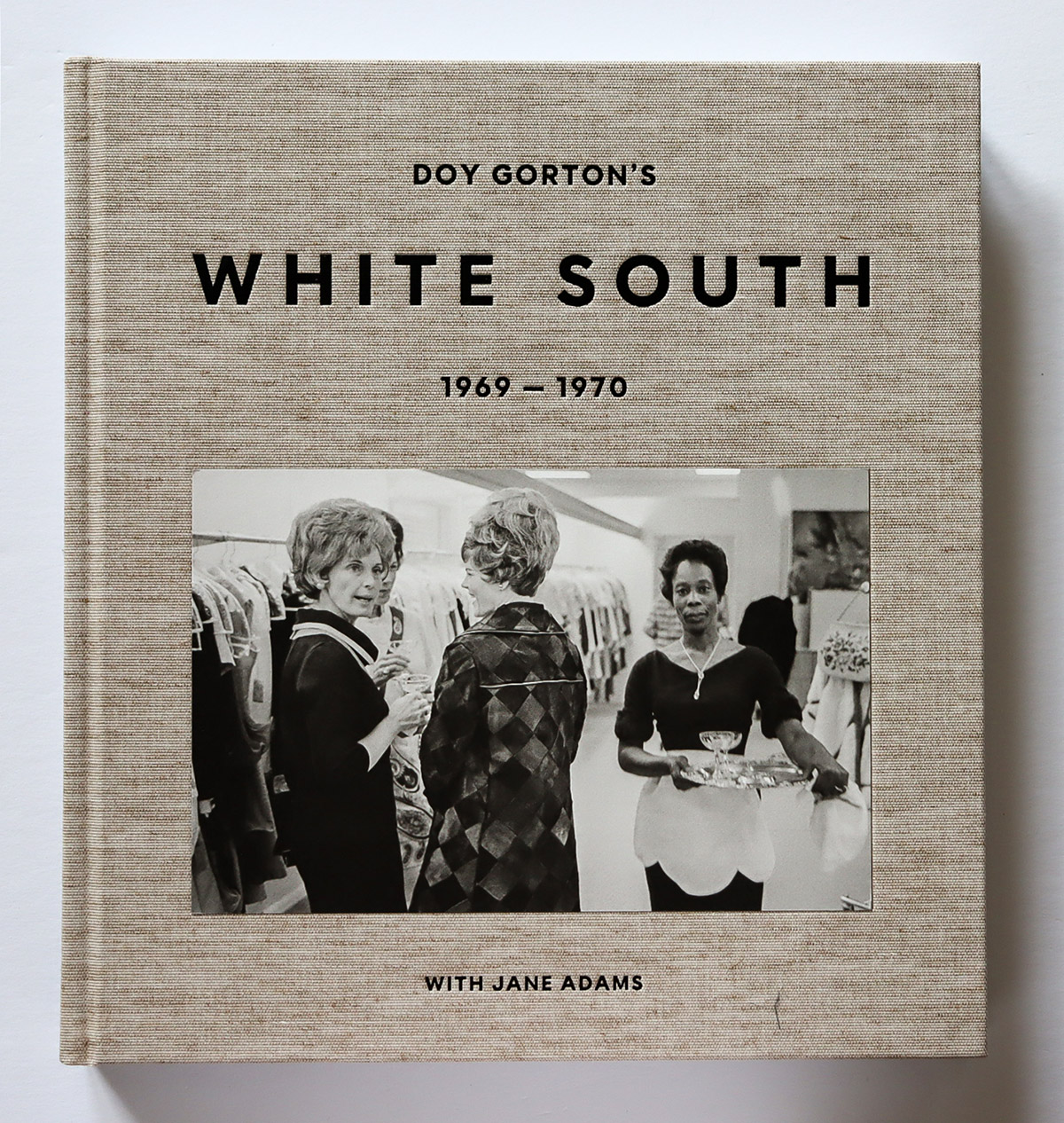
There are lots of photobooks about interesting, even important subjects. But there are few, such as Doy Gorton’s White South, about vitally relevant subjects. Gorton’s photos are a viewing experience that you want your kids to have.
The book documents a historically compelling time and place, the southern United States in 1969 and 1970. Gorton grew up and attended college in Mississippi and was kicked out of his fraternity for not toeing the line on refusing to play against a football team with Black players. He later got involved with John Lewis, the SNCC, and the Civil Rights movement and became a photographer for the SDS. By the time these pictures were taken, the South had started to change, but it had not completely rid itself of its old, racist culture. Gorton’s photographs were not published at the time. They lay unpublished for five decades while he went on to have a career as a news photographer, and coming to our attention today they take us on a tour of a lost time and place.
Gorton’s pictures are typical of photographs that appear in newspapers and magazines. They get in close and show people and places in a direct, seemingly objective, easy to read manner. They are less inflected than images of a similar vintage produced by Danny Lyon. Most are not inherently dramatic.
The book features layers of texts that flesh out and provide essential context for the photographs. Besides a personal testimonial offered by Addrain Conyers in the introduction, at the end of the book we hear from four different voices. First, Gorton provides an engaging first-person narrative of his personal journey, next Jane Adams gives us historical context, and then Fall Line Press publisher William Boling and James Estrin of the New York Times offer commentary. There is a lot to unpack in the photos, and the texts definitely help.
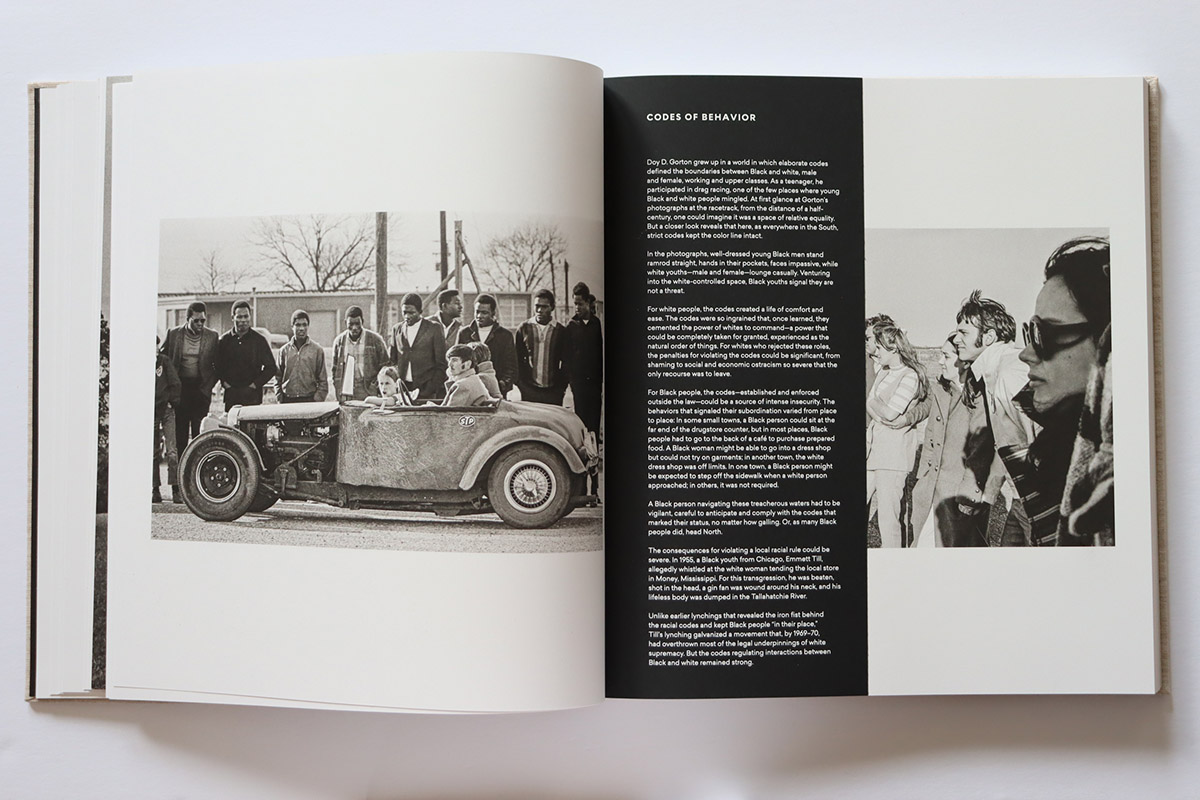
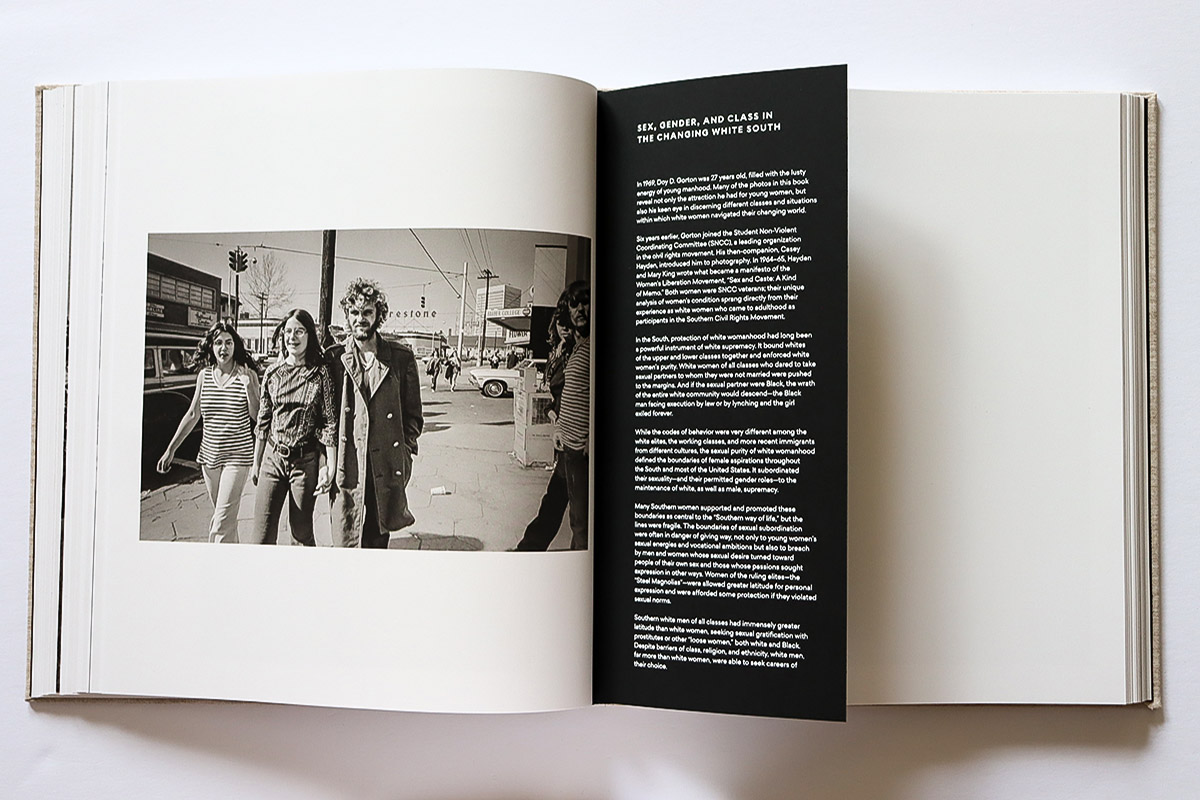
There are also thumbnail photos with captions at the end of the book (note to book designer: it would have been nice to have page numbers to match the photos and captions), and inside, almost like chapter dividers, there are narrow page inserts with texts that help explain particulars of the social situation as well as places and events. I found the explanations of the unwritten codes of behavior especially interesting, as it helped you understand what you see in an image – for example, young Black men lined up as spectators at a drag race, all of them with their hands pushed down unthreateningly into their pockets.
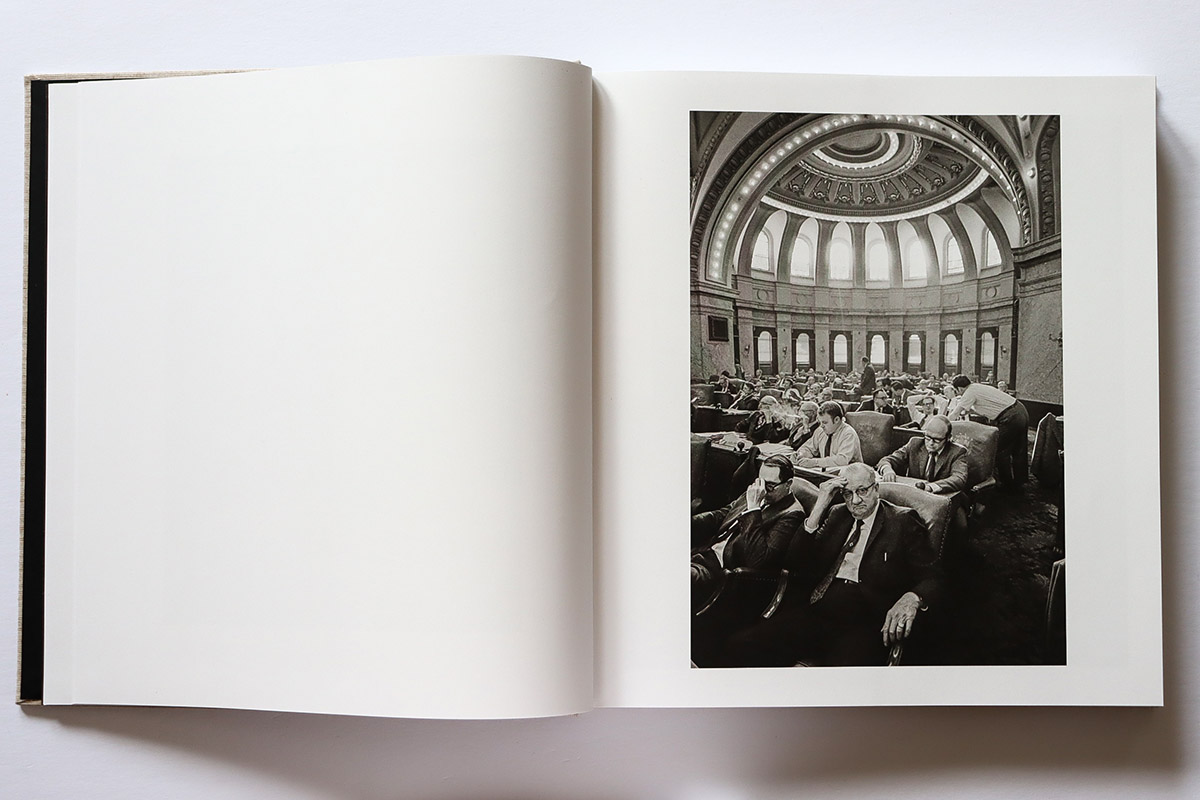
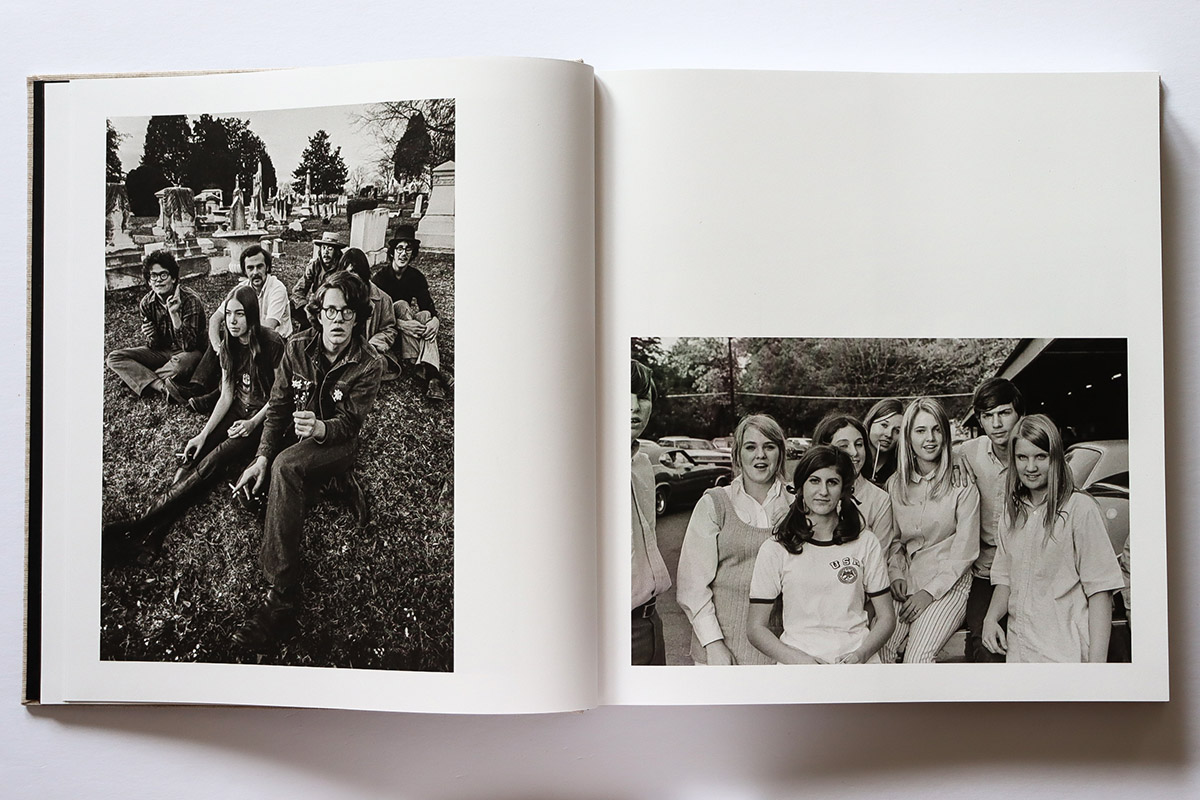
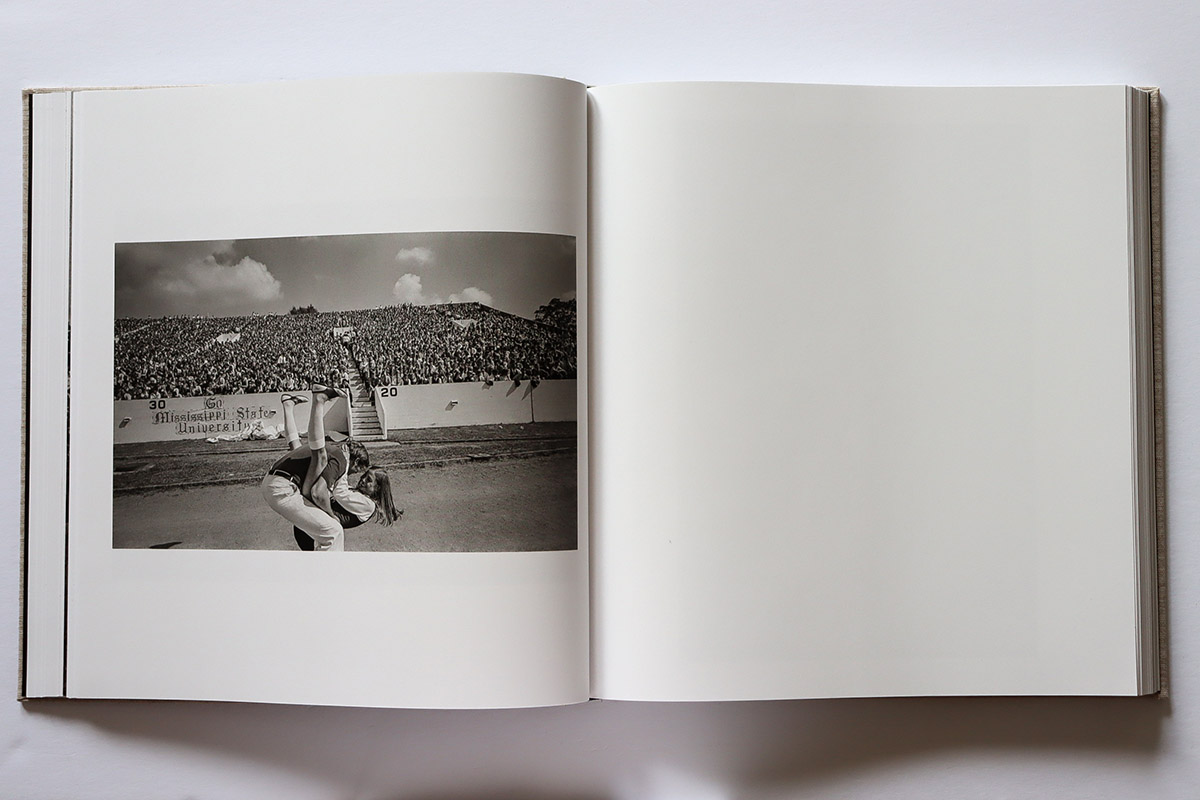
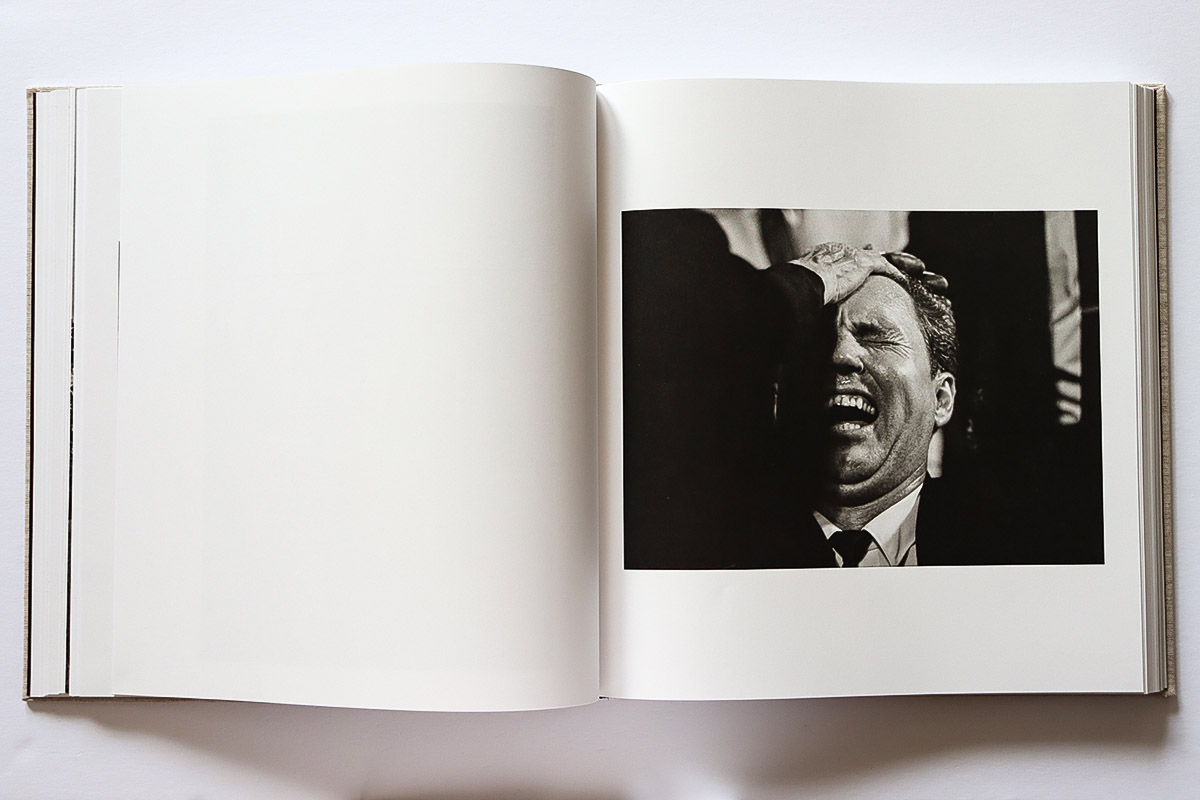
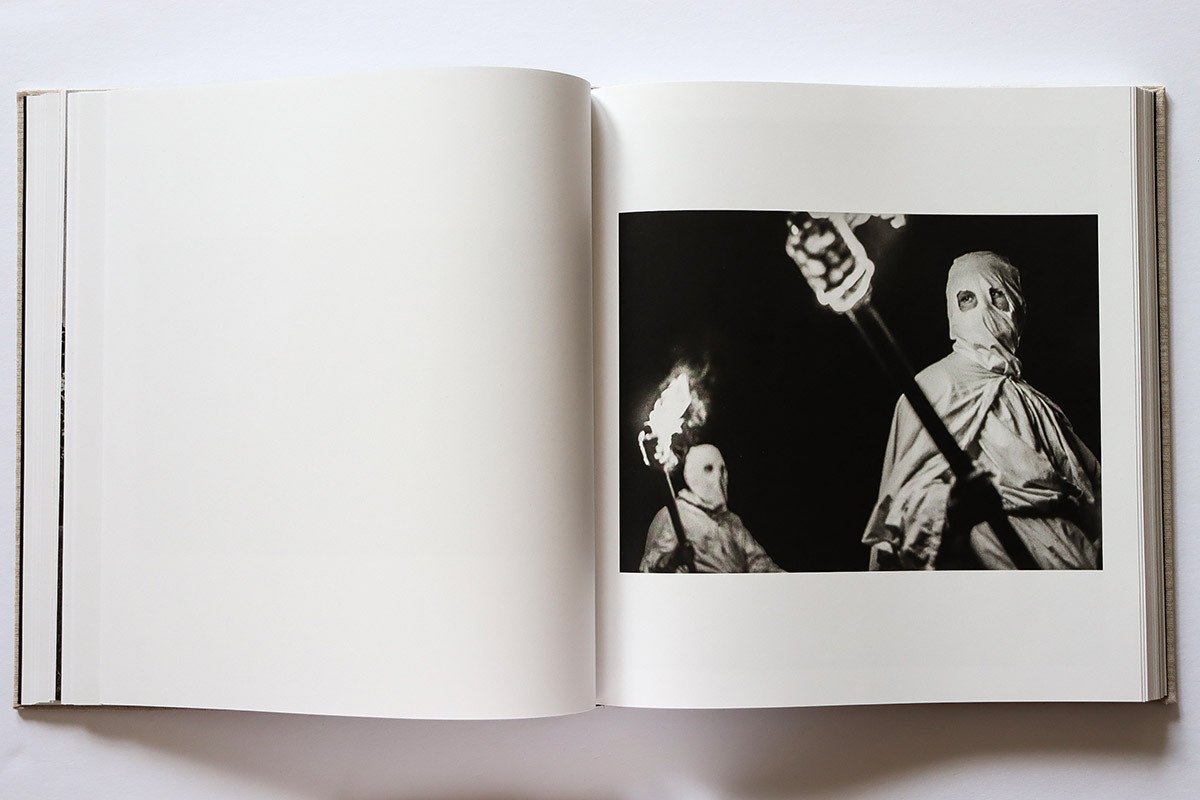
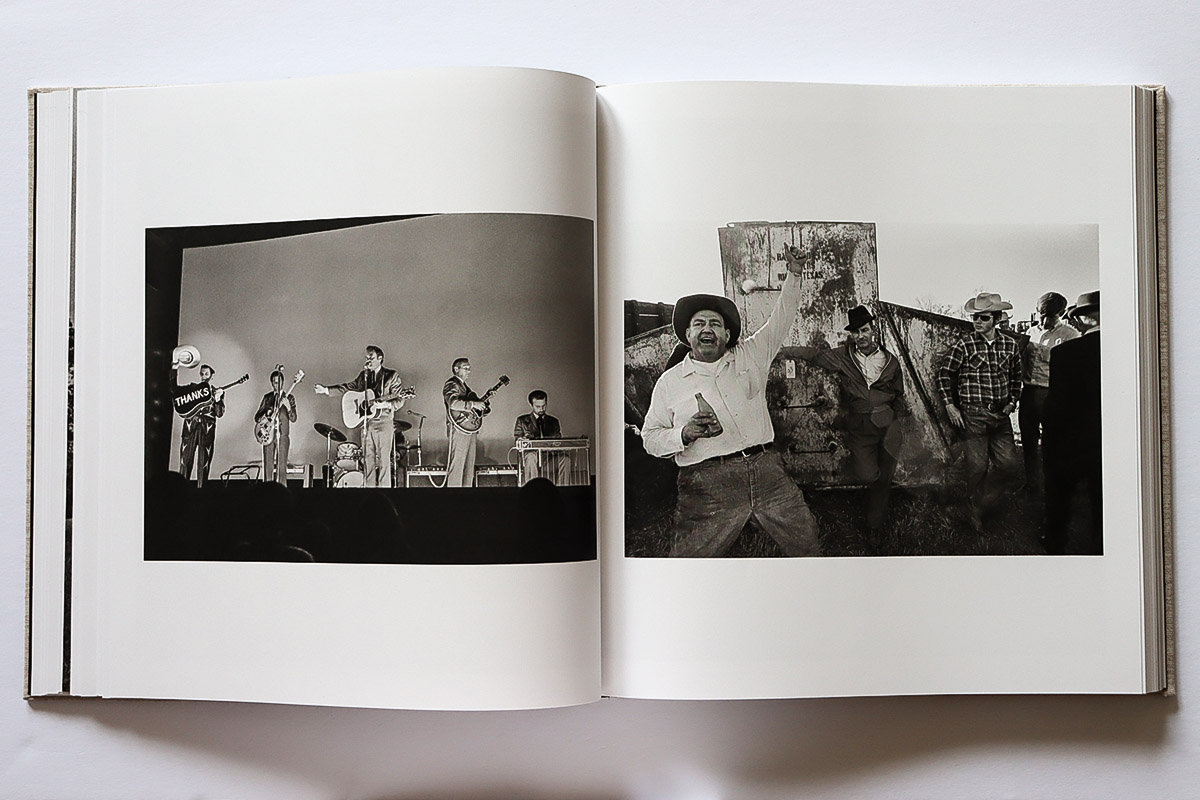
Gorton knew the South. He knew where to go to take photographs and what to include to create a visual mosaic of society and culture. Gorton shows us Parchman Prison, the Mississippi State Fair, honky-tonks, political rallies, football games, drive-ins, demonstrations, downtown main streets, Mississippi Delta farms, strip clubs, a drag race, a lawyer’s office, a religious revival, a KKK rally, a concert, a farm auction, a general store, a union strike, a debutant ball, a bus station, a car repair shop, a parade, a café, a cemetery, and an underground newspaper communal house.
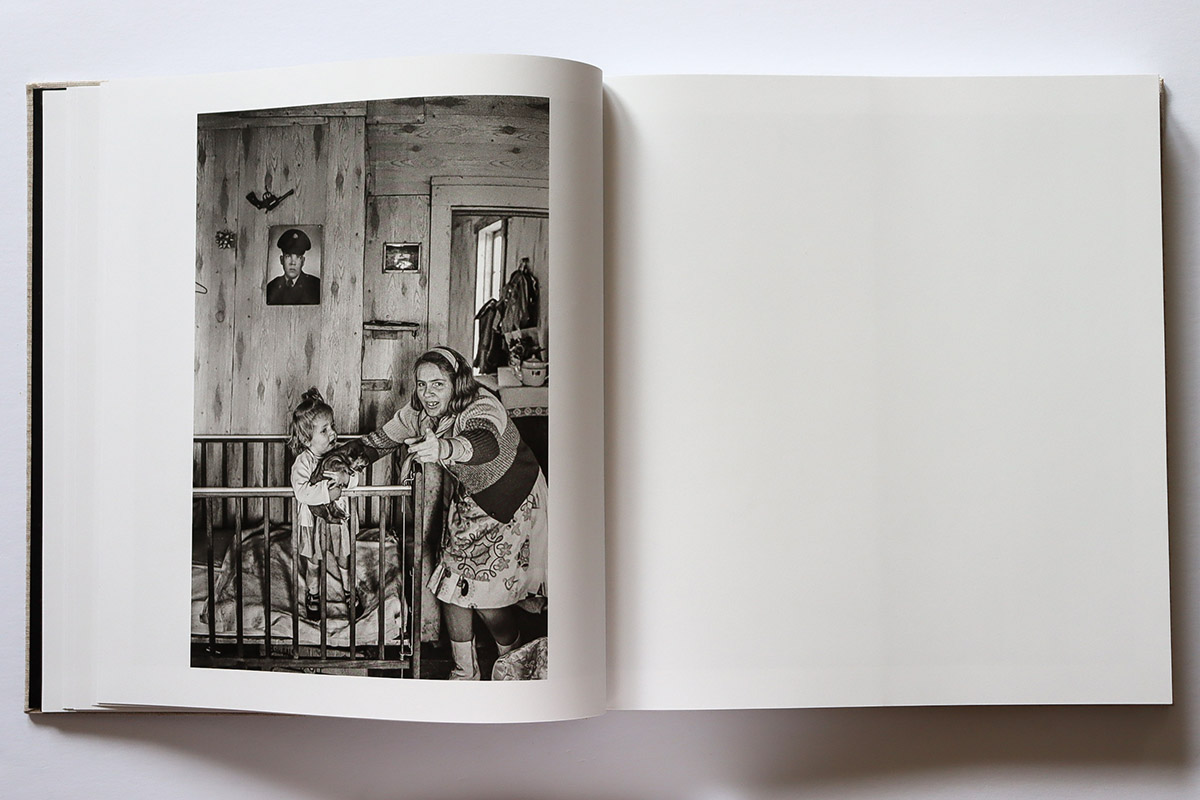
We see students and policemen, protesters and politicians, cheerleaders and farmers, Blacks and Whites, children and adults, the wealthy and the poor. We meet a piano teacher, a receptionist, a rifle-toting prison camp trustee, a Vietnam War widow, chaperones at a debutante club ball, Black and White prison inmates, tree trimmers, shoppers, student activists, barbers, hippies, suburban teens, stoned students, badass bikers, mad marchers.
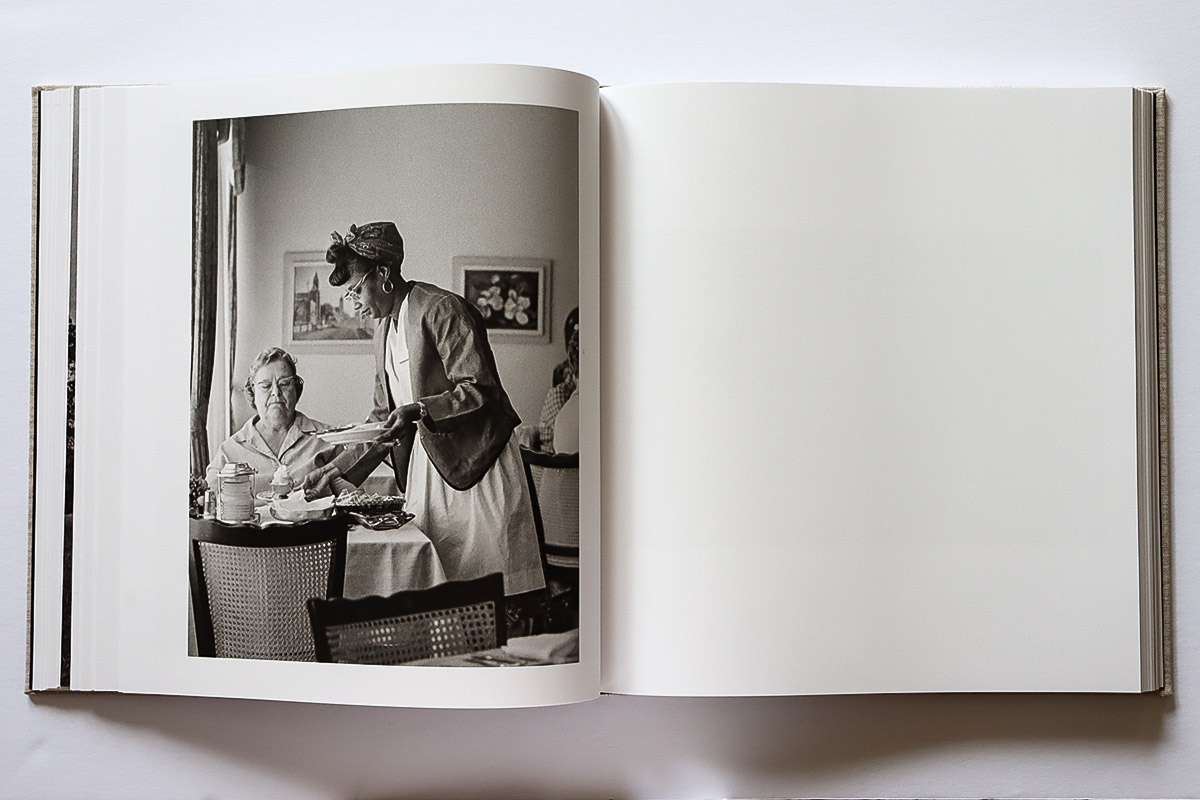
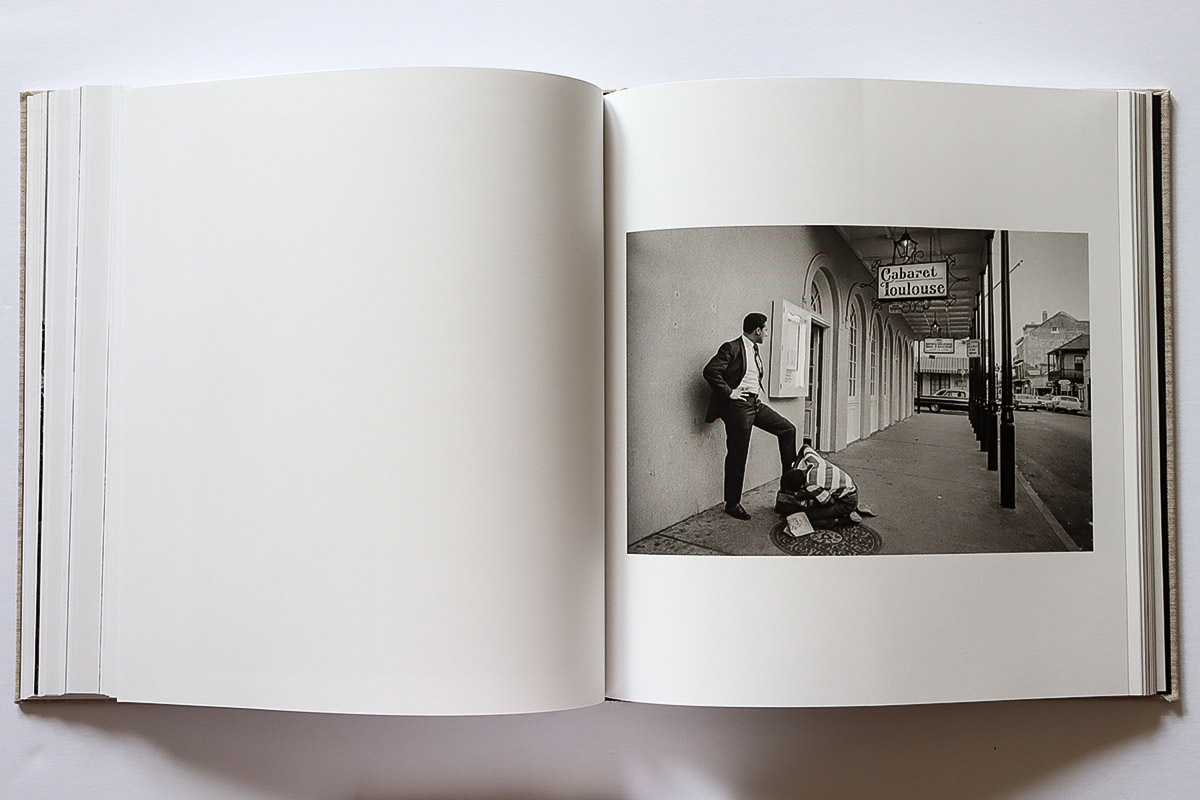
There are some particularly striking images viewed from a contemporary point of view, for example the cover photo of a uniformed black waitress serving drinks to dressed-up white women at a fashion show. Or the car-free young black men staring glumly at the carefree young white people in their dragster. Or a black boy shining a well-dressed white man’s shoes on the sidewalk.
The cumulative effect of photographs and texts is a seriously complete portrait of a time, place, and people. Although you might see Gorton’s South as an objective description, others would have had different takes based on their own lived experience. In Gorton’s case, he was able to leverage his status as a white, educated Southerner to access places and situations as an insider. Imagine Roy DeCarava or Gordon Parks trying to photograph the Delta Debutante Club Ball or a Ku Klux Klan rally. All of which is not to take away from the value of Gorton’s project. Thank goodness his photographs survived so that we can connect with them; they are a precious record of the past.
A precious record of the past, indeed, especially given our tendency to “White-wash” history and to experience collective amnesia regarding the enduring legacy of slavery and Jim Crow.
Hans Hickerson, Editor of the PhotoBook Journal, is a photographer and photobook artist from Portland, Oregon.
(*Publisher William Boling on what Doy Gorton must have been thinking as he made his photos.)
____________
Doy Gorton – Doy Gorton’s White South
Photographer : Doy Gorton (born in 1942, lives in Illinois)
Publisher : Fall Line Press ©2024
Language : English
Texts : Doy Gorton, Addrain Conyers, Jane Adams, William Boling, James Estrin
Design: Margaux Fraisse
Printing : SYL, Barcelona
Cloth hardcover; sewn binding; 228 pages with fold-outs and text page inserts; 101 photographs; 11.75 x 10.75 in; ISBN 979-8-9876258-1-1
____________
Articles and photographs published in the PhotoBook Journal may not be reproduced without the permission of the PhotoBook Journal staff and the photographer(s). All images, texts, and designs are under copyright by the authors and publishers.


Leave a comment