Review by Hans Hickerson ·
Is it just my impression or are there fewer photobooks today about observed, external, “objective” reality and more about the inner reality of relationships and personal situations? Photographers are using books to explore their lives and experiences – mothers and daughters, daughters and fathers, brothers, sisters, parents, families.
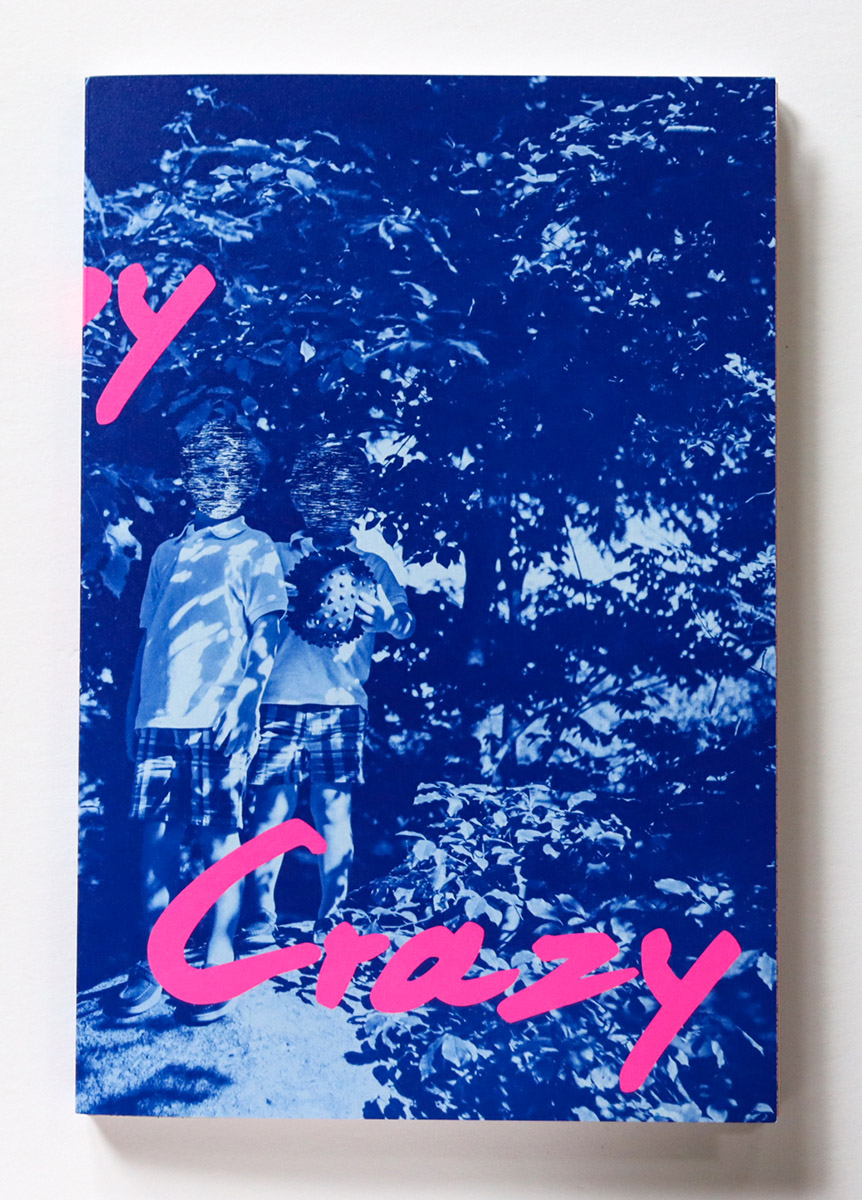
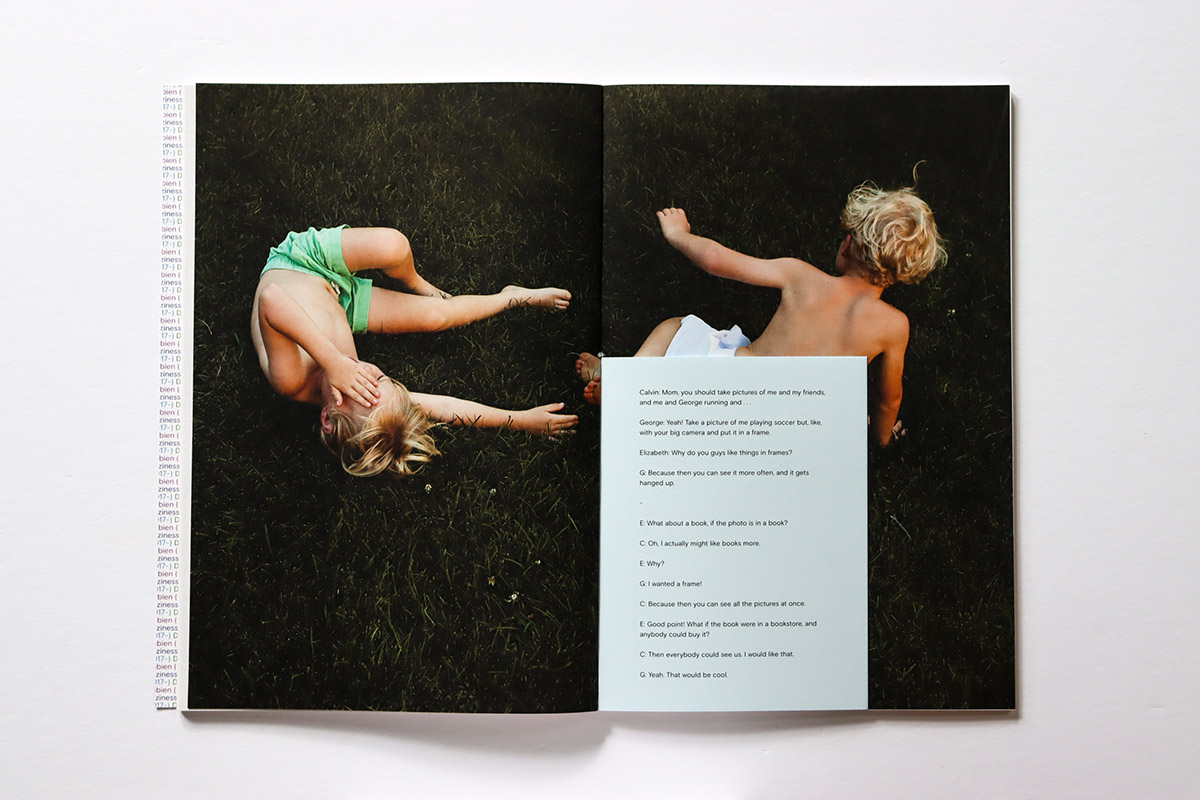
Elizabeth Clark Libert’s Boy Crazy examines her relationship with her sons viewed through the lens of past trauma as she grapples with the thorny issue of body image. Along the way she documents the steps she takes, including asking her sons’ opinions of her photographs of them, reaching out to the person who wronged her in college in an attempt at closure, and sharing with and getting closer to her mother.
Clark Libert’s negative experience with boys was partly because she was overly eager to please and partly because her physical attractiveness invited unwanted attention and misbehavior. She was crazy about boys as a teenager and today is crazy about her two young sons, and she worries that they may grow up to treat women the way she was treated.
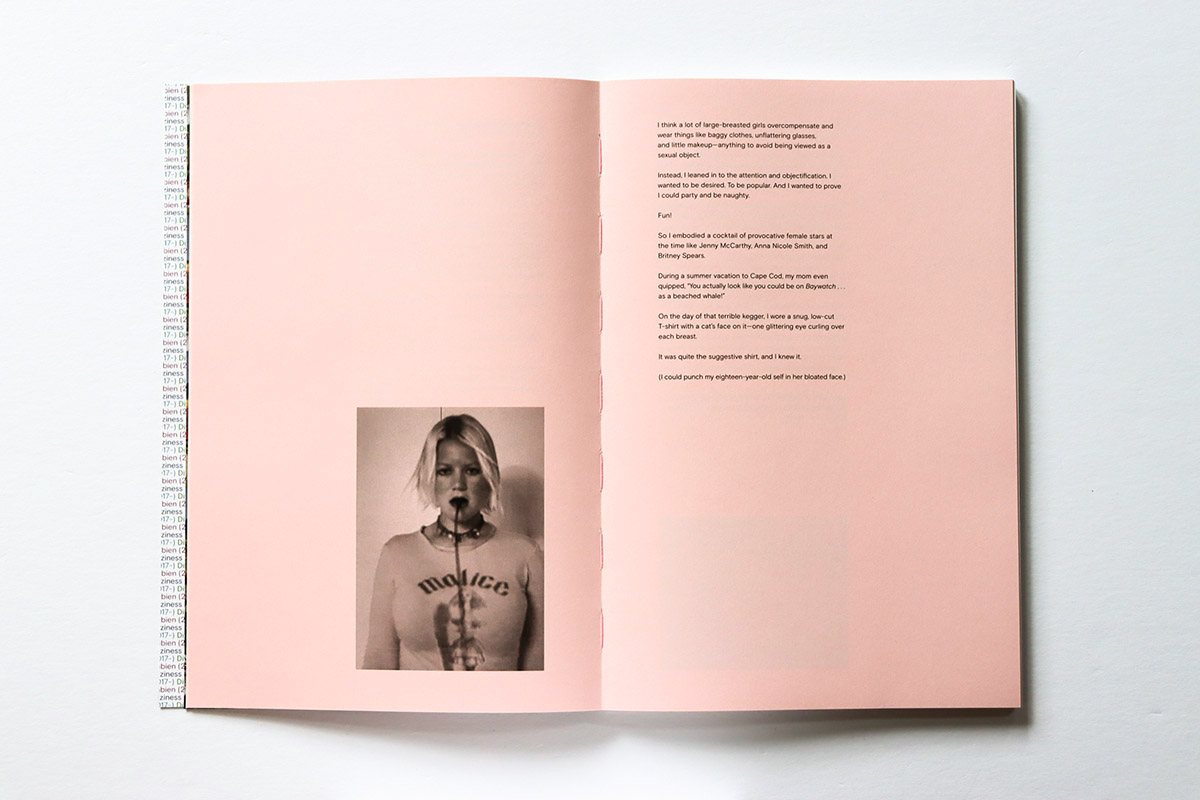
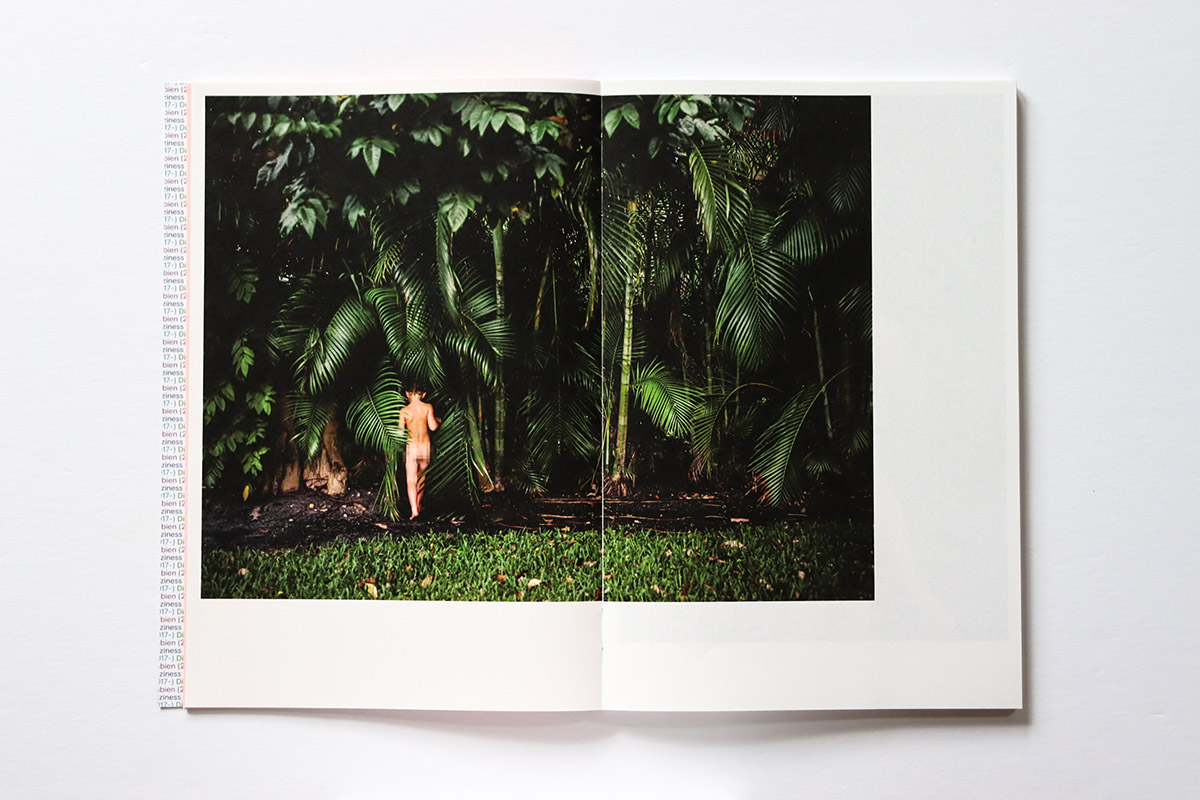
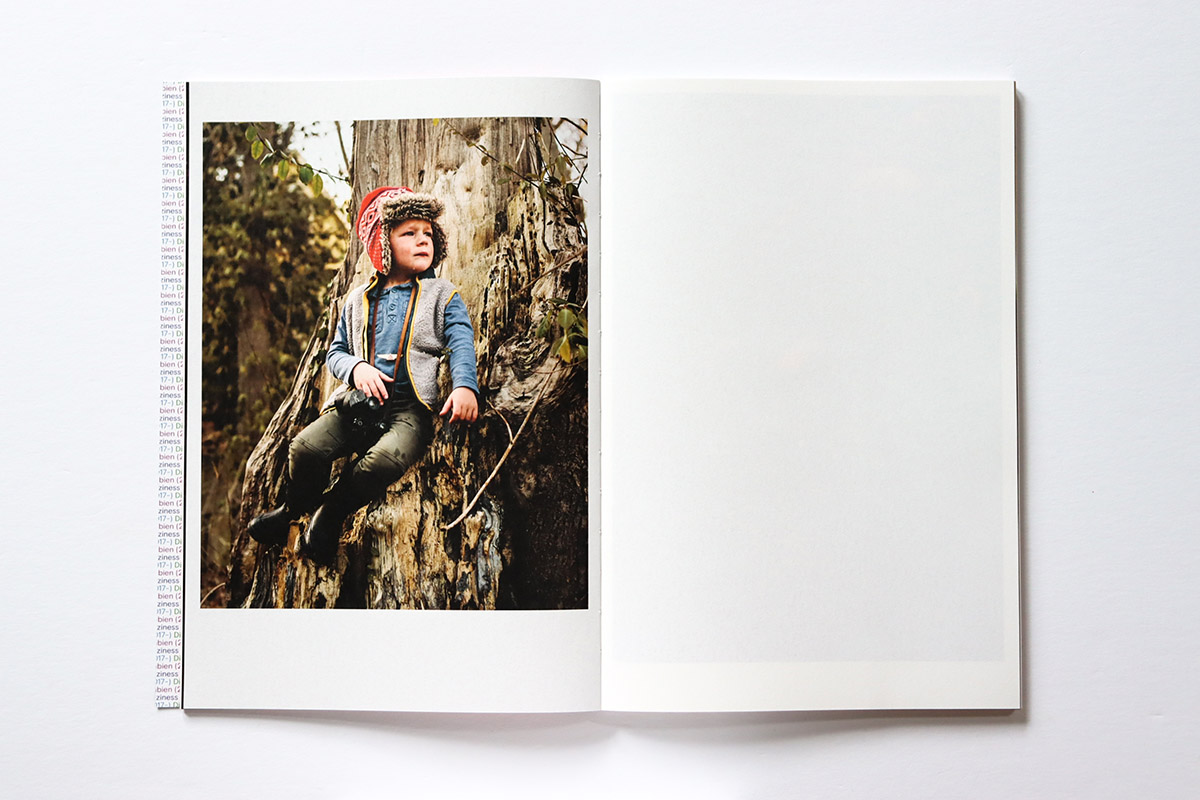
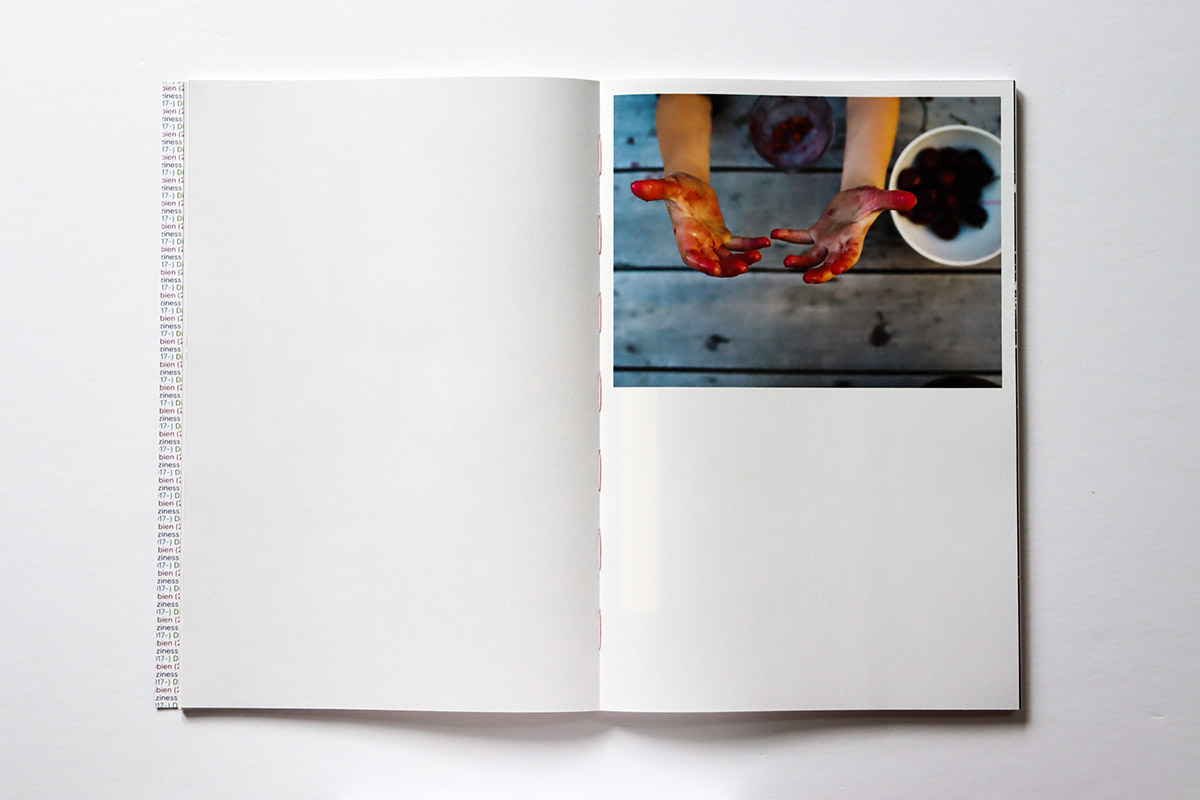
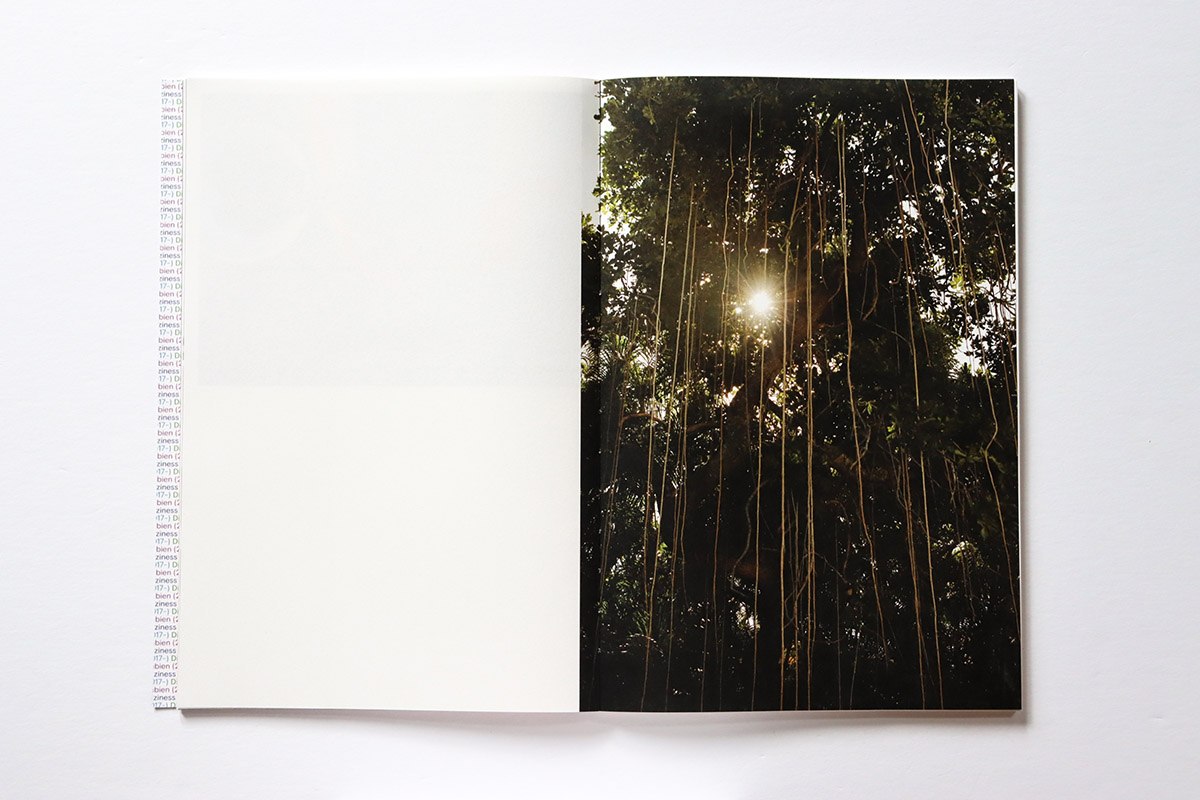
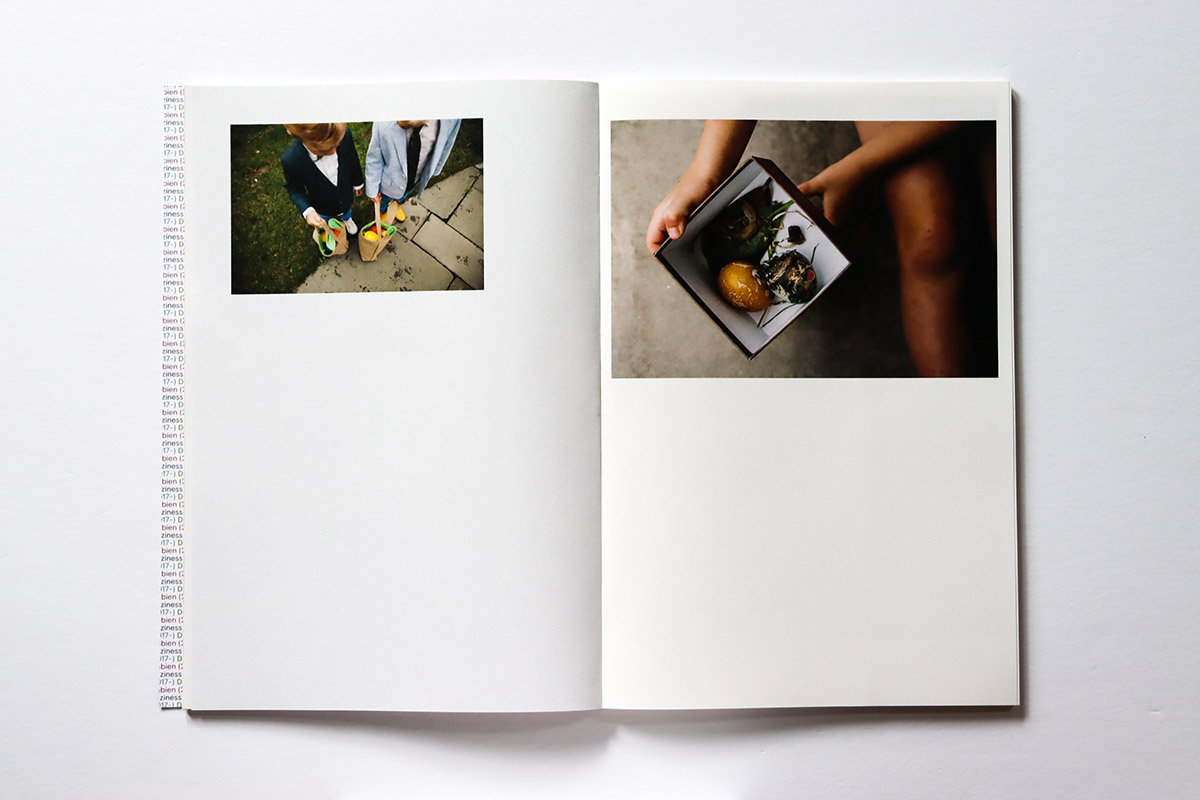
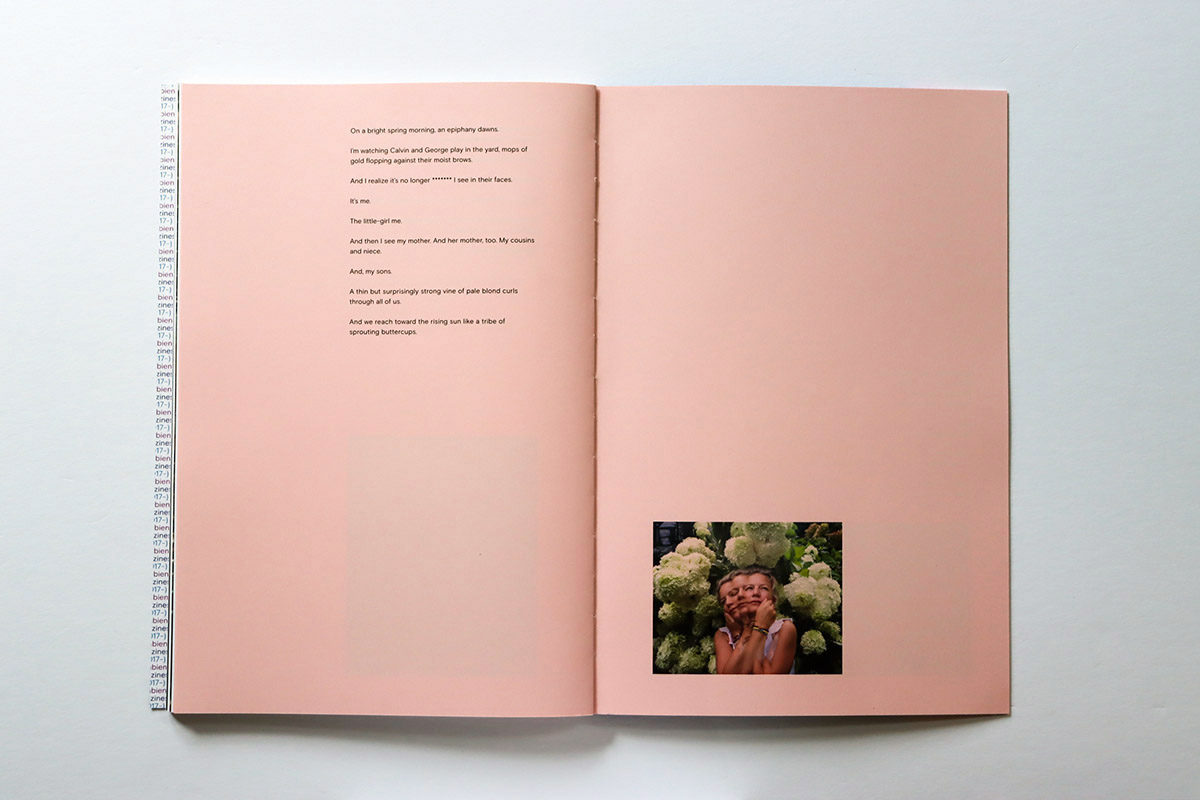
The book is made up of three main parts. Two sixteen-page signatures of text, printed on pink paper, bookend a longer middle section with photos of her sons, along with a few photos of details of nature. A smaller printed text insert in the middle of the book reproduces a conversation the author had with her sons.
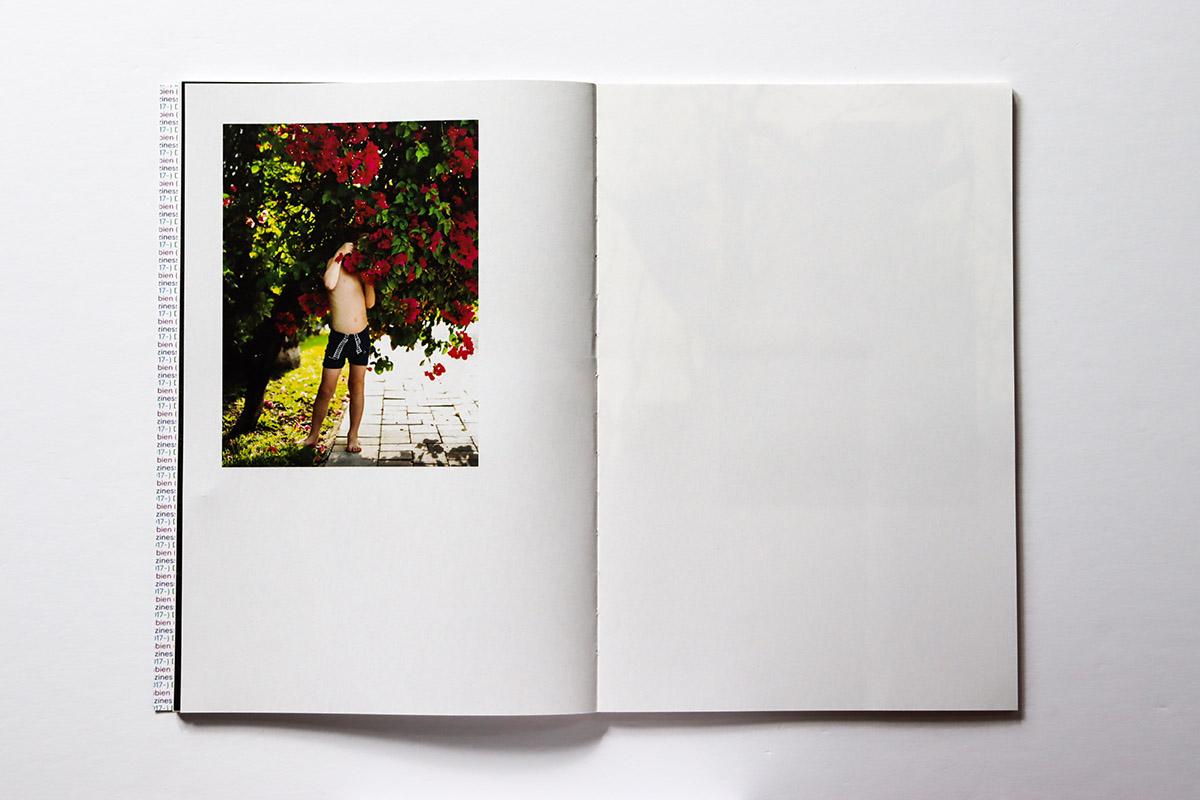
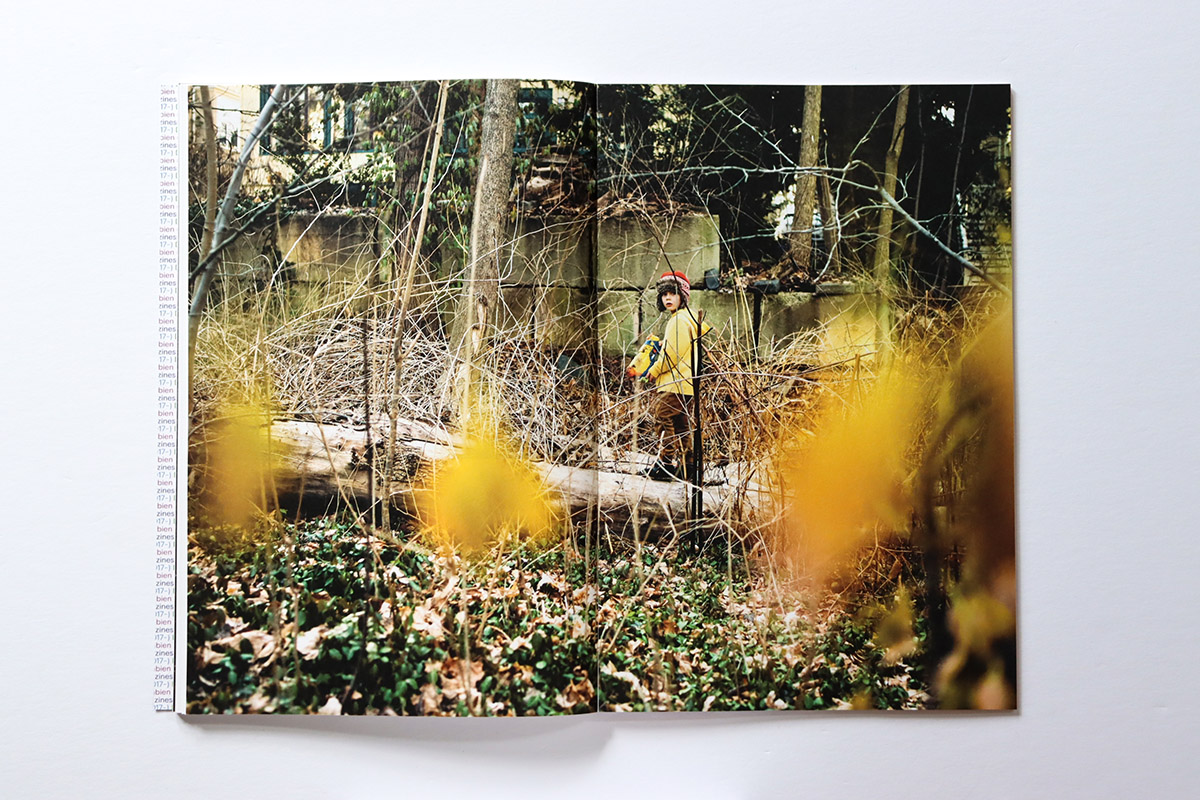
The photos are mostly of her sons. They play outside in different seasons, shirtless in summer and bundled against the cold in winter. We see them in all their wonderful, wondering kinesthetic innocence. They wrestle, cry, swim, jump, and explore – in the yard, in the woods, and at the beach. Boys being boys.
The photos in the two sections of text include snapshots of Clark Libert as a teen as well as contemporary constructed self-portraits that evoke her feelings and the emotional toll of her traumatic coming-of-age memories. The text takes you through the story of her teen years and what happened to her in college and afterwards. A difficult situation to come to terms with, which is hopefully what making a photobook about it has helped Clark Libert do. It is easy to be cynical about artists who build art around their own suffering, but it involves courage and has a long and storied heritage.
The printed endpapers list symptoms and medications used to treat them and suggest mental health struggles, presumably the author’s. “Brain Fog Fatigue Adderall (2019-), Difficulty falling asleep Chest Pains Effexor (2018-), Anxiety Dizziness Lexapro (2004-2005, 2009-2011), Hemiplegic Migraine Chronic Back Pain Impulsiveness (Valium 2009-2011).
Boy Crazy works on different levels as therapy, documentary, and art. Where does one begin and the other end? Hmm. Tough question. It is subjective and not something you can measure.
Does it matter? Maybe not. After connecting with the book, when you look at the photographs again, this time they are freighted with Clark Libert’s hopes and fears and the story of her struggle. They have been infused with the situation and the context in which you experienced them, and, like Clark Libert, afterwards you can’t go back to how things used to be. You have to deal with how things are.
Hans Hickerson, Editor of the PhotoBook Journal, is a photographer and photobook artist from Portland, Oregon.
____________
Elizabeth Clark Libert – Boy Crazy
Photographer: Elizabeth Clark Libert (born in 1982, lives in Massachusetts)
Publisher: Workshop Arts © 2023
Language: English
Text: Elizabeth Clark Libert
Design: Caleb Cain Marcus
Printing: Robstolk, Amsterdam
Softcover; 120 photographs; Swiss binding; 124 pages; 7.5 X 11.25 inches: unpaginated; ISBN 978-1-959684-02-2
____________

Articles and photographs published in the PhotoBook Journal may not be reproduced without the permission of the PhotoBook Journal staff and the photographer(s). All images, texts, and designs are under copyright by the authors and publishers.


Leave a Reply