Review by Olga Bubich
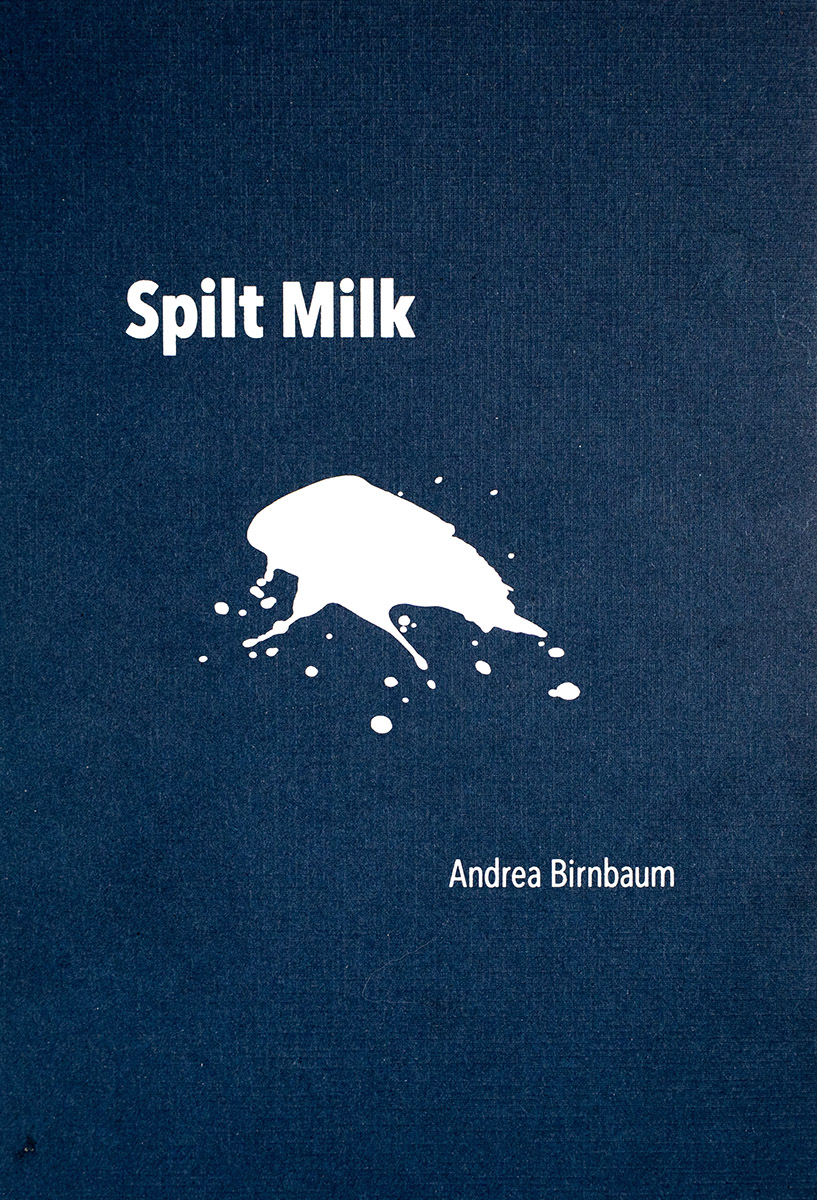
Spilt Milk is a debut photobook by American photographer, teacher, and photo editor Andrea Birnbaum. As its title suggests, the themes it addresses belong to the intimate sphere of regret: actions taken and responses withheld, things done, planned, postponed, overlooked, or deliberately ignored – in other words, the emotional baggage one repeatedly returns to in an attempt to process and find closure.
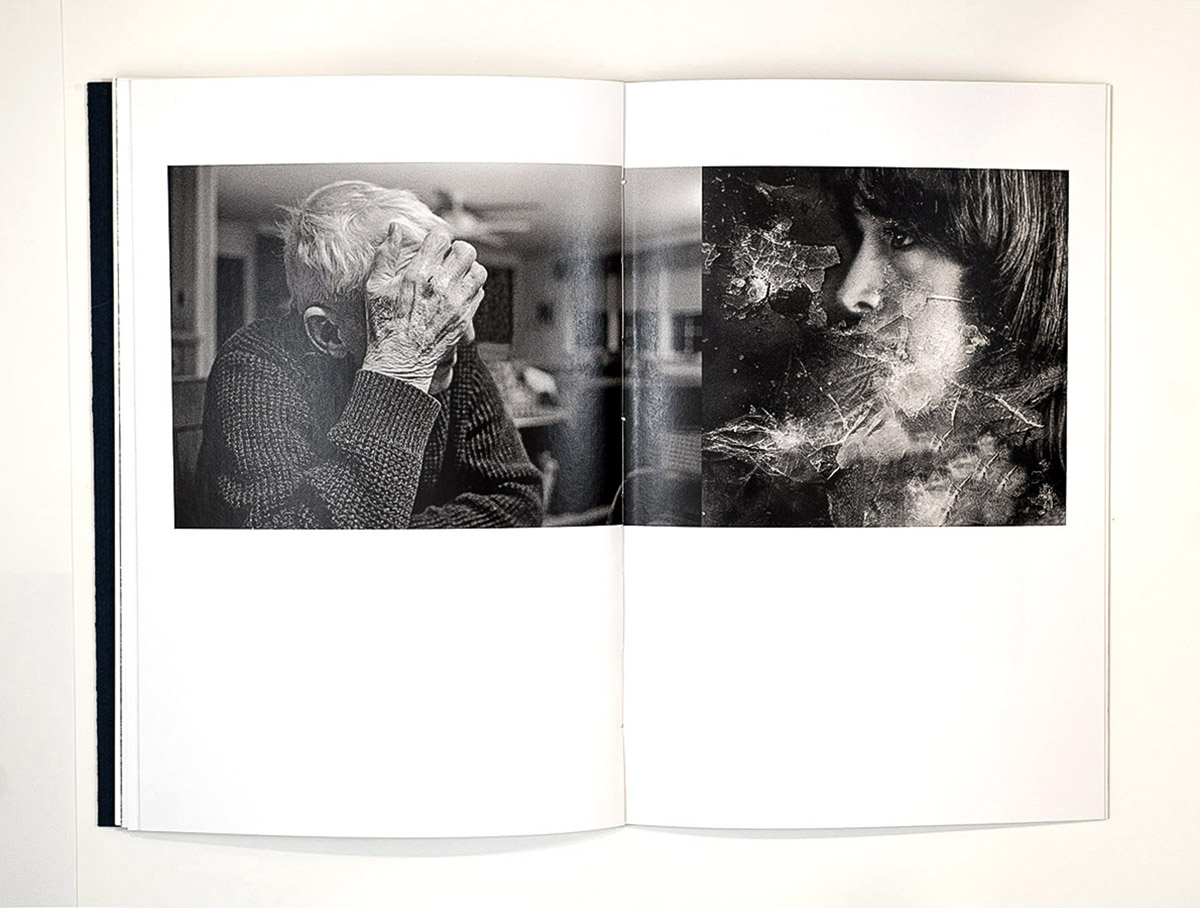
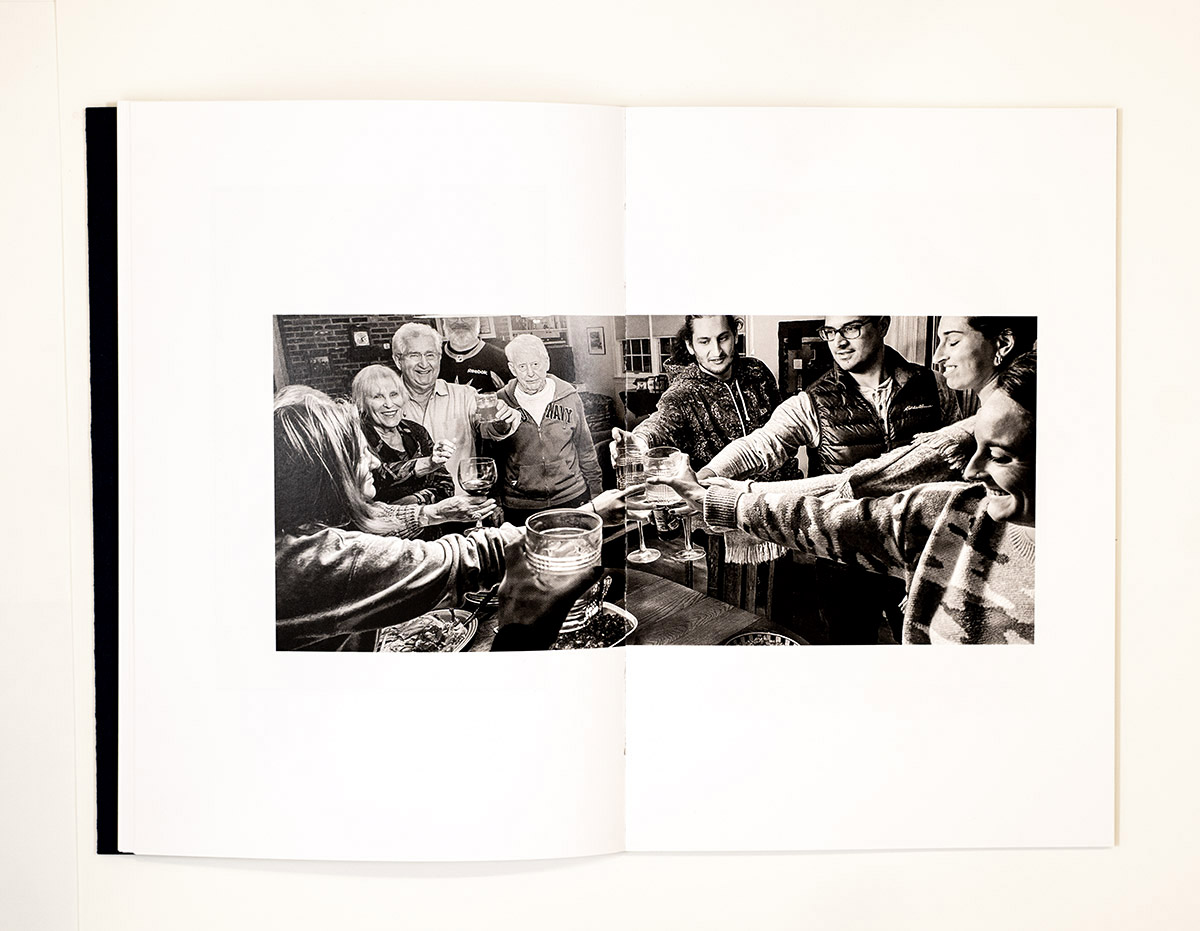
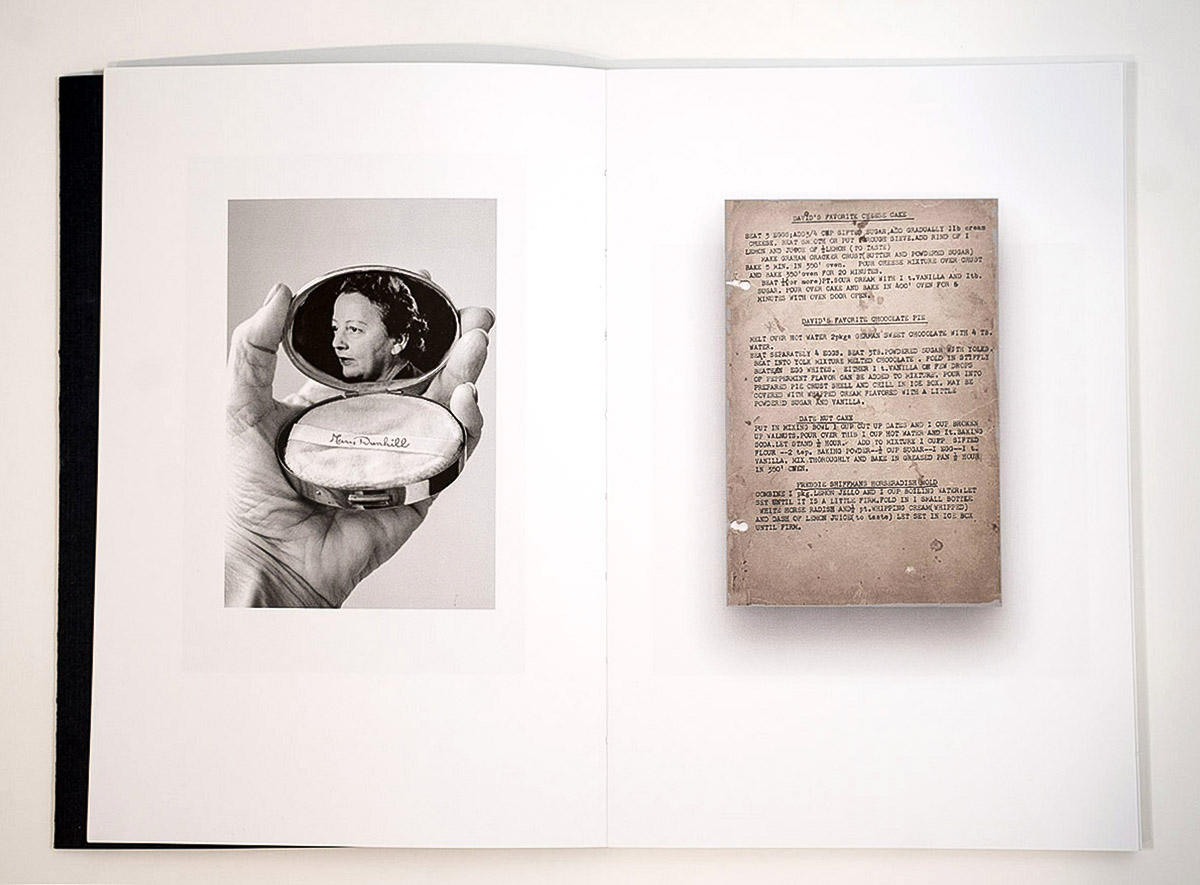
According to the photographer, there were two reasons for choosing this familiar expression as the book title, and only one of them refers to the well-known proverb about wasted time. The other meaning – as the image opening the navy-blue folio directly illustrates – is the literal act of milk being spilled, a small misstep that, in Birnbaum’s recollections of childhood, often triggered her father’s disproportionate reactions. Setting out to make sense of her feelings of anger toward her parent, the artist transforms this process of reflection into a visual statement. Yet despite this deeply personal point of departure, “Spilt Milk” does not read as a narrowly therapeutic exercise. The images remain open to interpretation, their surreal symbolism at times reminiscent of associative tools such as OH cards.
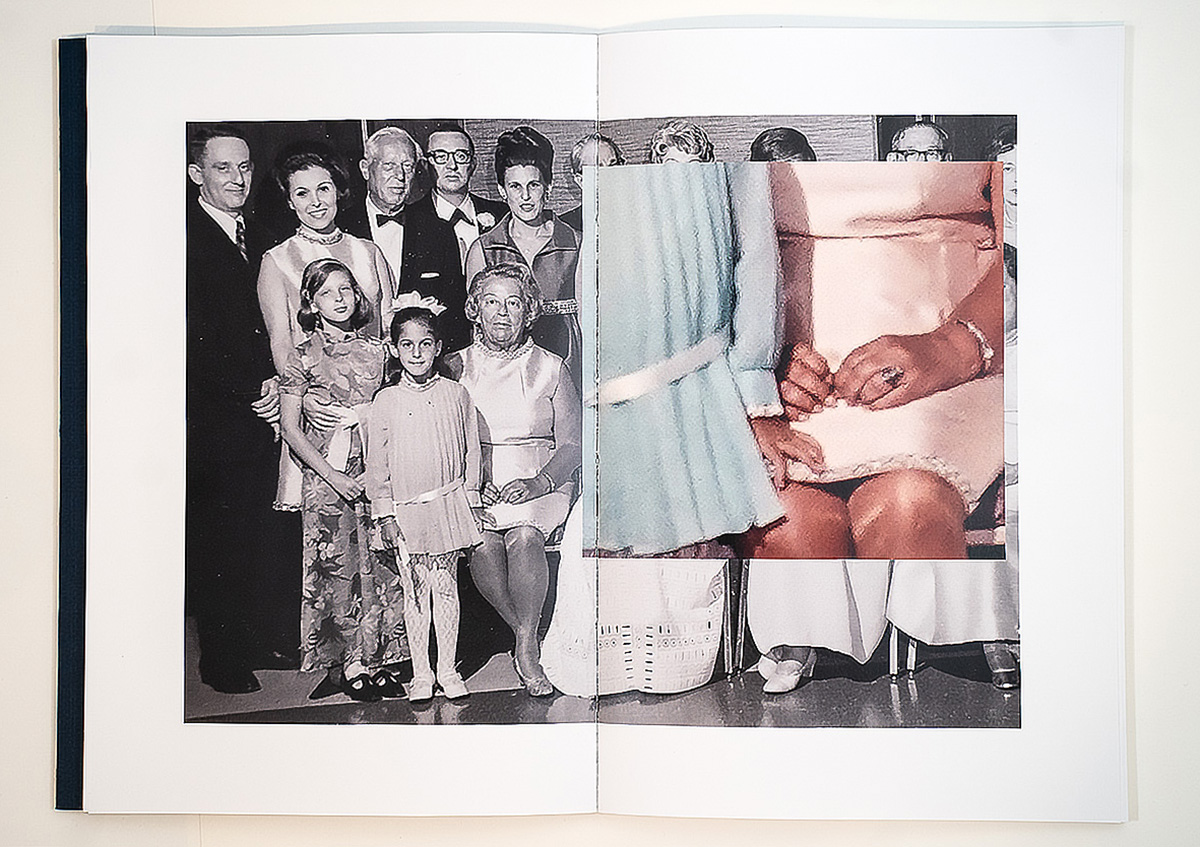
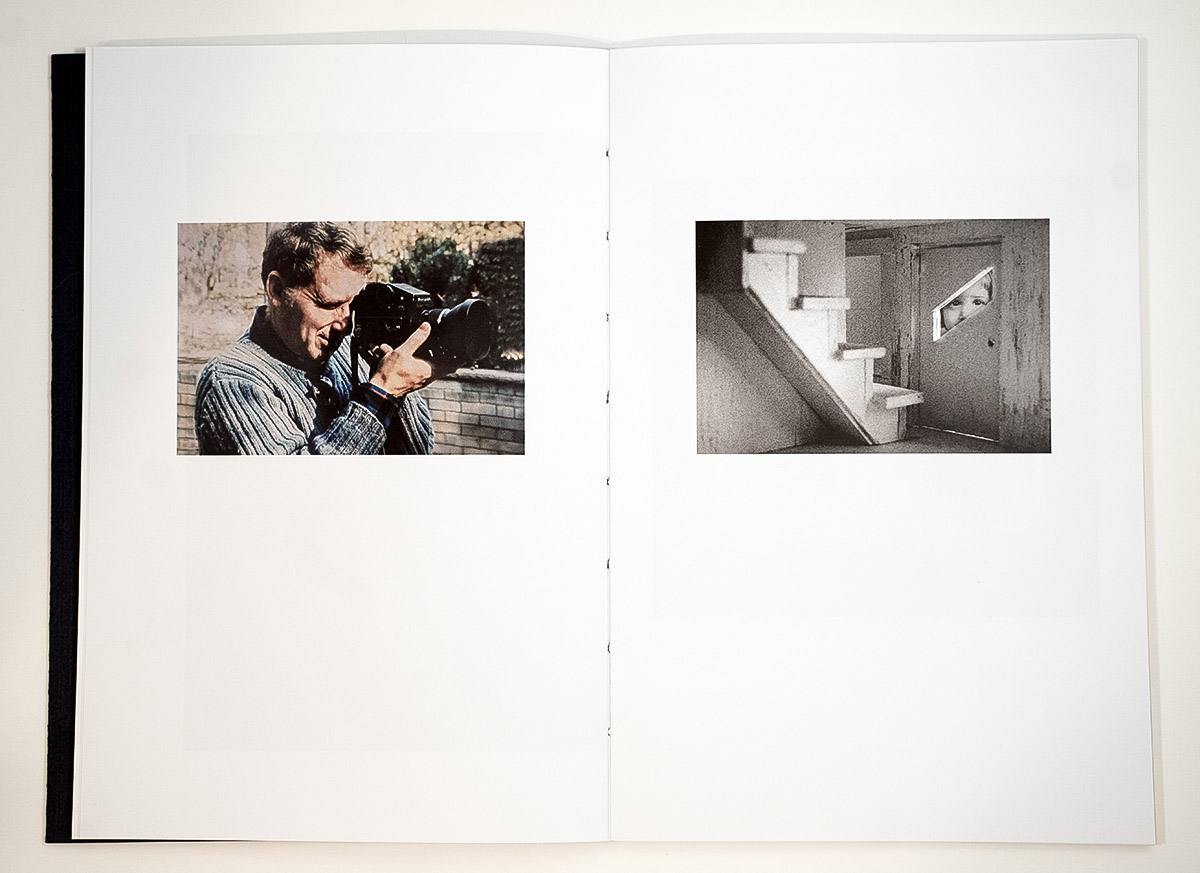
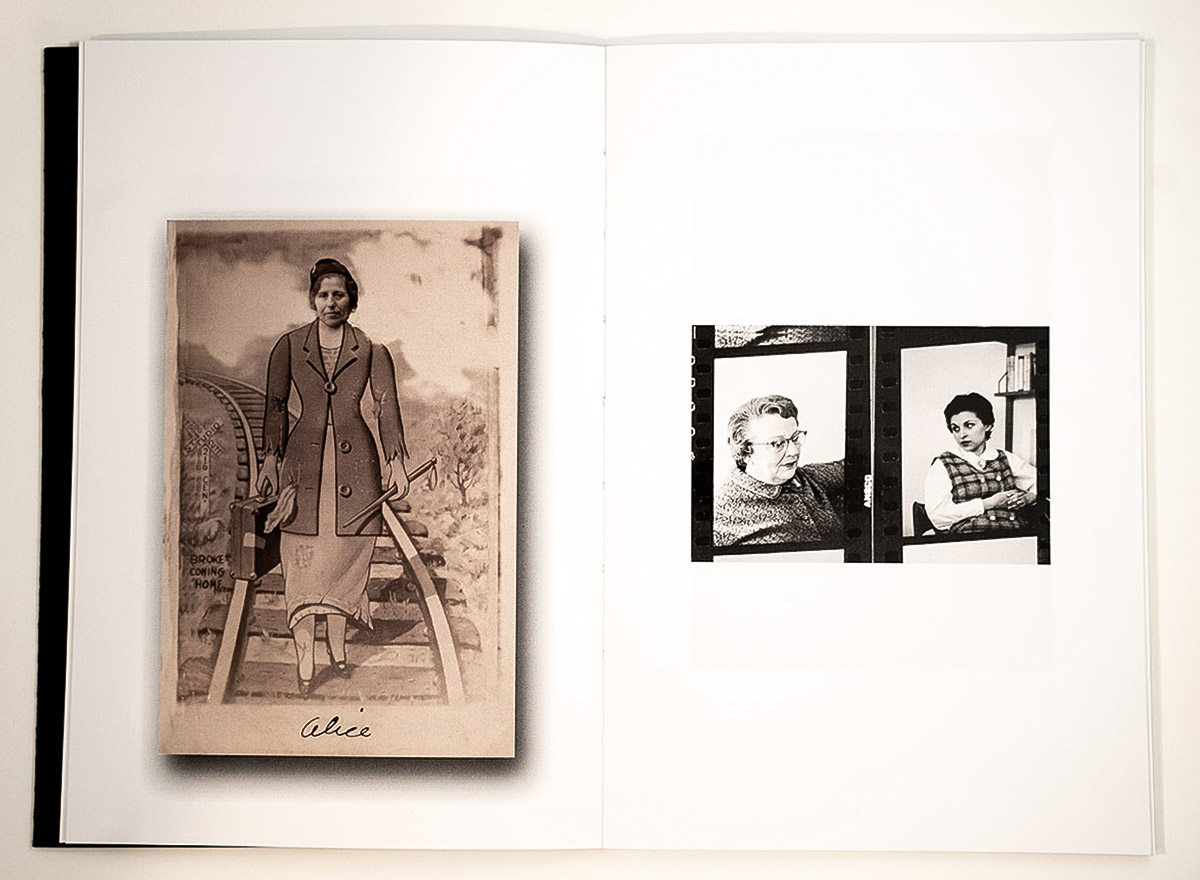
The universality of a project initially rooted in personal experience is achieved through the wide range of artistic strategies Birnbaum employs in revisiting her family archive, including photographs made by her father, himself an amateur photographer. Re-appropriation takes place through collage, selective cropping, and enlargement, processes through which the images are stripped of their original context and enter a realm that might be described as mnemonic poetry. Particularly illustrative is a family group photograph taken at a cousin’s wedding, in which Andrea appears in the front row as a child. Beside her sits her grandmother – solemn, reserved, her hands resting on her knees, fingers tightly interlaced. Had Birnbaum not cropped, enlarged, and reinserted a small fragment of this image into the right side of the page, the silent drama unfolding within the frame might have gone unnoticed. A sincere delicate gesture – the girl’s fingers reaching for her grandmother’s – suggests the emotional restraint that shaped the family atmosphere. Through this act of attentive looking, memory is reactivated and the contours of formative trauma begin to emerge.
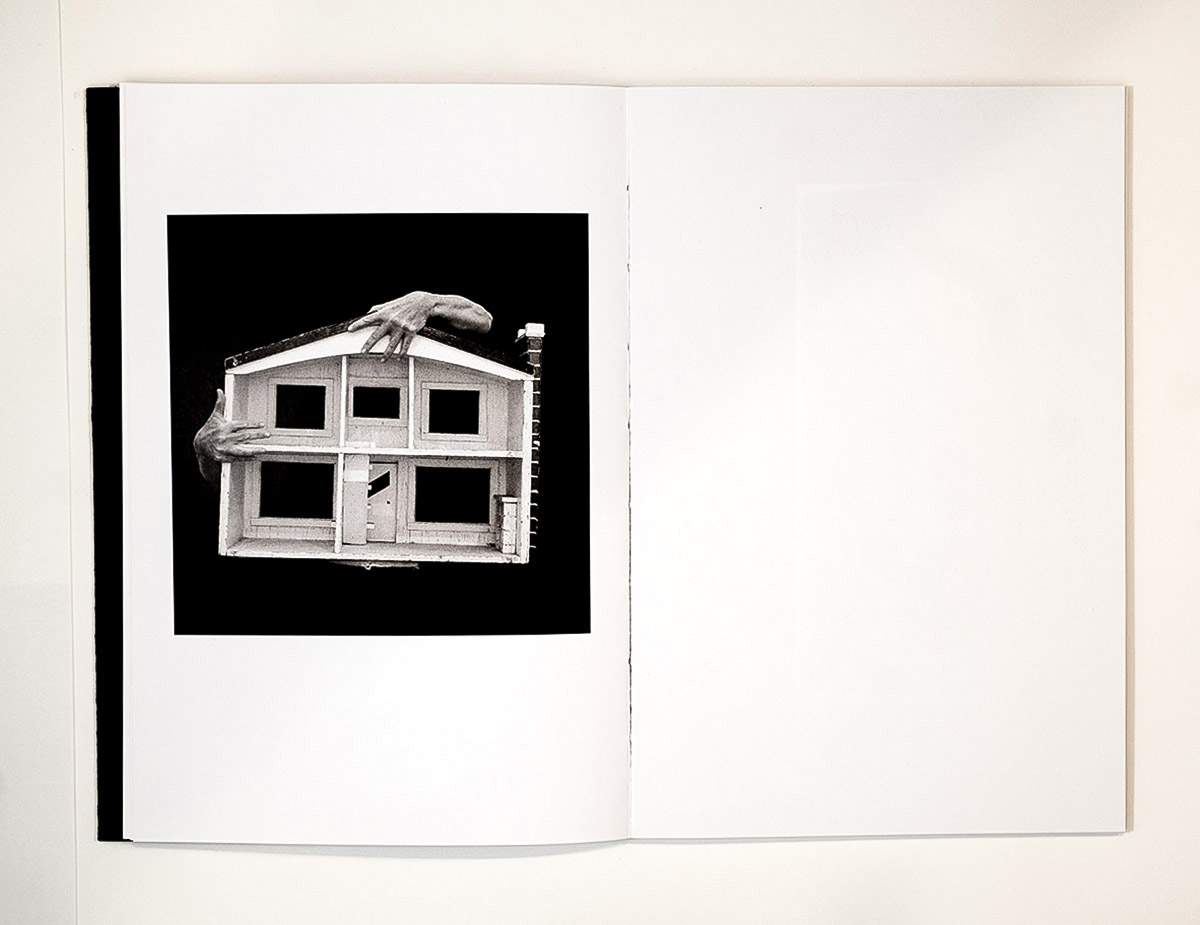
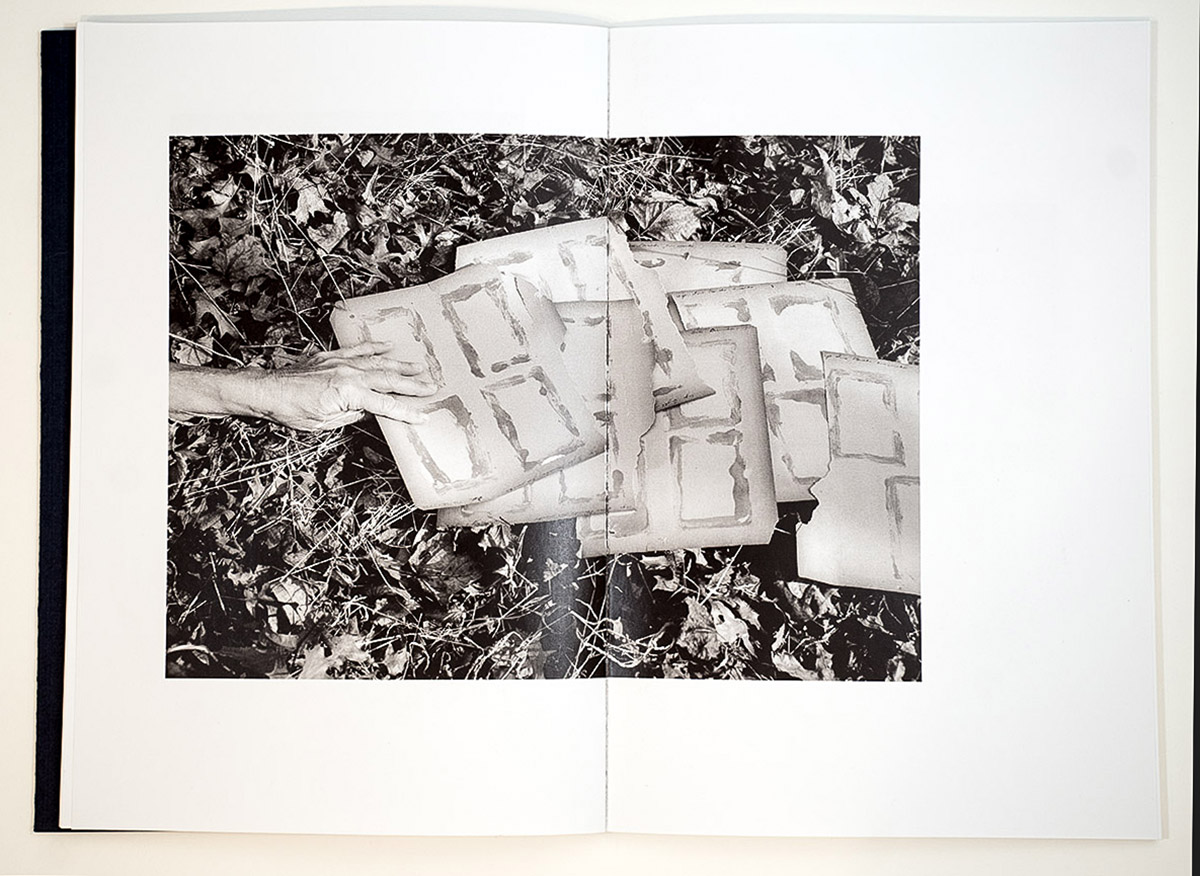
Another group of images that occupies a central place in Birnbaum’s narrative consists of black-and-white, staged, almost theatrical photographs. Within this sequence, the symbol of home becomes prominent: a dollhouse once belonging to the young Andrea, an abandoned building partially reclaimed by overgrown vegetation, half-open (or half-closed?) doors, and shadowed windows. Here again, the viewer is invited to turn inward, searching for personal associations. These open-ended, archetypal images may evoke nostalgia, the irreversibility of the past, sorrow – or, vice versa, suggest a readiness to let the past remain where it belongs. After all, should we not move forward rather than dwell on what cannot be undone, blaming ourselves for the spilt milk?
Olga Bubich is a Belarusian essayist, visual artist, and memory researcher currently based in Berlin.
____________
Andrea Birnbaum – Spilt Milk
Artist: Andrea Birnbaum
Text and design: Andrea Birnbaum
Language: English
Self-published
6”x 9” softcover book; opening folio of two images; 48 pages; 52 photographs; signed and numbered
____________
Articles and photographs published in the PhotoBook Journal may not be reproduced without the permission of the PhotoBook Journal staff and the photographer(s). All images, texts, and designs are copyright of the authors and publishers.


Leave a Reply