Review by Steve Harp ·
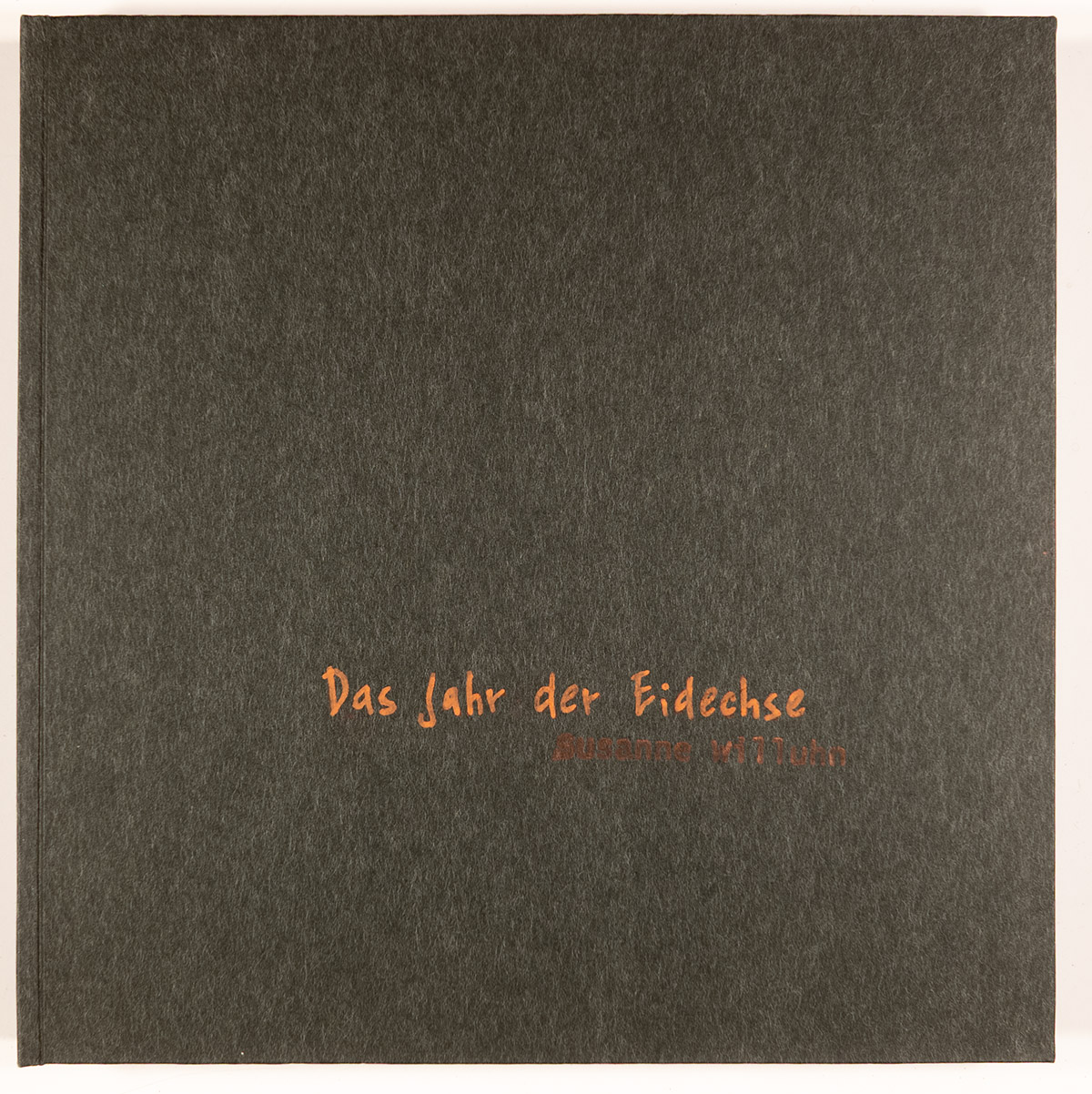
If my review of Susanne Willuhn’s 2019 self-published monograph Das Jahr der Eidechse (The Year of the Lizard) were to consist of a single word, that word could be quirky. Or, perhaps elusive. Thankfully, I have more than one (or two) words with which to explore this surprising and engaging volume to try to get a sense of what it’s up to.
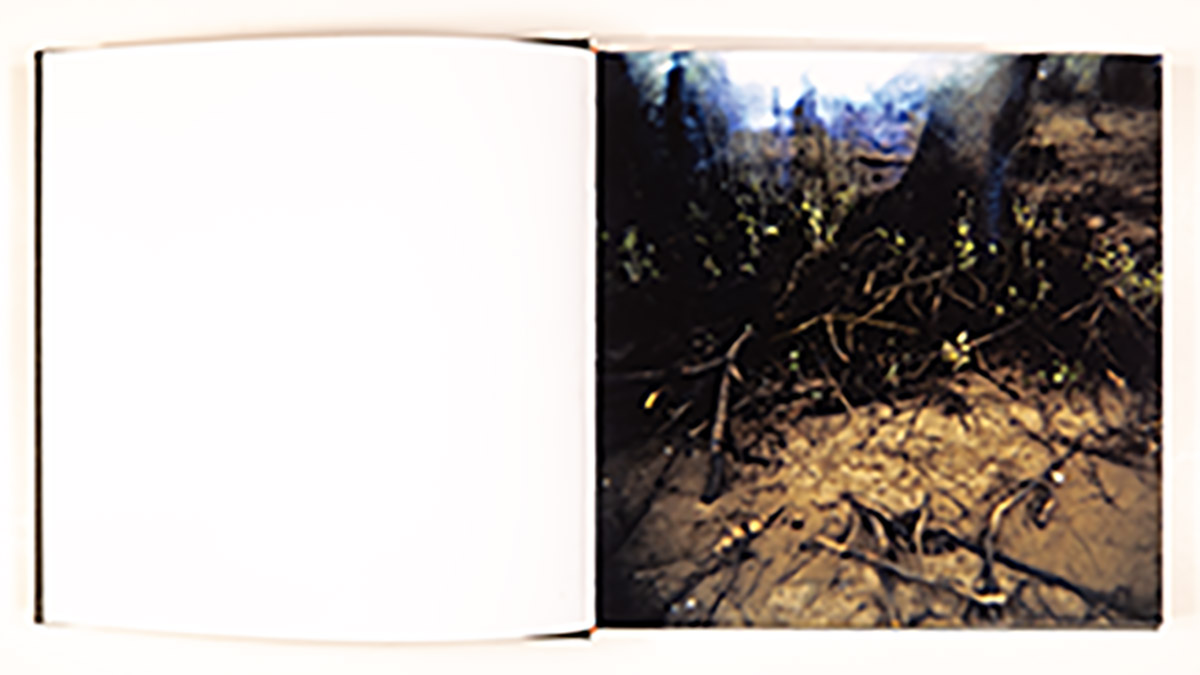
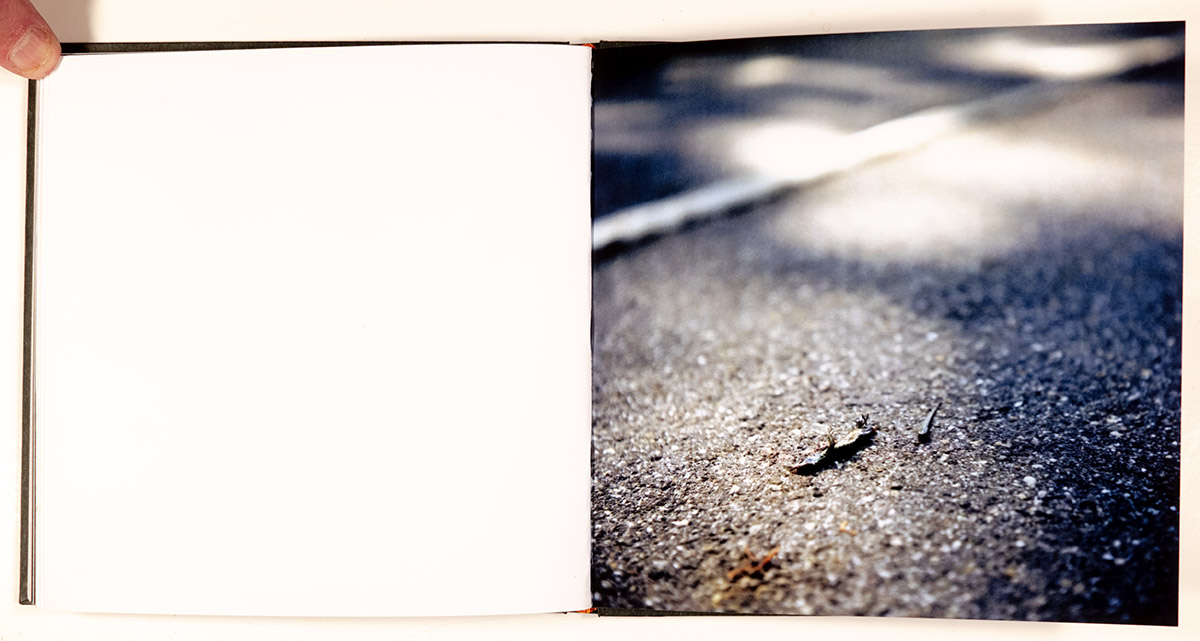
In making these introductory comments, I’m struck by how my terms for Willuhn’s book and images might indeed be descriptive of the small reptile of the title. While the first image in the book is a close up of the base of a tree with its roots and shrubbery, a natural space which might possibly be home to lizards, none seem to be present. (The overall softness of the image and lizards’ well-known camouflaging abilities might serve to hide their presence.) We finally do come upon a photograph of a lizard near the end of the book (the 39th image by my count), lying dead (or apparently so) on a patch of asphalt or concrete, surrounded, in the image, by soft-focus. But this is not a book of “nature” photographs (or might be thought so only in the most oblique sense). Das Jahr der Eidechse is “about” lizards in the way that Tennessee Williams’ Night of the Iguana is “about” iguanas – metaphorically or associatively. And therein lies the draw and compelling quality of this book and these photographs.
In his 1965 essay, “The Rhetoric of the Image,” the French writer Roland Barthes suggests two possible ways text (title, caption, etc.) can interact with visuals – as “anchor” or “relay.” In the case of “anchorage,” the text limits of fixes meaning. It explains or constrains the meaning of an image. Conversely, a “relay” opens up or suggests various possible ways to see or understand an image or its meaning. A “relay” suggests possible connections, whereas on anchor seeks to make the image literal or concrete. So, what are possible “lizard relays” might be inferred in Susanne Willuhn’s photographs?
As suggested earlier, lizards are elusive, difficult to capture. Though often seeming sedentary or sluggish, they might suddenly move in volatile, ambiguous or puzzling ways. Quirky indeed.
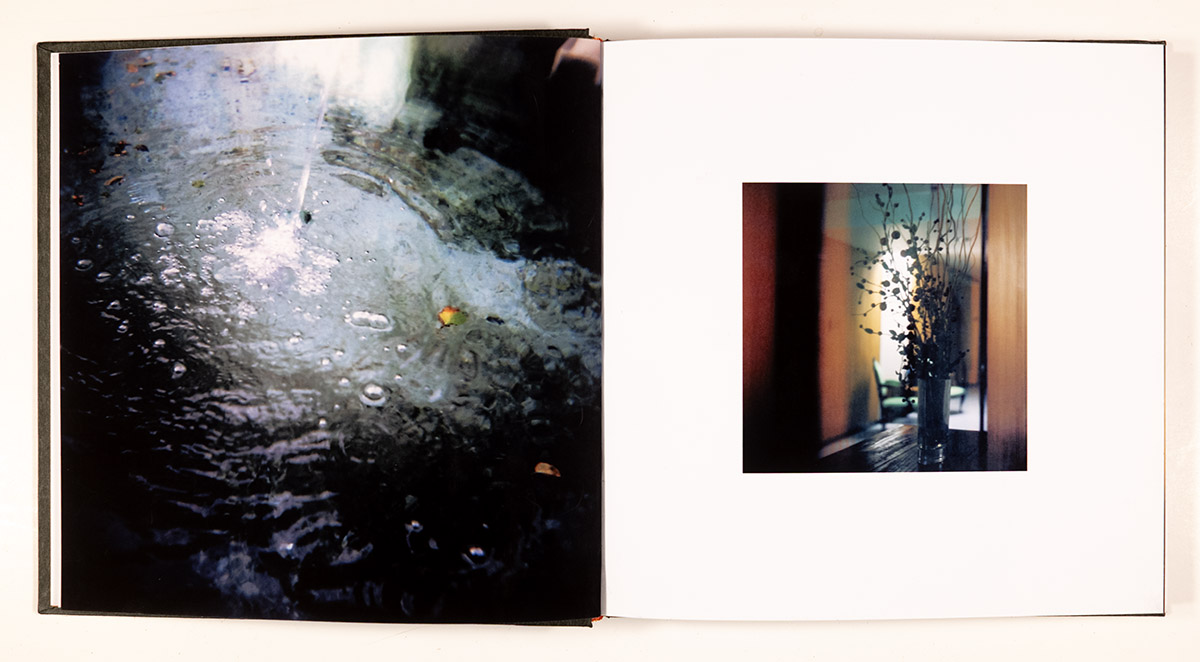
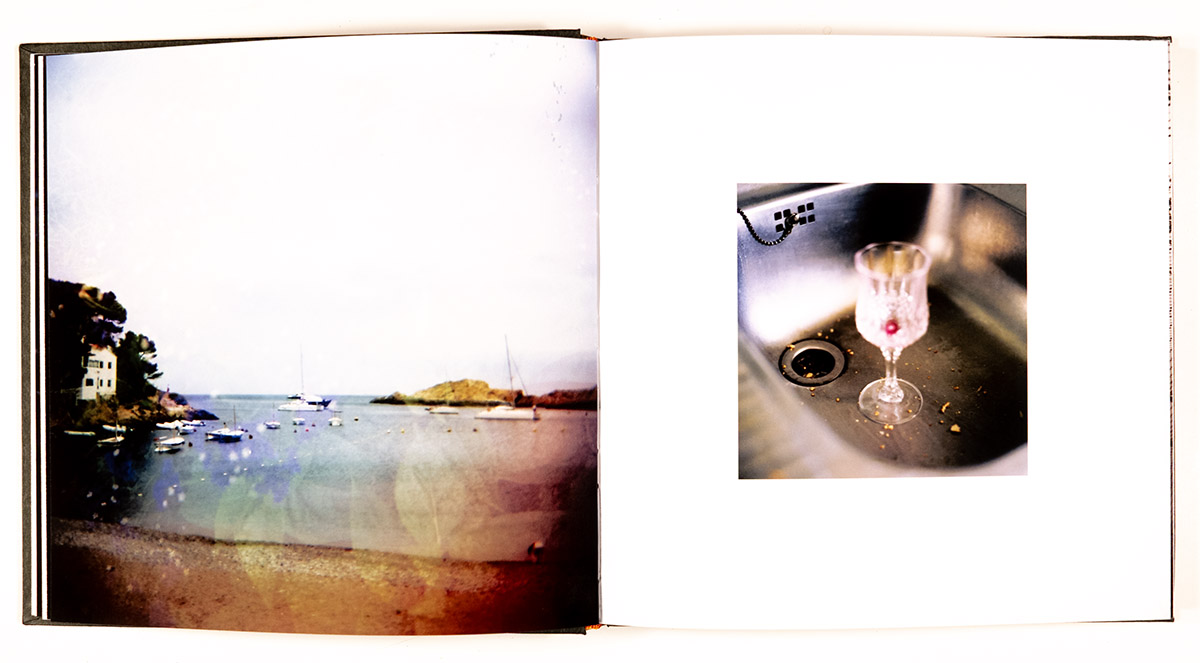
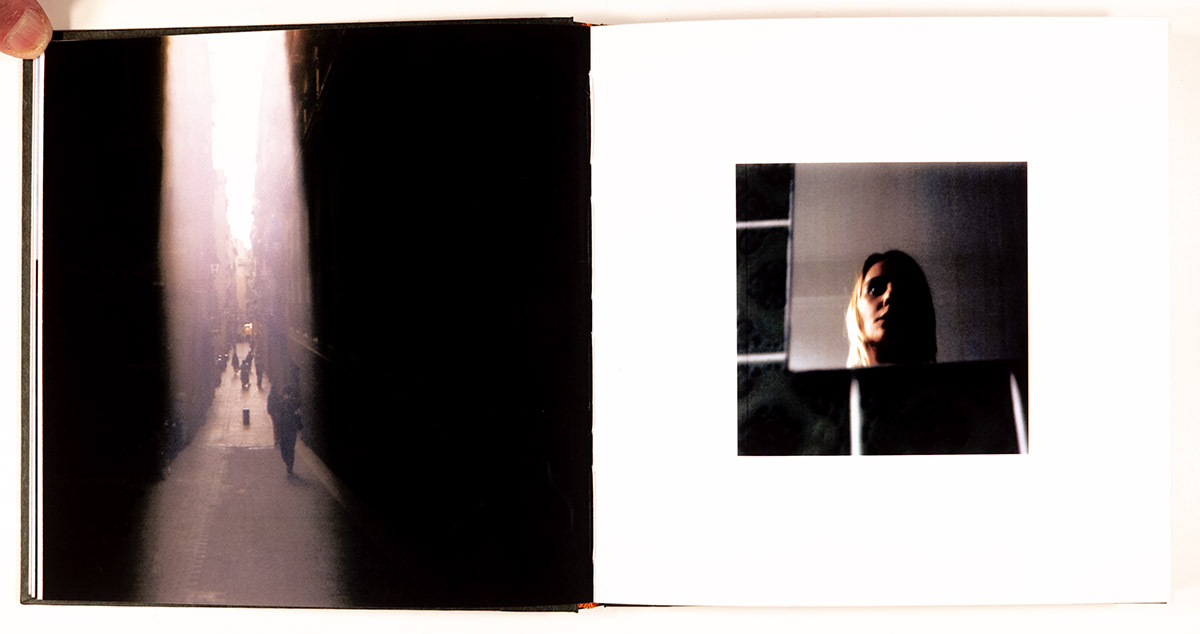
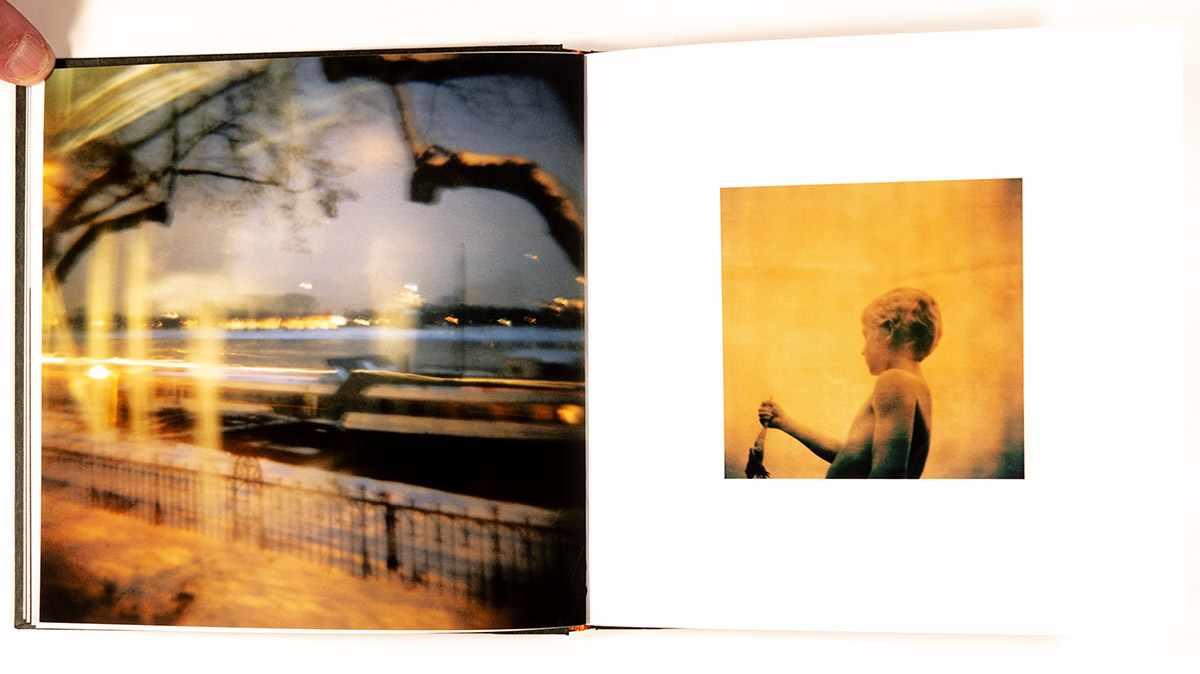
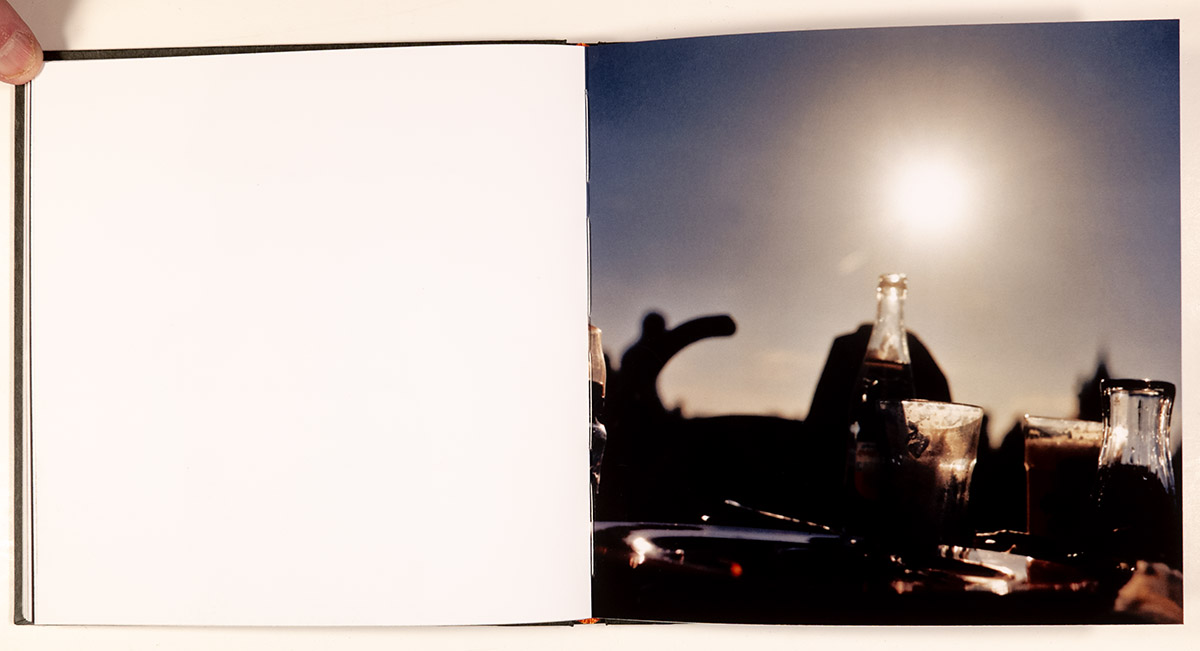
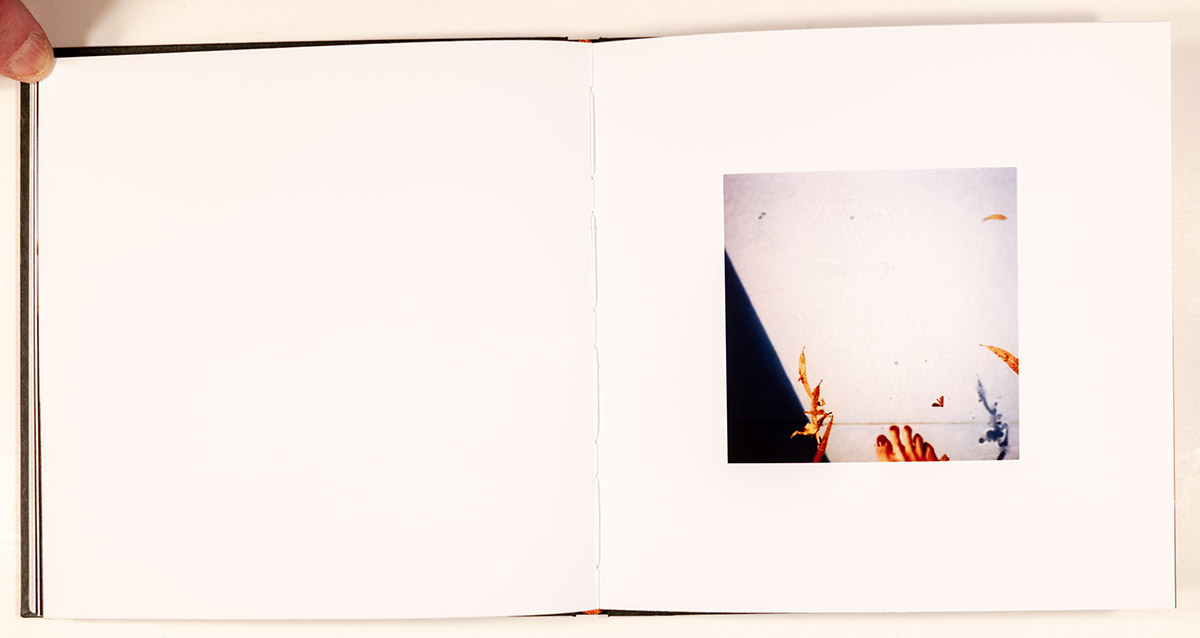
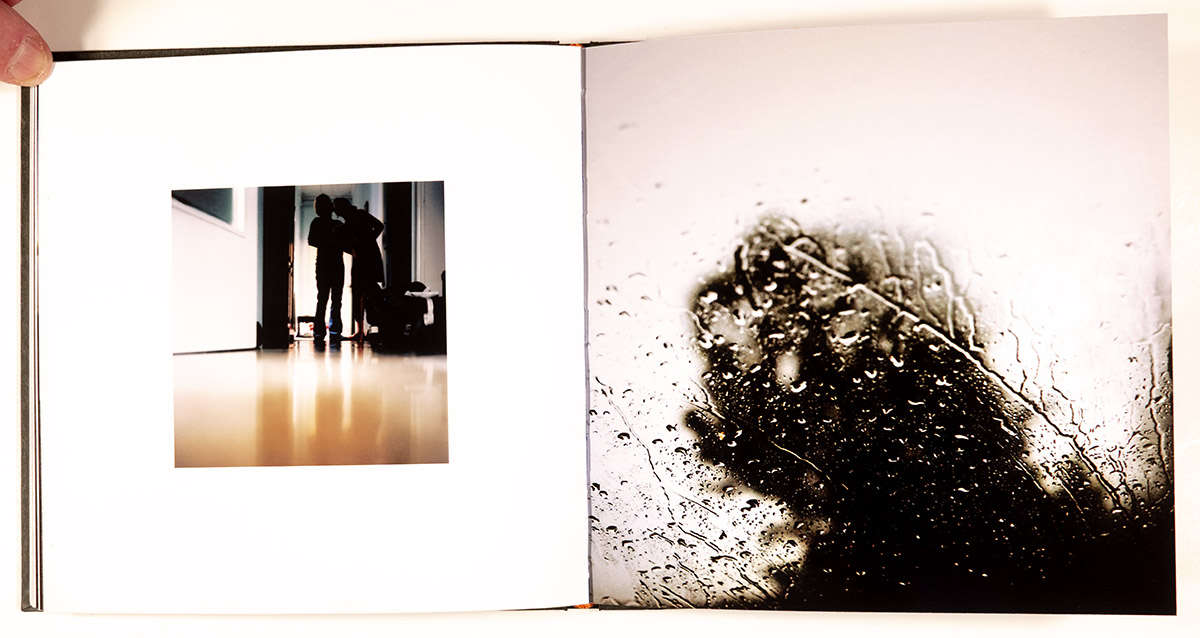
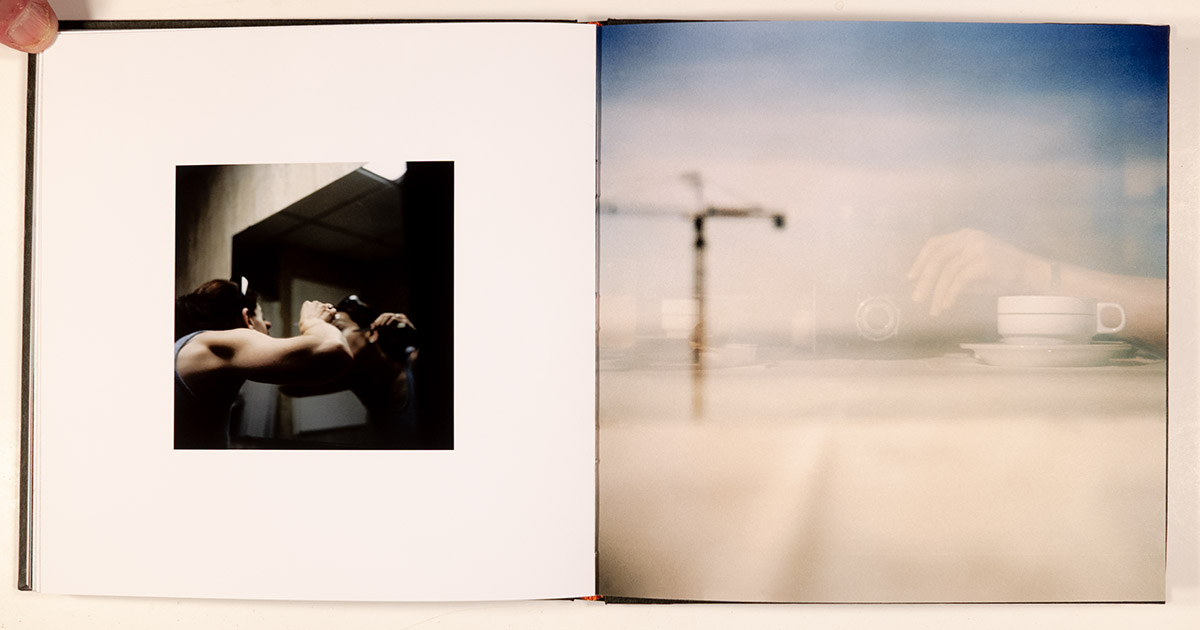
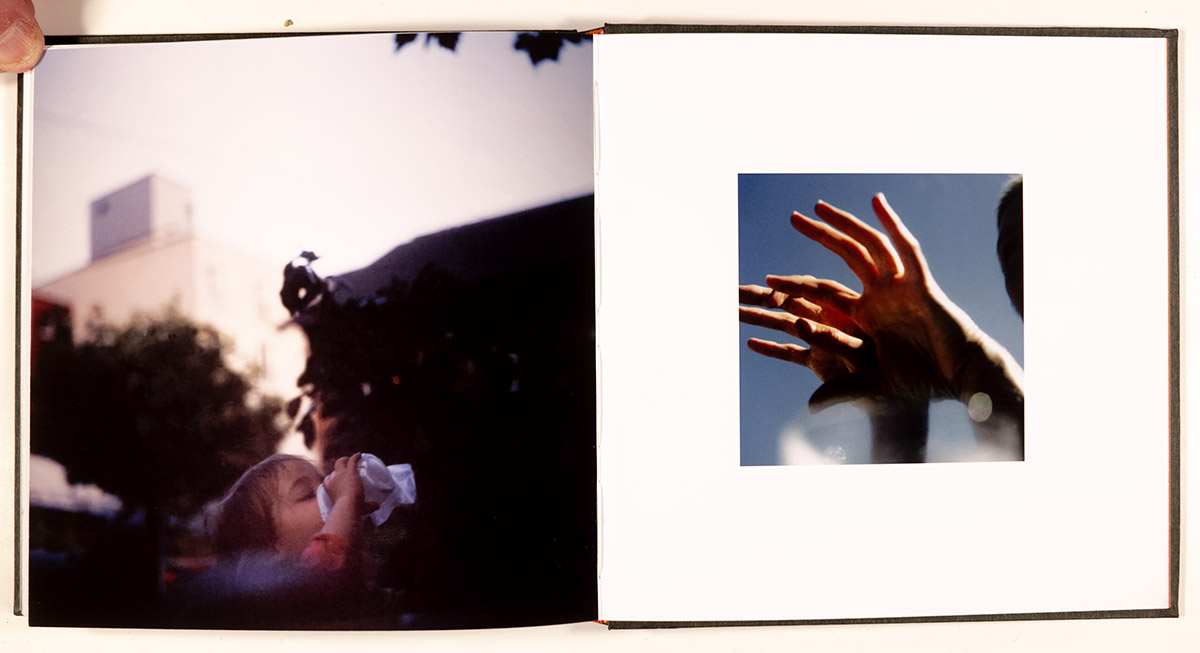
My first few passings through Willuhn’s book left me puzzled at the seeming randomness of the images, until I began to appreciate that this apparent haphazardness might itself be a unifying quality. Willuhn’s glimpses of the everyday – rain-streaked windows, plates of partially eaten meals, mannequins in store windows – seen and presented in what might be thought a uniquely (and resolutely) analog manner. Often embracing selective and limited focus, lens flares, color shifts – the images frequently suggest a kind of frenetic scurrying, a photographer snatching glimpses of the surroundings being passed through. Like lizards, we might all think of our lives as marked by a de facto territoriality, challenging our adaptability as we strive to function and thrive under the constantly challenging conditions of contemporary culture. Are we really so different from lizards?
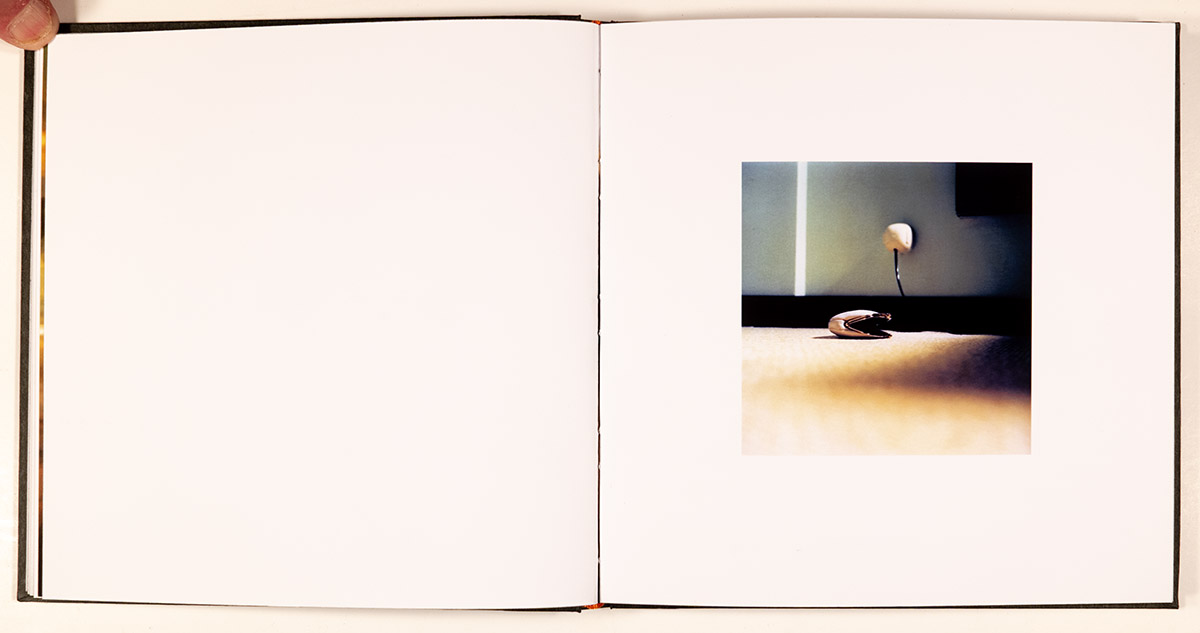
One of the things I’ve come to appreciate the most in spending time with this book, is Willuhn’s refusal to spell out her “narrative” or sequencing choices. The images seem direct, unified, though not in any way visually repetitive. Some are sharp and distinct and some optically ambiguous, but all strike me as moments, glimpses, scenes noticed but only uncertainly integrated into a larger whole. If humans are the species that plans and works to a goal or intended objective, are lizards in some way the opposite? Living through momentary experience, moving in quickness and agility? Intentionality does not seem to be a major characteristic of the lizard world, nor in the world presented in Willuhn’s images. But even so, the beauty is undeniable and engaging in opening new perspectives and framings (both literally and metaphorically) for the viewer.
Willuhn refuses to provide any textual orientation (other than title) – no forward, no introductory essay, not even an epigraph to “point” the viewer in an intended direction. The book is silent – a mystery in many ways to reflect on and ponder. Aside from the title, the only other written details provided in the book are a dedication (fūr Jörg) and production information provided at the end. We learn that the book is not only self-published but also handmade, with printing and binding done by the artist herself, each unique copy signed and numbered.
As a physical object, the book is beautiful. Many handmade books lean into DIY aspects, emphasizing the roughness and flaws of the object, giving a ‘zine-like quality. Das Jahr der Eidechse does not. I was therefore surprised (based, of course, on the copy I hold) and impressed to find that each is a uniquely constructed object. These materials used in the book’s construction infer what strikes me as a solidity or heaviness that resonates singularity and specificity. The heaviness of the pages, the texture of the cover and – conversely – the thinness and fragility of the beautiful thin, almost vellum-like endpapers which are a rich reddish brown, henna color, all give a sense of focus on the part of the creator, an attention to details often overlooked. The craft is impeccable. As one who has hand-made books, I know how difficult it is to get the endpapers right. These are perfect. I can only imagine the time, effort and focus it took Willuhn to assemble these lovely, sculptural objects. (In doing further research I found that 63 copies were created.) The book is square (8”x 8”) – and all the photographs are square format as well – either 7 ¾” x 7 ¾” full bleeds or 3 ¾” x 3 ¾” centrally placed on the page. The paper is a thick, matte stock – feeling almost like cardstock. I found the thickness of the paper renders the book in some ways difficult to page through (having to constantly be sure I’m only turning one page at a time). But, perhaps a better way to consider this would be to realize that it makes the book difficult to rush through. This difficulty or “ponderousness” in turning pages prevents the viewer from moving too fast, it makes the looker slow down and stay with (and think about) the images on each spread. There is something deliberate in the way one must interact with the book object.
For all the frenetic and kinetic traits of lizards noted earlier, reptiles engage with their surroundings as well in meticulous and prudent ways, as if every interaction with the world is an exploration, a process of discovery. In that sense, Susanne Willuhn’s Das Jahr der Eidechse makes lizards of us all.
Contributing Editor Steve Harp is Associate Professor at The Art School, DePaul University
__________
Susanne Willuhn – Das Jahr der Eidechse (The Year of the Lizard)
Photographer: Susanne Willuhn; born Gutersloh, Germany; currently resides in Cologne.
Publisher: self-published (handmade), 2019
Texts: none
Hardcover, handmade thread-sewn case-bound, covered in Japanese Satogami paper. The title and author’s name are hand-stamped and individually retouched. Limited edition of 63 books, signed and numbered. Each includes a fine art print (10.5 cm x 10.5 cm on 13 x 19 cm paper).
Designed, printed, bound by Susanne Willuhn.
Edit: Wolfgang Zurborn.
__________
Articles & photographs published on PhotoBook Journal may not be reproduced without the permission of the PhotoBook Journal staff and the photographer(s).


Leave a comment