Review by Henry Kallerud ·
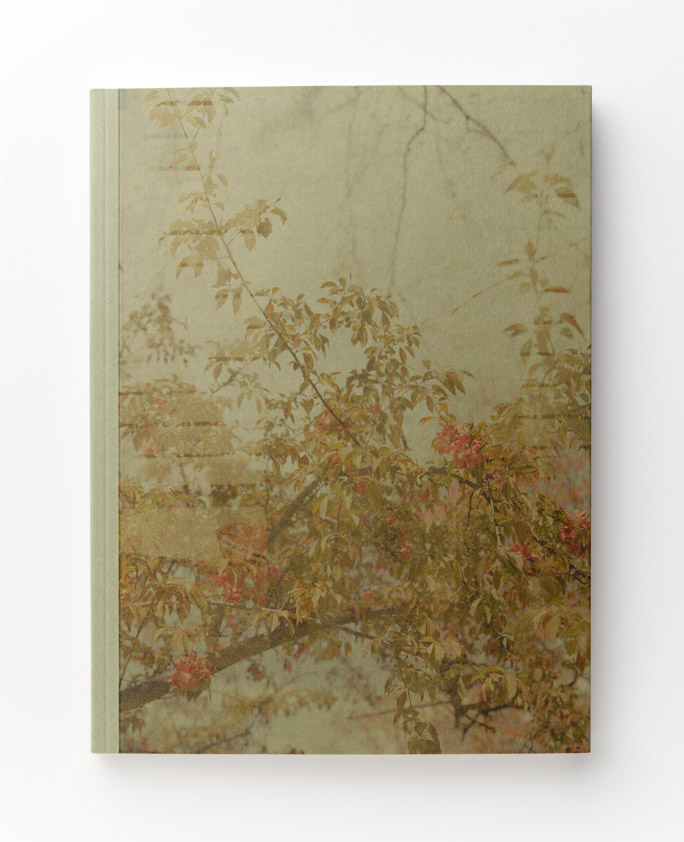
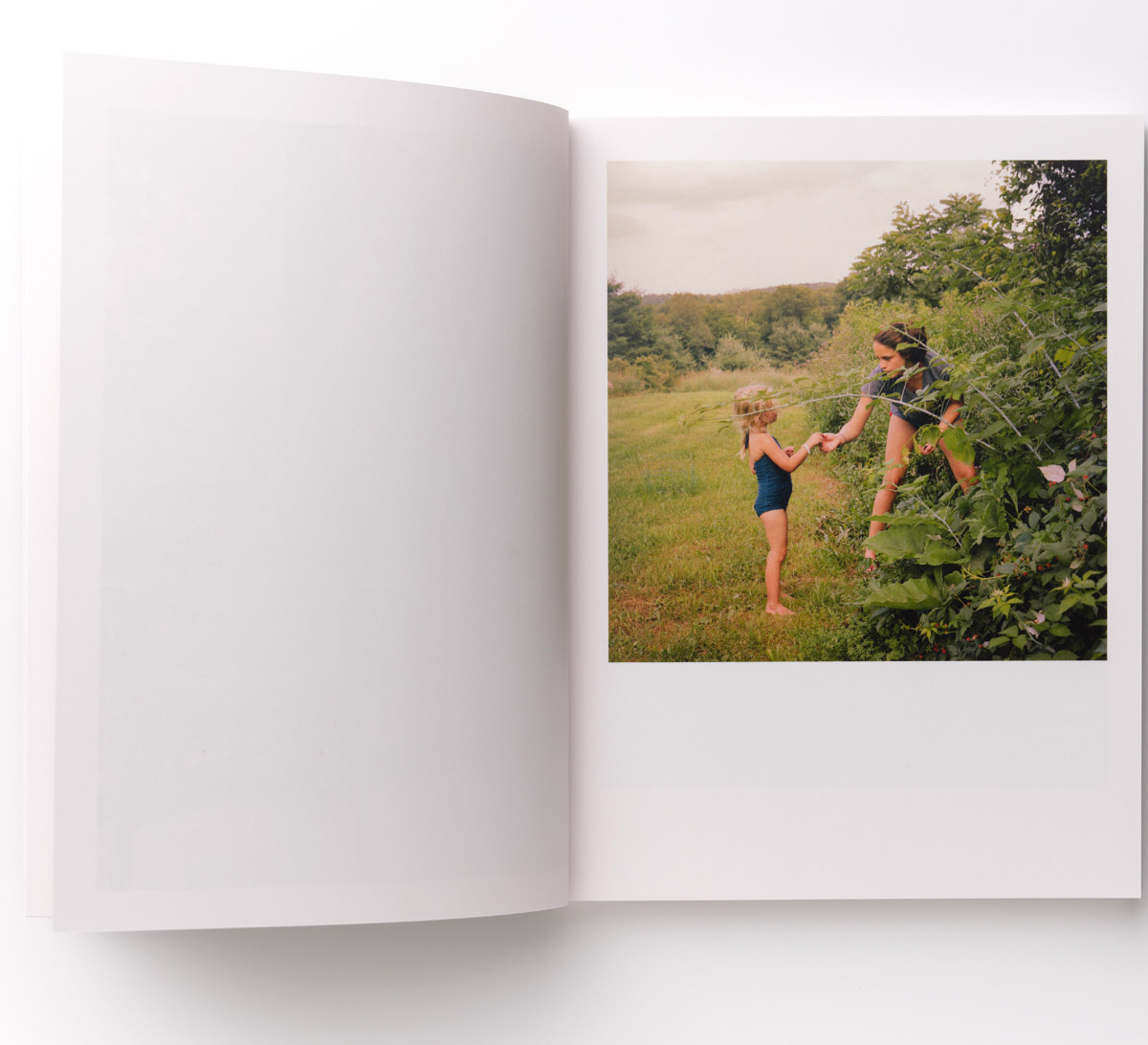
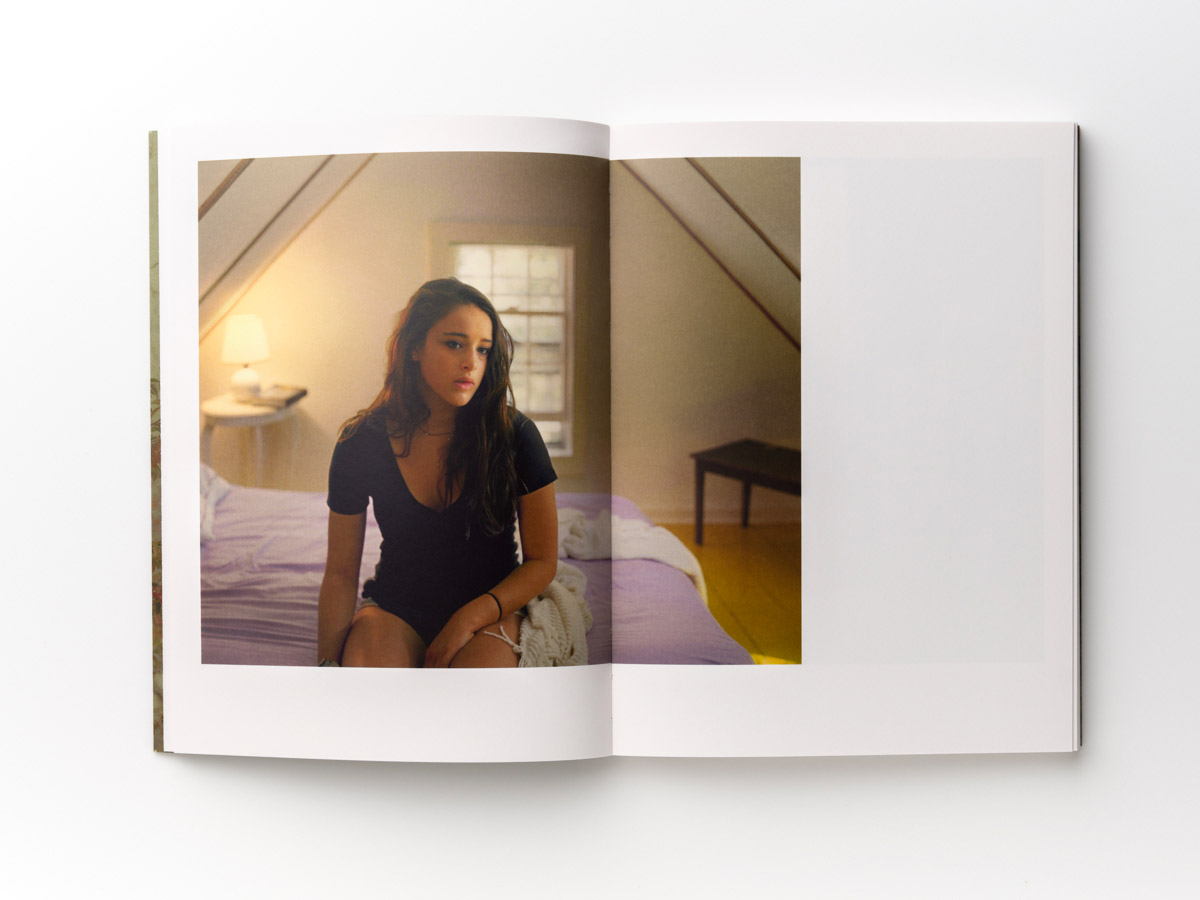
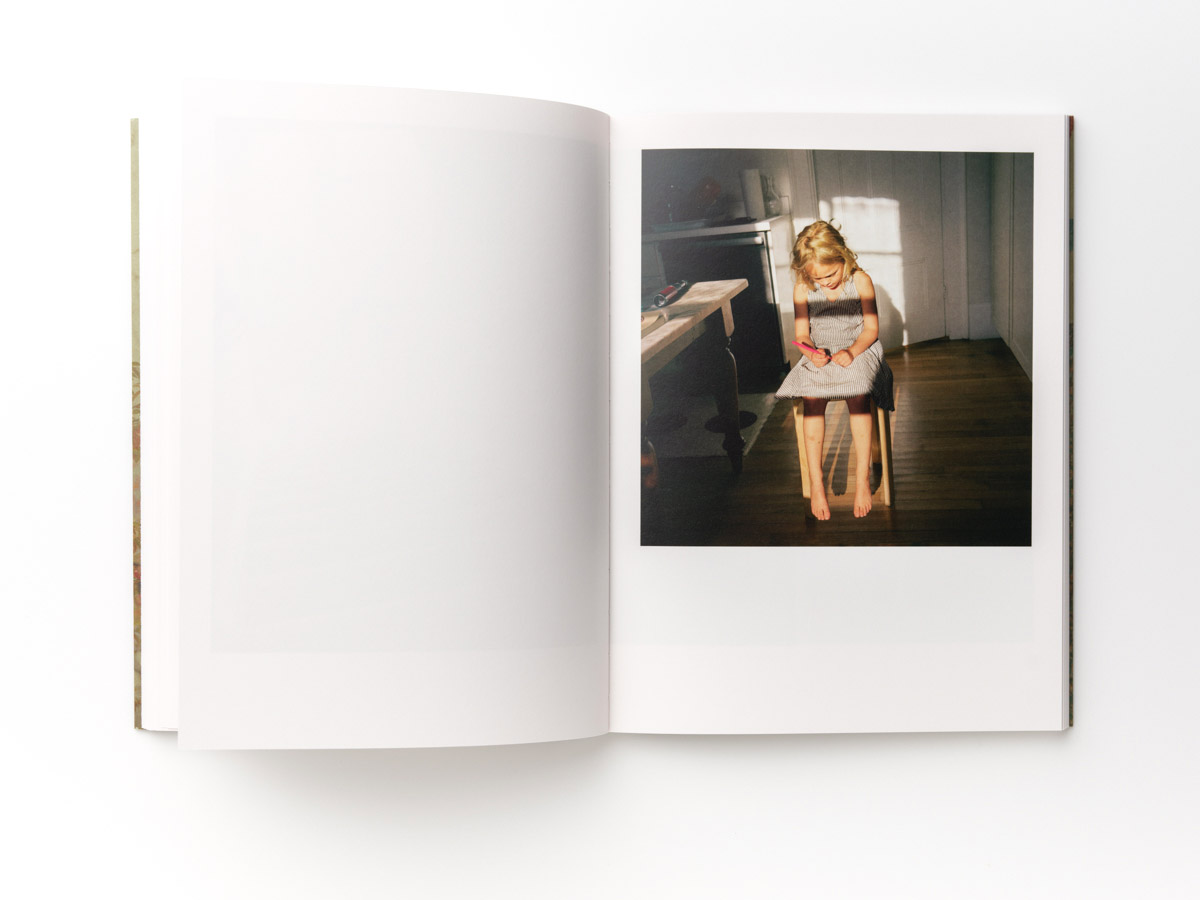
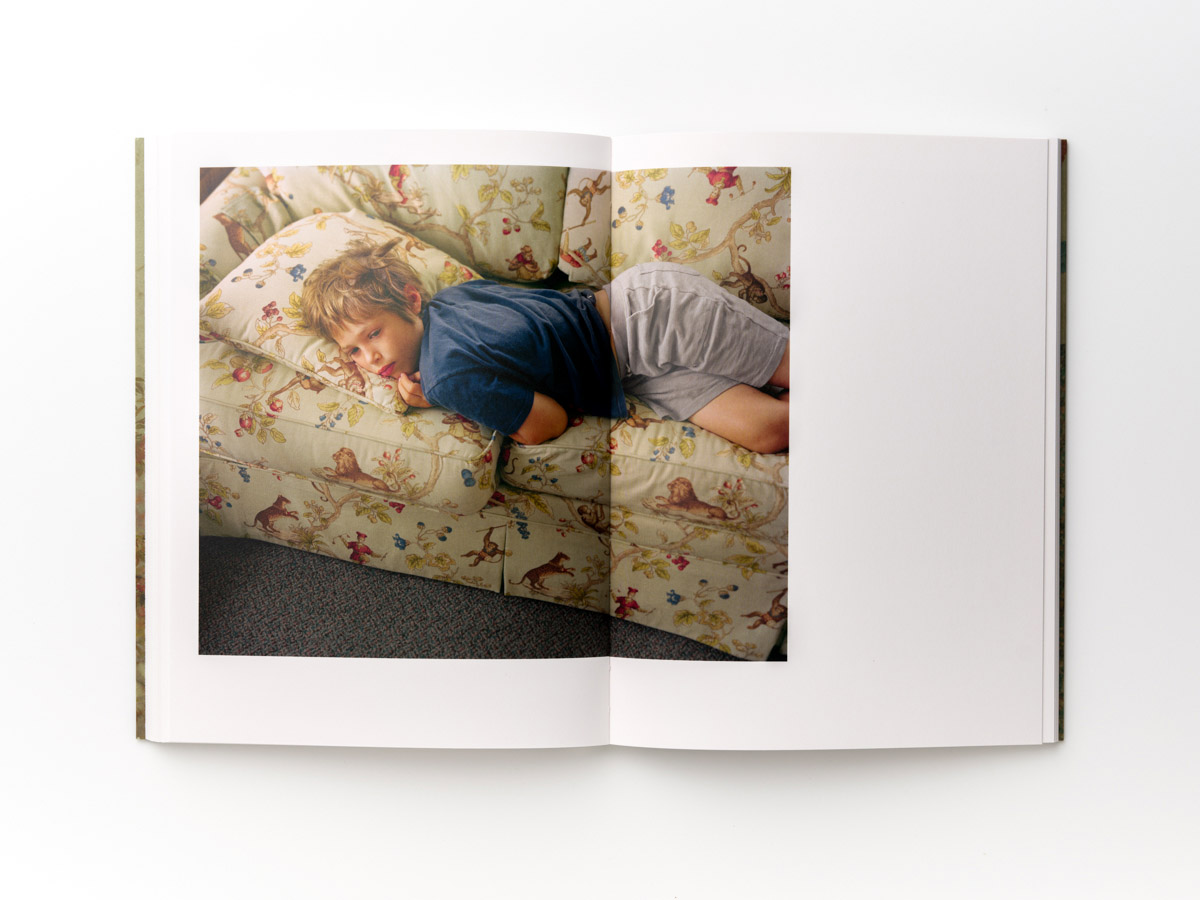
The opening photograph of “April” peers down onto an old house bounded by thick walls of shrubbery. Rissman populates this secluded garden with intimate portraits of people at varying stages of life that appear in non-chronological sequence. They engage their reader in recognizing faces across stages of childhood, adolescence, and adulthood: tenderly synopsizing the visual familiarity built over the years of a relationship into fixed photographic moments.
The perennial springtime of “April” reflects the temporal ambiguity brought about by Rissman’s portraits. Photographs of heaps of verdant green symbolize the change brought by seasonal growth, yet never flinch into the redness of autumn or grey of winter. While the passage of years changes faces, the April sun’s painterly, golden, spotlight abides. Late in the book, Rissman tells the story of taking a nude photograph of an elderly woman:
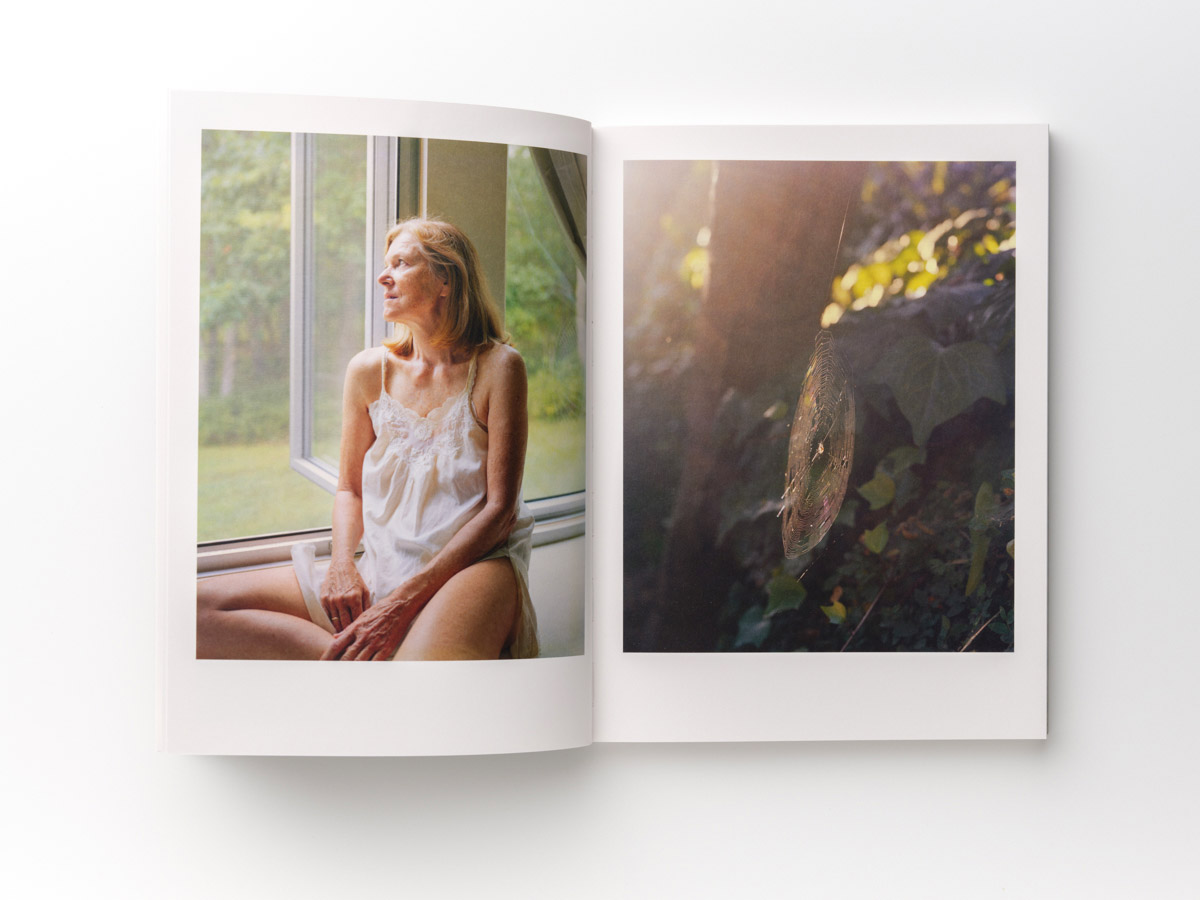
She asks the woman to close her eyes and cross her hands over her chest. The woman’s voice startles her: I know what you’re doing. Even so, she composes herself into an imagined tableau of death, projected onto the ground glass back, upside-down and backward.
This anecdote draws out the tension inherent to the photographic tableau vivant. With all its suggestion of life and movement, the tableau itself always remains immoble, timeless, and deathly. Rissman acknowledges photography as a medium that preserves time, serving as proof of life but also stopping time, freezing a moment by removing it from the flux of human temporality. Taking a photograph is driven both by the urge to preserve life and the urge to forgo time.
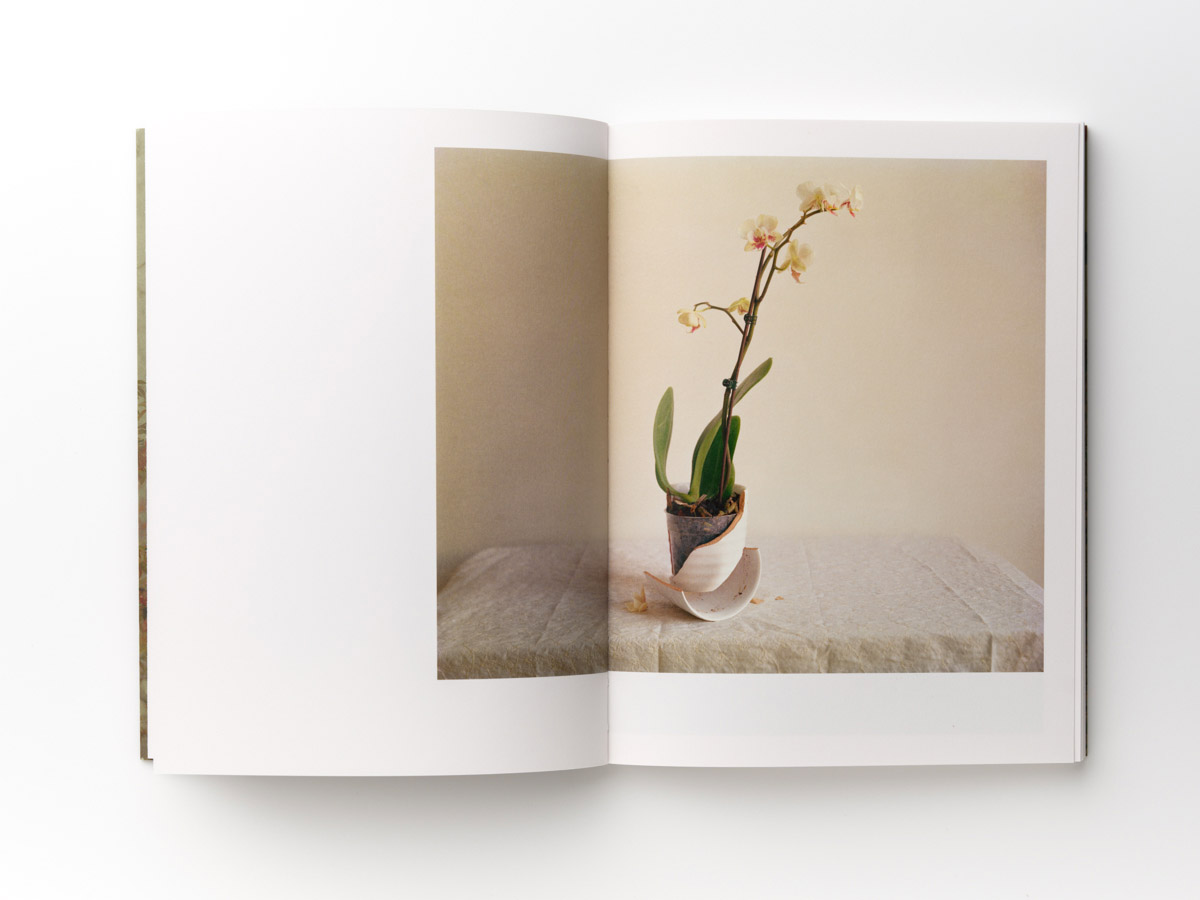
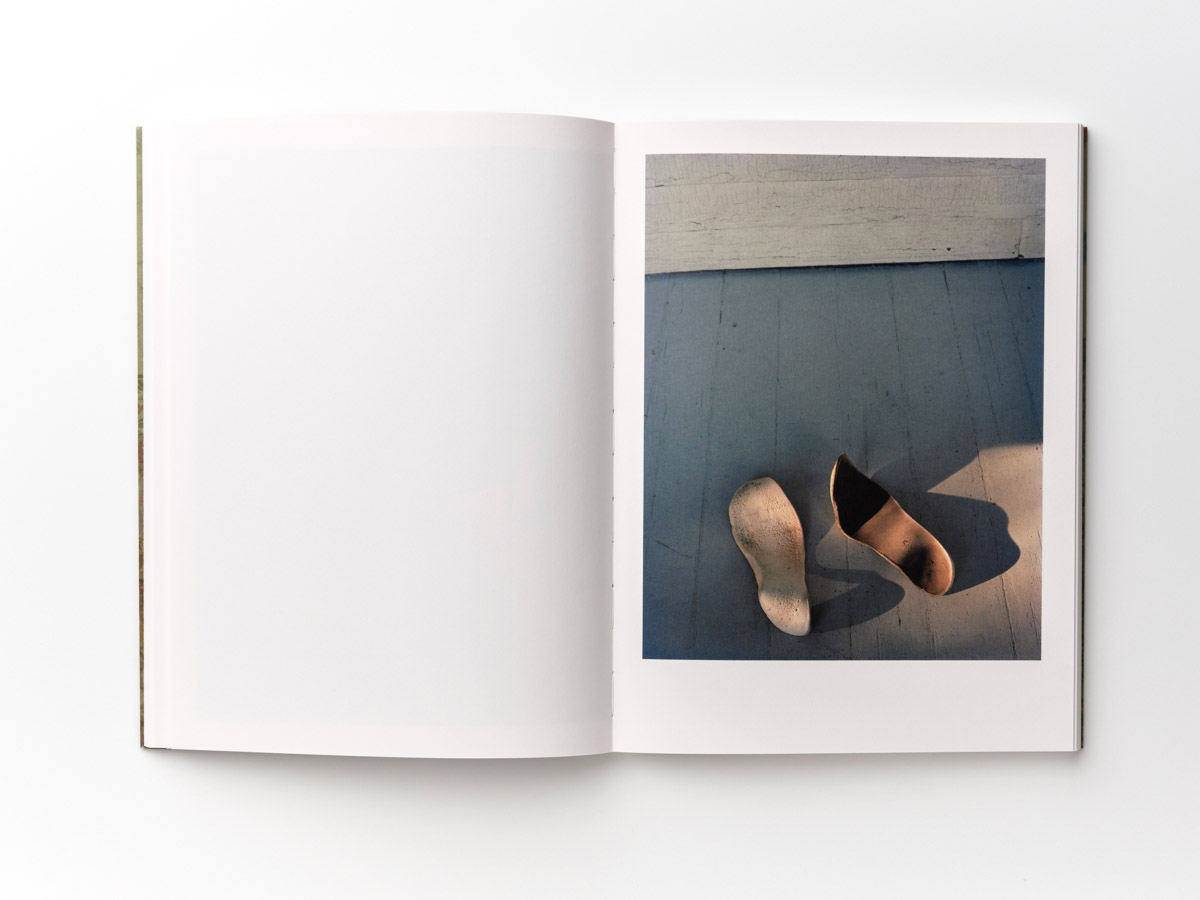
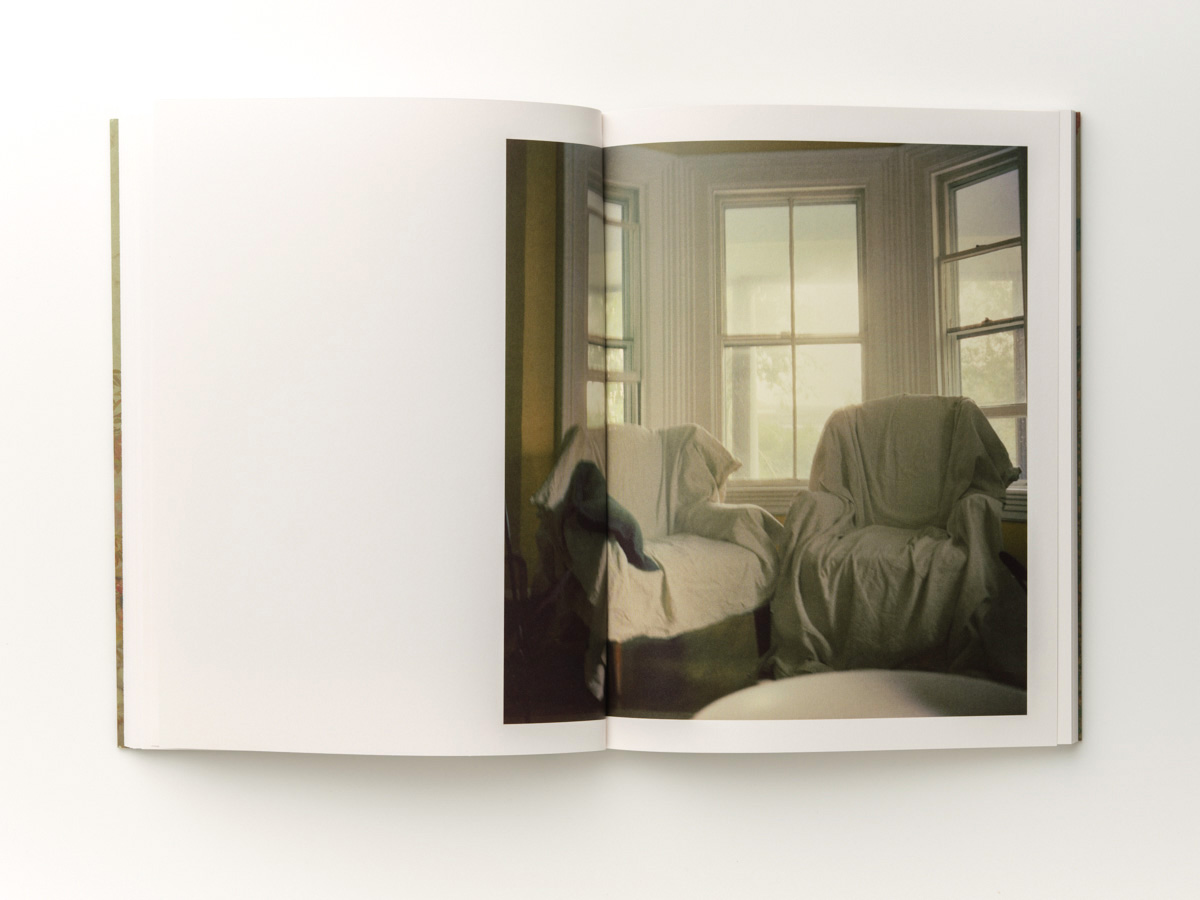
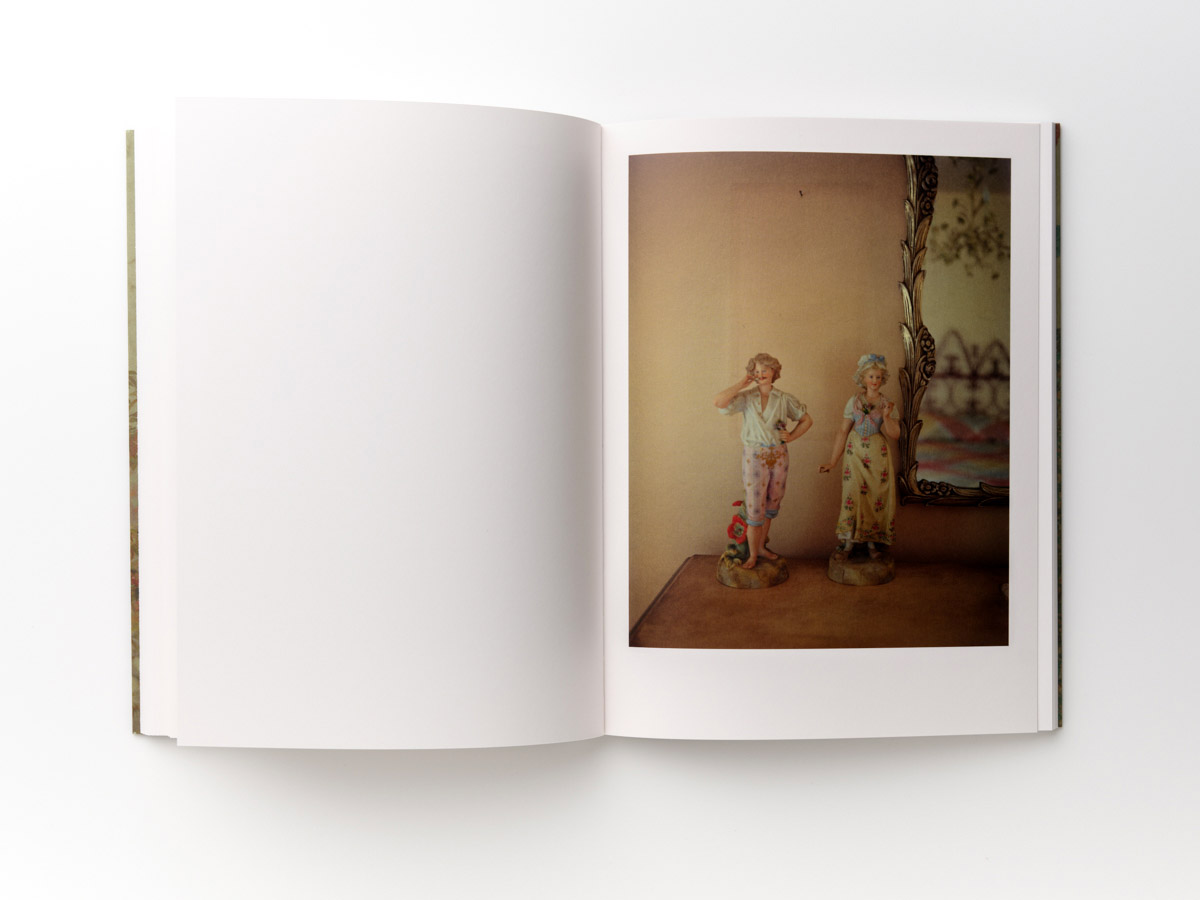
“April” exhibits a self-consciousness of photography as a medium with a paradoxical motion and stillness. Photography allows those dwelling in “April” to live in an interminable springtime. The still-life photographs from around the house enshrine instruments of daily life like artifacts: The blades of a box fan appear tack-sharp, their rattling motion stilled. A broken vase rests motionless, only suggesting the violence of its shattering. Rissman’s recurring still-life photographs of severed lengths of braided hair symbolize long, extended growth suddenly ceased and preserved. A photograph of a photograph of a woman in a small, round, frame self-awarely reiterates the immobility of images. Rissman pairs a still-life of two small porcelain statues with a portrait of two girls outside on facing pages, associating the immobility of the statues with the motionlessness of a photographic portrait. Rissman reminds us that within the word still-life contains a tension between the dynamism of life and the stillness of the photograph.
Rissman’s “April” reinforces the month of April as fraught with symbolism. April represents burgeoning growth, rebirth, and Easter. T.S. Eliot’s era-defining modernist poem “The Wasteland” reinterprets the renewal brought by April as a reminder of the ruthless progression of time:
April is the cruelest month, breeding
Lilacs out of the dead land, mixing
Memory and desire, stirring
Dull roots with spring rain.
Eliot reminds us of the double edged sword of the renewal of springtime. How it brings new life but also removes us from the numbed freeze of winter, reminding us of the pain brought about by the progression of time. Rissman’s photographs dwell in this contradiction between the desire to move and the desire to remove oneself from time.
Henry Kallerud is a writer and photographer based in Portland, Oregon.
__________
Ilisa Katz Rissman – April
Photographer: Ilisa Katz Rissman
Publisher: Red Hook Editions, Brooklyn, New York; 2026
OTA bound with soft cover and double gate folds, 160 pages; 20.5 x 27.5cm; ISBN: 978-1-7376814-9-6
Designer: Alexander Paterson-Jones
__________

Articles and photographs published in the PhotoBook Journal may not be reproduced without the permission of the PhotoBook Journal staff and the photographer(s). All images, texts, and designs are copyright of the authors and publishers.


Leave a Reply