Review by Brian Arnold ·
“[Dabac] didn’t need explanations for motives he shot; he was moved by their weight alone and he responded with deep compassion.”
Ješa Denegri
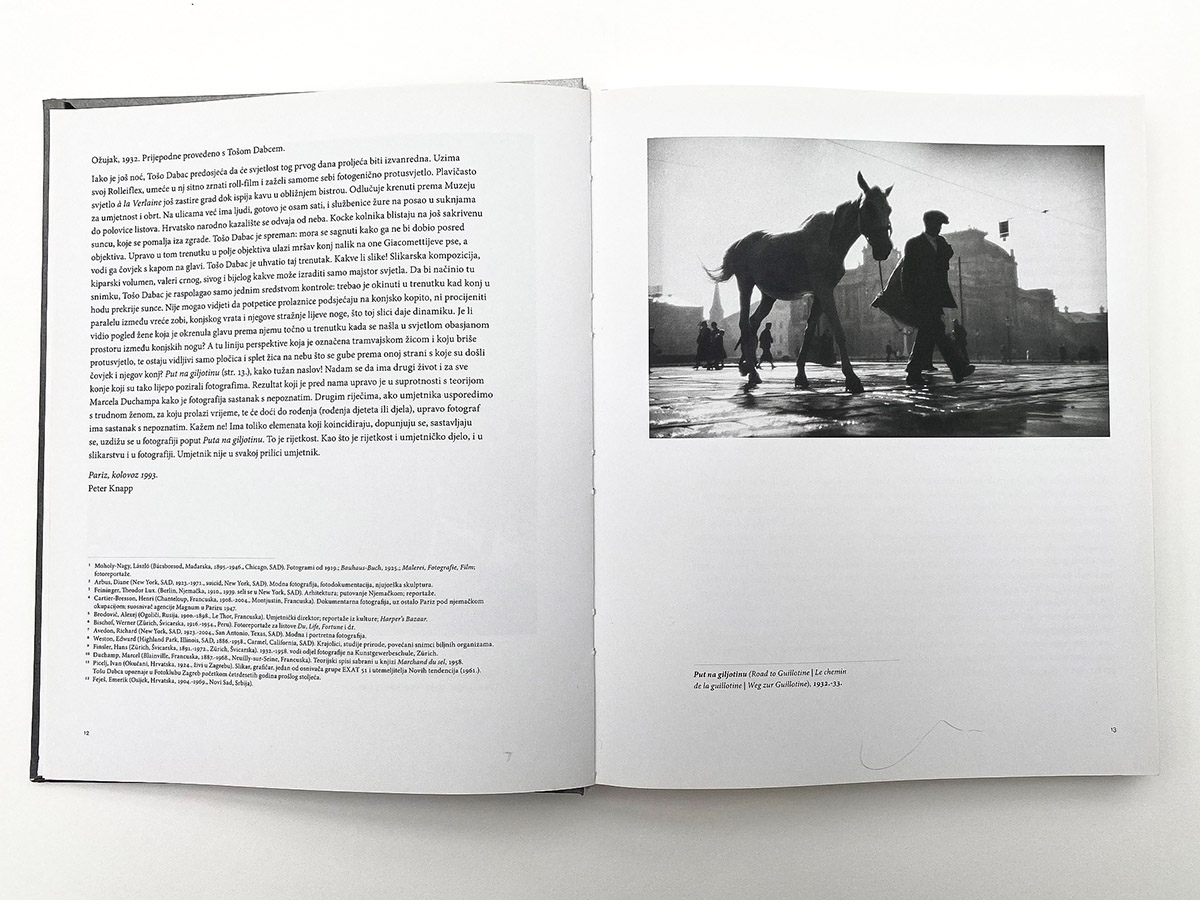
The horse is clearly emaciated, its dark silhouette ghostly as it is pulled across the streets of Zagreb; its skeletal figure is both poetic and menacing. The street is made of cobblestones, wet from a recent rain with a muted sun shining on the surface. Trolley tracks cut an angle at the front of the frame, breaking the pattern of the stones. A man leads the horse gingerly across the street, guiding it with a slack rope; the city a haze behind them both. It is hard to make out much of the buildings behind the two, but electrical wires clearly hang above them and the spire of a stately building recedes along the horizon. The man himself looks thin, his situation equally as perilous as the horse. The photographer opted for a low perspective, down on his knees and looking slightly up. There are several people walking in the background, all of them appearing just below the horse’s belly. The title of the photograph confirms that this is not an easy stroll through the city streets, Put na giljotinu (Road to Guillotine), 1932-1933.
The photographer, Tošo Dabac, is considered a pioneer or Croatian photography. He worked prolifically between the 1930s – 1960s. His archives contain about 200,000 negatives that collectively provide rich insight into Croat and Slavic culture. Throughout his career, Dabac made compelling street scenes, romantic architectural vistas, documents of Slavic folk dance, and a study of a curious gnostic sect that took root in Bosnia, the Bogamils. In 1933, famed designer Alexey Brodovitch included Dabac’s photographs in the Second International Salon of Photography in Philadelphia, alongside pictures by Henri Cartier-Bresson, László Moholy-Nagy, Man Ray, and Bernice Abbot. Dabac was awarded several international prizes and publications, and in 1951 was elected as an honorary member of FIAP (International Federation of Photographic Art). Many recognize his street photography from Zagreb in the 1930s as his most important, the voice of a young artist hungry to explore his medium.
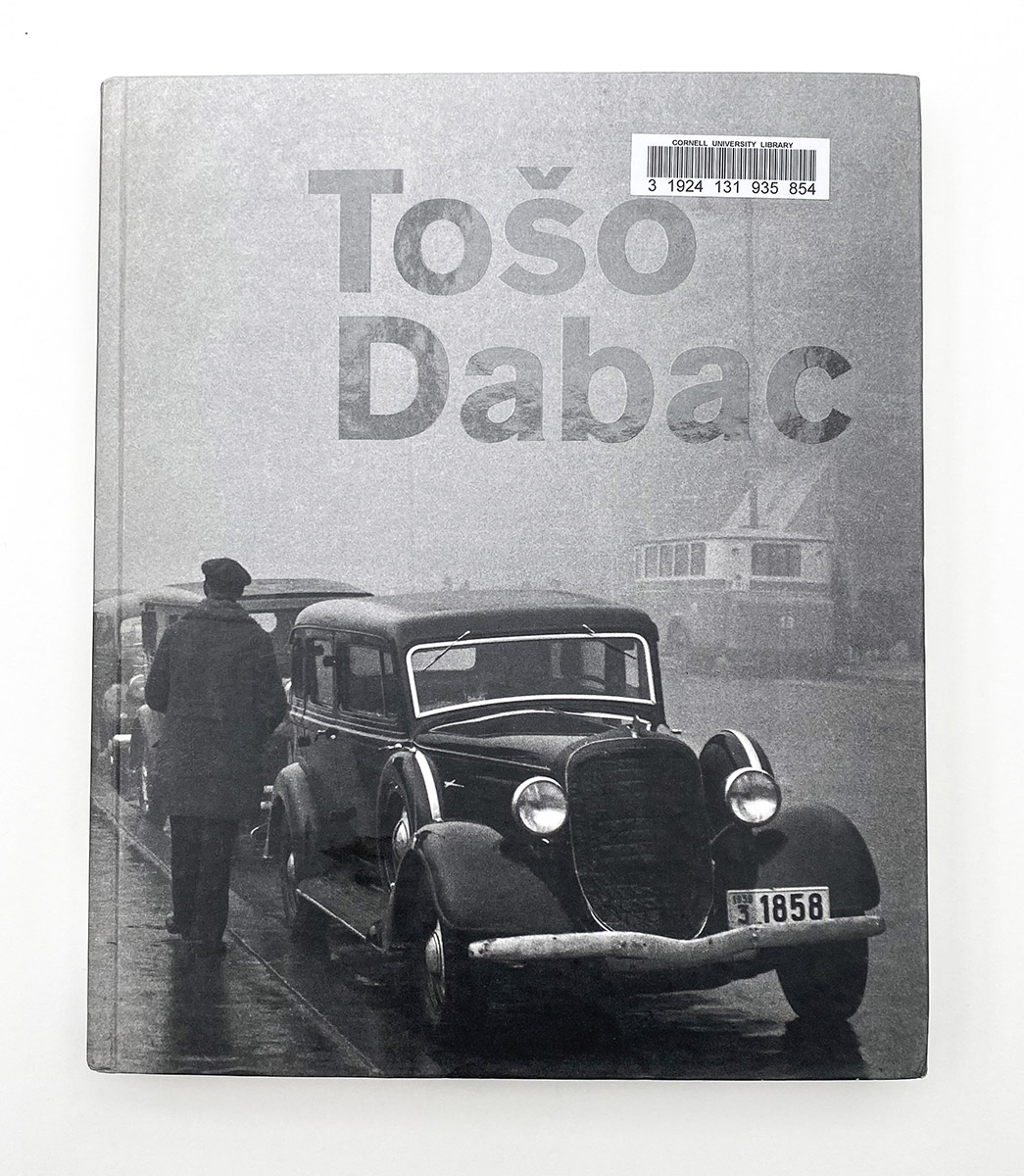
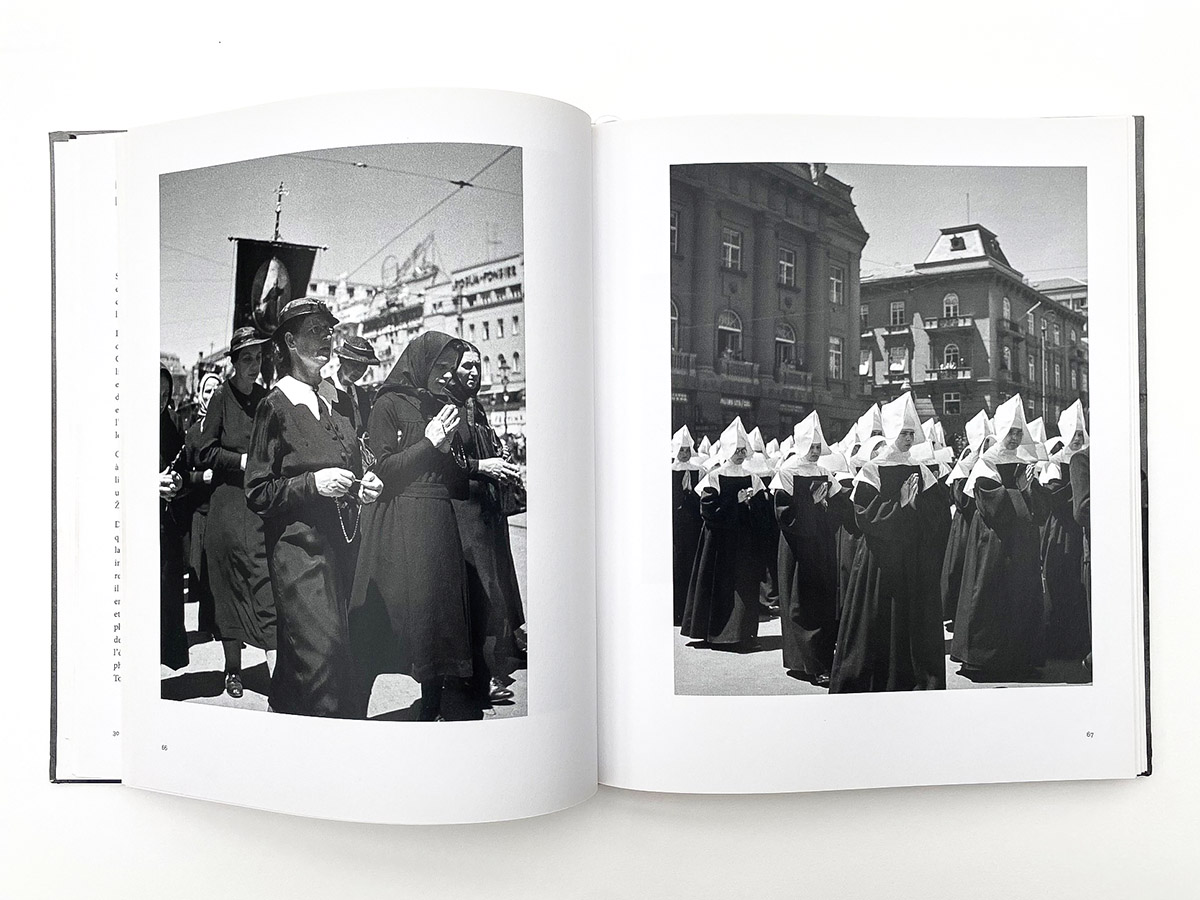
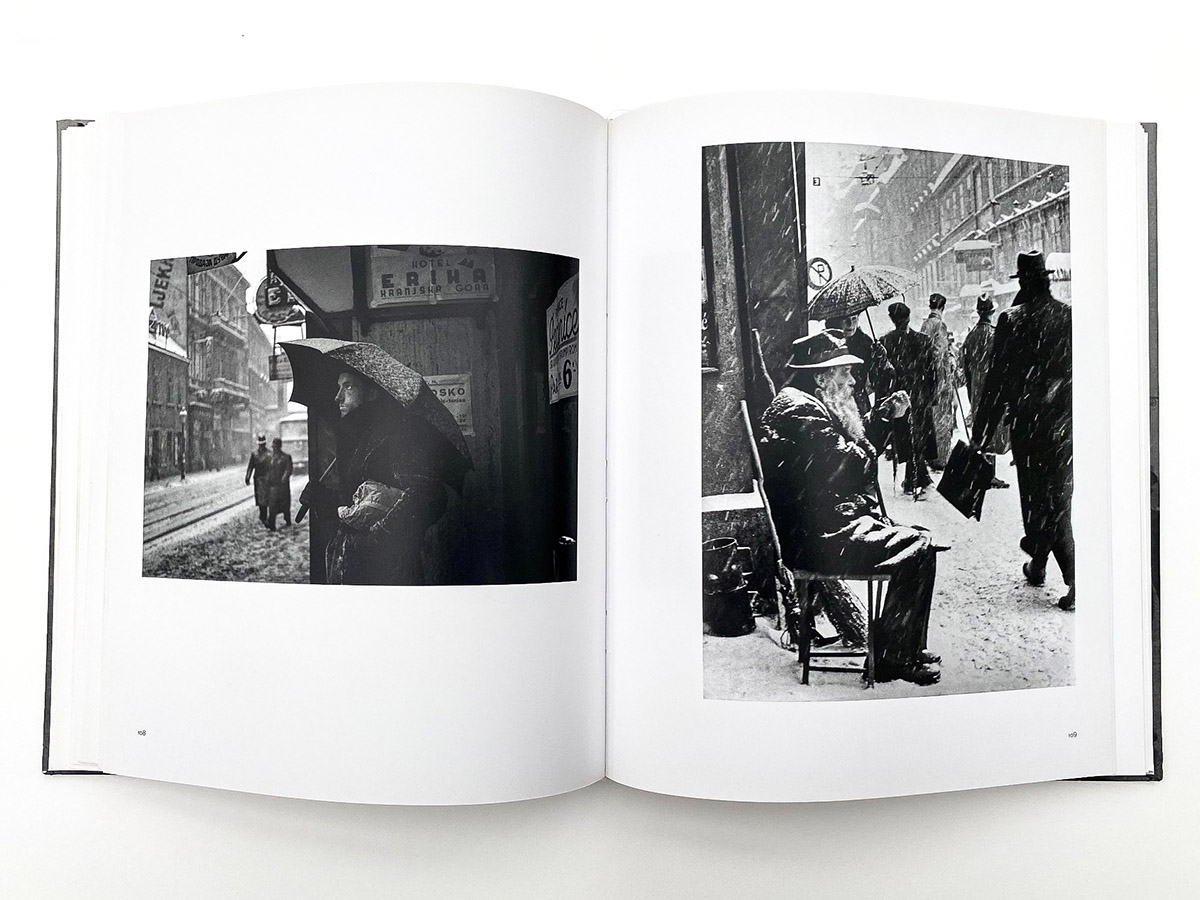
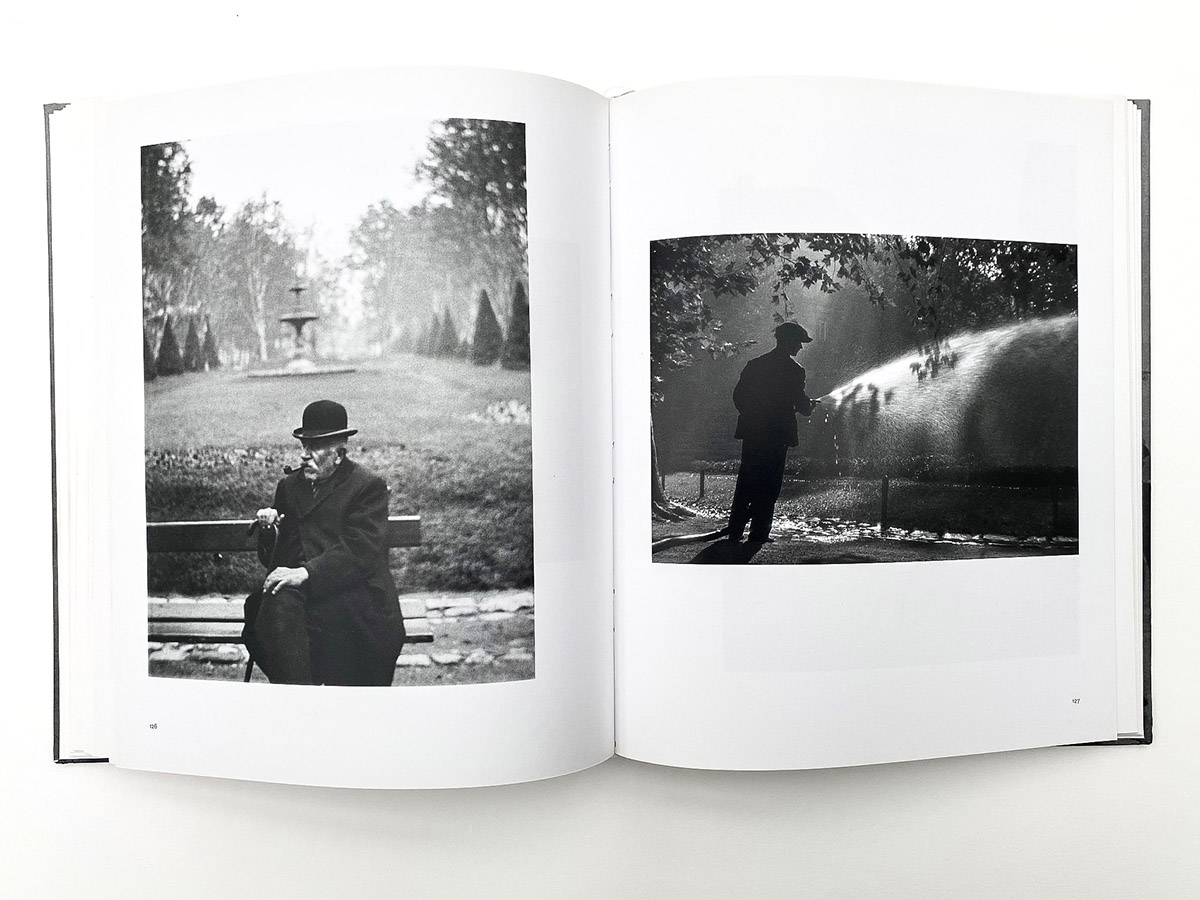
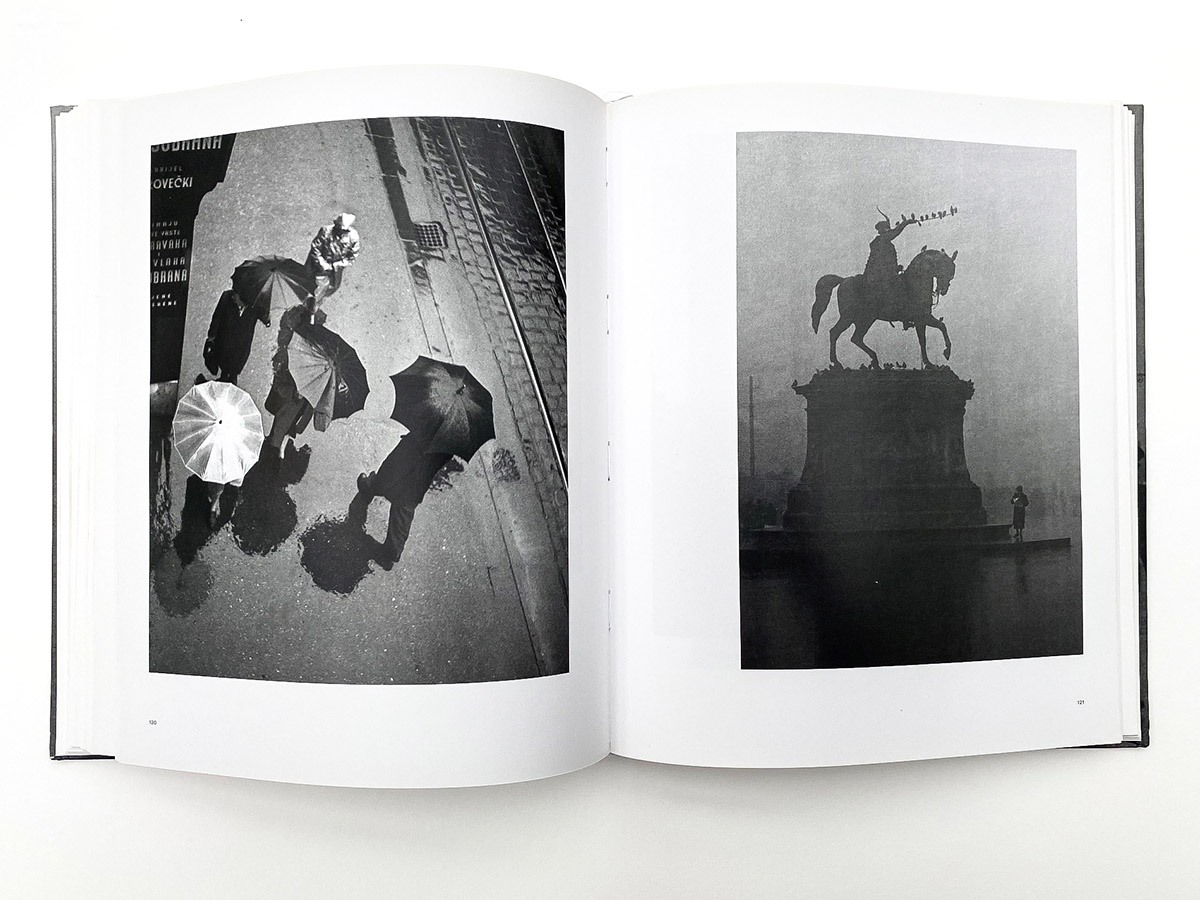
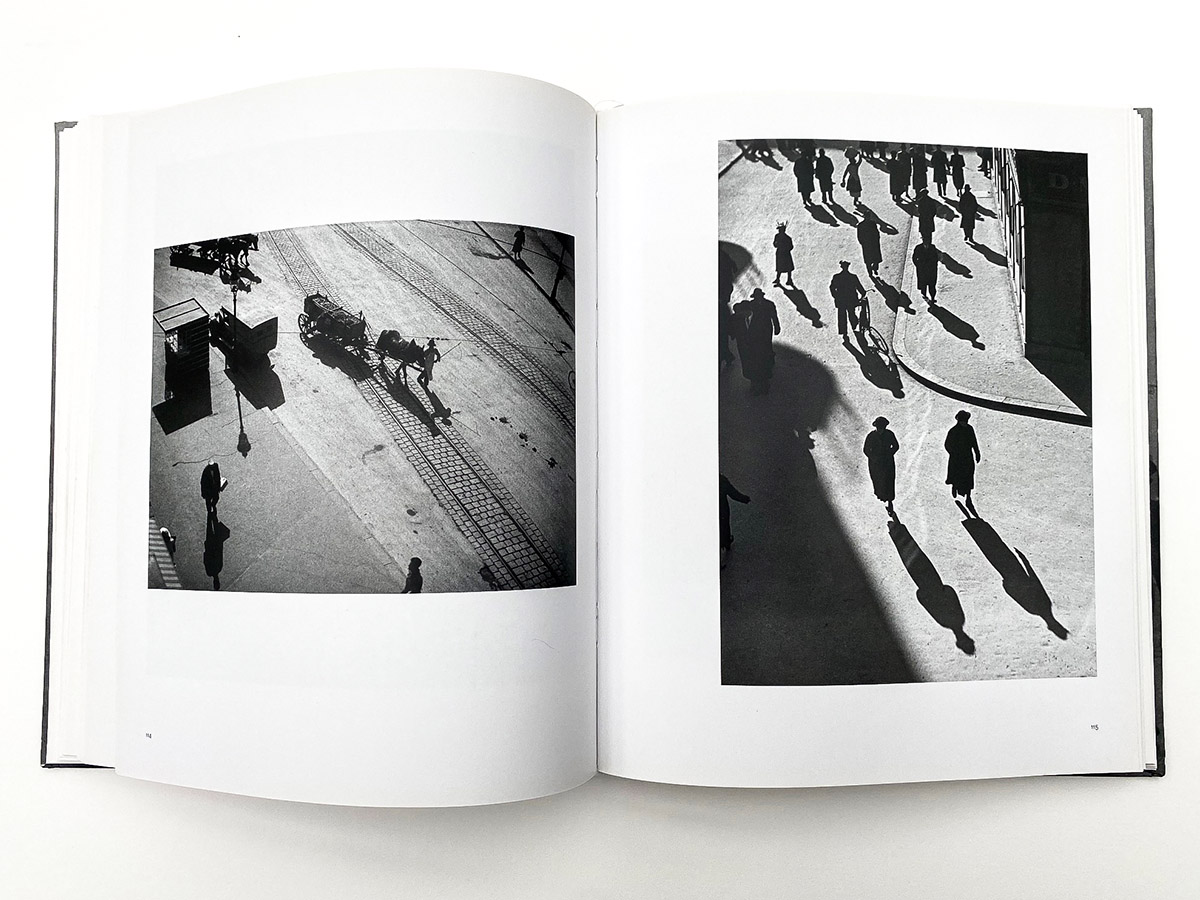
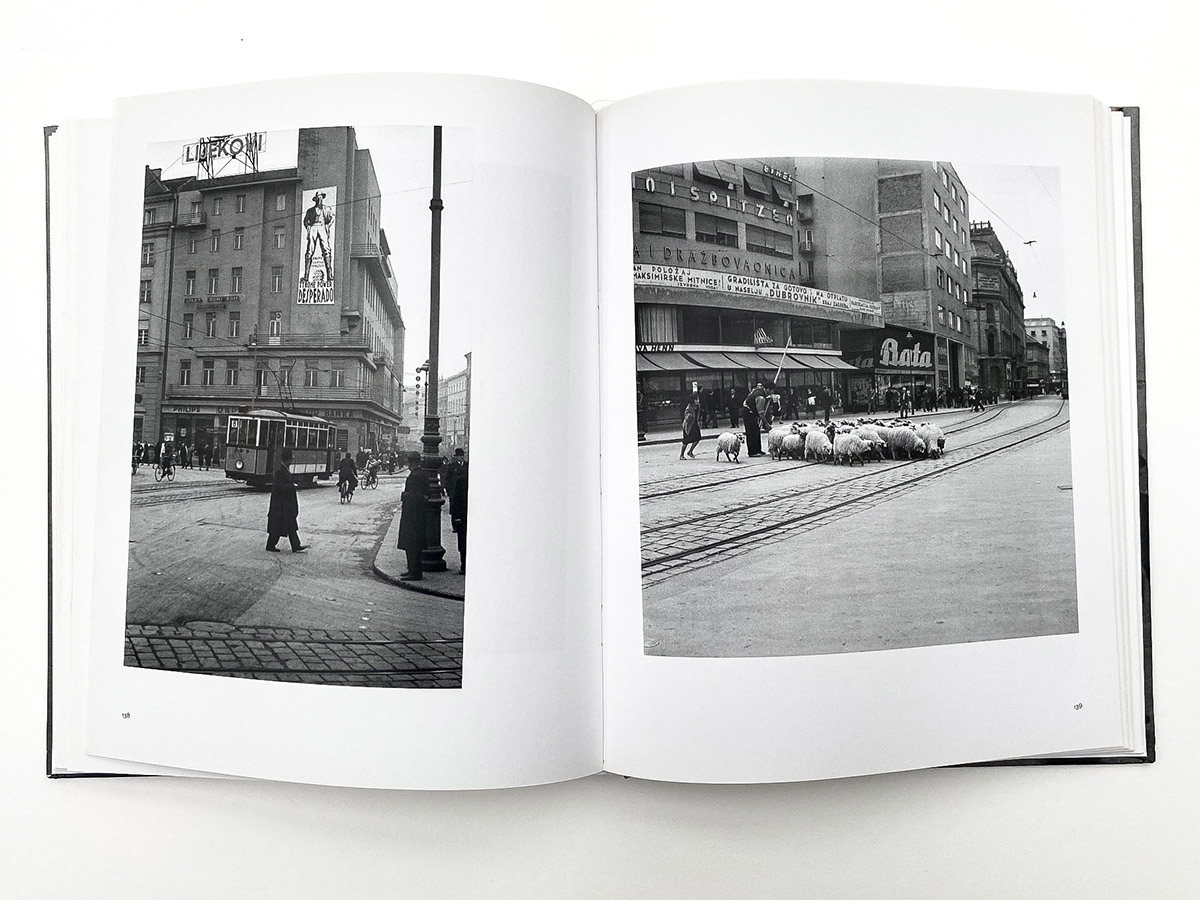
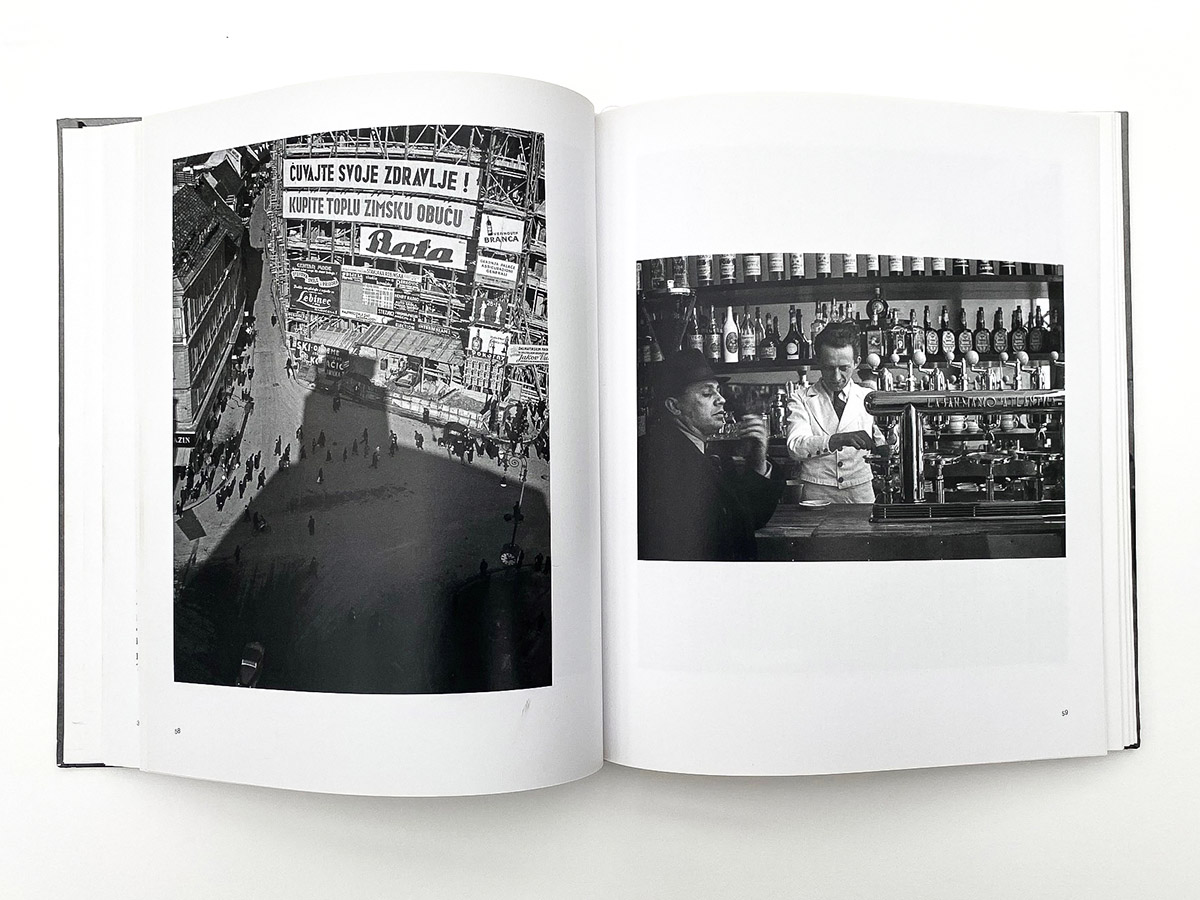
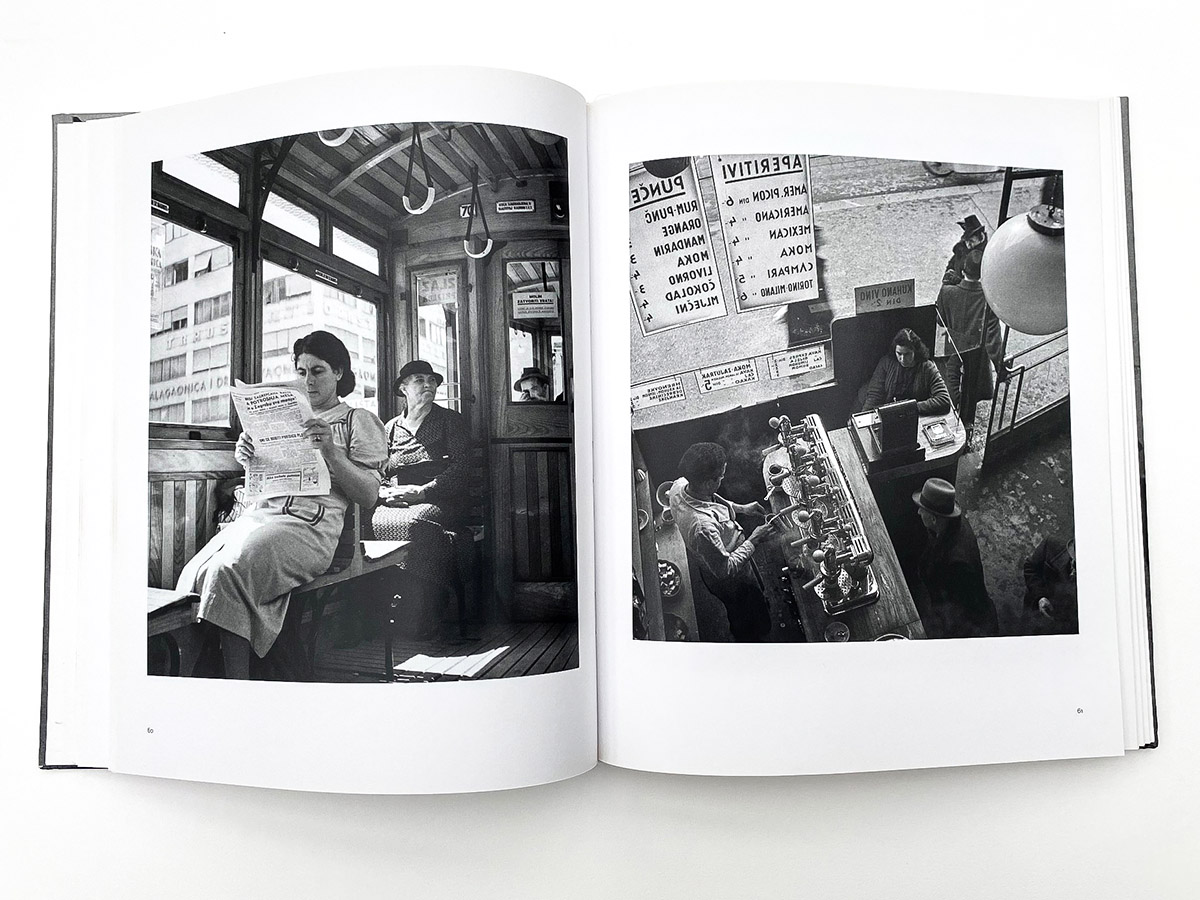
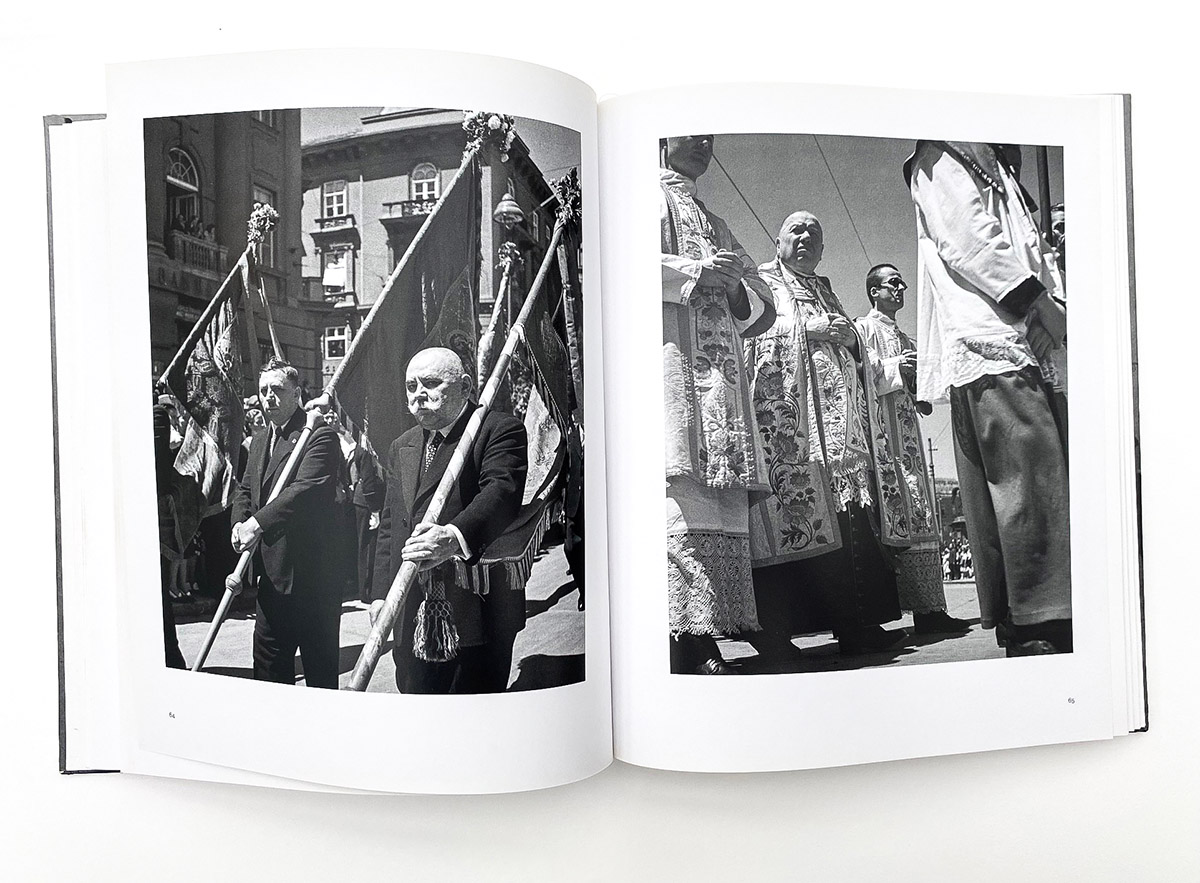
There are many more rich and compelling photographs in Tošo Dabac in the Thirties,a 1994 publication by the Museum of Contemporary Art in Zagreb. On the city’s streets, Dabac photographed the everyday, and in doing so witnessed many layers of his time and place – Catholic processionals, urban poverty, automobiles and electric trolleys, a budding bourgeoisie, and foundational architecture all represent Zagreb in transition. The book is beautifully illustrated with high-quality, warm-tone prints derived from clear, thoughtfully composed photographs. The accompanying essay by photographer Peter Knapp is shared in four languages – German, French, English, and Croatian – ensuring the book will help mark Dabac’s place in European photography. Knapp provides basic insight into the life and career of Dabac, one defined by a relentless pursuit with a camera.
Road to Guillotine is an iconic image for Dabac; a poetic portrayal of deep struggle. In the 1930s, Zagreb was part of the newly christened Yugoslavia, a region hard hit by the global depression and soon to face a reckoning with Hitler. Road to Guillotine is the perfect expression of its time – perhaps comparable to Cartier-Bresson’s 1932 photograph of the jumping man or Dorothea Lange’s Migrant Mother. In Dabac’s photo, I often imagine the man leading his horse to slaughter as a last-ditch effort to feed his family, but perhaps there is a feeling for something more, as if he understood the photograph was foreshadowing that the worst was still to come. The picture shows a man at a crossroads, both literally and metaphorically; in a decisive moment, he perfectly portrayed Yugoslavia, a nation still grounded in the old agricultural economy and falling behind in the industrial age, the German death machine on the horizon.
Brian Arnold is a writer, photographer, and translator based in Ithaca, NY.
____________
Marina Benažić, Daniela Bilpavlović Bedenik (ed.): Tošo Dabac: Zagreb in the 1930s
Photographer: Tošo Dabac
Publisher: Muzej suvremene umjetnosti Zagreb, 1994
Contributor: Peter Knapp
Perfect bound hardcover; 26 x 22 cm (10 x 8.5 in); 193 pages; Croatian, English, French, German; ISBN: 978-953-7615-05-5
____________
Articles and photographs published in the PhotoBook Journal may not be reproduced without the permission of the PhotoBook Journal staff and the photographer(s). All images, texts, and designs are under copyright by the authors and publishers.


Leave a Reply