Review by Hans Hickerson ·
Sometimes it takes time to figure out a photobook.
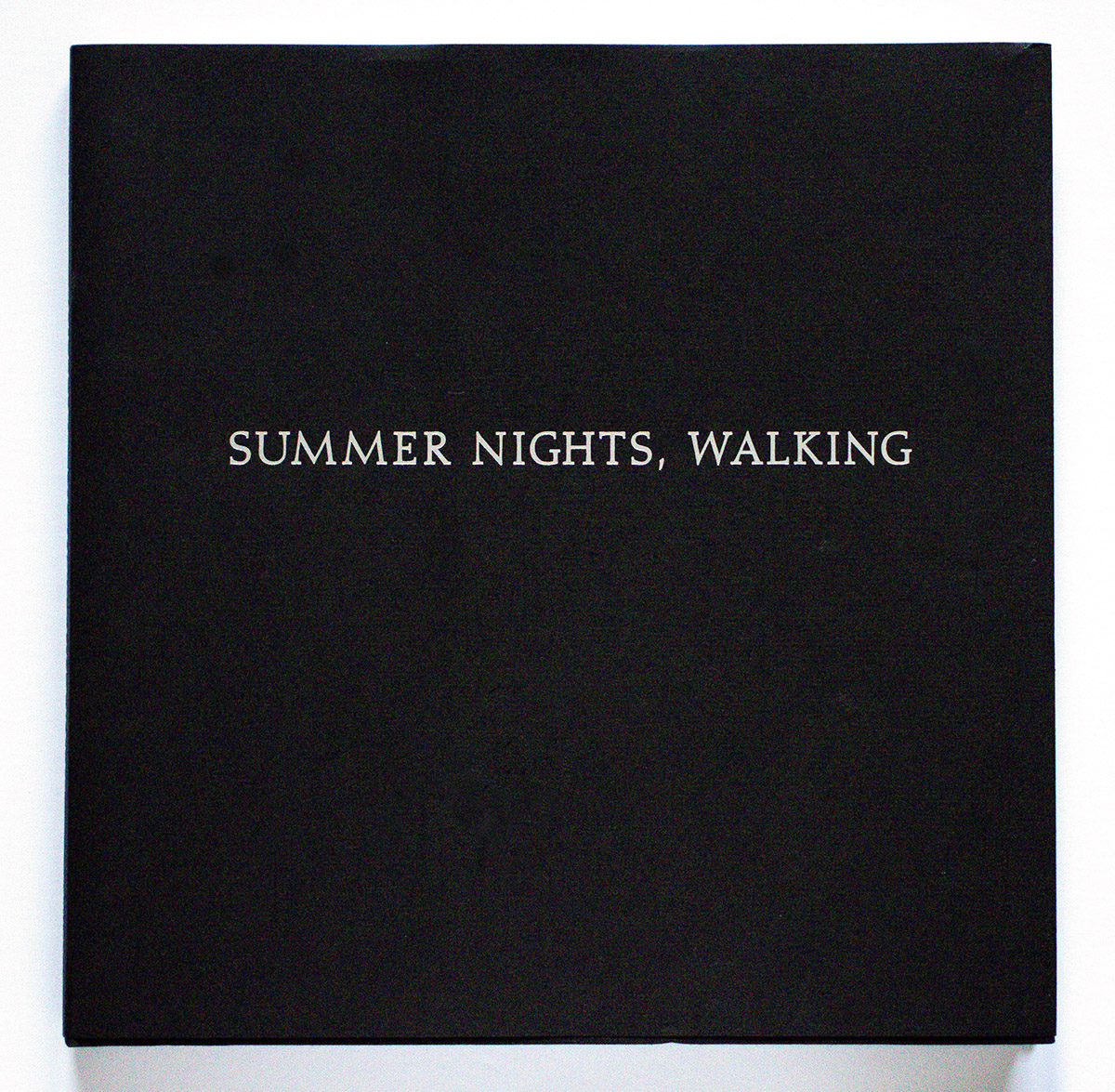
Robert Adams’ 1985 Summer Nights is one of my all-time favorite books, and a year ago I was eager to see what he had done with his 2023 version, Summer Nights, Walking. But I was so disappointed that I almost couldn’t look. Gone was the tightly wound sequence, the precise clean tones, the crisp contrast, the bold blacks, the intimate scale. Where did the book I loved go? This new book was just a watered-down version of the original. What a bummer.
I opened Summer Nights, Walking again at random last week and changed my mind, maybe because I no longer had any expectations. This time something clicked and the book worked for me as its own thing. It’s like when a favorite singer or musical group re-records their work, and you are so used to the original version that you feel like the new version is somehow wrong. Intellectually you know that artists are in charge and need to be able to evolve, but in your gut you still can’t seem to accept the change.
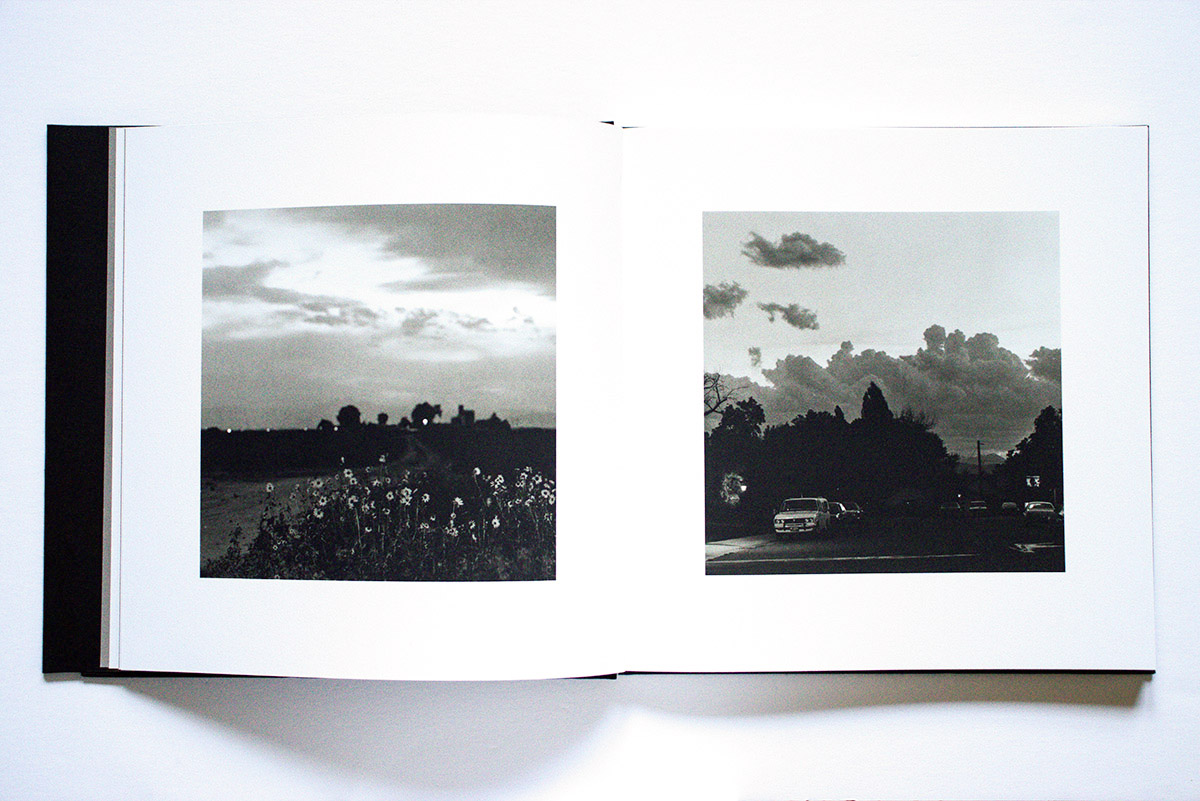
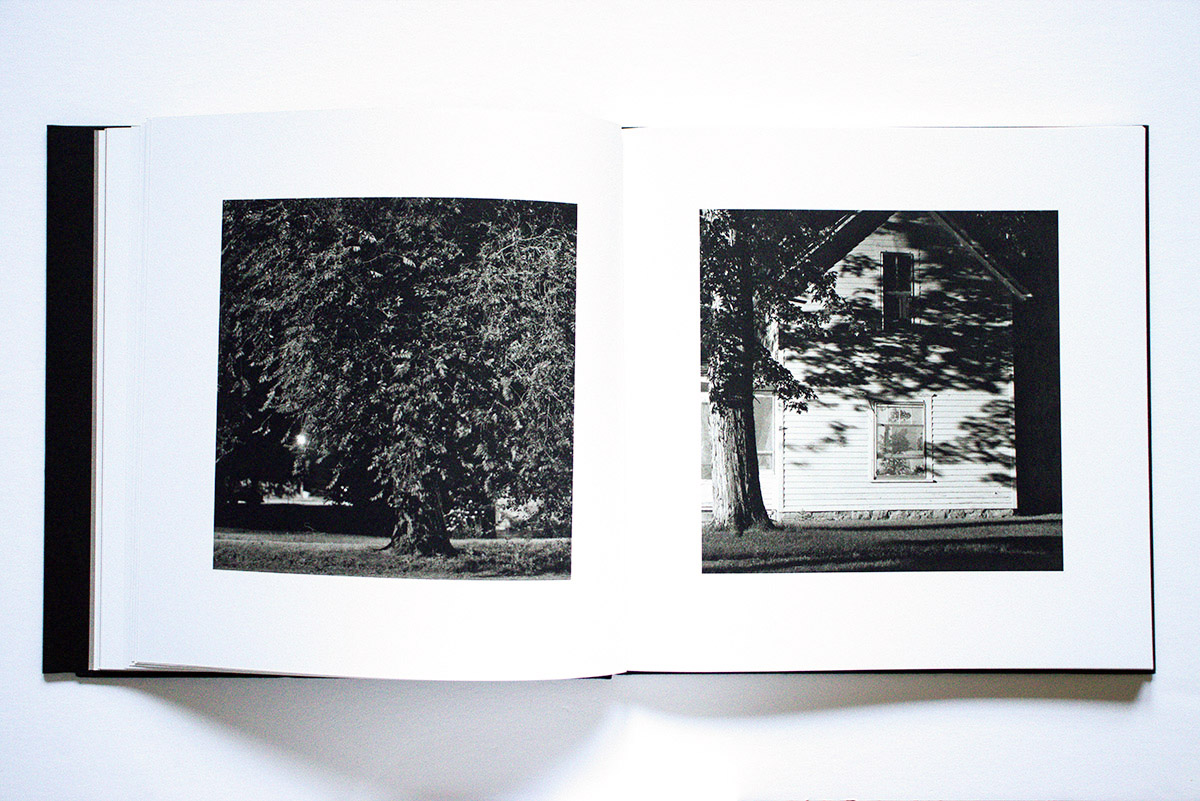
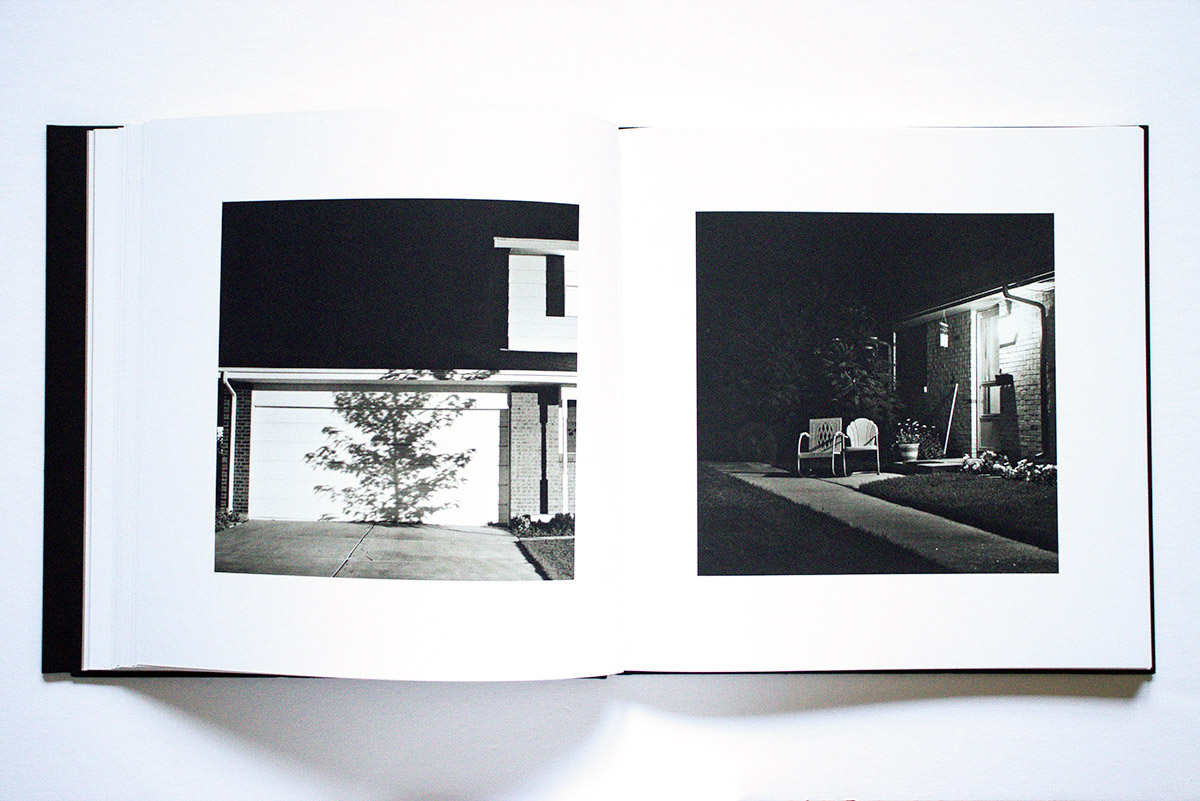
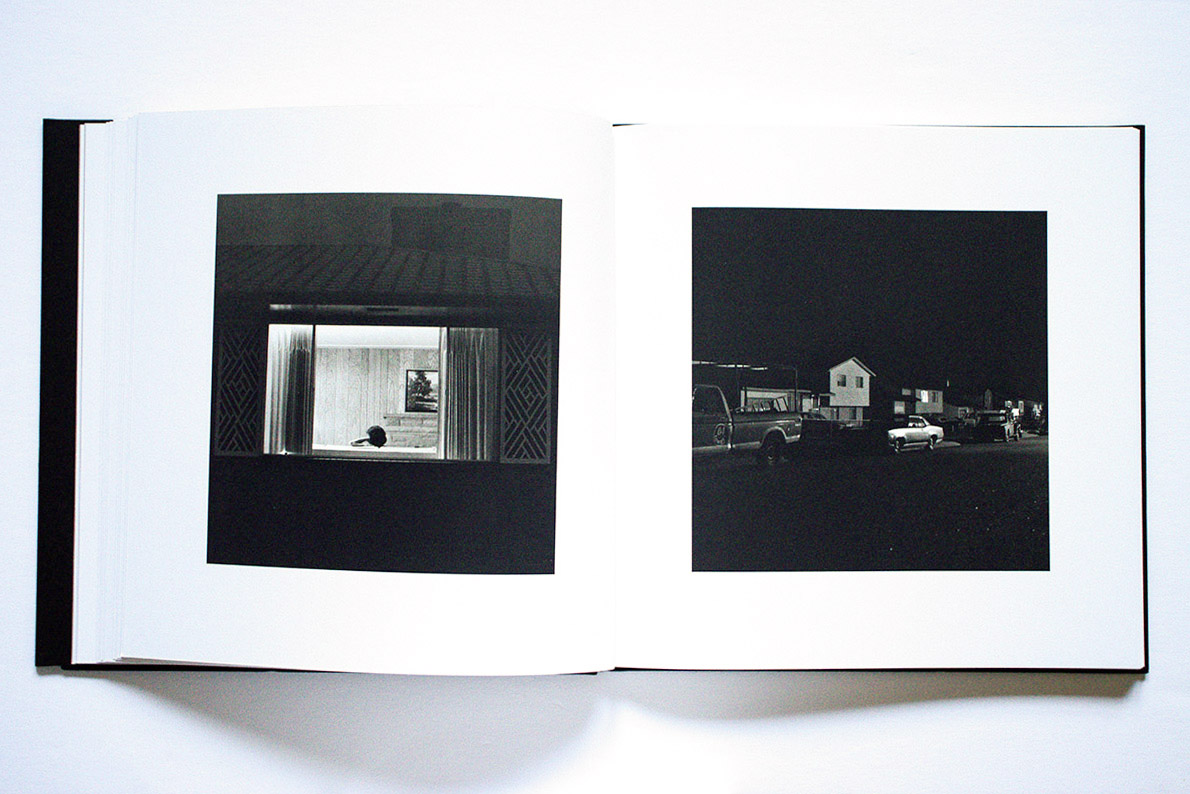
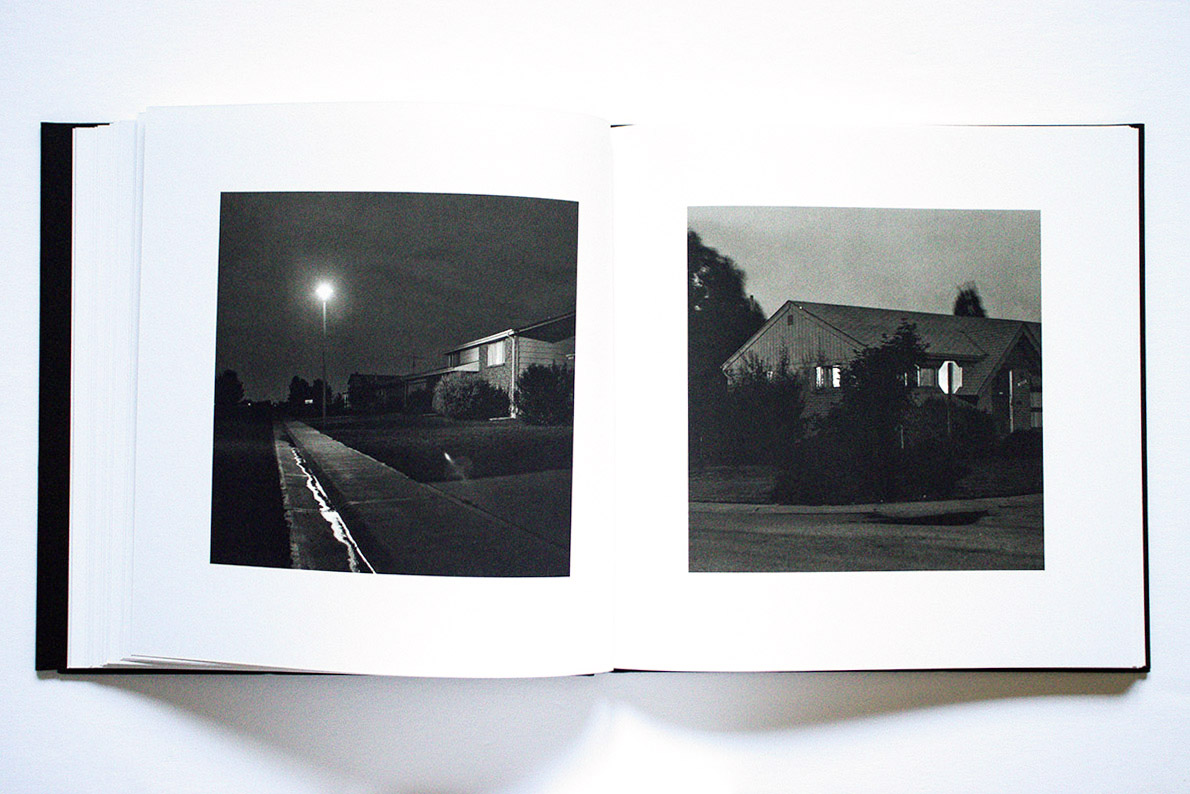
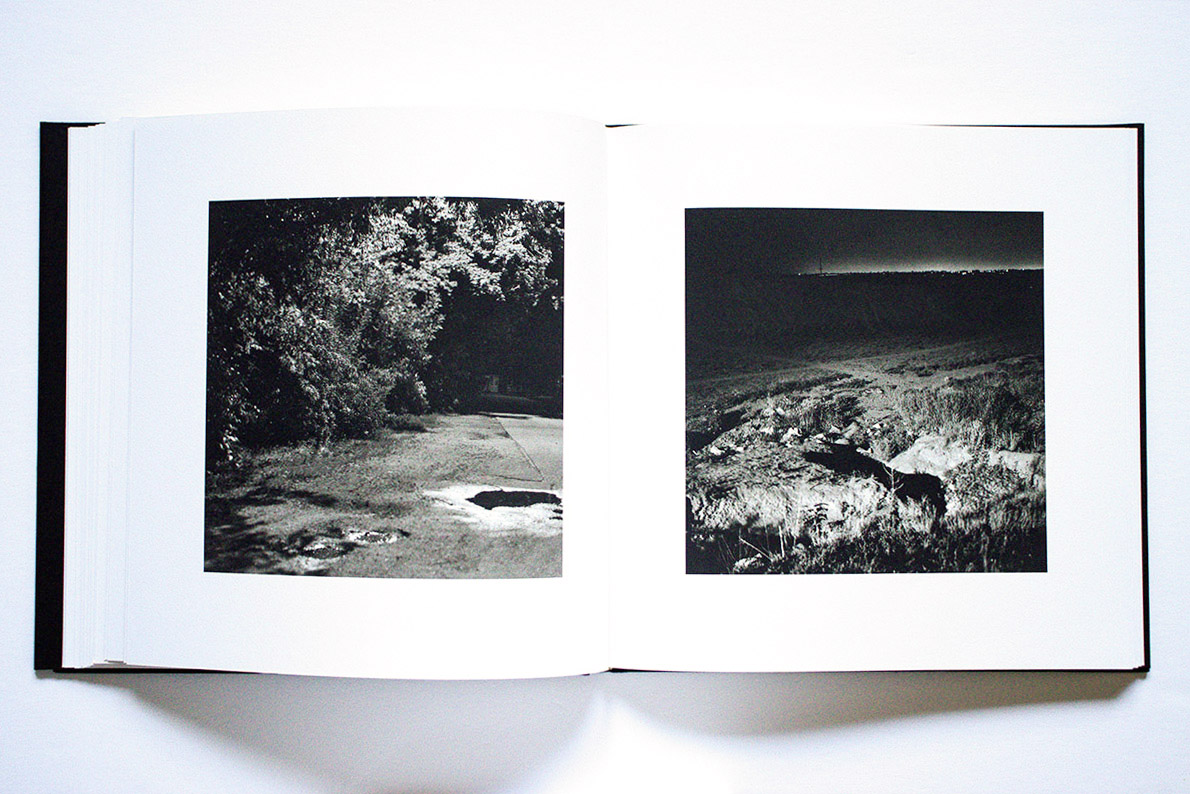
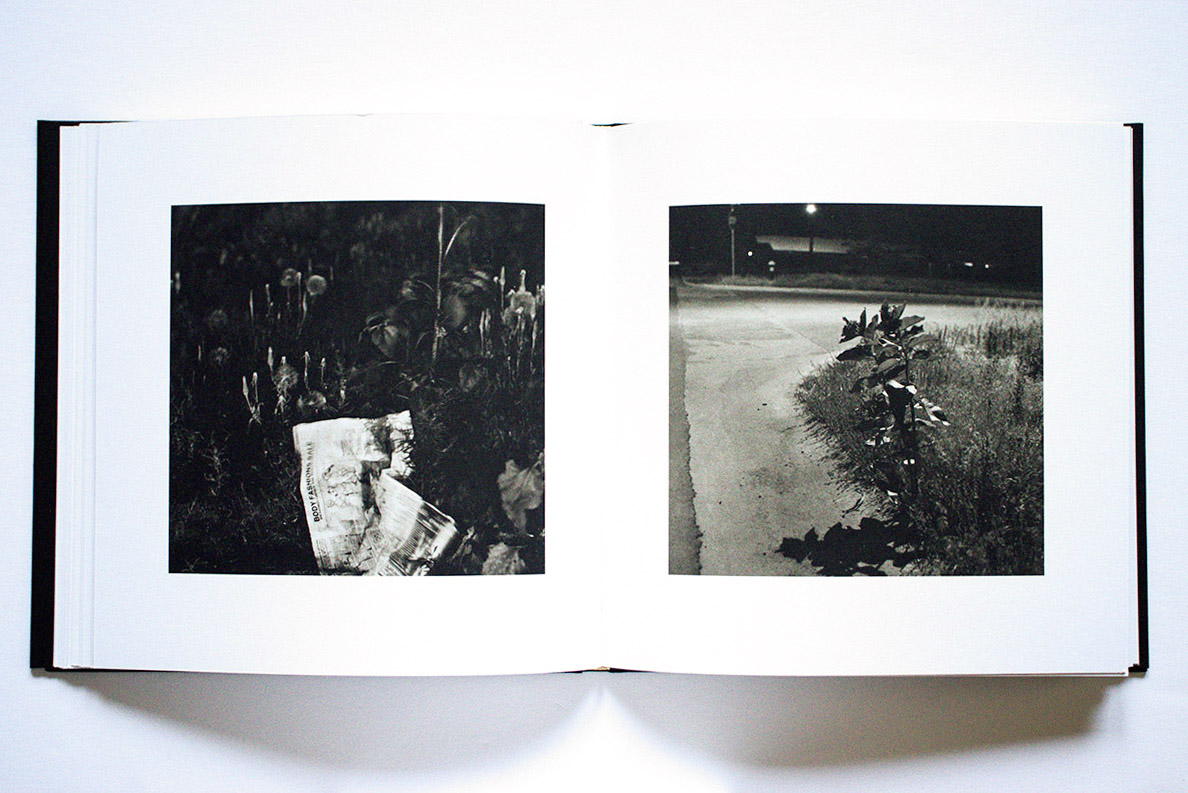
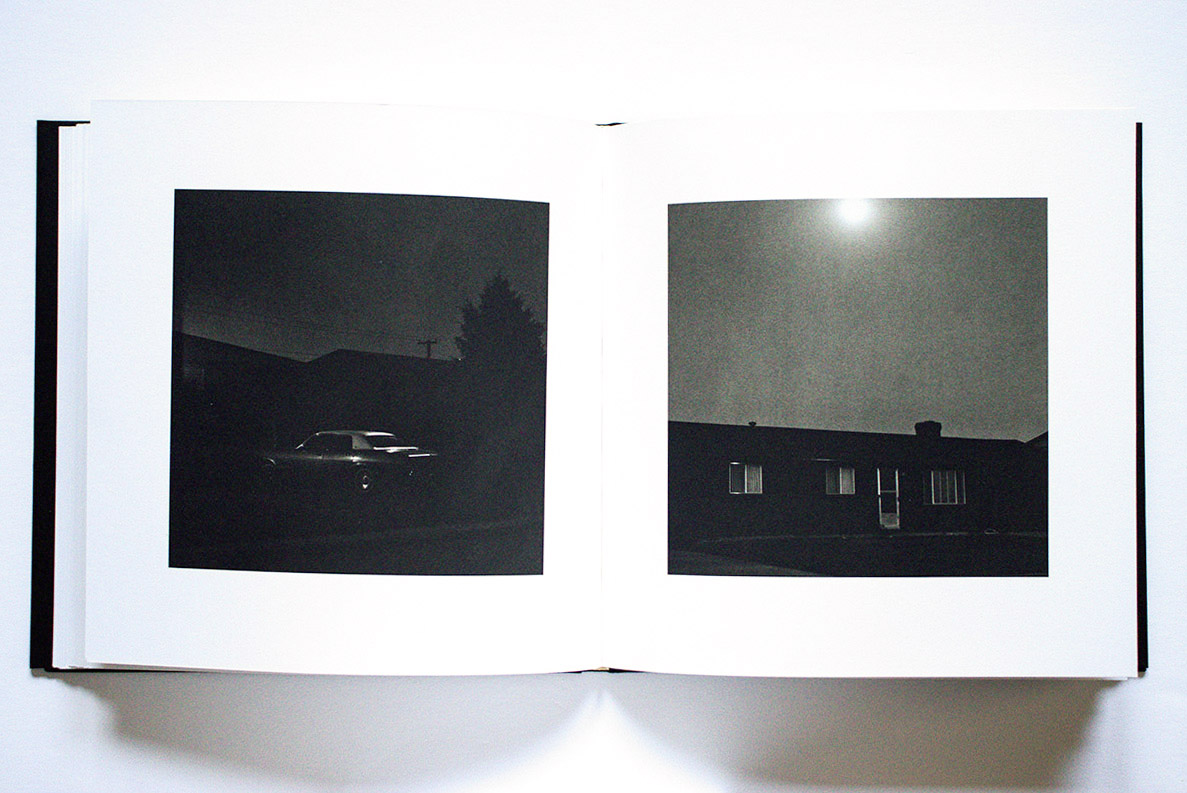
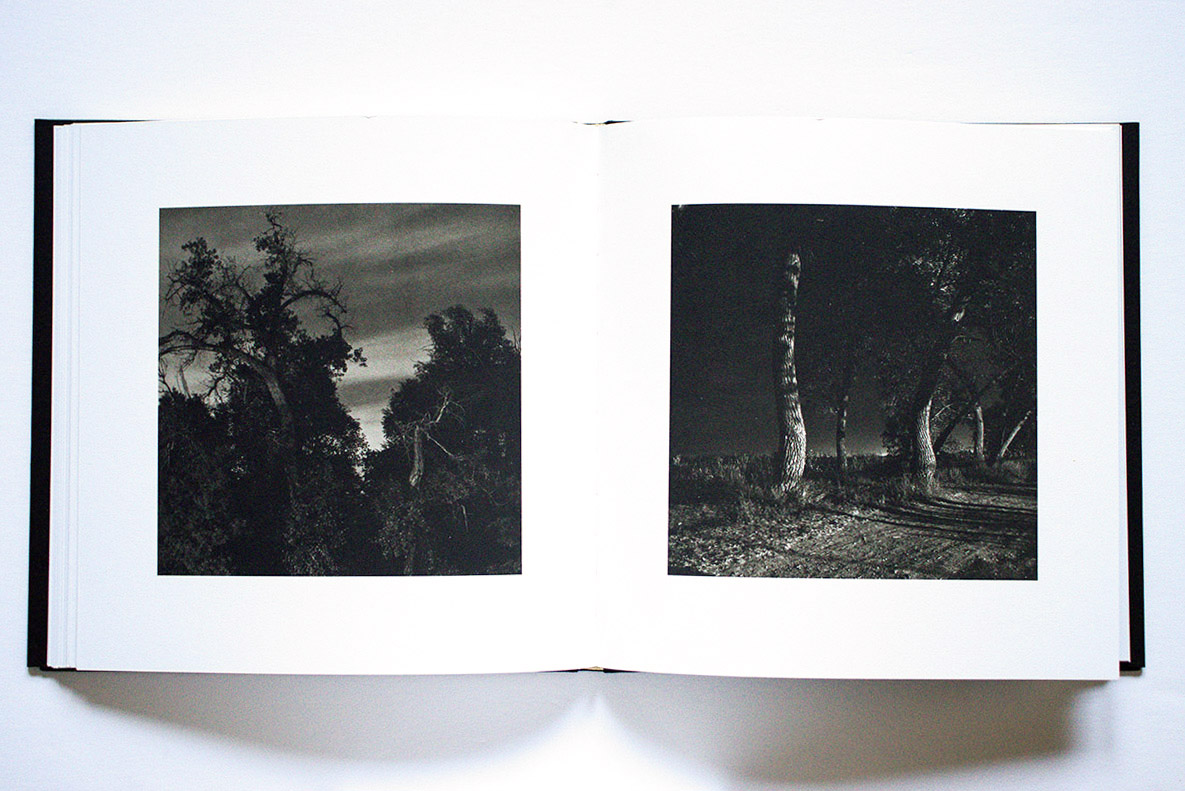
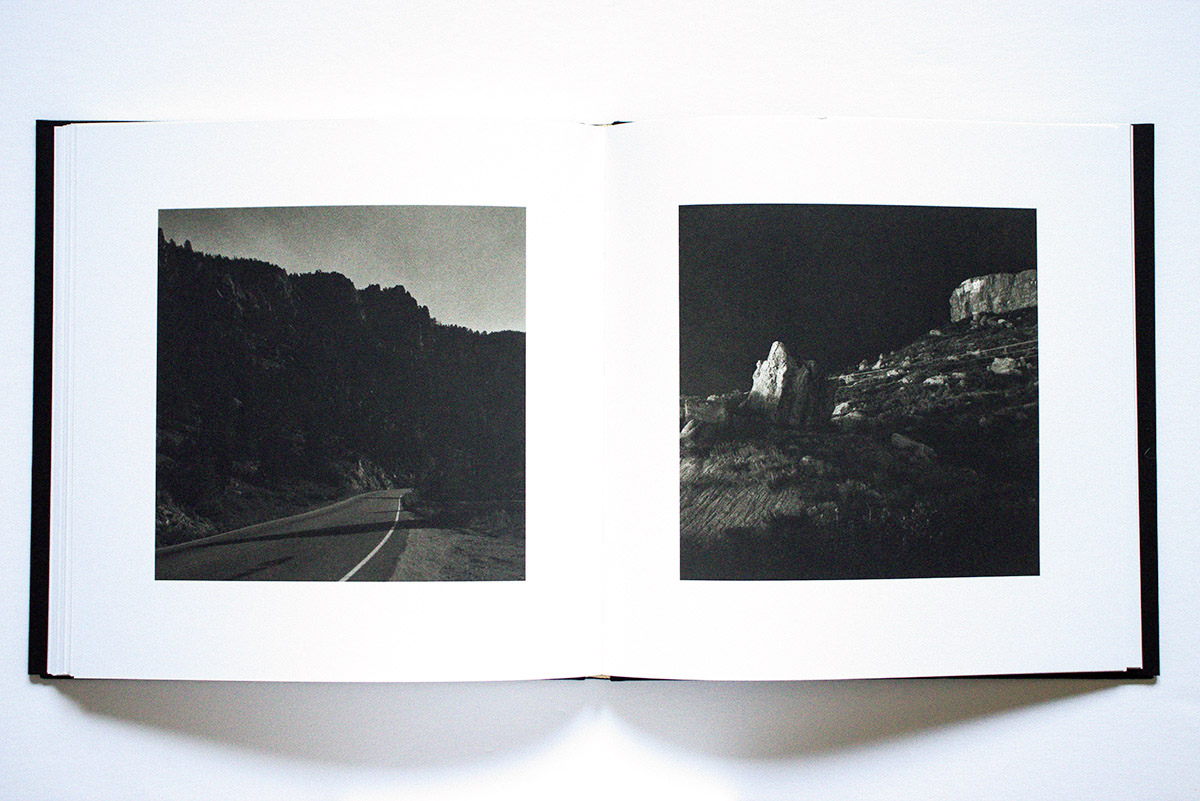
In the case of Summer Nights and Summer Nights, Walking, there are a number of important differences between the two. The earlier book is smaller, 22 X 24.5 cm versus 26 X 26 cm, and the photographs are smaller as well, 5 inches versus 6.75 inches square. The more recent book has significantly more images, 69 versus 39, with, incredibly, only some 16 of the images that are the same. The first version is printed in black duotone on glossy paper that has a slightly warm tint, while the more recent version is on whiter, uncoated stock in warm, sepia-toned ink. The images in Summer Nights are (mostly) crisp and sharp and precise while in Summer Nights, Walking they (mostly) have less well-defined detail and are more impressionistic, almost looking like early Edward Steichen.
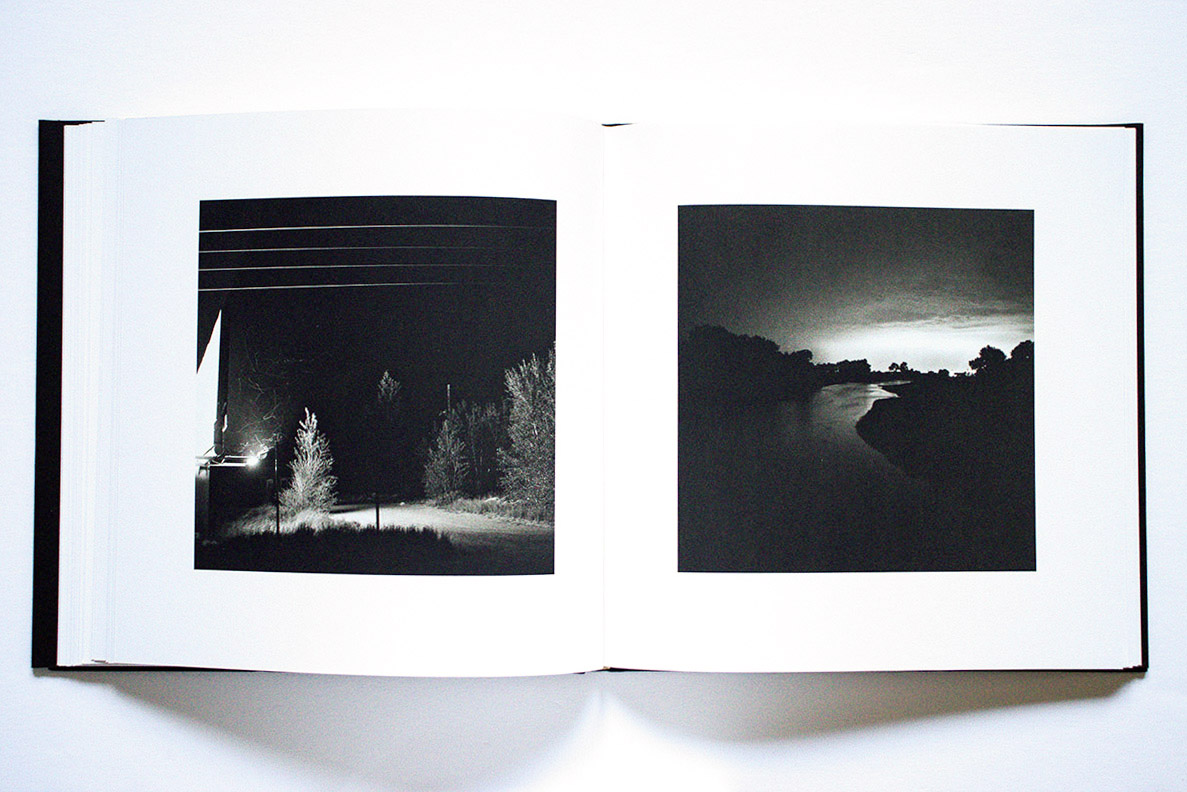
In terms of similarities, both books are a sequence of square images, one to a page. Both begin with images of twilight and move deeper into the night. Both move around in town and then to the outskirts and outside of town. Like other signature Robert Adams photographs they seem simple, straightforward, uncomplicated, almost boring, and fixed in their stillness. We see skies, houses, lawns, sidewalks, roads, trees, land, and almost no people. Various sources of light create shadows that hide as well as reveal – street lights, windows, car headlights, reflections, the reflected glow of city lights in the sky. As in Edward Hopper paintings the emptiness of space weighs heavily.
I was amazed to discover that so few photographs appear in both books. They keep their relative positions in both sequences, however, serving as an anchoring bridge between the two. In Summer Nights, Walking the addition of some thirty pictures almost doubles the number of images, allowing Adams to spend more time fleshing out places and developing themes.
It is noteworthy that in the newer book there are more images in the unresolved / empty / spooky / ugly / raw category and fewer of the pat, fully resolved compositions that appear in the earlier version. Adams mentions this with reference to William Blake’s poem when he talks in his introduction about acknowledging “the reality of the wolf and the lion.” Almost forty years separate the two books and you imagine that as an artist Adams has matured. To judge from them you might say that today Adams shows less need to impress with grand bravura flourishes and more willingness to embrace imperfect, fuzzy feelings of ambiguity.
Robert Adams has had a lot of experience composing books and it shows. You never feel as though he is repeating himself even though many images share the same nominal subject. When you turn the pages you do not know what to expect. Photographs are paired with similar or contrasting images that work together to move the narrative forward.
And just what is the narrative, the message? Well, in Summer Nights, Walking we see many of the same places along the Front Range in Colorado that have appeared in Adams’ other books such as The New West and Denver. But we see them at night and they look dramatically different. We are like spies or ghosts haunting the shadows, poking around in places we normally wouldn’t go. The underside of everyday existence. A fleeting moment of freedom and possibility. A reminder of our mortality.
Hans Hickerson, Editor of the PhotoBook Journal, is a photographer and photobook artist from Portland, Oregon.
PhotoBook Journal previously reviewed Robert Adams’ The New West.
____________
Robert Adams – Summer Nights, Walking
Photographer: Robert Adams (born in 1937; lives in Astoria, Oregon)
Publisher: Steidl © 2023
Language: English
Text: Robert Adams
Design: Katie Homans
Printing: Steidl, Göttingen
Hardcover with printed dustcover; 69 photographs; sewn binding; 84 pages; 8.3 x 9.7 inches; ISBN 978-3-95829-684-8
____________
Articles and photographs published in the PhotoBook Journal may not be reproduced without the permission of the PhotoBook Journal staff and the photographer(s). All images, texts, and designs are under copyright by the authors and publishers.
 PhotoBook Journal
Leave a comment