
Review by Hans Hickerson ·
Photobooks never cease to surprise me. The book is a versatile medium that can become so many things. Belgian photographer Wouter Vanhees’ Against the Tide goes down its own path, and the best way I can describe it is to say that it reads like a film-noir-inspired storyboard for a music video.
It is set in Mumbai and is about a post-hardcore punk band called Pacifist. It is also about the city, which becomes like a character in the story. Although actually there is no story or plot in a literal sense, but there is coherence and direction to the narrative.
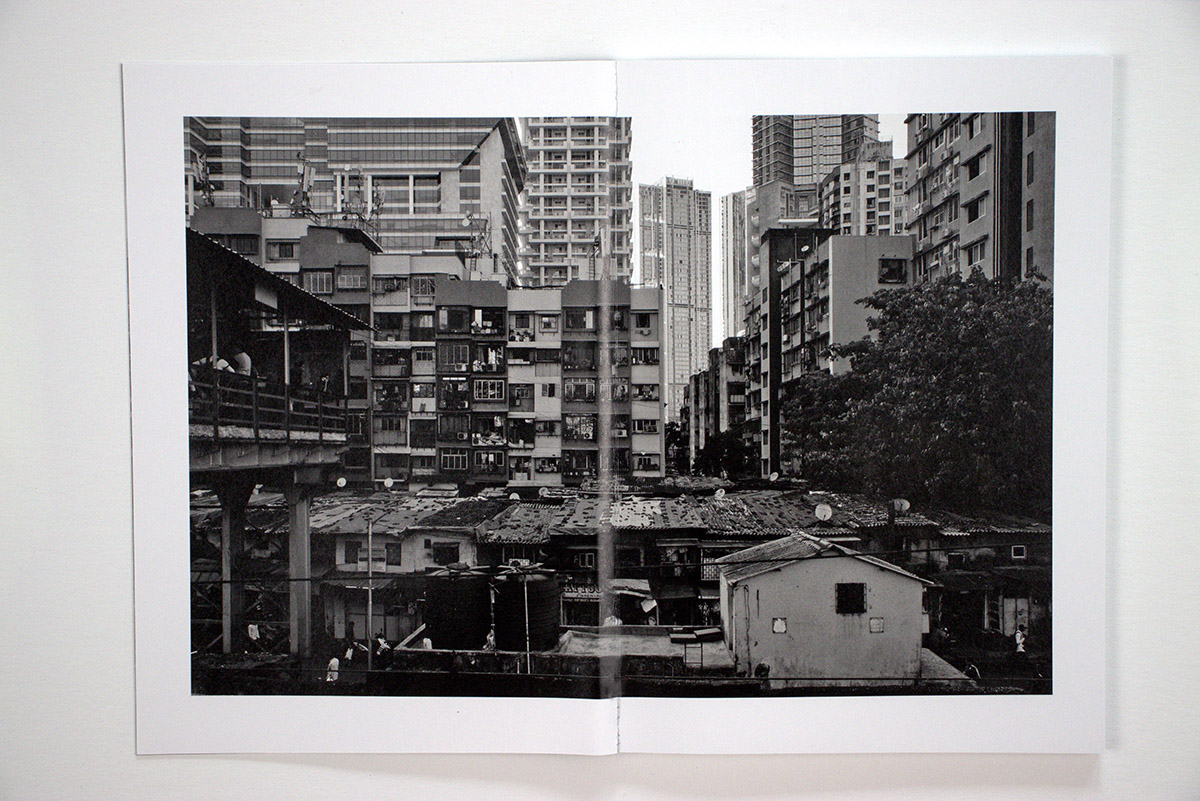
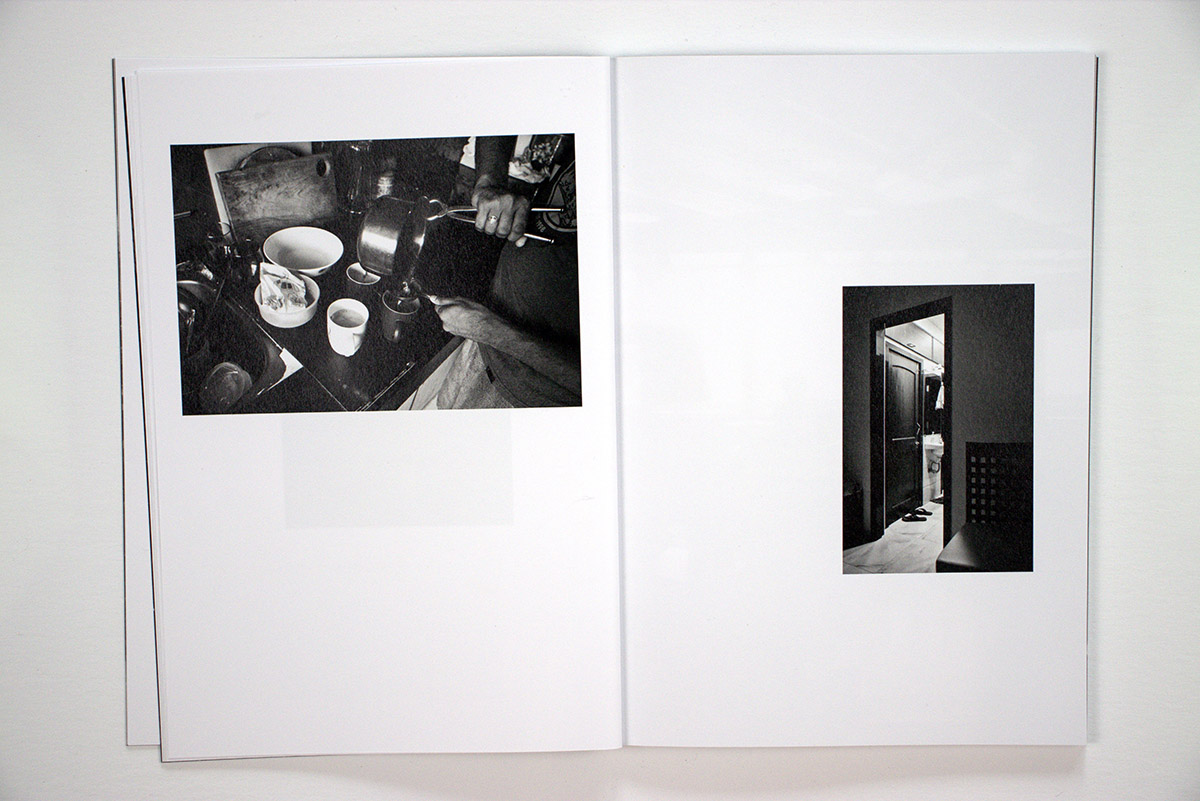
Against the Tide starts during the day with views of the Mumbai skyline and then it moves in for closer views of buildings, streets, commuter trains, and passers-by. From there we are visually introduced to the musicians, five young Indians who are transplants to the “City of Dreams,” as Mumbai is known. We go indoors to see them relaxing, to visit their living space, and to see them rehearsing.
Then cut to the city and a long sequence of rooftops, a beach and city skyline, rail commuters, crowded apartment blocks, and views of the underside of urban life – a stray dog, someone sleeping in what may be an unfinished building, plus trash and run-down places and marginalized people.
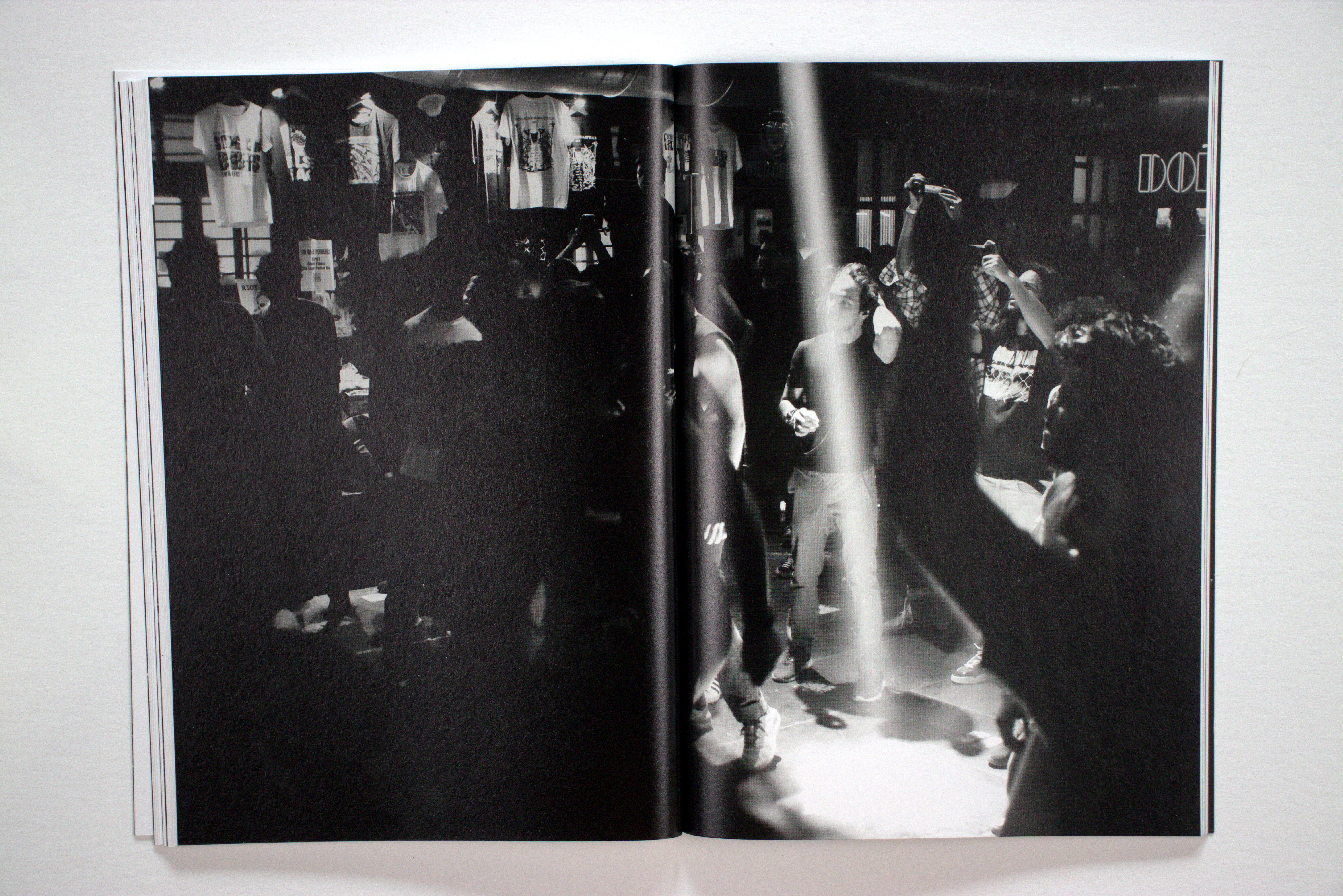
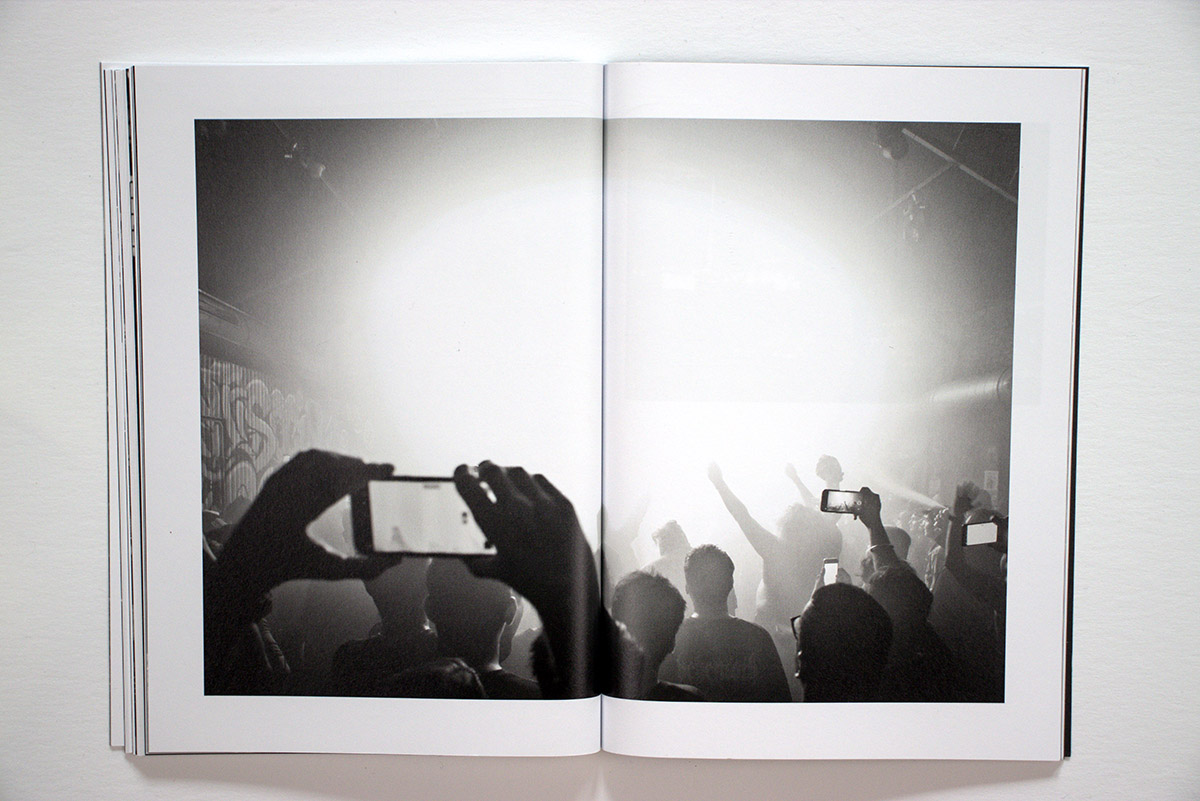
The next part of the book is centered on the band, and day gives way to night. Dark tones and blacks dominate the images. We see the band rehearsing again, then some interior scenes, some grungy shacks set against modern hi-rises, and the band again in the throes of a performance, surrounded by enthusiastic fans. Then we see them hanging out, presumably post-performance, and next come shots of the city at night, interspersed here and there with scenes of night dwellers and urban decay.
The final sequence takes us up into a high-rise and we look down on the darkened city streets and at the lighted windows of the city. We see a band member smoking, reflective, and then the last two-page spread of (probably) the same musician on the roof of a high-rise overlooking the city nightscape, but now with a young woman.
If this were a film noir at this point you would expect to hear the voice of a narrator: “As the city sleeps, keeping its dark secrets, one man watches, pondering life’s persistent questions…”
But this is a book and not a film, and it is not a detective story but a documentary.
At their best, films and books take you places where you experience new things, and photobooks take you there visually. Against the Tide for its part takes you somewhere you probably haven’t been and wouldn’t imagine going. A punk rock music scene in Mumbai? And post-hardcore music, is that really a thing? But hey, why not? Seeing is believing, and the people and places are there in the pictures in the book.
There is good flow to the image sequencing, with a variety of page spreads and layouts. The photographs are printed higher contrast with rich, solid blacks that give a feeling of drama and moodiness. My favorite pictures are some of the city views as well as the shots of commuters.
Against the Tide takes its title from a song by Pacifist, and the musicians collaborated with Vanhees by allowing him to share and document their journey. Along with Vanhees’ introductory text, they contribute a statement about Mumbai, evoking its contradictions, dissonance, and character.
Against the Tide makes a solid case for why we should support independent voices in photobook publishing. A good example of how a personal point of view can take you in satisfyingly close, it offers an edgy look at contemporary India.
Hans Hickerson, Editor of the PhotoBook Journal, is a photographer and photobook artist from Portland, Oregon.
____________
Wouter Vanhees – Against the Tide
Photographer: Wouter Vanhees (born in 1978)
Publisher: Hopper & Fuchs © 2025
Language: English
Design: David Boon
Softcover; 64 B & W photographs: perfect binding; ISBN 9789464002577; 96 pages; 24 X 17 cm.
____________




____________
Articles and photographs published in the PhotoBook Journal may not be reproduced without the permission of the PhotoBook Journal staff and the photographer(s). All images, texts, and designs are under copyright by the authors and publishers.
 PhotoBook Journal
Leave a comment