Review by Hans Hickerson ·
To write or not to write, that is the question photographers ask when assembling their projects into books. What do you say to accompany your photographs? What needs to be said that the photographs do not already say? Will the viewer understand what you are doing if you do not include any text? You can’t expect people to have read the publisher’s press release; your book has to work as a self-contained package.
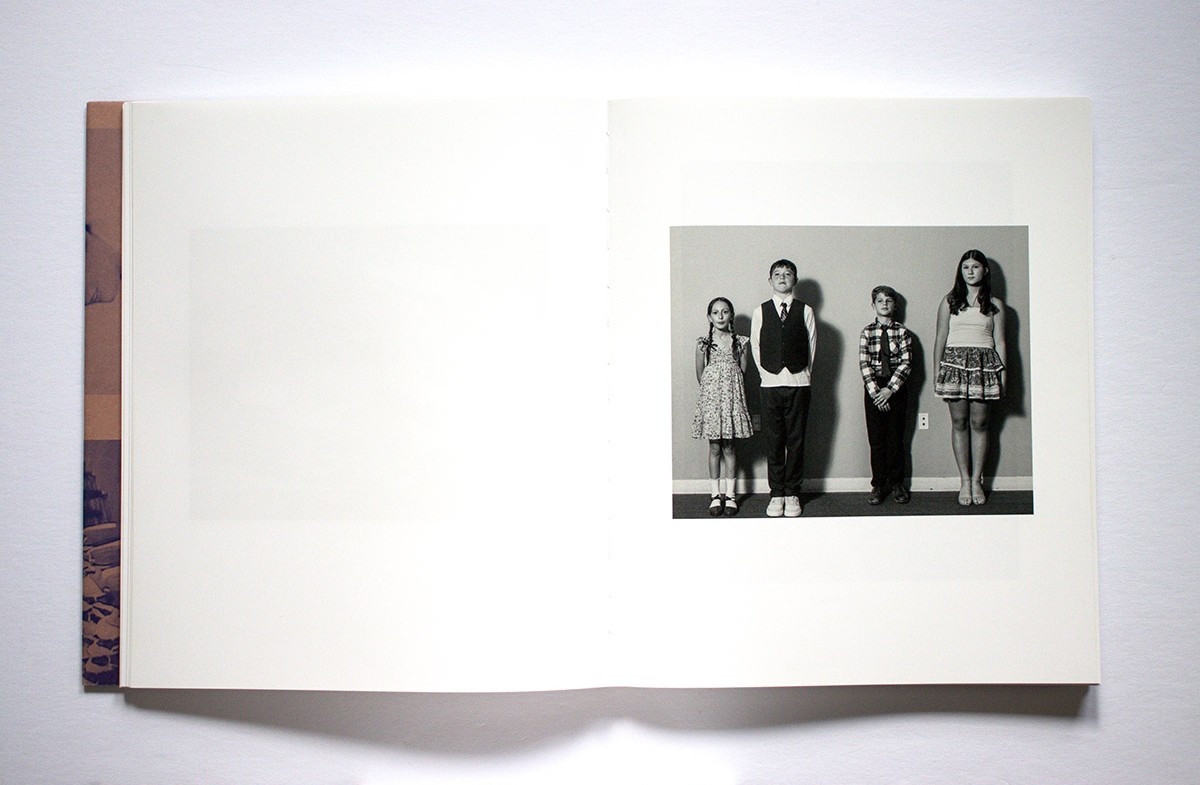
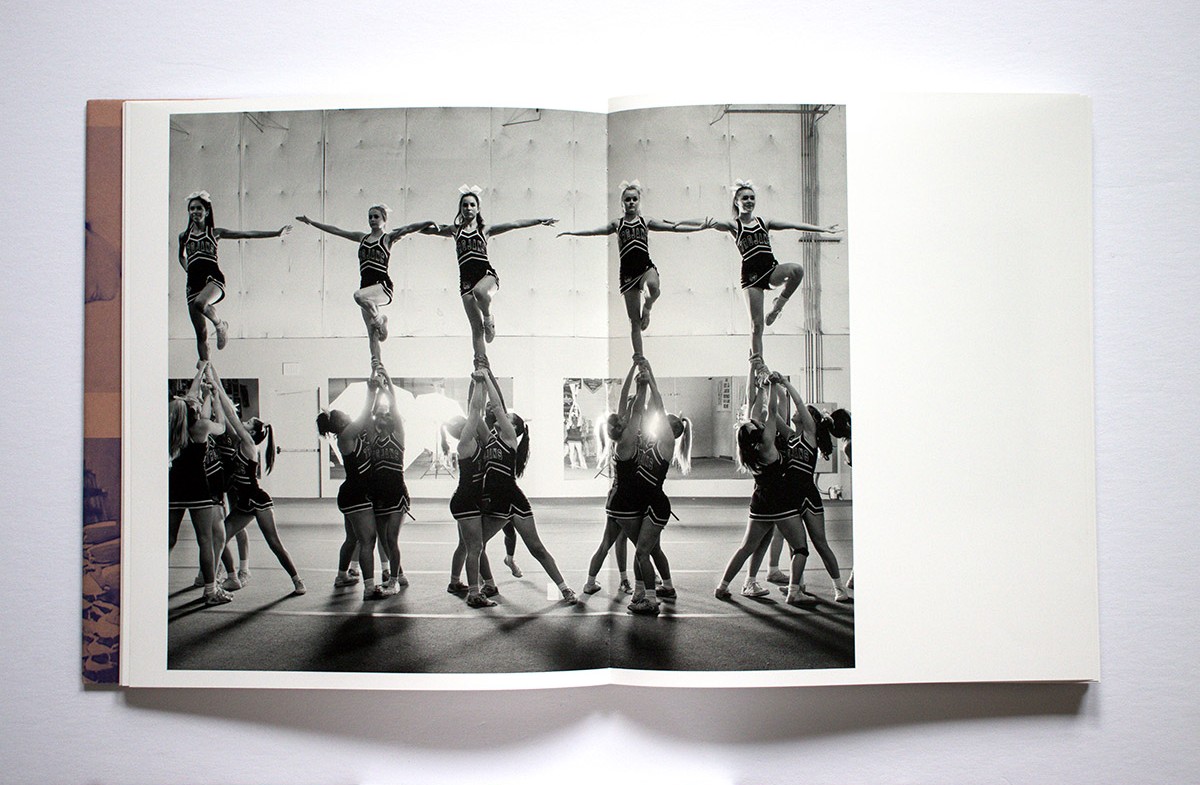
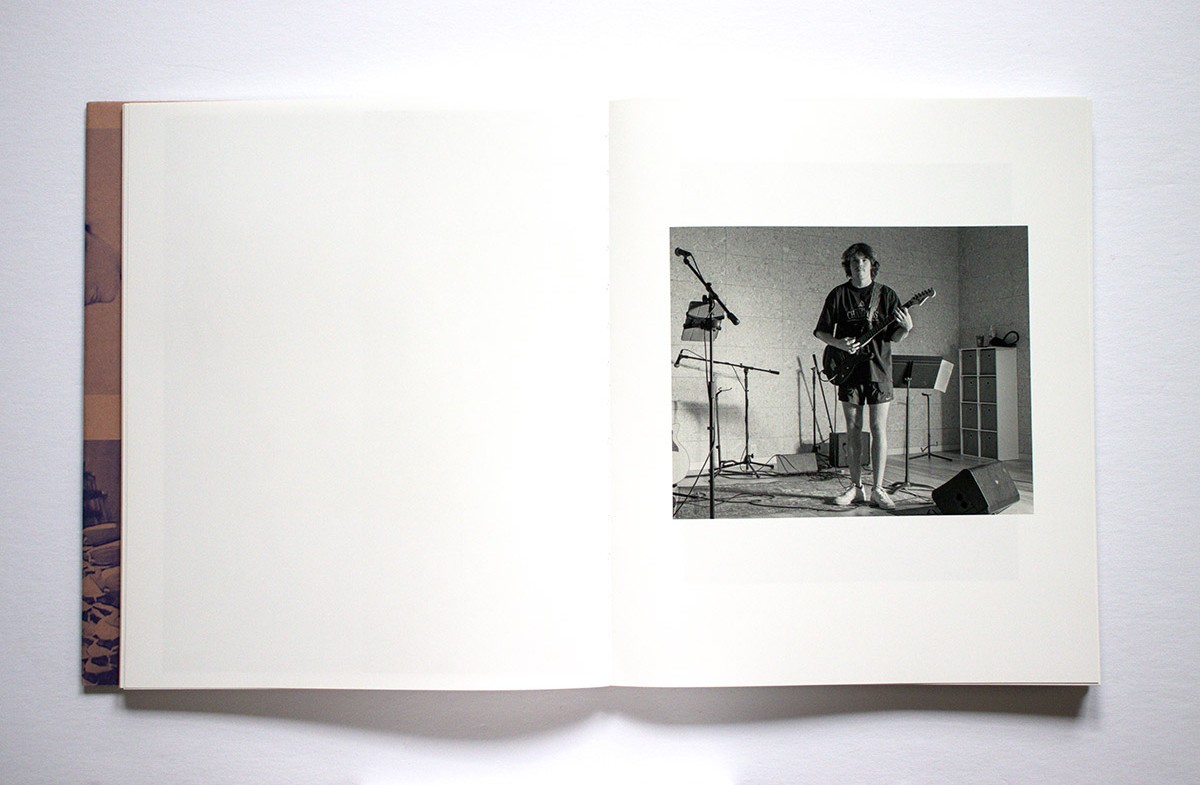
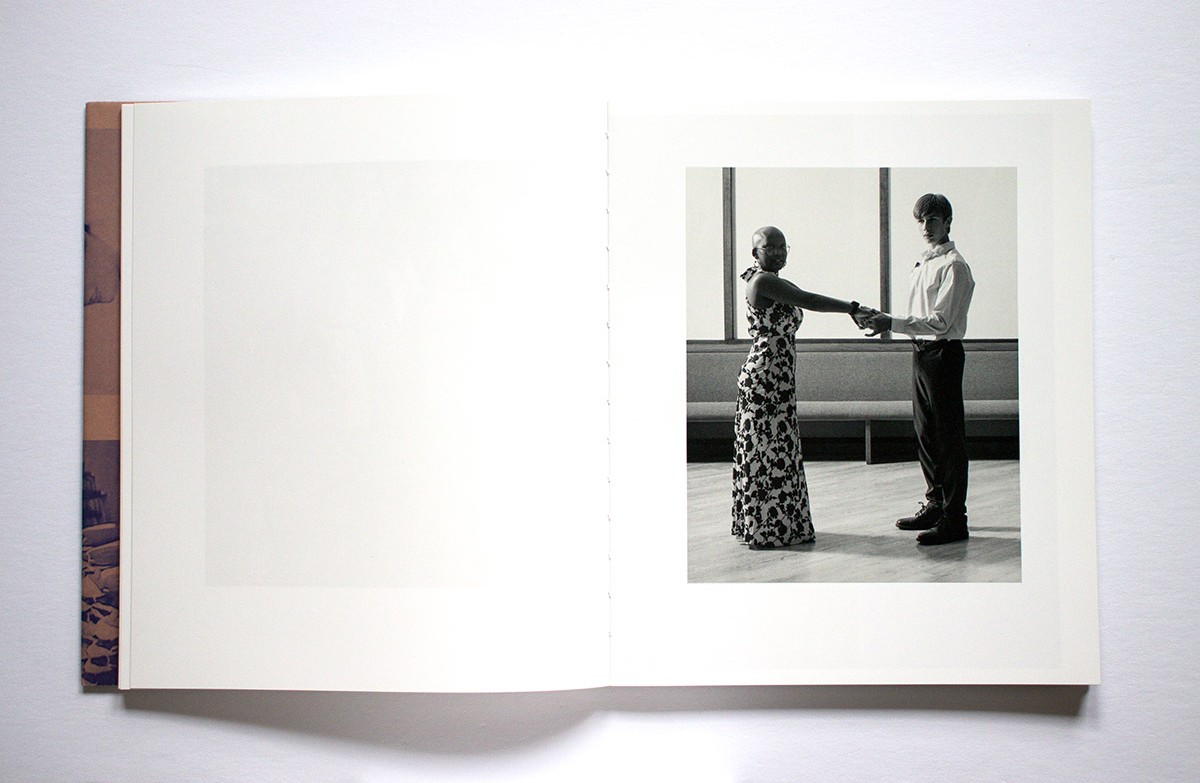
In the case of Eli Durst’s The Children’s Melody, besides the photographs you have the title and a couple of quotations about childhood, so you have to figure it out yourself. If you think about “children,” you gather from the photographs that they are American kids, school aged, from kindergarten through high school. The “melody” part comes from their performances, formal and informal, literal and figurative, and the situations you observe.
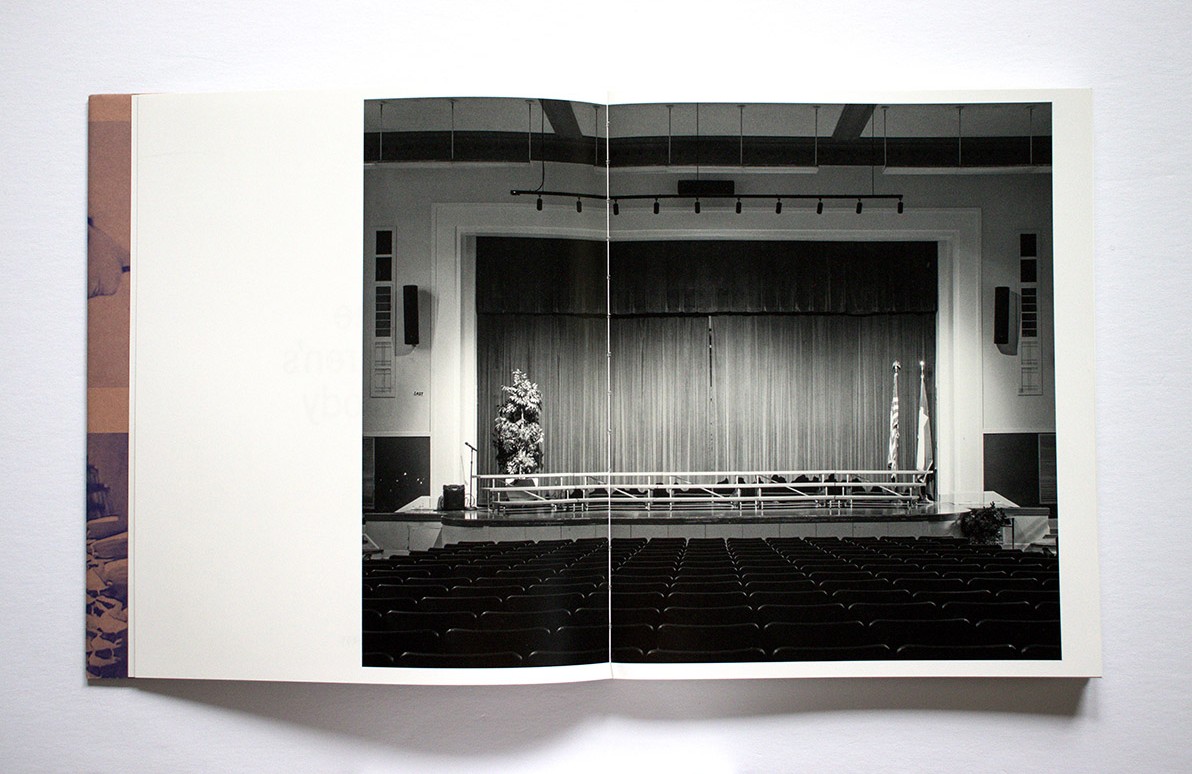
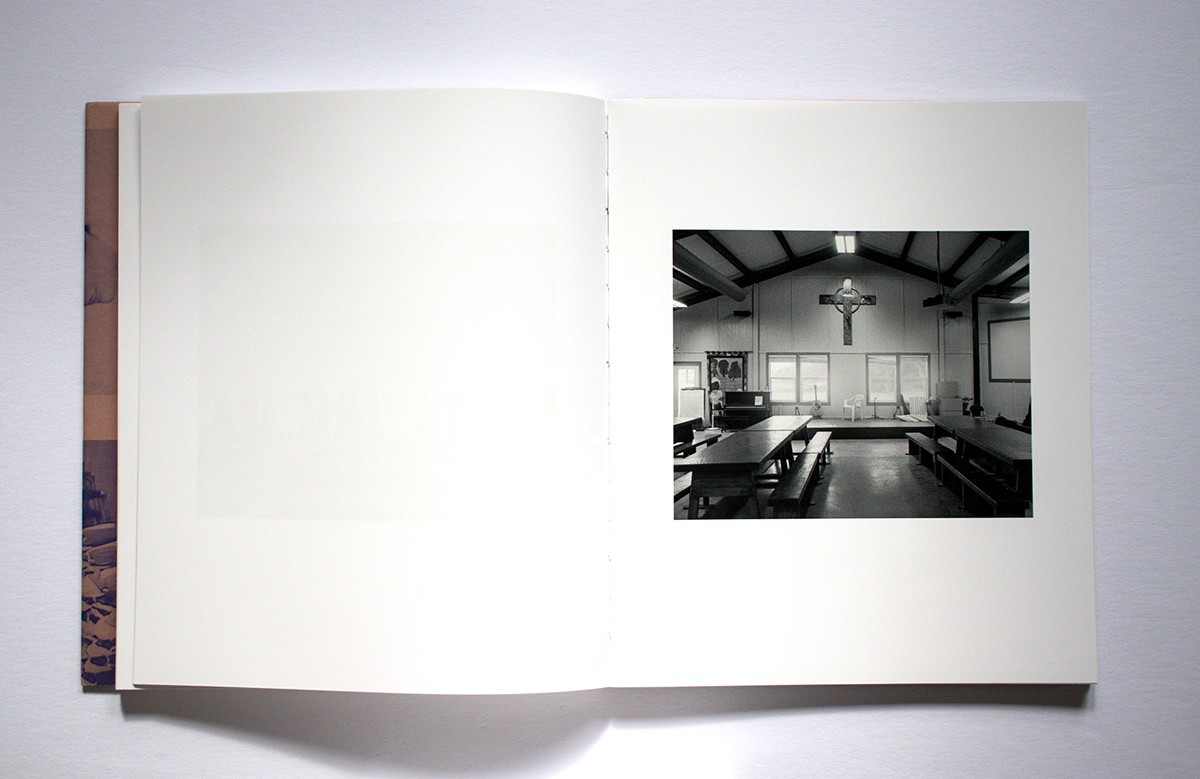
The venues are varied. We see stages at schools and rows of auditorium seats. We see gyms and dance studios and a summer camp cafeteria. We visit boy scout meetings, graduations, cotillions, dance rehearsals and performances, and school plays and assemblies. We also see young ROTC-style cadets in formation and on parade. We go behind the scenes at events and into generic rooms and hallways.
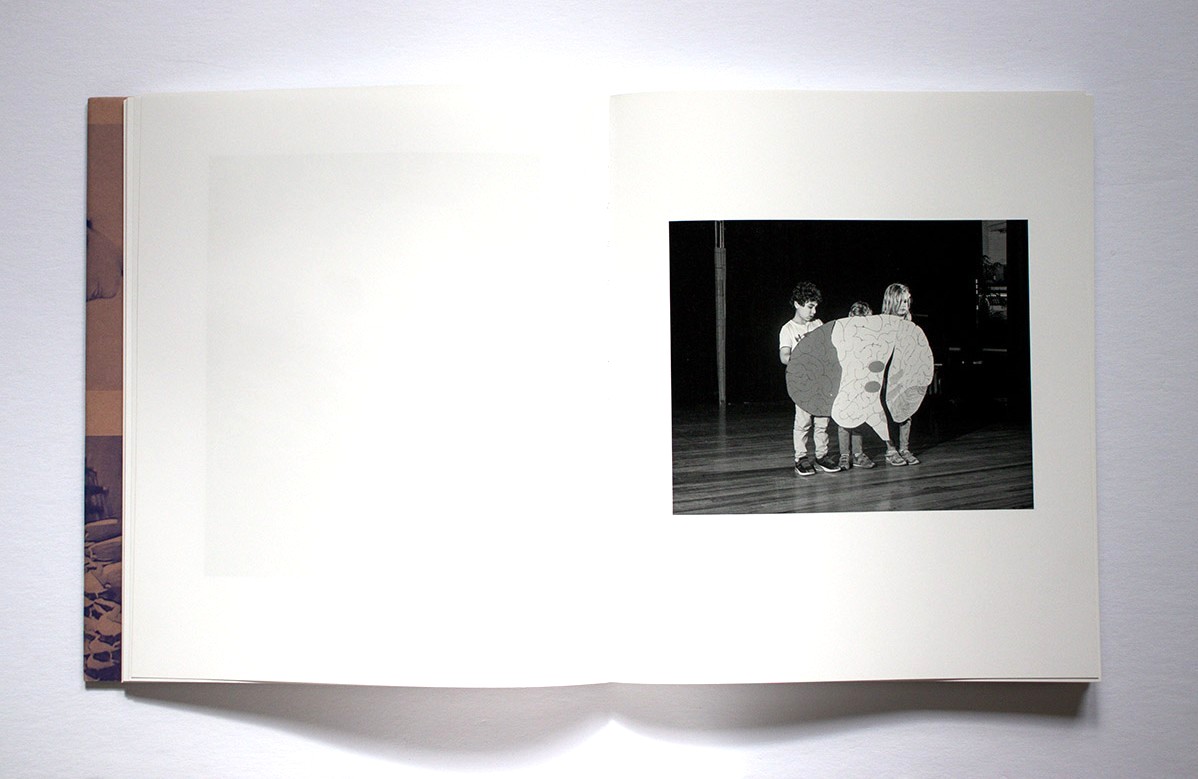
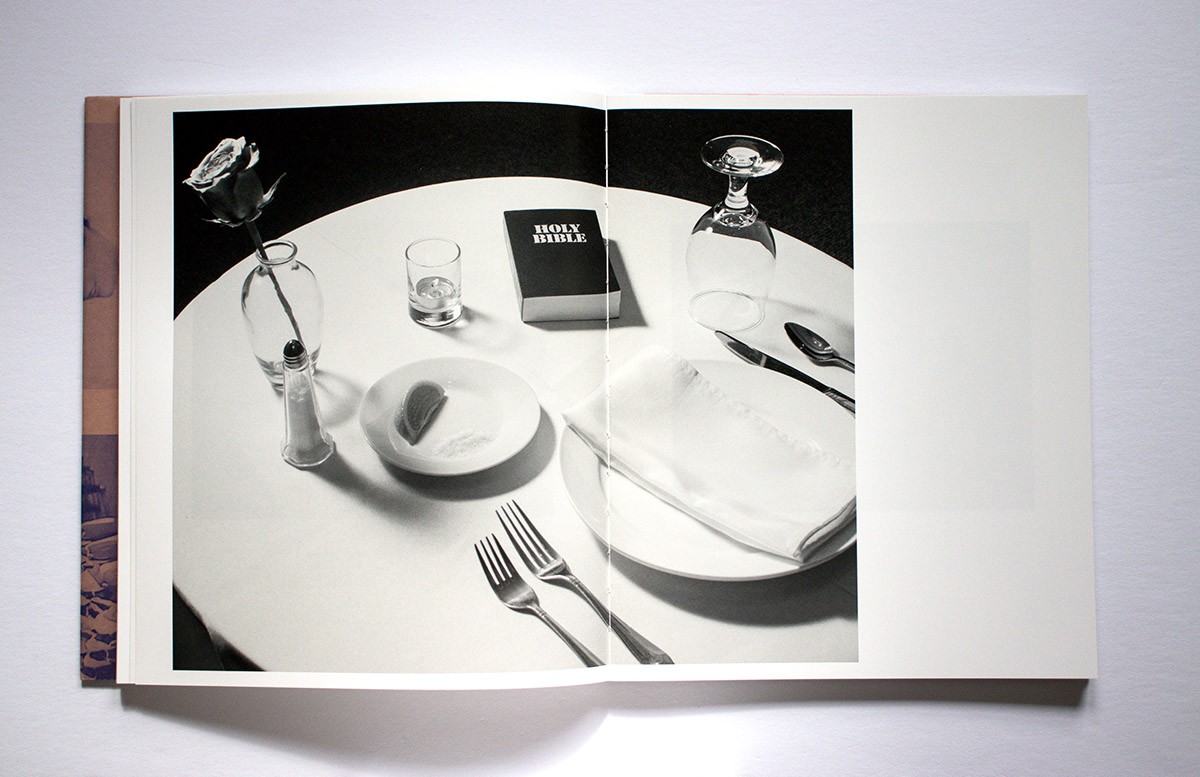
Durst’s sympathetic camera eye observes children in moments of revealing transparency. They are bored, focused, excited, awkward, innocent, nervous, relaxed, cute, proud, sweet, sly, and stoic. Durst captures banal moments but also finds humorous juxtapositions. A small boy dressed like Huckleberry Finn flanked by two extra-large muscle-bound body builders. A projector propped up on a stack of bibles. Three children in a gym holding up cardboard houses from The Three Little Pigs.
There are also photos that might appear unrelated to the overall theme, but that in the context of the book add detail to the narrative. A door, slightly opened. A stack of plastic chairs in a windowless room. Photos of formally dressed partygoers on a wall. A signed drawing of a flower taped to a window. Someone holding up a single long-stemmed rose.
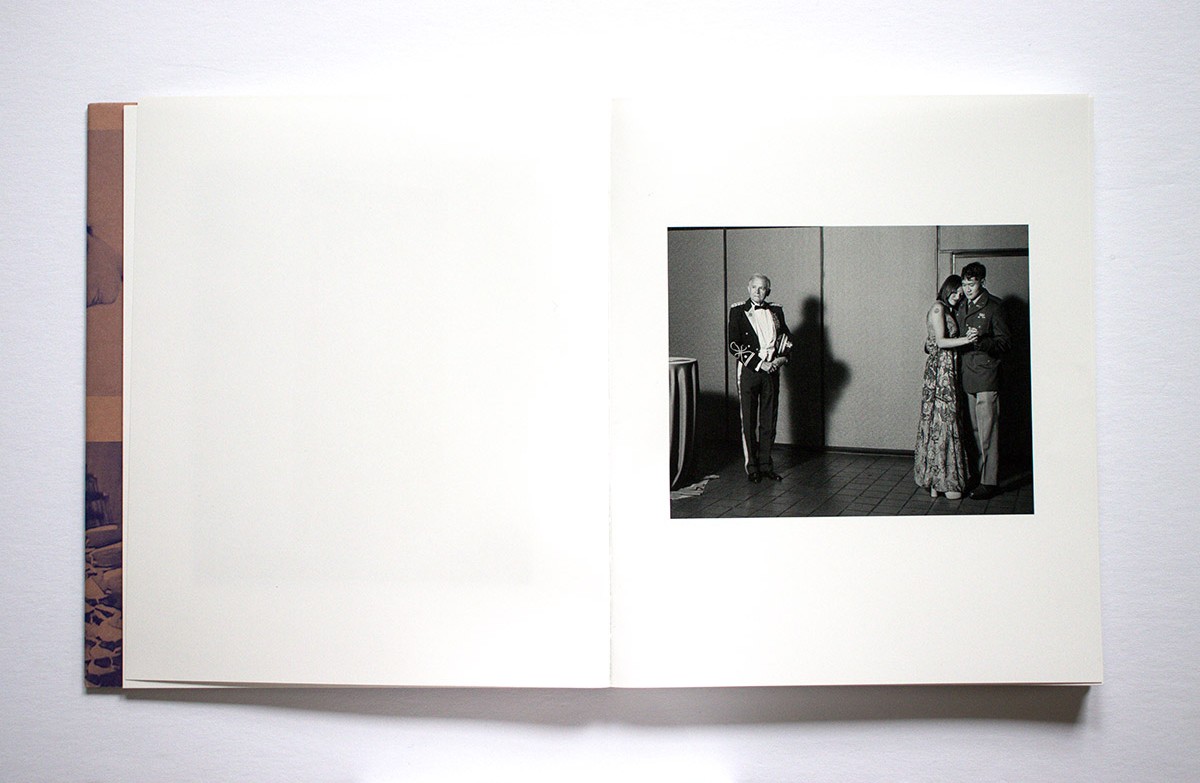
The inclusion of pictures of high school military cadets is an interesting choice for a book of photographs about childhood. Uniforms were not something I saw during my decades working in public and private high schools, but I guess they do exist. Durst lives in Texas and perhaps they are more visible there.
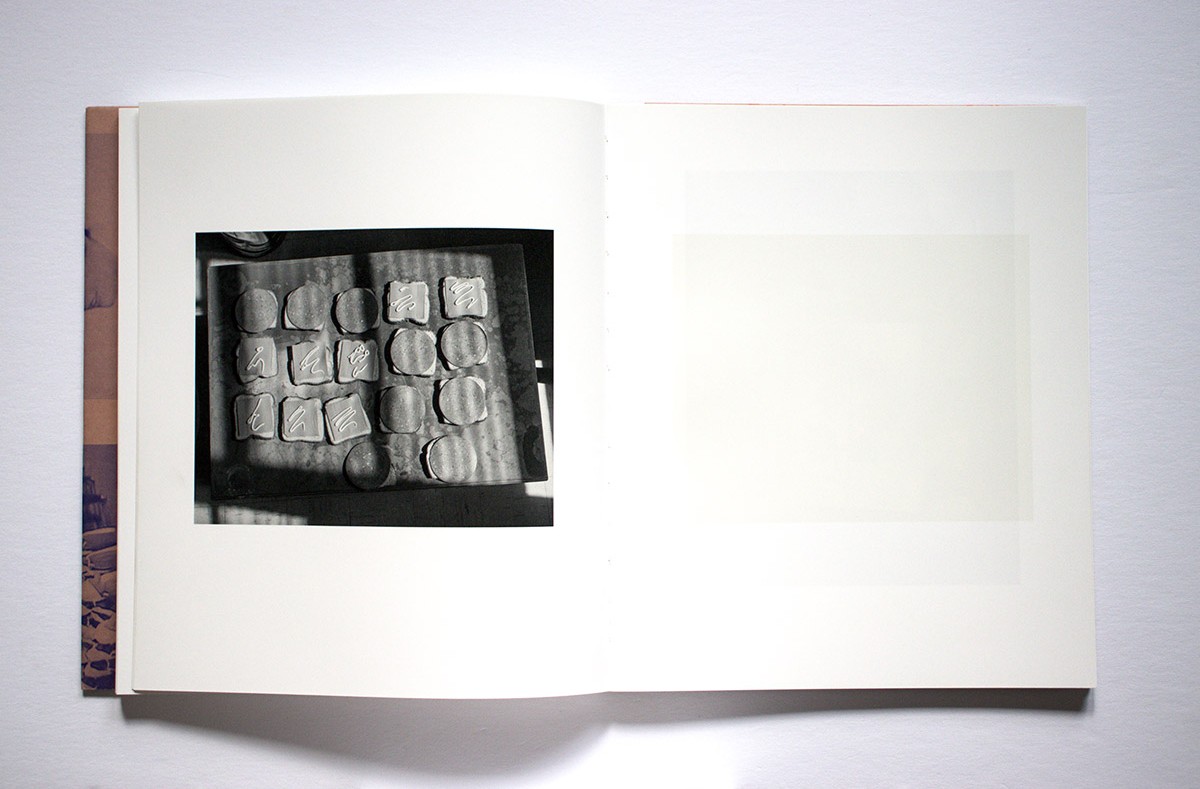
An innovative narrative / design twist is several blank, varnished rectangles occupying otherwise empty pages opposite similar sized photographs. You can easily miss them as they are scattered in seemingly random places. They are both playful and mysterious. It is hard to know how much to read into them. Are they gratuitous, a clever joke, or do they add an important counterpoint to the pages of sequenced photographs? An intimation of otherness, a complementary void, the presence of absence? Rabbit holes to explore.
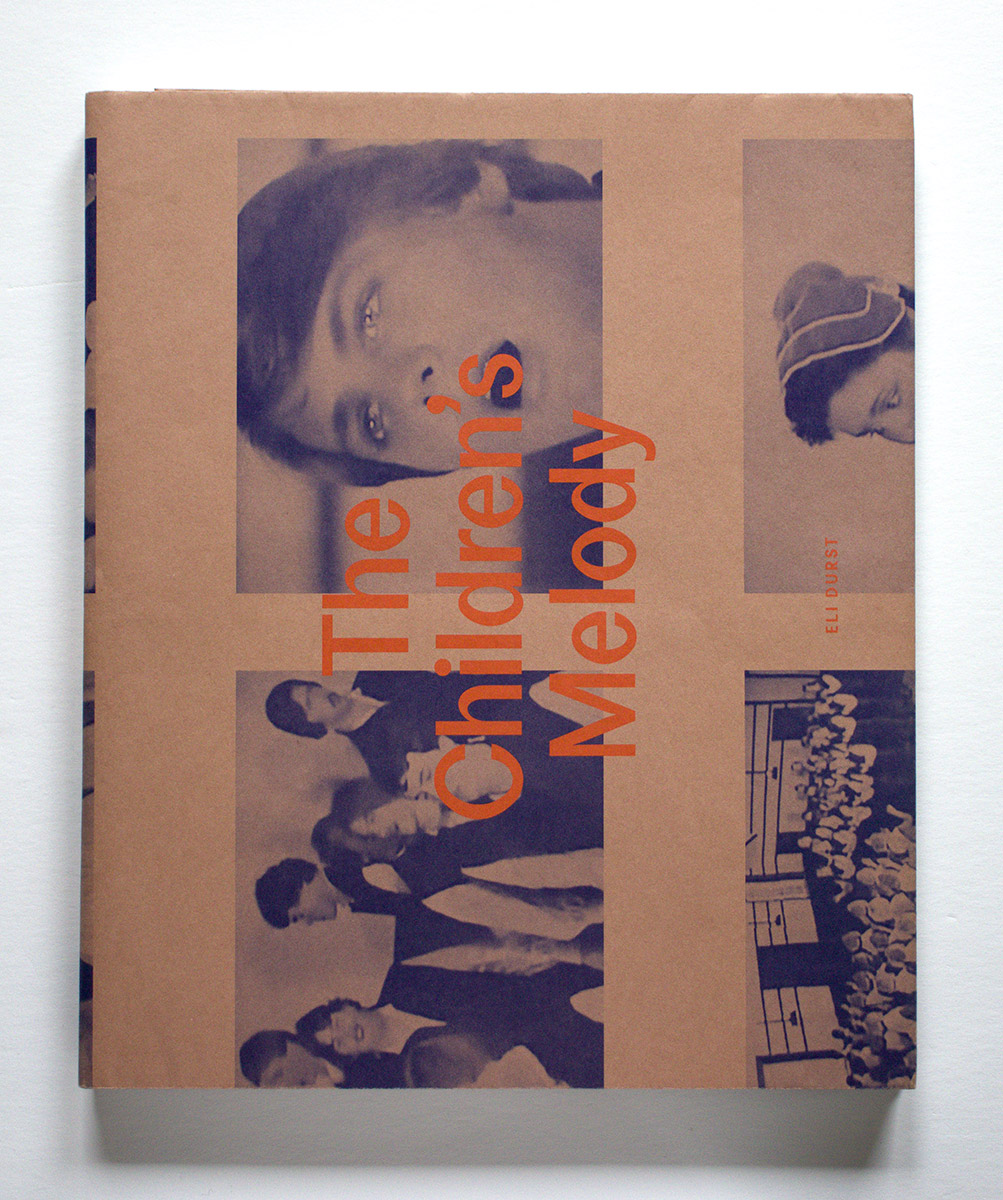
The book’s large, heavyweight fold-out printed dust cover adds another dimension to the puzzle of the book’s meaning. Besides a quote from King Henry VIII and an excerpt from The Children’s Crusade by French Symbolist writer Marcel Schwob, it includes an extensive series of photographs of some kind of theatrical or musical performance. We see young men dressed formally in white shirts and dark vests, and women dressed as maids with bonnets, aprons, and long dresses. What does it mean? How does it relate to the children pictured in the book? There is the idea of a performance, to be sure, and they are young people, but it leaves you scratching your head. The people in the book are so obviously rooted in a specific time and place, while those in the dust cover photos appear to inhabit a timeless, ritual space. Curious. The folded sides of a dustcover are an unusual place for adding important design elements. Most of the time when you look at a book you do not remove the dust cover to see what’s there.
The Children’s Melody stakes out the performances of childhood as fertile territory for scrutiny. A collection of pared-down images packaged as a handsome book, it is a not a flashy, high-velocity vehicle. Thought-provoking, quiet, and contemplative, it invites careful consideration.
Hans Hickerson, Editor of the PhotoBook Journal, is a photographer and photobook artist from Portland, Oregon.
____________
Eli Durst – The Children’s Melody
Photographer: Eli Durst (born in 1989, lives in Austin, Texas)
Publisher: Gnomic Book © 2025
Language: English
Texts: King Henry VIII, Marcel Schwob
Design: Jason Koxvold
Printing and Production: Wilco BV, The Netherlands
Hardbound with printed dust cover; Swiss binding; 60 black and white photographs; 116 pages; 24 X 29 cm; ISBN 978-1-957301-09-9
____________

Articles and photographs published in the PhotoBook Journal may not be reproduced without the permission of the PhotoBook Journal staff and the photographer(s). All images, texts, and designs are under copyright by the authors and publishers.
 PhotoBook Journal
Leave a comment