Review by Lee Halvorsen •
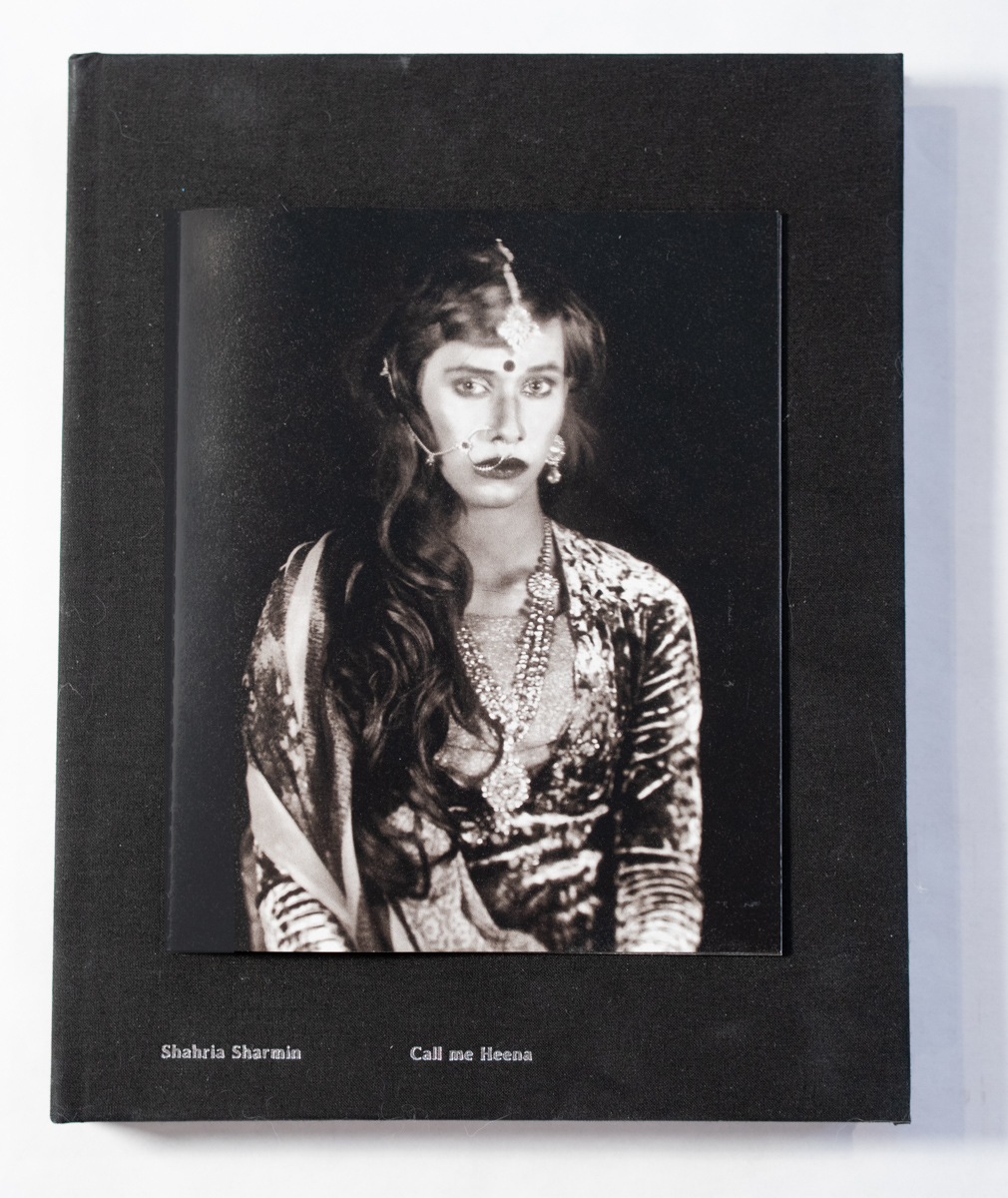
The images, the book as an object, the story, the people, and the artist weave, then blend together to create the soul of this incredible work of art. Shahria Sharmin spent a dozen years listening to and coming to know people in Bangladesh’s Hijra community. In the Afterword, Sharmin walks us through her slow introduction into a community whose trust has been exploited and whose people have been marginalized. She walked with them, listened to their stories and developed relationships of trust. The time she spent with them sometimes included making images using a large format, wooden camera.
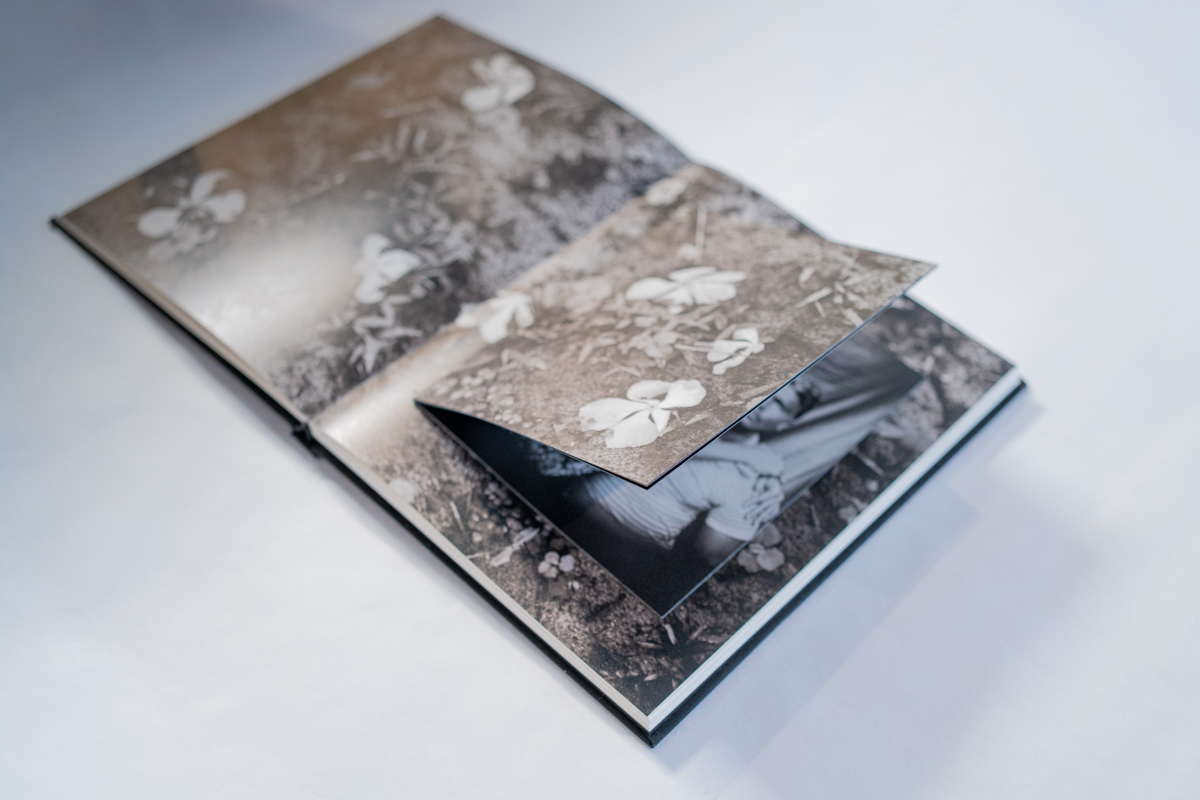
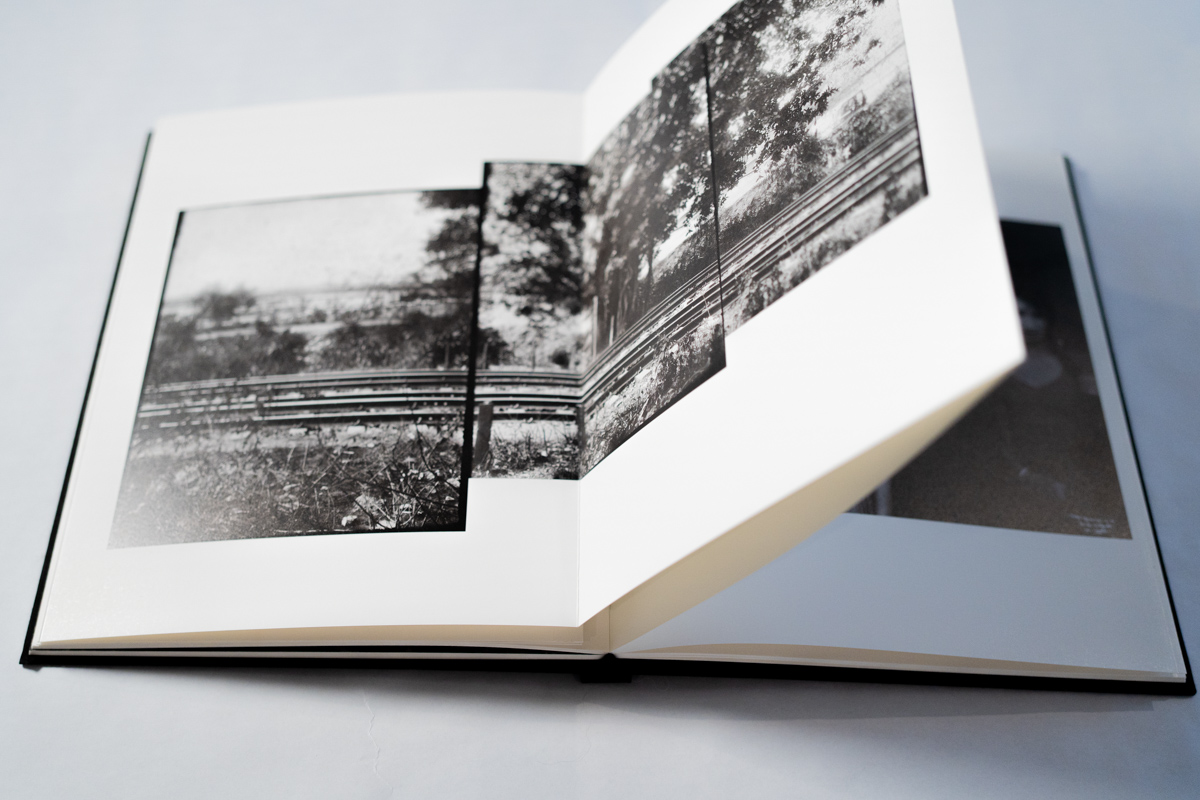
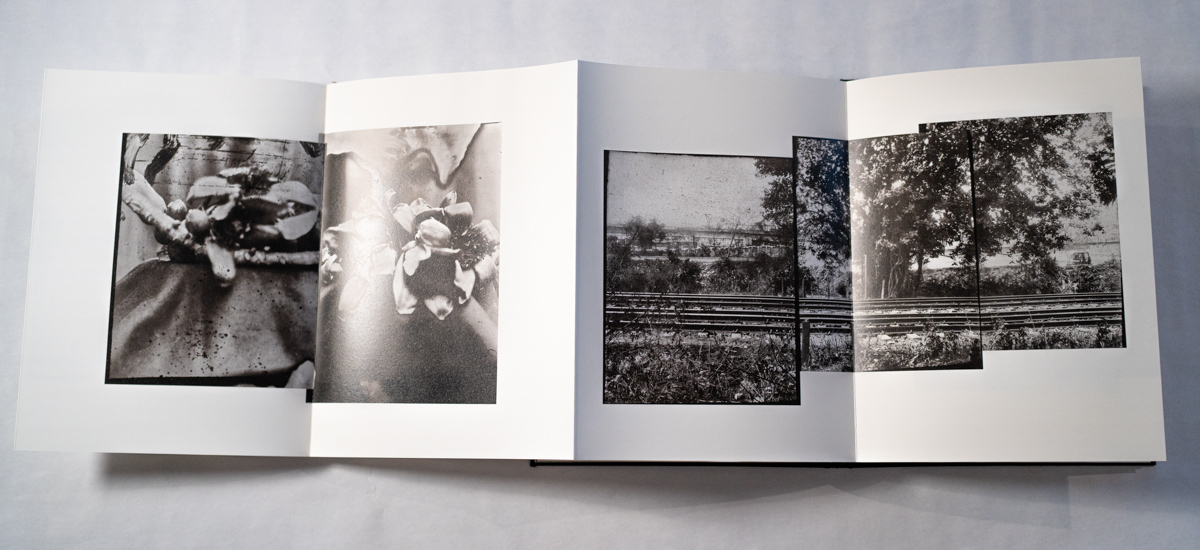
Working primarily in Bangladesh and occasionally in India, Sharmin connected with many Hijra people in the project’s twelve years. The Hijra community is a diverse, historically important group of transgender, intersex and eunuch individuals, identifying outside the male/female binary. References in ancient Hindu text record that the Hijra had important roles in society including making blessings for fertility and prosperity at key Hindu ceremonies. Under British colonialism, the Hijra were criminalized. The laws have changed in Bangladesh, India, and Pakistan, now the Hijra are recognized as a third gender. But years of marginalization, criminalization, and targeted adverse economic measures are still having a negative impact on the community. Sharmin’s images project the feeling, care and trust in the relationships she found and the construct of the book enhances the mood and emotion.
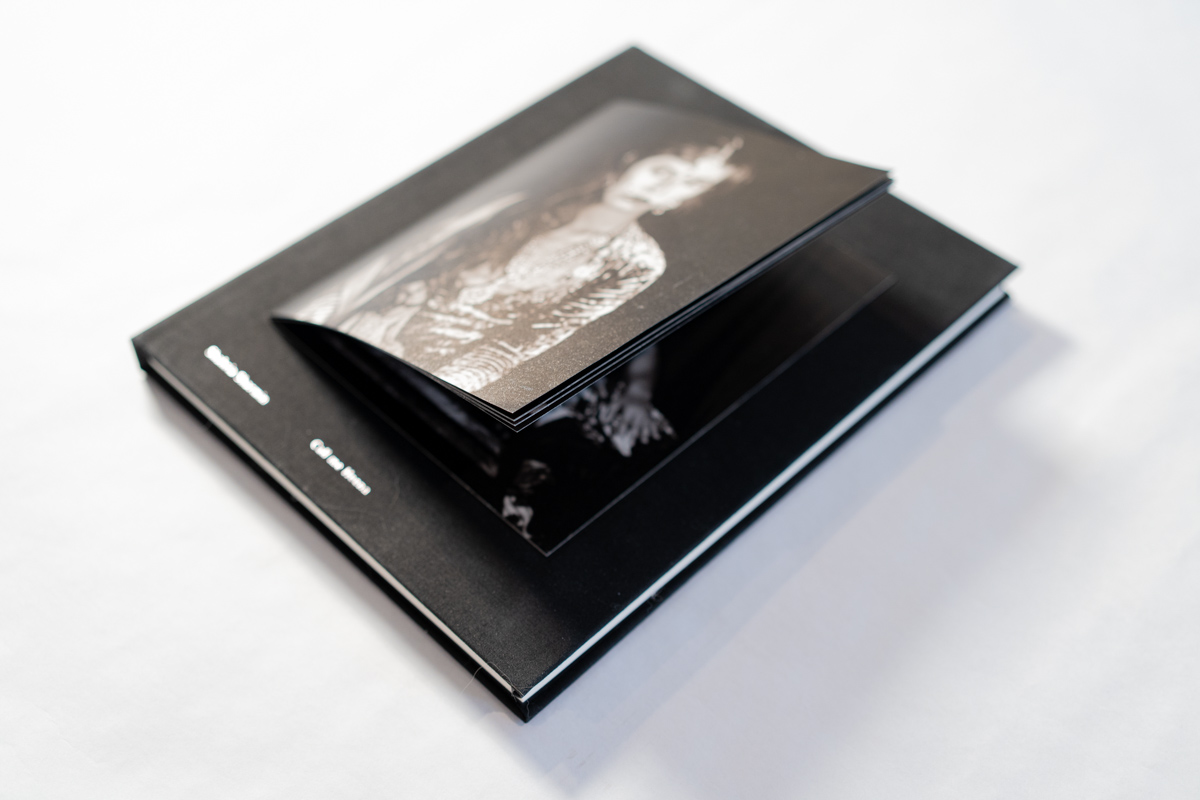
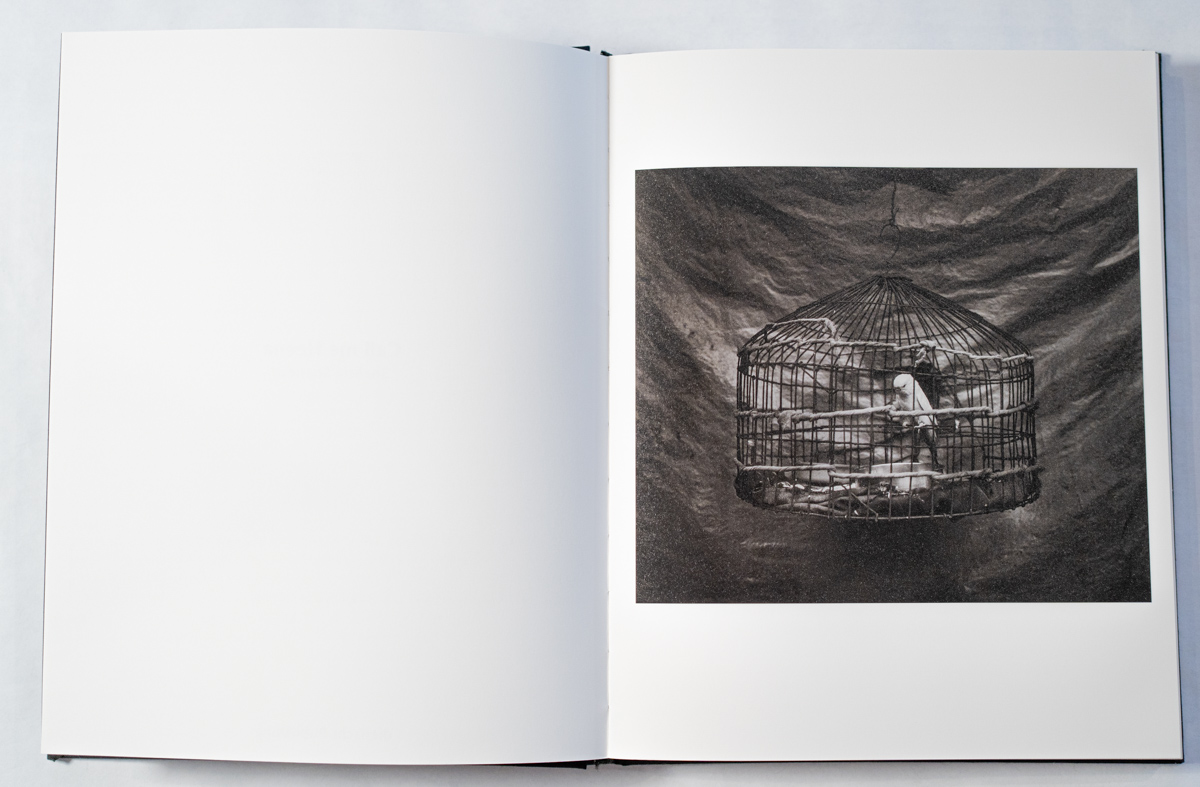
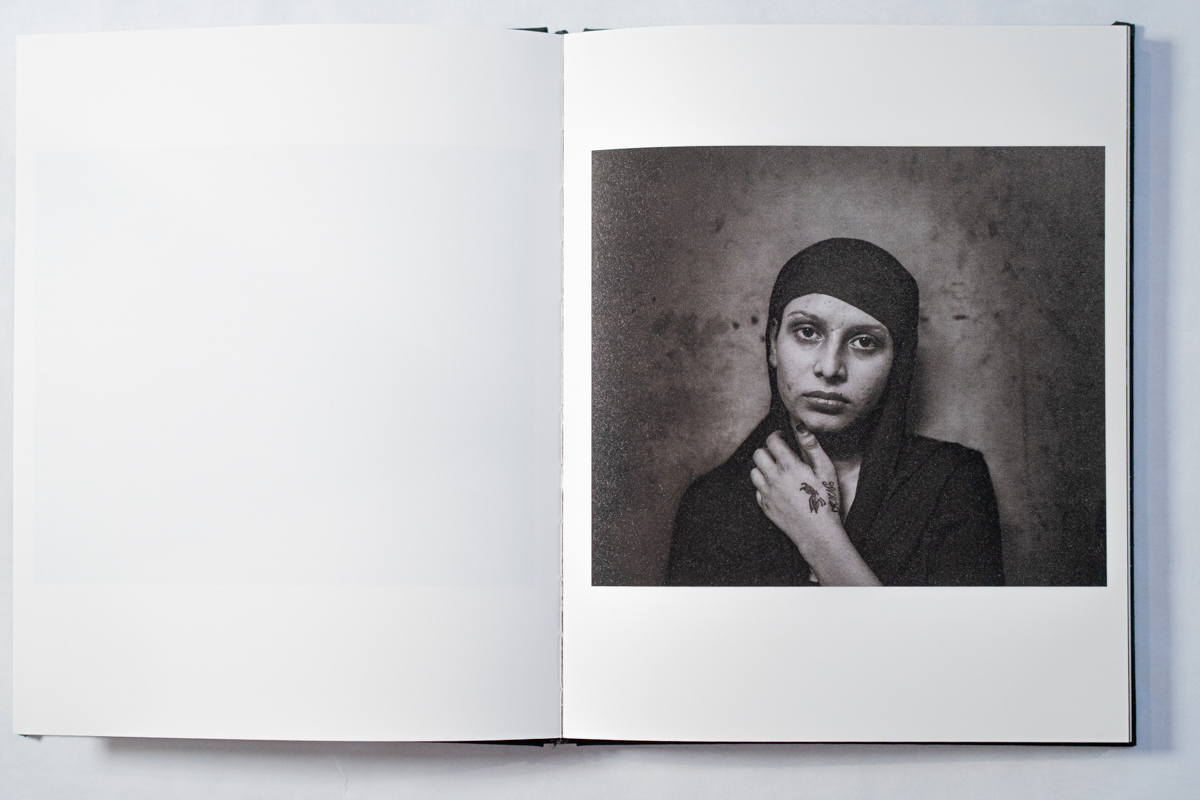
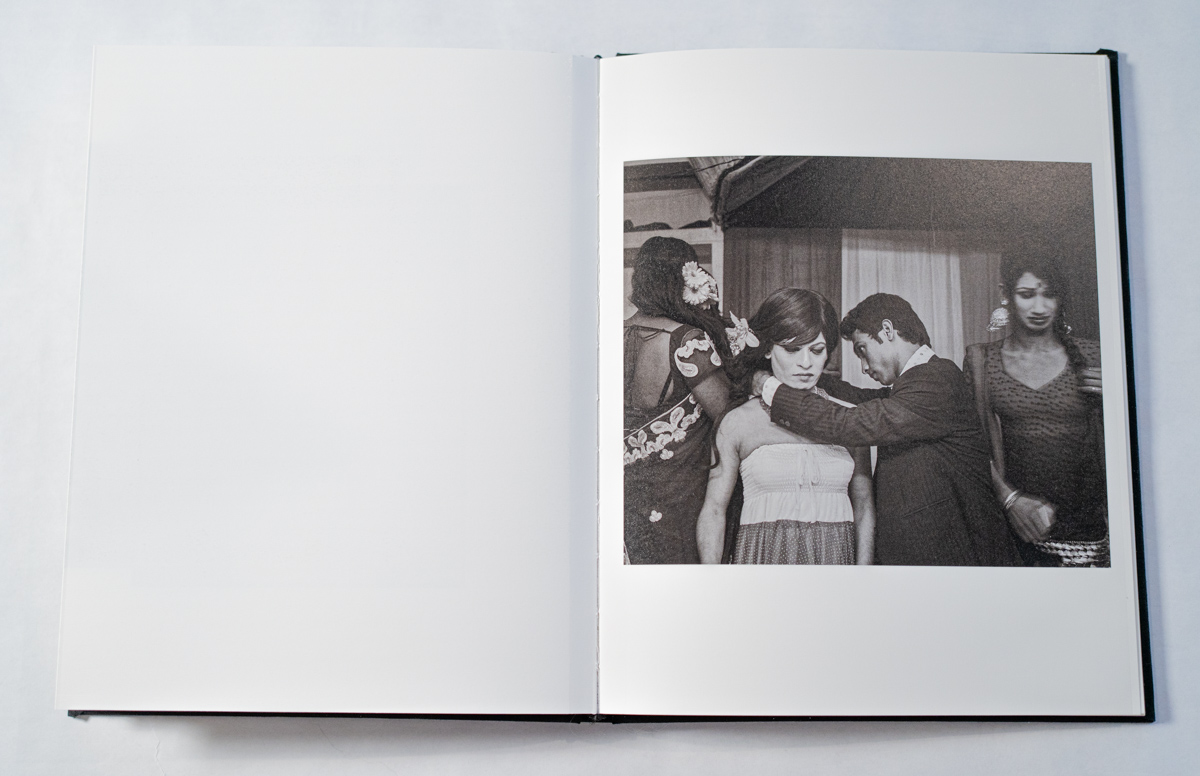
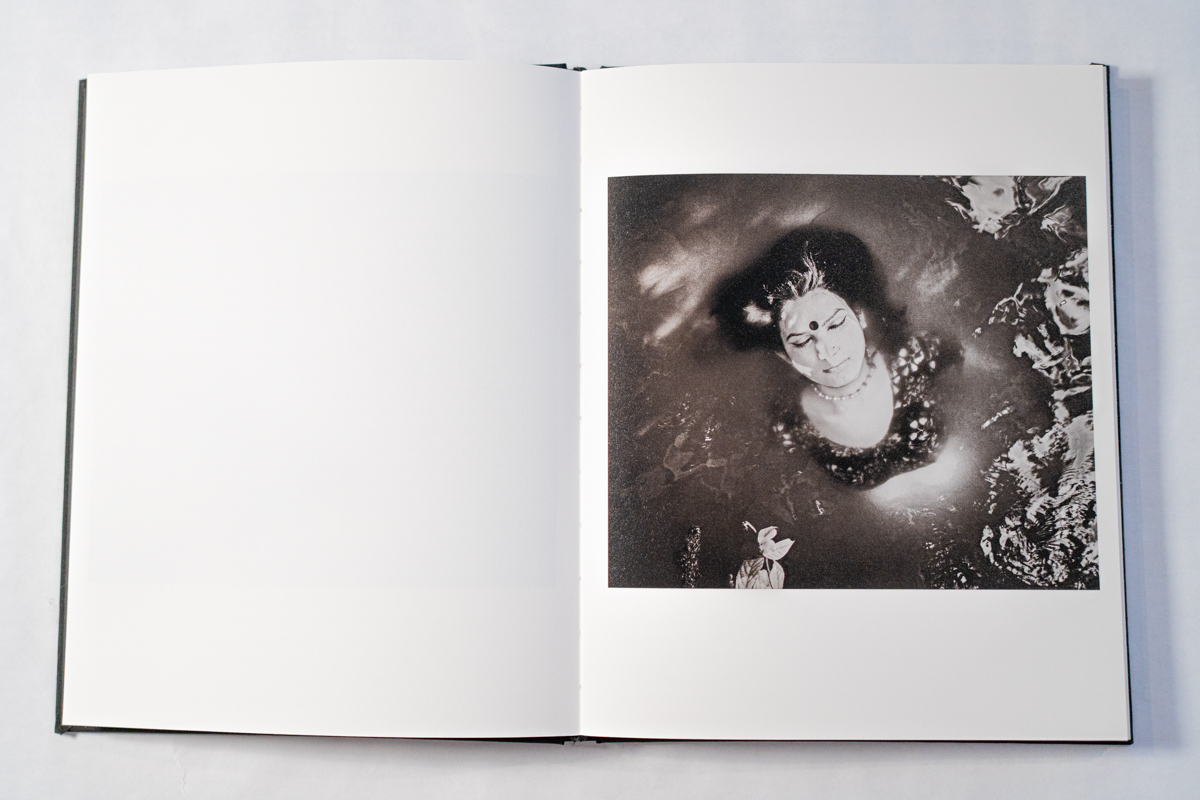
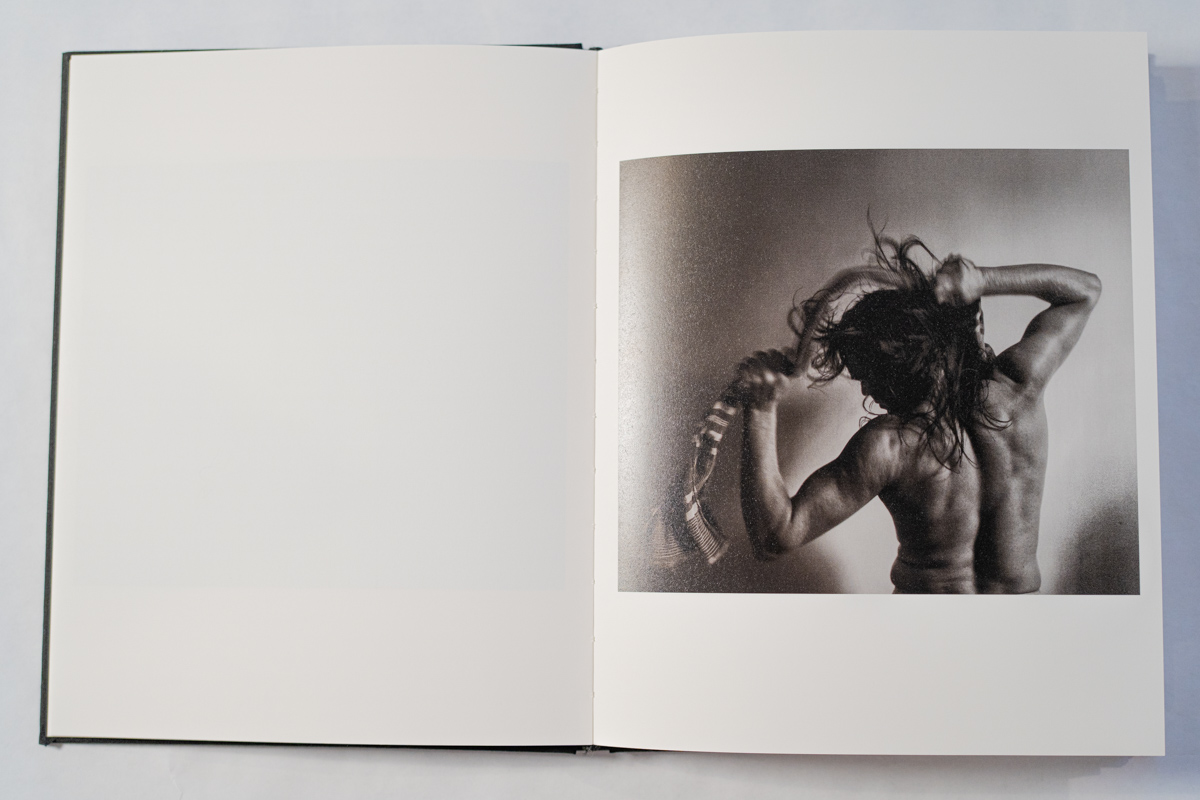
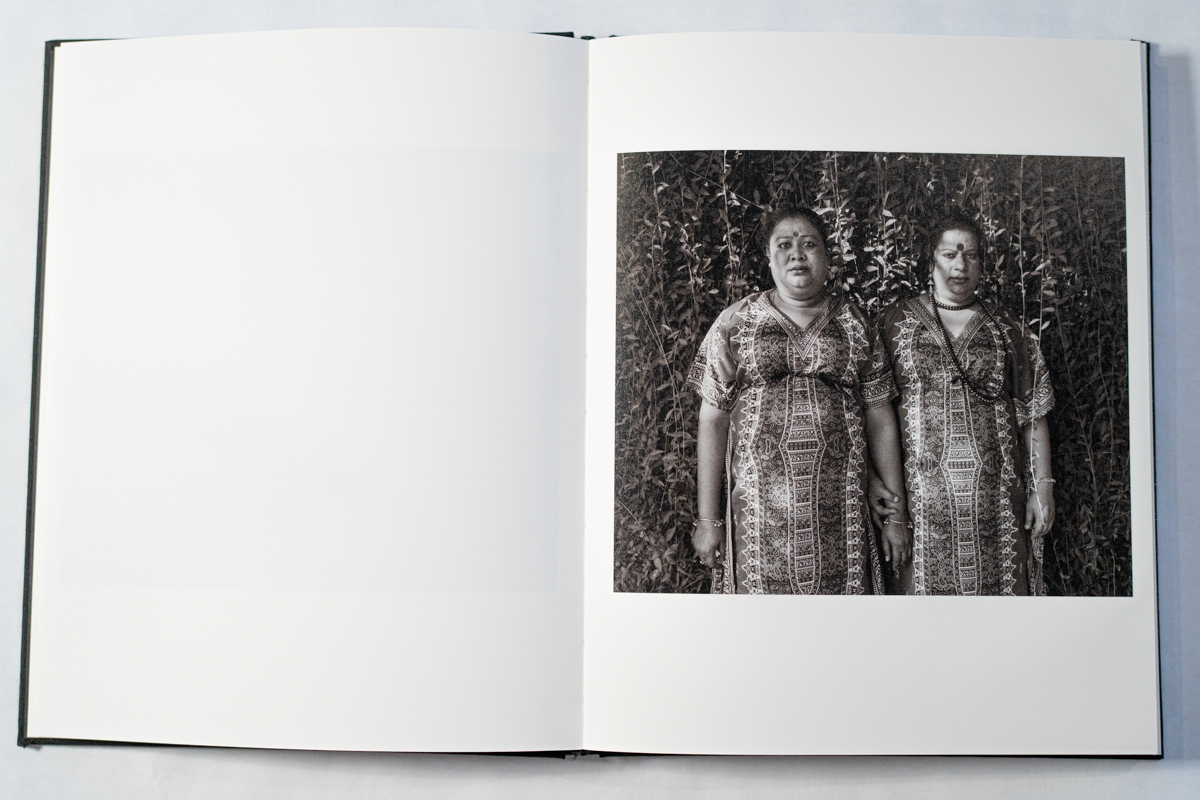
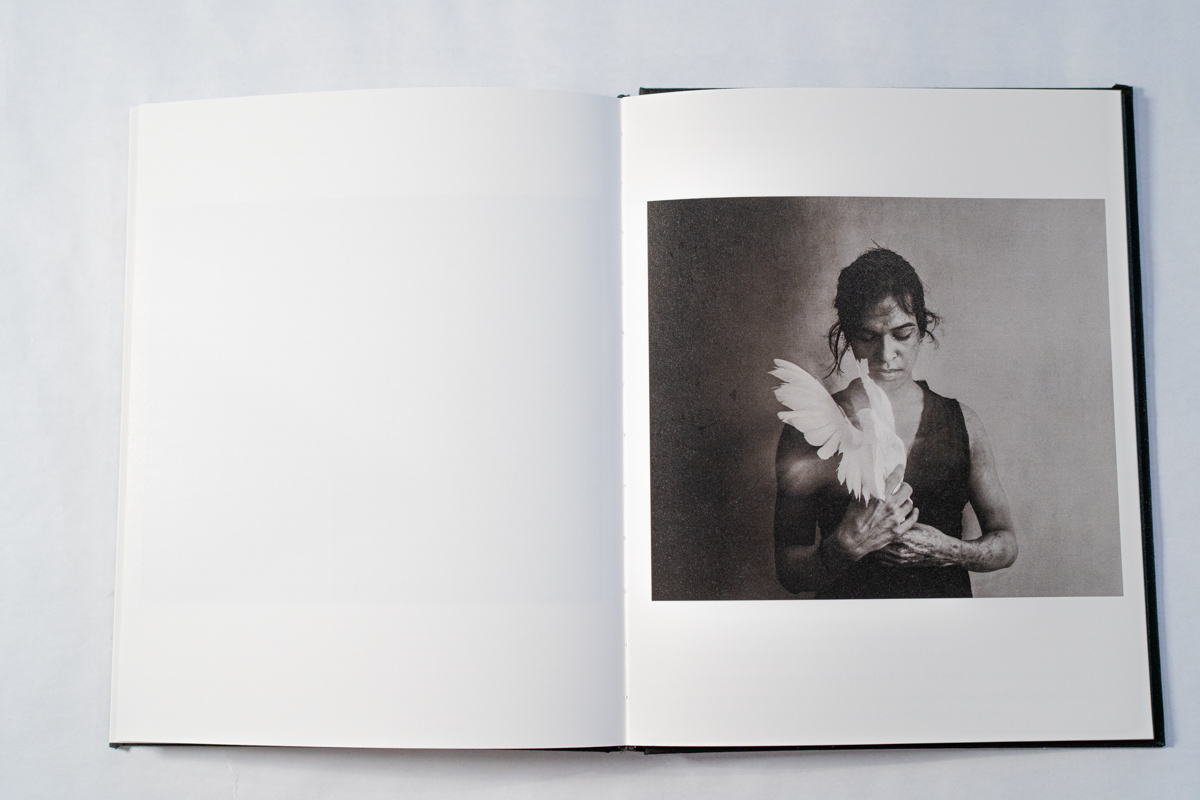
The book opens with a bird in a cage and closes with a bird apparently being loosed to freedom. The noir mood of the book is enhanced by the large format, black and white images. Most are portraits but some, like the opening, are metaphorical icons for the community. At the book’s closing are 8 black pages with silver print, thumbnails of the images with comments from the subject of the portrait. At first, the thumbnails seem random but then emerge as a metaphor for the invisible status many of the Hijra experience. The thumbnails are at the end and because of the page color and silver print, are not so obvious. I found the main images more compelling to the story but was happy to receive the short statement from the portrait’s subject about her life. Sometimes, their story was close to what I imagined, most times, it was not.
We meet the subject of the title, Heena, in the first half of the book. I’m grateful she welcomed Sharmin into the community and happy the camera was also accepted. Some of the subjects looked uncertain, some looked confident, others distracted…no different than folks in other portrait books…however their back stories are quite different from anywhere else and Sharmin managed to bring that sense of vulnerability and heart into her portraits.
Sharmin tells us of a young woman whose dream was to stand in the family portrait as herself, something not possible because her family turned away from the love of their child and sent her away. During those years, Sharmin lost her mother. She found herself grieving the loss of her mother thinking of the grief of a woman whose mother had sent her away.
Sharmin writes:
“This is a gesture of remembrance. And of love.
To those who live between definitions.
To those whose bodies carry stories we refuse to name.
To those who have been erased, and still find ways to dream.
In a time when so many are being silenced, I offer this book as a space for listening.”
This is an incredible book, an astonishing journey into a community which flickers between invisible, accepted, respected and reviled. The images magically bring you into that community and that journey is more than the images. As Sharmin writes to her young teen daughter in the Afterword, “Through you, I came closer to understanding the kind of love that makes space for truth.” This book does, too.
__________
Lee Halvorsen is assistant editor, writer and visual artist living in Virginia.
__________
Call me Heena by Shahria Sharmin
Artist: Shahria Sharmin living and working in Dhaka, Bangladesh
All text and images ©2025 by Shahria Sharmin
Book ©2025 by dienacht Publishing
Publisher: dienacht Publishing
Concept & Design by Calin Kruse
Editing & Sequencing by Calin Kruse and Yana Kruse
Lithography: Antonis Granis
Website for purchasing book at dienacht (purchase link at bottom of their writeup)
Printed and bound by Future Format, Greece
Language: English
Hardcover, foil stamped linen, with lay flat, stitched binding, 104 unpaginated pages including a pop-out leporello, 8 pages printed silver on black paper, 16 page booklet on cover, 20 page booklet inside, 19 x 24 cm, ISBN 978-3-946099-37-6
__________
Articles and photographs published in the PhotoBook Journal may not be reproduced without the permission of the PhotoBook Journal staff and the photographer(s). All images, texts, and designs are under copyright by the authors and publishers.
 PhotoBook Journal
Leave a comment