Review by Hans Hickerson ·
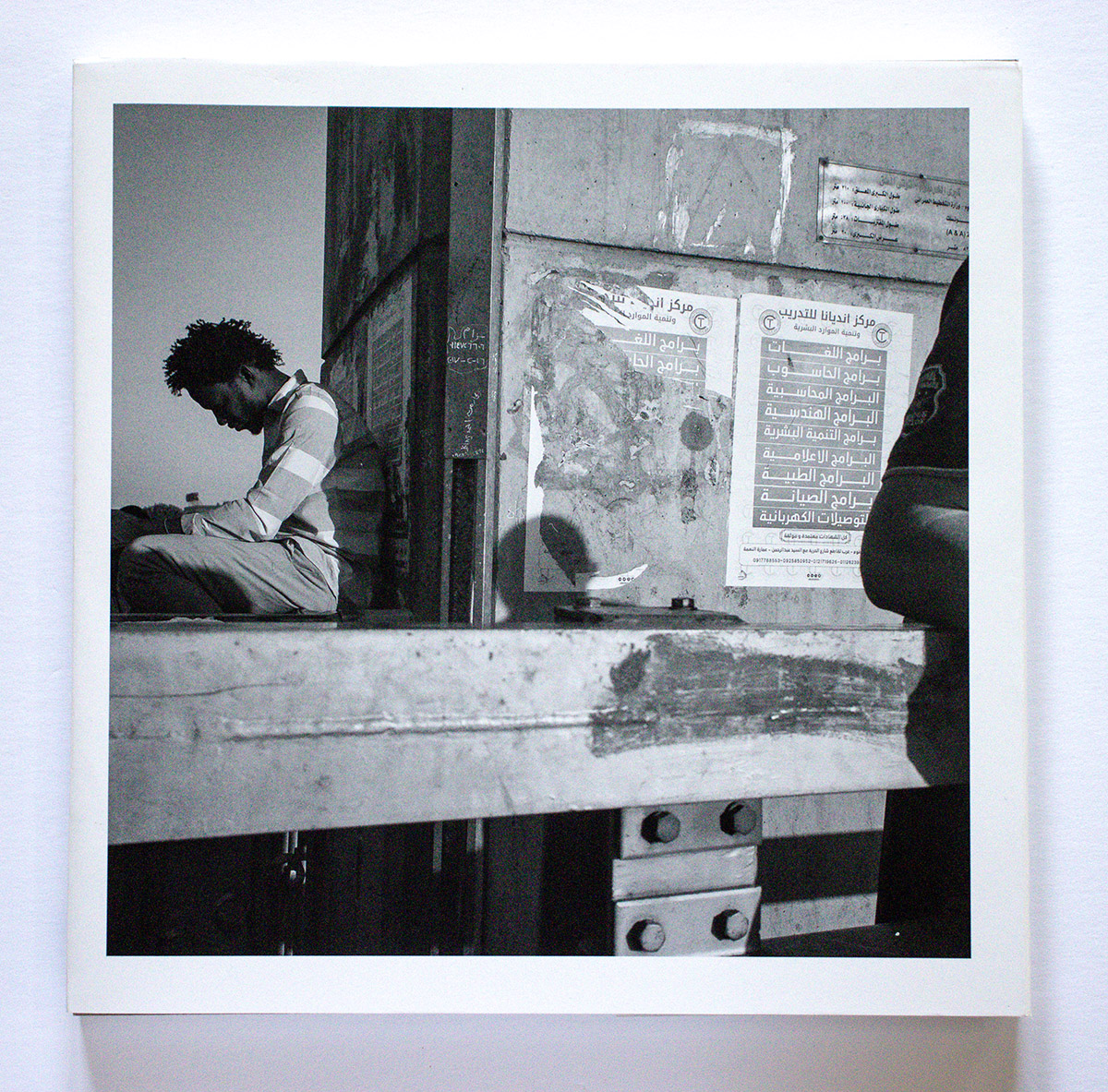
When he made the photographs published in his book The Waning Season, Oliver Gerhartz probably did not imagine that they would become an elegy for a brief period of relative calm between the fall of a dictatorship and a brutal civil war. Gerhartz was in Khartoum, Sudan, working as an architect on a project that had to be abandoned when the war began, and his photographs depict a city halfway between social desert and no-man’s land, but with scattered oases of surviving connection and hope. Given what was to follow in Sudan, The Waning Season documents the calm before the storm, the fragile stillness of a society soon to be broken.
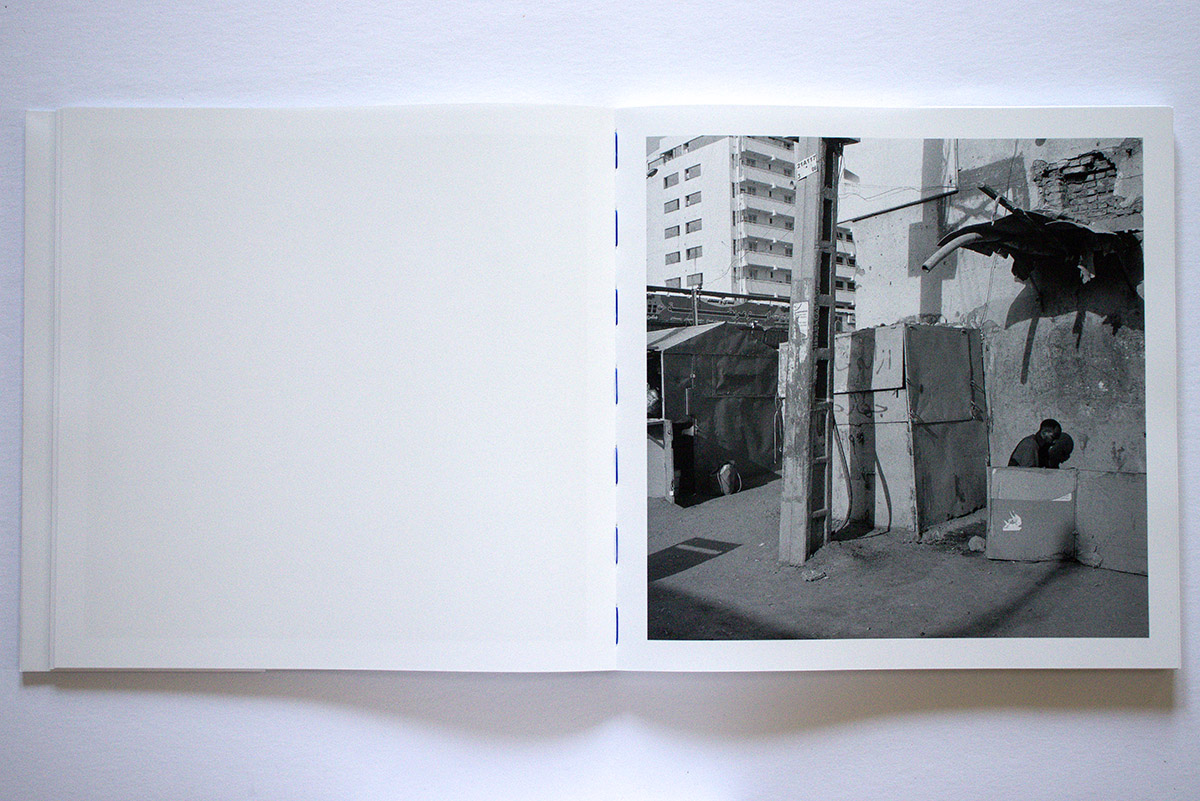
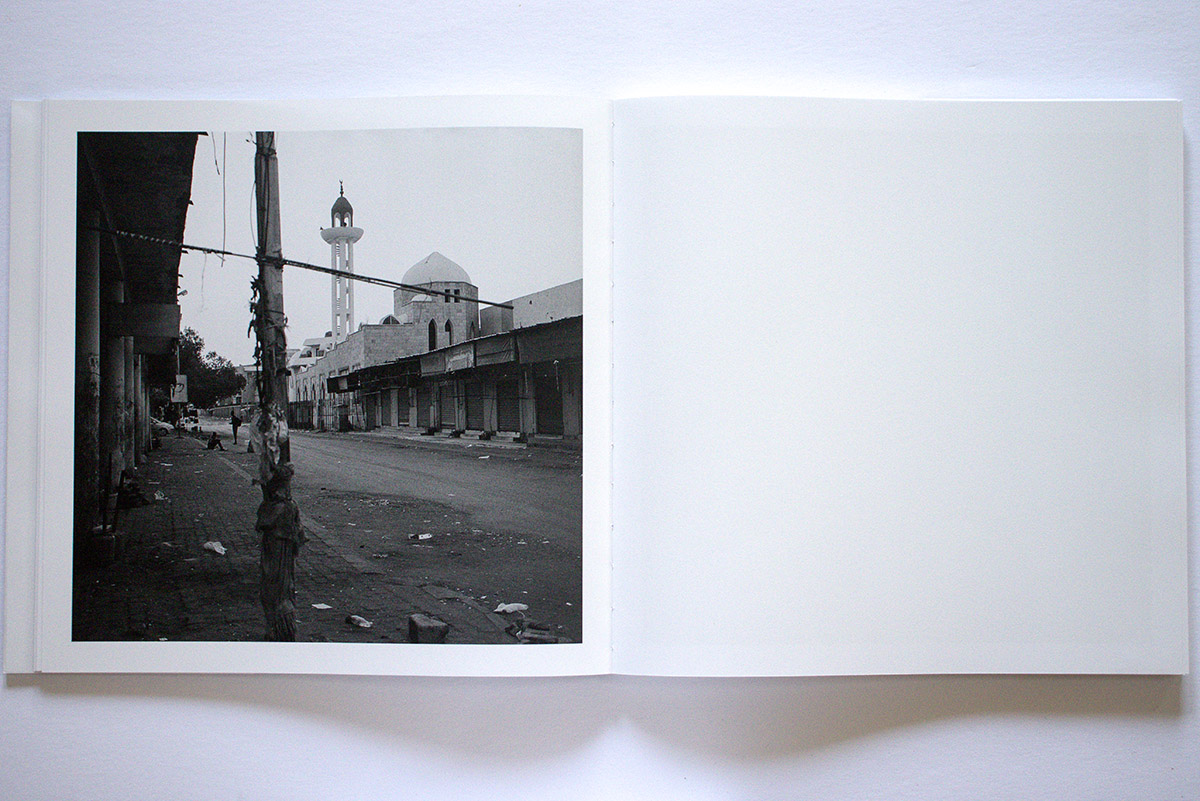
One can only imagine what Khartoum looks like today after more than two years of violence and upheaval. It was already rough around the edges when Gerhartz was there. If we go by what we see in the book, it was a hot, dusty, and dirty place, the streets littered with trash, the buildings damaged, patched together, and crumbling. There were few signs of social organization or civil authority – no police officers, mail carriers, teachers, or medical personnel. You see few women in the streets, and no older folks, just younger men and boys. There are not many cars, and you see almost no shops or restaurants. Everything is closed up. There are no animals and so few plants that it comes as a shock when you see them. There seems to be little water; everything is parched and dry.
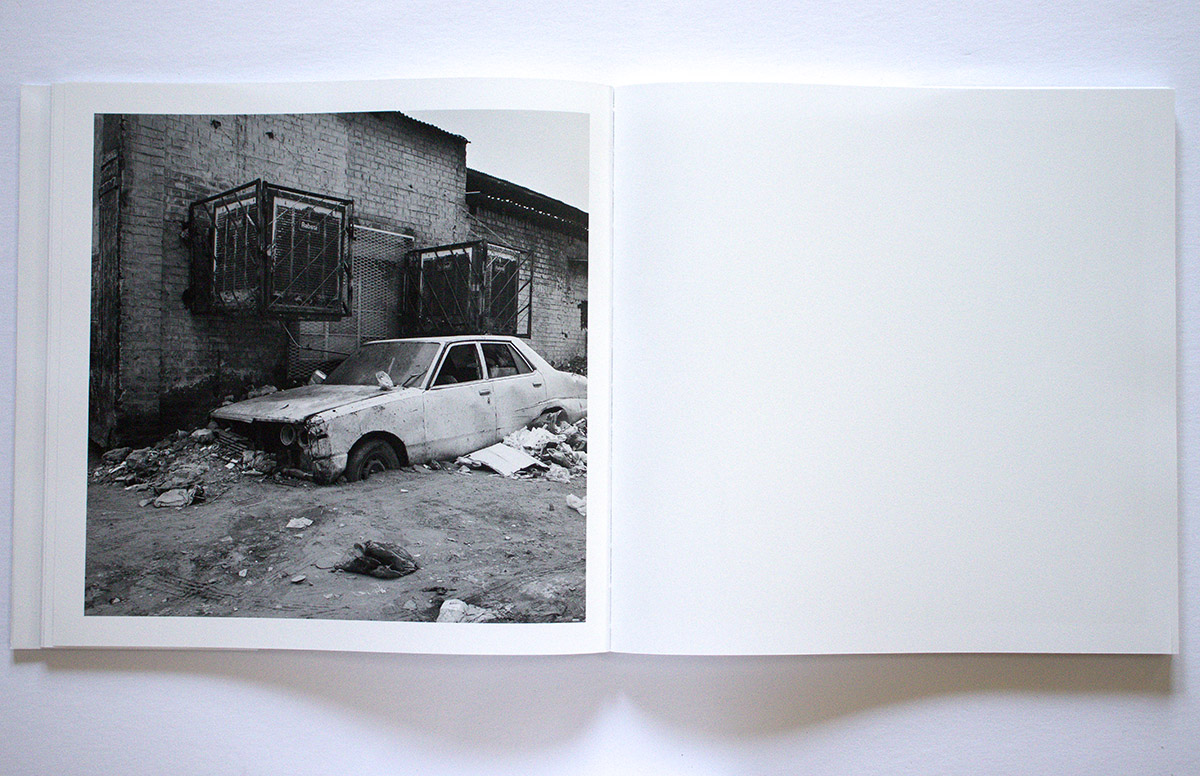
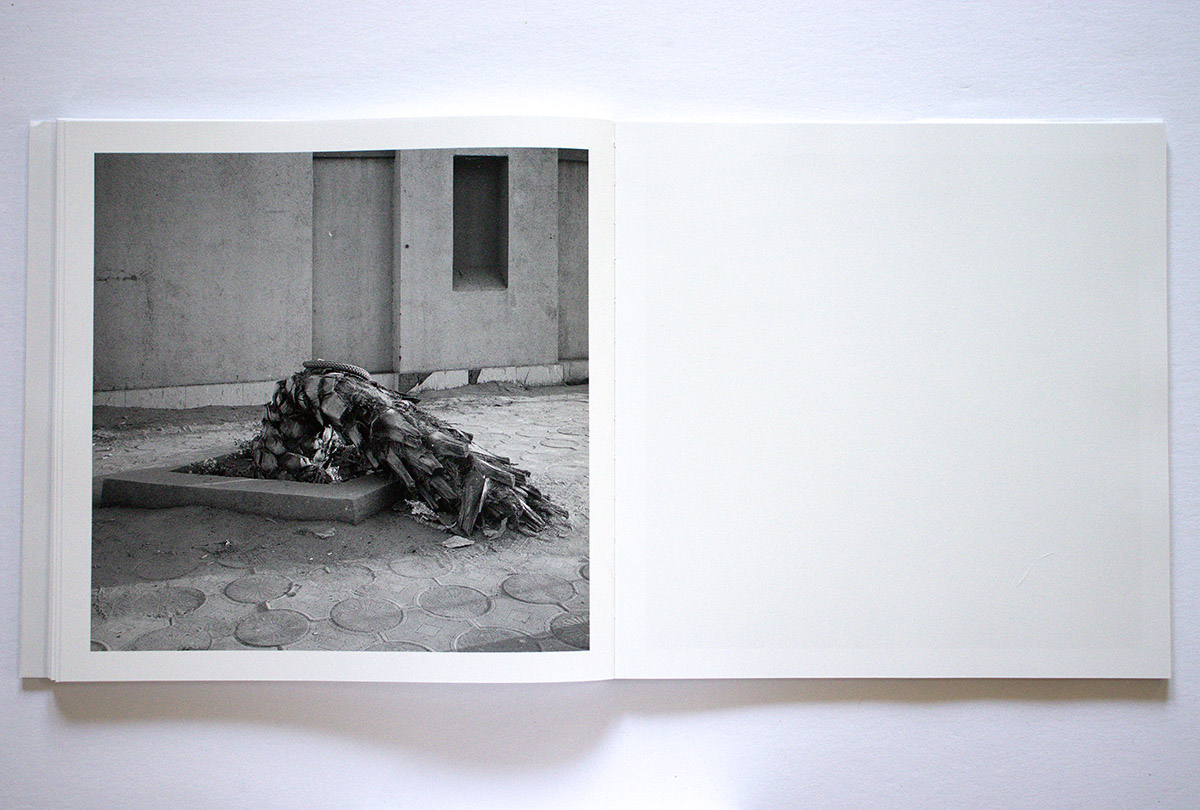
Signs of chaos and neglect are everywhere: the carcass of an abandoned car, littered with trash; shredded plastic bags caught in fences and tree branches; tangled wires hanging out of an electrical panel with no cover; the amputated trunk of a palm tree toppled over as if bowing. To be sure, we do glimpse a few places that are not in disrepair, that seem to be orderly and well maintained, among them an occasional high-rise apartment building. In the end, however, the idea of The Waning Season does not seem to be about journalistic objectivity but rather about a personal point of view that offers testimony to what was witnessed.
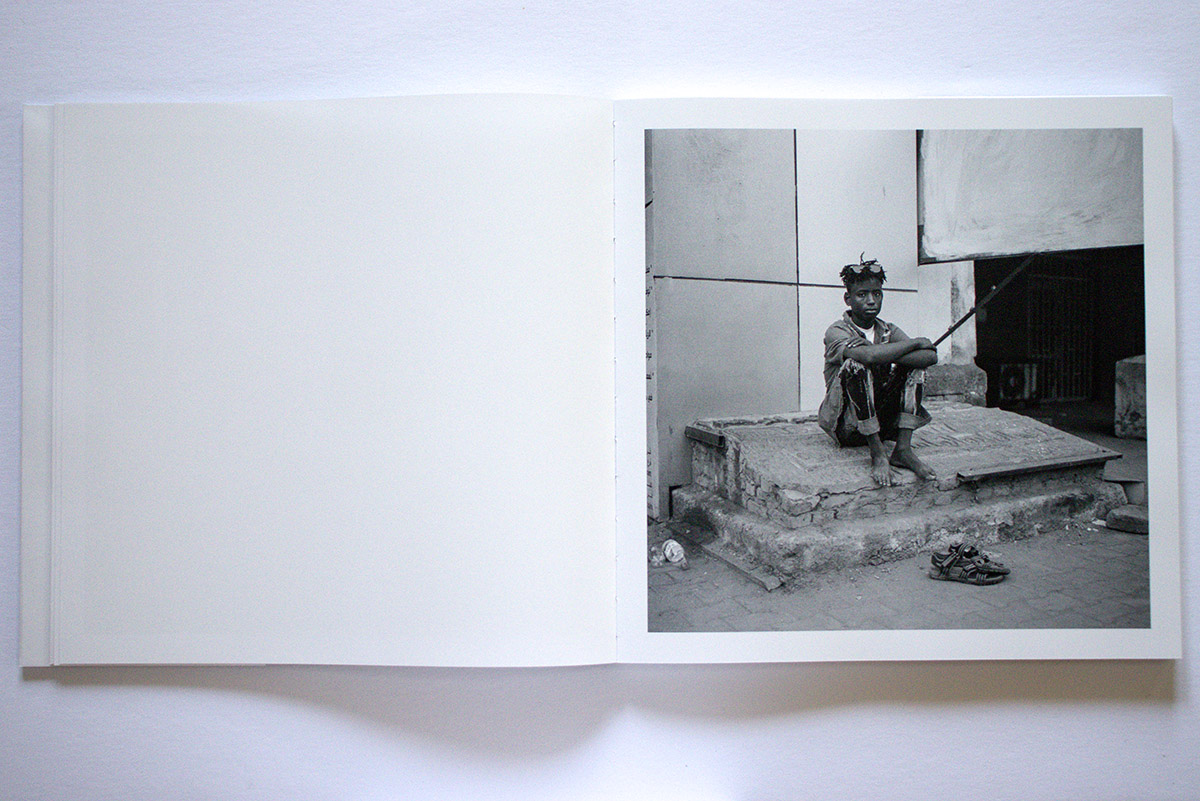
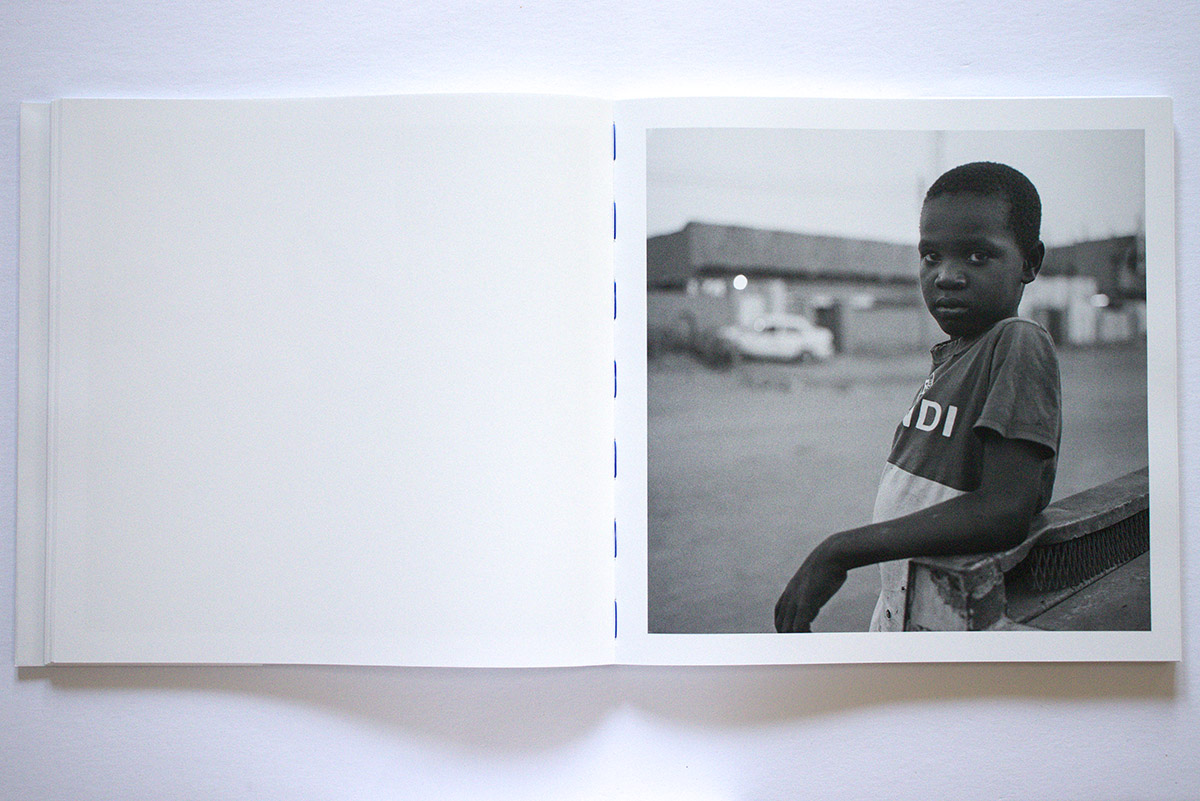
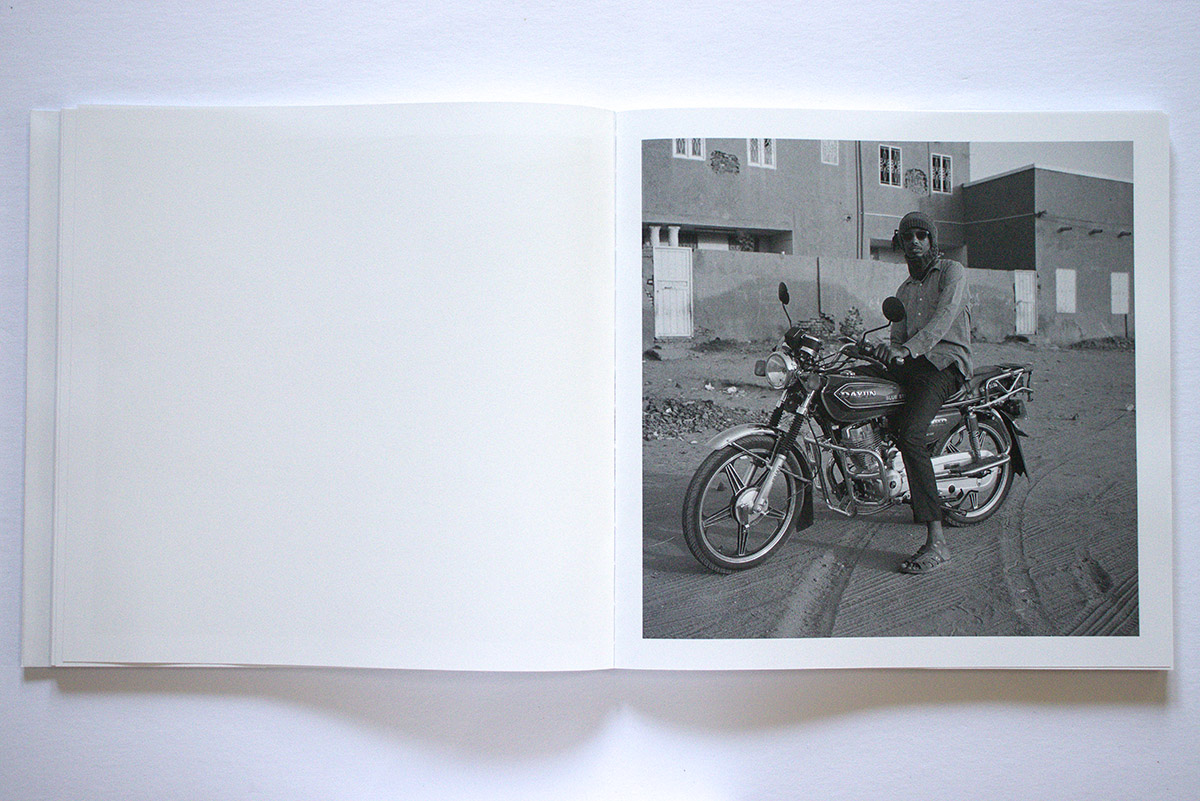
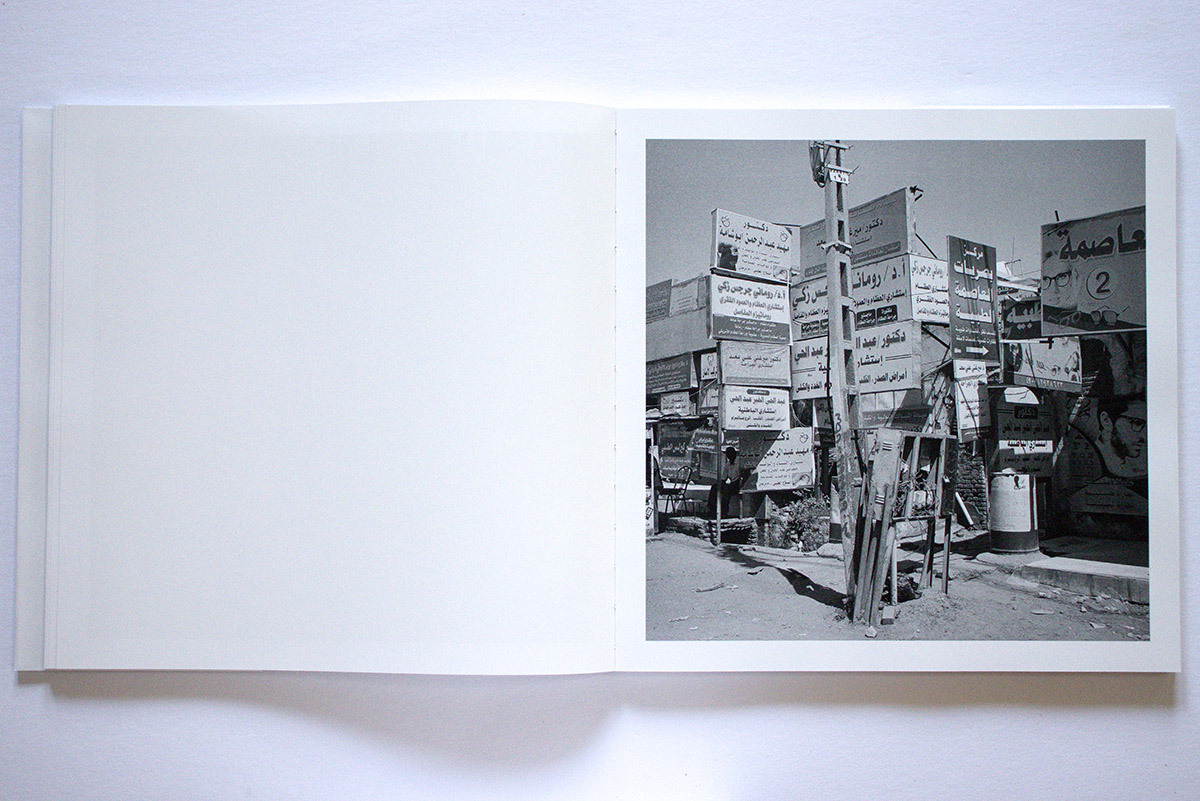
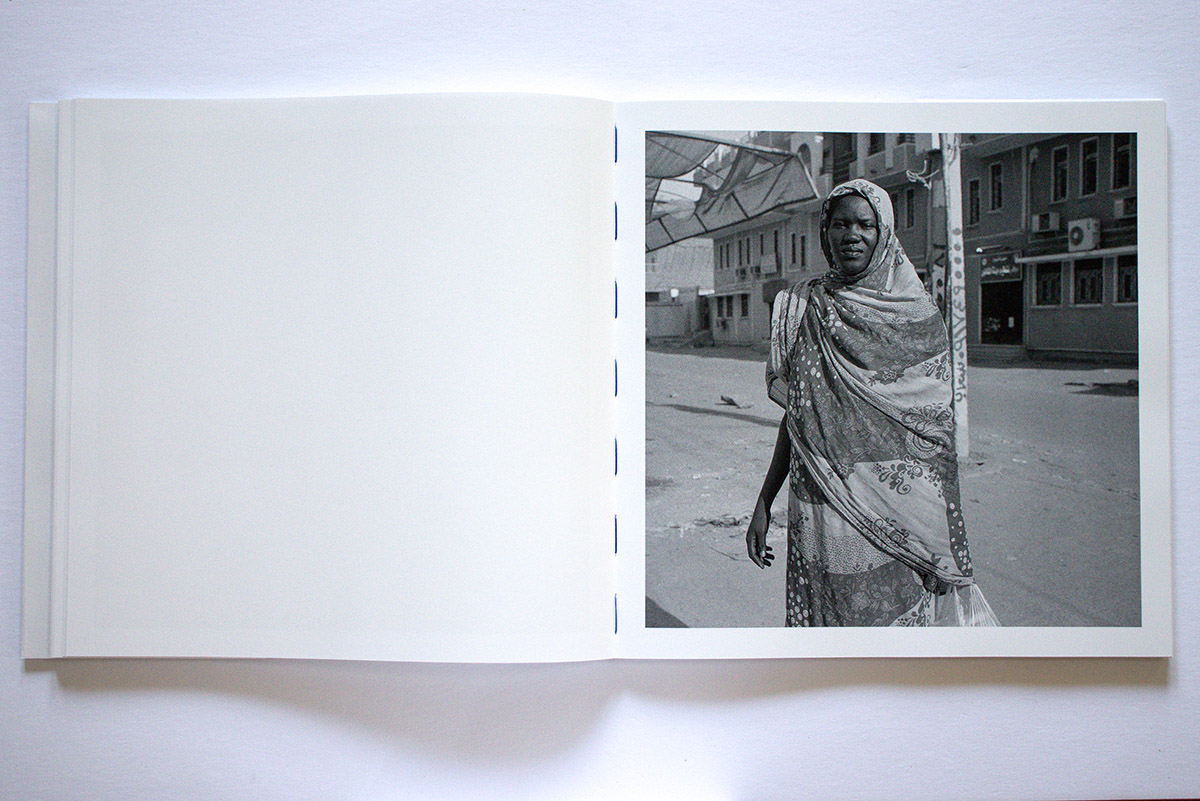
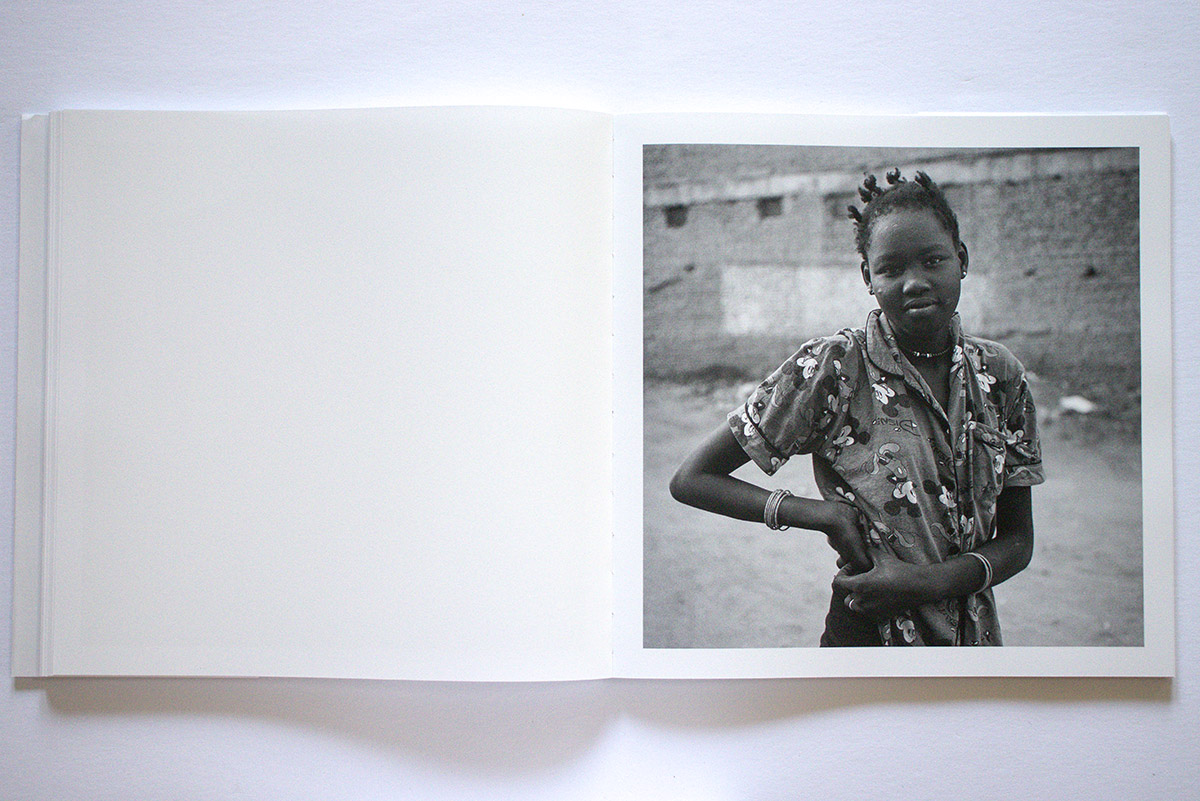
Of the 47 photos in the book, some two dozen are street scenes, about half of which include people. Another dozen or so are portraits where the subject is posing for the photograph. There are several photographs of signs in various states of decay and disrepair, and more than a few of hand-painted wall portraits, including a unique two-photograph page spread that includes what looks like soldiers.
The portraits provide a welcome relief from the harsh urban landscape. The subjects are treated sympathetically and with dignity. They are seen comfortably sitting or standing in the street. Given the probable language barrier, perhaps Gerhartz was accompanied by a local who established a rapport with them. They are people who were out and about, younger men and boys mostly, along with a woman carrying a shopping bag and a girl wearing a Mickey Mouse shirt. On their faces you can read a full range of human emotion: wariness, resignation, respect, curiosity, suspicion, interest, and bemusement.
With its straightforward, low-drama black and white photographs, richly printed, The Waning Season reads like a lament for what was and now is lost, and it reminds us of what we are foolish to take for granted.
Hans Hickerson, Editor of the PhotoBook Journal, is a photographer and photobook artist from Portland, Oregon.
____________
Oliver Gerhartz – The Waning Season
Photographer: Oliver Gerhartz (born in 1968; lives in Berlin)
Publisher: Nearest Truth, Berlin © 2024
Language: English
Text: Oliver Gerhartz
Design: Lee Tesche
Art Direction: Brad Feuerhelm
Printing: Future Format, Greece
Hardcover with printed dust jacket; 47 photographs; Swiss binding, 100 pages, unpaginated; 10.5 x 10.5 inches, ISBN 978-3-00-080063-4
____________
Articles and photographs published in the PhotoBook Journal may not be reproduced without the permission of the PhotoBook Journal staff and the photographer(s). All images, texts, and designs are under copyright by the authors and publishers.
 PhotoBook Journal
Leave a comment