Review by Hans Hickerson ·
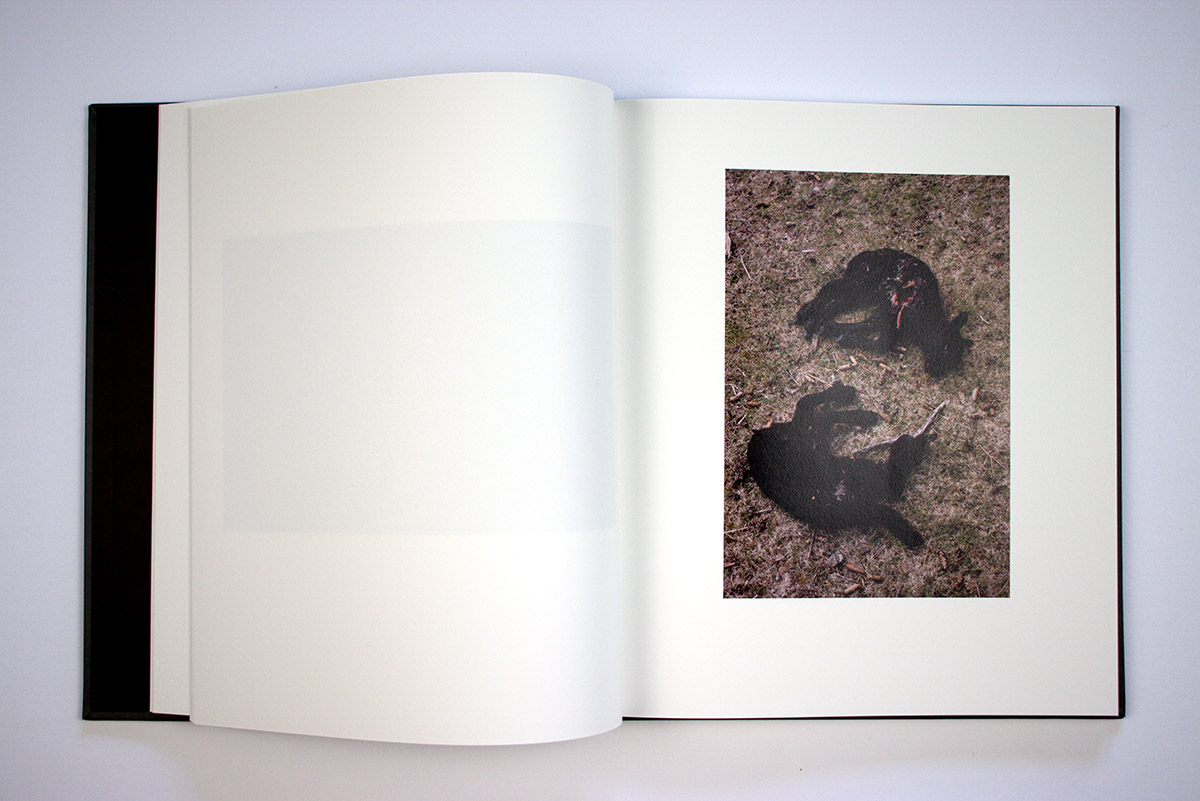
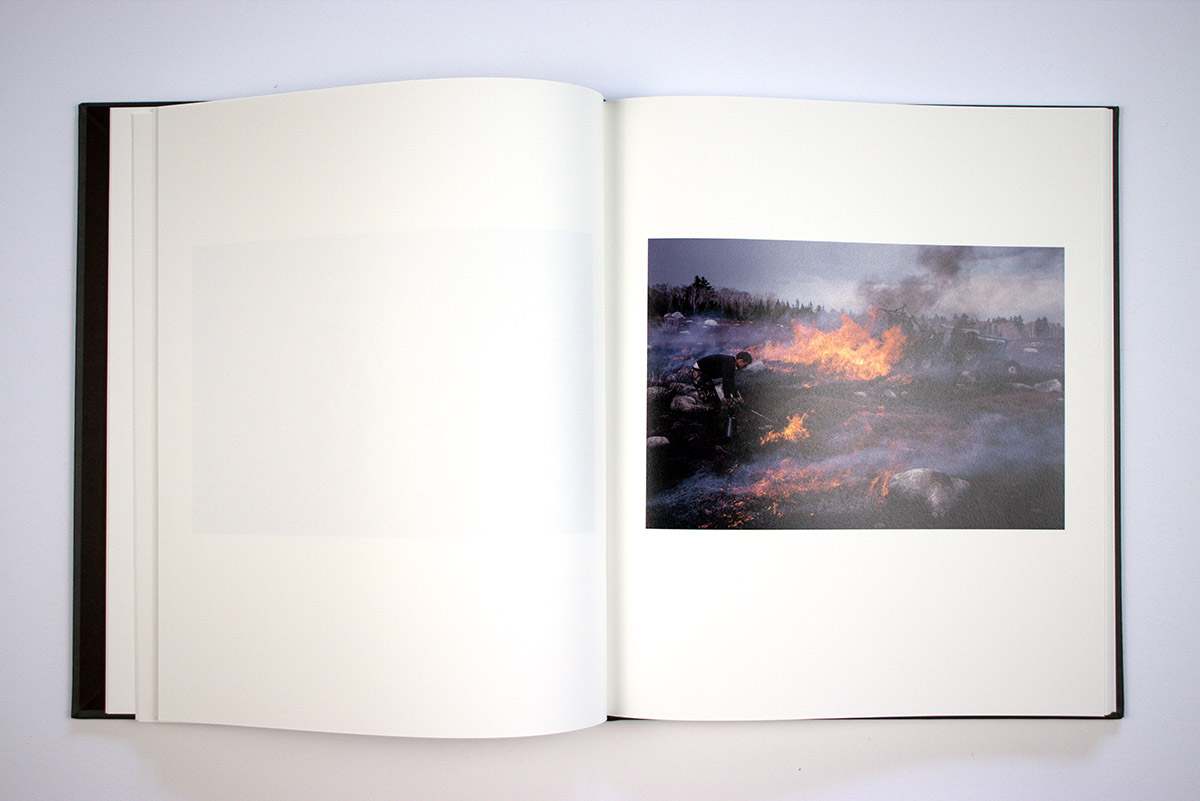
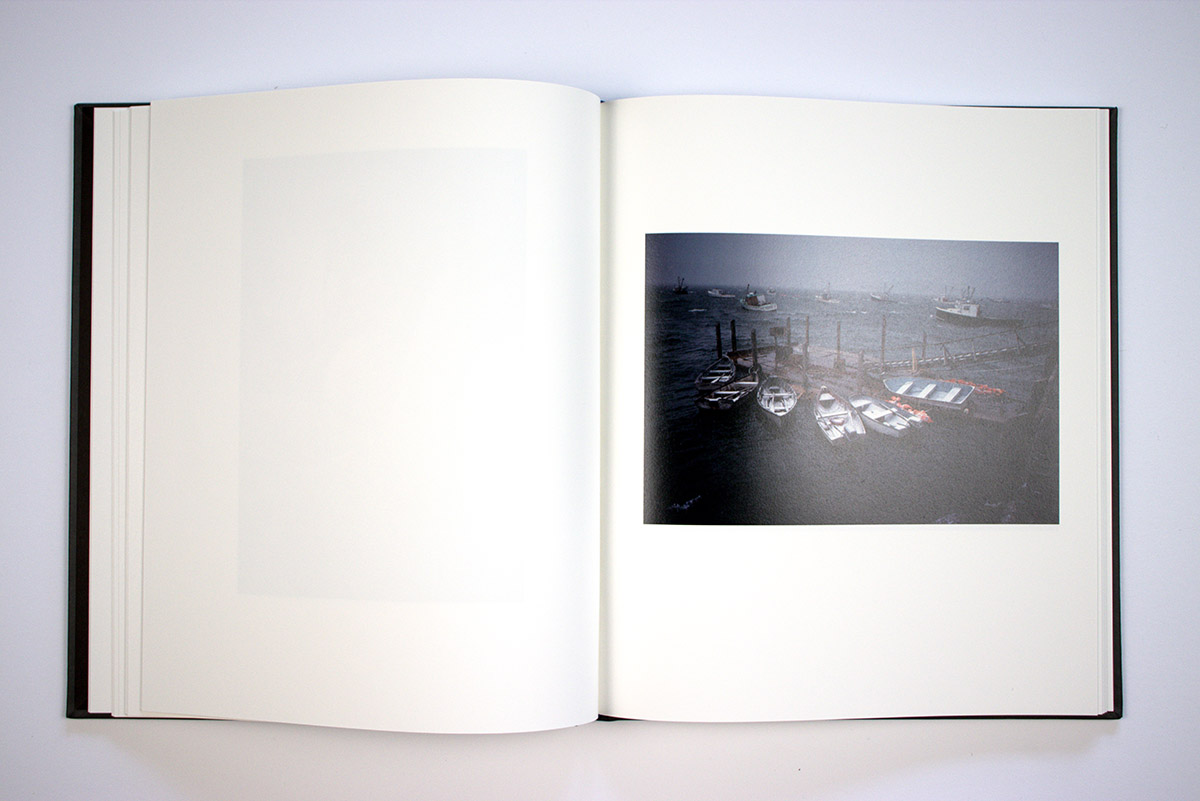
As a rule of thumb, photobooks are interesting in inverse proportion to the amount of white space surrounding the photographs. The more white space – the more the photos adhere to a fine print aesthetic – the more the book typically functions as a themed album and the less it explores the boundaries of book form.
Jeff Dworsky’s Sealskin escapes this fate thanks to its compelling subject and back story. Dworsky’s photographs – snapshots really – document his family life and local community, and they are not especially adventurous or artsy. They impress by their straightforward depiction of ordinary scenes and seasons from life in a remote fishing village on an island off the coast of Maine in the early 1980s, before gentrification had begun to change the fabric of local life.
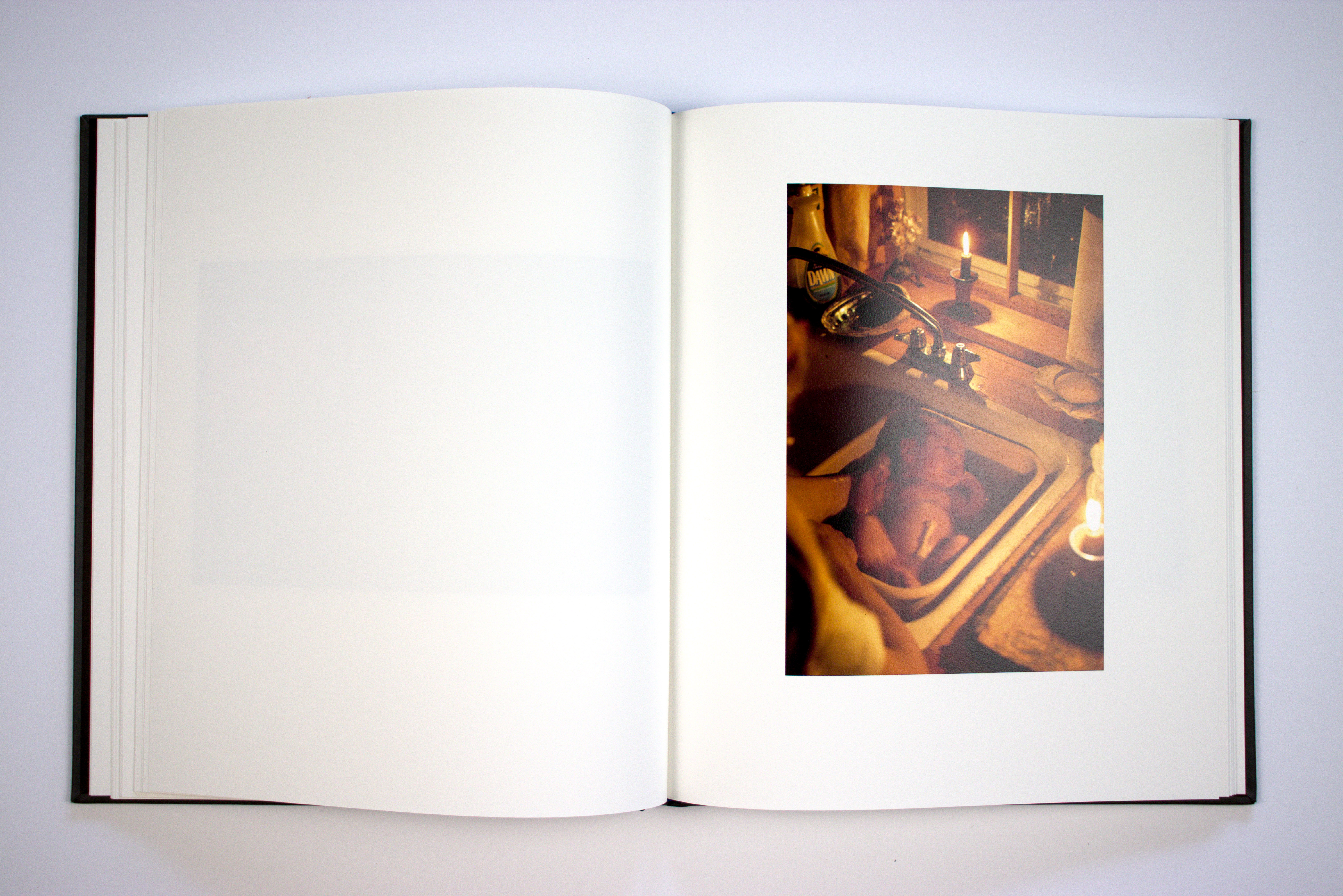
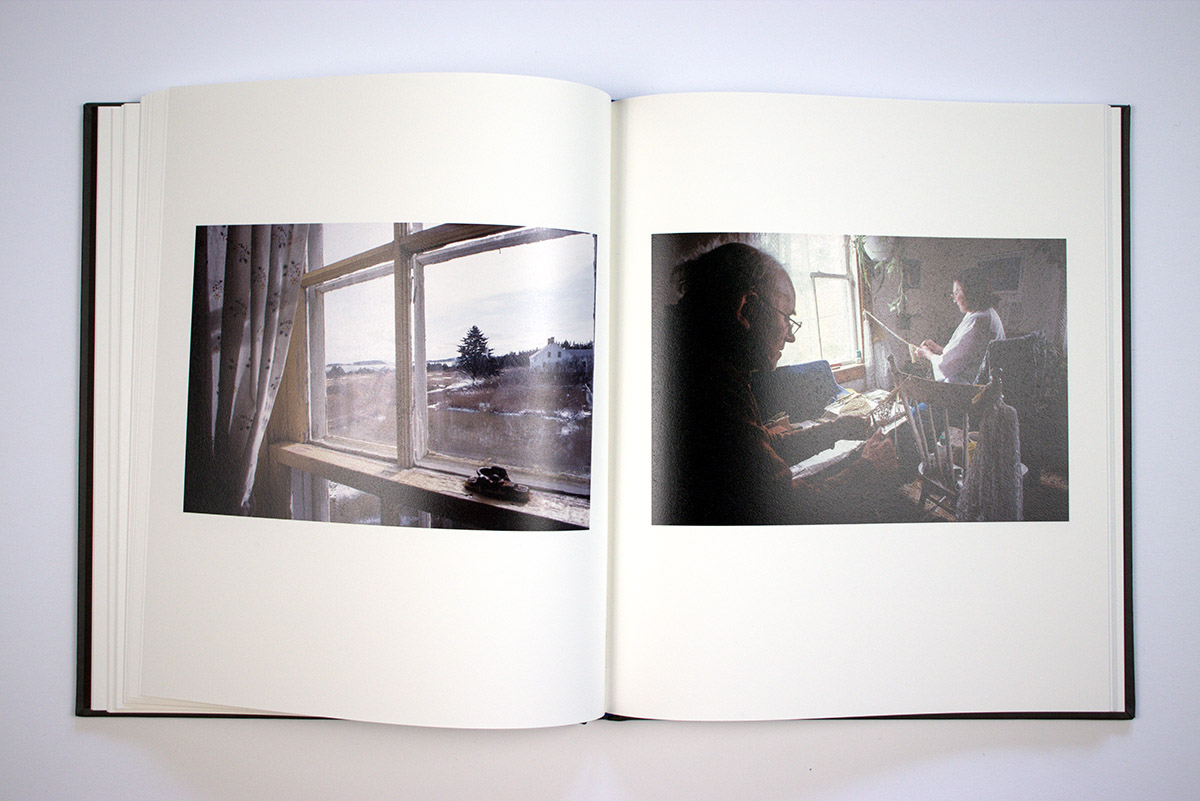
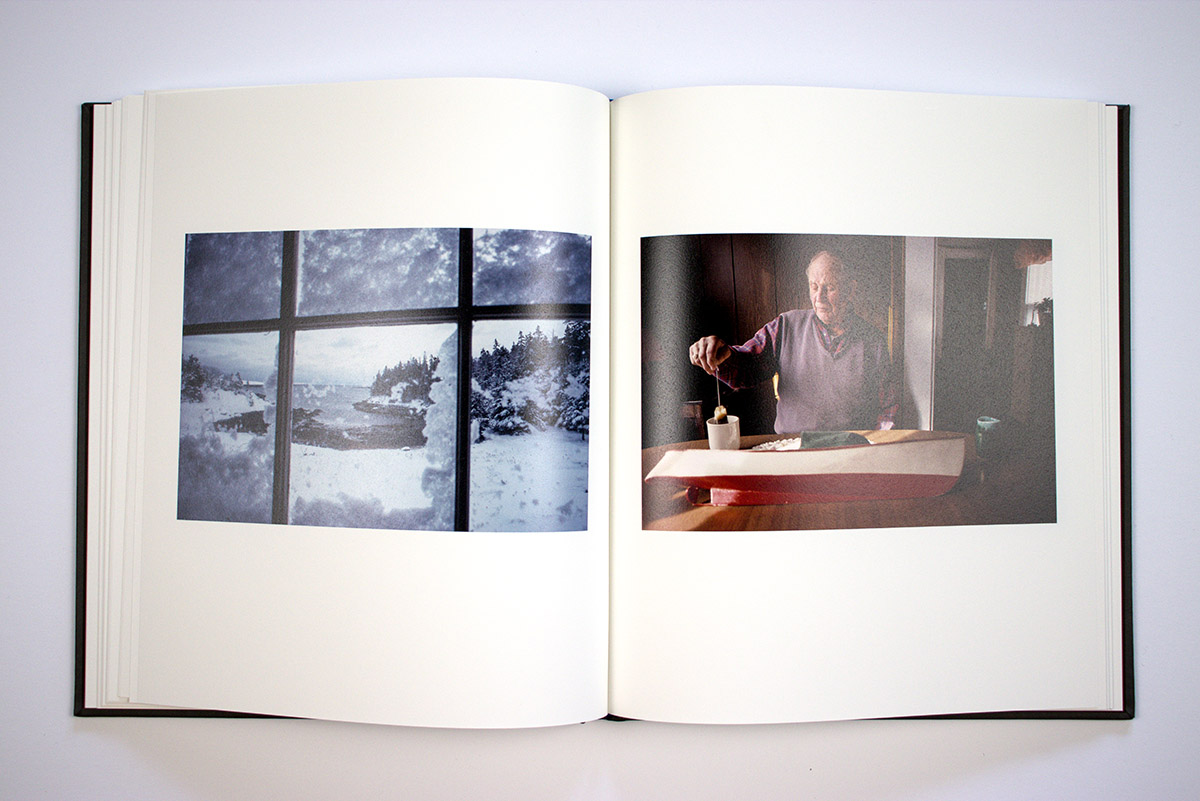
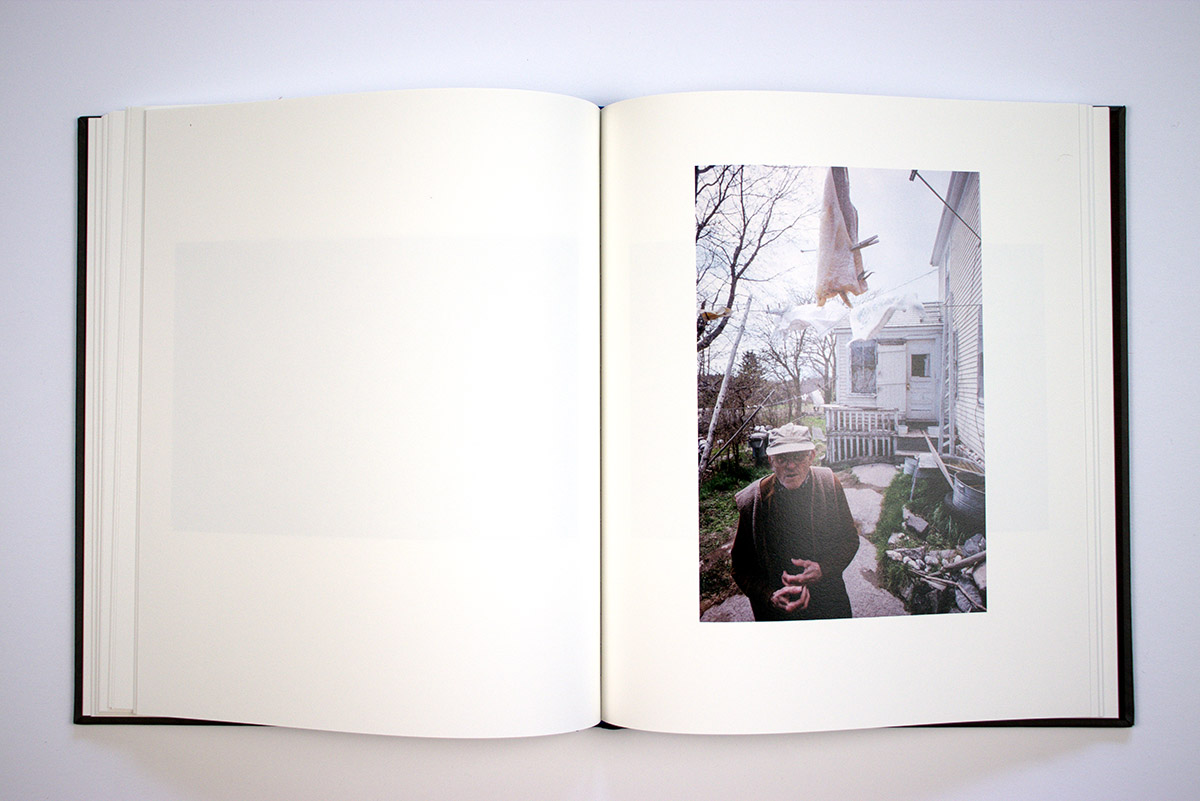
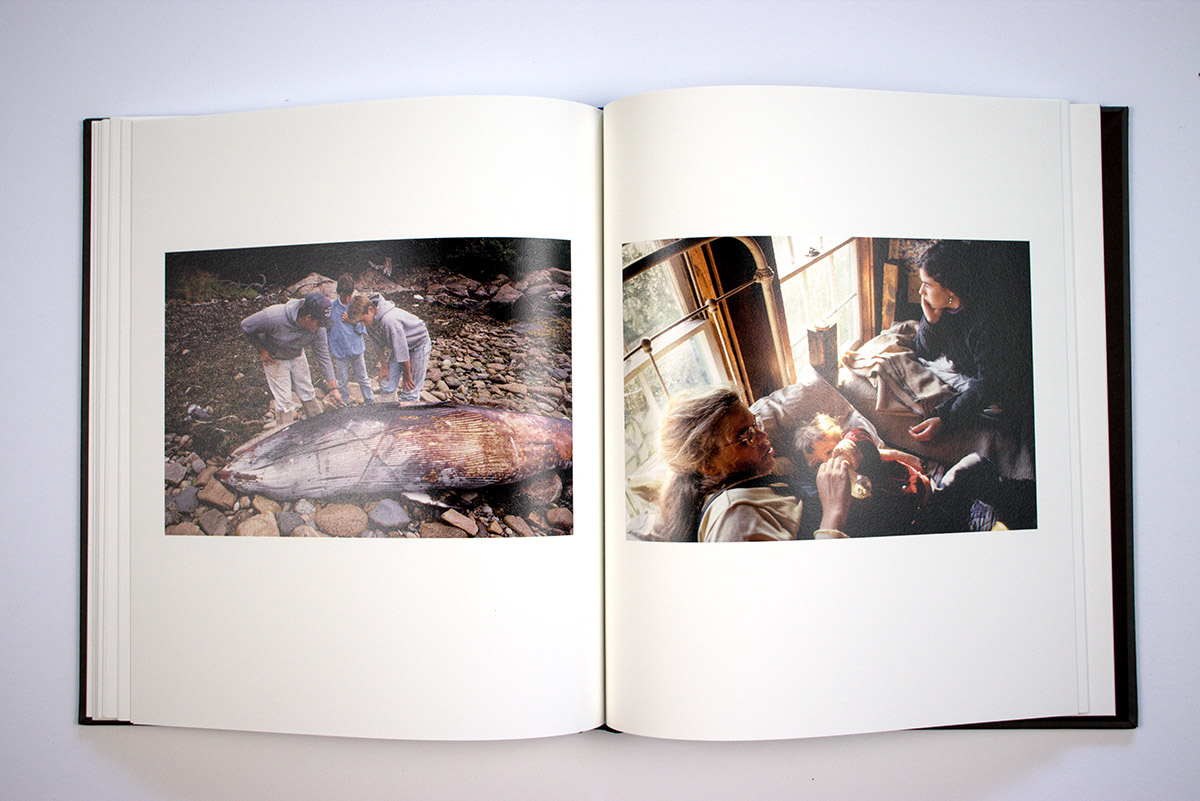
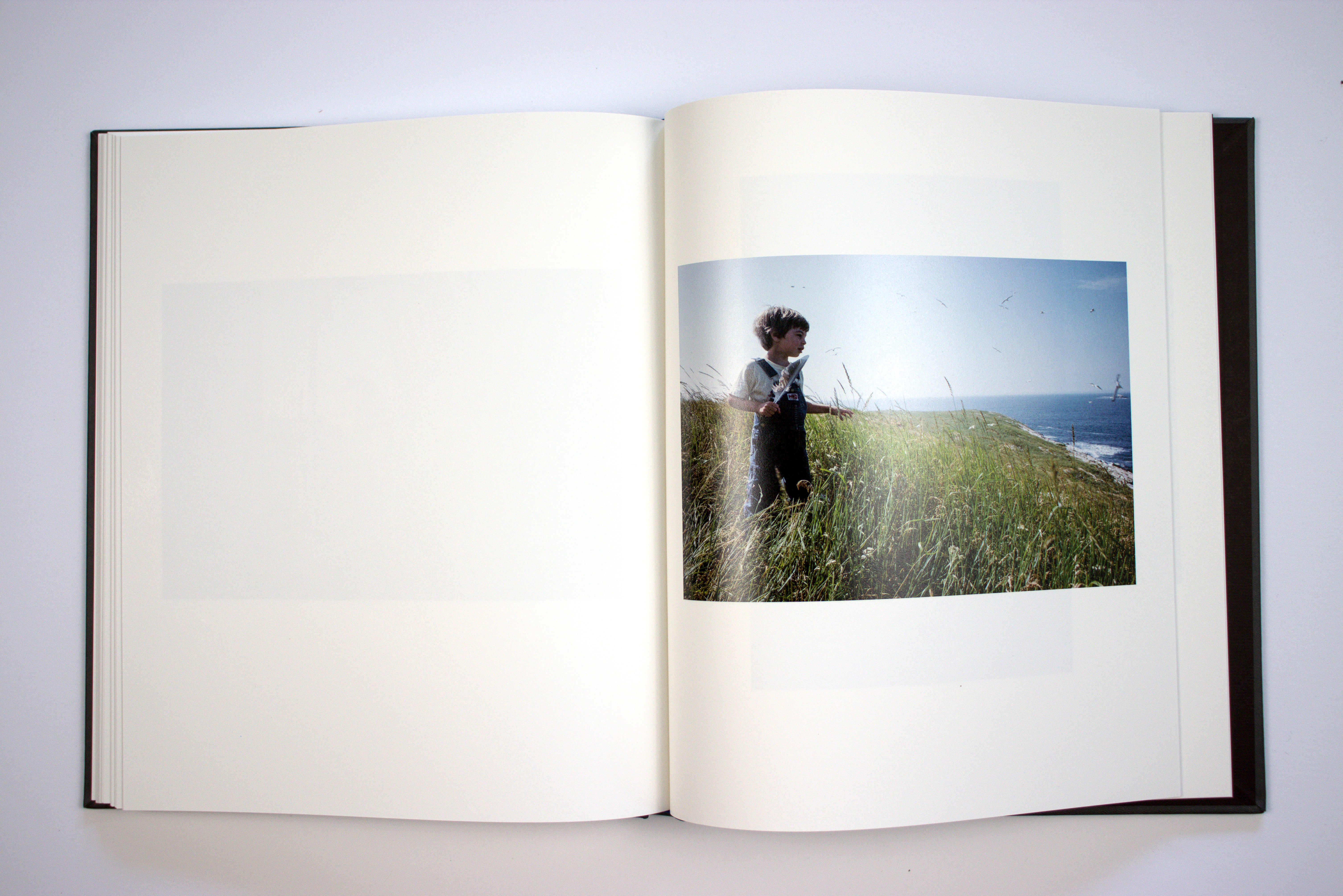
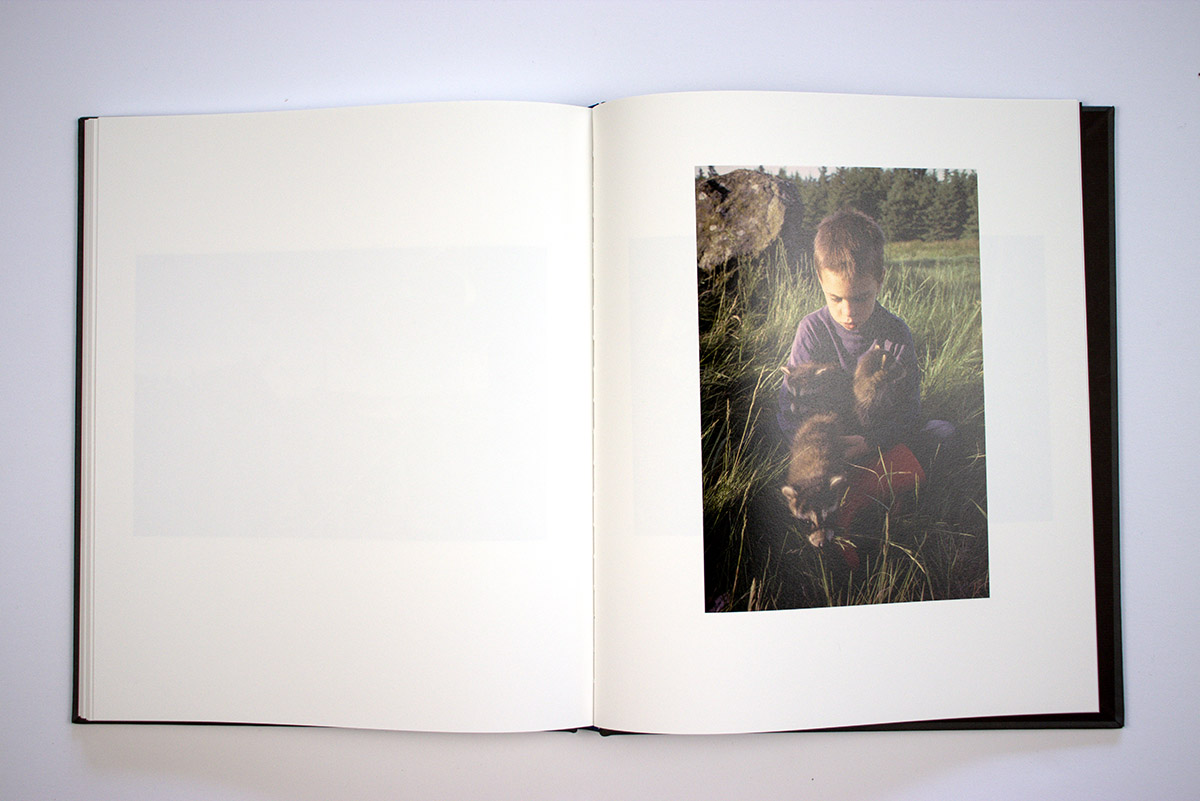
In terms of individual photographs, we see interiors and exteriors of rustic, simple houses that hint at the resilient character of the local coastal dwellers. We see Dworsky’s young wife posing nude, then pregnant, and then surrounded by her children, as well as a striking image of her full-on giving birth. We see weathered locals (fishermen, working men and women, old timers) plus people at all stages of life (infant, child, youth, maturity, geezer) and references to birth, life, and death. There are children in nature exploring and bonding with their parents. There are photos from different seasons as well as times of day; photos of the summer sun and flowers and winter snow and ice; photos of the ocean stormy and agitated and also mirror-calm at sunset.
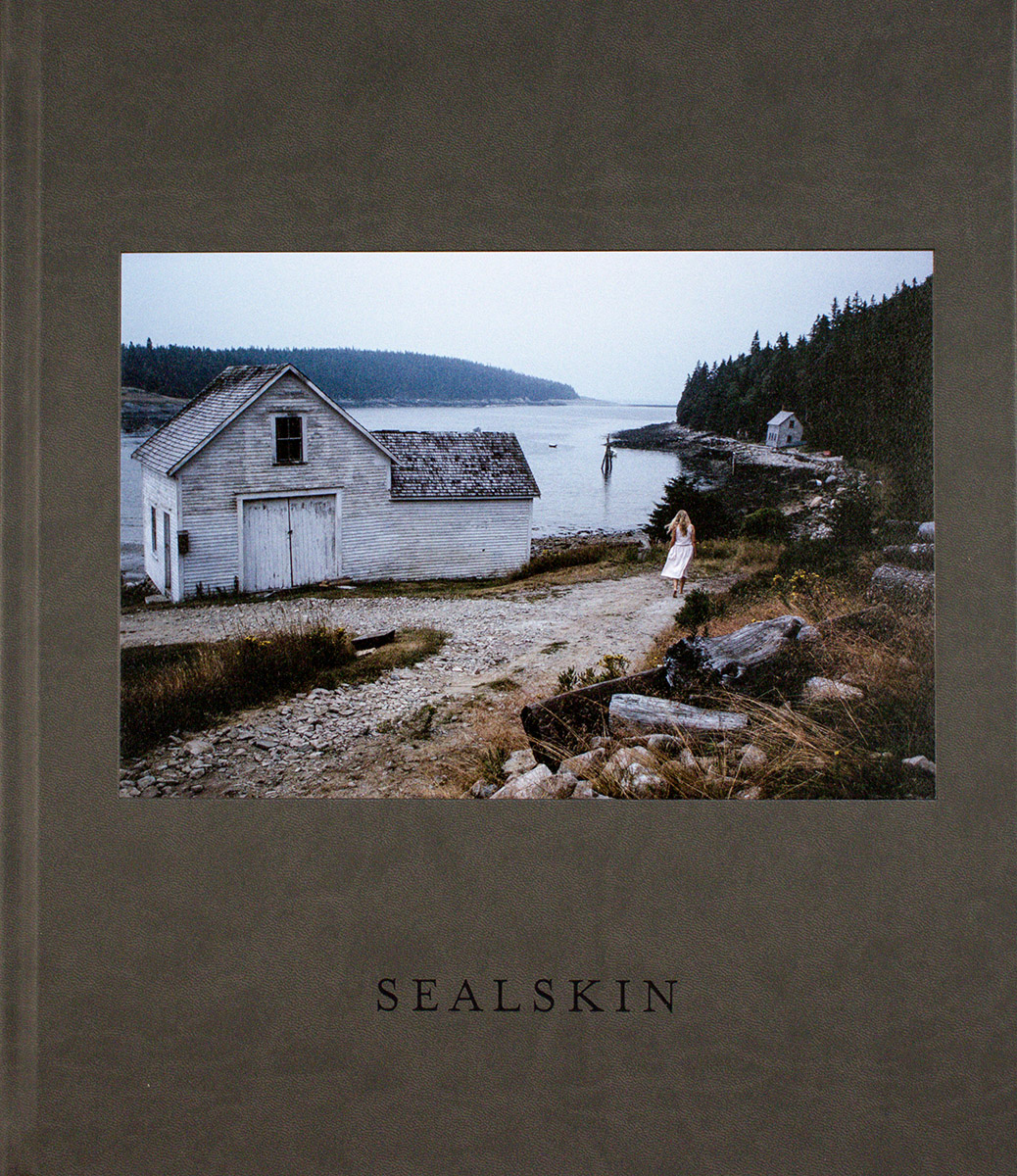
Dworsky’s photographs were shot with Kodachrome color slide film and in Sealskin they are given a high-end treatment. All but four are printed one per page spread on heavyweight, extra-large, warm-toned matt paper. A tipped in-photograph graces the cover of smooth, soft-touch faux leather that you might well imagine comes from a seal.
There are no captions or other text to clarify the artist’s intentions or to contextualize where and when the photos were taken. Instead there are three sections of text placed at the beginning, middle, and end of the book that tell the story (a Celtic folk tale it turns out) of a fisherman who marries and has children with a seal who had turned into a woman and who eventually goes back to the sea. The text in fact beautifully mirrors Dworsky’s own story of love and loss and provides a name for the book.
A full appreciation of Sealskin develops when you read the publisher’s blurb or a review, when you understand the context and significance of the images, both in terms of Dworsky’s personal life as well as that of the soon-to-disappear traditional community. At that point the photographs take on the poignancy of memories of things that were and that will never be again. Given the importance of this back story, you wonder why it is not part of the book, why you must find it somewhere else. Photographs are mute and without some context they float in an undefined time and place.
If I understand correctly, Dworsky was not a practicing fine-art photographer when he took the photos in Sealskin. He was an enthusiastic amateur, and it just goes to show how democratic photography can be: anyone can tell their story with photographs. On the other hand, I imagine that making a book out of Dworsky’s pictures owes more than a little to Charcoal Press publisher Jesse Lenz, as shepherding a book through the fraught and perilous process of publication requires an experienced hand.
Photographs come from the meeting of a time, a place, and a person, and in Sealskin the result is a unique and original visual story.
Hans Hickerson, Associate Editor of the PhotoBook Journal, is a photographer and photobook artist from Portland, Oregon.
____________
Jeff Dworsky – Sealskin
Photographer: Jeff Dworsky (lives in Maine)
Publisher: Charcoal Press; © 2024
Language: English
Design: Jesse Lenz
Hardcover, embossed synthetic leather; 55 color photographs; 110 pages: sewn binding; ISBN 978-1-7362345-4-9; 110 pages; 10 X 13 in.
____________
____________
Articles and photographs published in the PhotoBook Journal may not be reproduced without the permission of the PhotoBook Journal staff and the photographer(s). All images, texts, and designs are under copyright by the authors and publishers.
 PhotoBook Journal
Leave a comment