
Review by Lee Halvorsen •
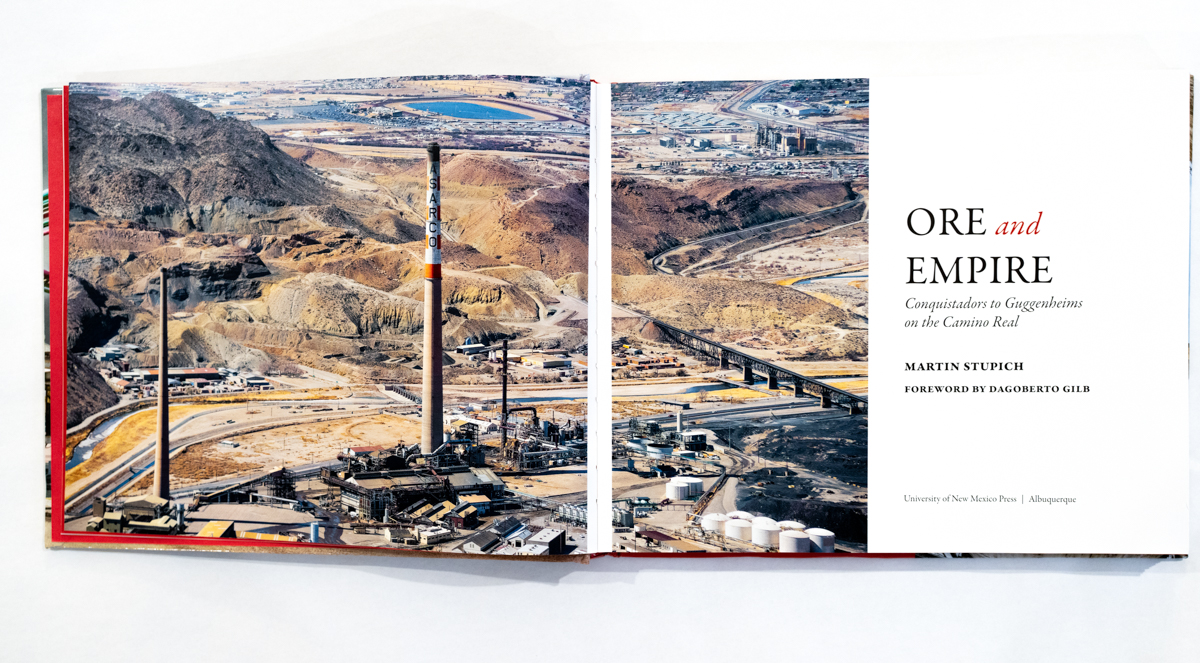
History, art, colonialism, exploitation, humanity…all swirling about in Stupich’s monumental collection of visual and textual art in this book. He brings North America’s Camino Real alive from the time of the Spanish Conquistadores to twentieth century’s Guggenheim’s vice like grip on silver and copper mining that are on the same trails ridden by the conquistadores.
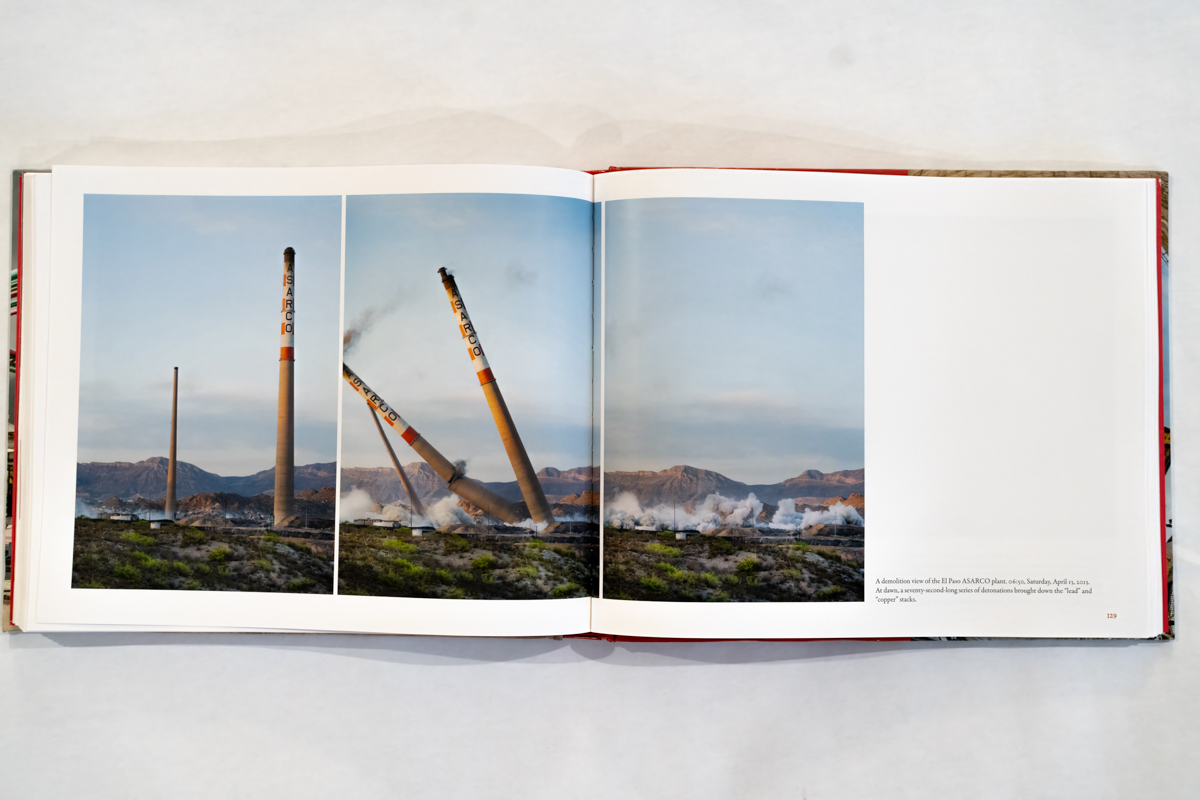
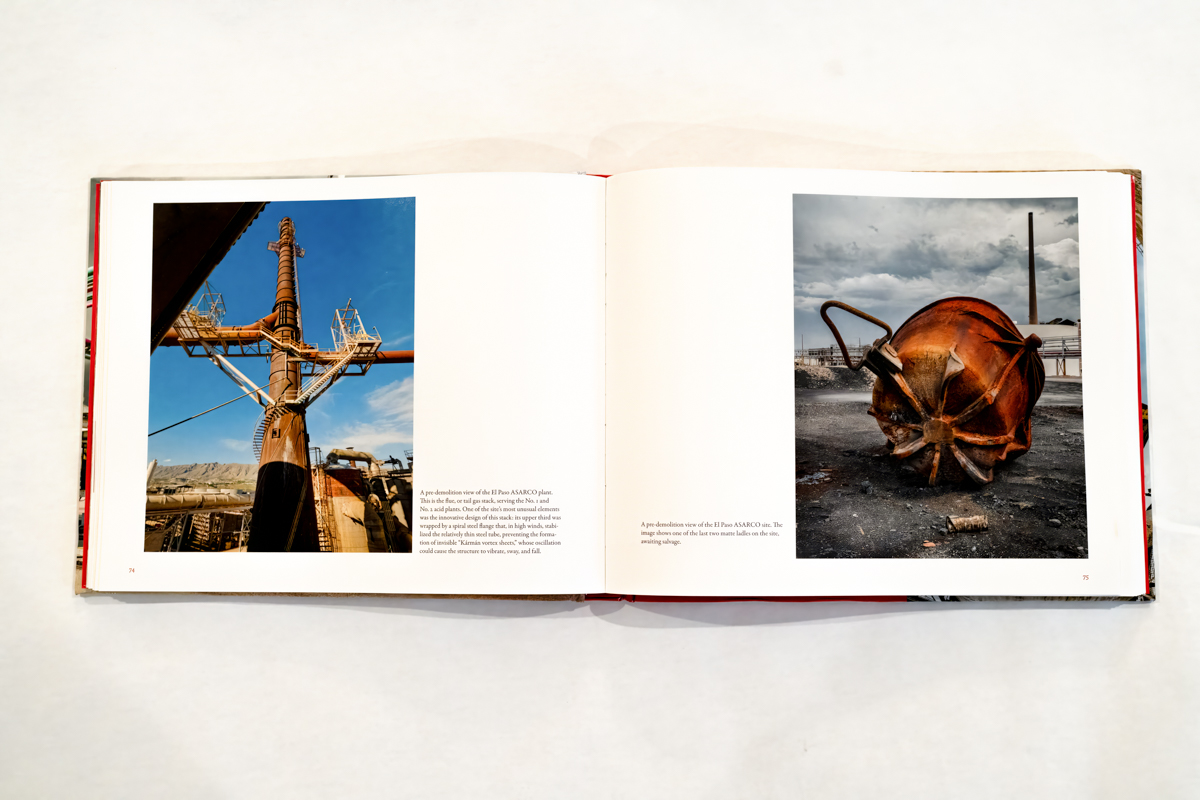
I tried to imagine how Stupich associated Guggenheim’s unstoppable march of industrialization with the conquistadores’ swath of environmental and human violence and exploitation. After reading his story and included essays, studying his images, map, and graphics…it had to be the land. He spent 15 years photographing the land and site of the American Smelting and Refining Company (ASARCO) in El Paso. Most of the images are from just prior to and during the El Paso plant’s demolition. I’m guessing the massive El Paso ASARCO facility spoke to Stupich and had him going down a rabbit hole of how ASARCO grew, where it grew and how El Paso’s site was a metaphor for the company’s view on the people who worked, lived, and died on ASARCO land.
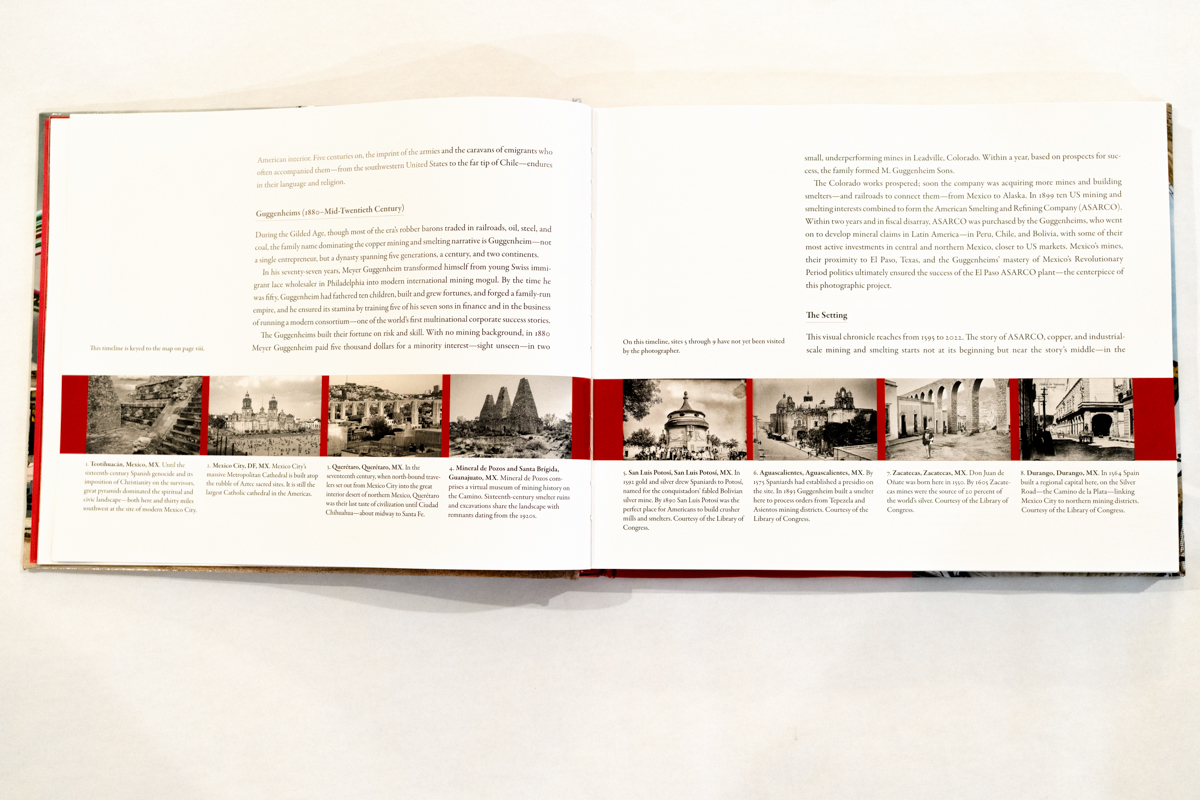
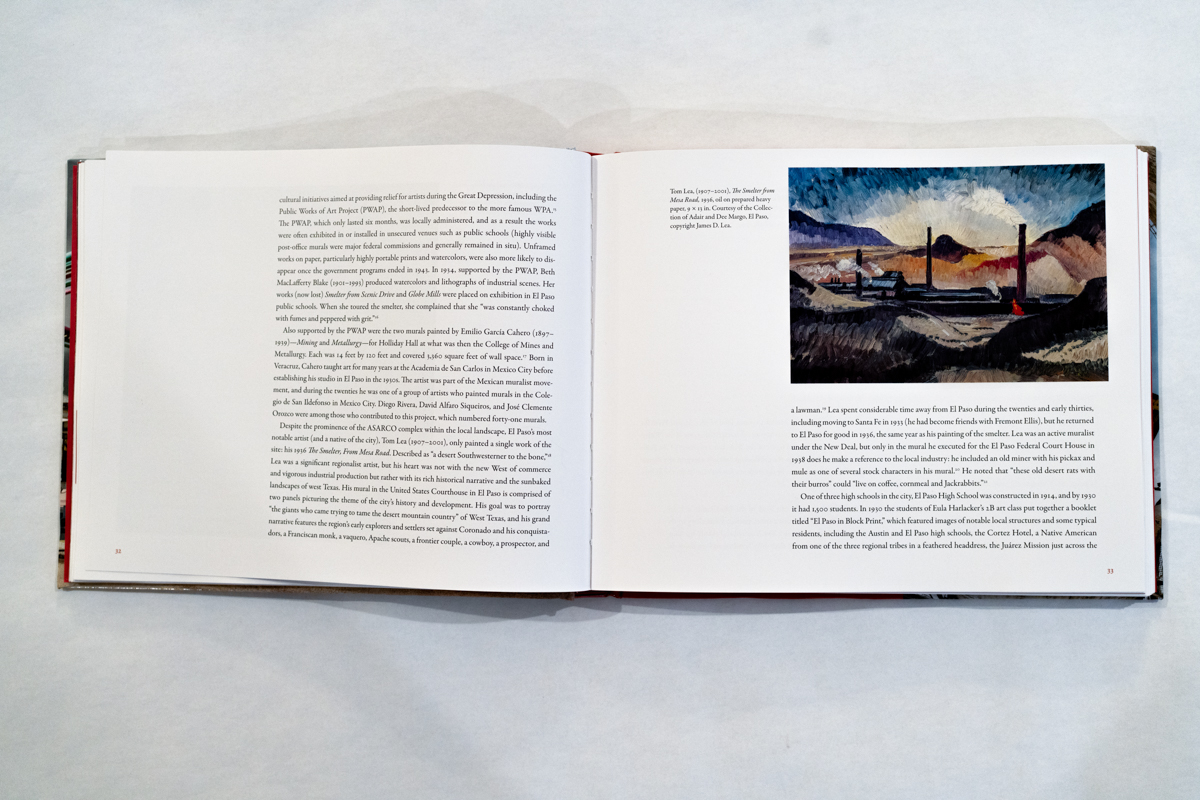
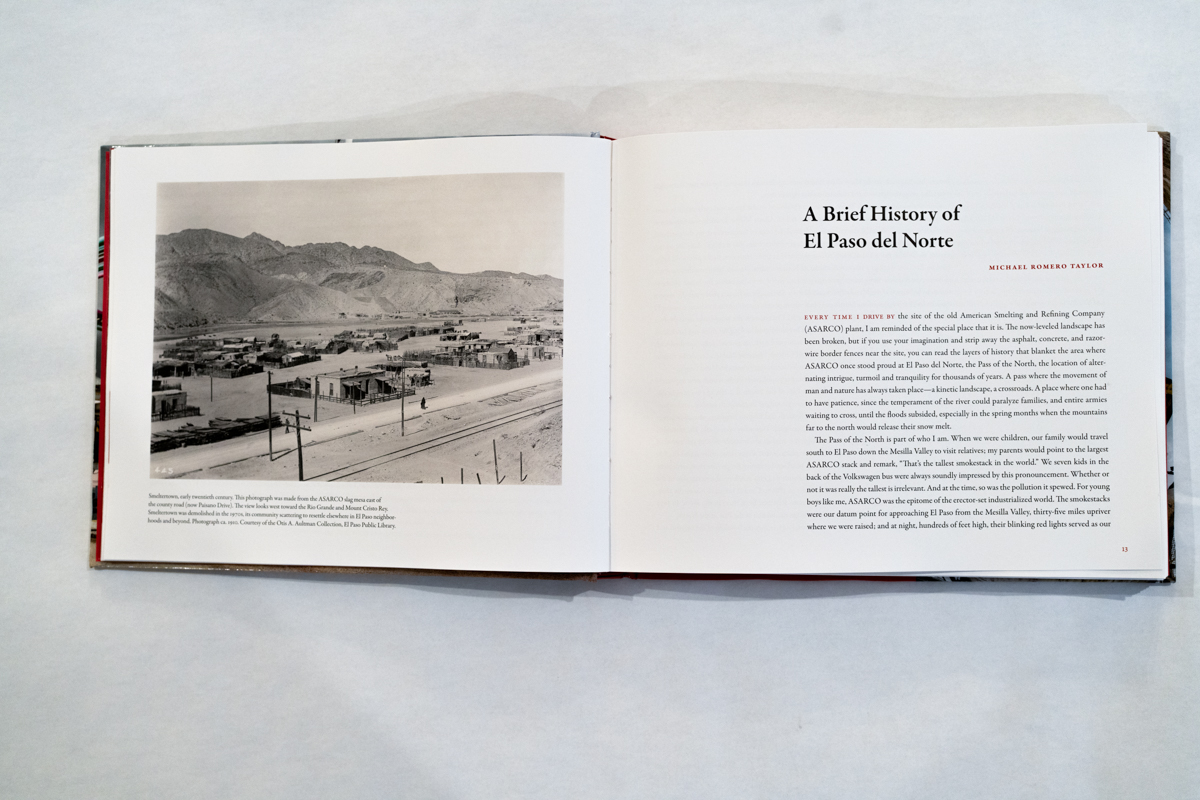
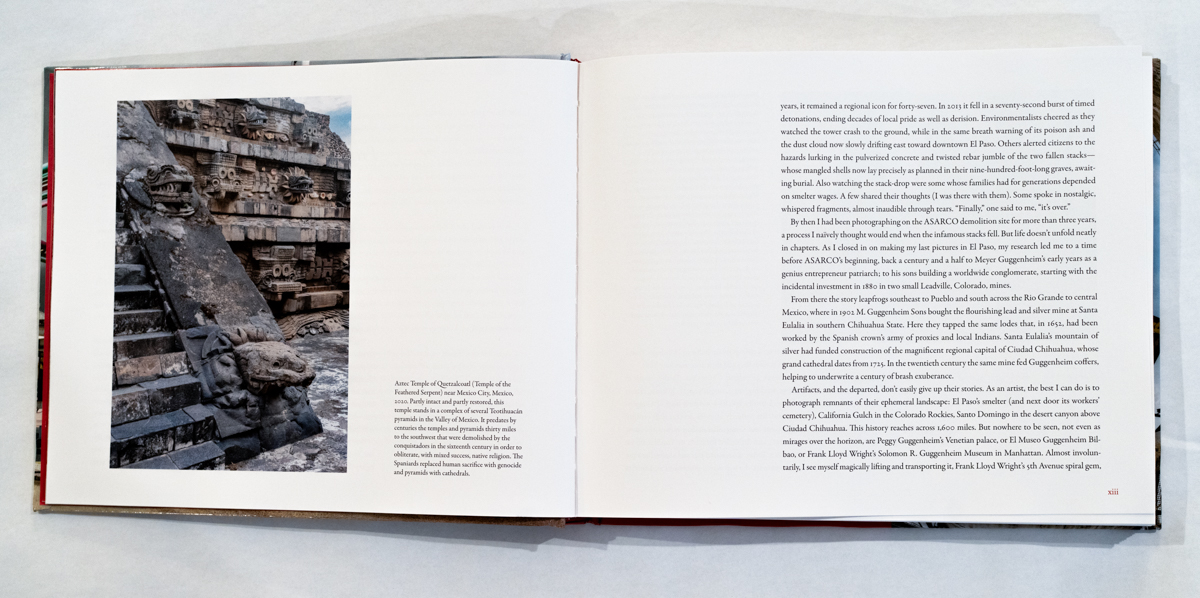
The essays in the book add contextual perspective not normally found in photobooks. Each essay adds historical context to the story using story and visuals. Stupich, of course, couldn’t make images from a hundred years ago, but the contributing essayists curated images and paintings that added background and substance. Stupich’s images depict the end of the unbridled ASARCO empire, the essays provided essential insight into how ASARCO, the land, and the people working and living there became enmeshed in the company’s first decades.
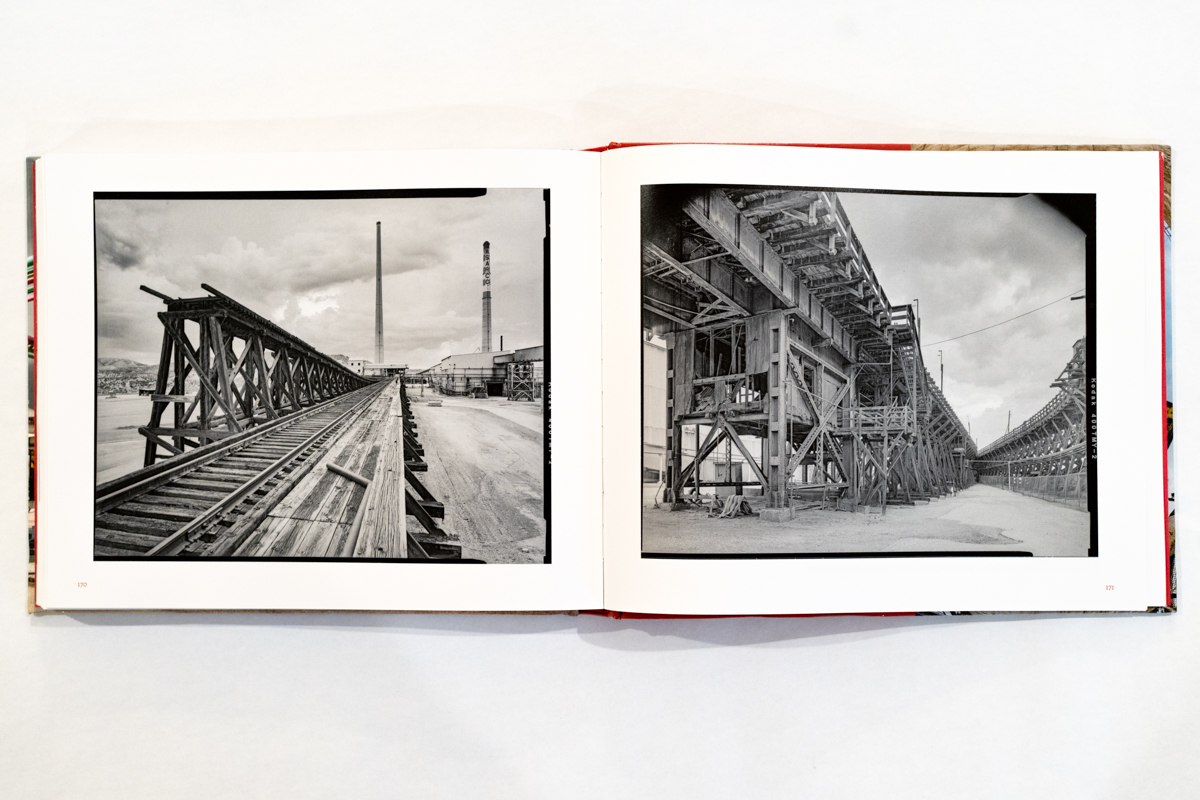
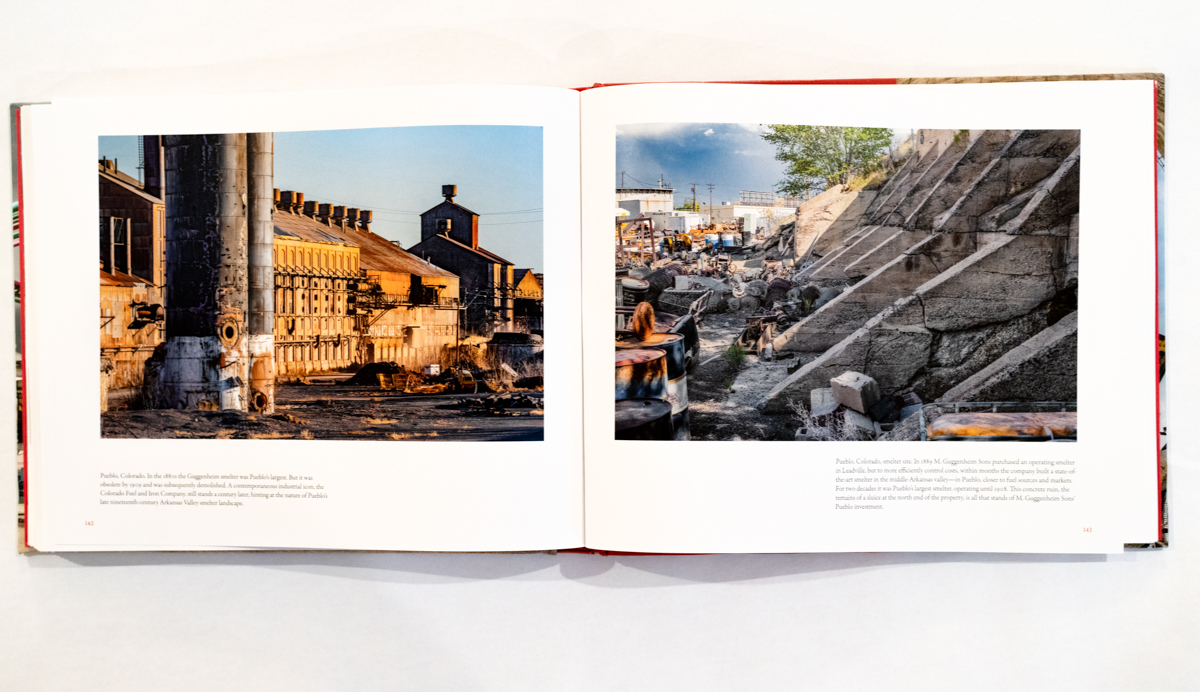
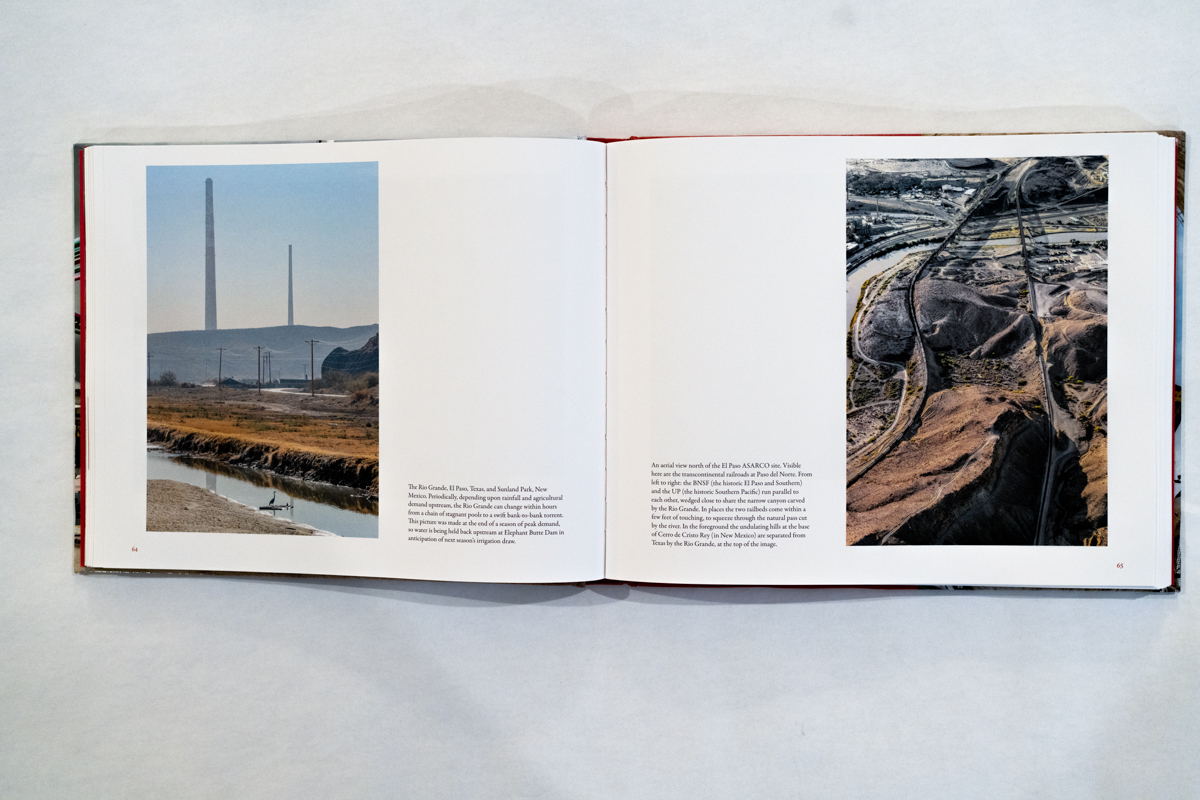
As I paged through the images of massive pieces of equipment being destroyed or prepared for destruction, I was drawn to the absence of people in an environment that had depended on hard, manual labor for so long. I imagined Stupich composing each image to emphasize the object and the “hole” where people must have been. Many of his images are stunning color, digital images, others are black and white, taken with a medium or large format camera. The shift from color to B&W emphasizes the transition from “peopled” to empty and in fact, seems to shout out “…the people who lived and worked here were all used up, all used up.” The large format B&W images at the end of the book are breathtakingly eerie…where, oh where are the people.
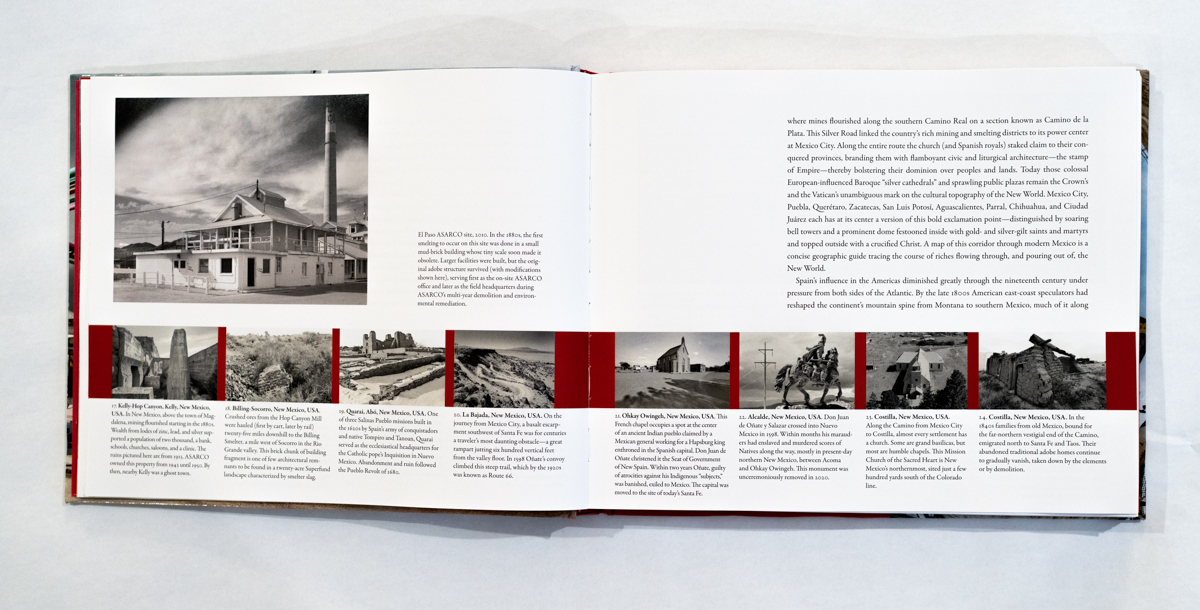
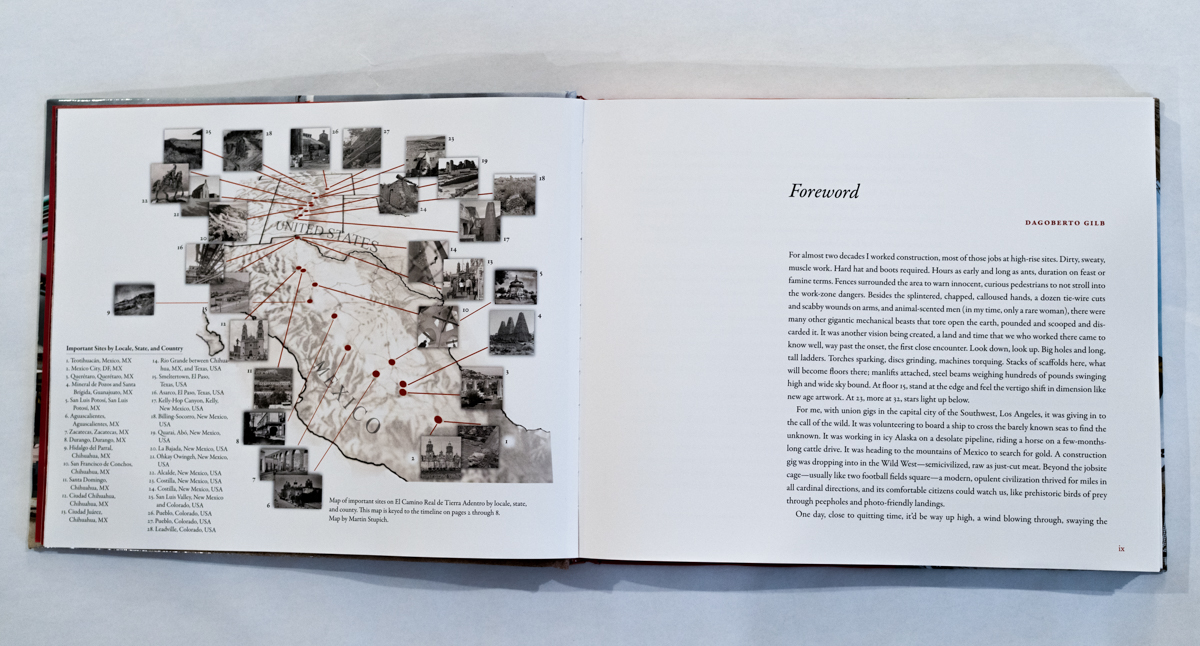
Although Stupich’s relationship with ASARCO seems to be centered on the El Paso facility, he takes the reader up and down the Camino Real in Mexico and the U.S. I found the included map very useful when paired with the pictorial timeline showing the parallel “use” of sites by the Conquistadores and ASARCO.
Almost all the images are captioned. I appreciated the additional detail and was impressed with Stupich’s connection to the objects and story in each image. This is a rich volume of people (without the people), power, exploitation, and change. A history book. A photobook. A fascinating book. I couldn’t put it down.
__________
Lee Halvorsen is assistant editor, writer and visual artist living in Virginia.
__________
ORE and EMPIRE by Martin Stupich
Artist: Martin Stupich living and working in Albuquerque, NM
Foreword: Dagoberto Gilb
Introduction: Martin Stupich
A Brief History of El Paso del Norte: Michael Romero Taylor
The Muse of Enterprise: The Industrial Landscapes of El Paso: Betsy Fahlman
The Old Topographics: Toby Jurovics
Copyright images and text Martin Stupich ©2025, Foreword ©2025 by Dagoberto Gilb
Essays ©2025 by Michael Tomero Taylor, Betsy Fahlman, and Toby Jurovics
Publisher: University of New Mexico Press. All rights reserved, printed 2025
Book design: Felecia Cedillos in Albuquerque, NM
Language: English
Website for purchasing book. This book will be available February 2026 and can be ordered at the link or on Amazon.
Printed in Singapore
Hardcover with section-sewn binding232 pages, 113 color plates, 38 figures, one map. 10.5 x 8.5 inches, ISBN 978-0-8263-6860-7
__________
Articles and photographs published in the PhotoBook Journal may not be reproduced without the permission of the PhotoBook Journal staff and the photographer(s). All images, texts, and designs are under copyright by the authors and publishers.
 PhotoBook Journal
Leave a comment