Review by Henry Kallerud ·
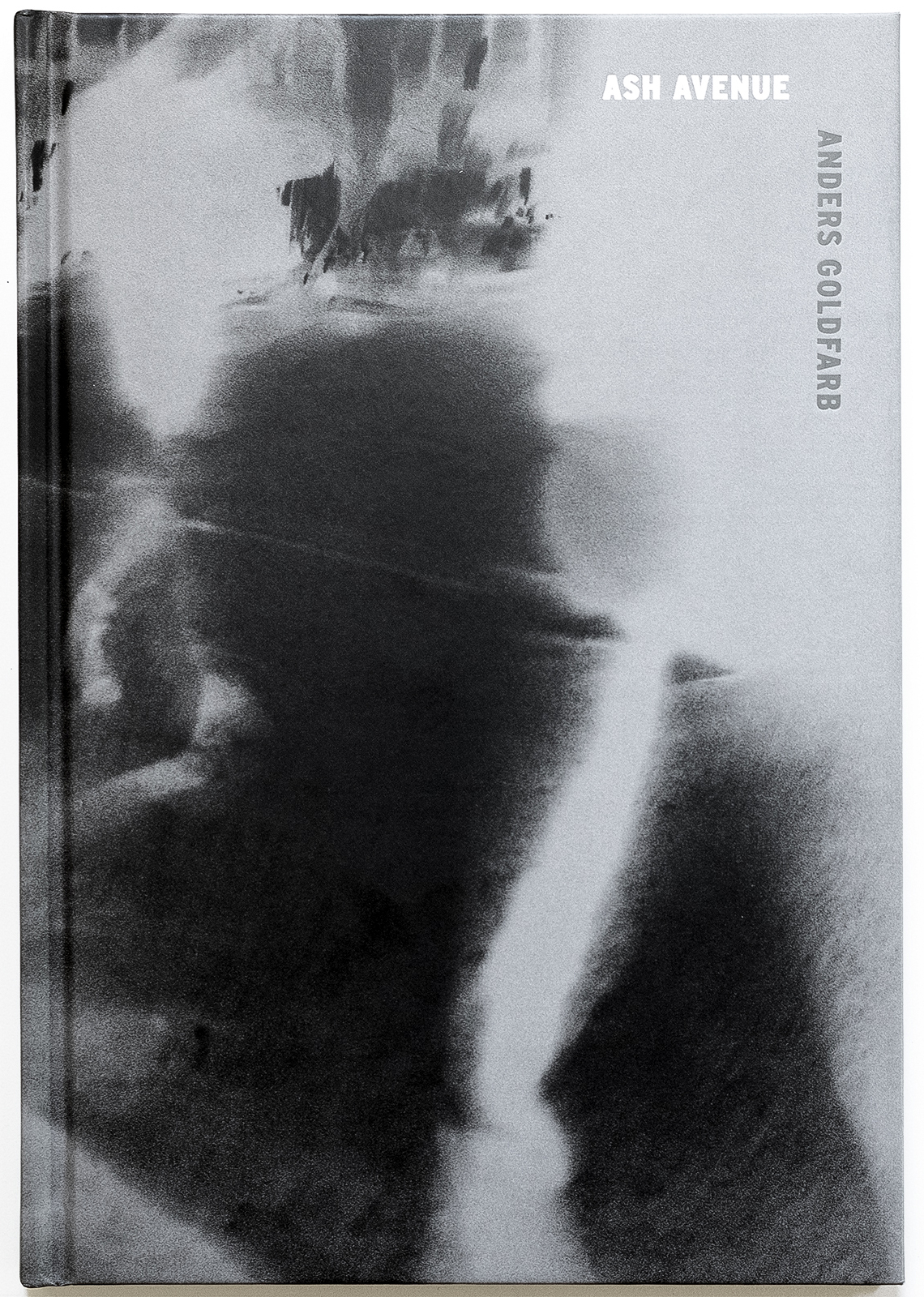
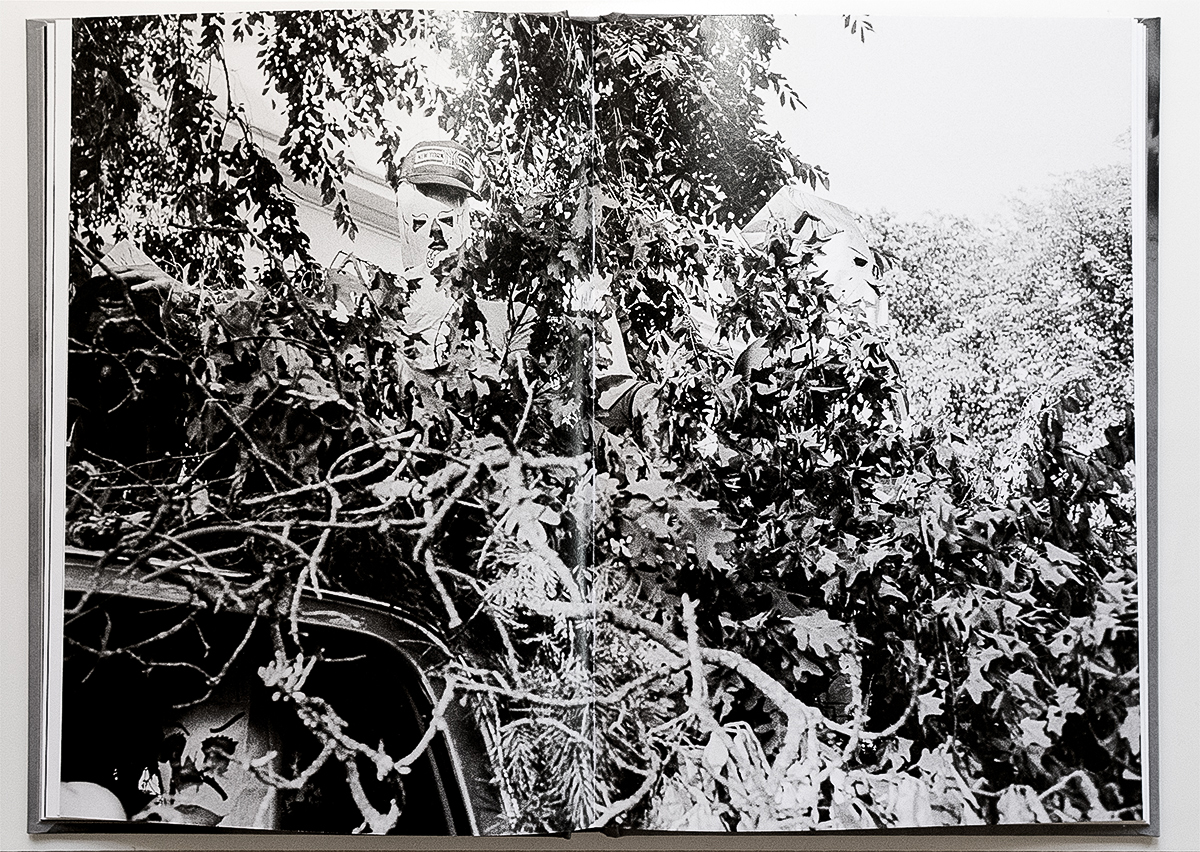
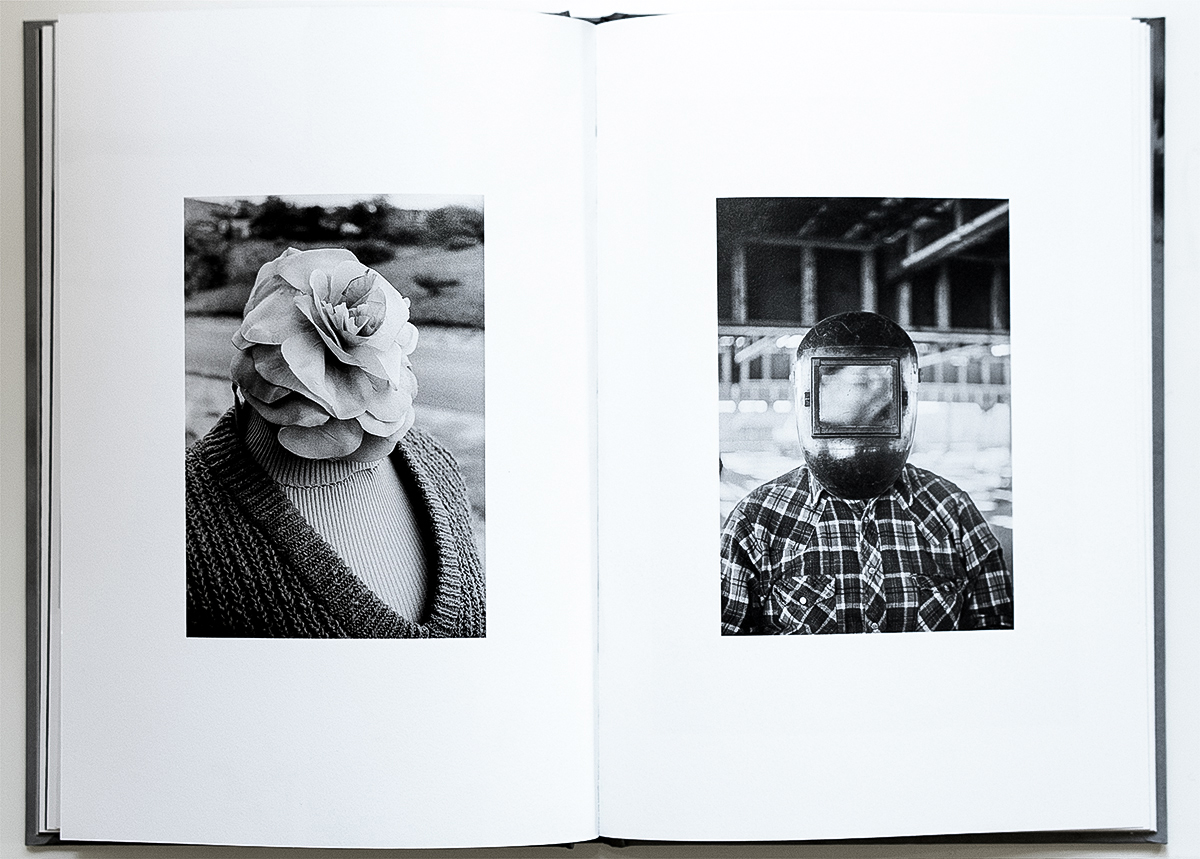
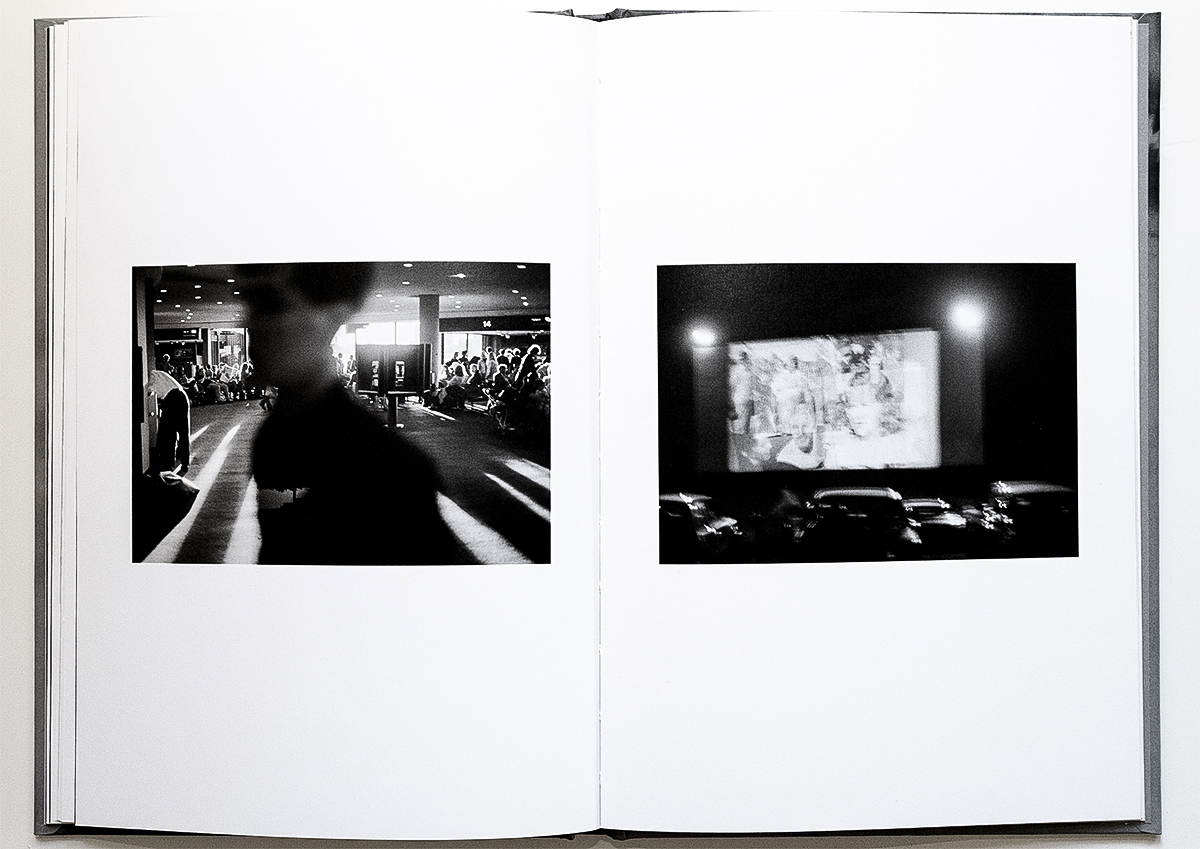
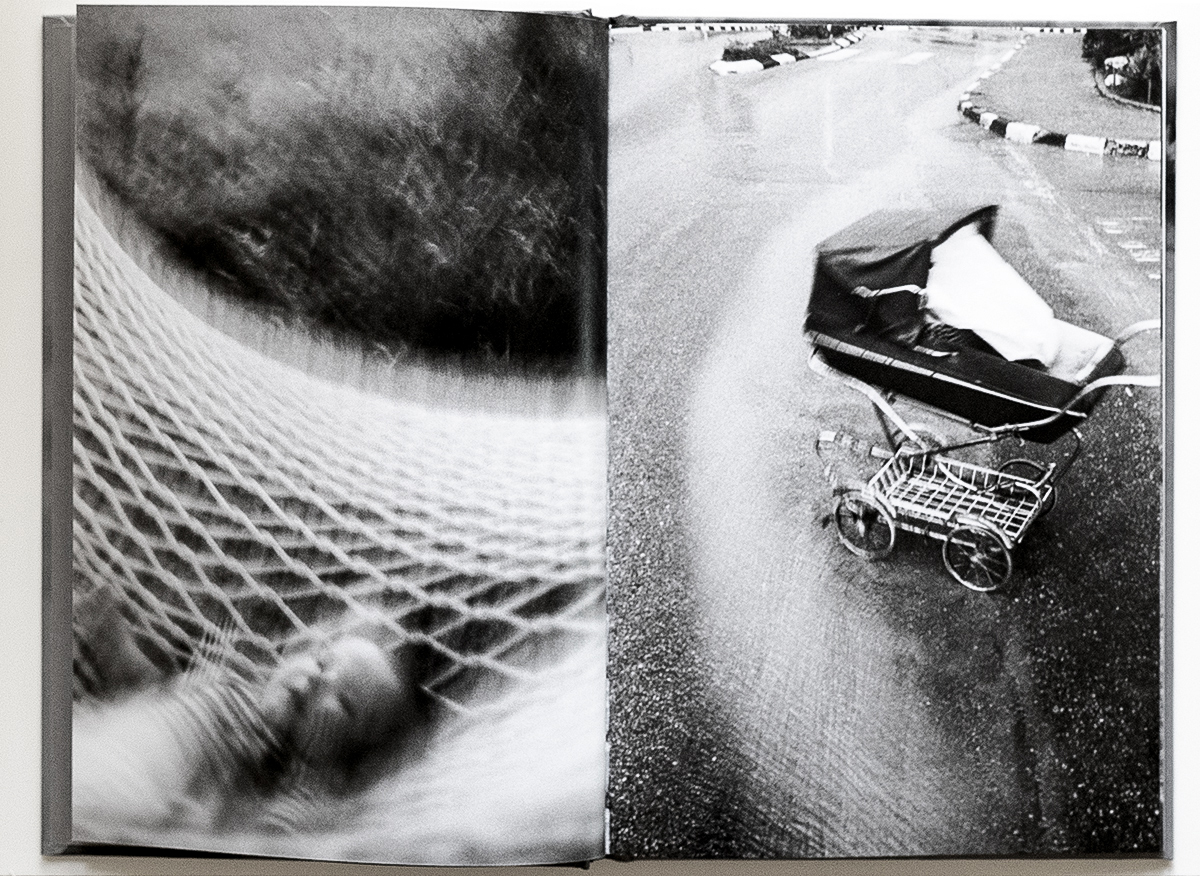
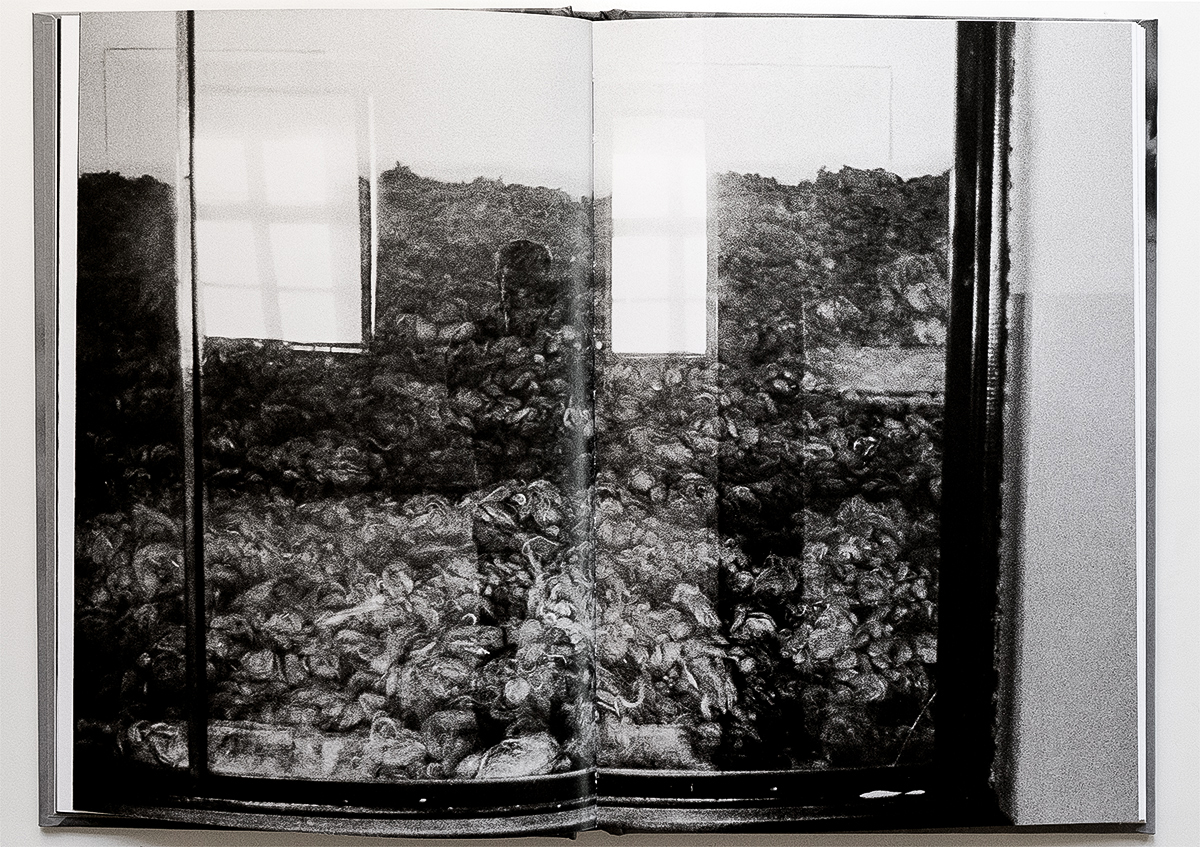
In 1988, Anders Goldfarb started selecting photographs from his oeuvre that spoke to him about his own life, life in general, the surreal, and the visceral. In 1999, Goldfarb finalized the edit and sequence of what would become Ash Avenue. The project was tucked away, indefinitely, unseen for over a decade. Until, in 2024, Ash Avenue was published: A photobook that, in Goldfarb’s own words, delivers “an allegorical autobiography alluding to memory, experience and fate.”
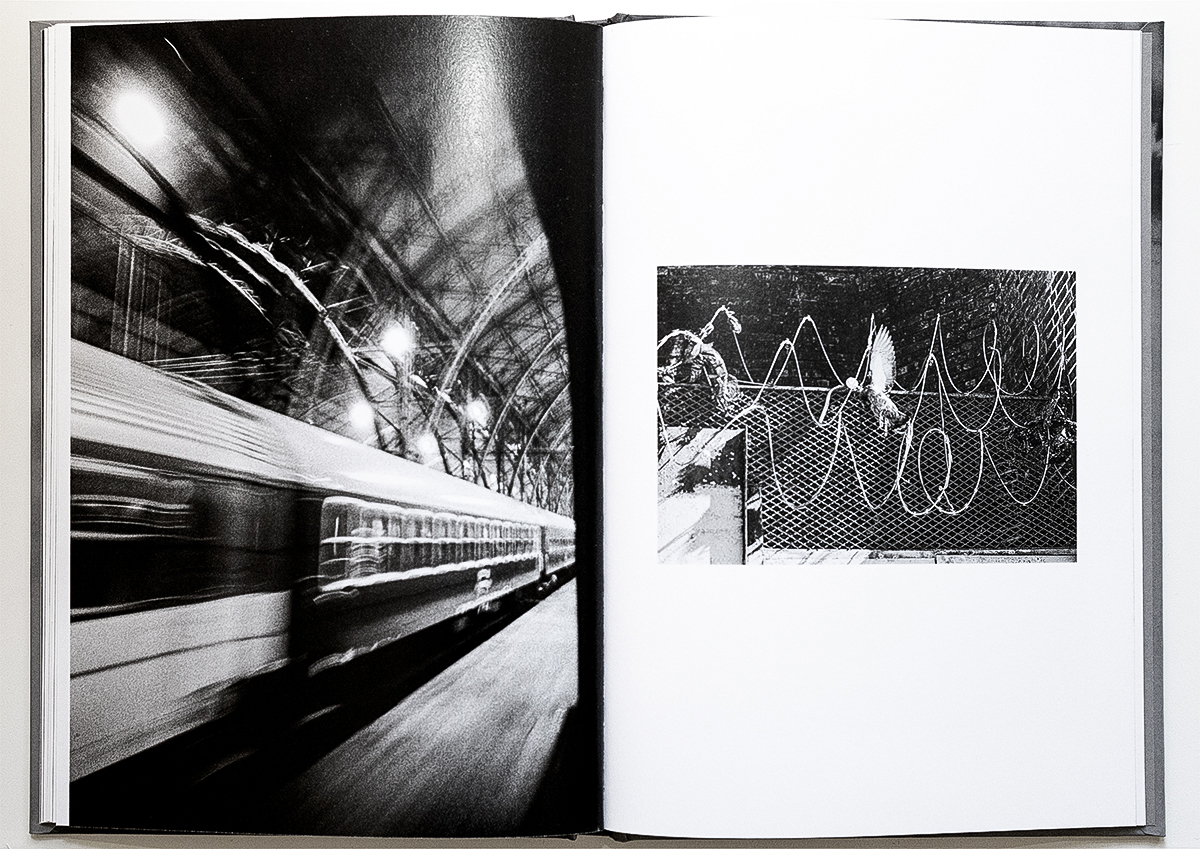
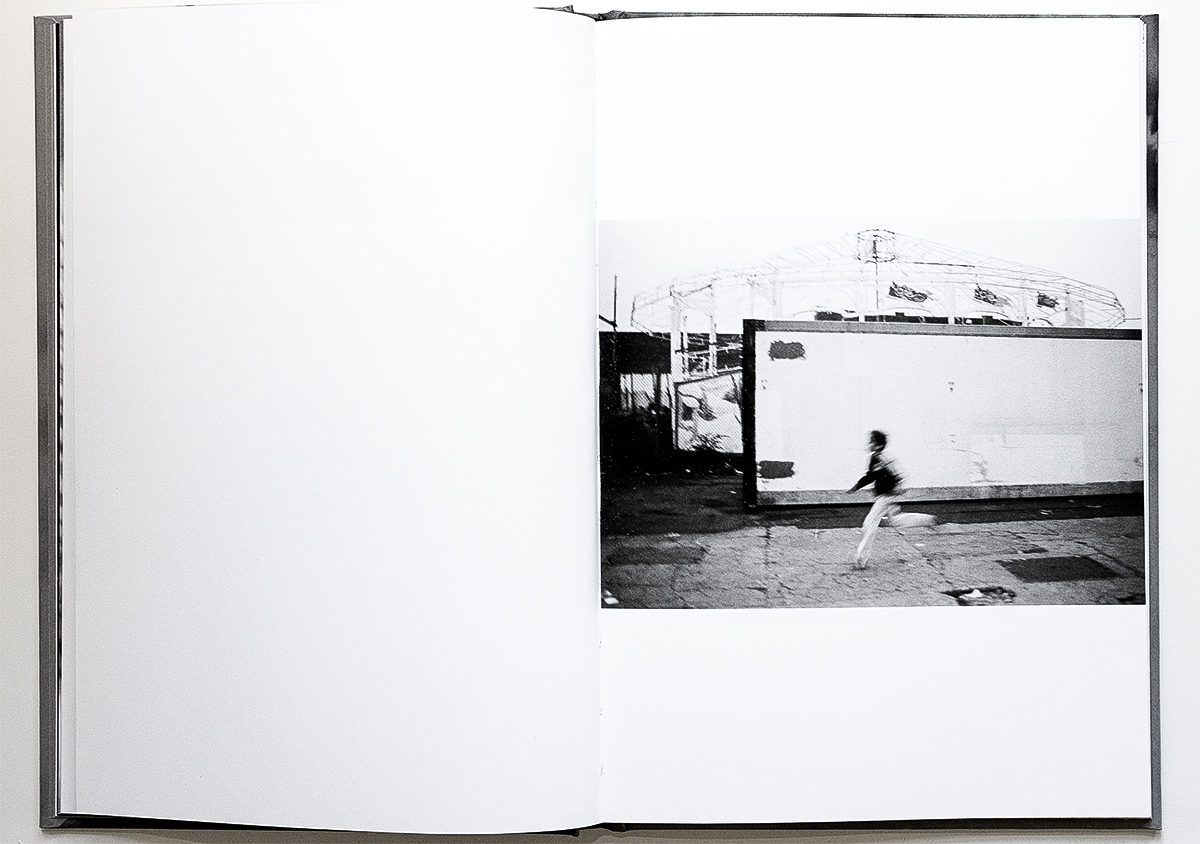
Ash Avenue develops a unique visual language to communicate these themes and emotions. Goldfarb’s sequencing oscillates between stillness and motion. For example, a photograph of two dogs running along a sidewalk precedes one of a bird stuck in a razor wire coil. The dogs remain sharp while the background blurs, implying the need for a rapid pivoting motion of the photographer in order to capture their animation. The bird, and the background it sits against, remain tack sharp. The total stillness communicates the bird’s lifelessness: A removal from its fluctuating existence in time. Juxtaposed, these two images produce a visual lyricism that evokes themes of motion and stillness, vitality and stagnation, life and death.
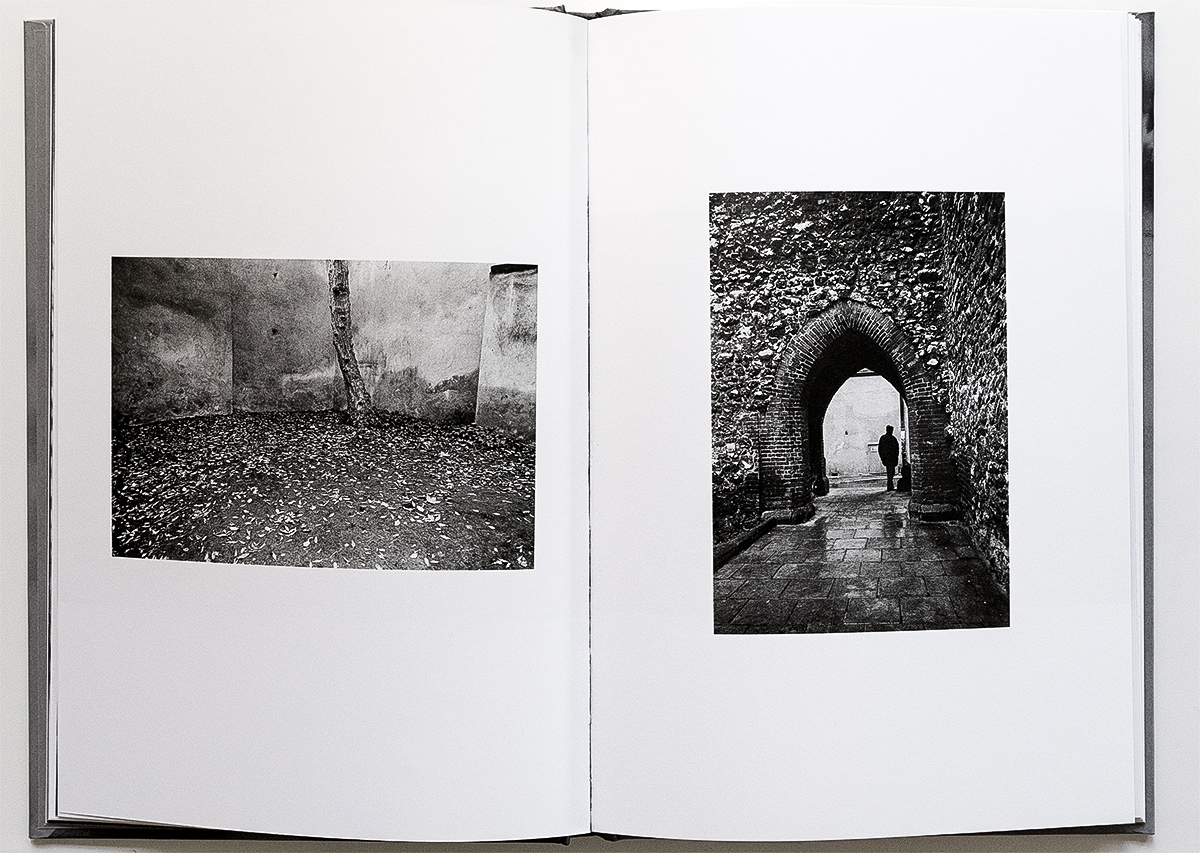
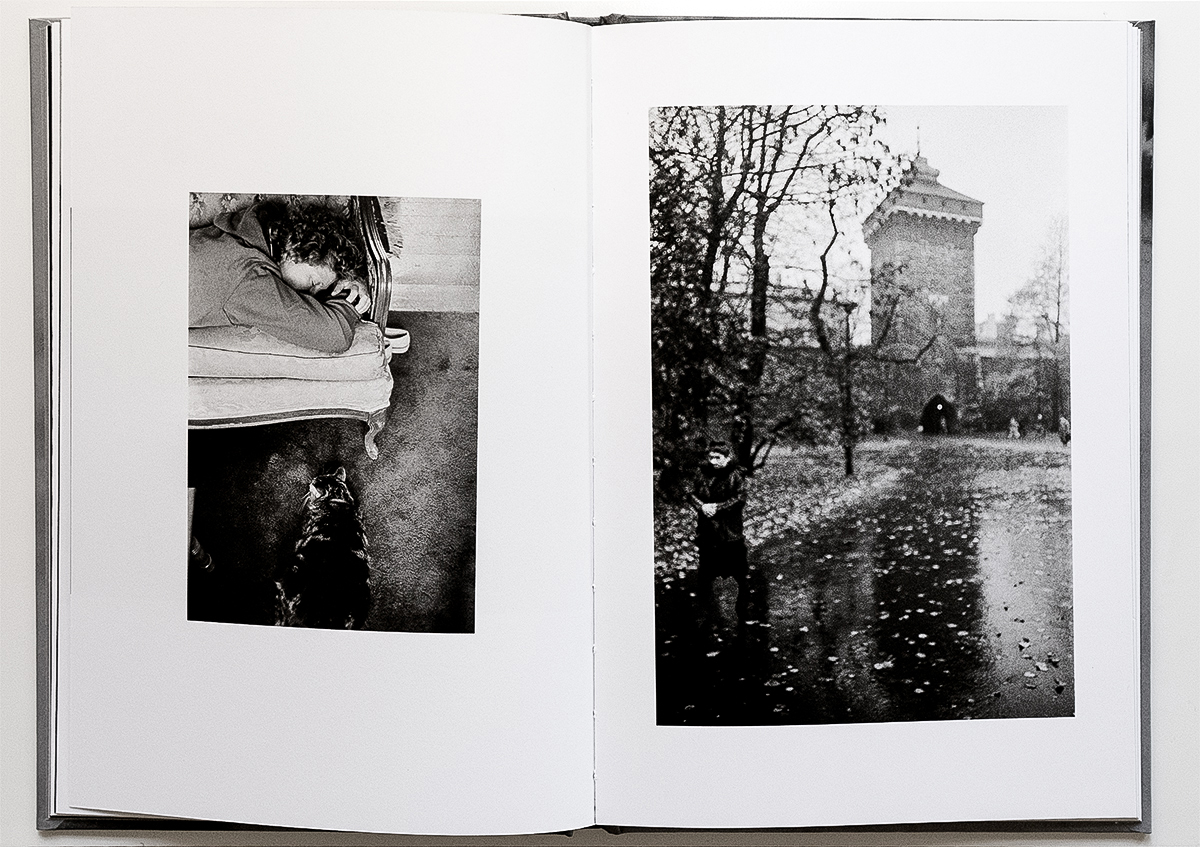
Further developing the visual language of Ash Avenue, photographs juxtaposed on facing pages often share a similar geometry, texture, or pattern. These formal resonances create visual rhymes that structure Goldfarb’s images as rhyme structures a poem: Analogous compositions link disparate subjects, visual repetition elicits echoing recollection, shifting iterations of recurring themes organize images with a dynamic musicality.
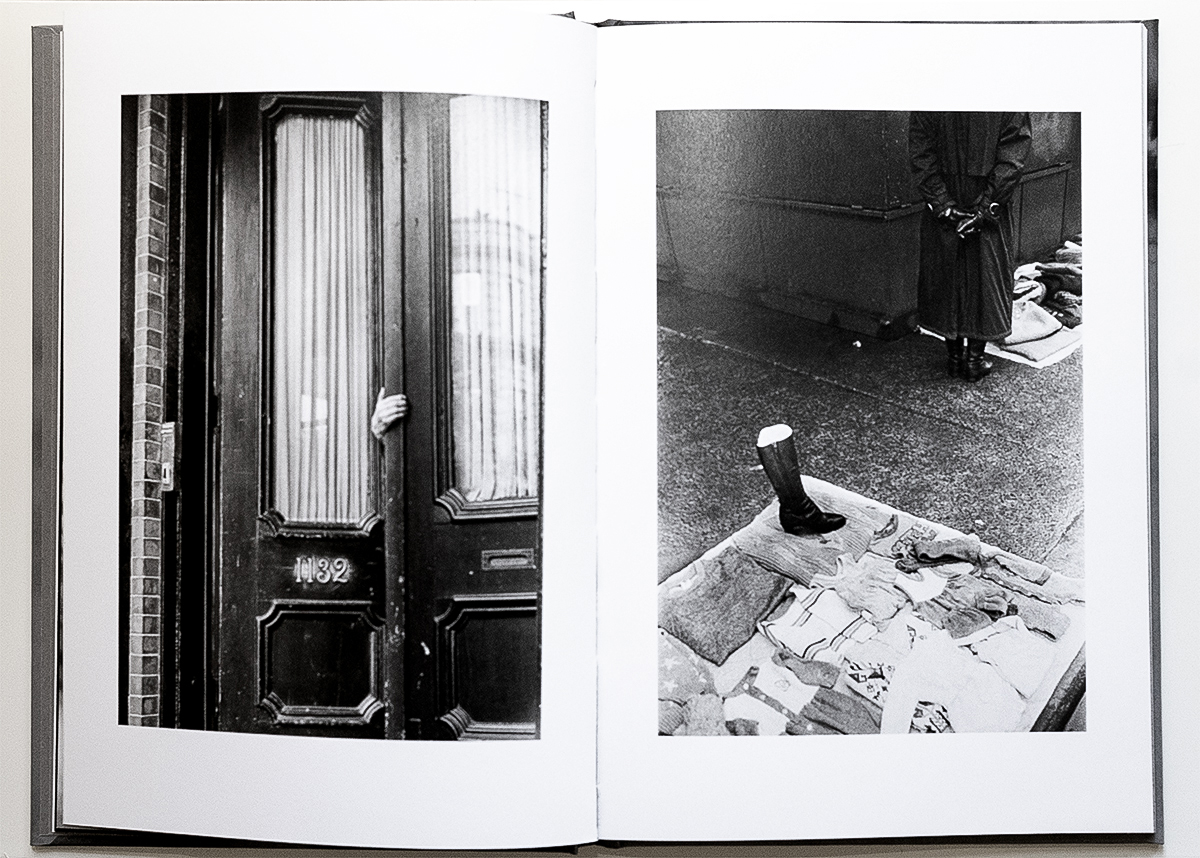
Like rhyming schemes serve and excite a reader’s memory, Goldfarb’s juxtaposition of photographs puts on display a network of aesthetic associations that make up visual memory. In one spread, the photograph on the left hand page captures someone’s hand, isolated and curled around the lip of a door. On the right hand page, two hands, clasped and wearing leather gloves, recall the gesture of the fingers on the door. Also on the right hand page, in the bottom half of the frame a single leather boot stands on the curb. The shine and texture of the leather boot mirror the texture of the clasped, gloved hands.
The leather boot and the hand on the door are only aesthetically associated by proxy of the hands in the leather gloves. However this chain of relation engages the reader’s memory of what image came before, and how it connects to other images. This visual stimulation is pleasant and exciting, developing a coherence and concordance that intrigues the reader.
Guest Contributor Henry Kallerud is a student at Reed College in Portland, Oregon
PhotoBook Journal previously reviewed Anders Goldfarb’s Passed Remains.
____________
Anders Goldfarb – Ash Avenue
Photographer: Anders Goldfarb (born in Brooklyn, New York; lives in New York City)
Publisher: Red Hook Editions, Brookyln, New York; 2024
Designer: Cara Galowitz
Hardback binding with squared spine, 56 pages, _ images; 16.5 x 24 cm; printed in Italy; ISBN: 978-7376814-5-8
____________
Articles and photographs published in the PhotoBook Journal may not be reproduced without the permission of the PhotoBook Journal staff and the photographer(s). All images, texts, and designs are copyright of the authors and publishers.
 PhotoBook Journal
Congrats Anders