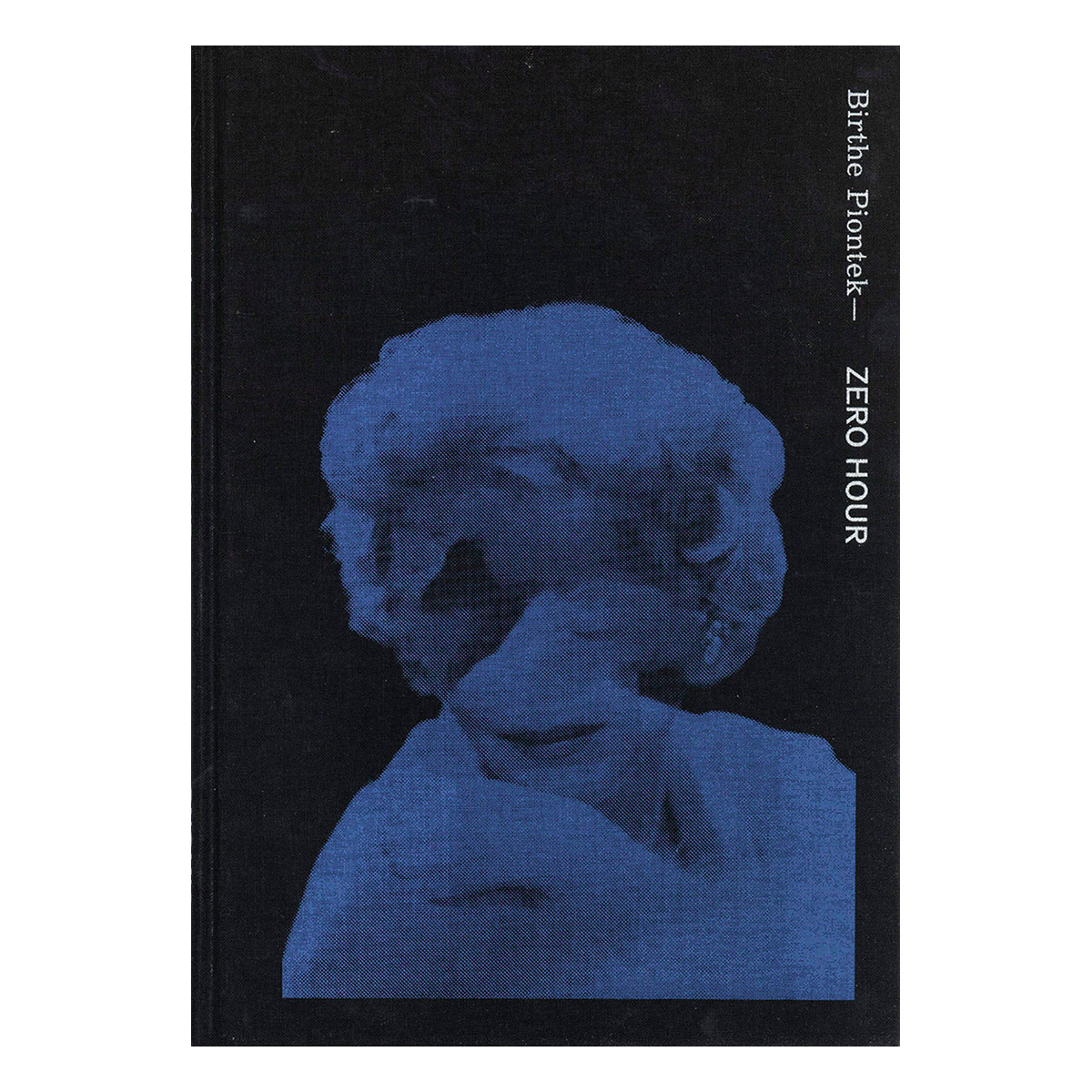
Review by Gerhard Clausing •
In Zero Hour, Birthe Piontek continues her exploration of identity and mortality. Known for her psychologically charged portraiture and introspective photographic storytelling (especially in Abendlied, which I reviewed previously), Piontek’s newest photobook connects the personal and the universal in a significant visual narrative.
The term “Zero Hour” is historically charged—it originally refers to “Stunde Null,” the moment of surrender and reset in postwar Germany in 1945. But here, Piontek uses it metaphorically, suggesting that a study of her family history in 20th century Germany and all the suffering she recounts connect to current developments – persecution, suffering and wars in various parts of the world. The concept of zero hour can here be seen as an urgent call for a reset in attitudes and actions. Personal, national, and international issues can converge, and in pointing out such connections, this project is very personal and very political at the same time.
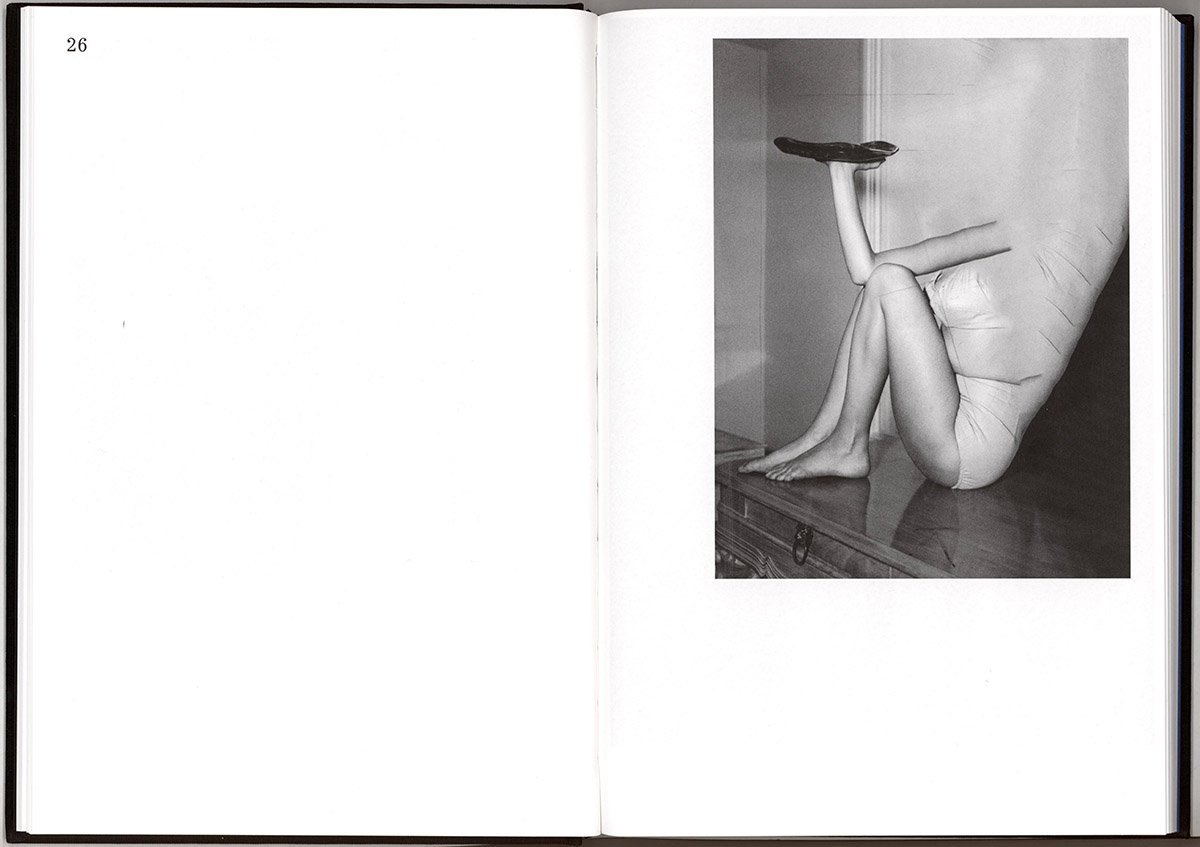
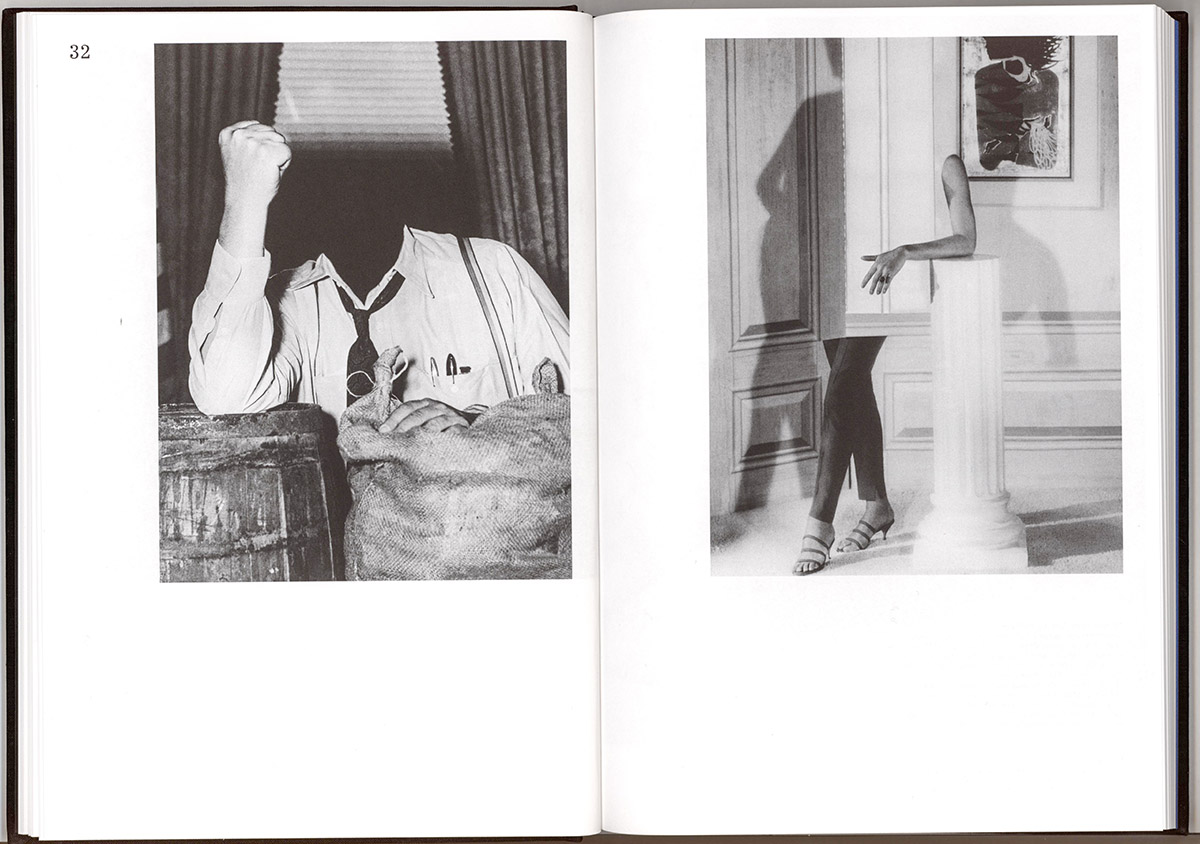
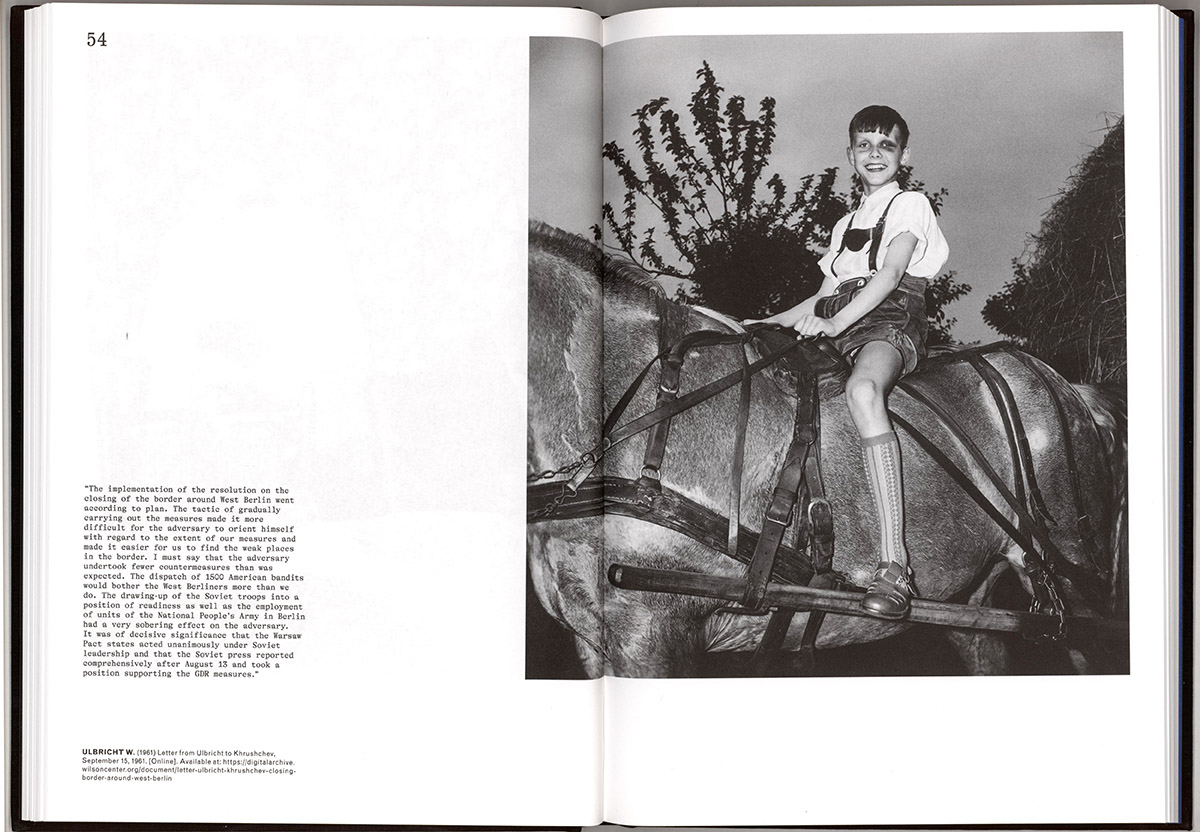
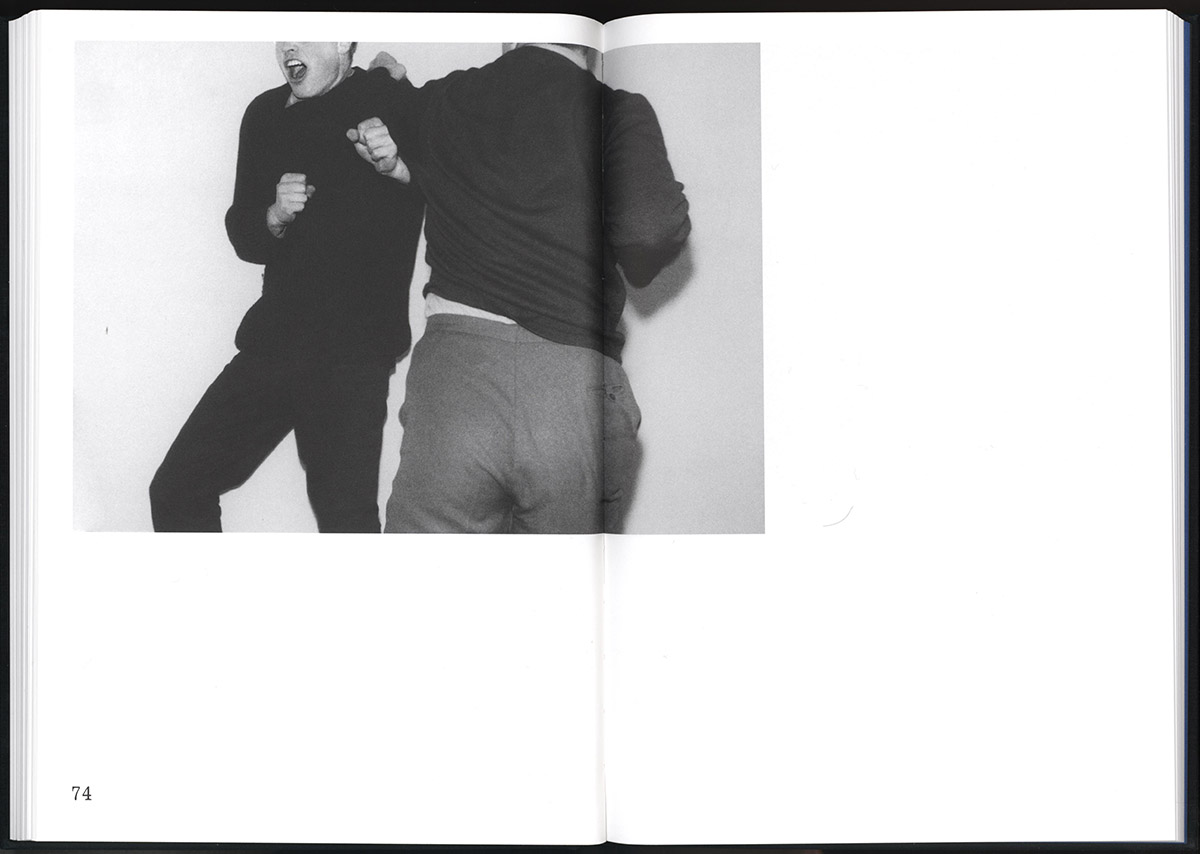
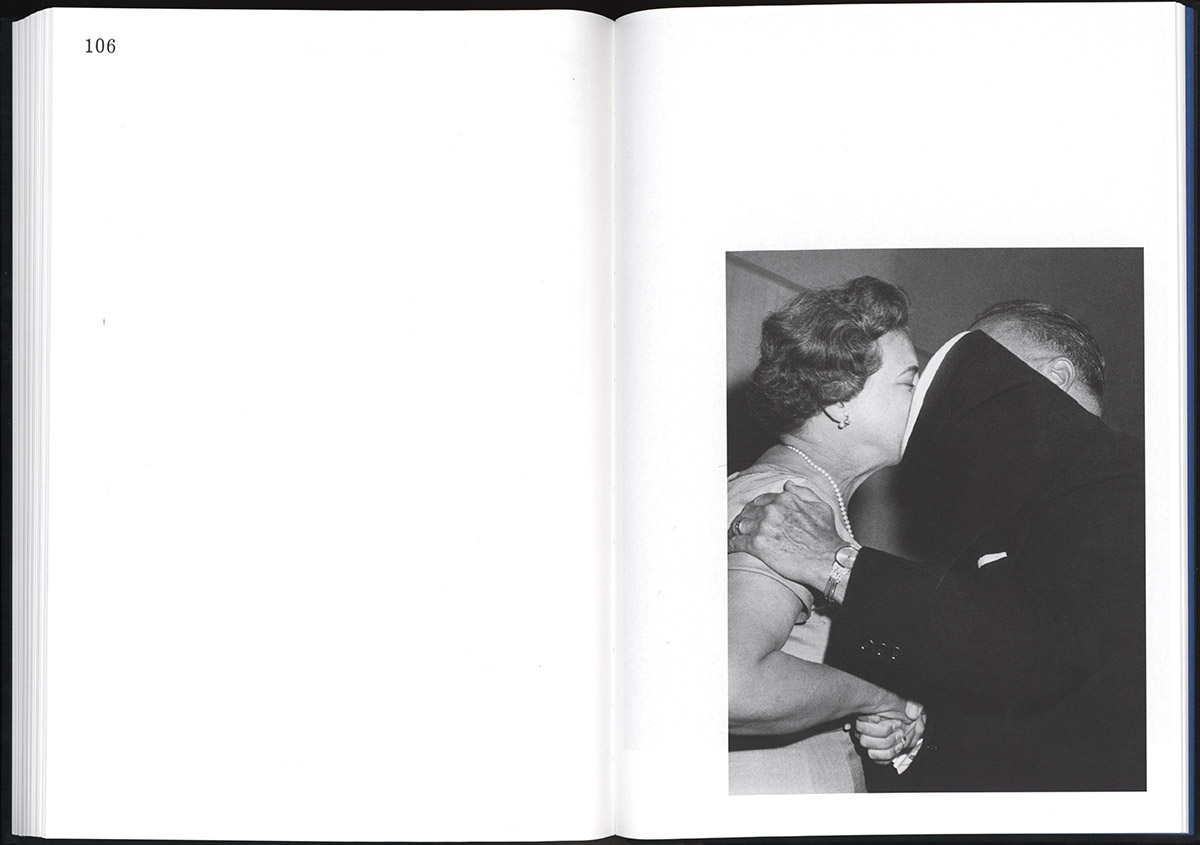
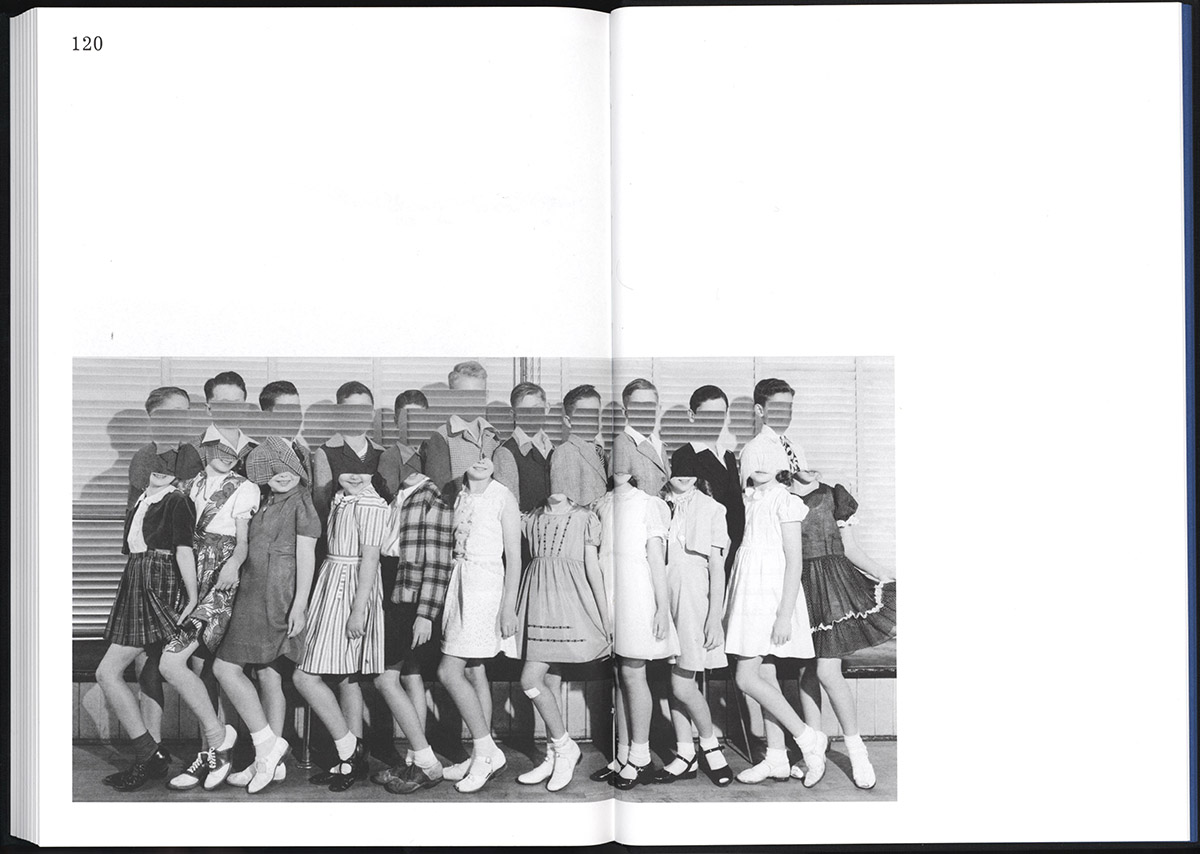
In this photobook, Piontek crafts a visual narrative with found objects, constructed still life images, family photographs, photo remnants, and other fragments – partly her own, partly those of others – presented in black and white, creating a mood that sketches times of great instability, uncertainty, and upheaval. Her altering and layering of images, especially where she deletes people’s identities or removes parts of their appearance, marks a departure from documentary specificity and moves the imagery toward symbolic significance, toward universal application.
The design supports this psychological fragmentation. The sequencing is non-linear, and the image pages, some with historic quotes and document fragments, are presented in unexpected placements and juxtapositions – decisions that foster a general sense of disorientation. The project certainly compels us to project ourselves into the various settings and to relate to the conflicts and situations depicted.
The physical appearance of the book contributes to the emotional impact. The matte paper, direct and vulnerable to the touch, reinforces the sense of impermanence. At times, the viewer is facing photographs that evoke trauma and loss. Susan Sontag wrote, “Grief is not a luxury emotion. It is a primary one.” (Regarding the Pain of Others, 2003). Piontek’s work visualizes that grief by hinting at its transformational possibilities. We certainly get the point that things that have happened to the faceless people in these photographs can also happen to us in similar ways.
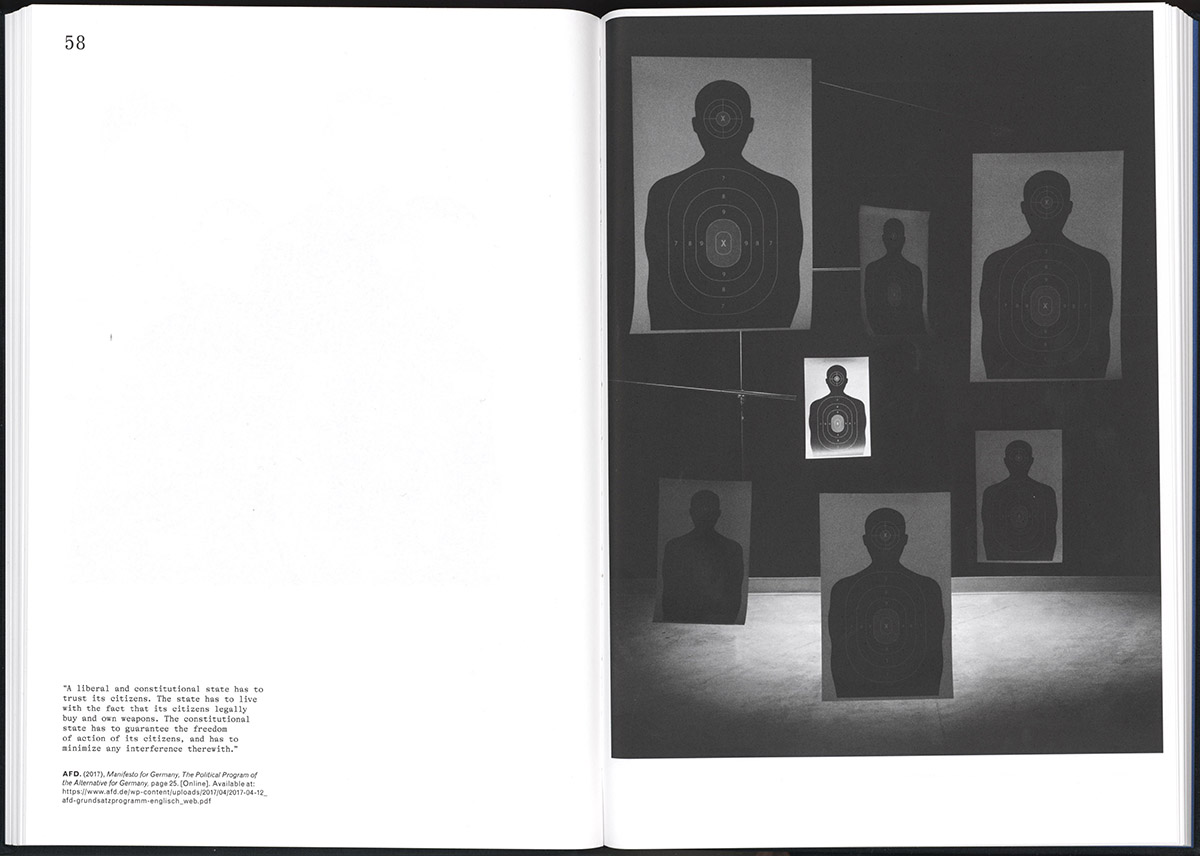
A number of images linger in our consciousness, such as the one of a female body without a head; a faceless group posing for a family portrait; people replicas as targets for gunshots. These are metaphors without captions, symbols open to interpretation, yet marked by loss and pointing to the need for change. What can we really count on in the future? Will history continue to repeat itself, in perpetuity?
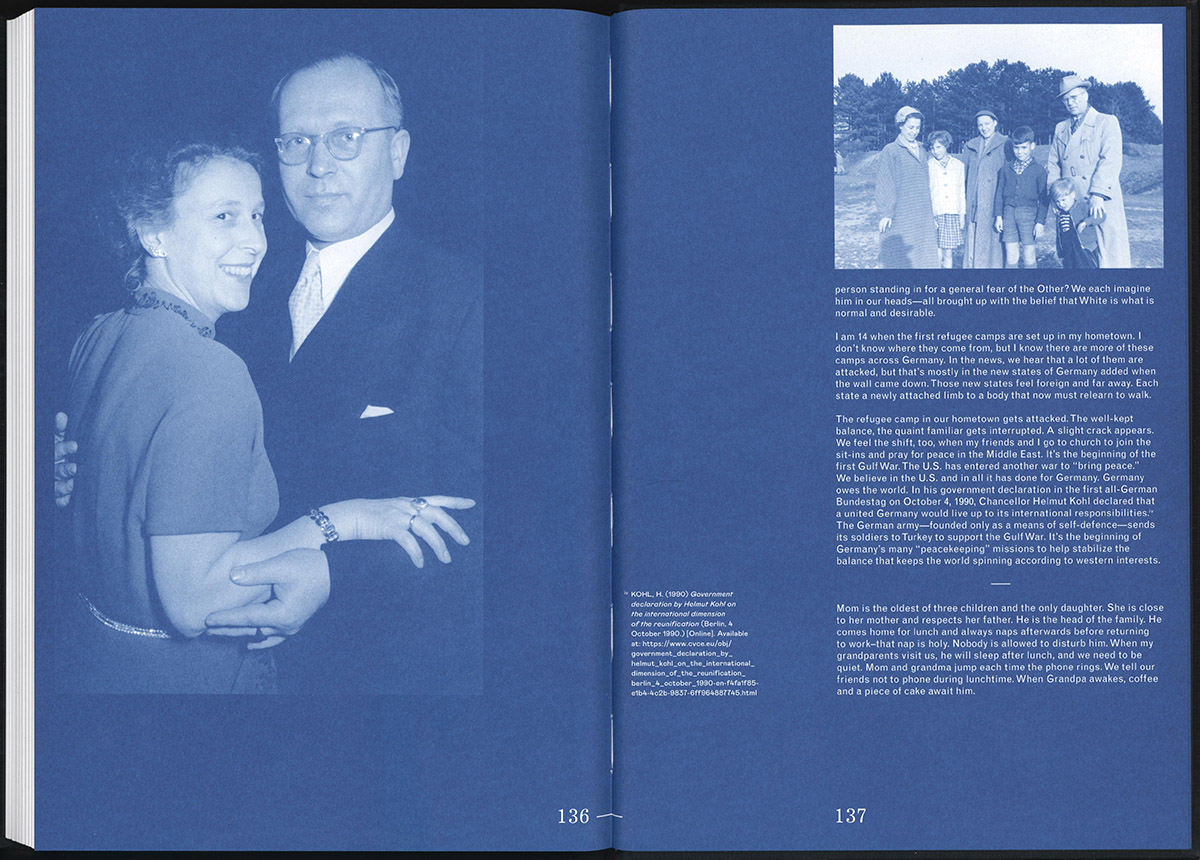
This is not a photobook for easy consumption. Like a personal diary full of special moments, enhanced by an appended extensive autobiographical artist statement with unedited photographs on blue pages, Zero Hour demands an approach of slowed-down observation, and perhaps even further contemplation after some time has passed. In that respect, this project mirrors its own subject: the cyclical process of loss, mourning, and possible regeneration.
Zero Hour takes us on an emotional roller coaster, historically and contemporaneously. It touches a sensitive nerve and is unsettling, and while it is rooted in personal experience, it is certainly most resonant with collective themes. Birthe Piontek has produced not just a photobook, but a significant visual elegy – a poignant meditation on death, survival, and the fragile threads that connect us to our own selves and to our co-inhabitants of the planet. Highly recommended!
____________
Gerhard Clausing is an artist, author, and editorial consultant from Southern California.
____________
Birthe Piontek – Zero Hour
Photographer: Birthe Piontek (born in Germany; lives in Vancouver, Canada)
Texts: Birthe Piontek and others, as cited in the book
Language: English
Publisher: Gnomic Book, Portland, Oregon; © 2025
Hardback, clothbound, sewn, illustrated cover; 144 pages; 7.7 x 11.4 inches (19.5 x 29 cm); printed and bound in The Netherlands by Wilco BV; edition of 500 ; ISBN 978-1-9573010-7-5
____________


Articles and photographs published in the PhotoBook Journal may not be reproduced without the permission of the PhotoBook Journal staff and the photographer(s). All images, texts, and designs are under copyright by the authors and publishers.
 PhotoBook Journal
Leave a comment