Review by Olga Bubich ·
Domestic violence, emotional neglect, parental mental illnesses and substance abuse are family conditions that might lead to childhood trauma, which, if left unprocessed, risks having a profound and lasting impact on a person’s emotional well-being and self-perception in adulthood. One of the ways of addressing trauma, whether it is of social or structural (historical) nature, has always been connected to artistic practice, which enables us to engage with painful experience through distance, symbolization, re-authoring, and agency restoration. The debut photobook Filling in the Gaps by Stockholm-based artist Marcus Gustafsson draws on precisely these strategies, presenting a deeply emotional visual narrative built around his rediscovery of and engagement with the family archive, seeking to achieve the aim articulated in the project’s title.
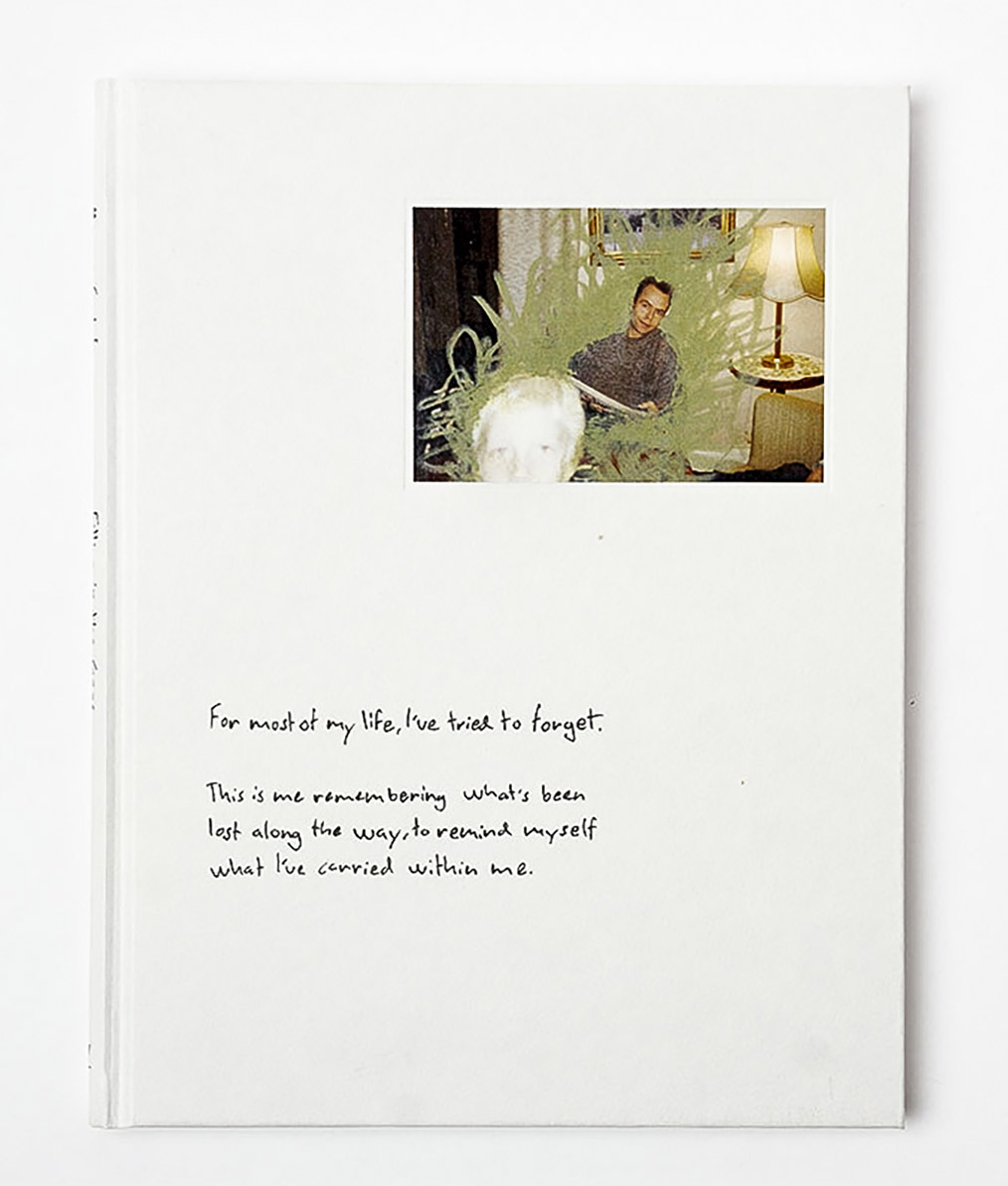
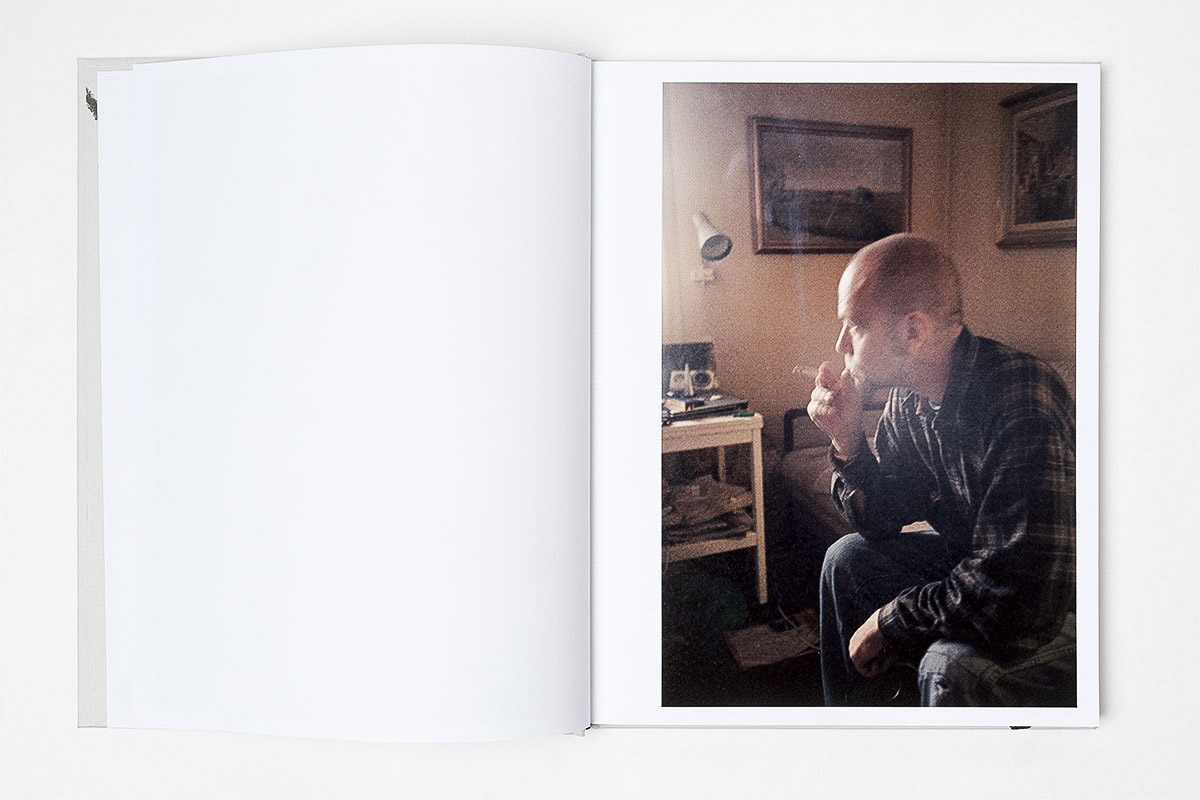
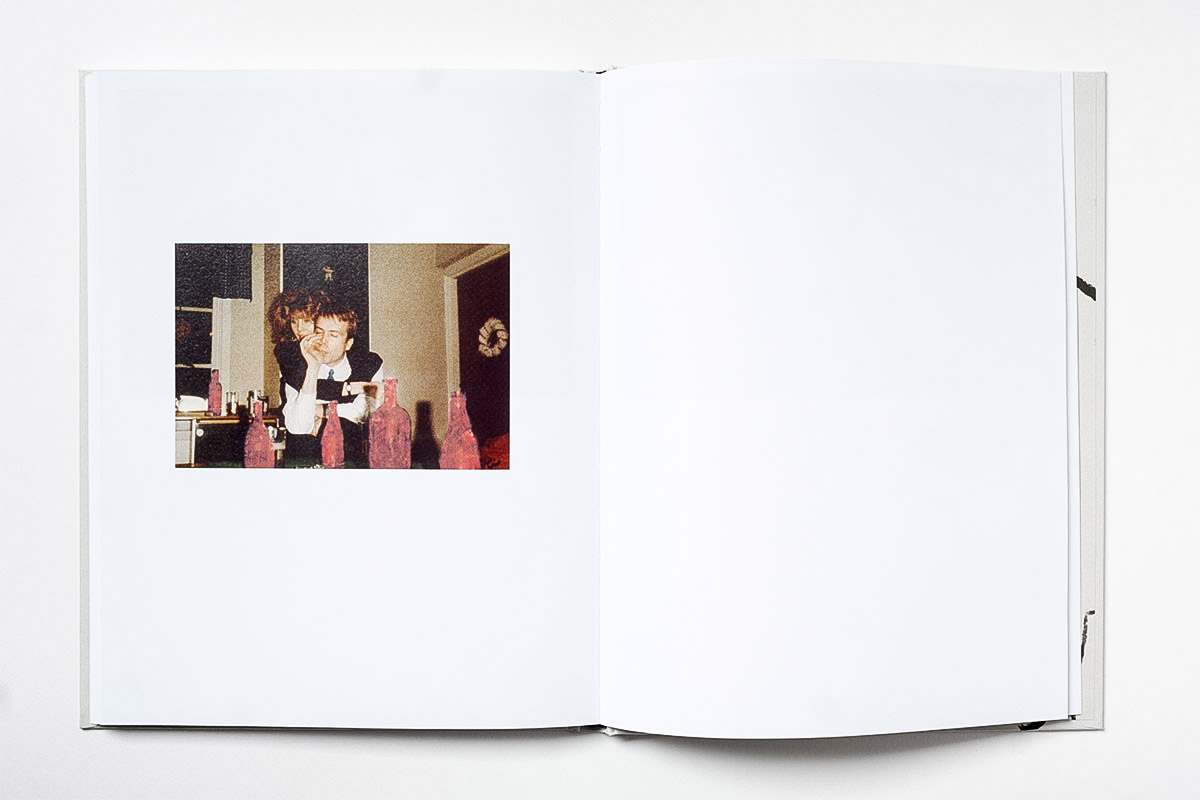
A medium-format book, with its light-brown cover reminiscent either of the autumn dull sky over the Swedish capital or the faded tones of objects long abandoned in a backyard, it features several types of images – all centered on the figure of the photographer’s father. Some are small, with blurred contours of the captured objects typical of late-1990s instant photography; others, by contrast, are nearly full-page, black-and-white and sharp. The difference in the form guides the reader through different periods of the man’s life: of his youth, when drinking functioned as a social ritual or a seemingly “safe” habit allowing to unwind, so he posed with a glass in hand – sometimes with relaxed casualness, sometimes with festive pride – and gradually into older age, when the circumstance and intention behind alcohol consumption changed dramatically.
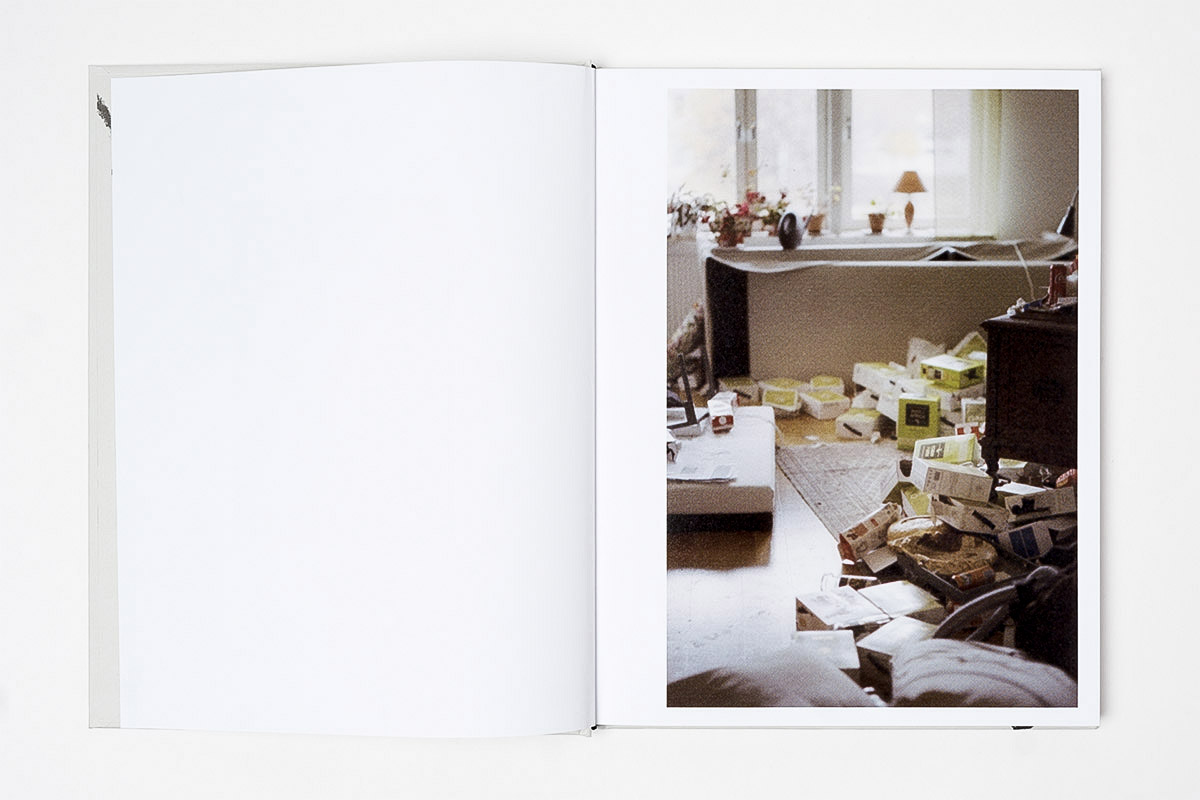
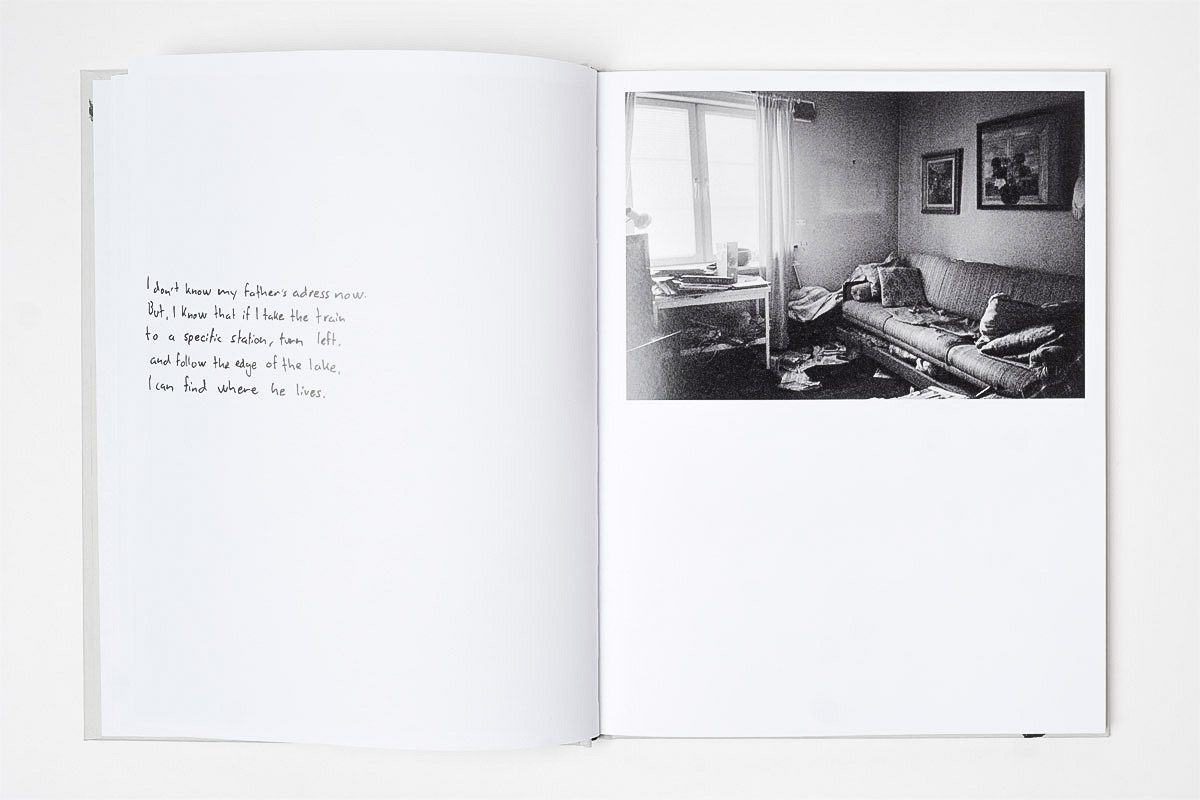
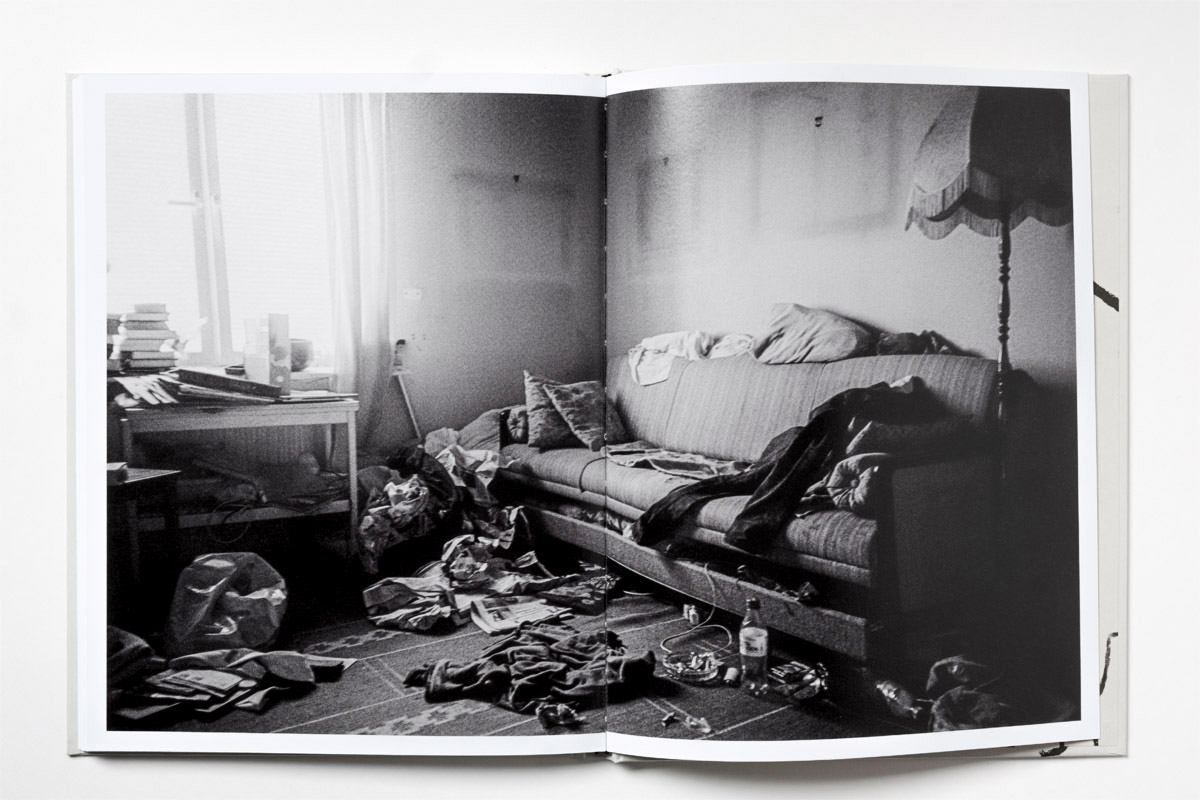
Although a few portraits do show the elderly man in his present-day reality, our attention is repeatedly drawn to haunting scenes of his chaotic flat, overcrowded with empty wine cartons, dirty clothes, rumpled bed linen, and cigarette ends. Casualness and pride have given way to Moriyama-like hopelessness and gloom. The emptiness of the room begins to echo the sense of an empty life.
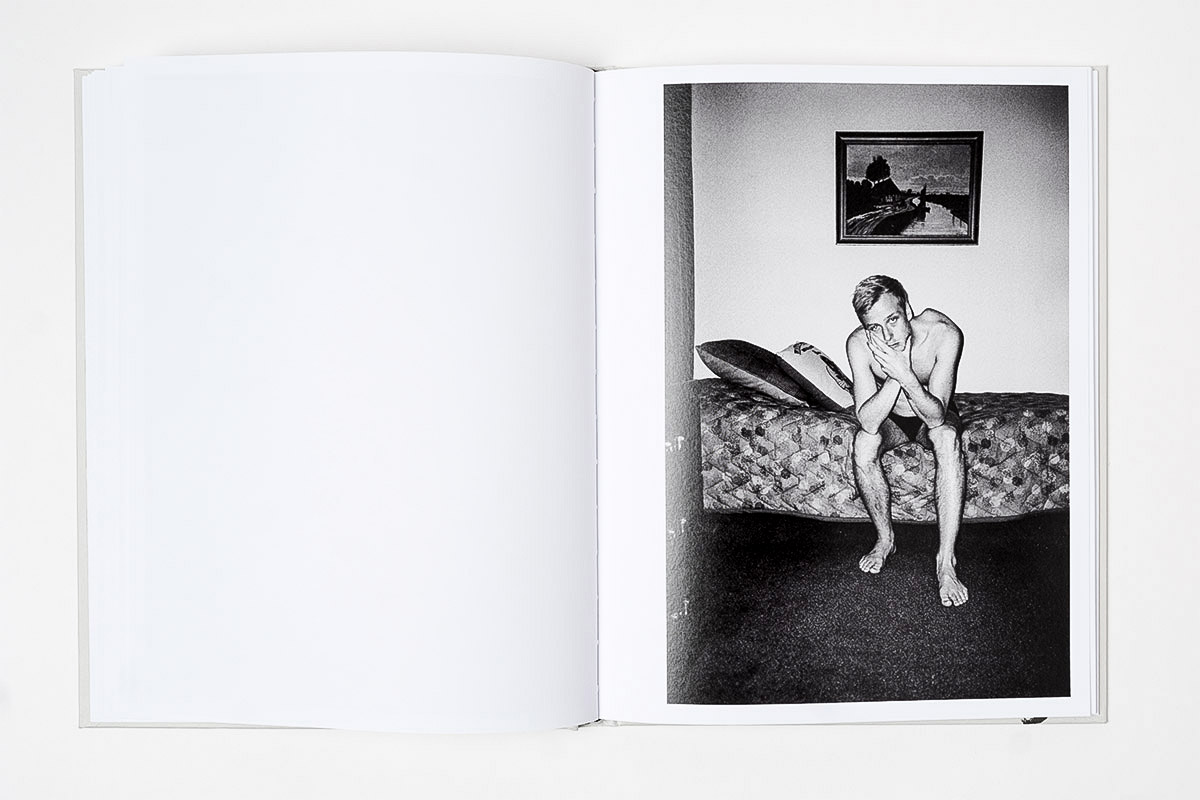
Once again – a reference to the gaps, which, the photographer believes, still may be filled in. In some of the images we see him as well: a young man with an open face staring at us or out of the window, at the thick darkness of the night. Reflecting on the choices made by his father? Reflecting on the choices he still can make himself? Tracing the edges of the gaps?
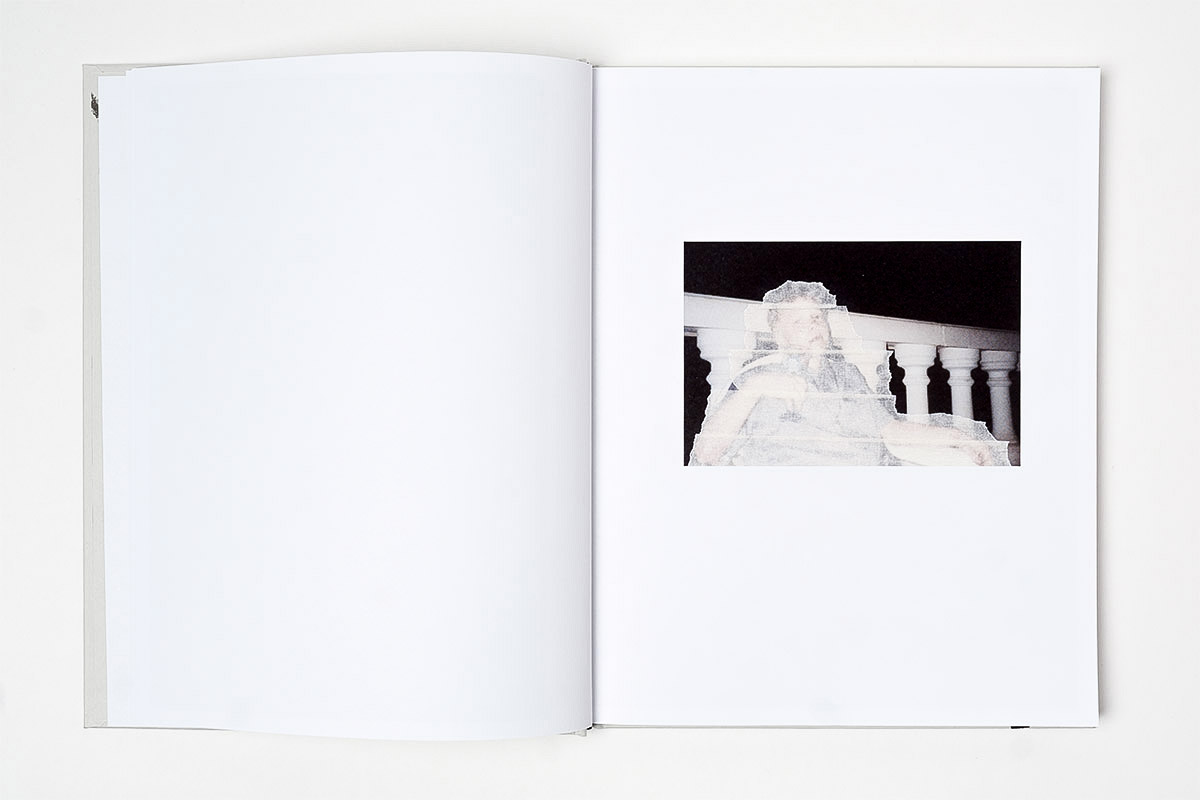
The attempt to mend (rethink or finally fully own) the past could be discerned in the manual re-touching of the archival photographs, explained by Marcus Gustafsson as coming from “a need to enter images” that were never originally his. “The family album contains memories that shaped me, yet many of them precede my own lived experience. By adding crayon, tape, paint, and drawing, I am trying to create a dialogue with them. The altered archival images extend the tension between the documentary and the subjective, something raw and something more stylized,” he comments for PhotoBook Journal. “The interventions shift them from fixed documents into emotional spaces, making them more personal.”
And the book indeed feels unexpectedly sensitive, fragile, maybe even caring and eventually forgiving. Risking getting labelled as a therapeutic art experiment, it nevertheless turns out to be much more than that. The figure of the alcoholic parent is not mocked or shown with anger, hatred or disrespect – all these empty cartons are in fact not empty, but filled with the sorrow about missed opportunities, and the act of coloring the childhood photos, making the slim figure of a boy scared by the camera flashlight stand out in the crayon-drawn halo, is a reminder of his presence. “I was there, I was there all the time!” he exclaims. But he is still there… and here.
“I don’t know my father’s address now. But, I know that if I take the train to a specific station, turn left and follow the edge of the lake, I can find where he lives,” says one of the three textual fragments included in the visual thread of the book as handwritten blocks of diary paragraphs on par with the images. And for me this at first sight insignificant detail solidifies the entire message: healing does not necessarily begin with confrontation or radical emotional “remake” (or “retake”.) Sometimes a closer look into one’s archive of memories and full recognition of your own presence is something that could give you a sense of orientation in the present. The father’s address may be unknown, but the path is here. Or at least its contours.
Olga Bubich is a Belarusian essayist, visual artist, and memory researcher currently based in Berlin.
__________
Marcus Gustafsson – Filling in the Gaps
Artist: Marcus Gustafsson (born in 1990) is a Stockholm-based photographer working autobiographically with memory, intimacy, and identity.
Publisher: Kult Books, 2025
Text: Marcus Gustfafsson
Language: English
Design: Janne Riikonen
Edition: First edition of 700 copies
Thread bound hardcover, 96 pages, 49 photographs, offset printing. 21,5 x 28 cm, ISBN 978-91-990235-1-9
__________
Articles and photographs published in the PhotoBook Journal may not be reproduced without the permission of the PhotoBook Journal staff and the photographer(s). All images, texts, and designs are copyright of the authors and publishers.
 PhotoBook Journal
Leave a comment