
Review by Gerhard Clausing •
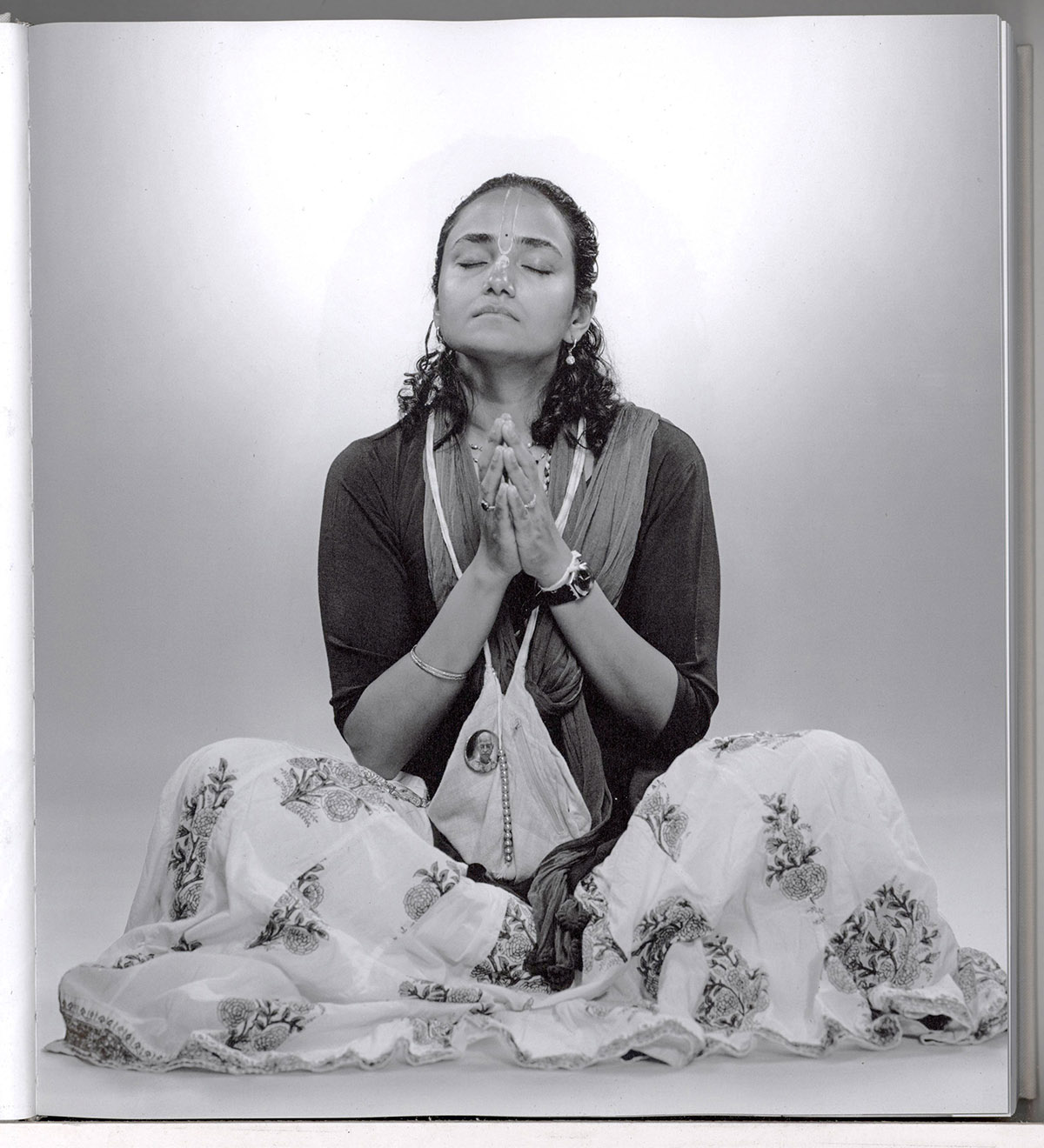
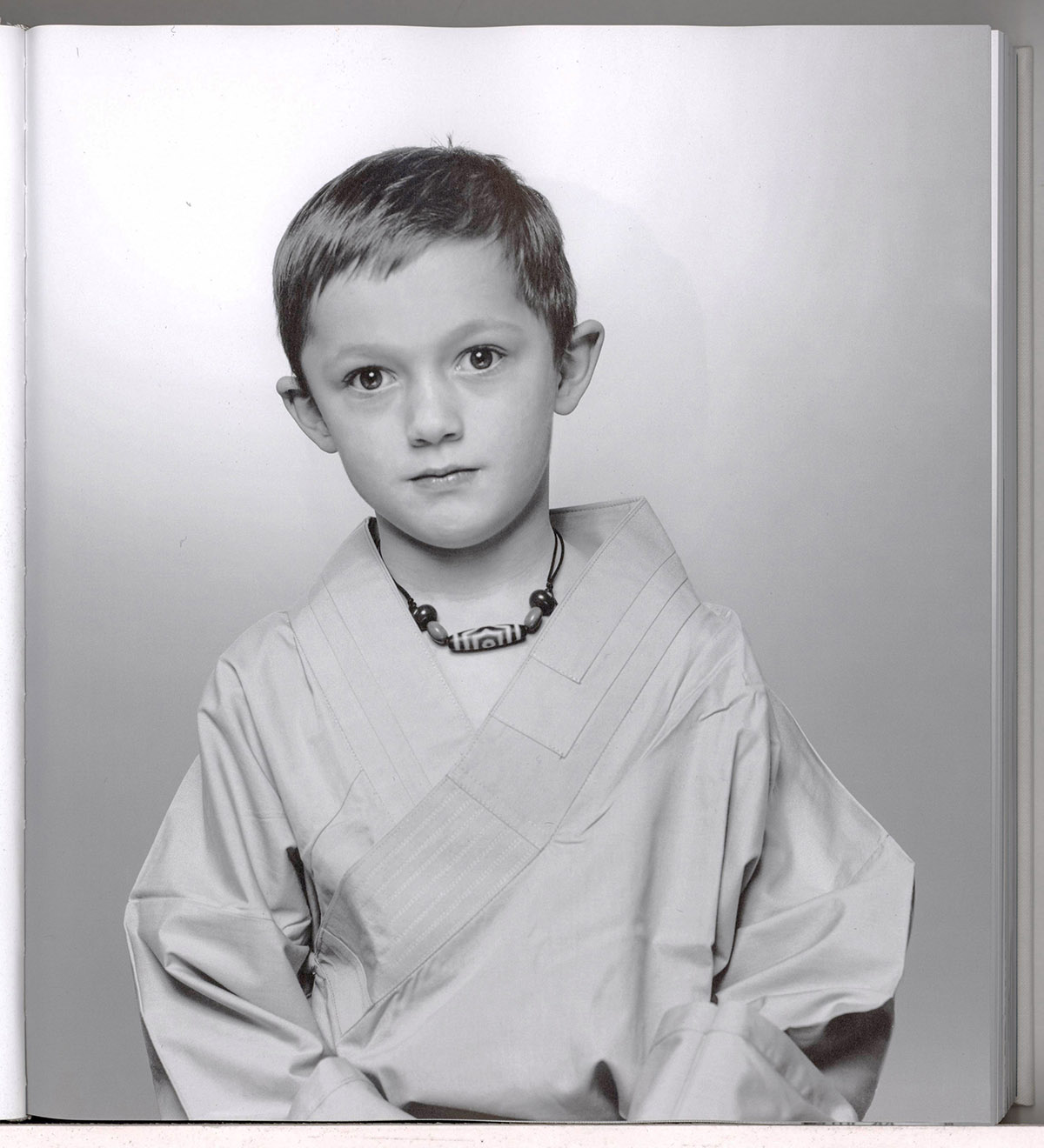
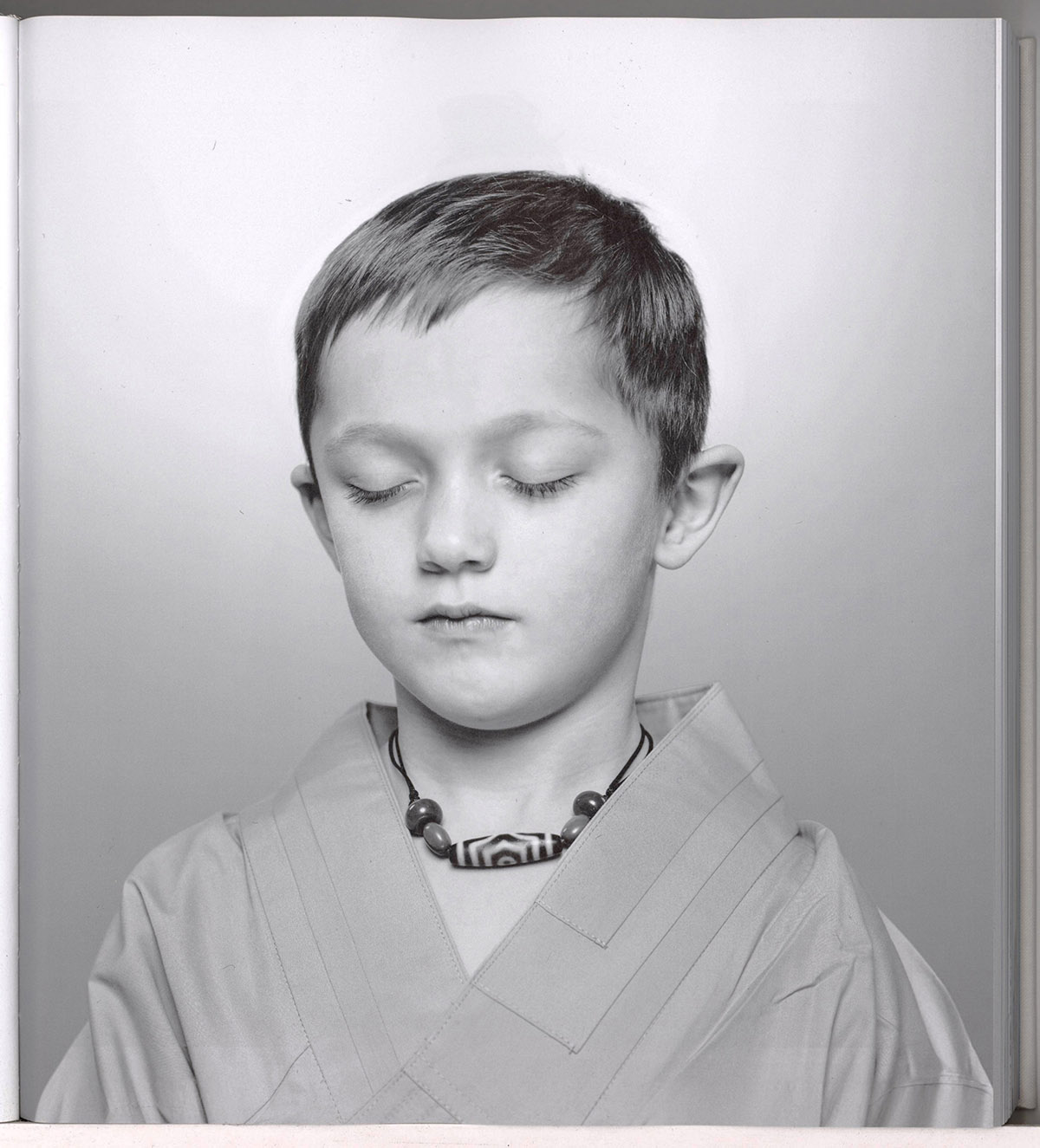
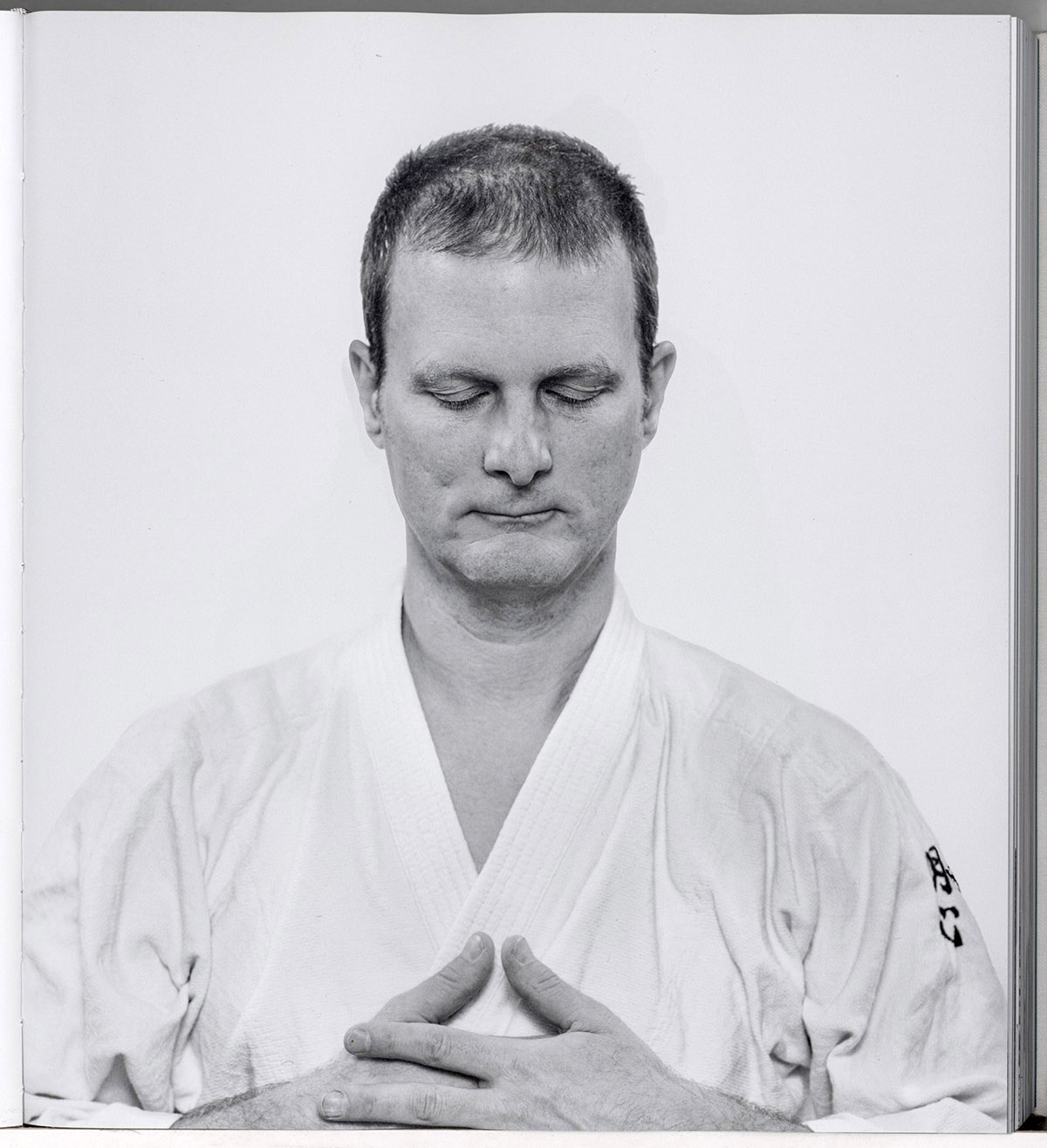
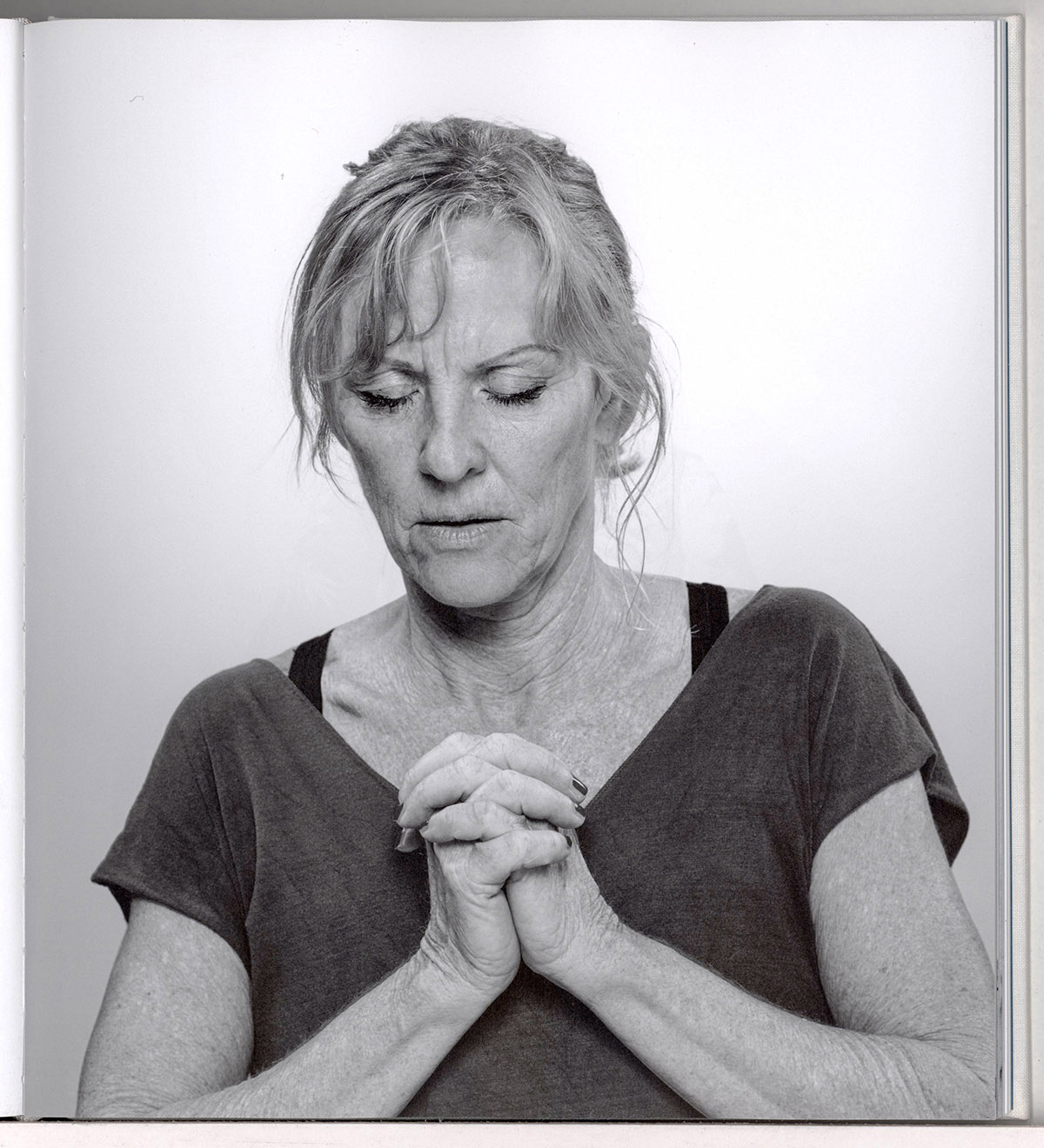
Getting in touch with your inner self is not an easy task. Meditation is one of the ways that makes this possible, and Axel Kirchhoff has successfully photographed people at various stages of confronting their inner being. This photobook presents whole-body images as well as close-up portraits of dozens of people in this state of self-exploration. Included are folks of various ages and backgrounds, so your first impression in looking at this impressive volume is that it represents a very universal approach. We get the idea that both inner and outer silence are fundamental ingredients. Silent Portraits is a book that does not want to be viewed quickly, but needs to be encountered. Its premise is deceptively simple: black-and-white portraits of individuals engaged in inner practice, supplemented by their own words in a separate section. The book’s quiet insistence reveals itself as its central strength.
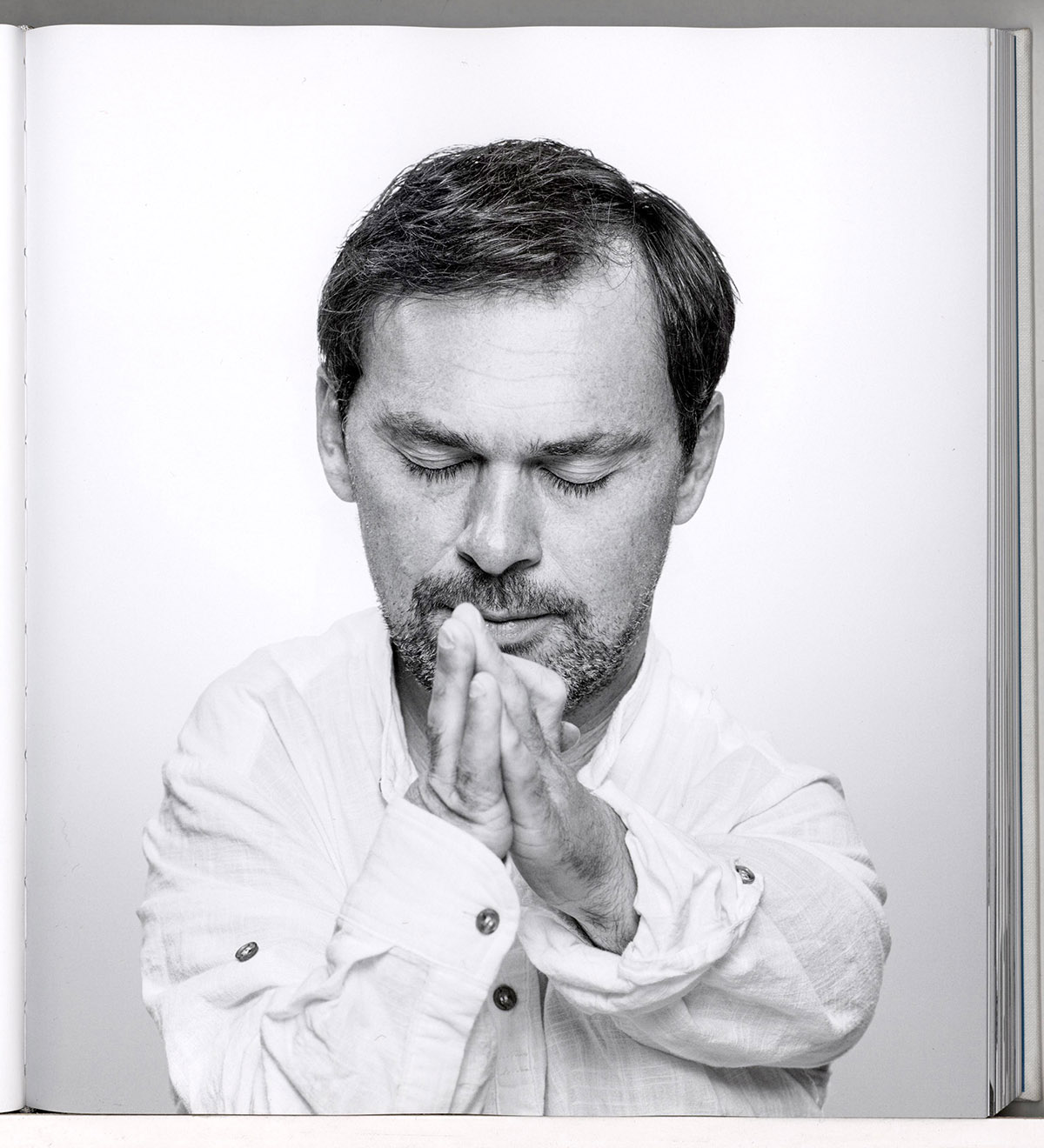
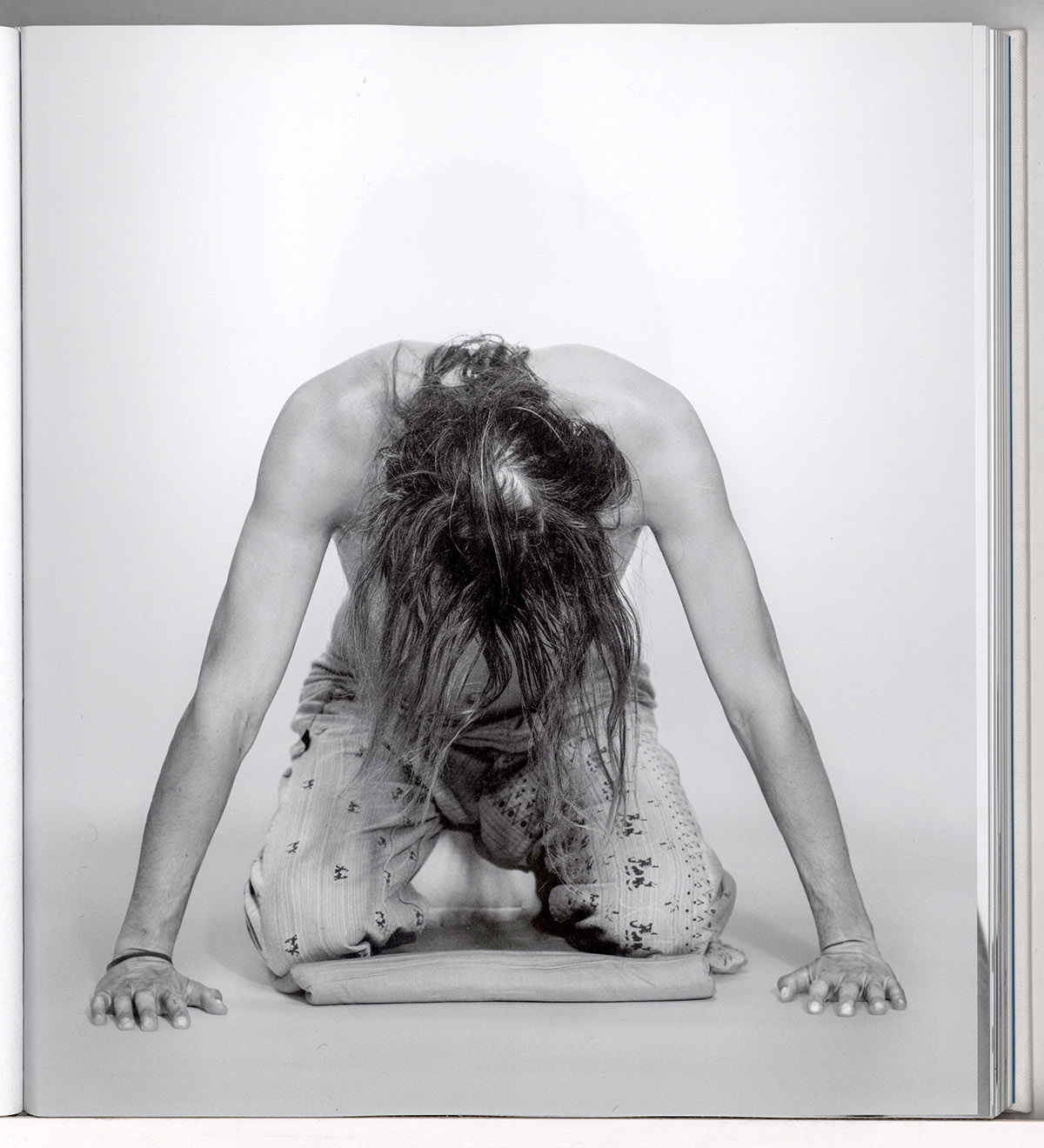
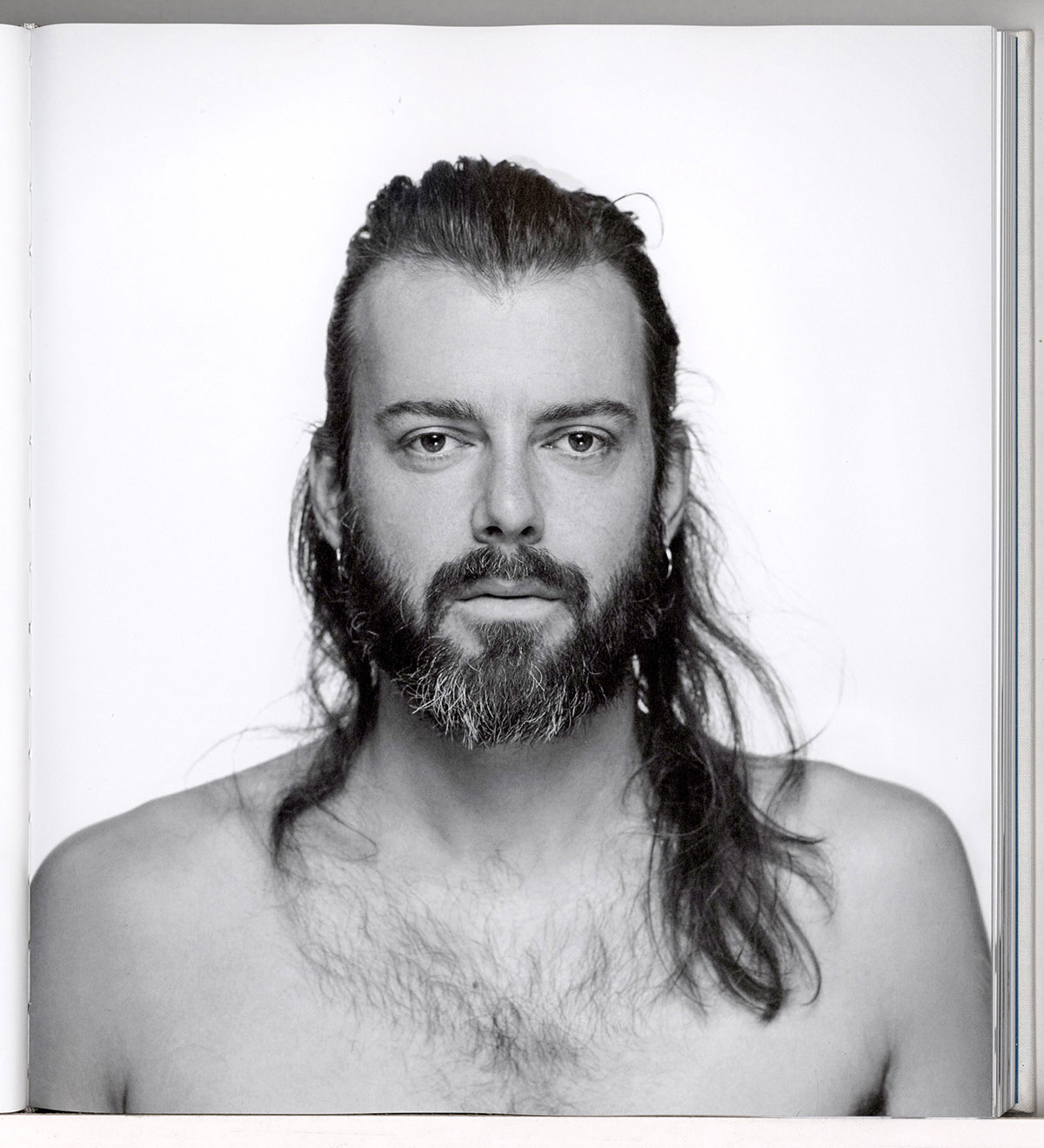
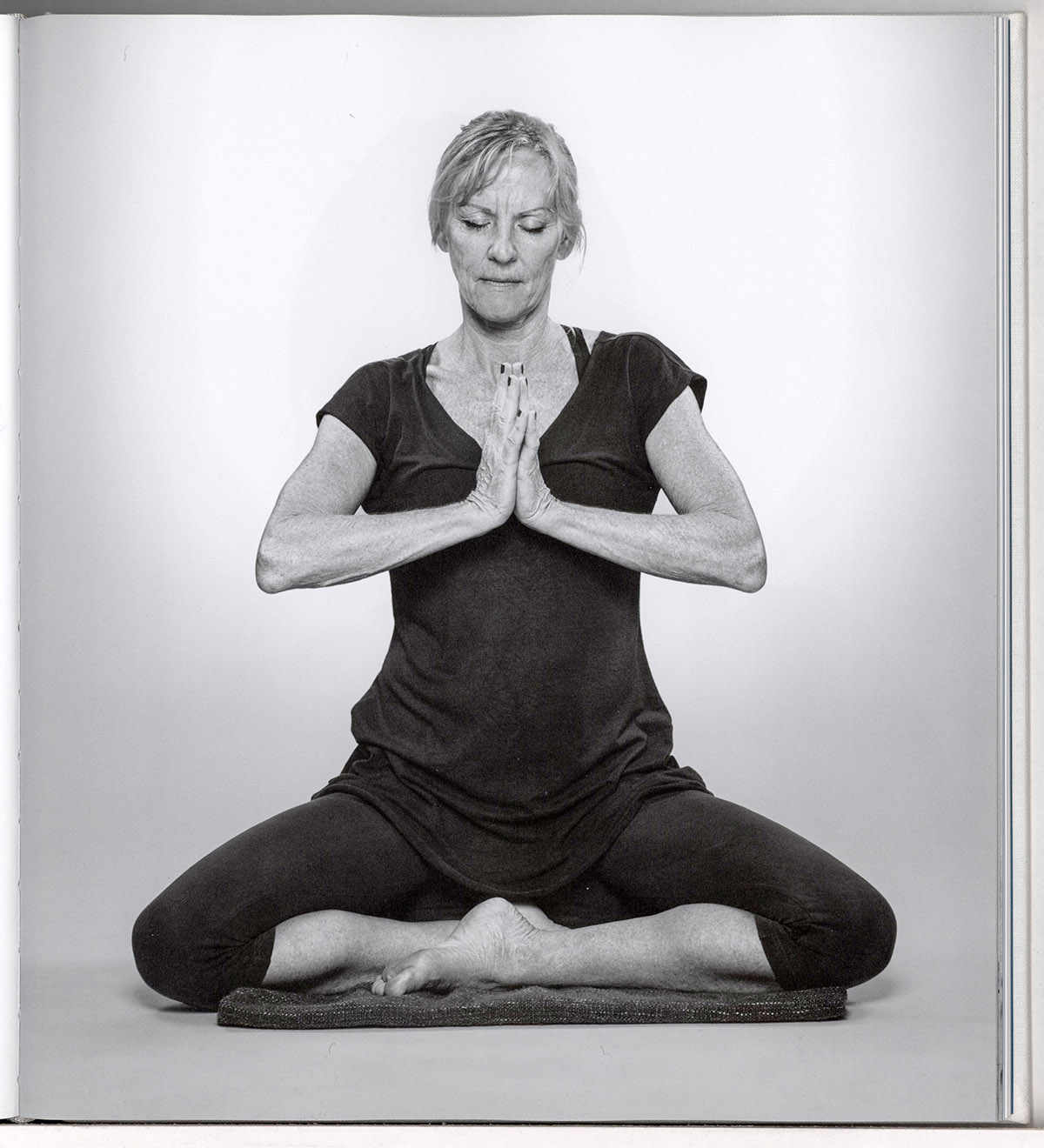
Kirchhoff’s portraits are formally understated. Presented full-page and unadorned, they resist the expressive theatrics that often accompany portraiture concerned with spirituality or meditation as presented elsewhere. Kirchhoff offers faces held in a state of calm attentiveness, neither posed nor candid in the usual sense, but suspended somewhere between interior focus and outward presence. What distinguishes Silent Portraits is not simply its visual consistency, but its ethical stance. Kirchhoff does not impose interpretation. The 66 individuals are presented as fellow travelers, each offering a brief reflection on their inner practice. Their short personal statements are presented in a separate section in the back of the book; these are not explanations of the images, and they do not tell the reader what to think. Instead, they share small insights on how and why each person experiences stillness, focus, or inner awareness. Reading them feels like listening quietly to someone speak about something meaningful to them, forming a second register of quiet articulation that mirrors the restraint of the photographs themselves.
This dual structure, presenting portraits and voices in separate sections, creates a mix between seeing and reading. Drawn back and forth, the viewer is encouraged to slow down, to linger. In this way, this book also performs what it depicts. The act of turning pages becomes analogous to meditation itself: repetitive, attentive, and resistant to conclusion. For the images reproduced below, I will not show you the left-side white pages that also contain the participants’ names, so you can more closely see the subtleties of the participants’ experiences through their expressions. They represent six of the individuals in the two poses included in the photobook.
The inclusion of neuroscientist Dr. Ulrich Ott’s contribution assures that the dialogue between photography and neuroscience remains carefully balanced. Ott’s insights into mental exercise do not explain the portraits away; rather, they provide a contextual frame that acknowledges the physiological dimensions of inner practice without diminishing its subjective depth. This triangulation (portrait, personal testimony, and scientific reflection) adds intellectual density without disturbing the book’s contemplative tone.
From a production standpoint, Silent Portraits is executed with precision. The format reinforces the book’s ethos of clarity and calm. Nothing calls attention to itself unnecessarily. The design does not compete with the images, but rather supports them. This is a photobook that understands silence not as absence, but as structure.
Silent Portraits is a book that trusts its audience, that allows meaning to emerge slowly, and that respects both its subjects and its viewers. It is a book for readers who are curious about people, about quiet moments, and about what happens when we pause instead of rushing ahead. You do not need to be an expert in photography or meditation to appreciate it. All that is required is a willingness to look closely and take your time. In a fast and noisy world, this book offers something rare: shared moments of calm attention.
____________
Gerhard Clausing, Ph.D., Psy.D., is Editor Emeritus of the PhotoBook Journal and an author and artist who also studies the role of culture and memory in visual art.
____________
Axel Kirchhoff – Silent Portraits
Photographer: Axel Kirchhoff (born in Munich, Germany; lives in St. Gallen, Switzerland)
Texts: Carla Patricia Kojich, Dr. Ulrich Ott, Axel Kirchhoff, and the participants
Languages: German and English
Publisher: Verlag Seltmann Publishers, Berlin, Germany; © 2025
Hardbound, with illustrated cover, 320 pages; 9.75 x 10.75 inches (24.7 x 27.3 cm); printed in Switzerland by Niedermann Druck AG, St. Gallen; ISBN 978-3-949070-66-2
____________



Articles and photographs published in the PhotoBook Journal may not be reproduced without the permission of the PhotoBook Journal staff and the photographer(s). All images, texts, and designs are under copyright by the authors and publishers.
 PhotoBook Journal
Leave a comment