Review by Hans Hickerson ·
Where photographer Bruce Haley lives, BLM does not stand for “Black Lives Matter.” It stands for “Bureau of Land Management,” the federal agency that manages some 245 million acres of public land, or about ten percent of the United States, an area bigger than France and Italy combined. Most of this land is in the western US. Haley lives in the northeastern corner of California, part of the Great Basin that includes areas in Nevada, Utah, Idaho, Oregon, and California.
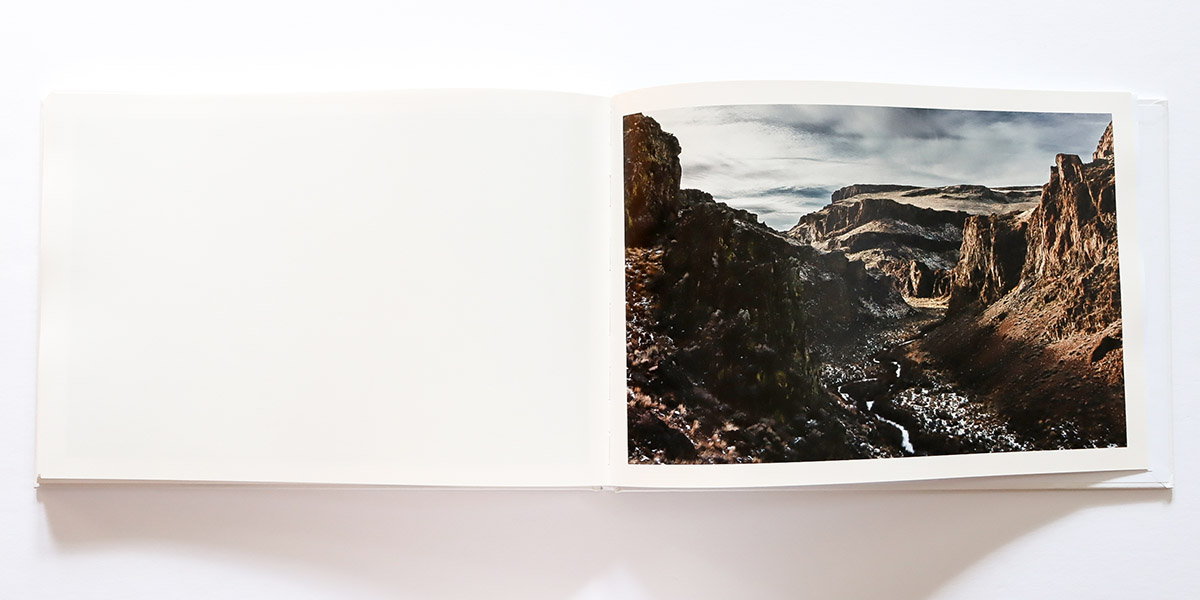
In Winter Haley shares his love for this place during the cold season of late fall and winter. Haley is an award-winning photojournalist, known for his photographs of conflicts and wars. His style is purposeful, direct, and frank, and his pictures are generously dimensioned – on the page they measure 8 by 12 inches.
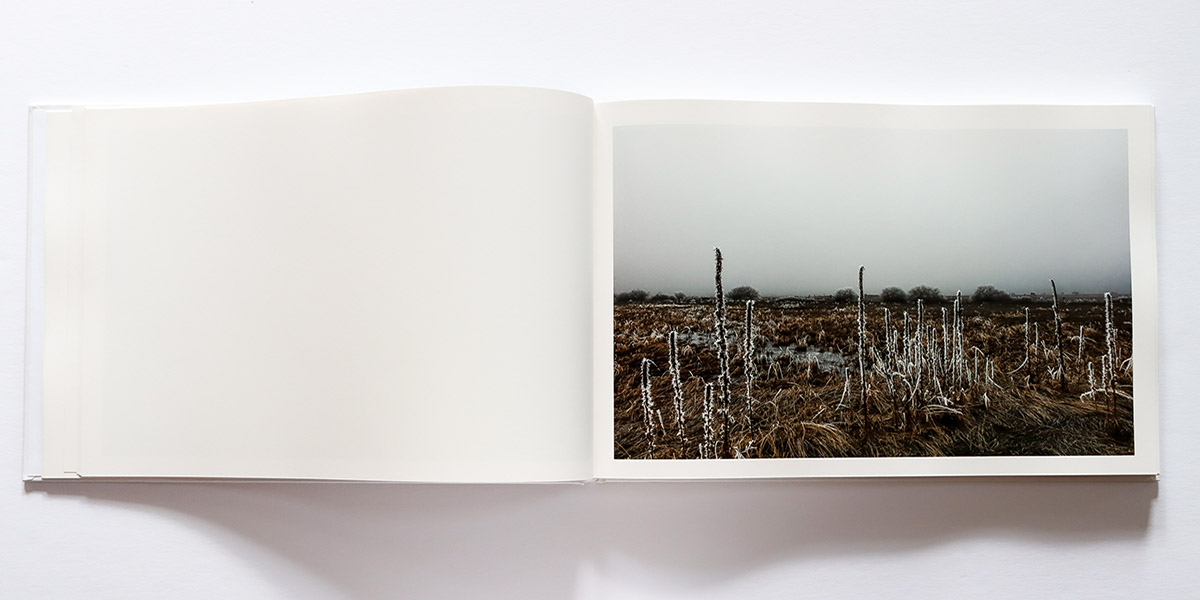
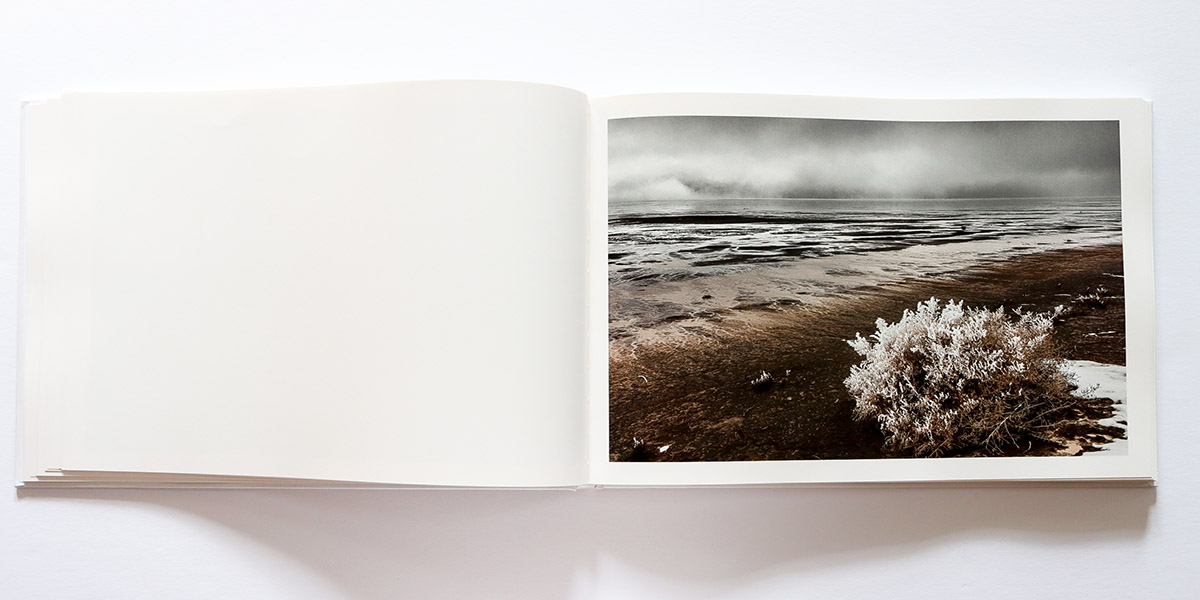
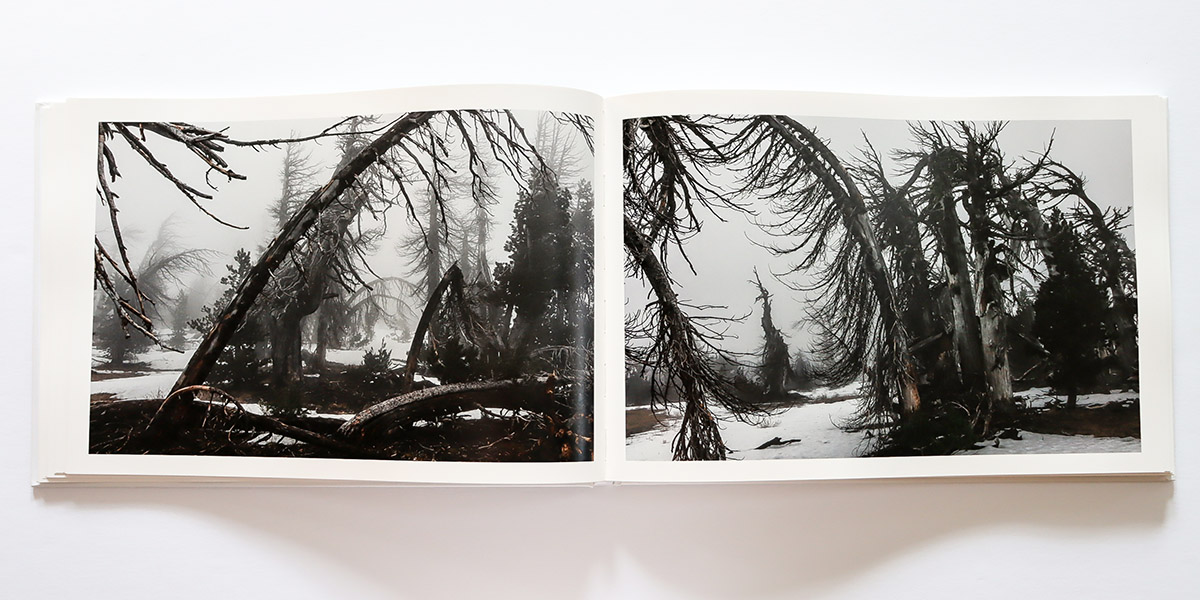
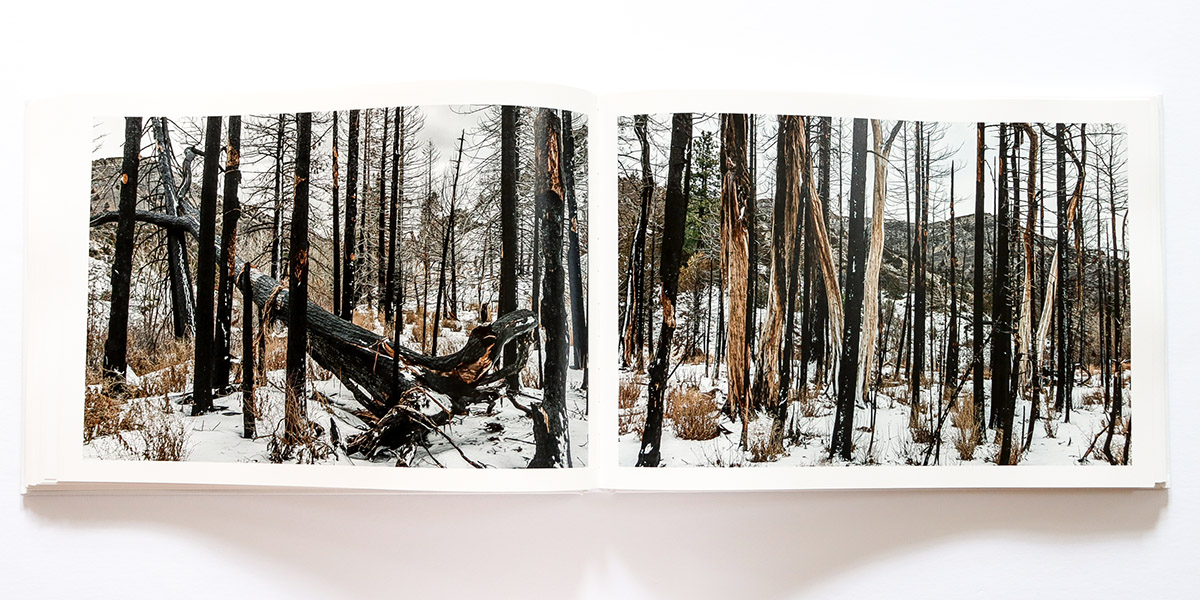
The 81 photographs in Winter are mostly one to a page, on the right side, with five spreads of two photographs that read as contiguous frames, making the total measurement of these combined images about two feet, some 61 centimeters. Immersive, the book mirrors the vastness of the landscape.
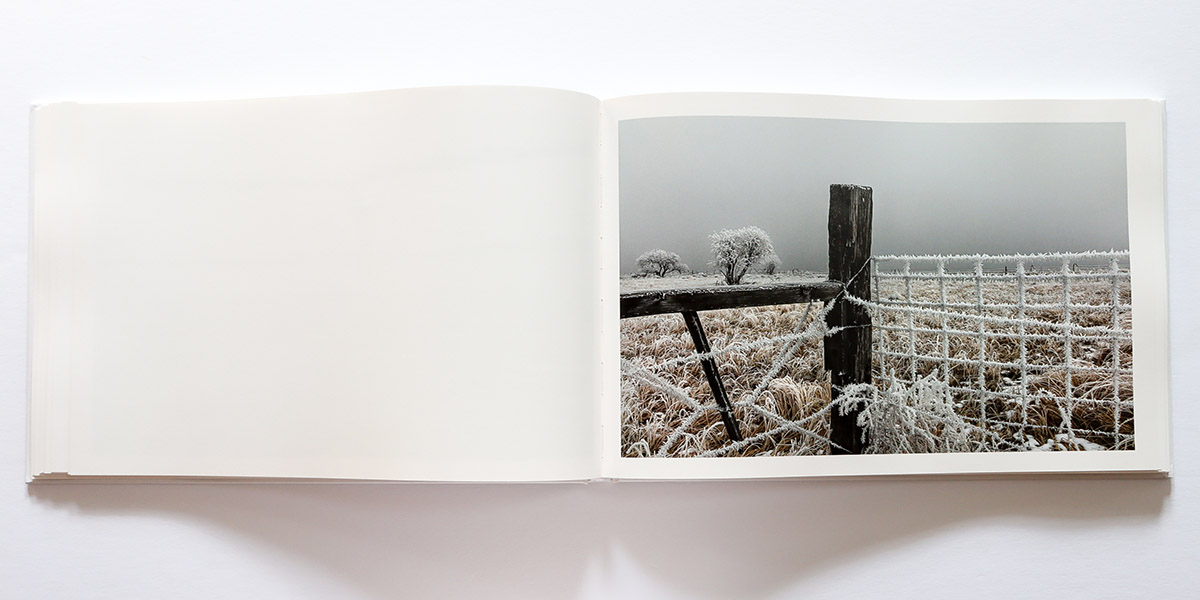
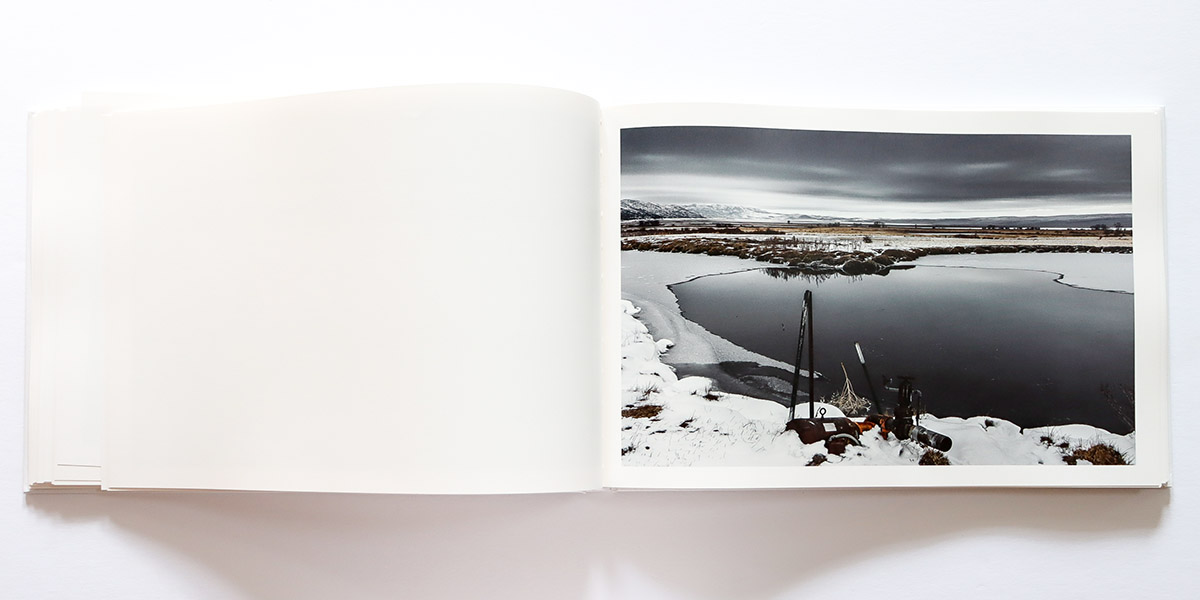
Haley’s images are powerful and awe-inspiring. They do not try to please or appear pretty. Ruggedly handsome might be a better description. The photographs are beautifully printed, and ordinary things they show look interesting and take on meaning. Haley’s images may be made in the same places as Sierra Club calendar photographs, but they do not look like that. The tones in them are somber and rich. Think Courbet’s “A Burial at Ornans.” Muted colors, heavy skies, brooding drama. In Haley’s pictures the dark tones are relieved by the whites of frost, ice, and snow as well as by occasional views of water.
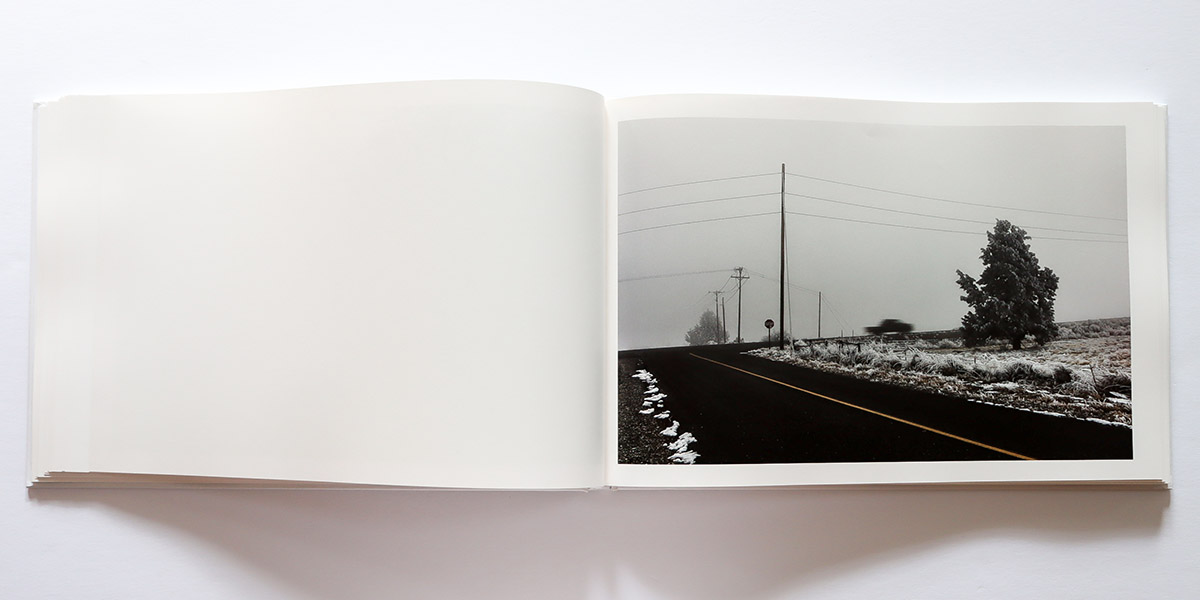
The images are set up to mirror the progression of the seasons. The first photograph is from October and the last from April. There is no obvious structure or organization, but there are groupings of photographs that appear to be related in time and place and also winter versions of a few subjects that previously appeared in his book Home Fires. We do not see people, other than a single glimpse of a passing pickup. We do see the human landscape however: fences, a bunk house, abandoned and run-down trailers and houses, rusty farm equipment, highway signs and power lines, a bridge, irrigation equipment, roads, a rusty metal mattress frame leaning against a wooden shed, an American flag on a utility pole. In the conflict between Humans and Nature, Nature is winning.
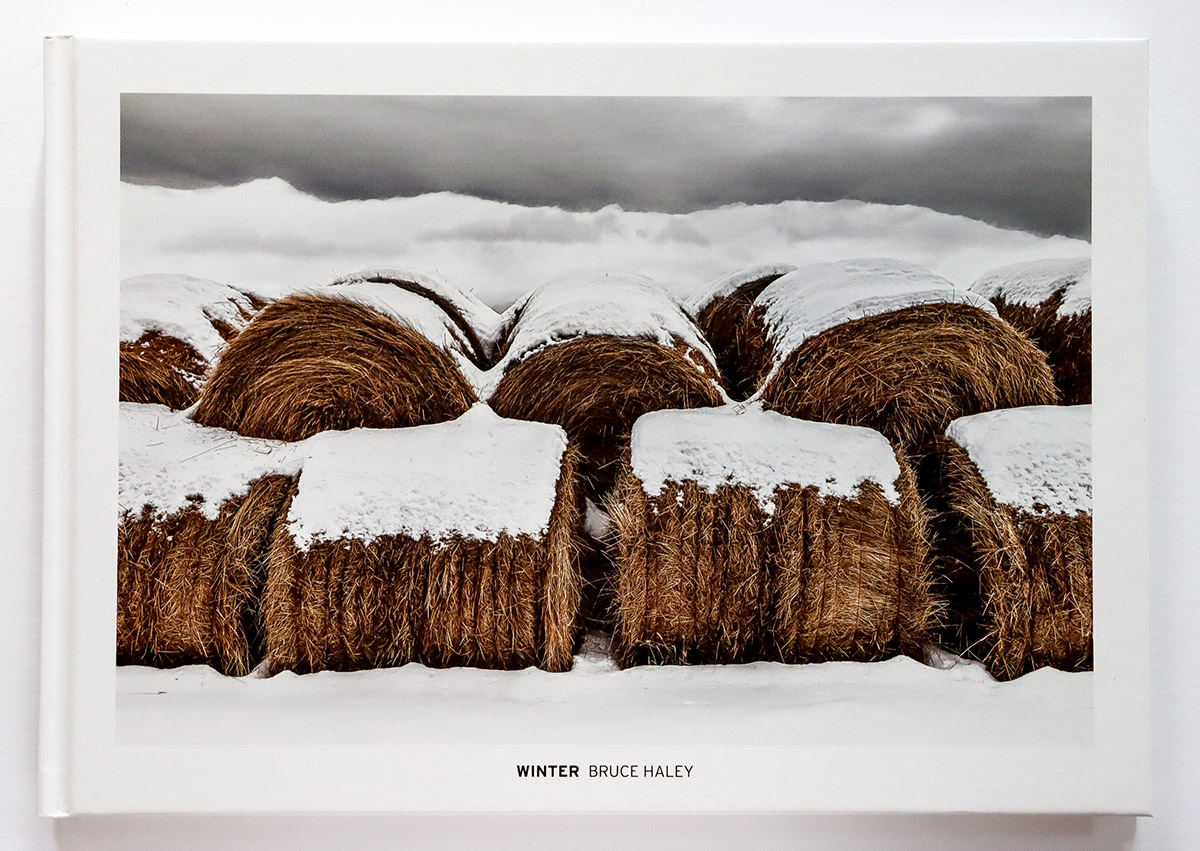
In terms of Nature, we see skies and clouds in early morning or late afternoon when the light is low and the colors saturated. We see grand vistas but also some single, isolated elements such as the sides of buildings, melting ice along a stream, or a pile of hay bales covered with snow. There are perhaps a dozen or so photographs where the sun makes an appearance, often illuminating something in the background. There are only a few images where we see a clear blue sky, notably four related images of snow-blasted bent-over conifers.
Photographer David Hurn has written that people are not photographers because they are interested in photography. People are photographers because they have a passion for something that they want to communicate through their photography. This is true of Bruce Haley. He is moved by certain special places and moments that he wants to share. In Winter he tells their story, taking us along to discover and experience and enjoy.
Hans Hickerson, Editor of the PhotoBook Journal, is a photographer and photobook artist from Portland, Oregon.
PhotoBook Journal previously reviewed Bruce Haley’s Sunder and Home Fires Volumes One and Two.
____________
Bruce Haley – Winter
Photographer: Bruce Haley (born in 1957; lives in California)
Publisher: Daylight © 2023
Language: English
Text: Bruce Haley
Design: Ursula Damm, Bruce Haley
Printing: Ofset Yapimevi, Turkey
Hardcover; 81 photographs; sewn binding, unpaginated; 9.25 x 13.25 cm, ISBN 978-1-954119-04-8
____________


Articles and photographs published in the PhotoBook Journal may not be reproduced without the permission of the PhotoBook Journal staff and the photographer(s). All images, texts, and designs are under copyright by the authors and publishers.
 PhotoBook Journal
Leave a comment