Review by Janesa Brosnan ·
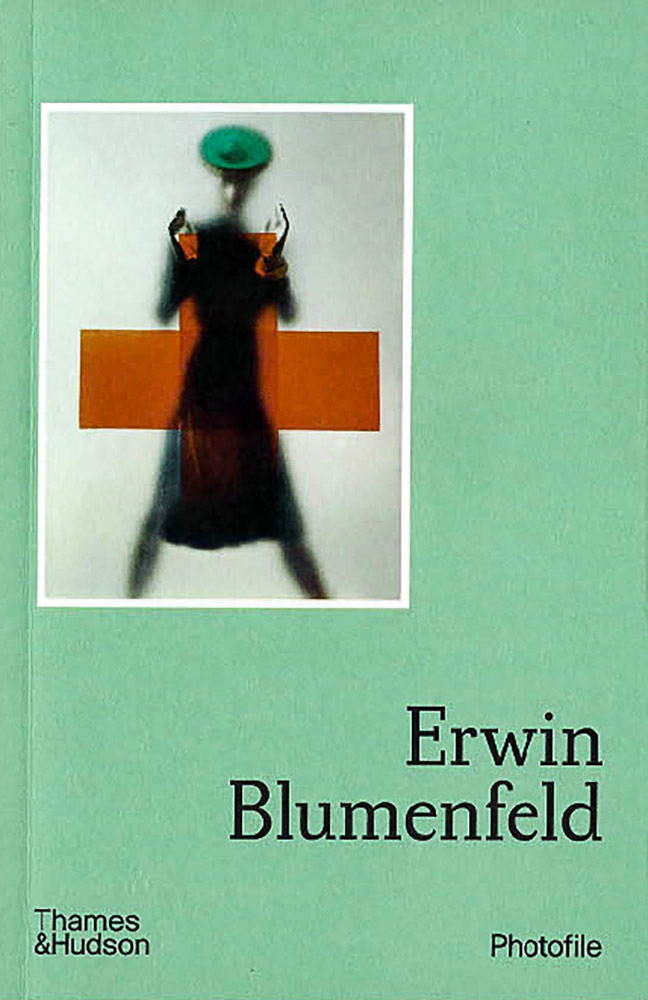
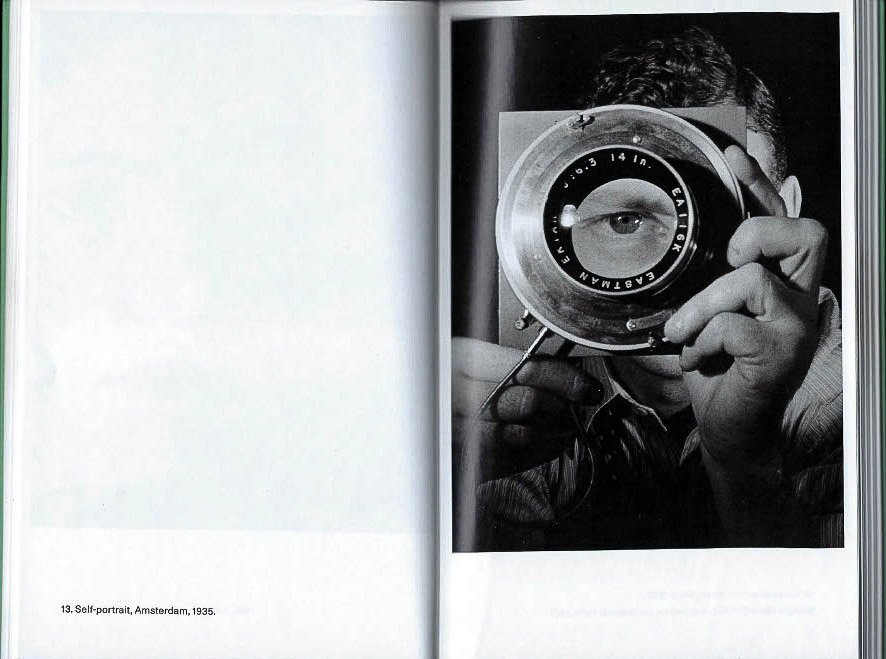
Thames & Hudson’s photobook Erwin Blumenfeld captures the historical and moving perspective in Erwin Blumenfeld’s work. His love of expression, artistic vision, and experimentation is seen throughout all the photos selected. The book goes through the decades and locations of Blumenfeld’s work ranging from Amsterdam in the 20s to New York in the 60s, helping the reader acknowledge a distinct timeline and how personal and worldly changes affect artistic vision. All photographs I mention are in the book.
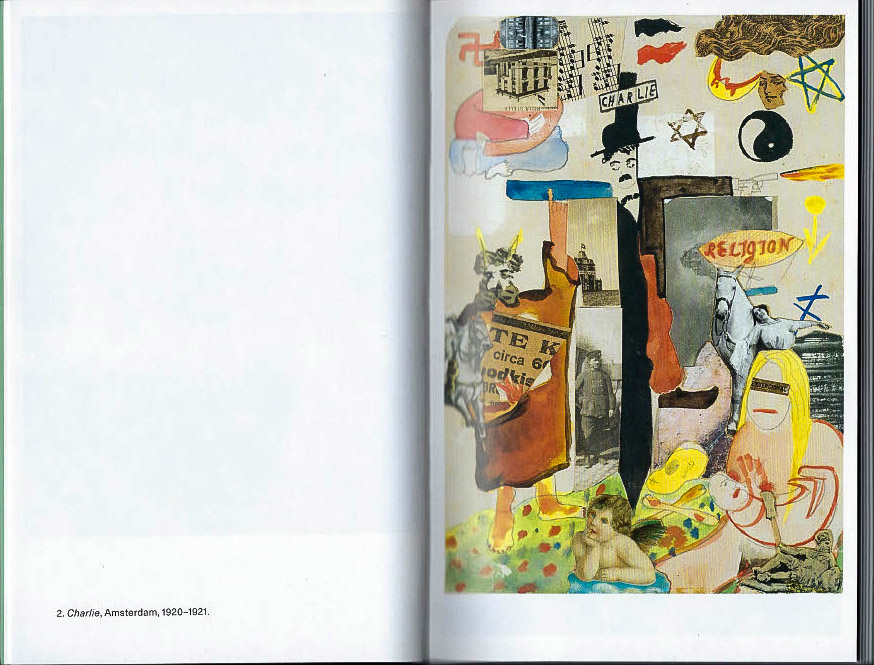
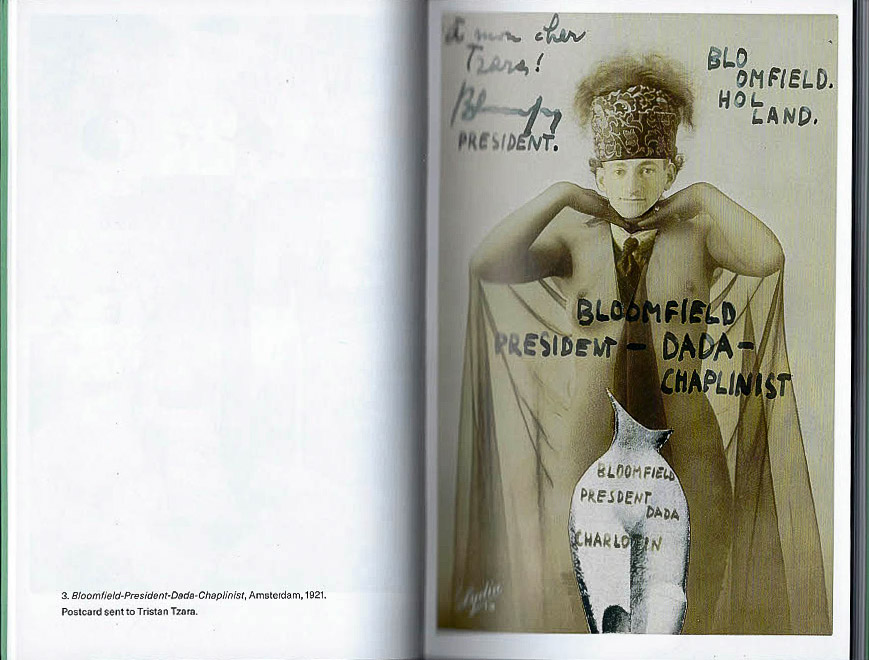
The photos included are in black and white and color, showing the availability of color photography through the decades, as well as the progression of Blumenfeld’s career. Blumenfeld first started his hobby for photography as a boy finding freedom in his art, recreationally making photos in a darkroom above his leather shop at night as an adult to express himself. During this time, he created pieces like Bloomfield-President-Dada-Chaplinist, displaying early on his focus on nudity and historical themes such as anti-fascism, as he predicted the rise of Hitler.
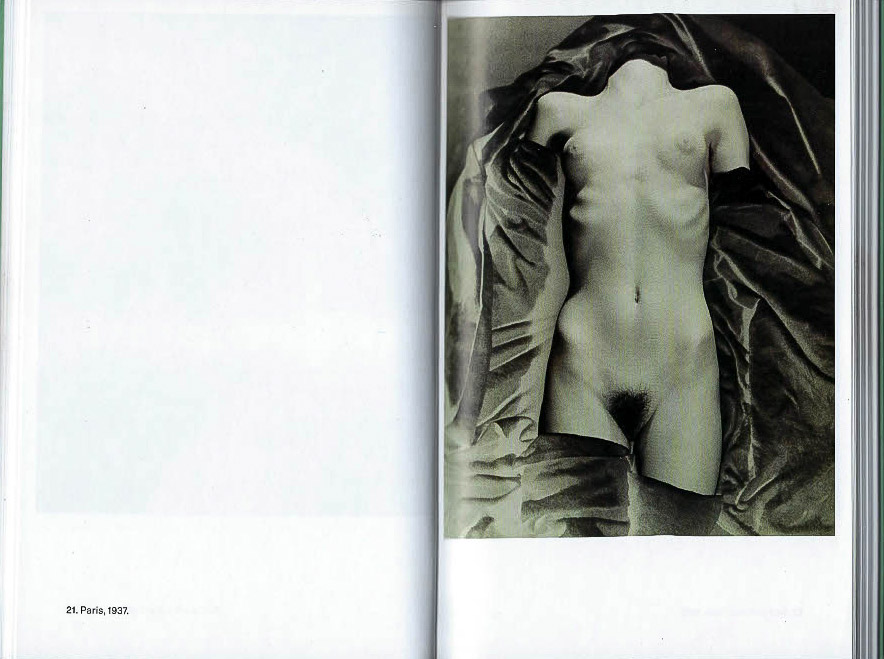
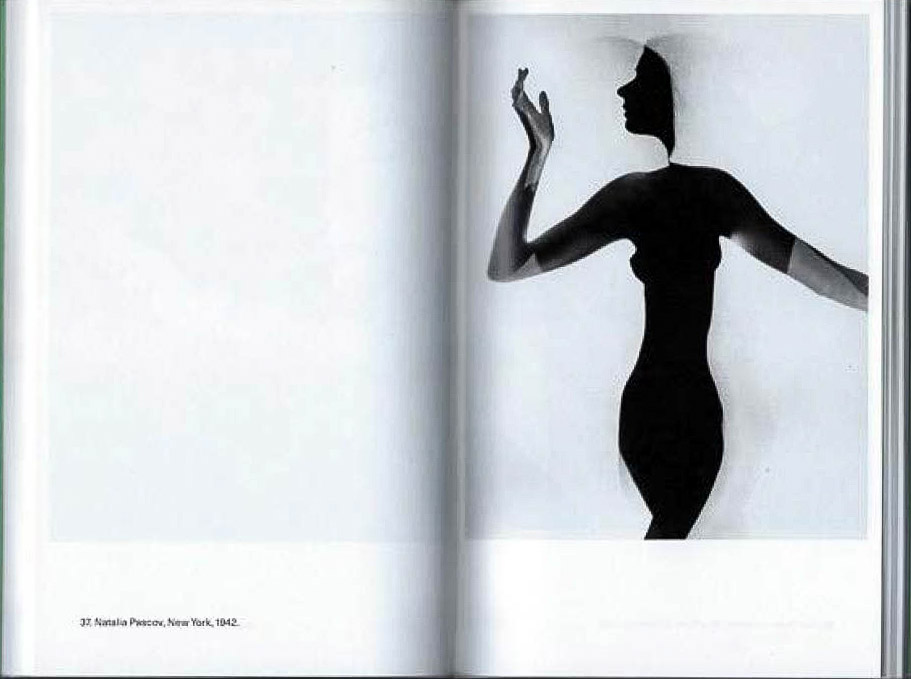
What I find particularly fascinating is his love for the feminine. In a lot of his photos of nude women, we can see it captured through a lens of captivation and admiration of beauty rather than a critique. His photographs of nude statues and women are the only focus of these particular photographs. There is no other element besides it. His focus on nudity starts at the beginning of his work, as a constant theme. I love his incorporation of photographing nude statues as well. I see it as a parallel between women and art, both representing true beauty. Like his peer in fashion, Christian Dior, you can truly tell when an artist displays their appreciation of women in their work.
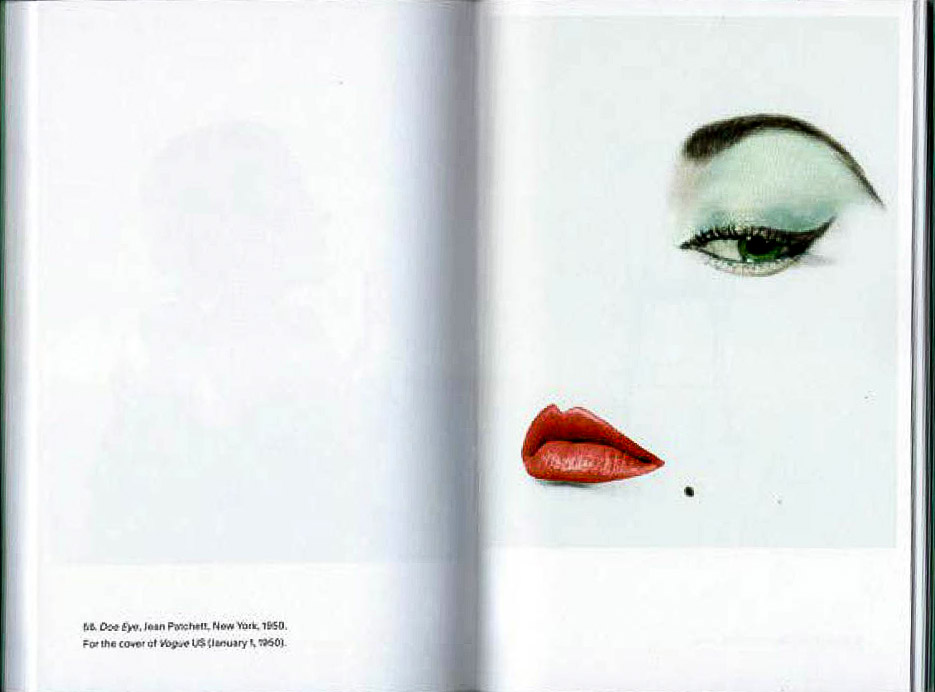
Blumenfeld worked for fashion magazines such as French Vogue, American Vogue, and Harper’s Bazaar. His work changed the covers and work displayed by Vogue forever. His avant-garde style pushed the brim of the time and what the future of fashion photography was going to be. While American Vogue is mainly modern now, other countries’ Vogue continue to experiment and show the true beauty of their models and clothing. One of the most famous Vogue covers is Doe Eye, a portrait of Jean Patchett for January 1950 American Vogue with a close-up of her iconic winged eyeliner, red lip, and beauty mark. Blumenfeld shot the photo, then erased her features to get the famous look. He also worked with other notable artists like Audrey Hepburn and Ruth Knowles.
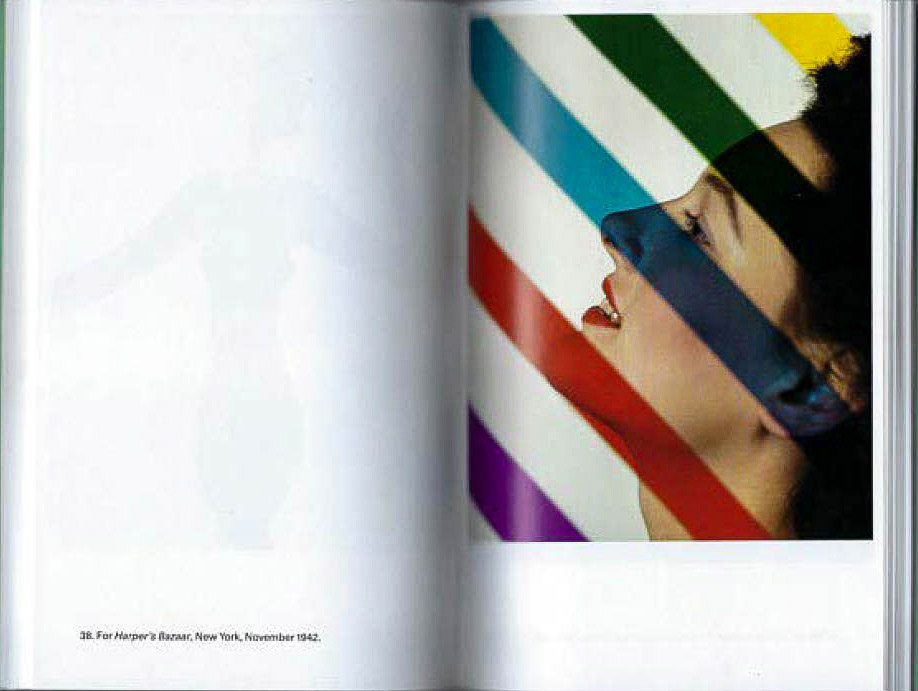
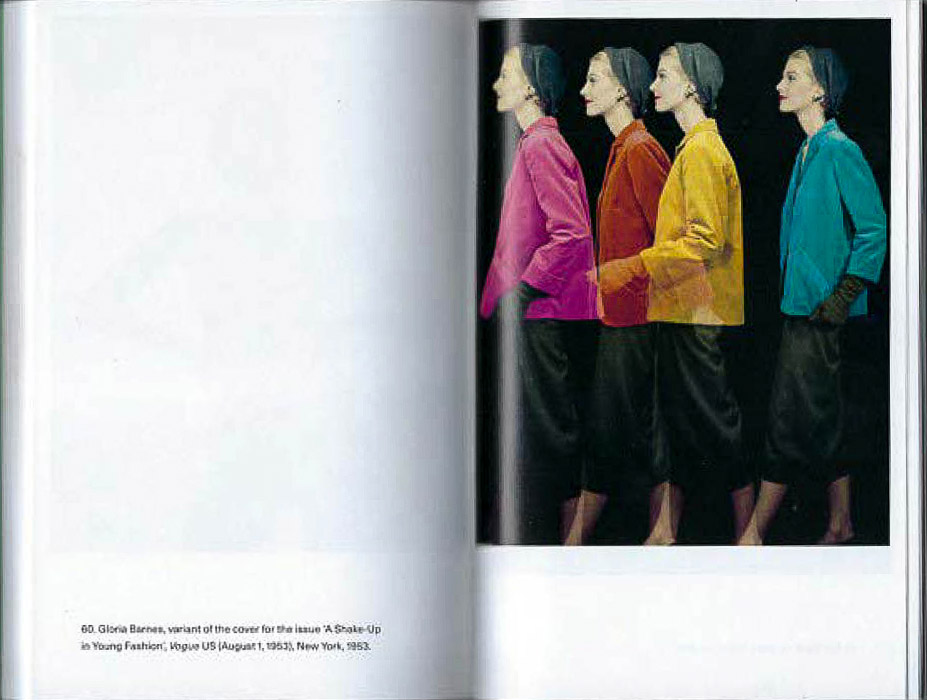
As Blumenfeld continued his work in fashion, he experimented with color. This can be seen in photos with Gloria Barnes in August 1953 American Vogue and November 1942 Harper’s Bazaar. A lot of his photos have color; he creates contrast between a monotone and a bright color, making the photos and models pop. In other photos, he makes them all one color with differing hues based on the light in the photo. While these don’t have contrasting colors, the photos still stand out as moody and non-traditional.
In his images of art, Blumenfeld can be seen as a visionary of the future, as his work predicts the trends of the future. His work is experimental, and in other artists’ creations we can see his influences. This photobook I would suggest as a foundation that helps understand future influential pieces in art, photography, and fashion. The common themes of Blumenfeld’s work can be seen now in many facets and help show how he changed the artistic world.
Guest editor Janesa Brosnan is a writer and student at San Diego State University
____________
Photographer: Erwin Blumenfeld (1897, Germany – 1969)
Publisher: Thames & Hudson Inc. © 2022
Text: Emanuelle de l’Écotais
Language: English, Translated from French
Design: Matthew Young
Paperback; 68 photos, 50 black and white, 18 color, 144 pages, paginated, 5 in x 7.5 in x 0.5 in, ISBN: 978-0-500-41123-0
____________
Articles and photographs published in the PhotoBook Journal may not be reproduced without the permission of the PhotoBook Journal staff and the photographer(s). All images, texts, and designs are under copyright by the authors and publishers.
 PhotoBook Journal
Leave a comment