Review by Rudy Vega •
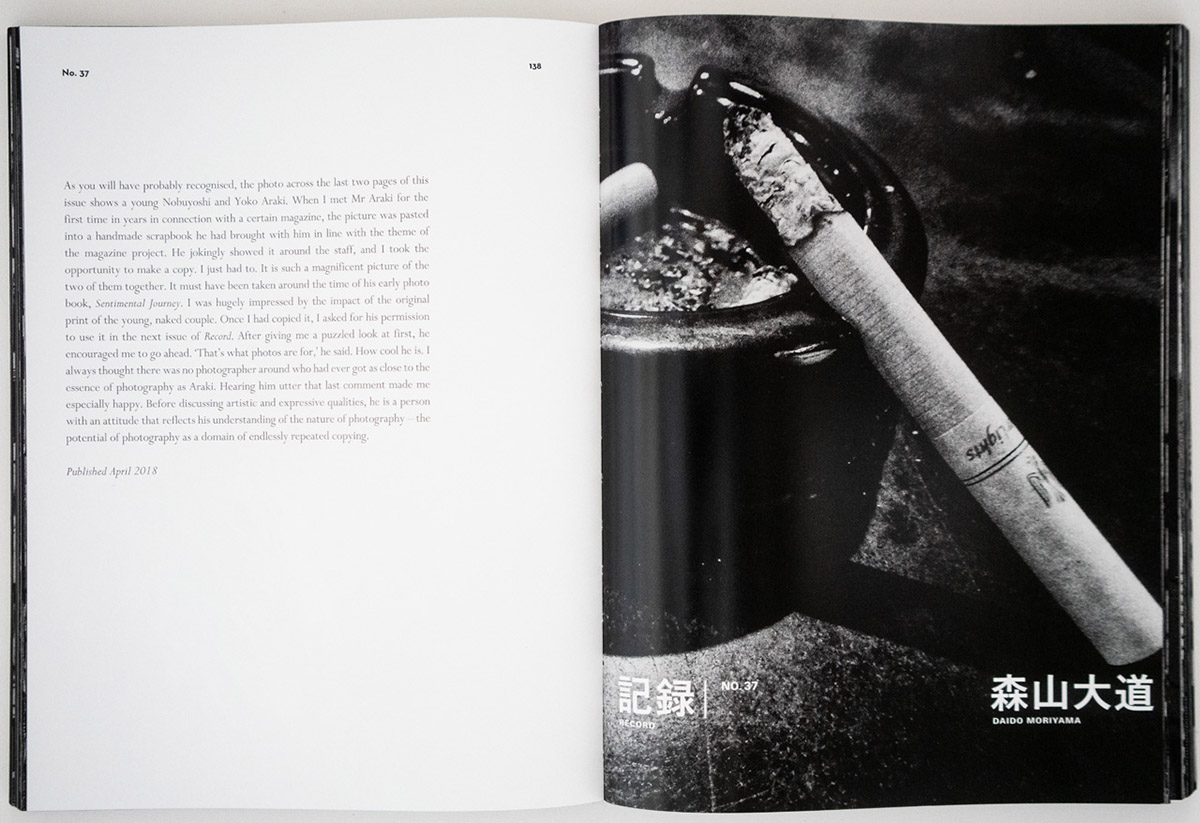
Between June 1972 and July 1973, Japanese street photographer Daido Moriyama produced the first five issues of his own magazine Kiroku (Record). In 2008, Moriyama resumed publication of Record with issue 6, and in 2017, Japanese cultural specialist Mark Holborn edited the first thirty issues of the photographer’s personal publication into the acclaimed and now classic photobook, Daido Moriyama: Record.
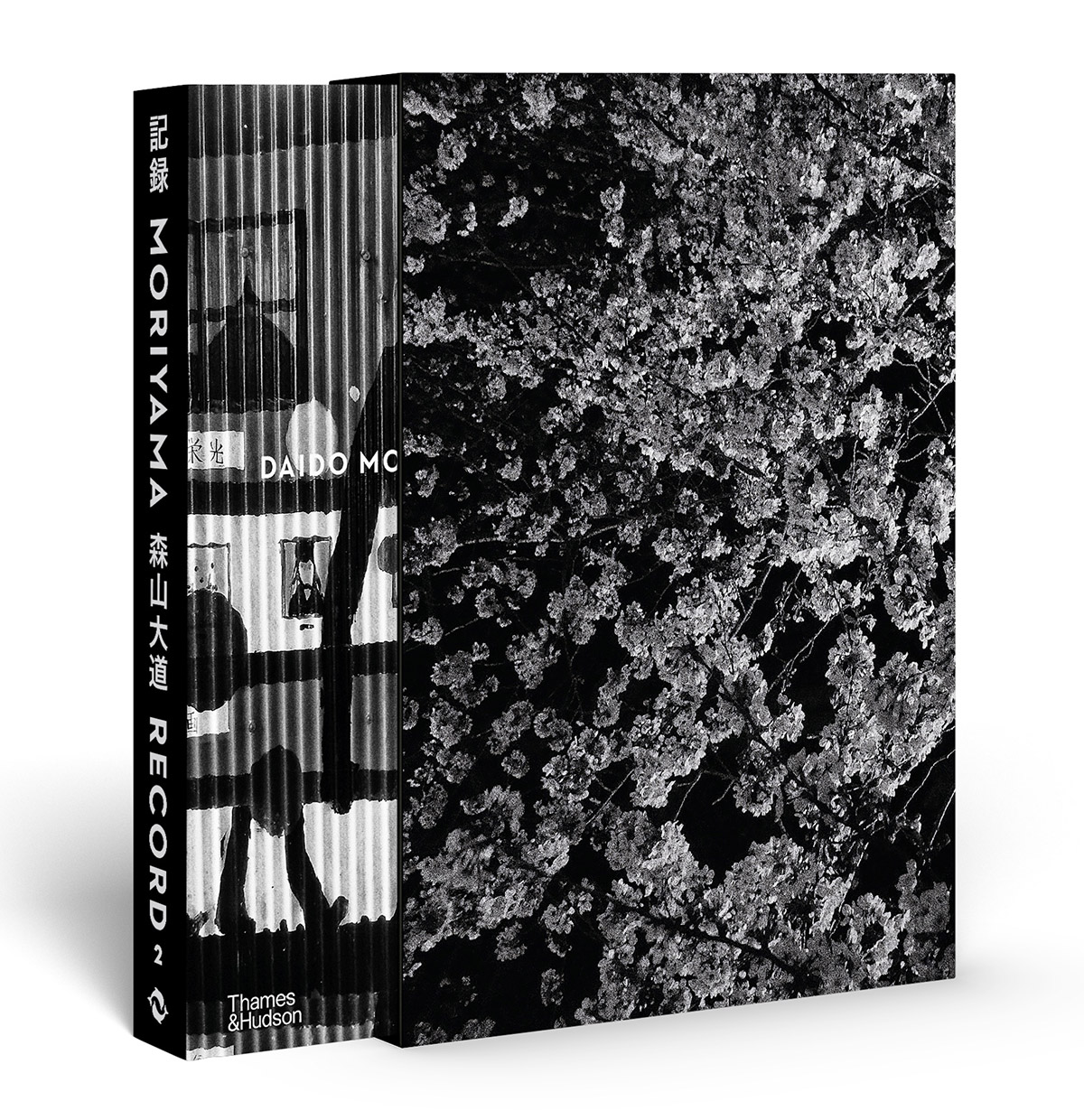
The new volume, Daido Moriyama: Record 2 (also edited by Mark Holborn) picks up where the original left off. Representing his work from 2017 to the present, Record 2 offers more than 200 images culled from issues 31 to 50 of the magazine. Inside, a compelling sequence of images punctuated by Moriyama’s own texts, diary entries, and observations.
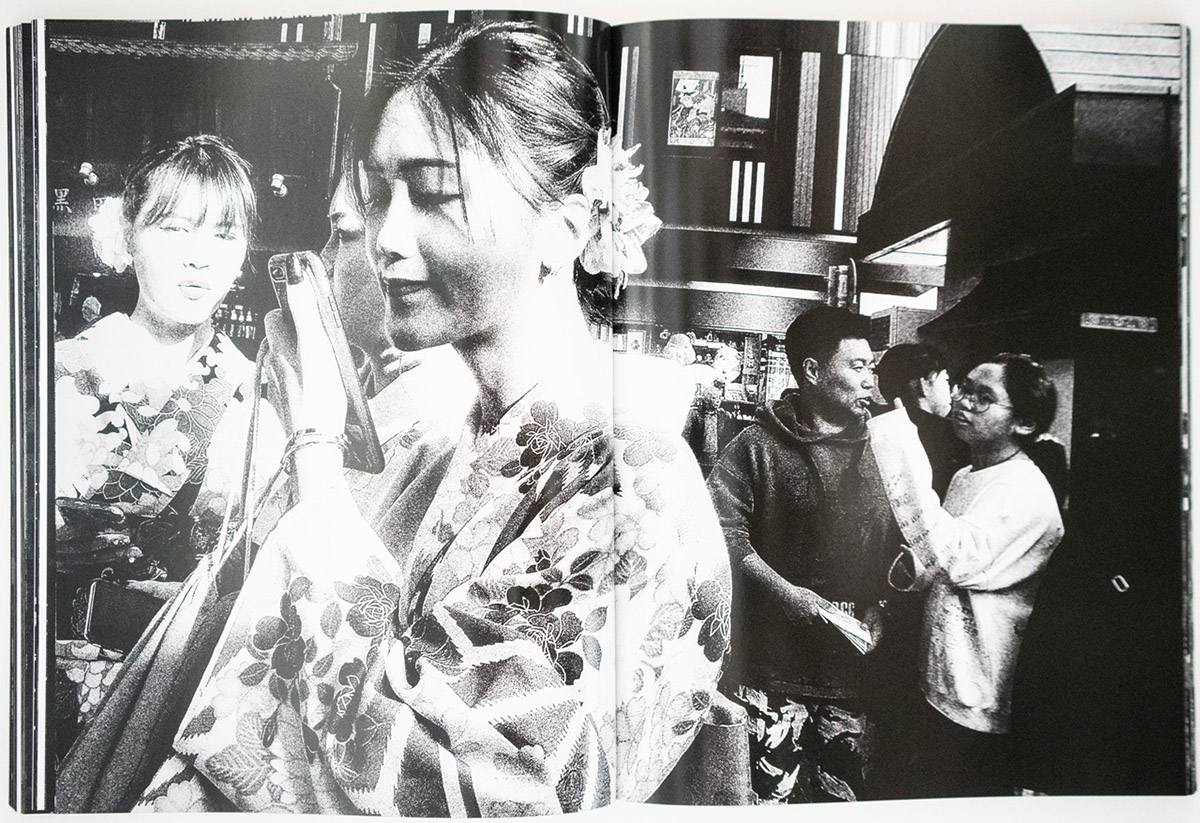
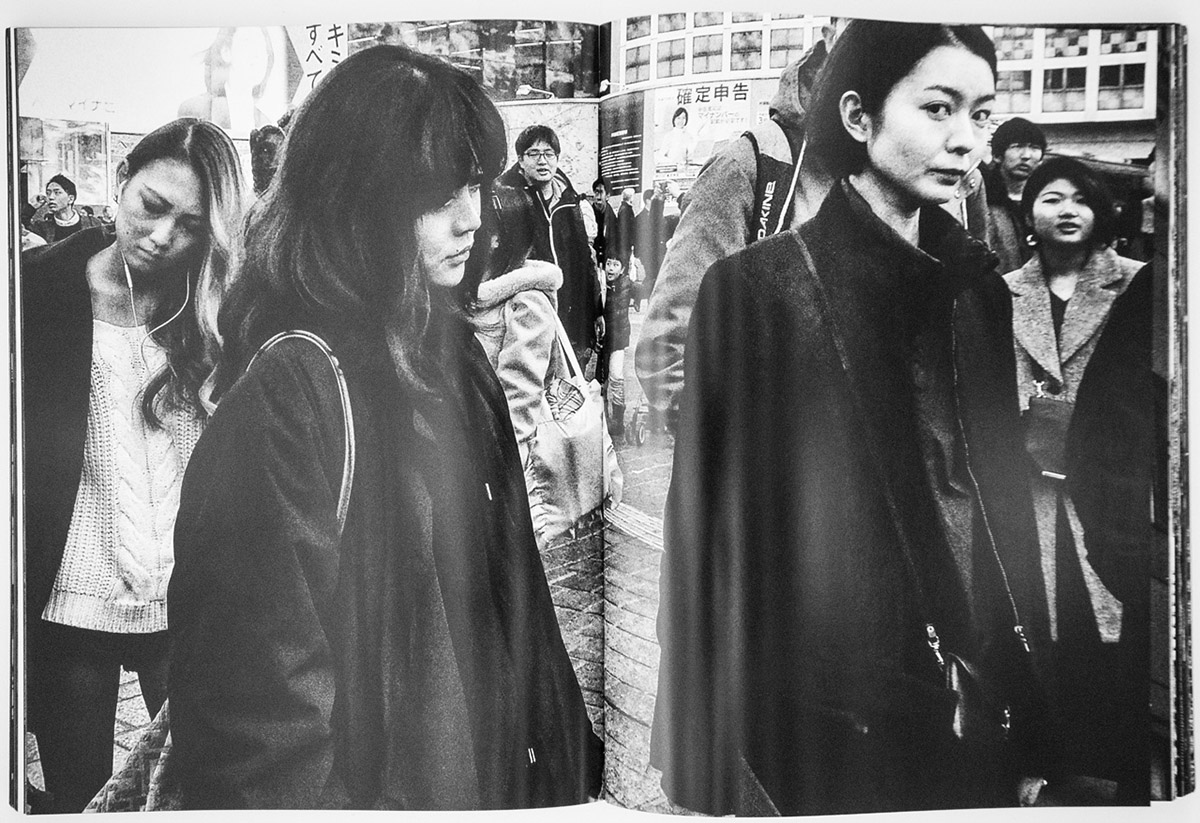
With Record 2, Moriyama continues this unfiltered exploration of his world, doubling down on his signature black-and-white, high-contrast style. It’s raw, unapologetic, and profoundly personal, encapsulating his philosophy that photography is a form of record-keeping rather than an exercise in creating beauty or artifice.
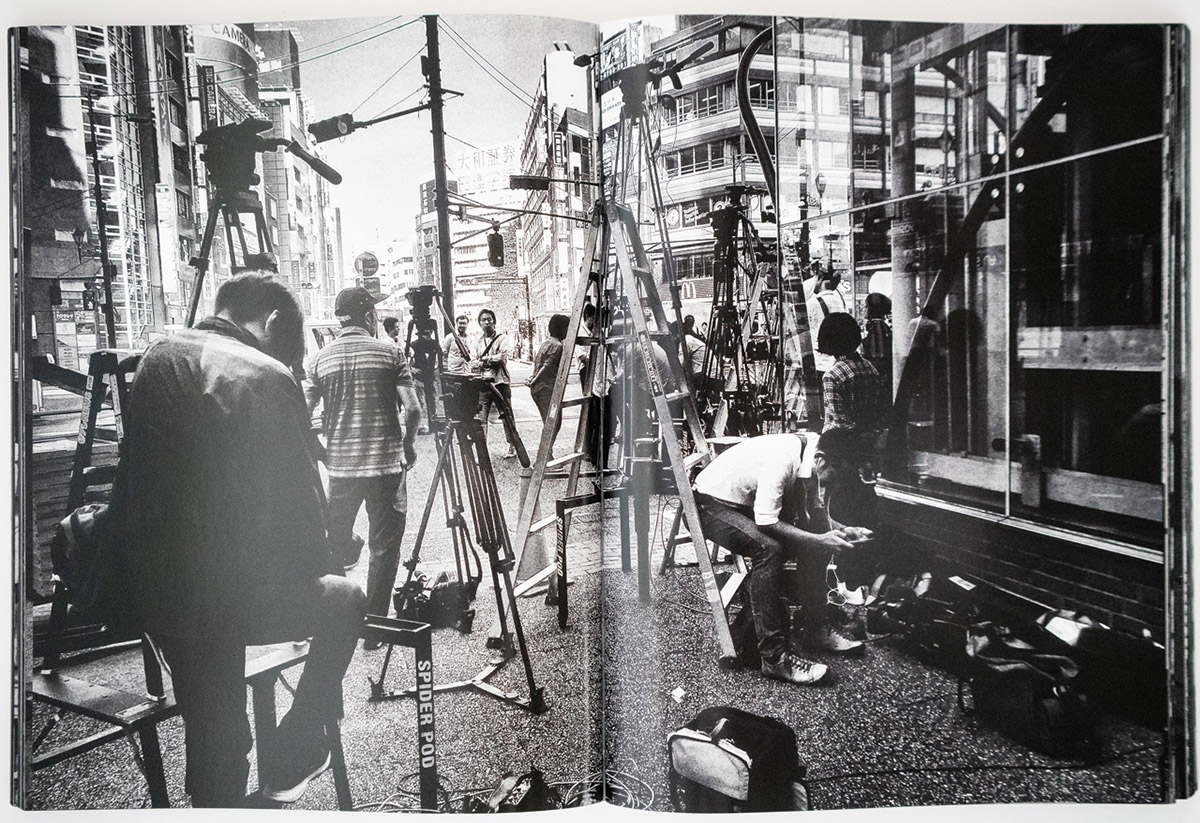
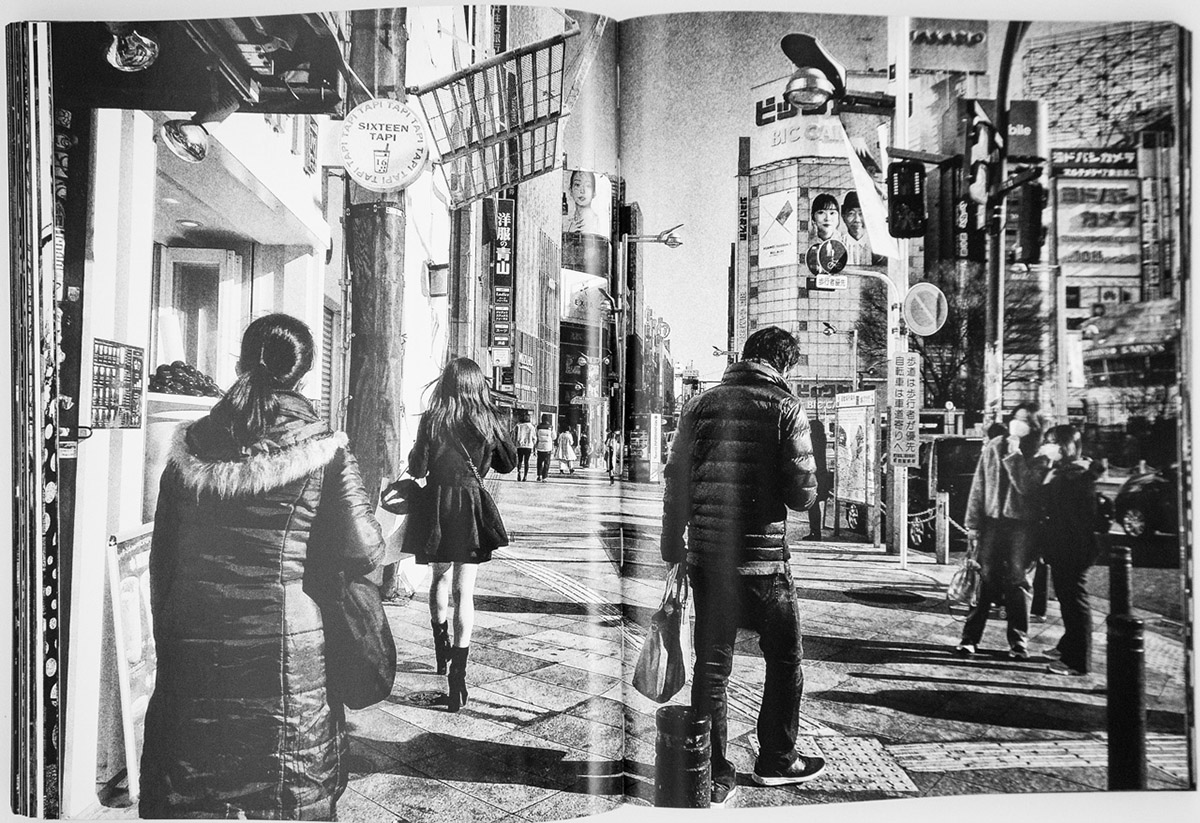
What strikes me about Record 2 is how it embodies Moriyama’s ethos: the camera as a diary, a tool for chronicling fleeting sensations and urban chaos. The images aren’t polished or composed to please the eye; they’re visceral, immediate, and deeply rooted in the energy of the city. Moriyama’s Tokyo—or perhaps any urban sprawl—is rendered as a fragmented tapestry of moments where the mundane and extraordinary collide. It’s messy, alive, and wholly intoxicating.
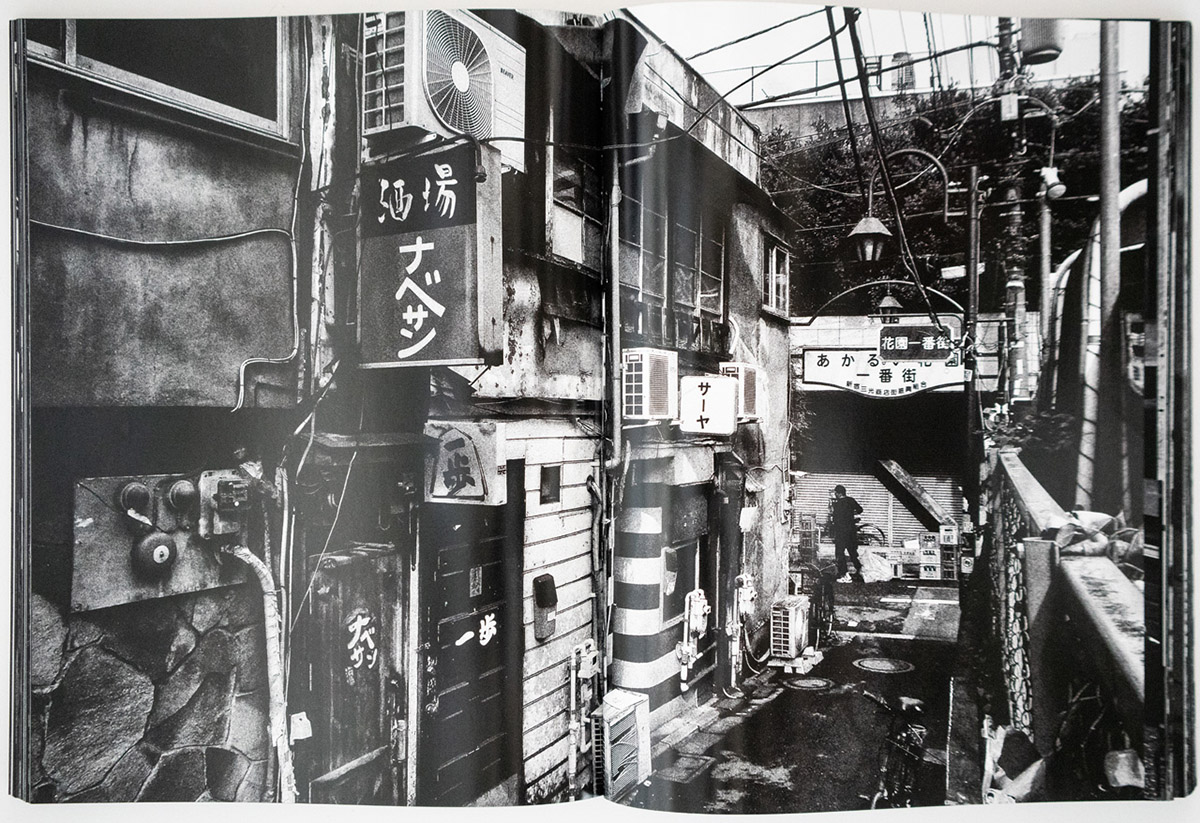
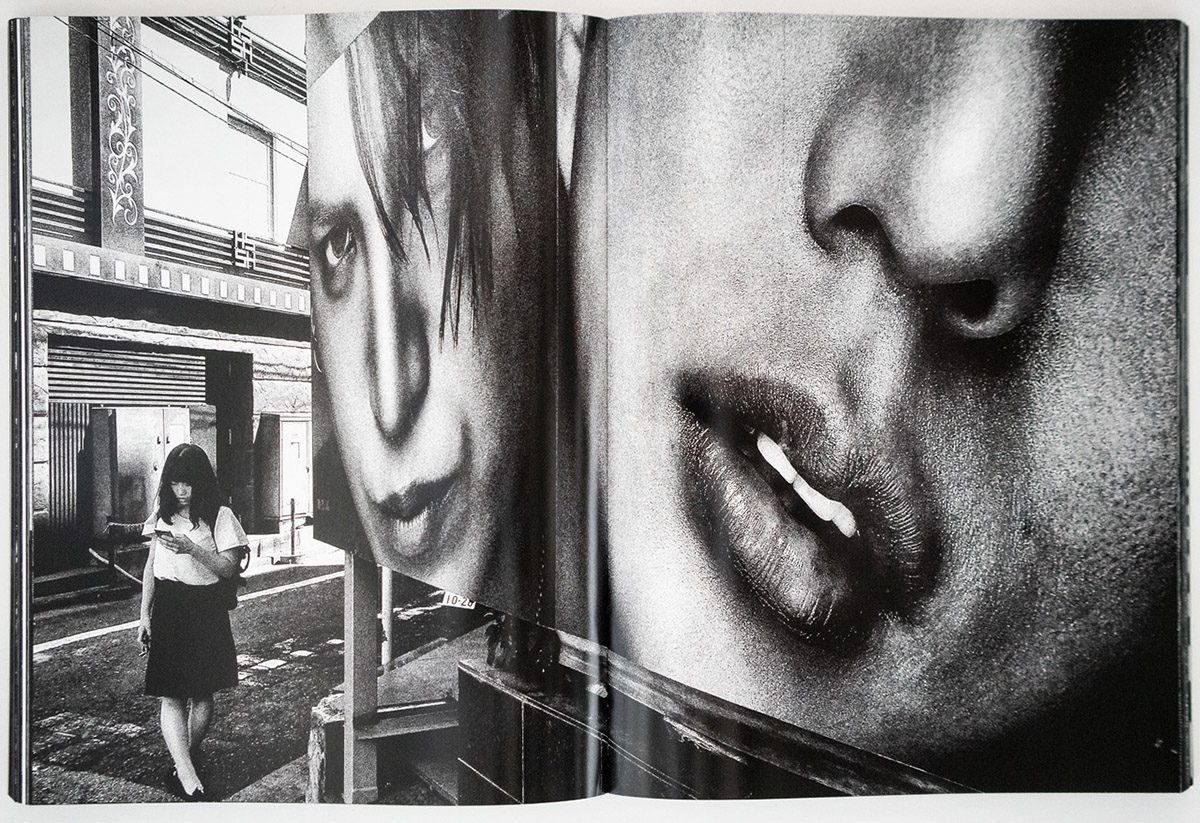
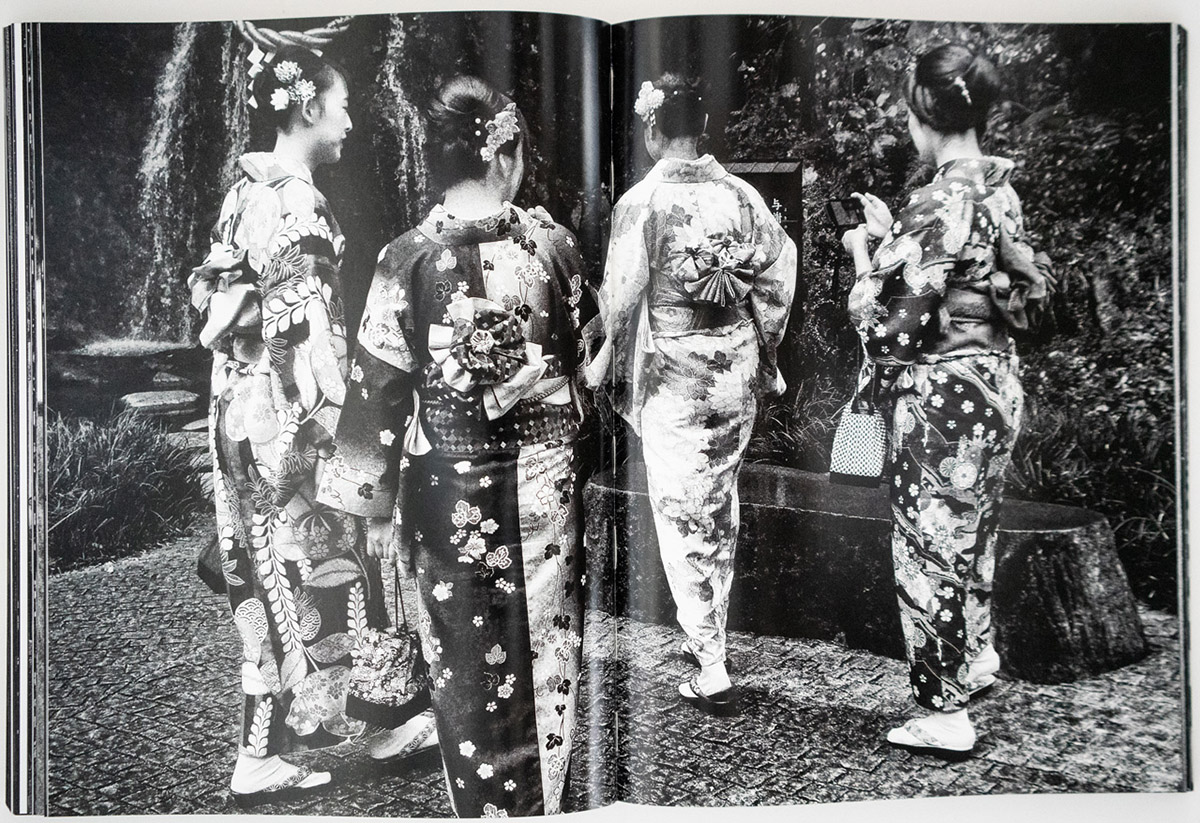
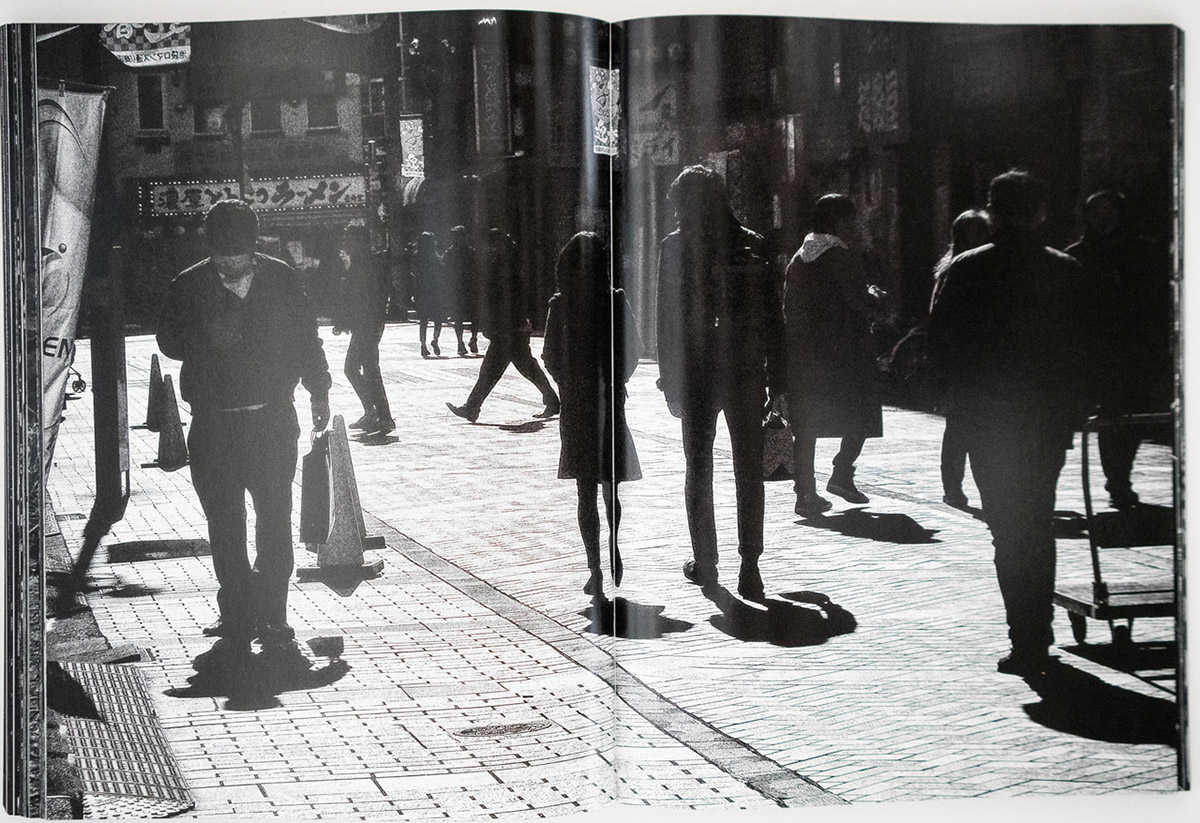
The design of Record 2 mirrors Moriyama’s aesthetic. The photographs are printed as full-bleed images, spilling across double-page spreads, creating a sense of immersion. There’s no frame or border to distance you from the scene. Instead, you’re pulled into the gritty textures and erratic rhythms of urban life. This decision feels deliberate—by eliminating barriers, Moriyama invites us to experience the chaos as he does, unfiltered and unapologetically direct.
For those familiar with his work, the themes in Record 2 will feel familiar: urban fragmentation, memory, subjectivity, and the anti-aesthetic. These are motifs that have defined his career, from the celebrated Provoke era to his later projects like Farewell Photography. In Record 2, they feel honed and distilled. Moriyama doesn’t just photograph the city; he records its patina, layering the grit and grime of urban existence with his own personal narrative.
Moriyama’s images feel less like documents and more like fragments of memory—imperfect, fleeting, and imbued with a raw emotional charge. There’s a kinetic energy to his work that makes it feel as though the photographs are in motion, capturing a fleeting moment before it dissolves into the ether. This is where his high-contrast, grainy textures, tilted perspectives, and tight cropping come into play.
Take, for example, his close-ups of weathered posters, shop signs, or pedestrians in mid-stride. These aren’t picturesque or conventionally beautiful subjects, but they radiate life. Moriyama’s rejection of traditional black-and-white aesthetics feels like a defiant act. He doesn’t smooth out the edges or elevate the ordinary to something sublime. Instead, he leans into its rawness, reminding us that life—especially urban life—is chaotic, fragmented, and anything but perfect.
One of the most fascinating aspects of Record 2 is the tension Moriyama creates between nostalgia and immediacy. His work often feels like a hallucination of Tokyo—a city caught in the perpetual collision of past and present. You see echoes of post-war Japan in his gritty, noir-like tones, but there’s also something undeniably modern about the images.
This tension invites questions about photography’s role in preserving memory. Moriyama isn’t sentimental; his images don’t linger on the past with a sense of longing. Instead, they grapple with its remnants as they exist in the present. A crumbling building, a torn poster, a fleeting shadow—all these moments feel like anchors in a sea of impermanence.
Another aspect of Moriyama’s work that resonates with me is his embrace of the “anti-aesthetic.” His images are a reminder that photography doesn’t have to conform to rigid rules about composition, focus, or subject matter. In this way, Record 2 feels like a manifesto for the democratization of photography.
In Moriyama’s hands, the camera is an extension of his body—a way of recording lived experience without worrying about polish or perfection. This approach has inspired generations of photographers, particularly in the realm of street photography and experimental techniques. It’s a reminder that photography is, at its core, a deeply personal medium.
For anyone interested in street photography, experimental techniques, or the interplay between form and emotion, Record 2 is essential reading—or rather, essential viewing. Moriyama’s work challenges us to think differently about the role of photography in our lives. It’s not just a tool for capturing beautiful images; it’s a way of engaging with the world, of seeing and feeling and remembering.
What makes Record 2 so compelling is its honesty. Moriyama doesn’t dress up his subjects or hide behind clever compositions. Instead, he presents the world as he sees it: messy, vibrant, and full of contradictions. This unflinching honesty is what makes his work so enduring—and what makes Record 2 such a powerful experience.
In the end, Moriyama’s photography is less about the images themselves and more about the act of seeing. He reminds us that the beauty of photography lies in its ability to capture the ephemeral, to preserve those fleeting moments that might otherwise go unnoticed. In Record 2, he does just that, creating a body of work that feels as immediate and vital today as it did when he first began his journey with Record over 50 years ago.
____________
The PhotoBook Journal also featured a review of Daido Moriyama’s previous book, Record.
____________
Rudy Vega is a Contributing Editor and resides in Irvine, California. He is a fine art photographer and writer.
___________
Daido Moriyama – Record 2
Photographer: Daido Moriyama (Born in Osaka, Japan. Resides in Tokyo, Japan)
Publisher: Thames and Hudson, London and New York; © 2024
Essays: Mark Holborn, Daido Moriyama
Language: English
Hardcover book, offset printing, 352 pages, 178 illustrations. 11.3 x 8.5 inches; ISBN 9780500027630
Editor: Mark Holborn
Book Design: Mark Holborn
_________

Articles and photographs published in the PhotoBook Journal may not be reproduced without the permission of the PhotoBook Journal staff and the photographer(s). All images, texts, and designs are under copyright by the authors and publishers.
 PhotoBook Journal
Leave a comment