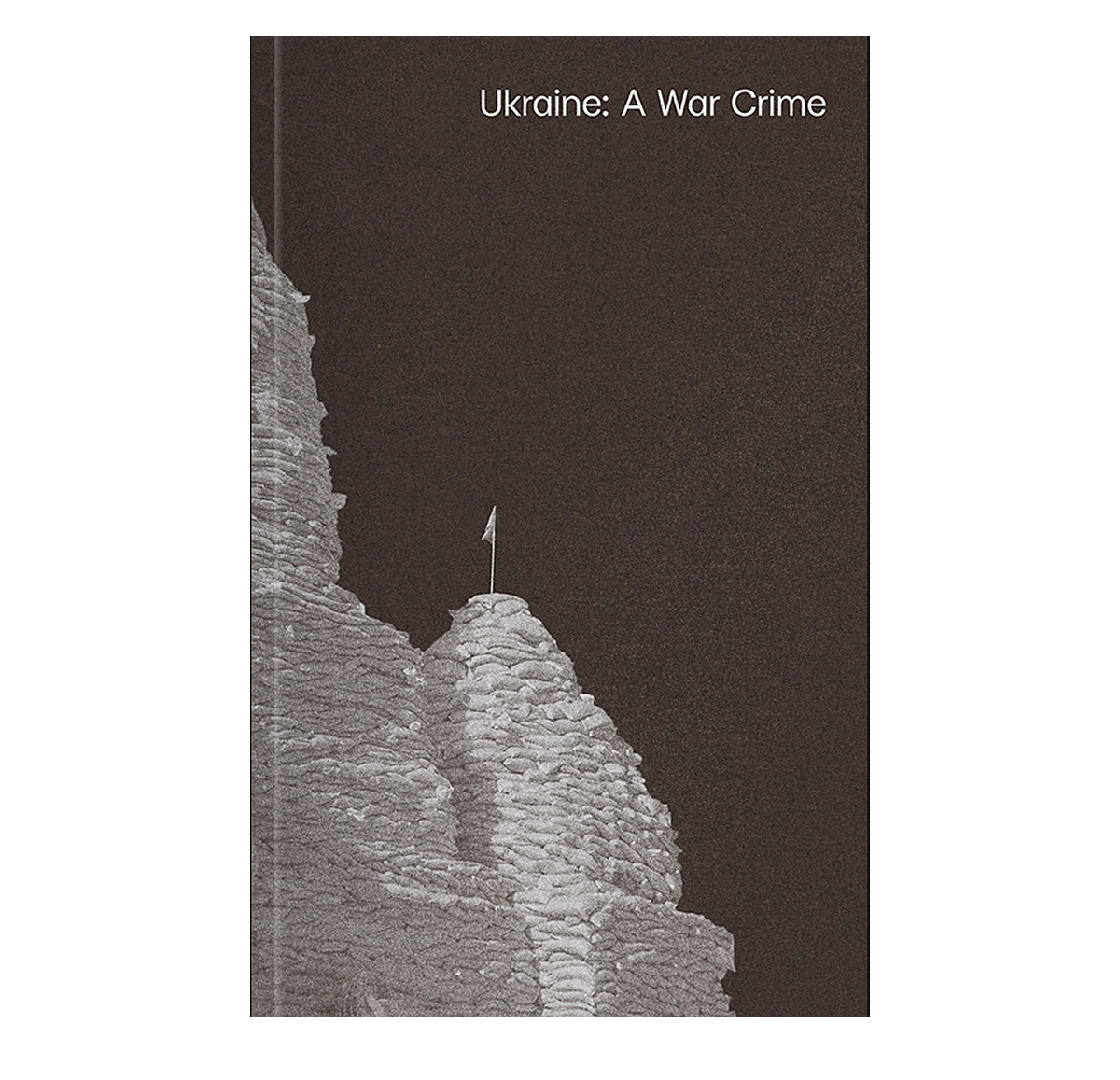
Review by Melanie Chapman •
What a piece of work is man, how ignoble in reason.
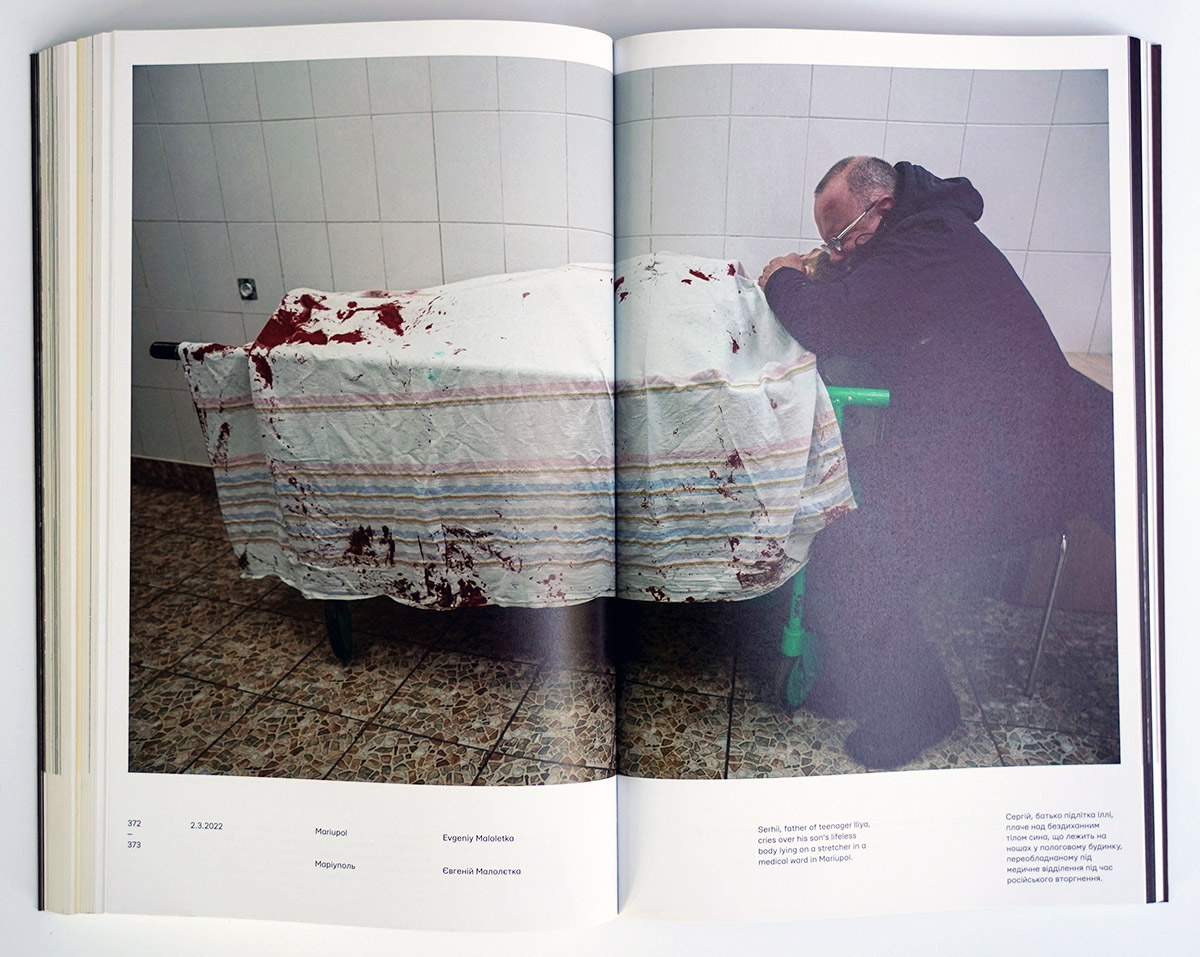
Consider this quote: “Children and civilians need not die in war. And parents should not have to hold the hands of their dead children, killed by criminals.”
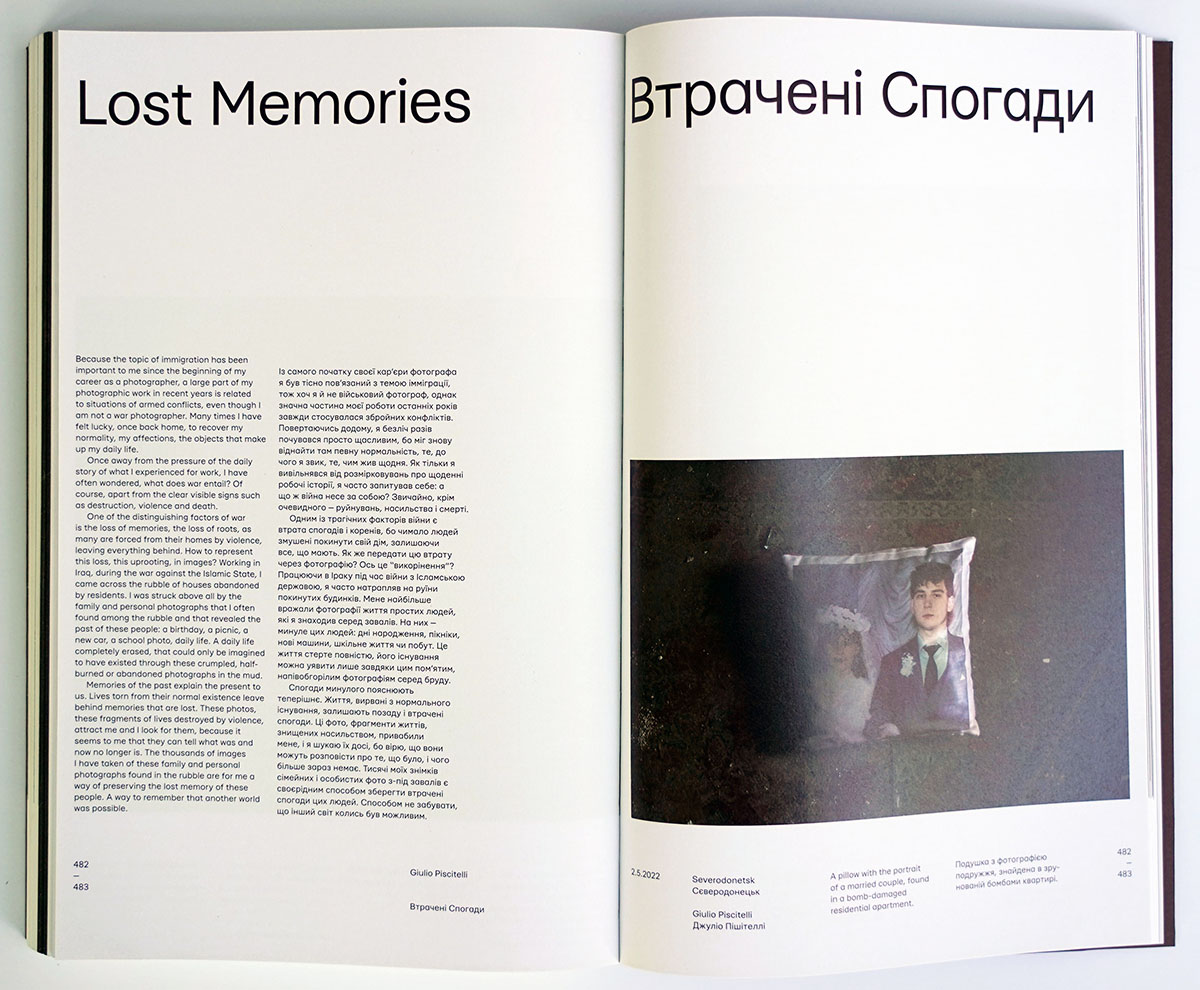
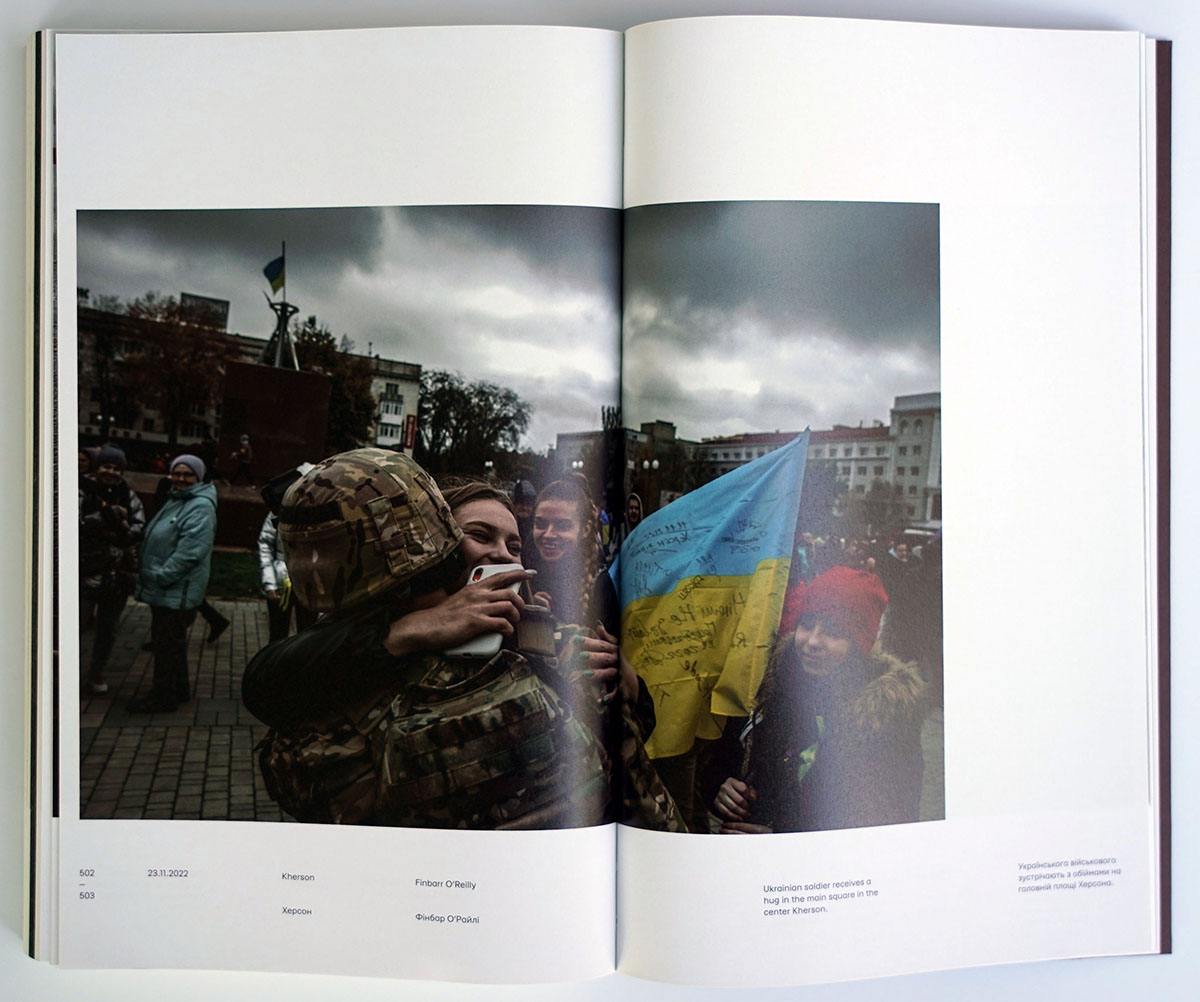
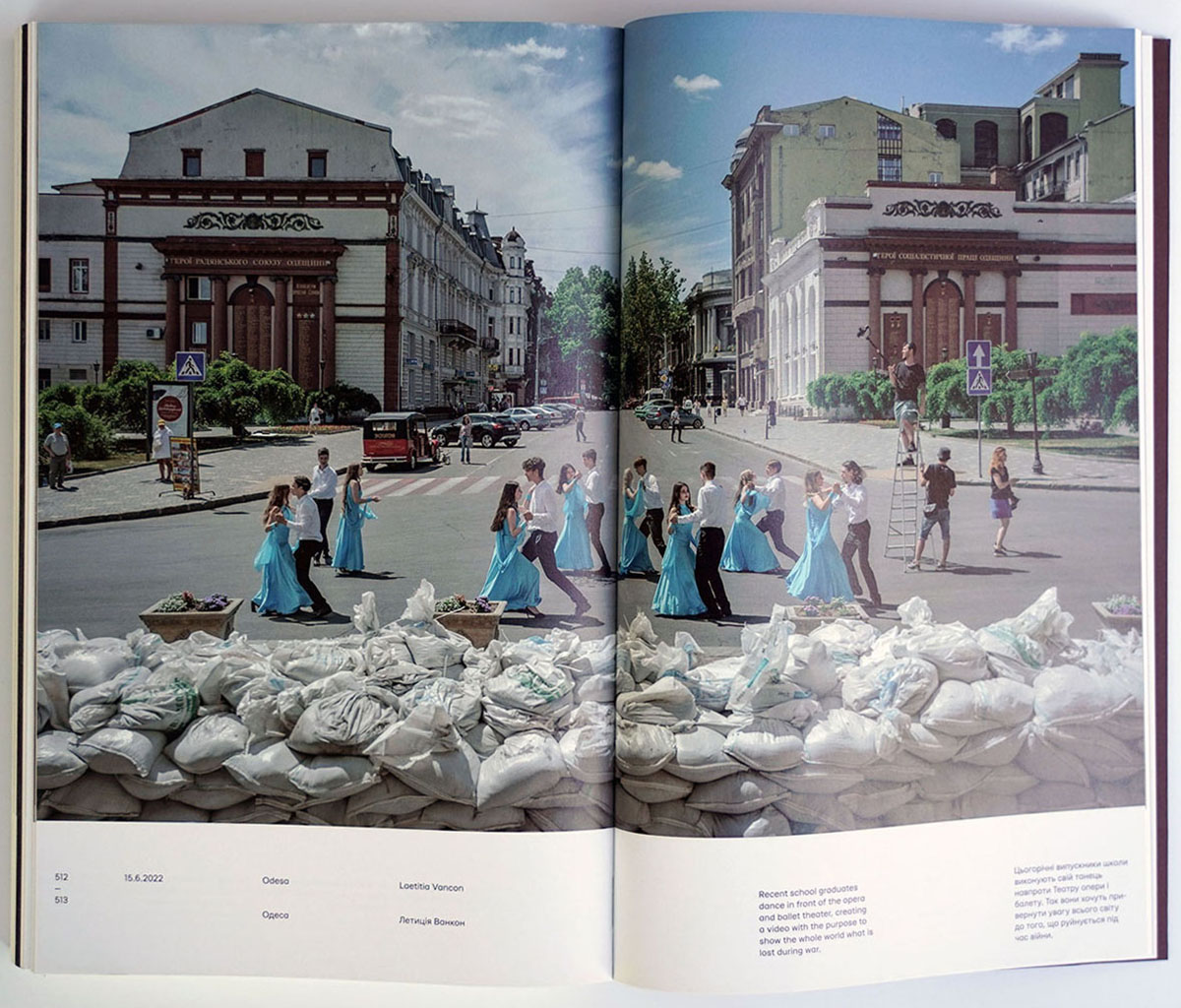
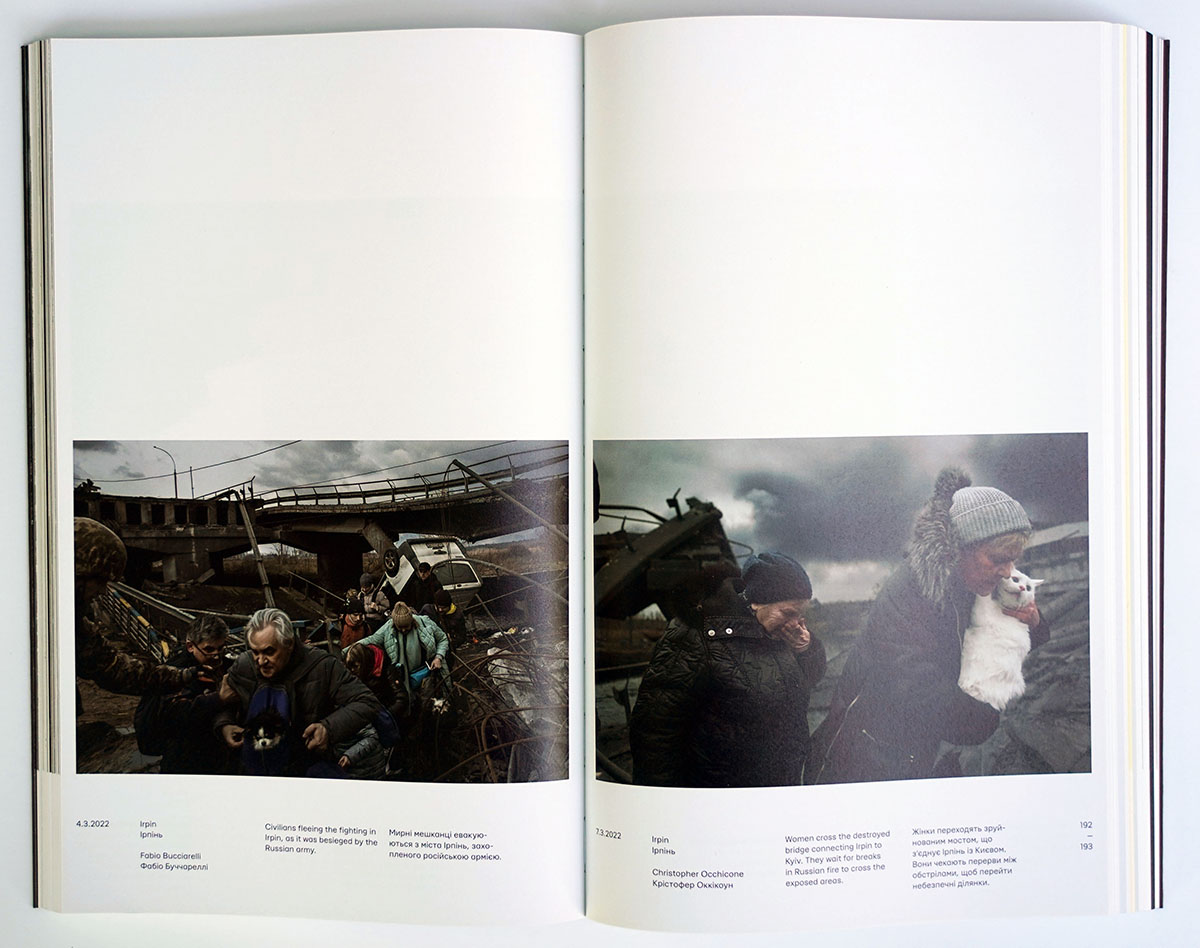
If you have a pulse and have been near any form of media in the past few weeks, you’d be forgiven for thinking this quote relates to the horrendous and worrisome situation unfolding in the Middle East, following the terrorist attacks in Israel and the military response ongoing in Gaza. However, these particular words were written by photojournalist Hector Quintanar, reflecting upon a scene he documented in Kharkiv, Ukraine in July of 2022. His powerful photographs join those of 93 photojournalists from 29 countries in the new FotoEvidence publication Ukraine: A War Crime.
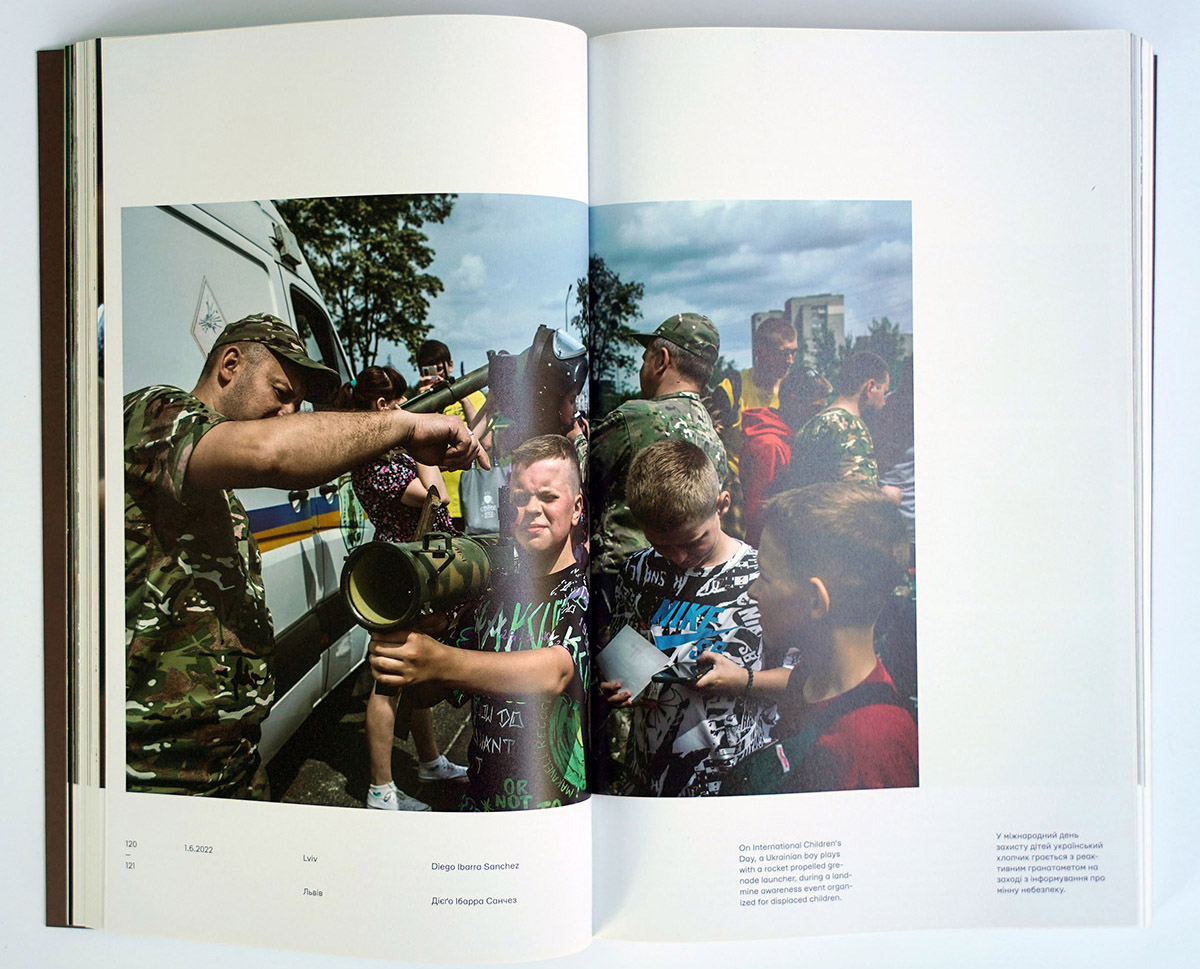
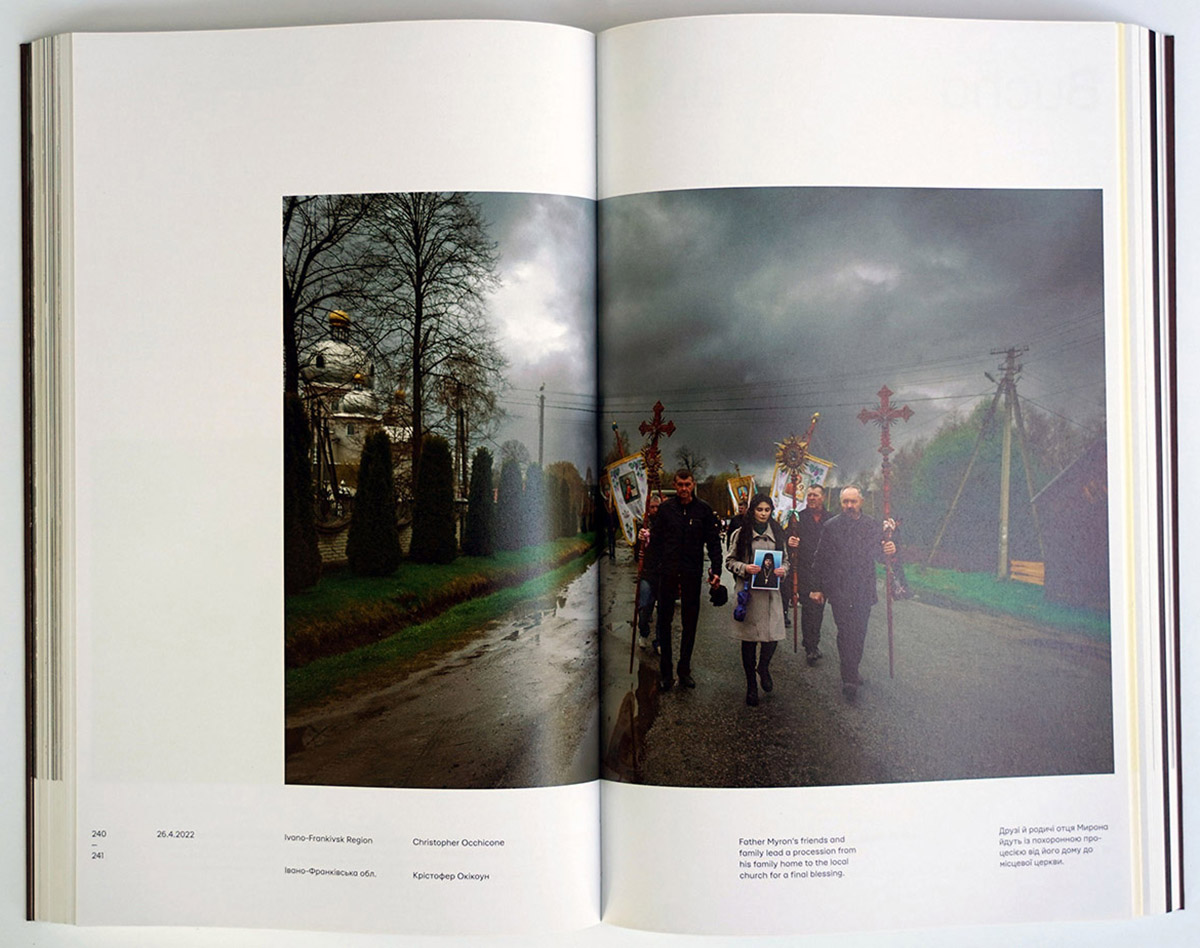
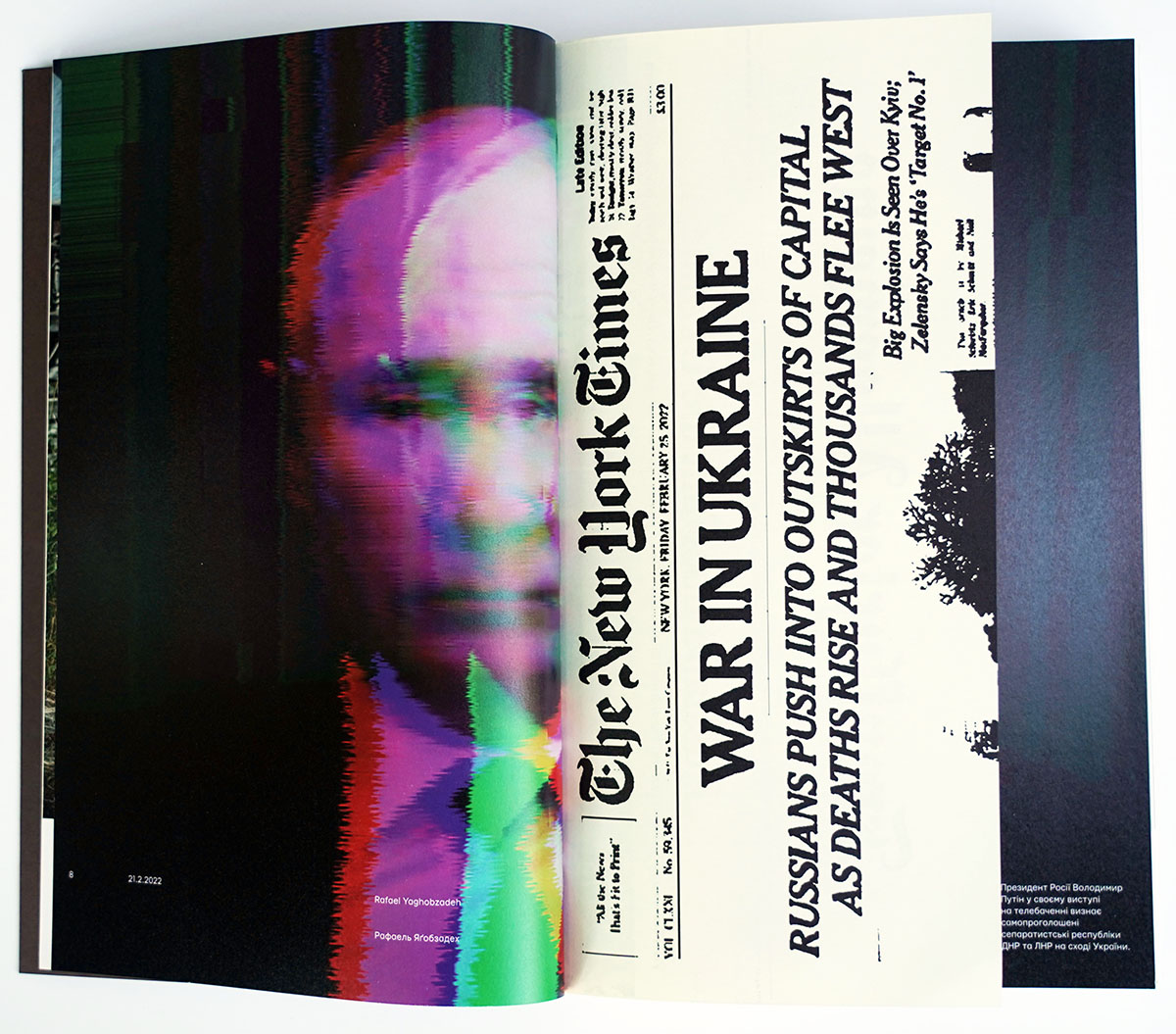
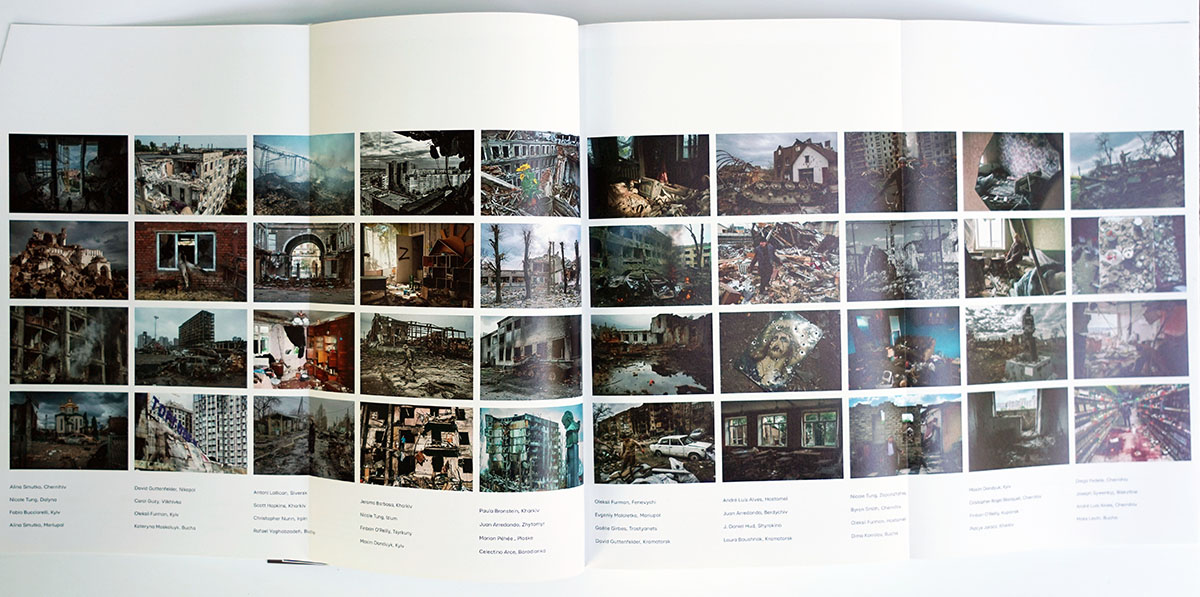
Offering more than 360 images and eye-witness accounts from an international pool of esteemed photojournalists, this bi-lingual (English and Ukrainian) soft-cover book will never be mistaken for a coffee table book laid out to impress one’s guests with a display of exquisite taste in fine art. Rather, Ukraine: A War Crime will likely provoke strong emotional responses, no matter what one’s perspective may be regarding the politics of this tragic conflict which has lasted well over a year with no apparent end in sight.
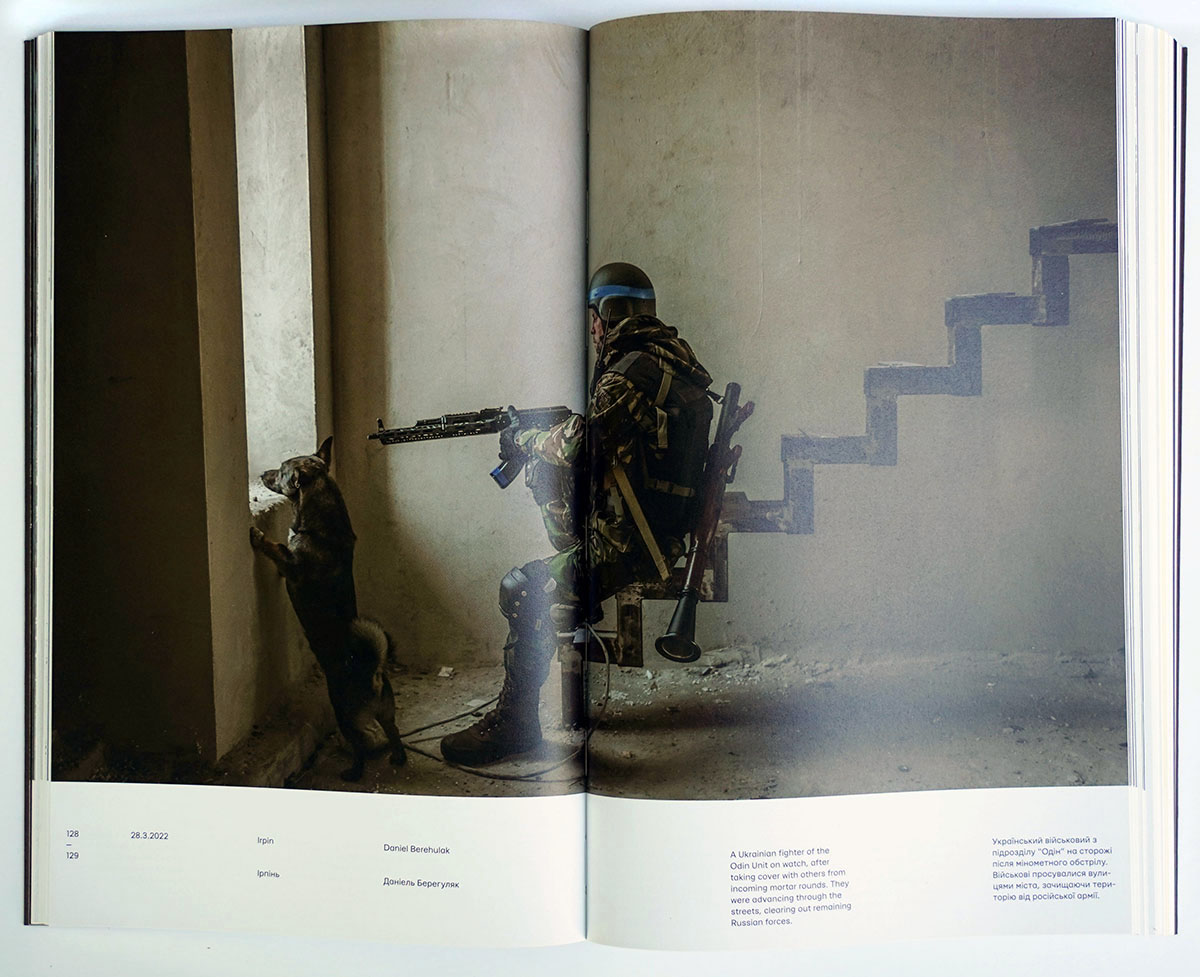
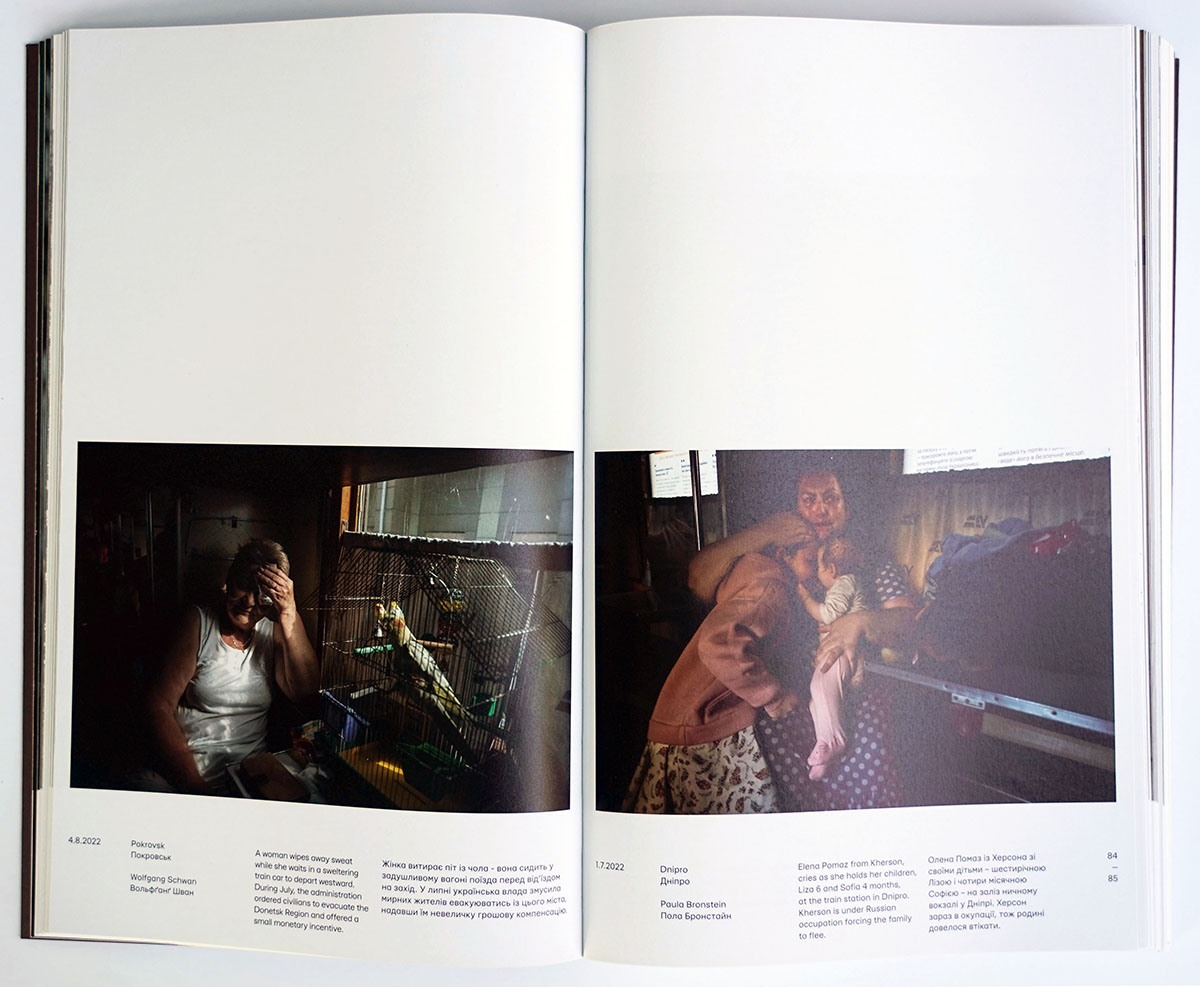
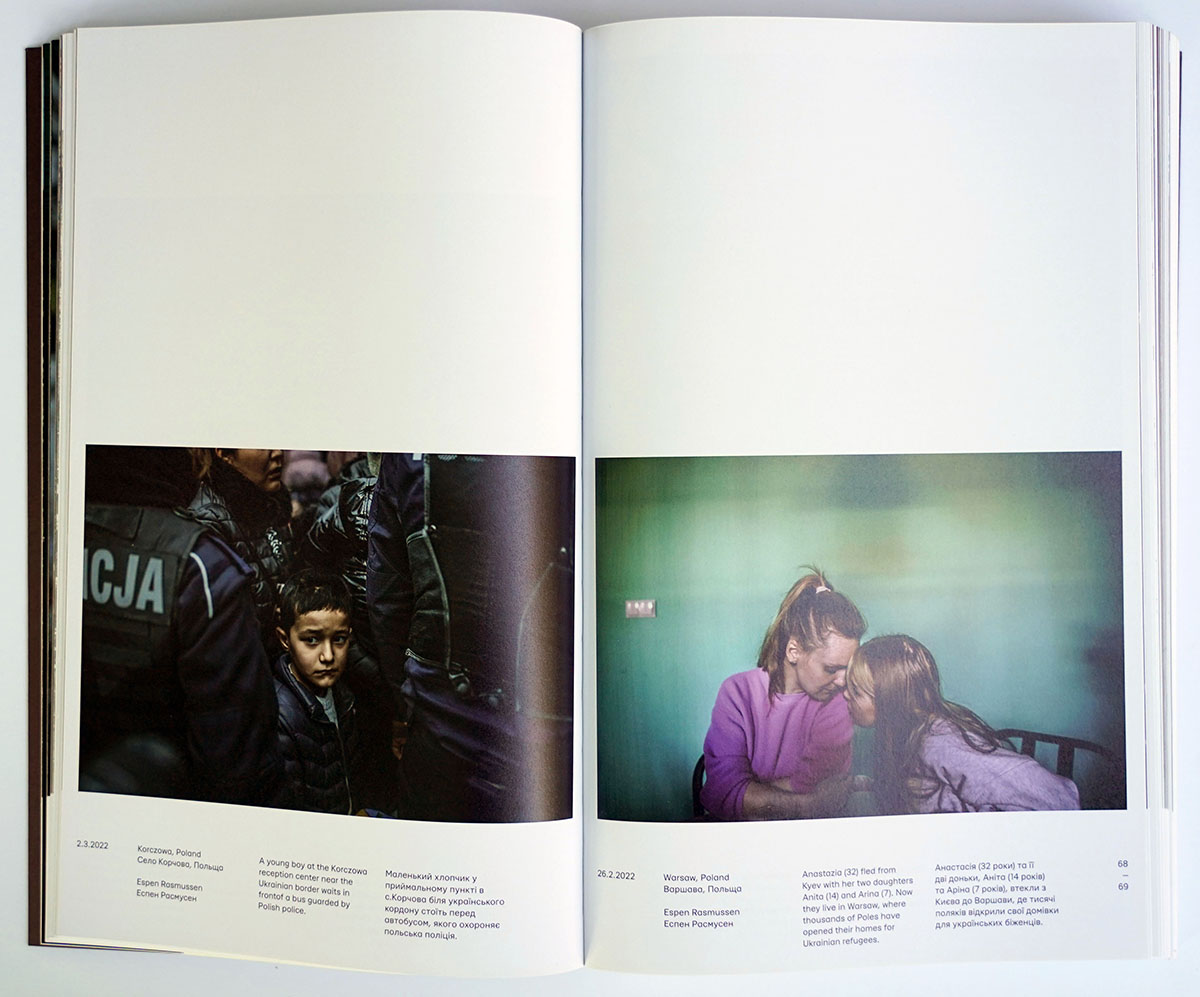
How challenging it must be as photojournalists to work in these conditions, and document atrocities, in extreme temperatures, hearing the wails of grieving family members, smelling fresh blood and breathing concrete and dust-clogged air, all the while under constant threat of being bombed or shot themselves while bearing witness to another chapter of man’s inhumanity to their fellow man. While Ukraine: A War Crime provides a very sober reflection on what sorrow looks like, it also shows the heroism of medical personnel working valiantly with limited equipment in effort to save at least one more precious life. People throughout the world need to see yet again the scale of destruction of cities and neighborhoods, what it is to stumble upon mud-caked hands protruding from mass graves, the lifelessness of a bombing crater next to a hospital maternity ward…
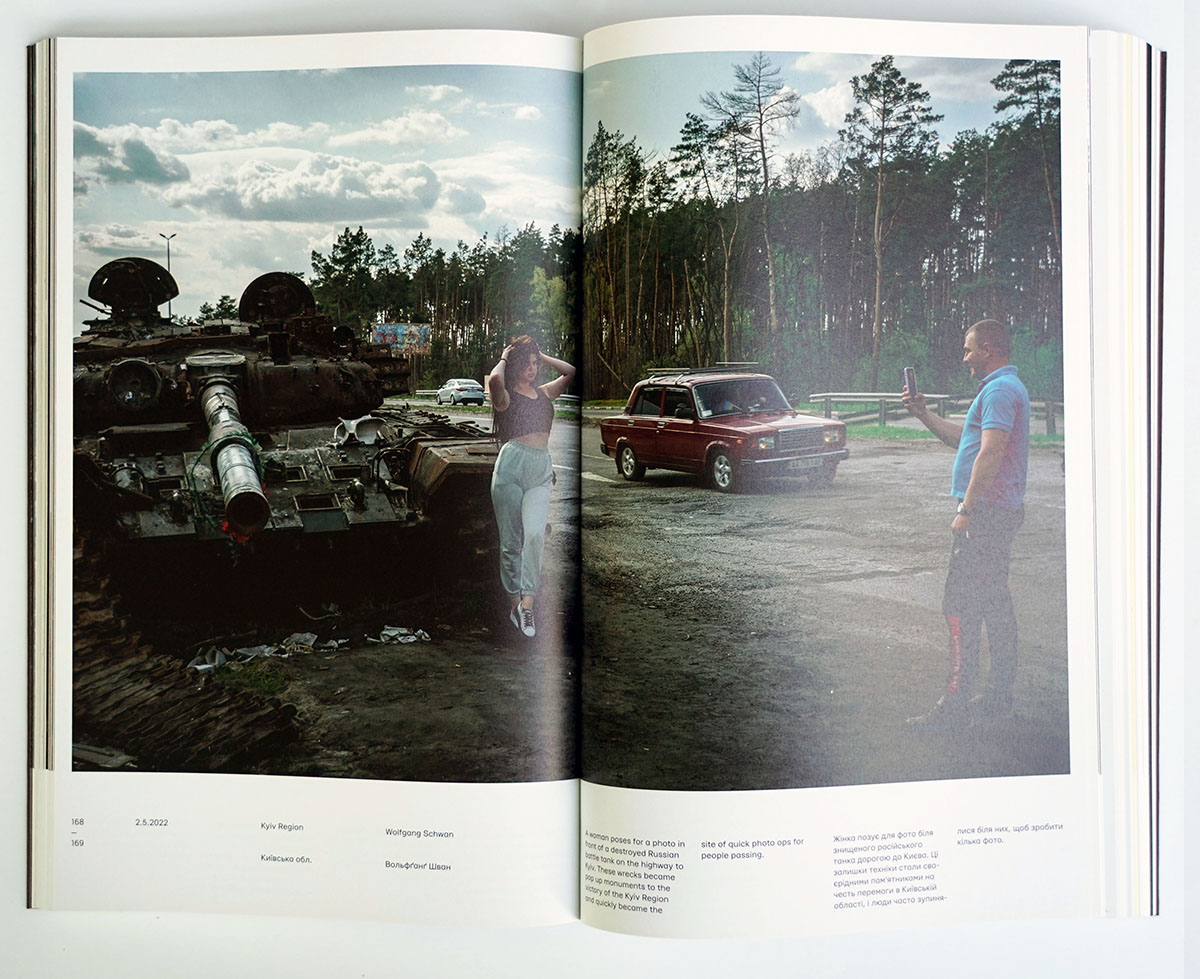
It is not comfortable to look at images of dead civilians, gunned down in the streets, or an elderly couple with faces and hands wrapped in bandages while embracing at a medical clinic after their home had been bombed. Who wants to see a mentally disabled woman lying dead beneath her kitchen table, or, frankly speaking, a crop-topped young lady posing influencer style in front of a destroyed battle tank? How inured have we as a society become to images of death, of civilians holding the few belongings they could gather before rushing from the homes that likely may not exist should the fighting ever end, and they are permitted to return? How easy has it become to look away from the suffering of women, children, to avoid experiencing at even a great distance the annihilation of current and future generations, sacrificed like lambs to slaughter in the name of power and disputes over land?
Consider how interchangeable the location specifics now feel when you read these words from Mustafa Can, working in 2022 with photographer Eddy van Wessel in Bakhmut: “In a war, the inhabitants of an entire country are thrown out of their ordinary lives and suddenly become something different from what they were before. But the Russian war of attrition in Ukraine is aimed at everything a nation is made of, as much as at Ukraine’s army and people: Residences, schools, playgrounds, football stadiums … churches, cemeteries, restaurants … offices, the electrical grid and water sources, everything.”
It is nearly unfathomable to contemplate the tens of thousands of lives, both civilian and military, that have been lost in 2022 and 2023. The true death toll from the ongoing conflict in the Ukraine may never be known, but from my perspective any loss of life is tragic and intolerable. Especially when a majority of those killed are merely citizens of their respective countries, trying to work and raise their families in peace.
As is true with other FotoEvidence publications, the book design is unconventional and well presented, yet the subject matter can understandably overwhelm the viewer’s senses. Thanks to the talents of the participating photojournalists and editors, those of us fortunate enough to remain far from the battlefields are able to join in their witness. As difficult as it may be, we MUST look, we MUST see, the cost of war, the price of power. We must comprehend the actions of our world leaders, and consider the policies that we support, no matter how actively or passively. We must also offer our thanks to the journalists who risk their lives and their sanity to document the pain and destruction. We must not allow the next (and the next and the next) global tragedies to crowd out our memories as they do the front pages and video feeds. We must be wary of growing weary when faced with evidence of imperialism’s blood lust and total disregard for human life.
Admittedly, Ukraine: A War Crime is not an easy book to digest, nor should it ever be. Yet the work of FotoEvidence and publications such as this deserve our appreciation and support, to preserve for posterity, if not to impact on current policies, the ugly price of war.
____________
Melanie Chapman is a PBJ Contributing Editor and a Southern California photographer.
____________
Images and texts: An International collection of 93 photojournalists from 29 countries. Introduction by Volodymyr Demchenko
Publisher: FotoEvidence; Copyright © 2023
Artistic Director: Svetlana Bachevanova
Photo editors: Sarah Leen, Irynka Hromotska
Designers: Fernanda Fajardo, Dmytro Yarynych (consulting), Joao Linneu (cover)
Softbound, 538 pages with more than 360 photographs; printed in Turkey by Ofset Yapimevi; ISBN 979-8-9865952-2-1
____________
Articles and photographs published in the PhotoBook Journal may not be reproduced without the permission of the PhotoBook Journal staff and the photographer(s). All images, texts, and designs are under copyright by the authors and publishers.
 PhotoBook Journal
Stunning photos ! Eloquent and insightful review !