
Interview by Brian Arnold ·
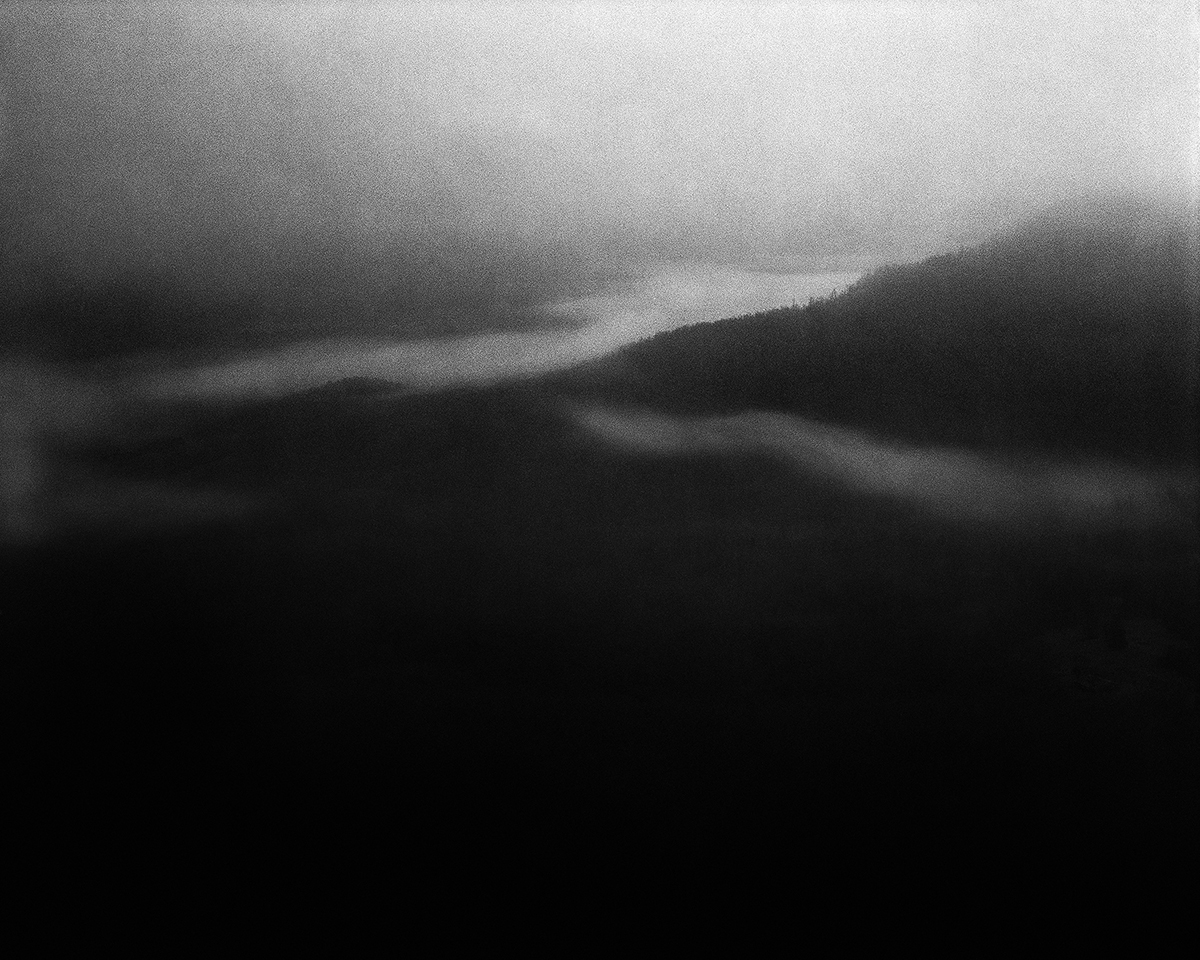
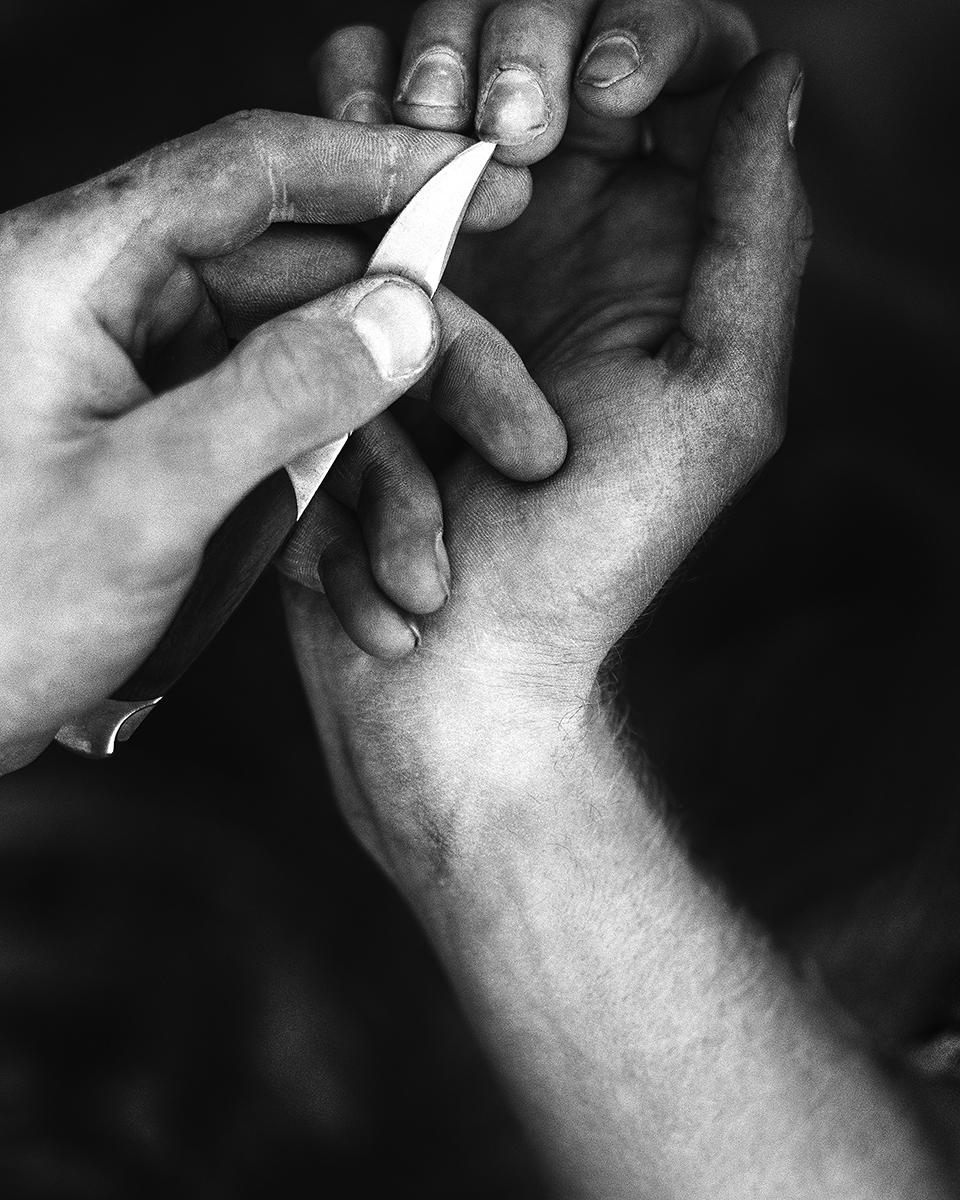
I can’t tell a lie – the first time I read Jasper by Matthew Genitempo, I didn’t get it. This isn’t a bad thing, rest assured, because I can say that about many of my favorite books. I think this is largely a result of complexity – in an initial passing, something is going on that I can’t easily understand. After I’d read through Jasper a couple more times, I recognized that it was as beautiful as it was foreboding; it is a stark, bleak book describing landscapes dense with oppressive humidity and haze, deep alienation, and the tenuous nature of survival. Published by Twin Palms, the book is really a tour de force – somehow mixing ideas gleaned from Walker Evans, Danny Lyon, and Larry Clark – richly illustrated and produced, with warm dark tones and minimal design.
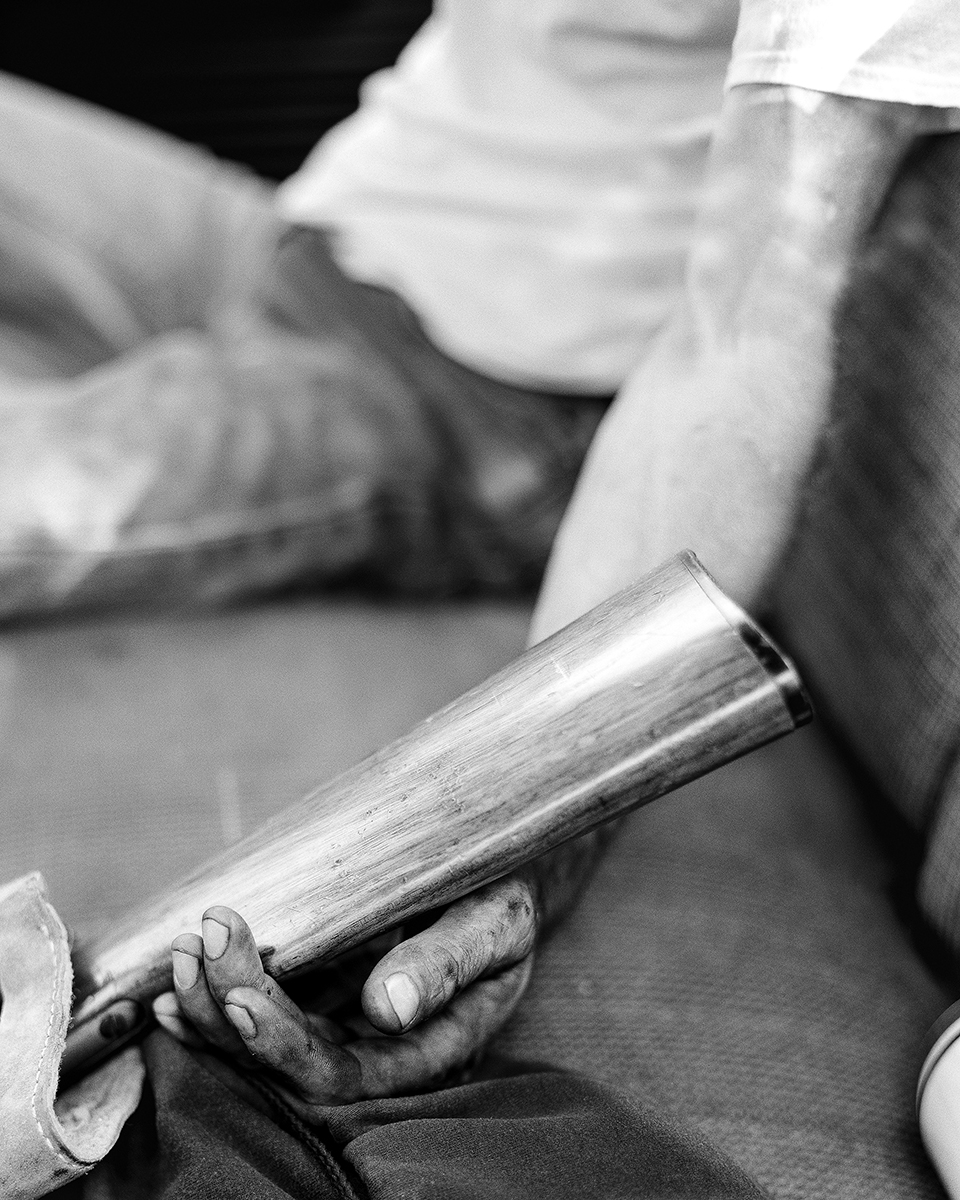
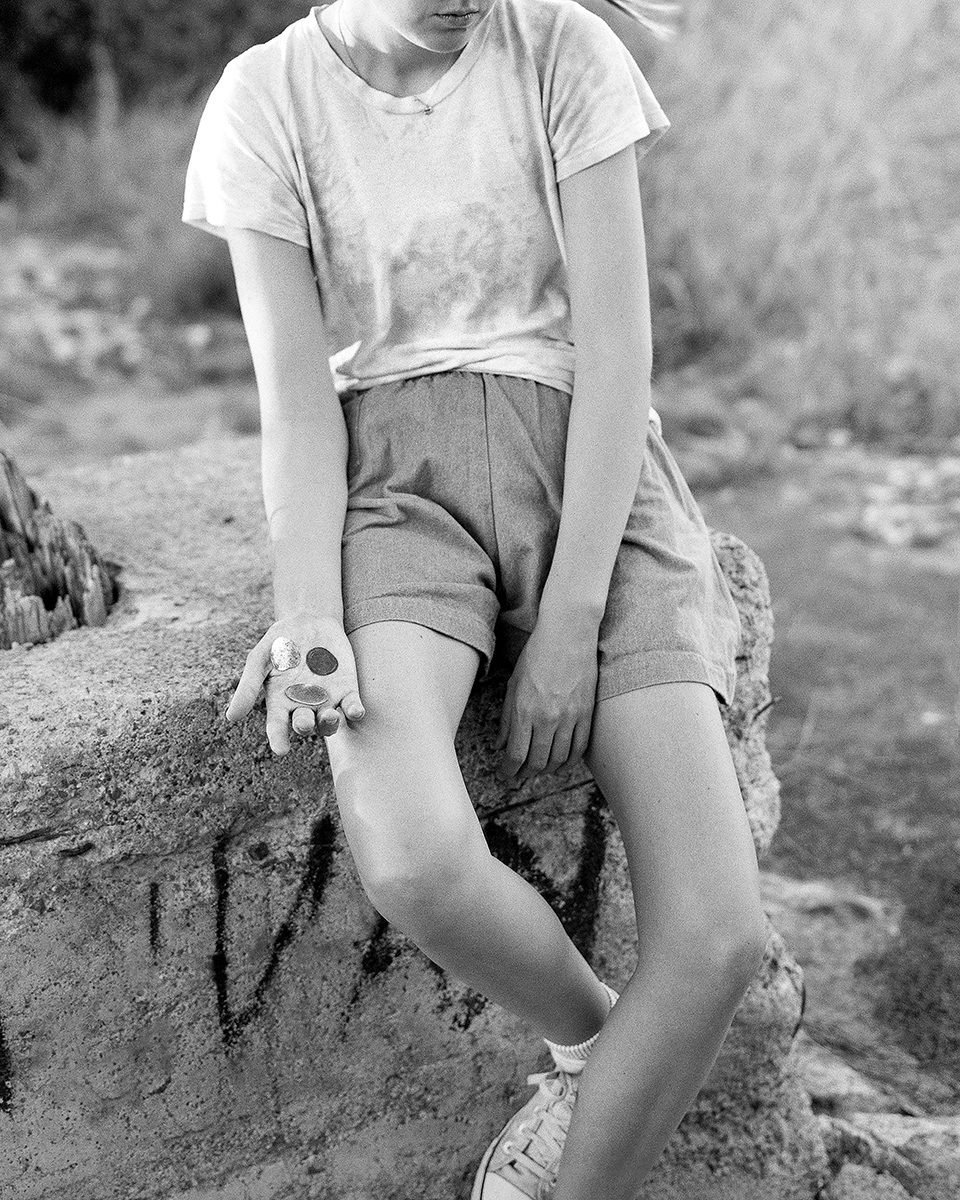
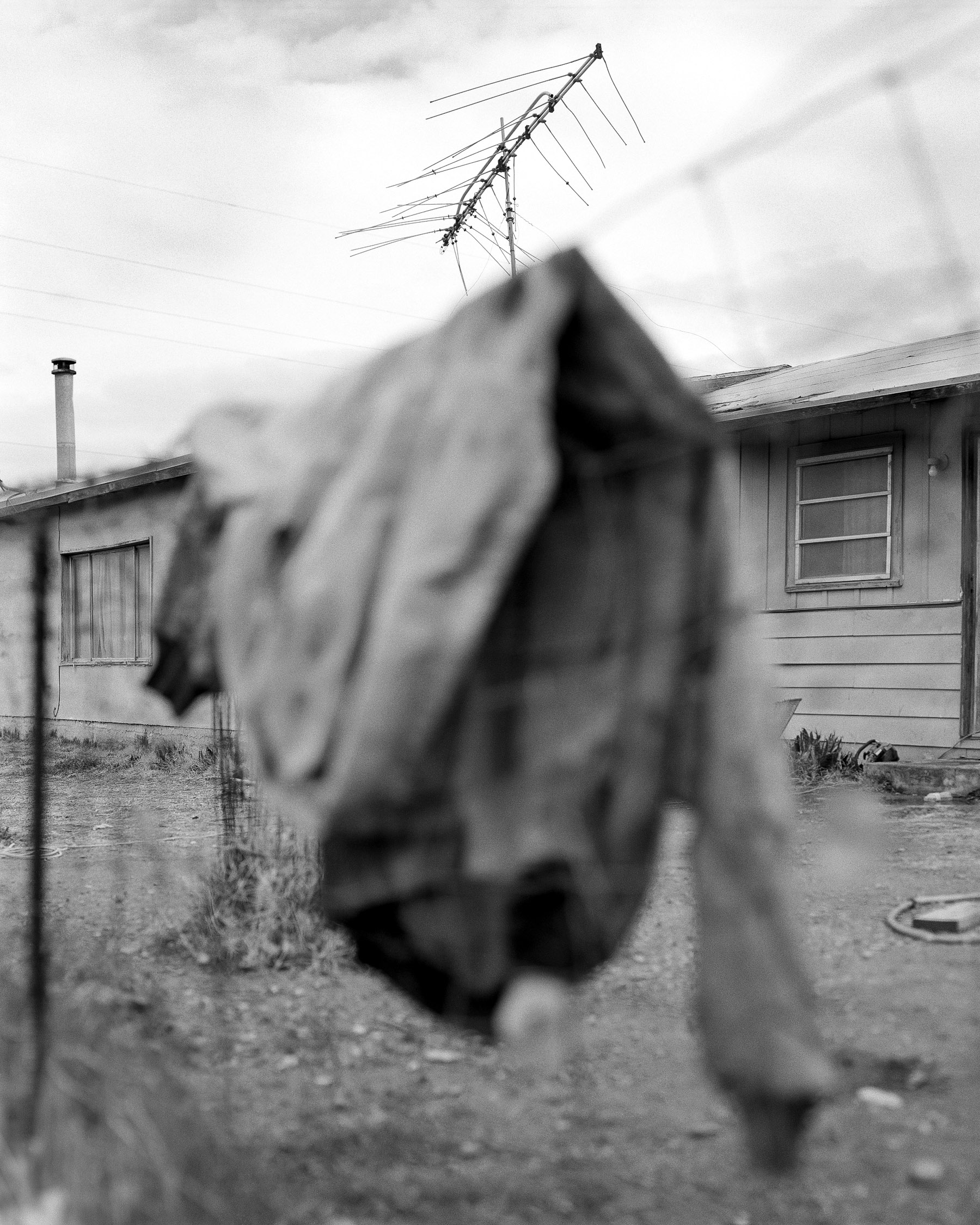
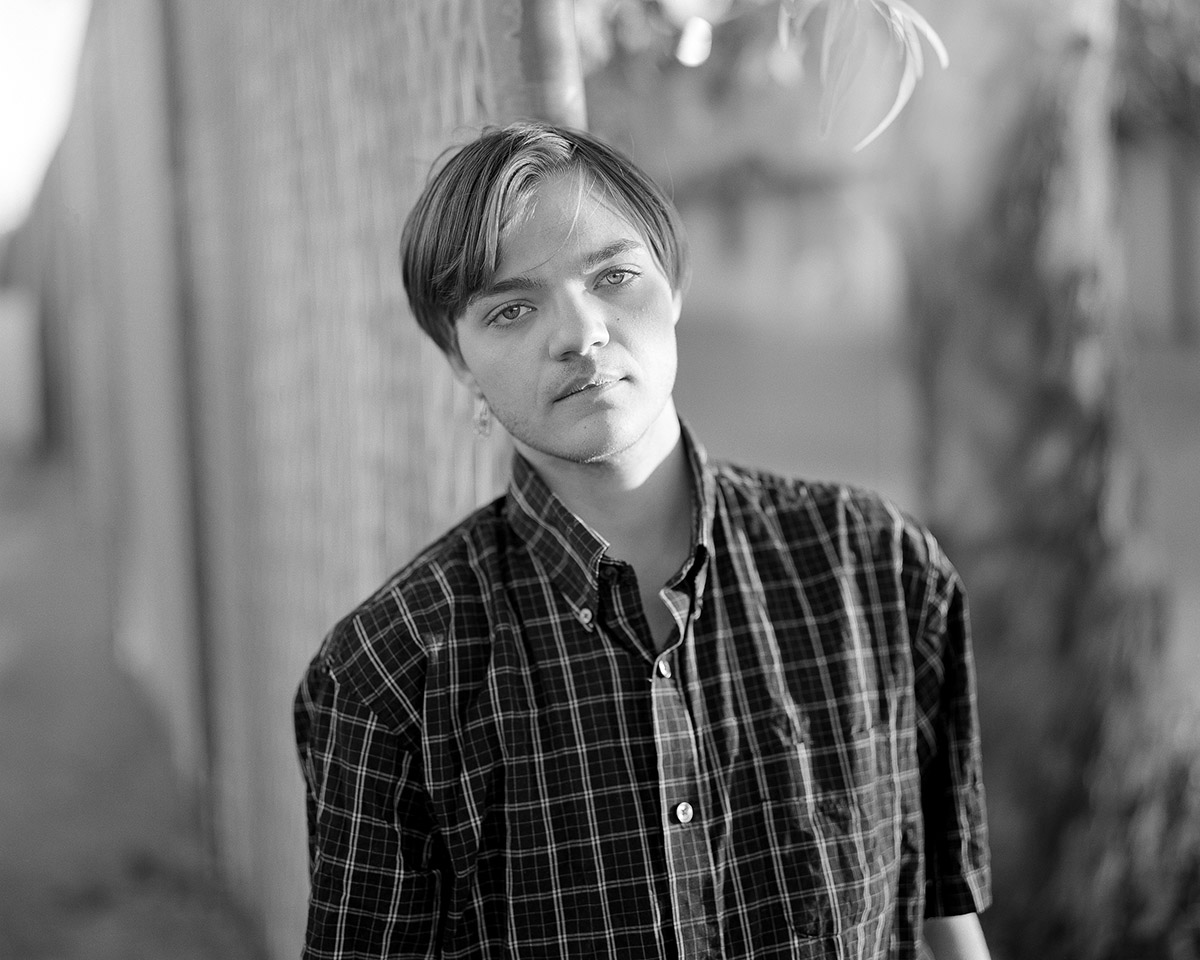
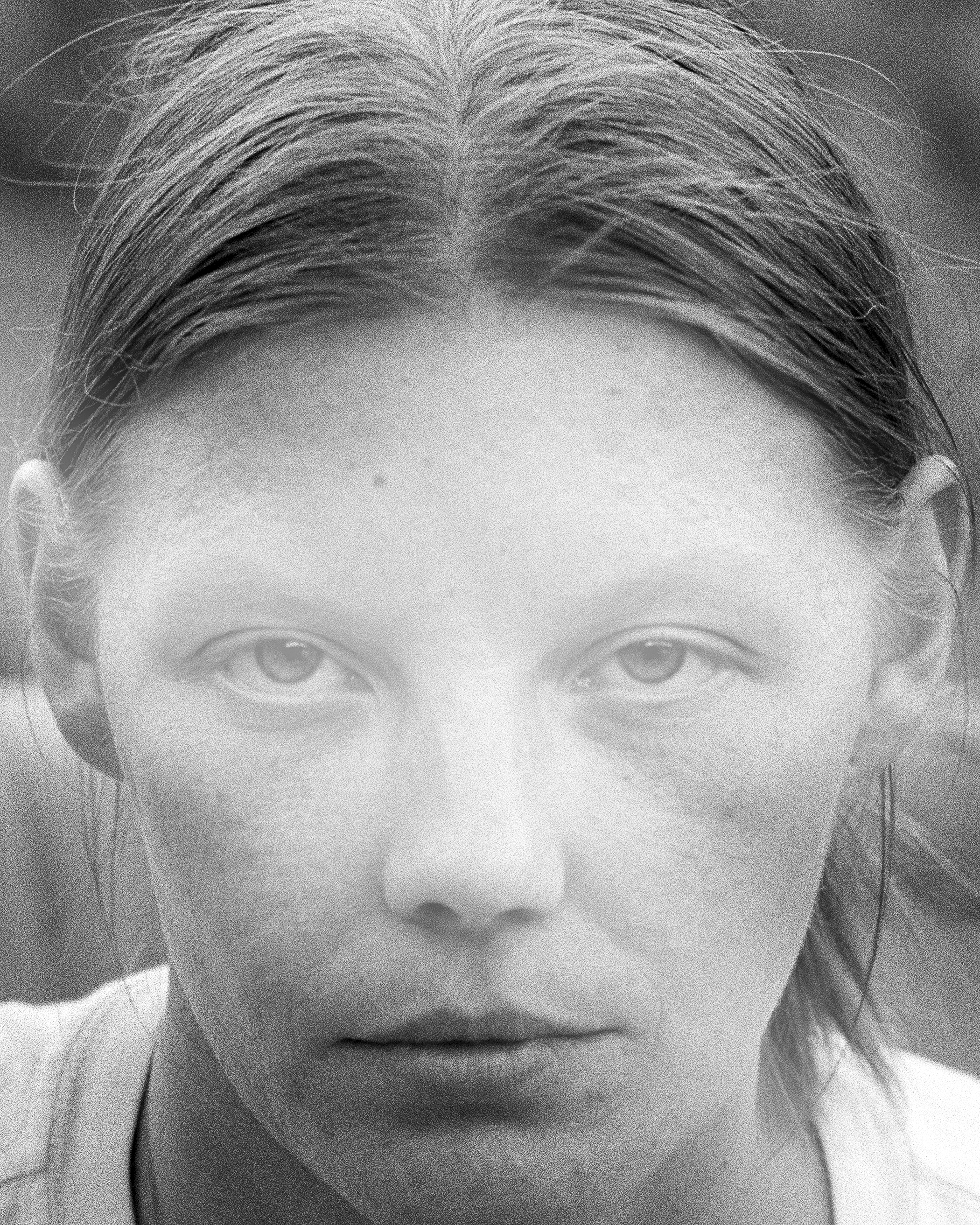
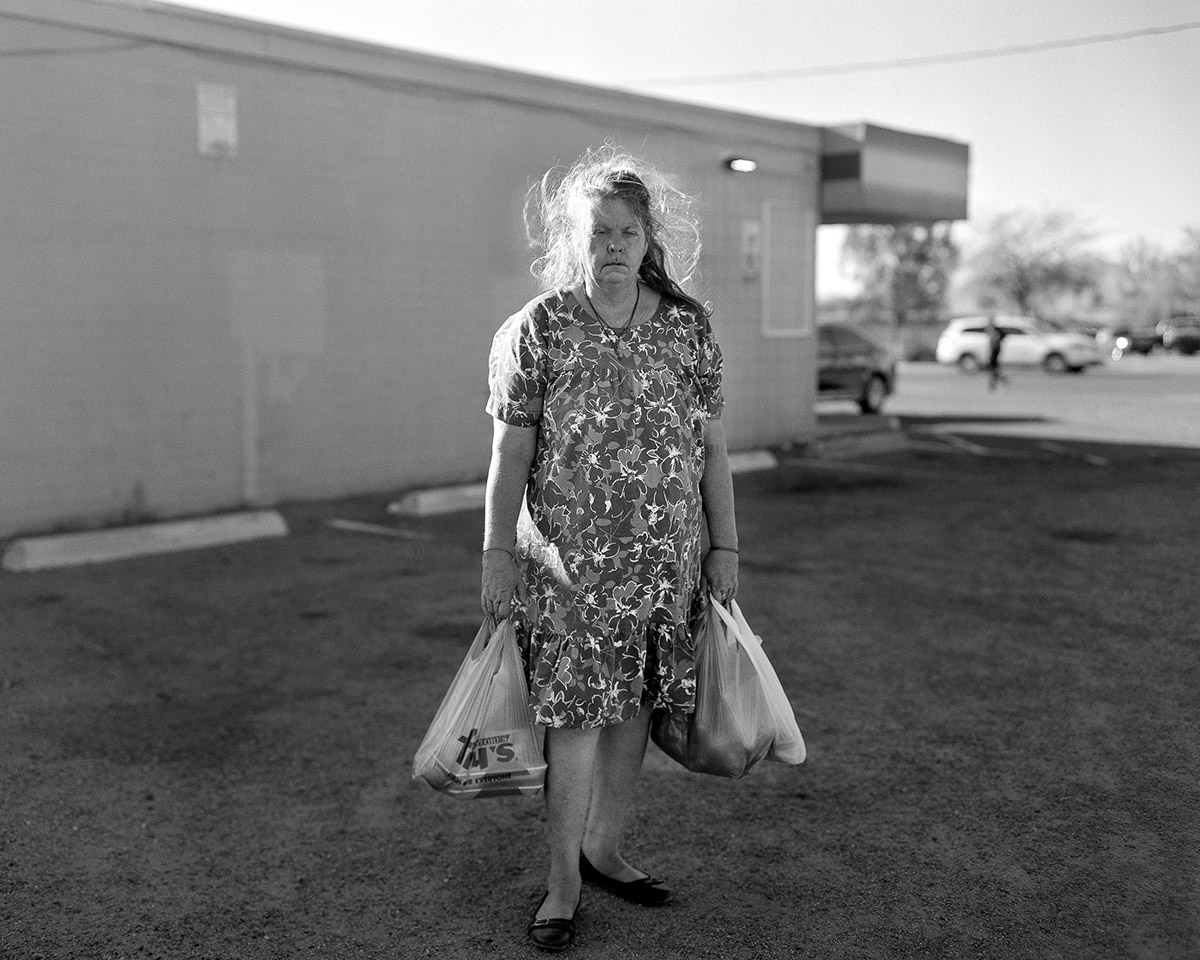
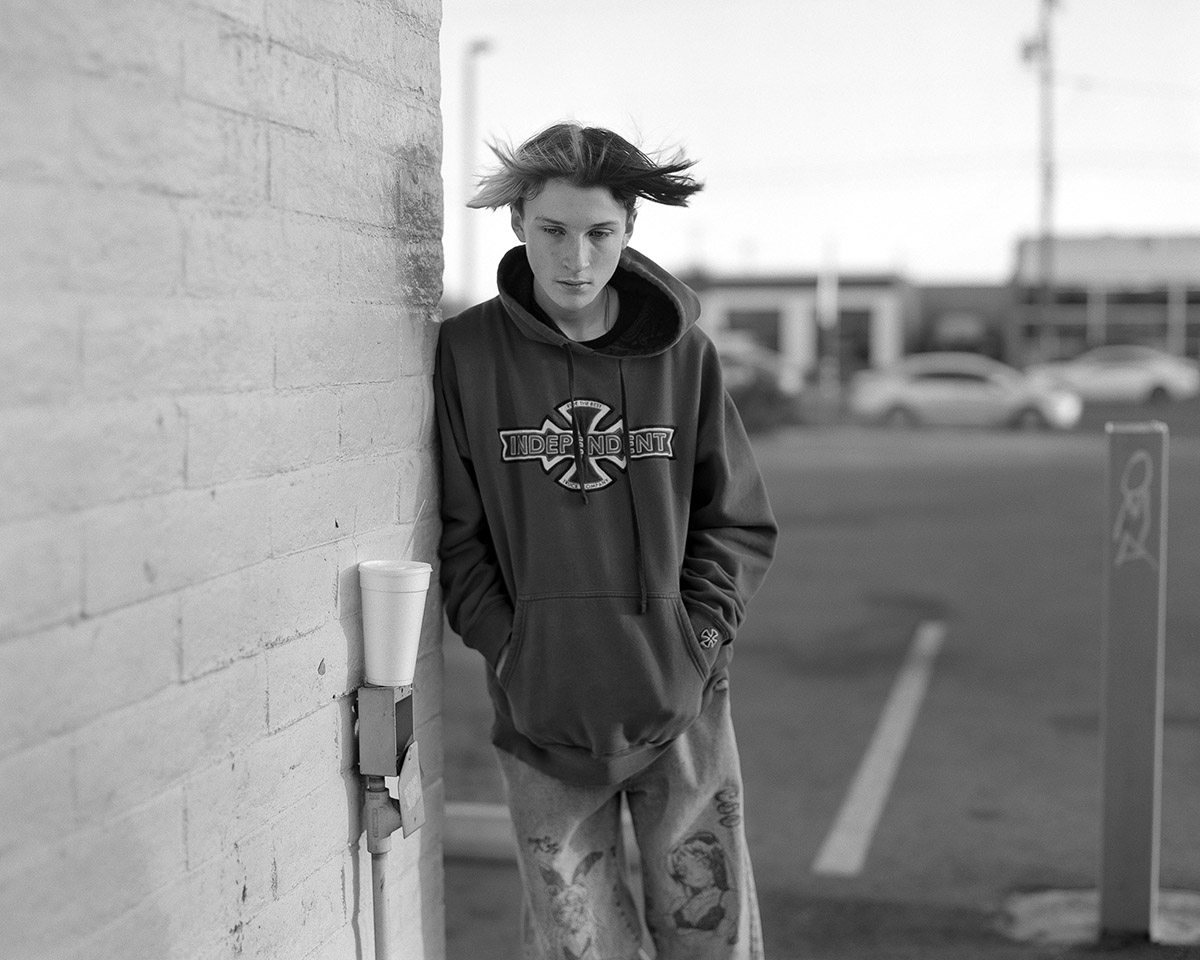
When I first looked through Dogbreath, Genitempo’s newest publication with Trespasser Books, I found similar feelings but in a style that felt much looser, the approach a bit more playful. Like Jasper, a book that spends time coaxing the meaning of place (as determined by the people and landscapes that compose it) in the unique realities of the Ozarks (you can’t help but to the think of the show with Jason Bateman and Laura Linney), Dogbreath is all photographed in Tucson, Arizona. The people that appear in Jasper all feel like they are from the outer edges of society; in Dogbreath they are much more relatable, teenagers leading lives that look familiar. The printing in Jasper is warm and dark, printed in a style that is much more romantic and pictorial; in Dogbreath the prints are much more open and radiate light (true to the Southwest), presented in a style and manner reminiscent of Mark Steinmetz.
I love both these books and thus was excited for the chance to meet with Matthew to discuss his work and ideas. This interview was developed over two parts completed in October and November; our first discussion was held over Zoom, and the second part the email transcription below. To share a bit more background, in our initial conversation I learned that Matthew was born in Houston but recently bought a house in San Antonio. As an undergraduate, he attended Baylor University in Waco and completed a degree in design. He did discover photography during these studies but understood it more as a tool for design. With a bit of encouragement from childhood friend Bryan Schutmaat, Matthew pursued an MFA in photography at the Hartford Art School in Connecticut in 2015. Here, he worked with photographers Steinmetz, Mary Frey, Dru Donovan, and Alec Soth, and continued his personal and creative relationships with Schumaat. Following the recent success of alumni Schutmaat and Tim Carpentar, so much of the discussion at Hartford was about books, an idea that complimented Genitempo’s background in design. I also learned that Genitempo has three books – Jasper (Twin Palms, 2018), Mother of Dogs (Trespasser, 2022), and Dogbreath (Trespasser, 2025) – and of these I’ve only seen two of them (the first and the most recent).
In our Zoom conversation I also asked Matthew about Trespasser Books, a very small but high-end publication collaborative he developed with Schutmaat. Matthew said Trespasser was a natural outgrowth of both their developing careers and long-time friendship (this reminded me Elephant 6, a remarkable recording collective that emerged from childhood friendship of Jeff Mangum and Robert Schneider). Trespasser isn’t a prolific publisher but includes beautifully realized books that describe complex ideas about landscape, place, and identity – including lovely works like For by Agnieszka Sosnowska, Polar Night by Mark Mahaney, and Schutmaat’s Good God Damn (a personal favorite).
Below is the email dialog I shared with Matthew:
Brian Arnold: Early in my photographic education, I took short workshops with Frank Gohlke and George Thompson. Frank was just finishing his work from Mount St. Helens and prepping for his first book, Measure of Emptiness. George had recently founded the Center for American Places, and was publishing works by Eric Paddock, Bob Thall, Peter Goin, and Justin Kimball. Both teachers emphasized place as being essential to photography, and that a close, rigorous look at either unique or ordinary places can reveal many layers of history, culture, and identity. Both Jasper and Dogbreath emphasize very particular regions in the United States – Arizona and the Ozarks – so with this in mind, can you share something about what place means to you and how this guides your photography? How is it expressed in your books?
Matthew Genitempo: As I imagine it is for most photographers, place is usually where everything starts for me. I think about how a place feels more than what it looks like, and my hope is that it comes through in the work. It usually begins with spending time somewhere and just paying attention to what lingers and what keeps me wanting to return. I’m not trying to make any kind of report or documentation of a place; that’s never been the goal. But I think photographs that are rooted in a specific place often get read that way. Maybe that’s just part of the burden of the medium.
BA: Do you have a research process for your work? How do you find the people and places to photograph?
MG: When I first began making pictures on the road, I thought I had to have a research process. A lot of the photographers that I admired at the time seemed to have one, so I thought it was necessary. Time and work have taught me that it’s not helpful. Now it’s more about wandering and letting intuition guide me. I’ll spend a lot of time driving, walking, talking to people at gas stations or bars or wherever. Sometimes I’ll go back to the same area for a long time before anything starts to make sense and I can make a picture. The people and places usually find their way into the work naturally. I might notice a house, a gesture, or something that just gets stuck in my head and that’s where it begins. In Tucson, sometimes I would see a person I wanted to make a picture of while I was out running and I would get their contact info and try to meet up. There’s not a set method. I just feel something, and I’ve learned to trust whatever that is.
BA: I am curious to learn a bit about the people that appear in your photographs. What kind of relationship do you have with them? Do the pictures reflect ongoing engagements or connections with them? Or are they passing strangers? If these are passing encounters, how do you talk them through your ideas to get to the pictures you want?
MG: It’s a mix. Some people I’ll know for a while and photograph multiple times; others I meet once and never see again. But even in the passing encounters, there’s usually some kind of connection or something that I see in them. Whatever it is, it’s something that makes the picture possible. It’s tough to explain. When I was making Jasper, I spent hours and hours and sometimes days with folks in hopes for a good picture, but I was moving much faster when I made Dogbreath. I would give myself thirty minutes to an hour and then make myself move on. I was after what genuinely interested me in the moment, curious if I could make a picture that held that small truth that I wanted to grasp. I don’t usually talk too much about my ideas when I’m with someone. If anything, I’d love to just disappear.
BA: How has your background in design informed your photography? Your approach to photobooks?
MG: Where do I begin? Design has taught me so much. It taught me about editing and about pacing, how one image can change the meaning of the next. I’m always thinking about rhythm, tone, and how the book feels as an object and I think design has played a role in all of that.
Design has mostly taught me about restraint. Knowing when to pause or to let something breathe. I think design is something that most photographers don’t think about too often, but it can make or break a book for me.
BA: Dogbreath is advertised as being about teenagers adrift in a chaotic world. Is this a reflection on your own teen years? If so, how? And were your teen years influential in your decision to become an artist?
MG: Yeah, there’s definitely some reflection of my own adolescence in there. That sense of being stuck between places and wanting to leave but not knowing where to go. The kids in Dogbreath reminded me of that time when everything feels heavy and electric all at once.
When I was making it, I thought about a lot of the places that we had designated for ourselves when we were younger, places we could escape to. I tried to imagine what those places look like now. Are they the same? Especially now when escape seems to be in the digital world.
I don’t know if those years directly made me want to be an artist, but I remember my brother and I spent a lot of time as kids staying up late watching music videos on MTV and a couple of times I remember really connecting with the people as creators. Every night seemed like this endless search for something because when you’re young (and this is before everything was so readily available), the world, every once in a while, might offer up something that you immediately connect with on a deeper level. It’s a language that can show you another way to live. Whatever it is, music, movies, paintings, it feels like expression in its purest form. And it’s peculiar because this curious new language makes sense and doesn’t make sense, but it shows you that more is possible. I think that possibility is what got me to where I am now.
Contributing Editor Brian Arnold is a writer, photographer, and translator based in Ithaca, NY.
____________
Articles & photographs published on PhotoBook Journal may not be reproduced without the permission of the PhotoBook Journal staff and the photographer(s).
 PhotoBook Journal
Leave a comment