Review by Gerhard Clausing •
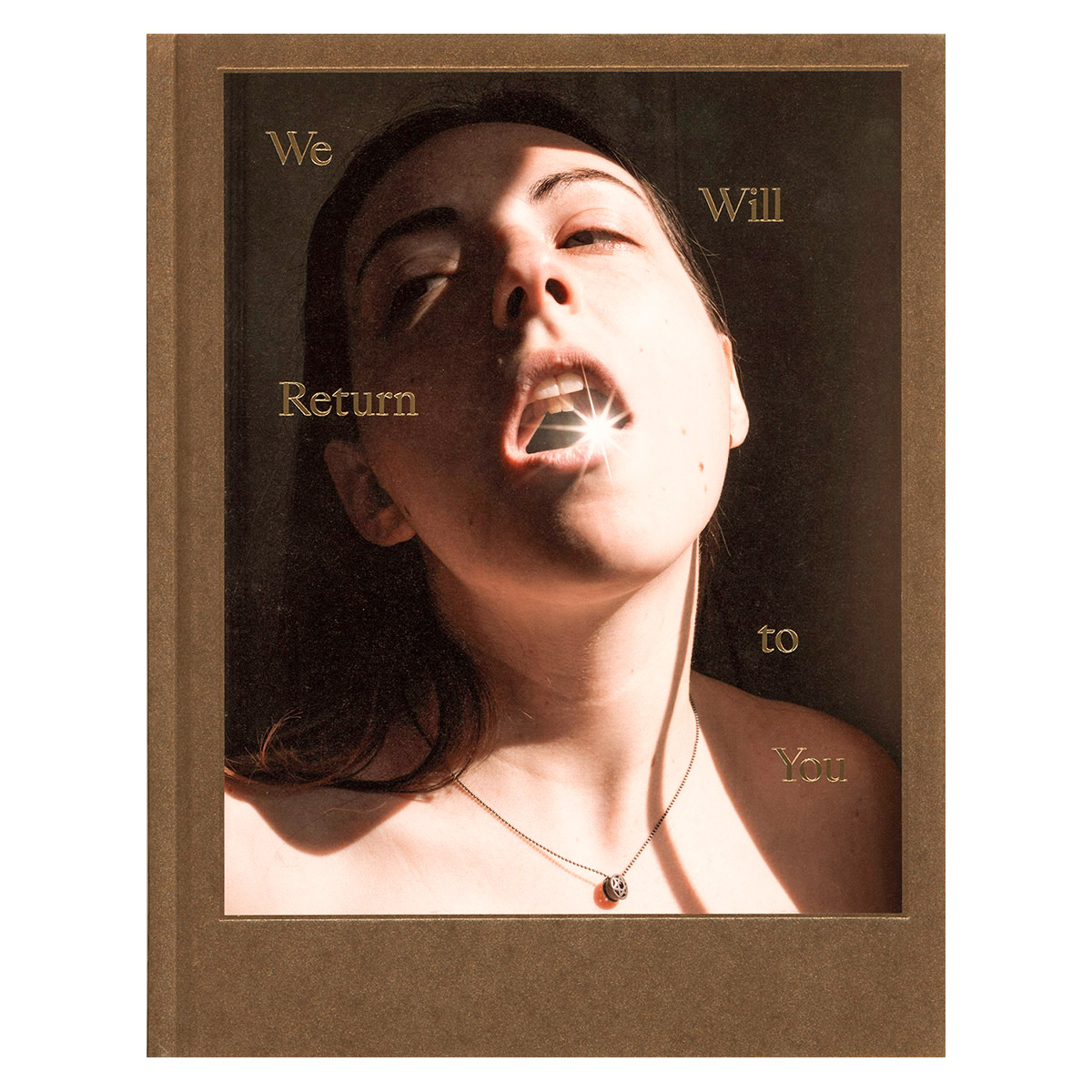
Folklore and rituals are vital components of our ancestral heritage. The stories that were told for many generations survive in one form or another and are enhanced as they are told and retold. I am currently investigating creation mythologies of various groups, and it is amazing how much wisdom and understanding can be found in those ancient stories. In our time, influenced by media and visualization, we find our imagination supplemented by images along with the inherited verbal transmission. And that is where this photobook by Hannah Altman makes a significant contribution.
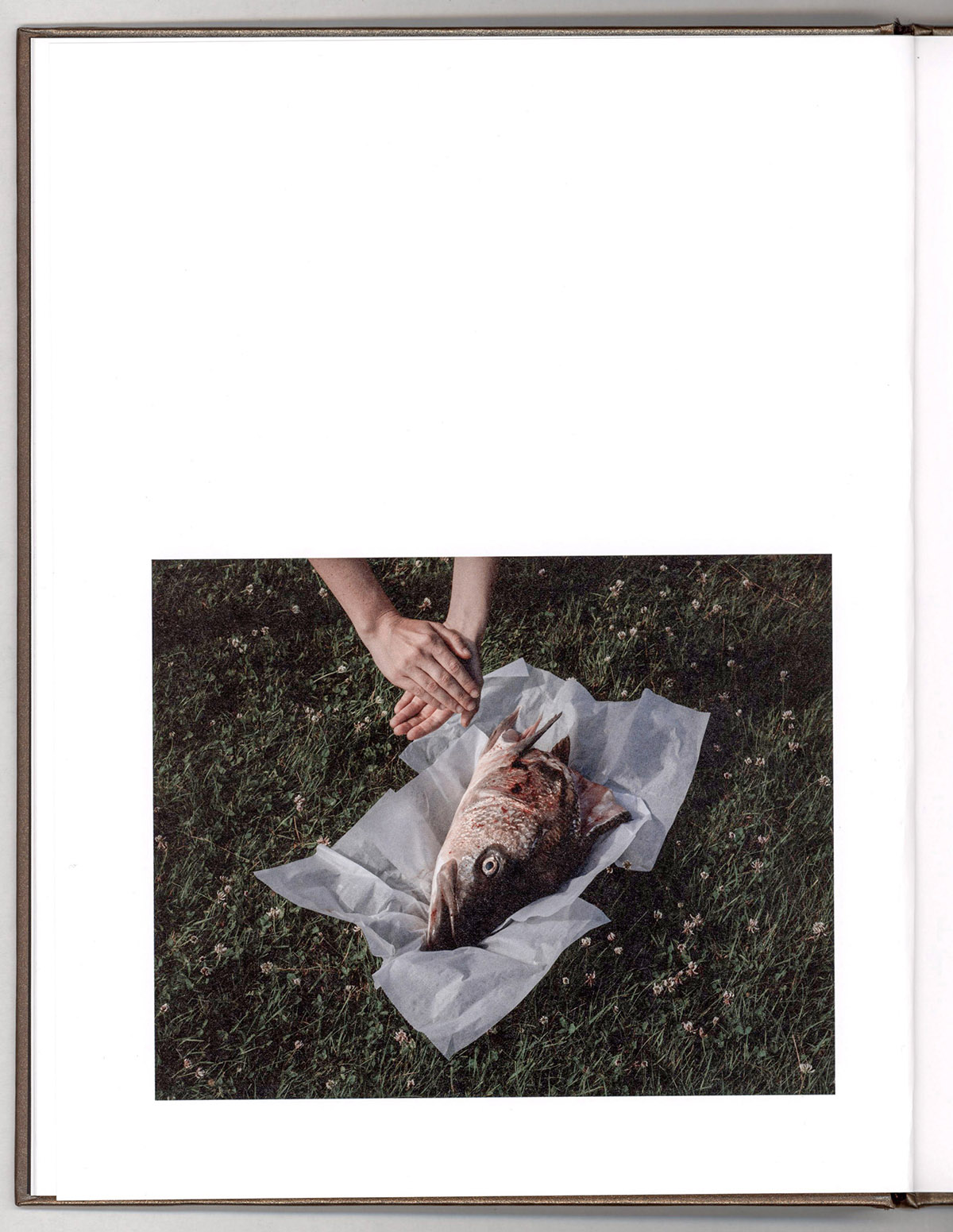
Jewish folklore is filled with fabulous stories, and some of the figures that play roles in them have made it to the mainstream. Other elements also have symbolic significance, such as the Hebrew letter shin, reproduced on the back cover (last image below); its very shape is said to represent three dimensions of human beings. Altman has a knack for creating multi-layered photographs that combine elements from the inherited stories with ideas from celebrations, rituals, and beliefs to create impulses for new and unexpected meanings and interpretations.
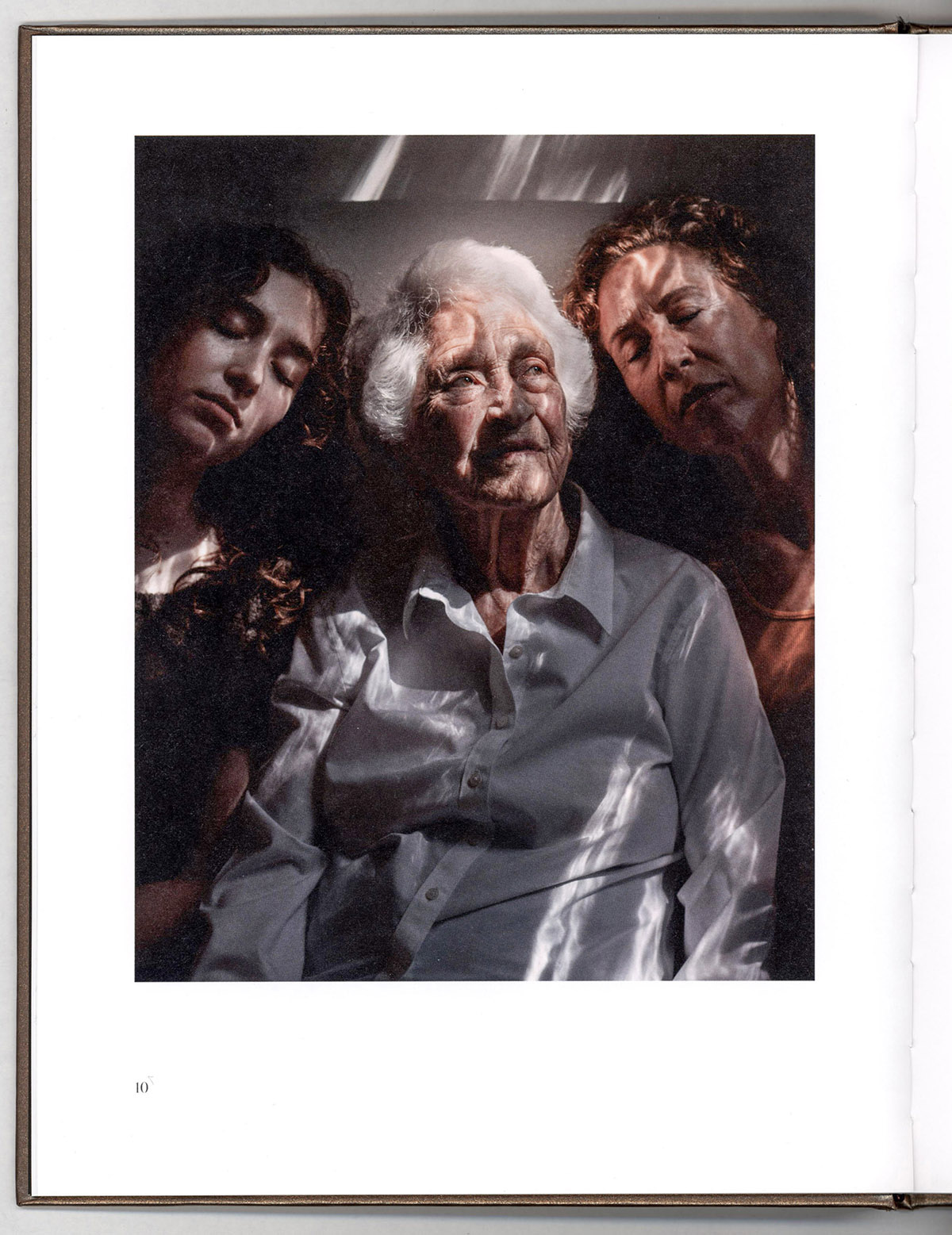
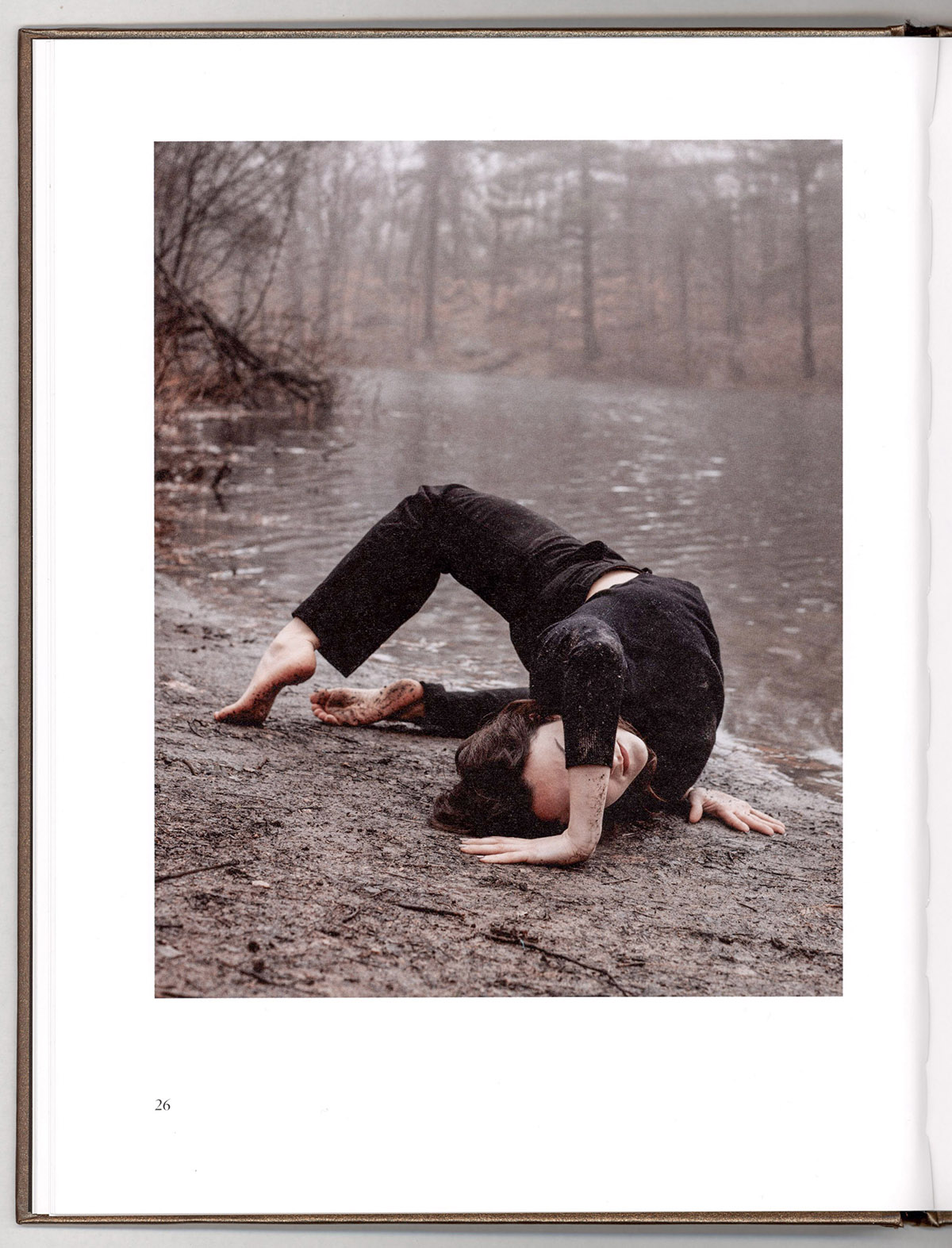
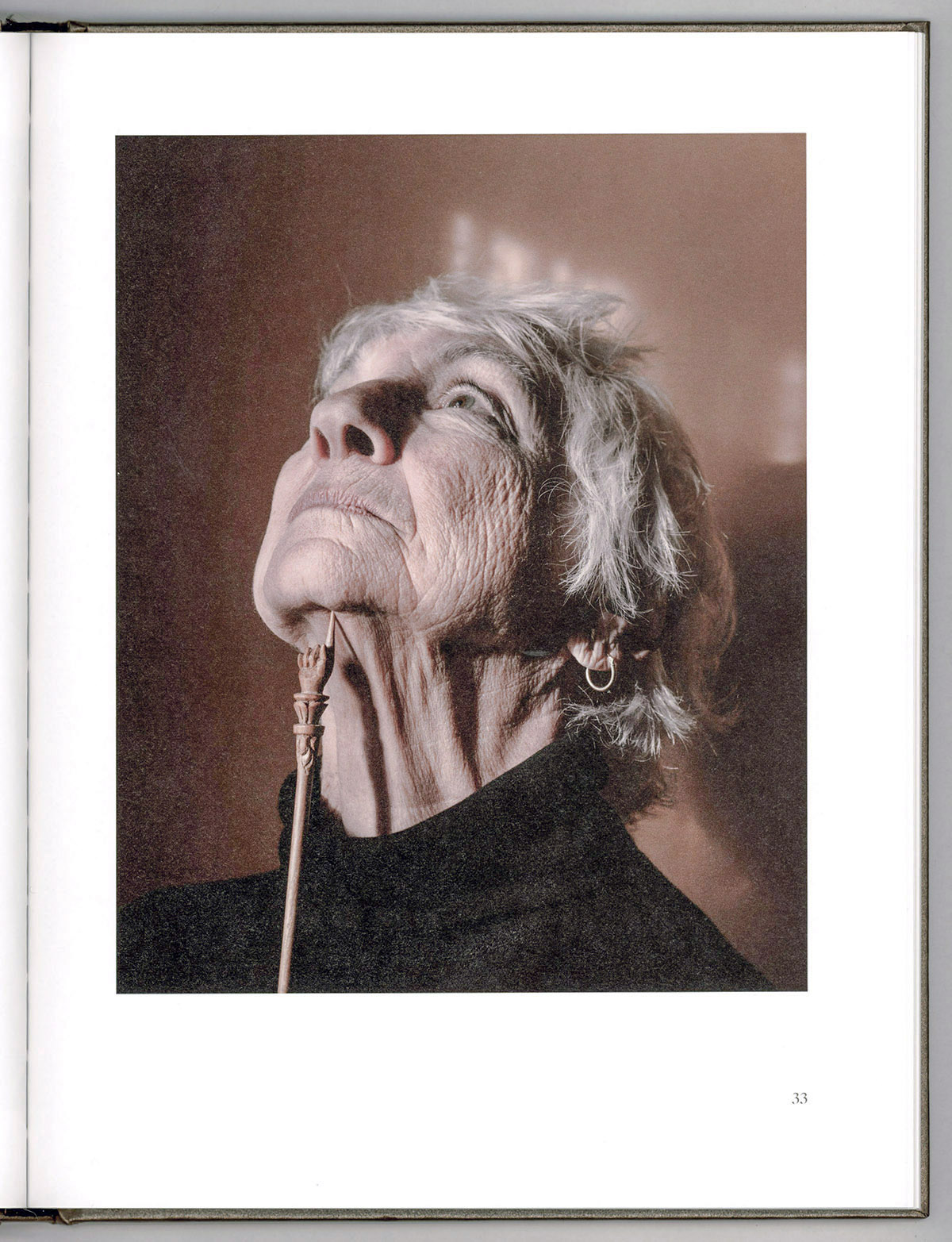
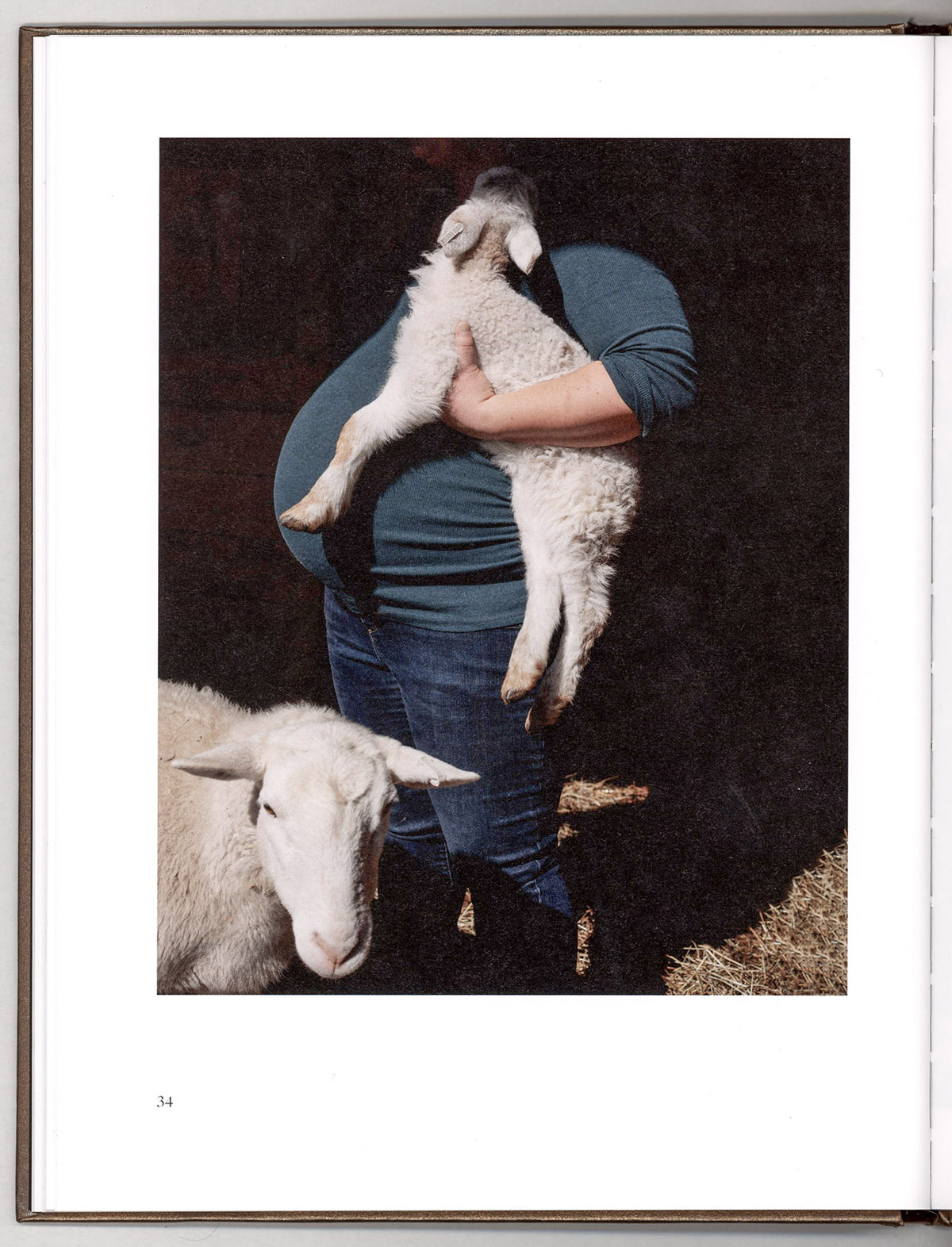
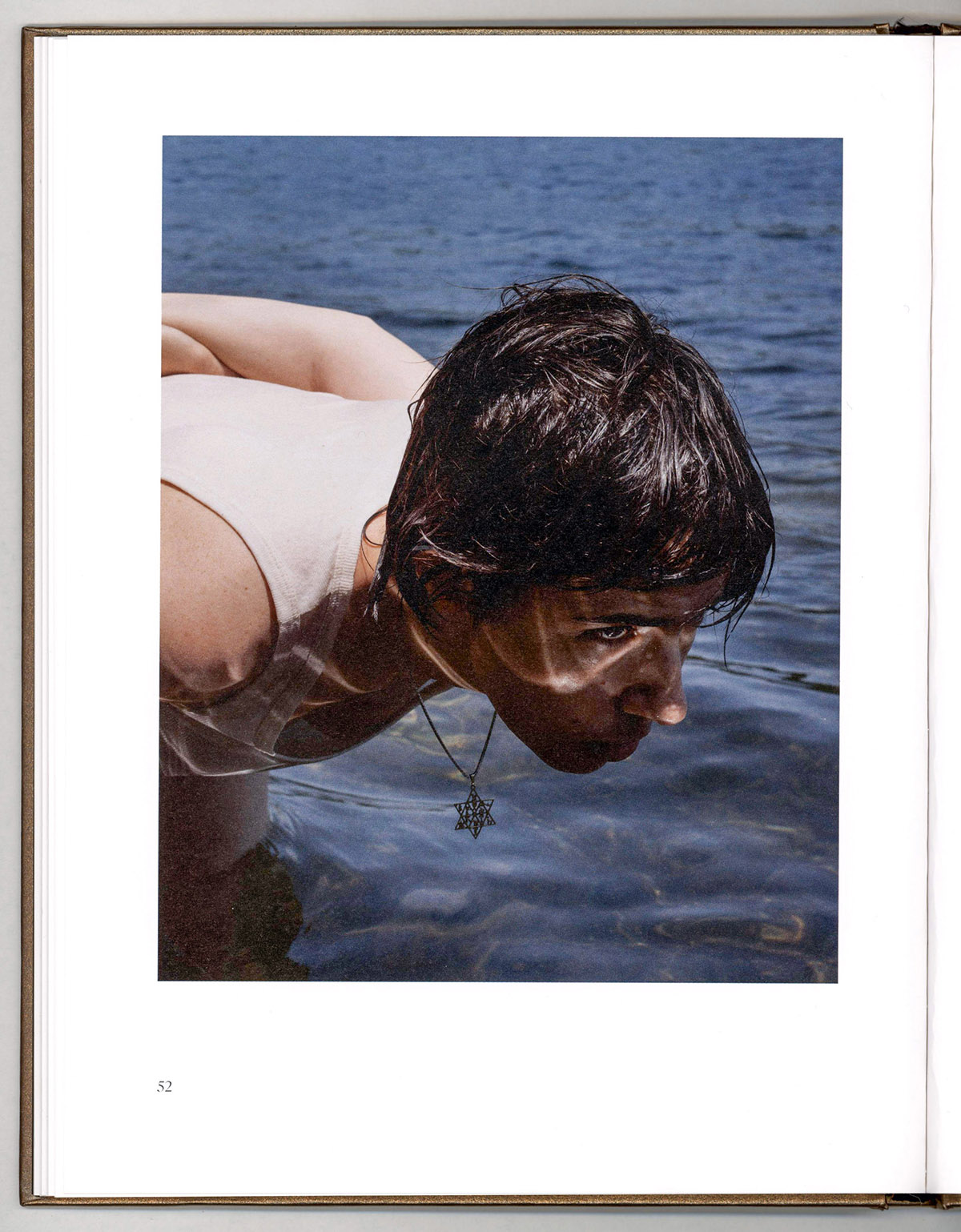
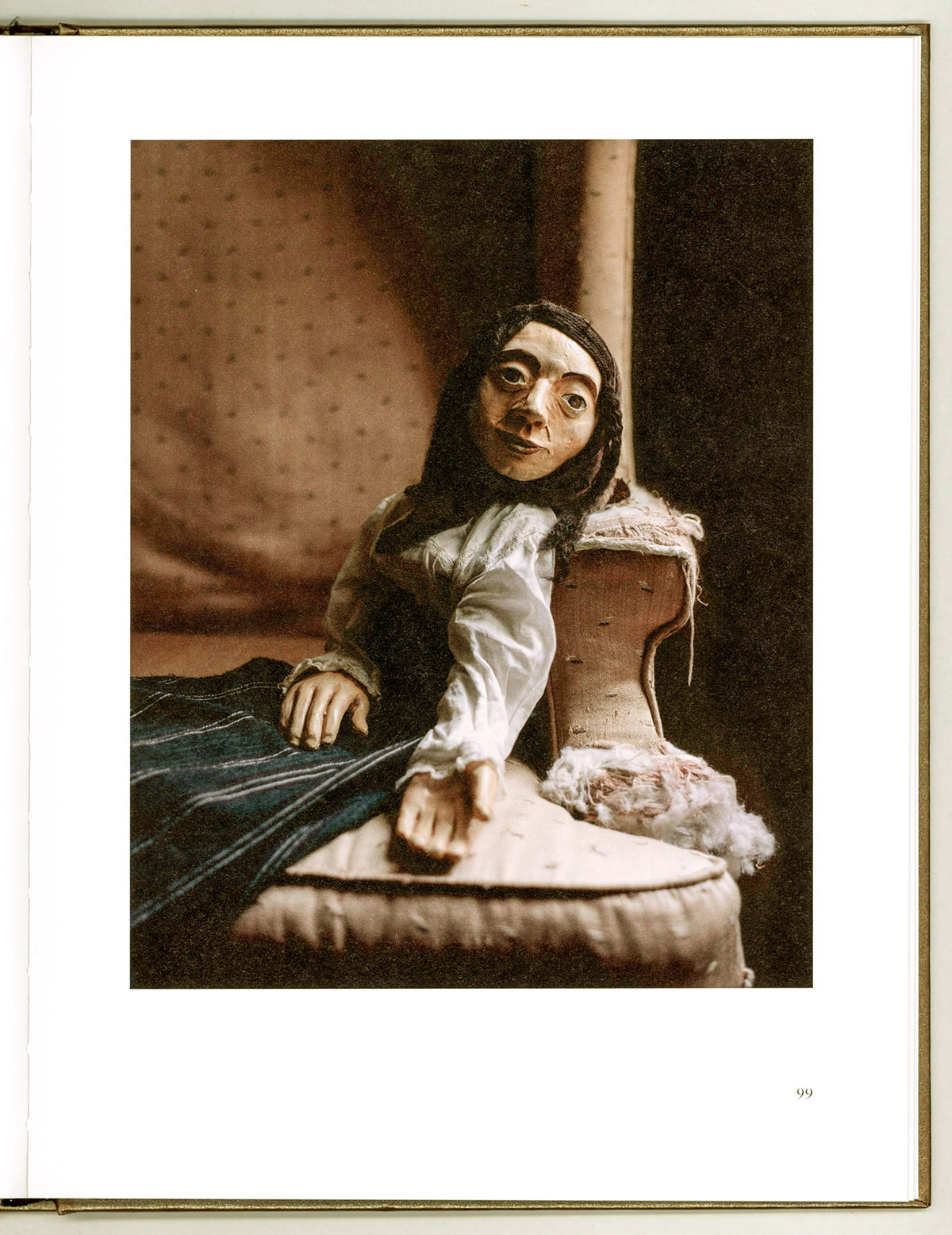
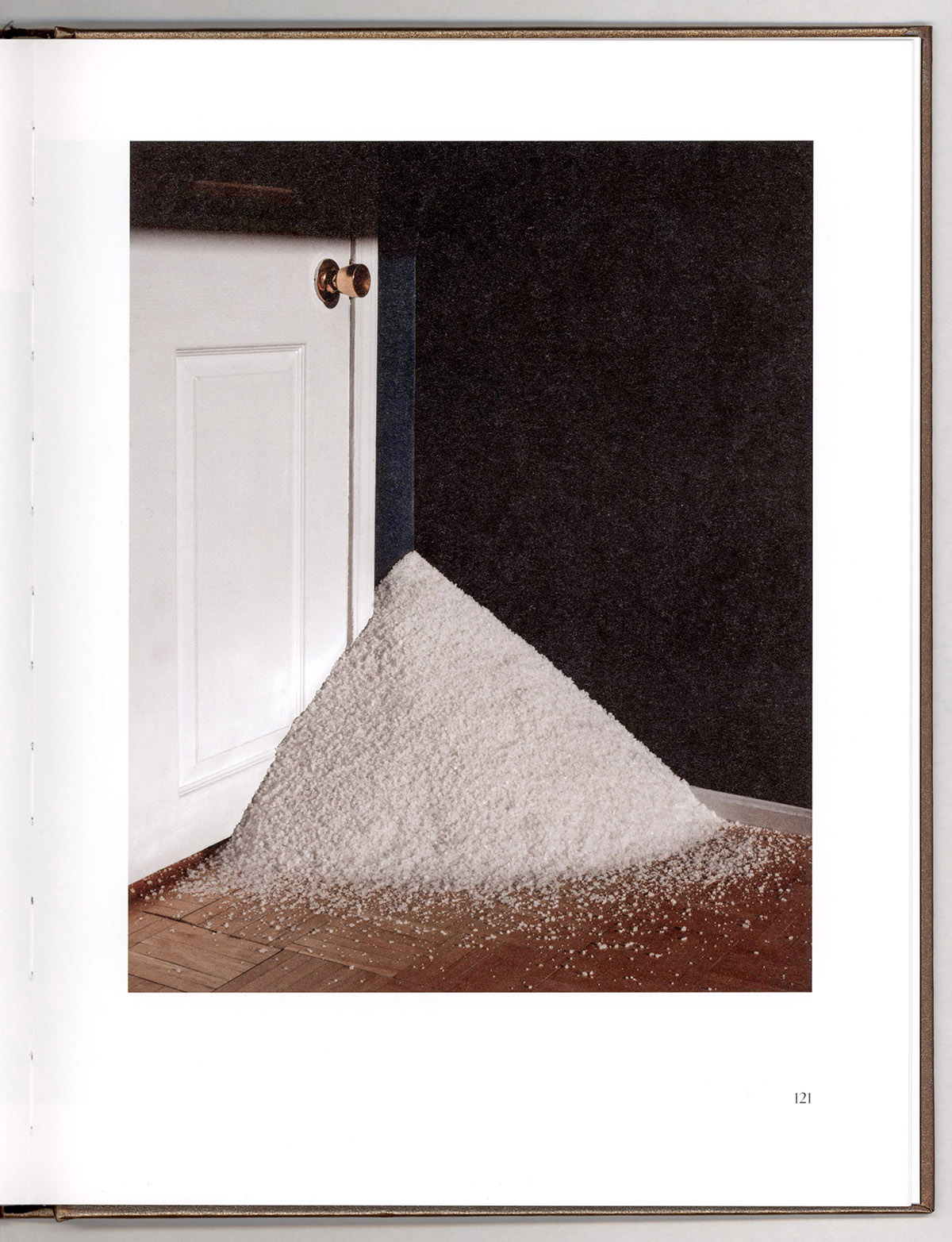
As we look at the individual images, we are struck by a need to apply our own interpretations to them. Baba Yaga, the puppet figure with somewhat of a bad reputation, seems to look at us with a certain amount of wisdom, extending her hand toward us. Is she issuing a challenge to us to think about serious contemporary topics, perhaps with a sense of humor – is she a threat or a blessing? An older woman points a yad at her chin, a hand-like object that is usually used to point to and read torah scripture – is this a threatening gesture, a moment for contemplation, or a challenge of some other sort? Some of the other images show a certain delightful freedom of motion or thought, combined with judicious implementations of light and shadow, in ways that might hint at more weightiness than appears on the surface. Many of the portraits are extraordinary invitations for further study.
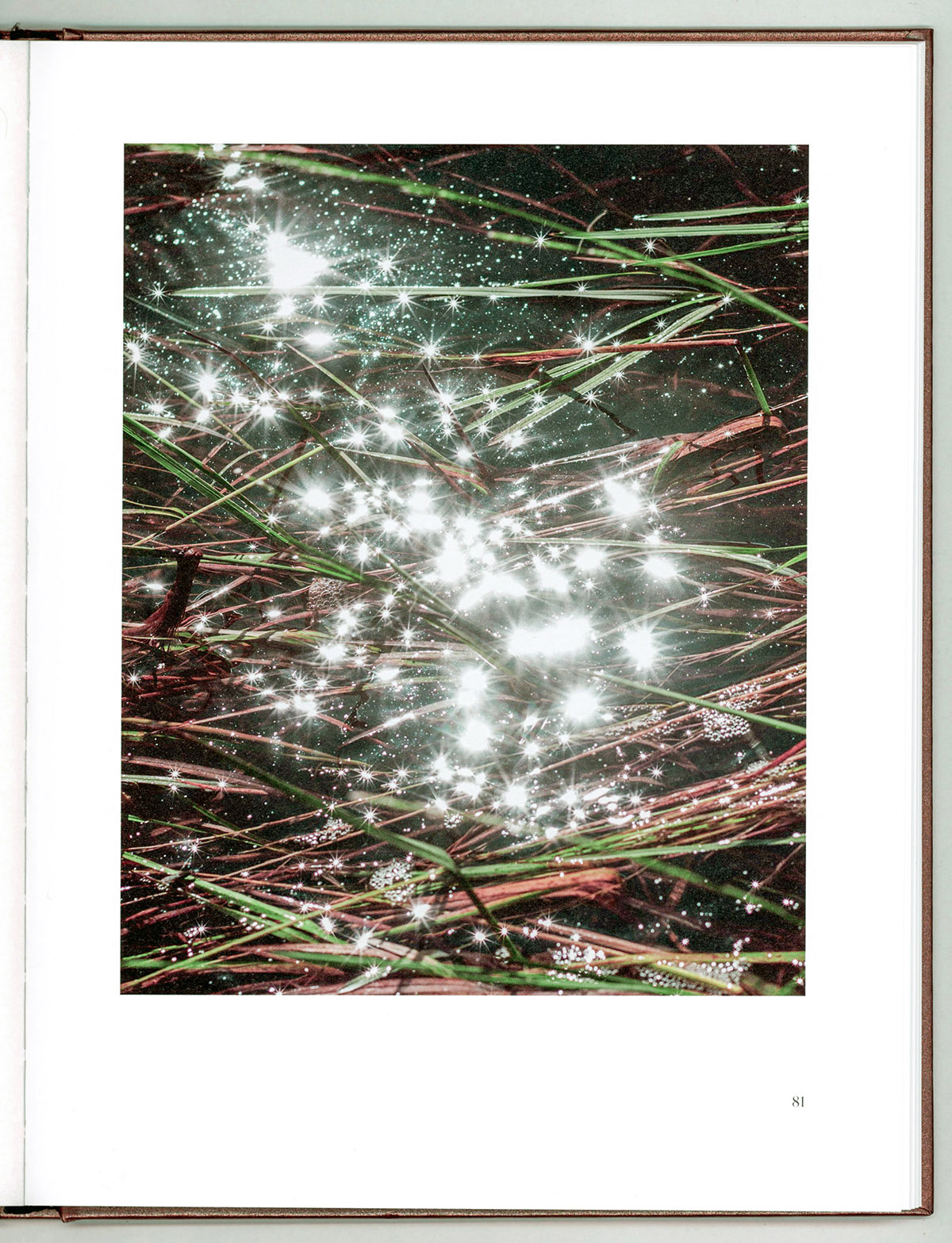
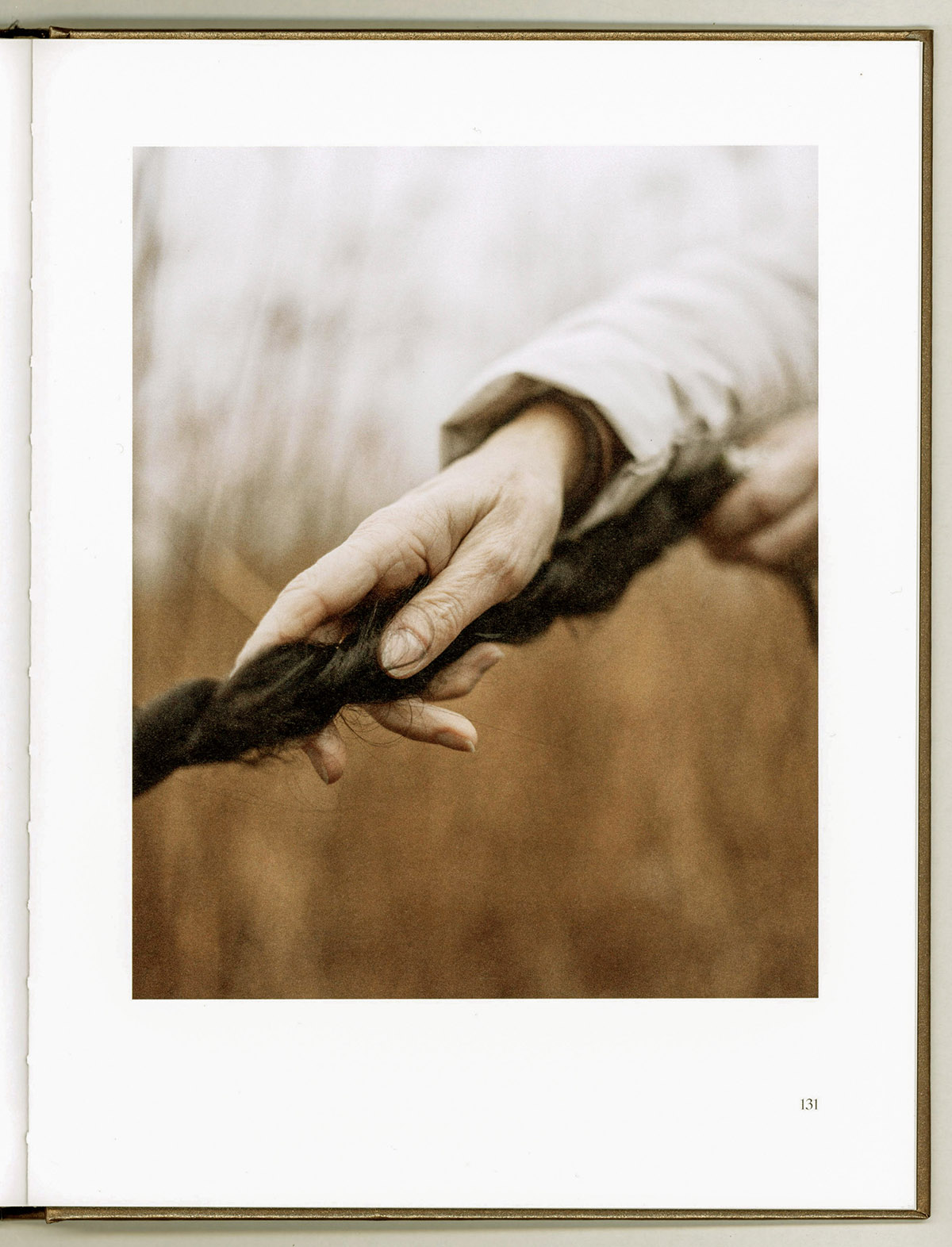
Hair and natural light play very important roles in many of the photographs. As this can be seen as an allegory, we feel a certain uplifting enlightenment in viewing the works. Altman is able to maintain a certain ambiguity throughout the book, while not losing overall coherence of emotional content and purpose. In the portraits and other observations of movements, she seems to present the body as testimony. People, objects, and rituals are offered for further interpretation. The photographs become part of a process in which we all can participate.
As Altman writes in her artist’s statement, “Jewish myths evolve across the diaspora, braiding themselves into both past and future, echoing their origins and never entirely replicating.” What results is a “visual language that stretches and shifts across lands, generations, and the stories that give it meaning.” The absence of explanations of objects, symbols, and rituals encourages even those not steeped in Jewish culture to find their own interpretations and meanings. Some of the image titles provided in the back provide helpful hints as well.
The project, designed by Caleb Cain Marcus (Luminosity Lab), supports this vision with subtlety and refinement. The large color prints and generous pacing allow each image to appear with solemnity and space. The absence of captions within the visual flow encourages intuitive viewing, while the detailed title index at the end supplies a bit of additional cultural information and invites return and study – structural support for the recursive acts of learning and retelling. True to the overall intent and the historical background, the center of the book contains a short story on parchment-like paper, inviting further contemplation.
As Altman herself writes, this project “cultivates an environment sown from a turbulent past and reaches outward toward the rumbling world to come.” That reach is what ultimately gives this photobook its haunting power. It does not seek to resolve myth or memory, but rather to honor their cyclical complexity. We Will Return to You is a profound contribution to the visual discourse on the power of intergenerational storytelling. It is a book that should be seen slowly, returned to often, and read as one might read scripture: with reverence, interpretation, and the expectation that understanding may come only in pieces, and over time.
____________
Gerhard (Gerry) Clausing is an artist, author, and editorial consultant from Southern California.
____________
Hannah Altman – We Will Return To You
Photographer: Hannah Altman (born in New Jersey; lives in Boston, MA)
Texts: Hannah Altman
Language: English
Publisher: Saint Lucy Books, Baltimore, Maryland; © 2025
Design Direction: Luminosity Lab, Caleb Cain Marcus
Hardback, sewn, debossed cover with tipped-in image; 144 pages with 72 images; 9 x 11.5 inches (22.5 x 29 cm); printed in Italy by ABC Tipografia, Florence ; ISBN 979-8-9899602-1-7
____________

Articles and photographs published in the PhotoBook Journal may not be reproduced without the permission of the PhotoBook Journal staff and the photographer(s). All images, texts, and designs are under copyright by the authors and publishers.
 PhotoBook Journal
Leave a comment