Review by Hans Hickerson •
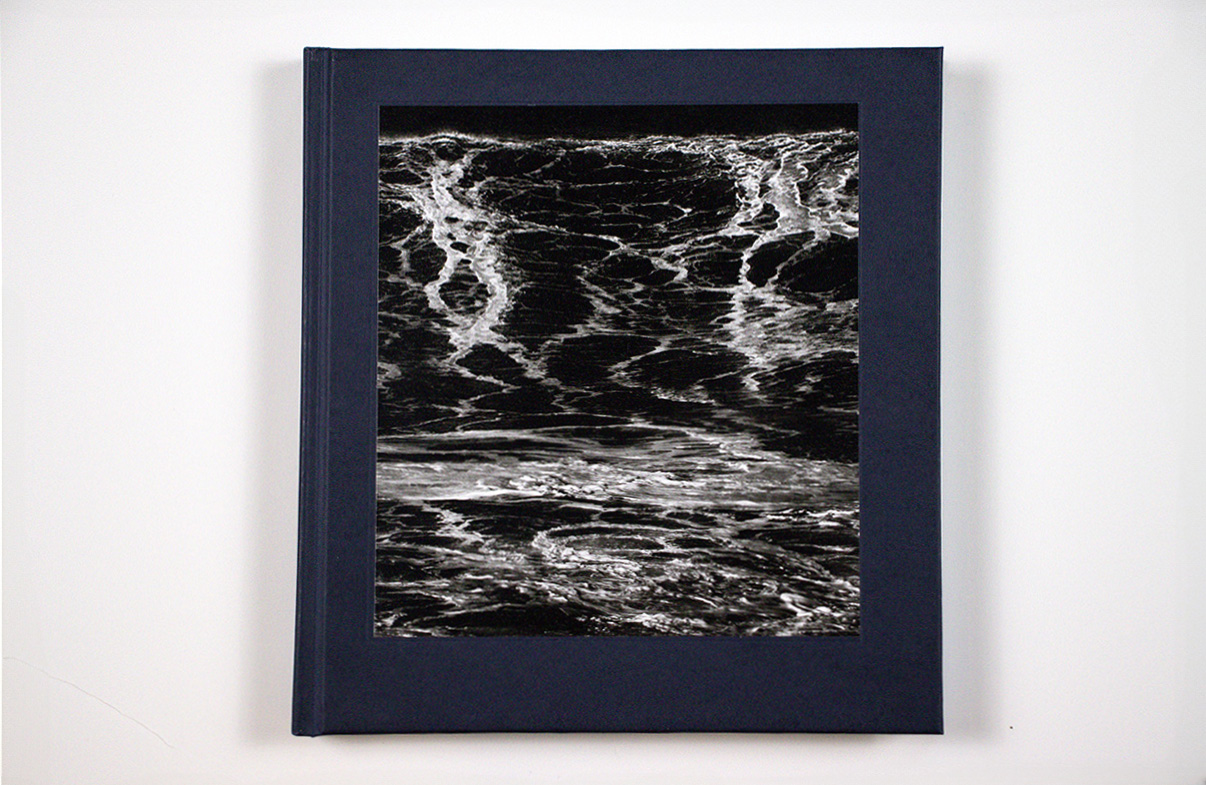
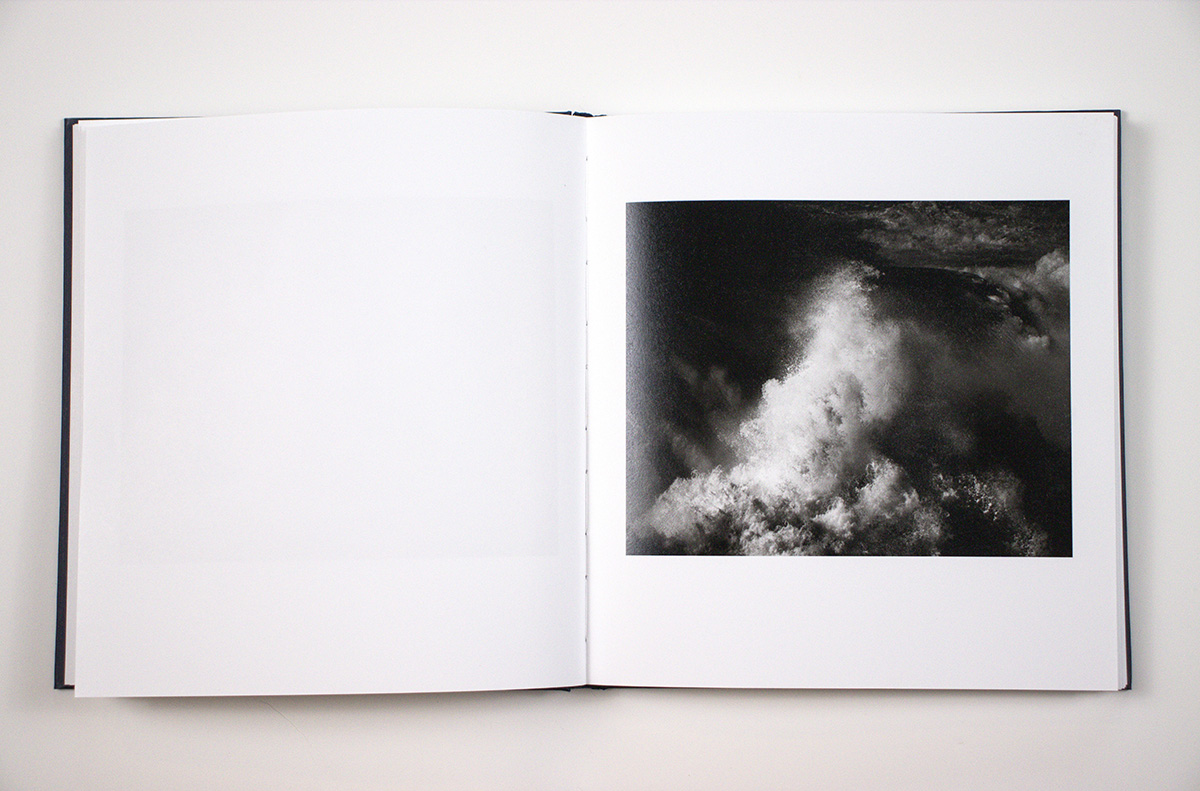
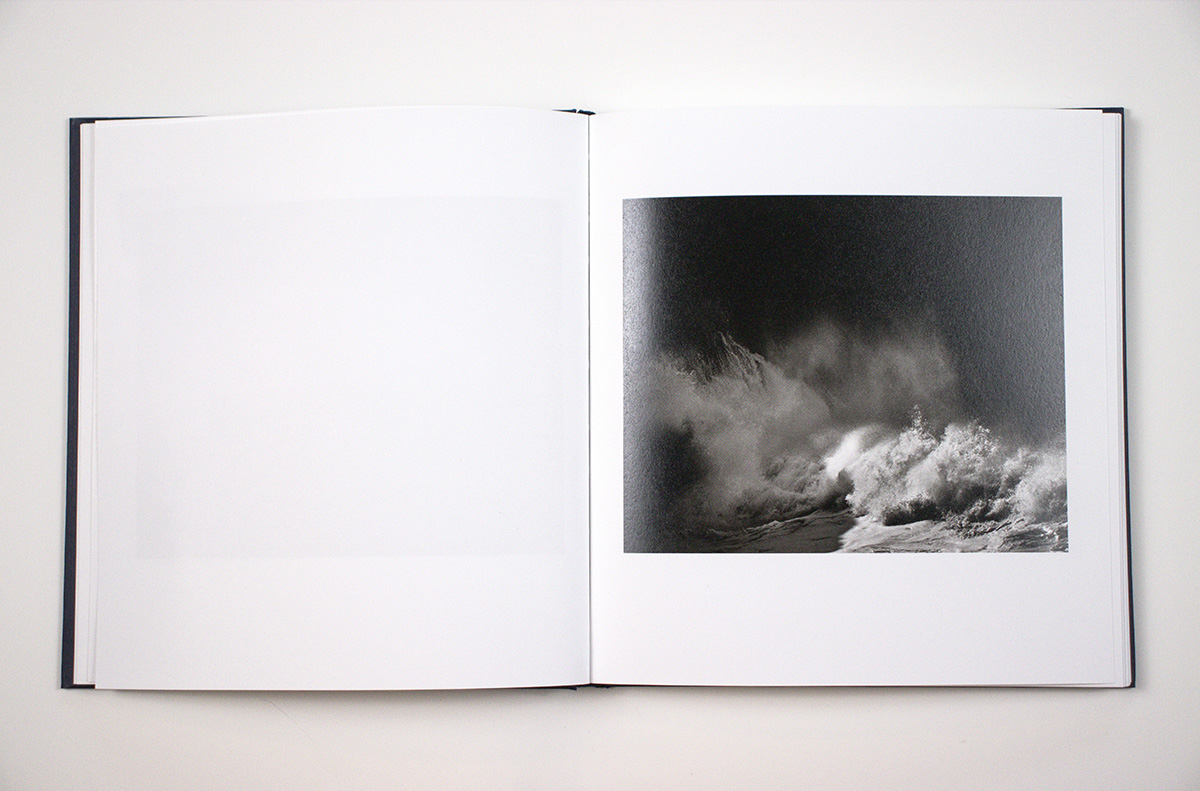
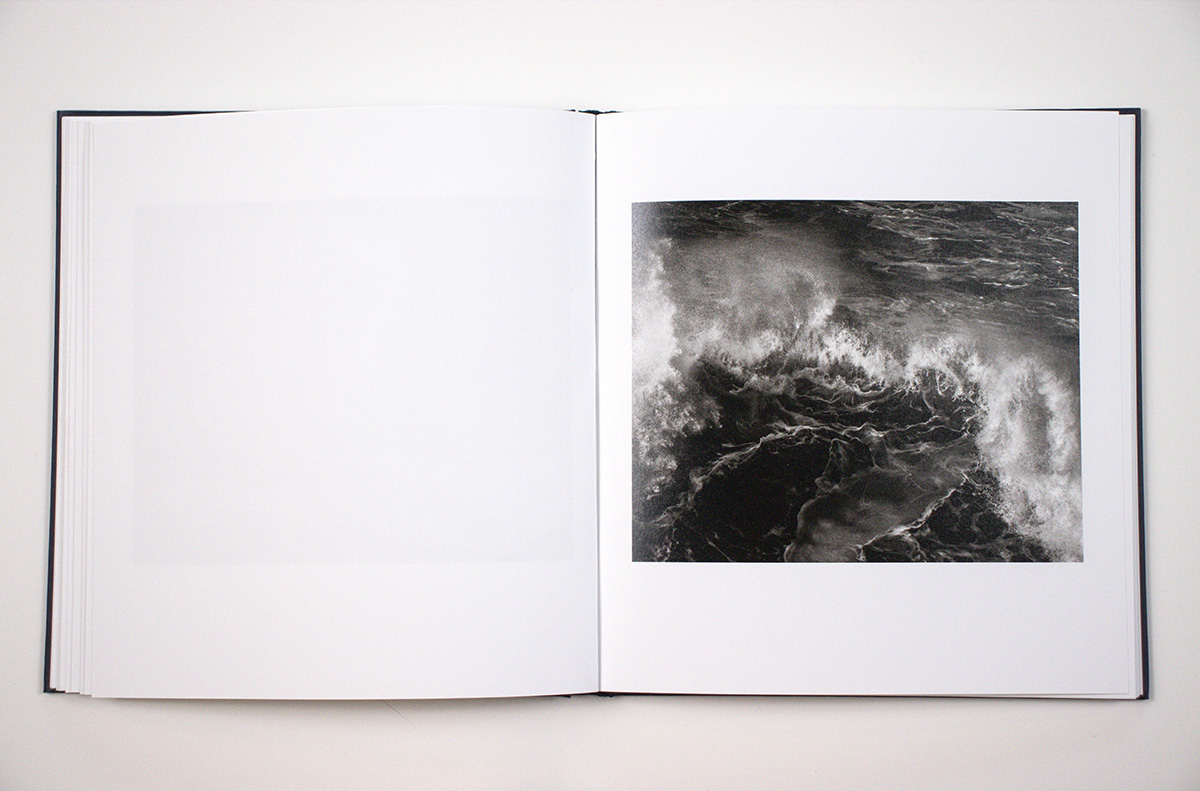
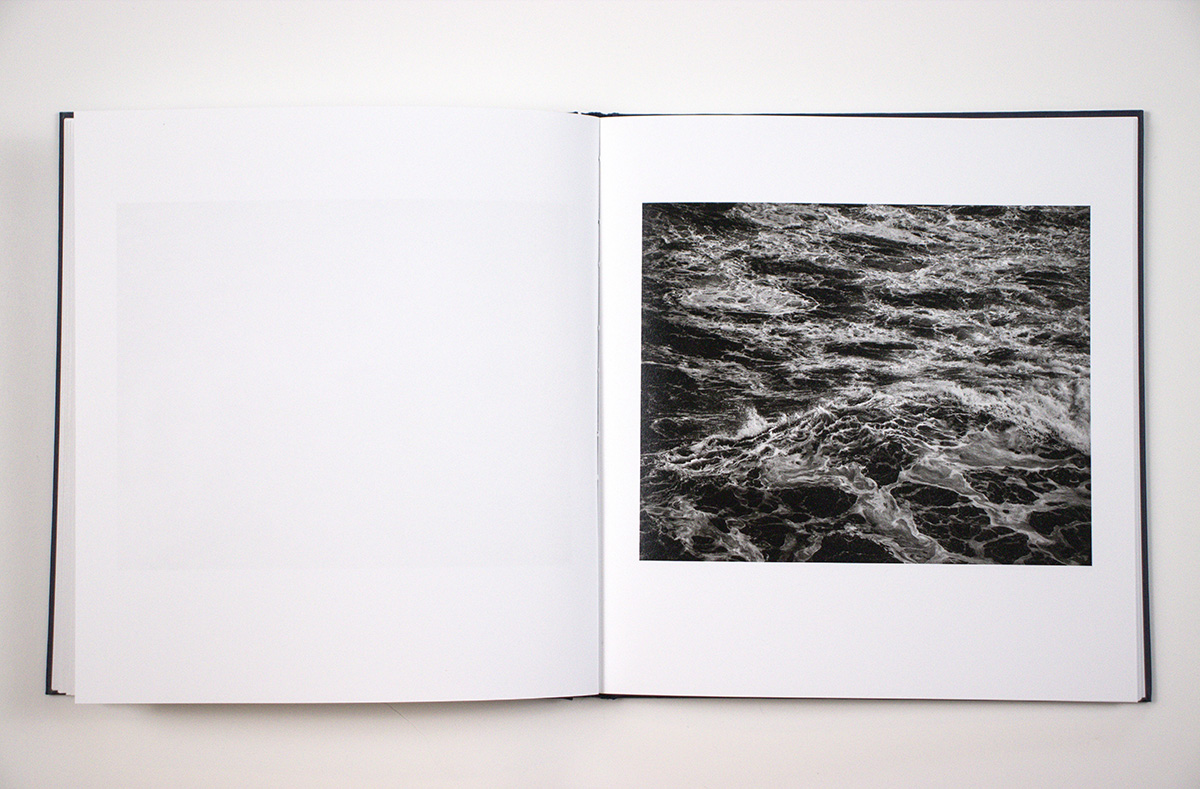
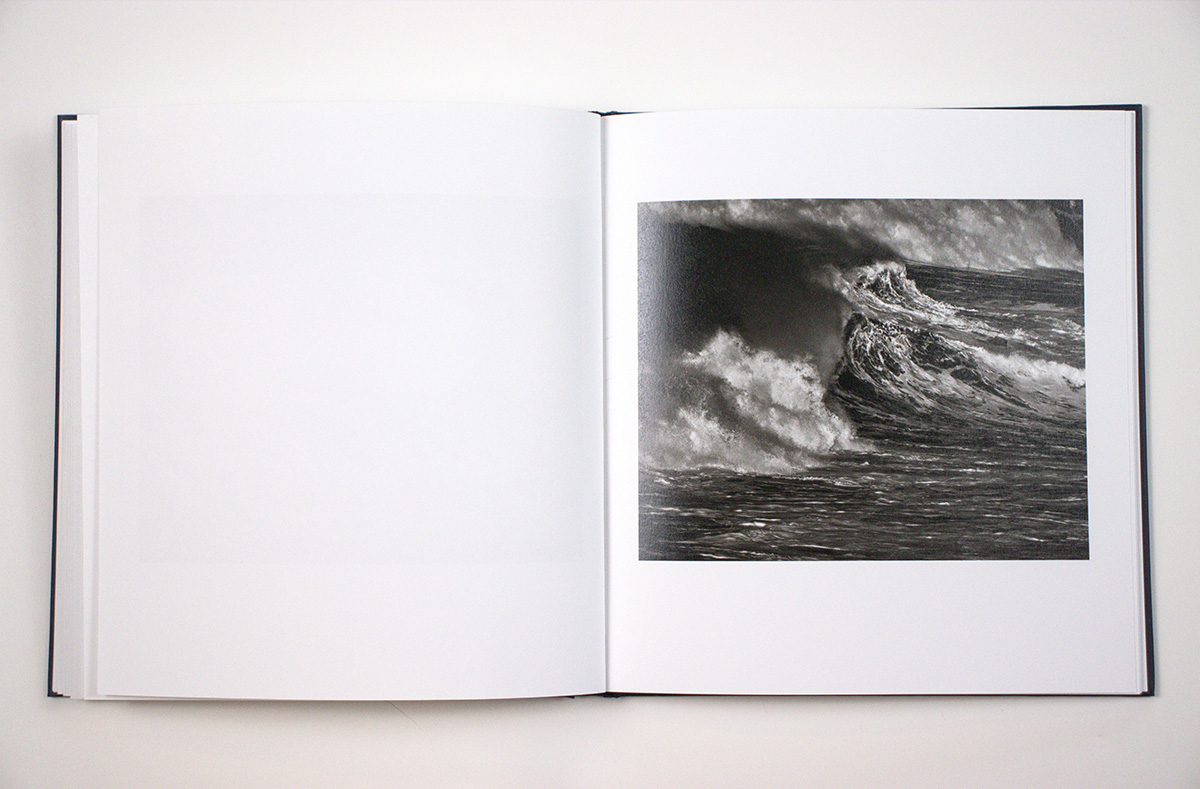
In Maria Elisa Ferraris’ Aqua we witness the wild, terrible, awesome, raw, relentless power of water. In 34 spectacular photographs it rises, falls, lifts, pushes, pounds, churns, heaves, hammers, roils, boils, breaks, surges, slams, crashes, smashes, thunders, roars, and rages. It comes at you and doesn’t stop.
The images in Aqua were made in Nazaré, the coastal town and surfing mecca in Portugal known for having the largest waves ever surfed. The book is not about surfing however. You do not see any humans, and in only a few places do you even see the shore.
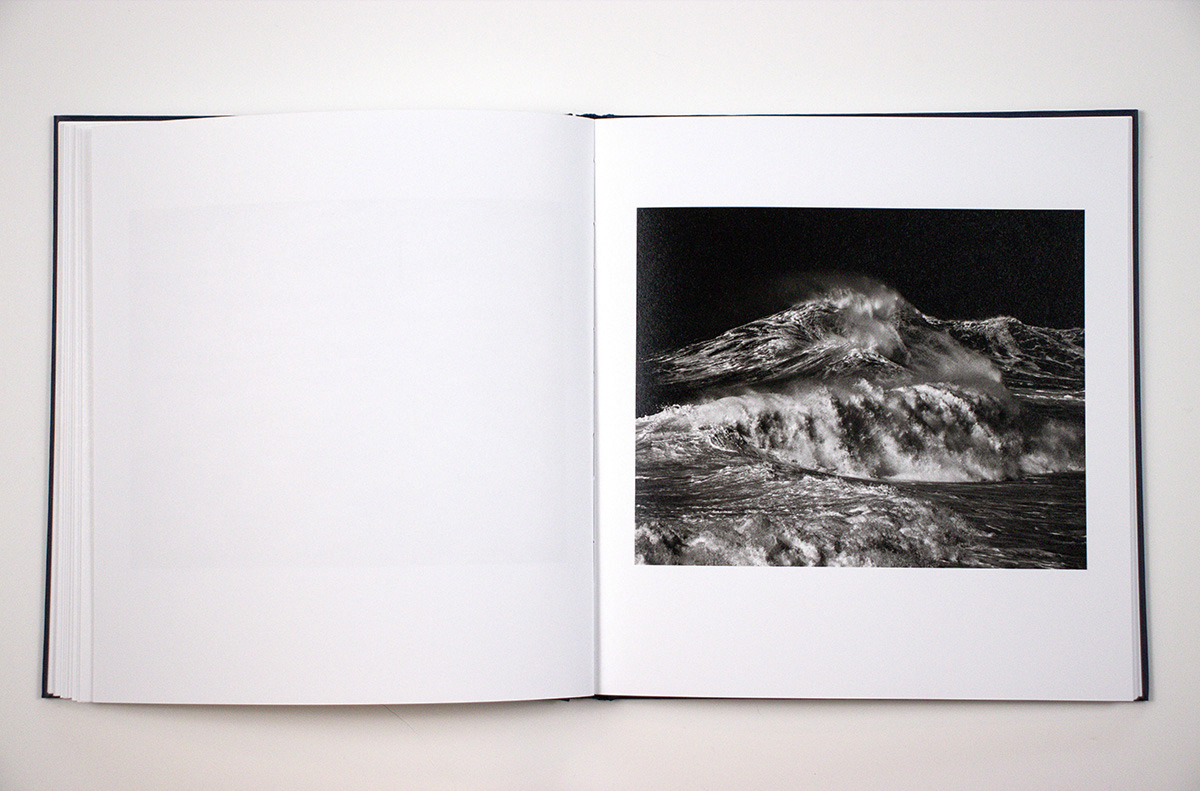
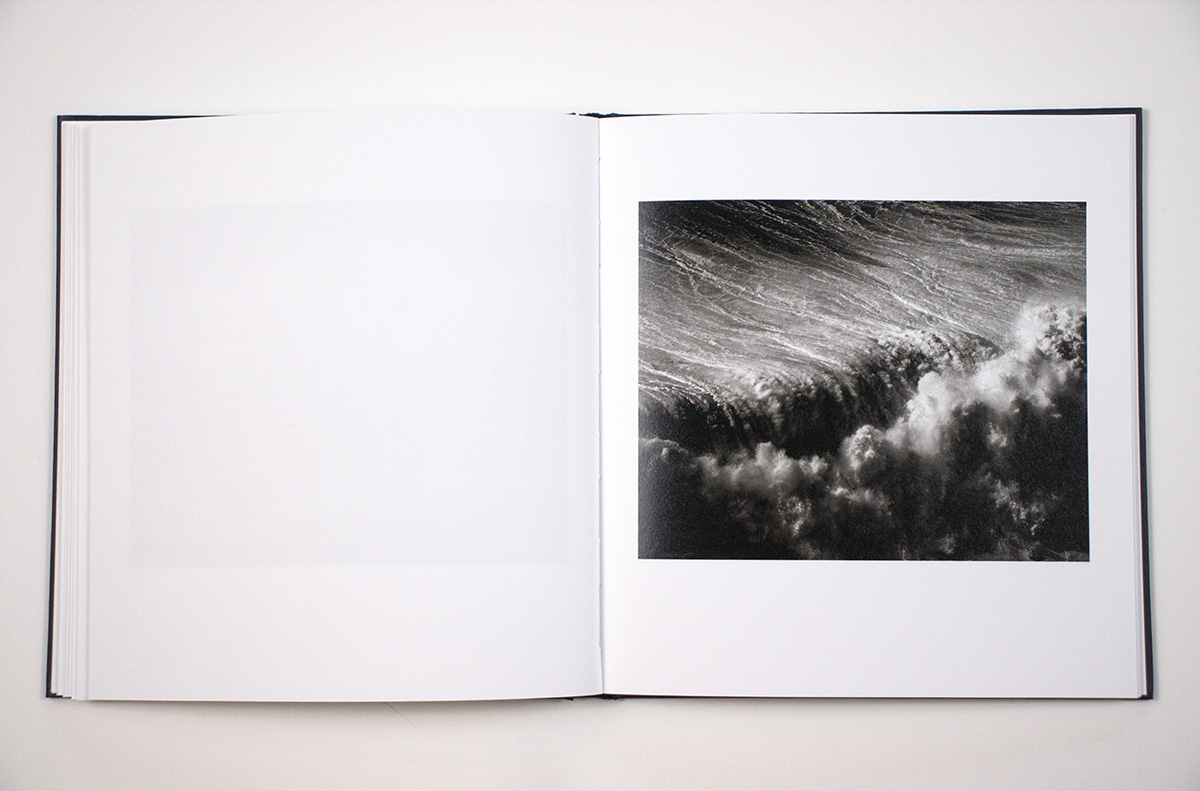
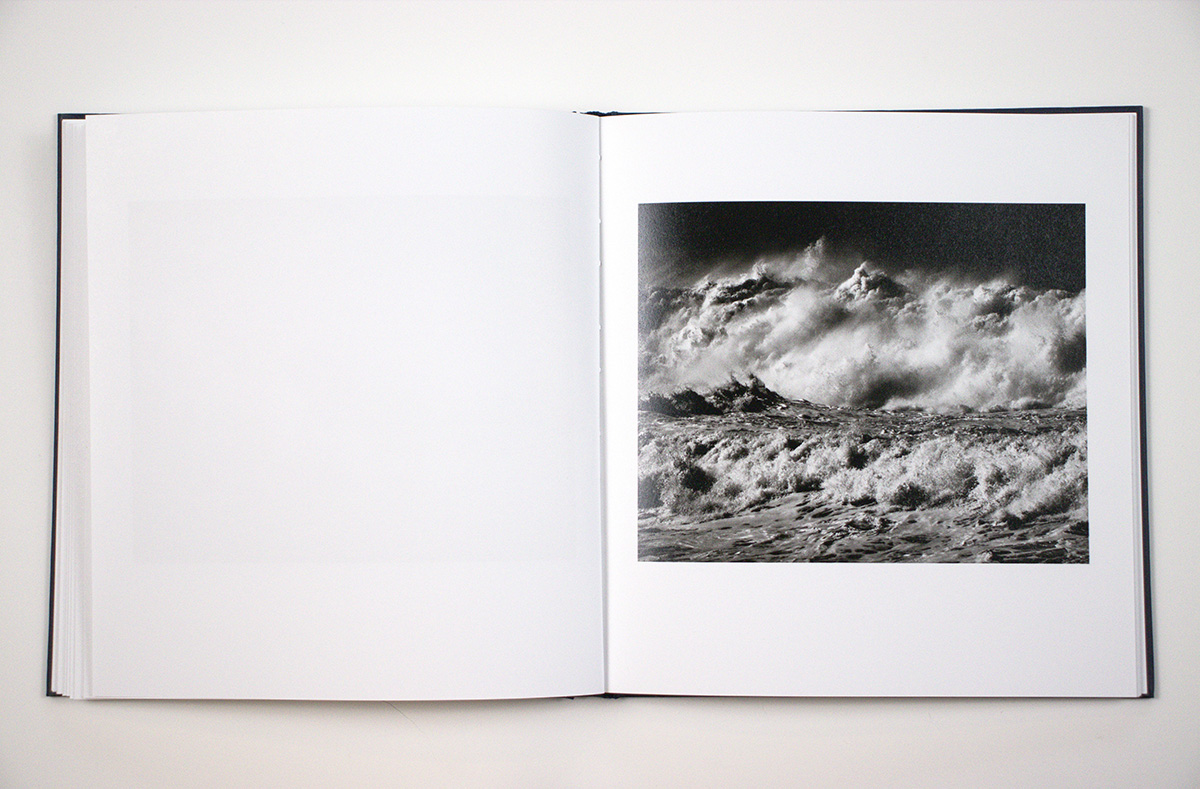
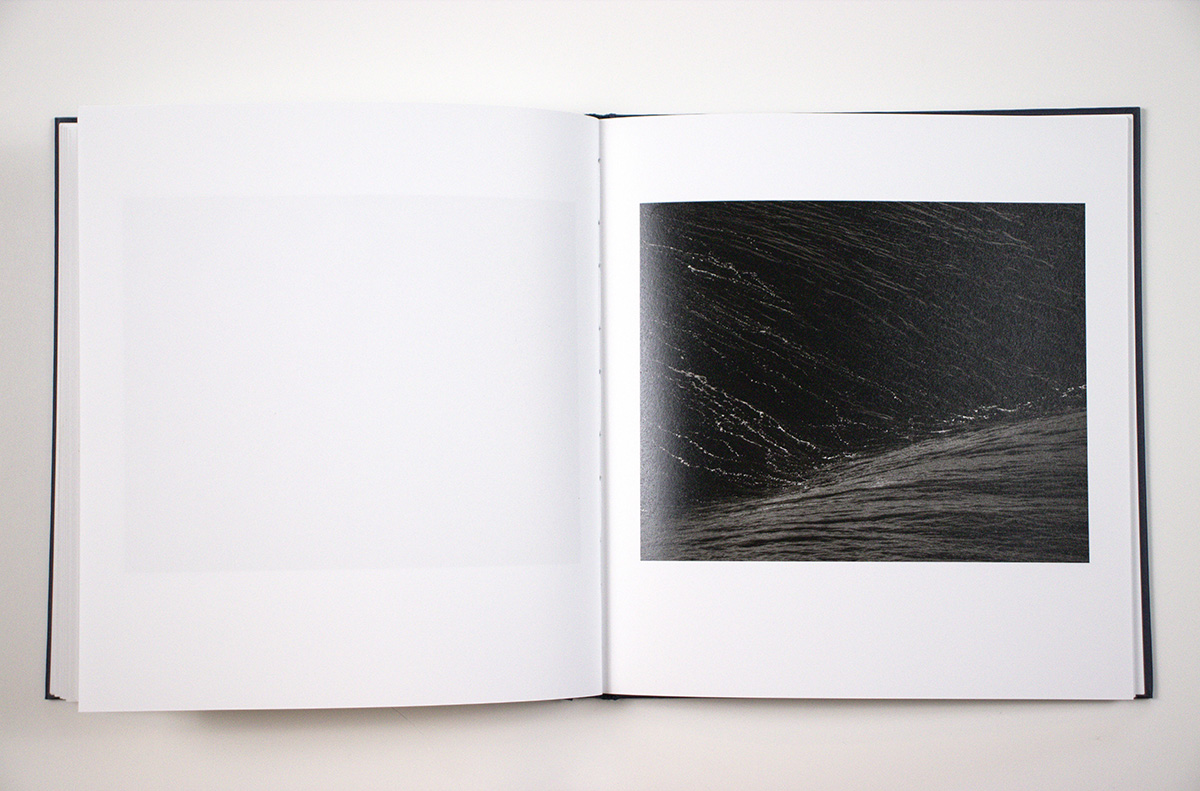
The photographs are black and white, apparently made with a longer focal-length lens that slightly flattens the images. They offer a varied inventory of wave forms, many of them breaking, some details and some wider views. The light is saturated with deep shadows. Rich, bold blacks and shining highlights are favored and mild, nuanced midtones are mostly absent. If it were music, Aqua would be played fortissimo rather than piano.
Aqua makes a good case for why the photobook is its own thing, distinct from, but built of, individual photographs, in the same way that a story or essay is more than the sum of its sentences. The photos are landscape format, except the concluding one, and they are sequenced one to a page. After we absorb their visual sound and fury, two blank pages separate the body from a final image of a slight swell, smooth and calm, but suggesting the menacing threat lurking beneath the surface.
At about eight inches long by eight and a half high, the book is not coffee-table sized. A commercial publisher would likely scale it larger, aiming to up its impact, but it would lose its intimacy along with a measure of its understated poetry. Like with other successful photobooks, the images in Aqua do the work of showing the viewer what they are about. No explanation is required to connect with their cumulative force.
A short poem by the author that evokes the ocean precedes the photographs, and a printed insert in the form of a conversation with writer / editor Matilde Manicardi provides background as to Ferraris’ intentions. They suggest that the ocean can stand for many things, from our inner emotional state to our relationship with nature to the constantly changing shapes and forms of the visible world. Ferraris discusses the origins and development of her project and mentions that, watching them, “the waves become creatures of countless forms, swirling in vast, uncontrollable masses… their sheer volumes and endless shapes within them evoke a sense of anxiety, something frightening, crushing, and hurling – an elusive fear.”
____________
Hans Hickerson, Associate Editor of the PhotoBook Journal, is a photographer and photobook artist from Portland, Oregon.
____________
Maria Elisa Ferraris – Aqua
Photographer: Maria Elisa Ferraris (Born 1995 Turin, Italy)
Text: Poem by Maria Elisa Ferrari; conversation with Matilde Manicardi
Languages: Italian, English
Publisher: Cesura Publish; © 2024
Design: Maria Caterina Lenti
Translation and copy editing: Matilde Manicardi
Hardbound with tipped-in cover photograph; 7.8 X 8.4 in. / 20 X 21.5 cm; 80 pages, unpaginated, with 34 B/W photos; tipped-in folded page with printed conversation in English; offset printed in Italy by LONGO AG; ISBN 979-12-813960-3-6
____________
Articles and photographs published in the PhotoBook Journal may not be reproduced without the permission of the PhotoBook Journal staff and the photographer(s). All images, texts, and designs are under copyright by the authors and publishers.
 PhotoBook Journal
Leave a comment