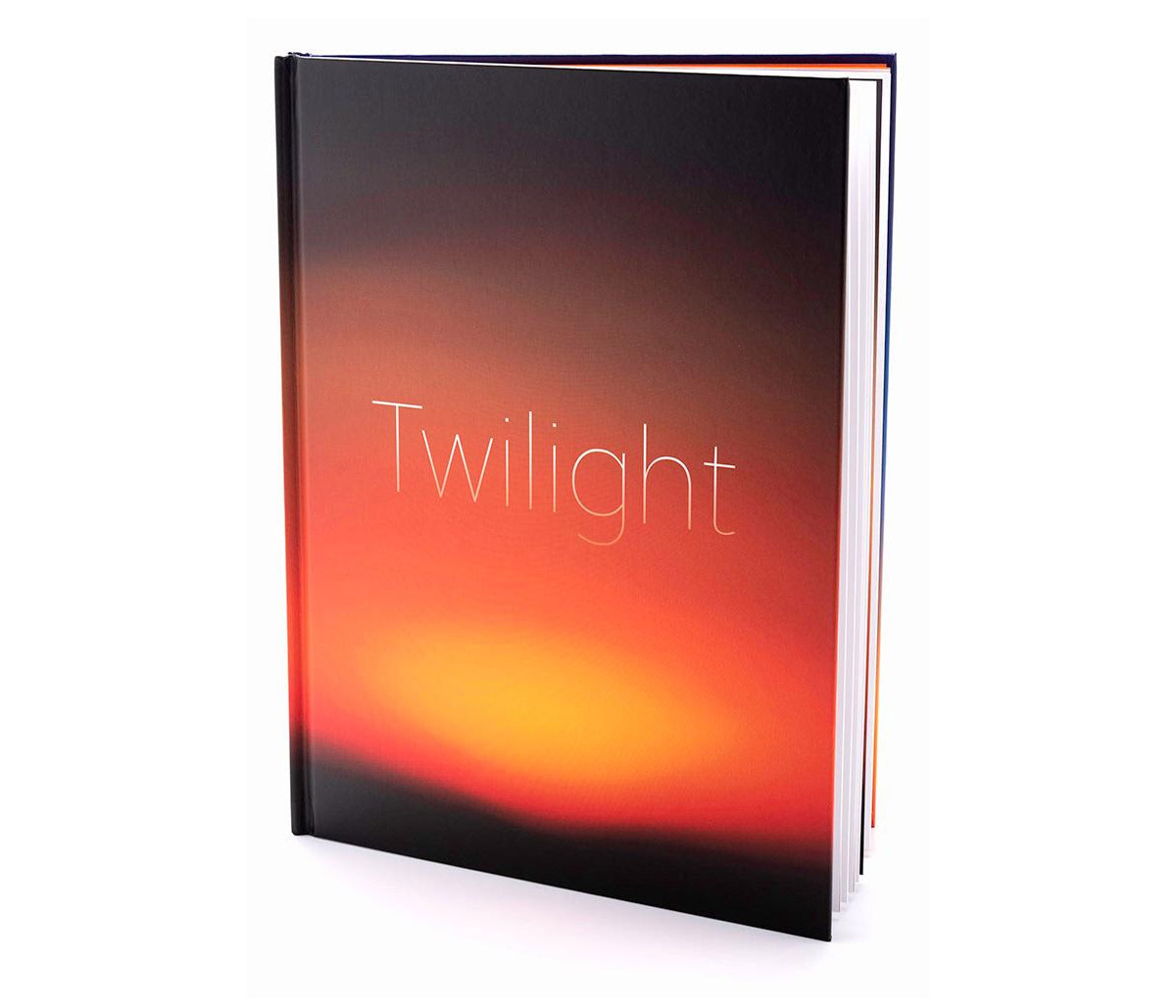
Review by Gerhard Clausing •
As a resident of a town that presents us with plenty of ocean views, I have a special affinity for the moments of twilight, the time between sunset and dusk. The variously nuanced moods presented by a combination of nature, especially the sun and environmental strata, can at times lead to extraordinary color combinations, special kaleidoscopes that are very difficult to capture and explain to outsiders. But those of us that are near the ocean, in this case the Pacific Ocean, know better.
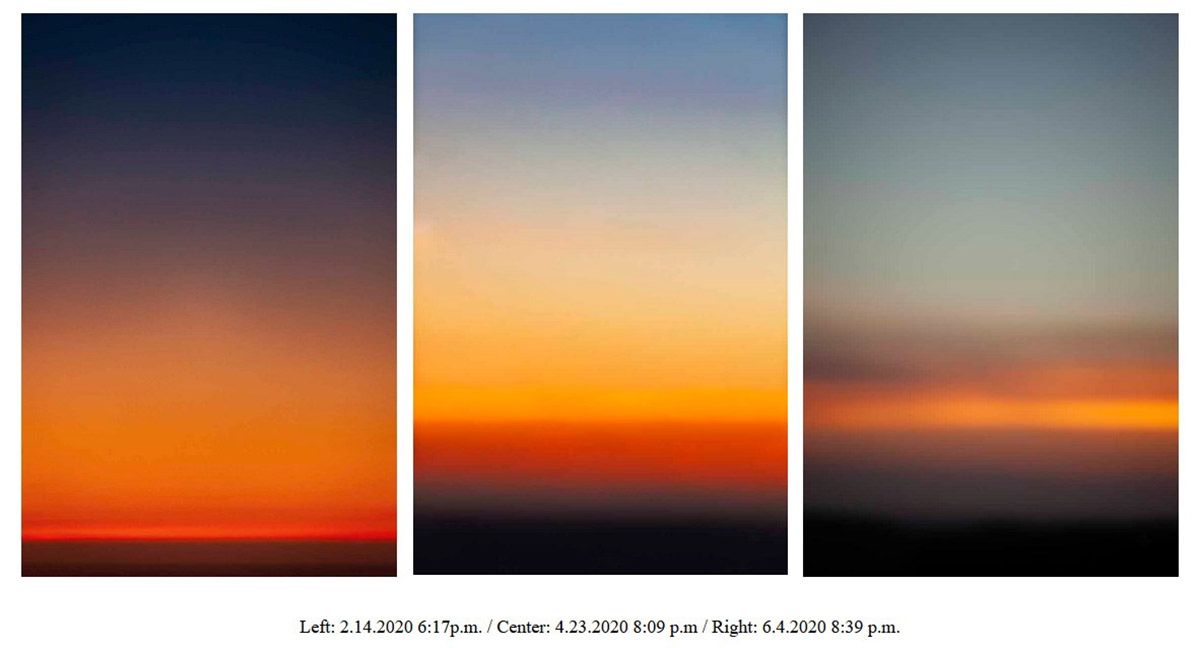
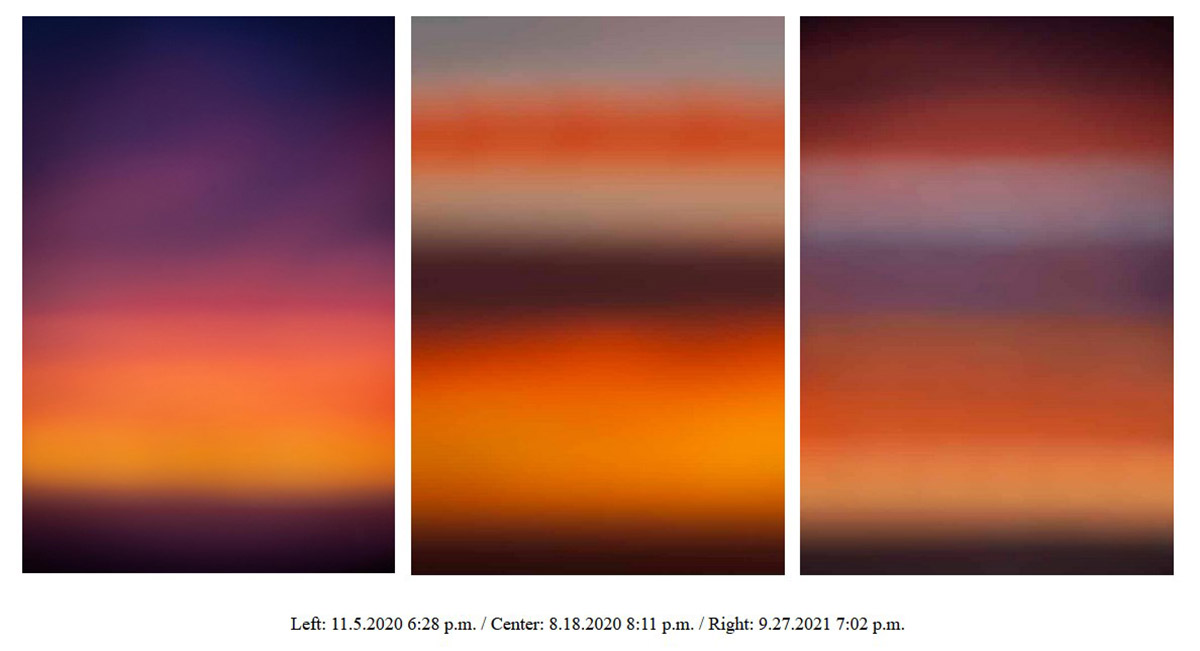
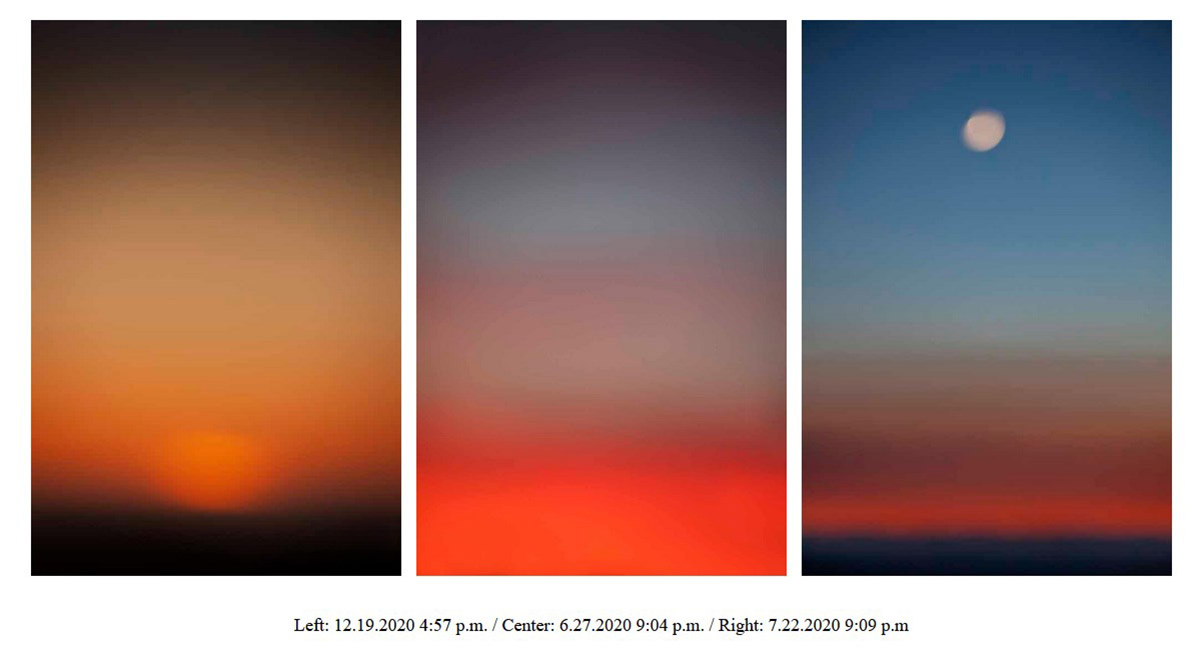
When I saw the announcements of this photobook, it made me very happy, because these doubters can finally be shown plenty of artistic evidence. Here at last is the work of a gifted chronicler of natural events, Arthur Drooker, who had the patience to observe the skies on the coast of Northern California for four years and document the changing colors consistently and faithfully. He developed a special technique that lets go of sharp focus and emphasizes the ever-changing layers of color exclusively on their own terms. This extraordinary photobook presents to us his most amazing results. As he states, by going to ‘soft focus,’ he had a most profound experience: “I wasn’t looking at twilight, I was in it.”
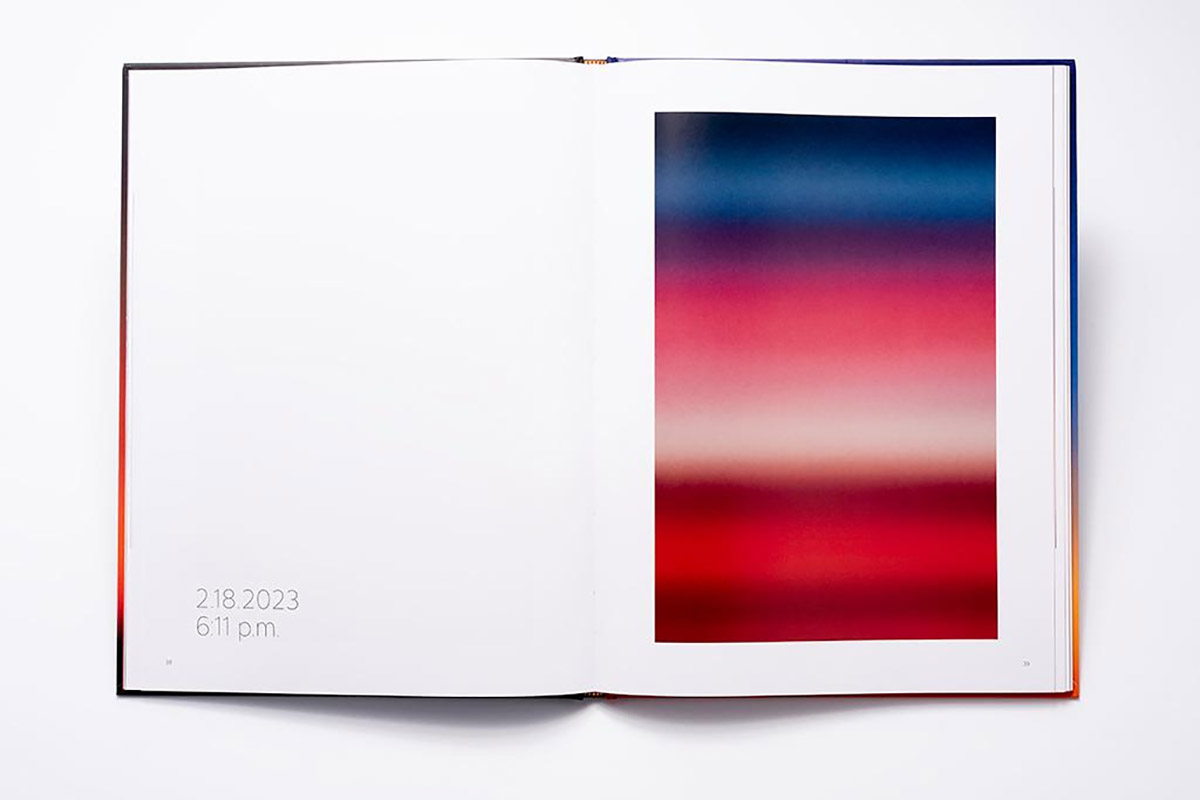
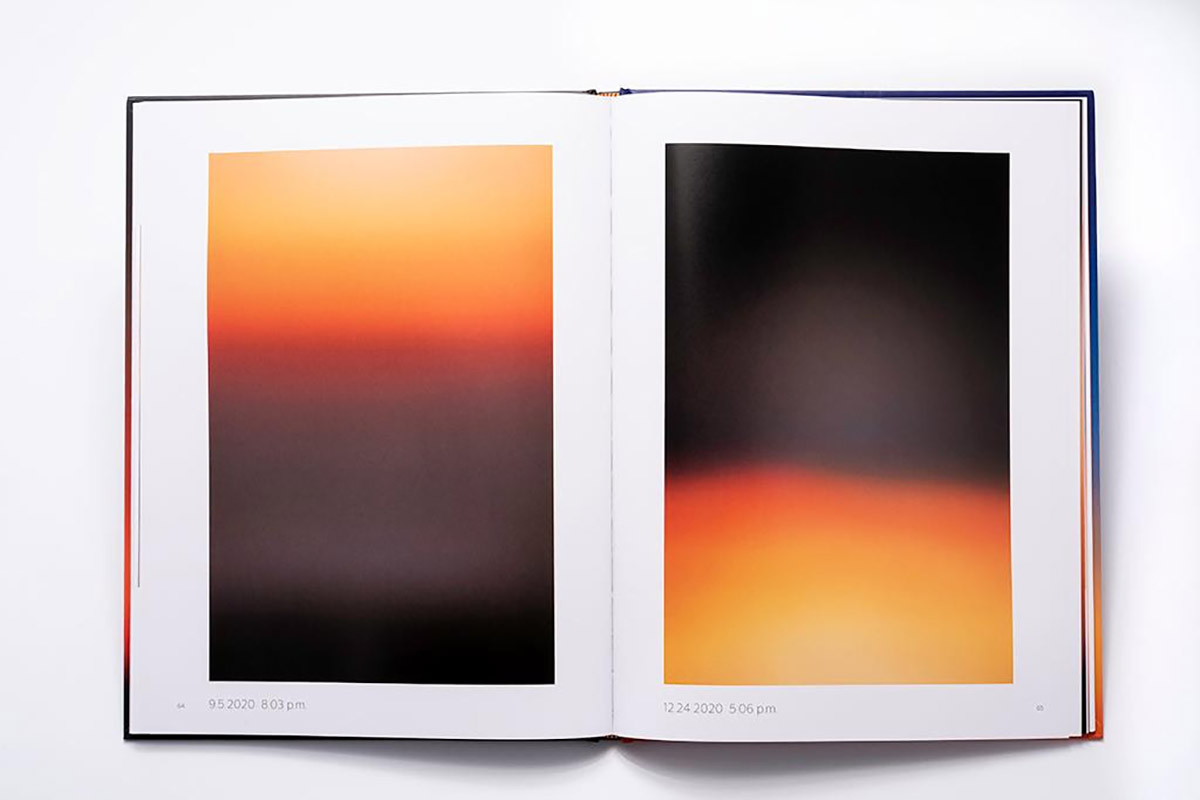
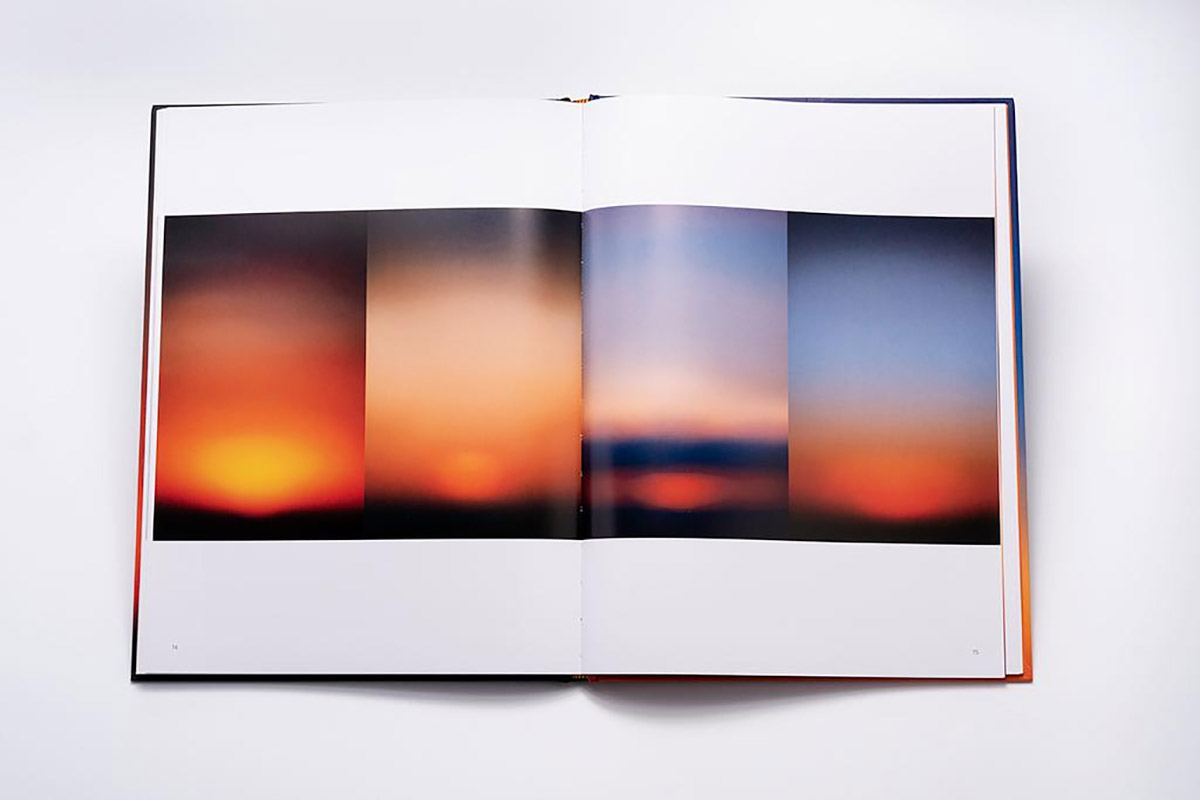
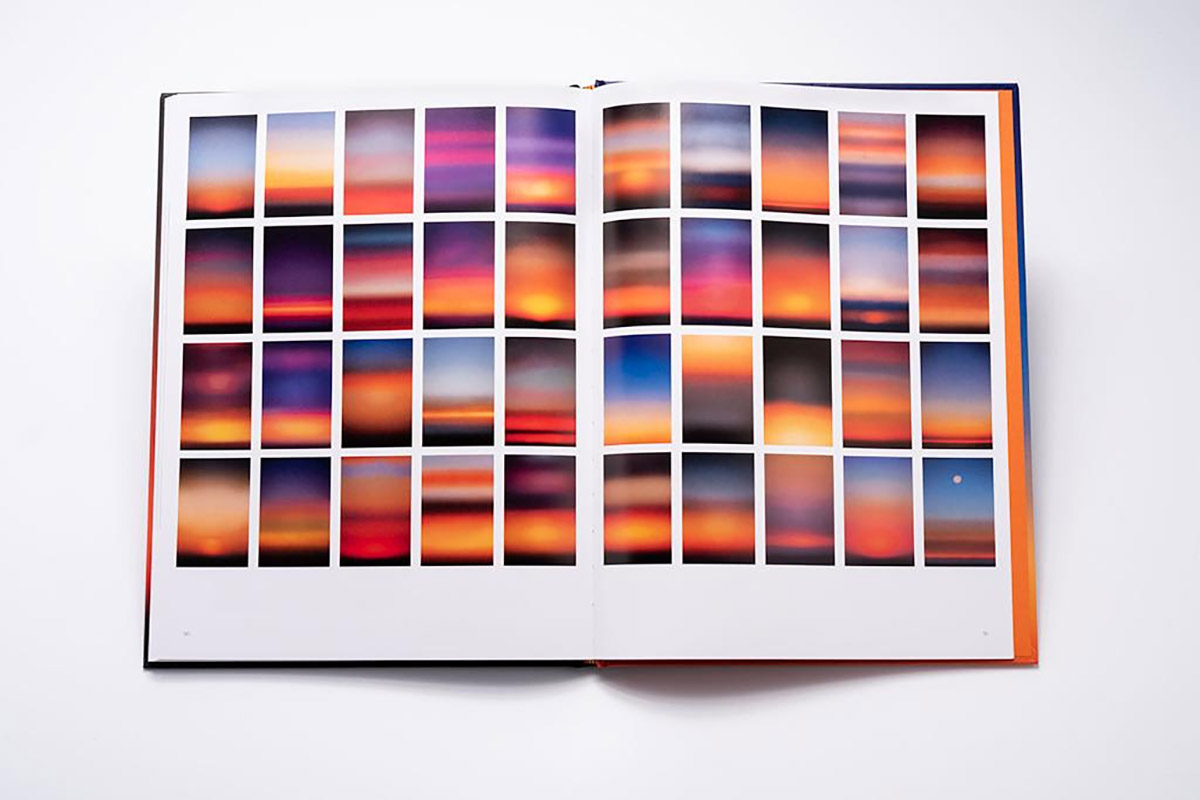
All the images in this photobook are most appealing, each one quite different, and each needs to be appreciated on its own terms. The glorious blue sky is waning, and the last rays of the sun combine with a dense atmosphere to make infinite warm shades of color that make us ponder the beauty of what surrounds us. This is a account of natural phenomena that can only be represented by color photographs.
The human eye, the photographic process, and the printed page of a book all sense and represent these hues with slightly different outcomes, but an excellent digital procedure, combined with meticulous printing, will show off this beauty in equally appealing ways. The images are printed on large-format pages, presented in sizes and sequences that are comfortable and elegant. Most of the images are at least 10 inches tall and some that are printed to the margin even reach 12 inches in height. We too are right in the middle of these kaleidoscopes; we see the last blueness of the waning day gradually yield to the darkness of night, as the last rays of the sun generate layers of warm colors with ever varying reiterations. Sometimes several views are juxtaposed. Dates and times are provided in the captions.
The introduction by Drooker and the essay by Deborah Klochko provide valuable discussions regarding the genesis and progress of the project and the meticulous work and thinking that went into the creation of this set of images. To give up sharp focus in favor of multiple color layers is a meditative step that few photographers are willing to take; it means the beginnings of a journey toward the uncertainties and ambiguities of art, as compared to more predictable photographic documentation. We are reminded of memories that we can attach to twilight skies we may previously have seen as we ponder Drooker’s images, thinking of the people we may have shared such views with as well as of the locations where we saw them.
This photobook is a beautiful work of art that also serves as a reminder, especially when placed on our coffee tables, of the sheer beauty of our everyday existence, of the life cycle of our planet and our part in it, as we are called upon to take better care of it.
____________
Gerhard Clausing, PhotoBook Journal Editor, is an author and artist from Southern California.
____________
Arthur Drooker – Twilight
Photographer: Arthur Drooker (born in New York City; lives in Mill Valley, California)
Publisher: Self-published; © 2023
Texts: Intro by Arthur Drooker; essay by Deborah Klochko
Language: English
Hardback with illustrated cover; 96 pages, paginated; 9.25 x 12.25 inches (23.5 x 31.5 cm); printed in China; ISBN 979-8-218-19803-9
Photobook design: Michael Rylander
____________
Articles and photographs published in the PhotoBook Journal may not be reproduced without the permission of the PhotoBook Journal staff and the photographer(s). All images, texts, and designs are under copyright by the authors and publishers.
 PhotoBook Journal