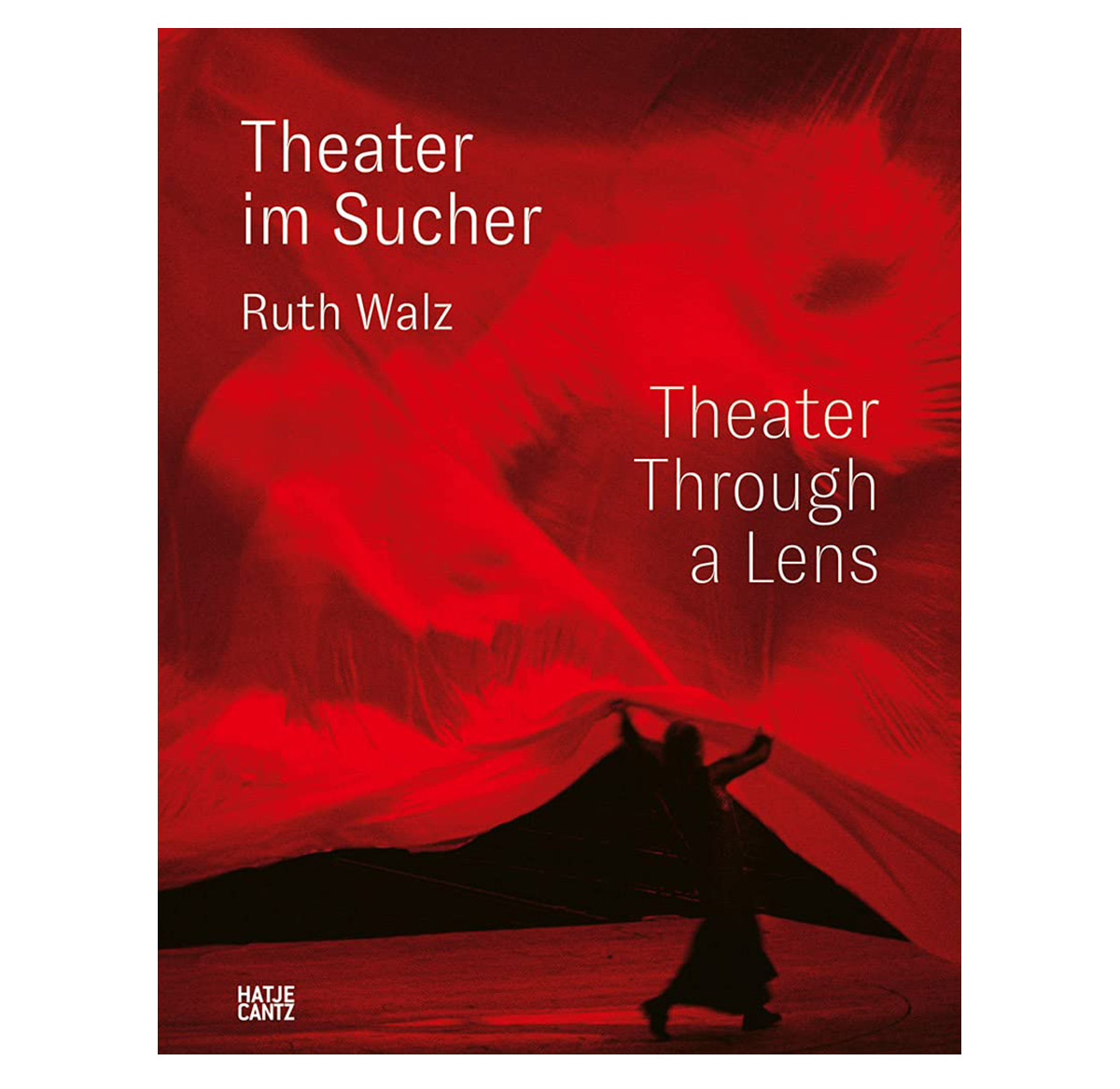
Review by Gerhard Clausing •
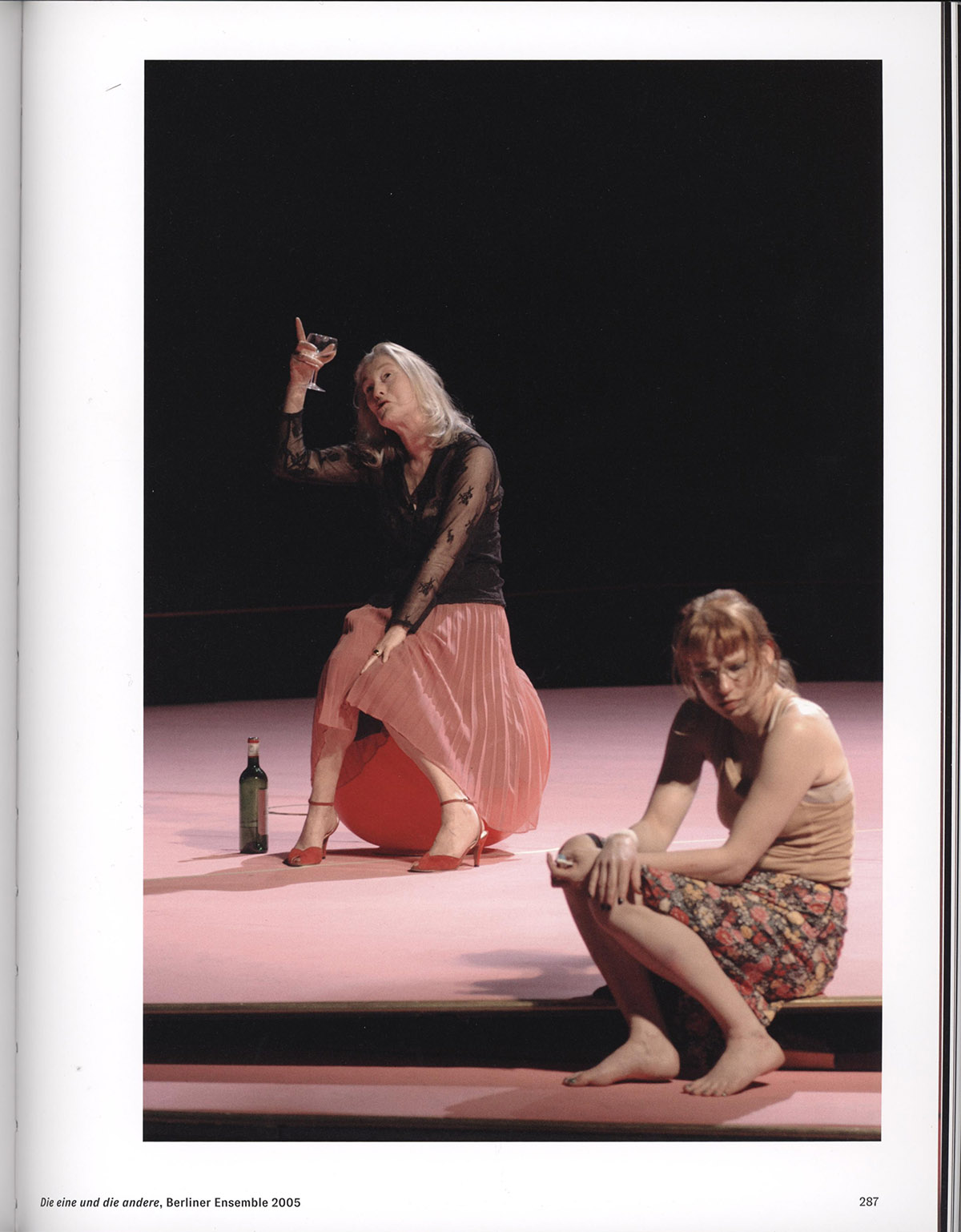
Stage photography, especially when it involves theatrical productions, is both a craft and an artistic endeavor requiring great skills. Not only do you have to be in command of your photography, but you also have to be a talented communicator, dealing with the director of the play, with the actors, as well as with the technical staff. You are working with given settings, arrangements, and movements, and you often need to work with lighting that may sometimes need to be adjusted for your still pictures. Some of the actors may be most concerned about how good they look in your final images, rather than making the interpretive intent their primary concern. The goal is to incorporate the meaning of the performances into a few single pictures: whether they will go into the program, be used for promotion and attracting audiences, or be incorporated into museum shows or artistic photobooks like the one we are reviewing here. I know from what little stage photography I did in Minneapolis and Los Angeles, that the demands are often extremely taxing, while the results can ultimately be quite gratifying.
So it was wonderful when I was in Salzburg, Austria, this summer and saw the exhibit of the work of Ruth Walz at the Museum der Moderne (Rupertinum), which will still run through November 12, 2023. Appreciating the work firsthand on museum walls served as an excellent reminder regarding this elaborate photo book that was published by Hatje Cantz at the end of 2021. It features Ruth Walz’s work in great detail, along with many excellent explanations. The accomplishments of a photographic career of documenting and interpreting stage work cannot be summarized easily in a short review like this, especially since 50 years are involved, half a century of collaboration with creative teams on various stages, but the book goes a long way toward providing a comprehensive approach.
The photobook has seven major sections, raging from specific genres, such as classical Greek drama and Shakespeare, to specific directors with whom Waltz has worked (especially Botho Strauß), and three final chapters which give great insights into handling staged spaces and visual arts phenomena on the stage. A concluding special section serves as a tribute to her partner, the late actor Bruno Ganz.
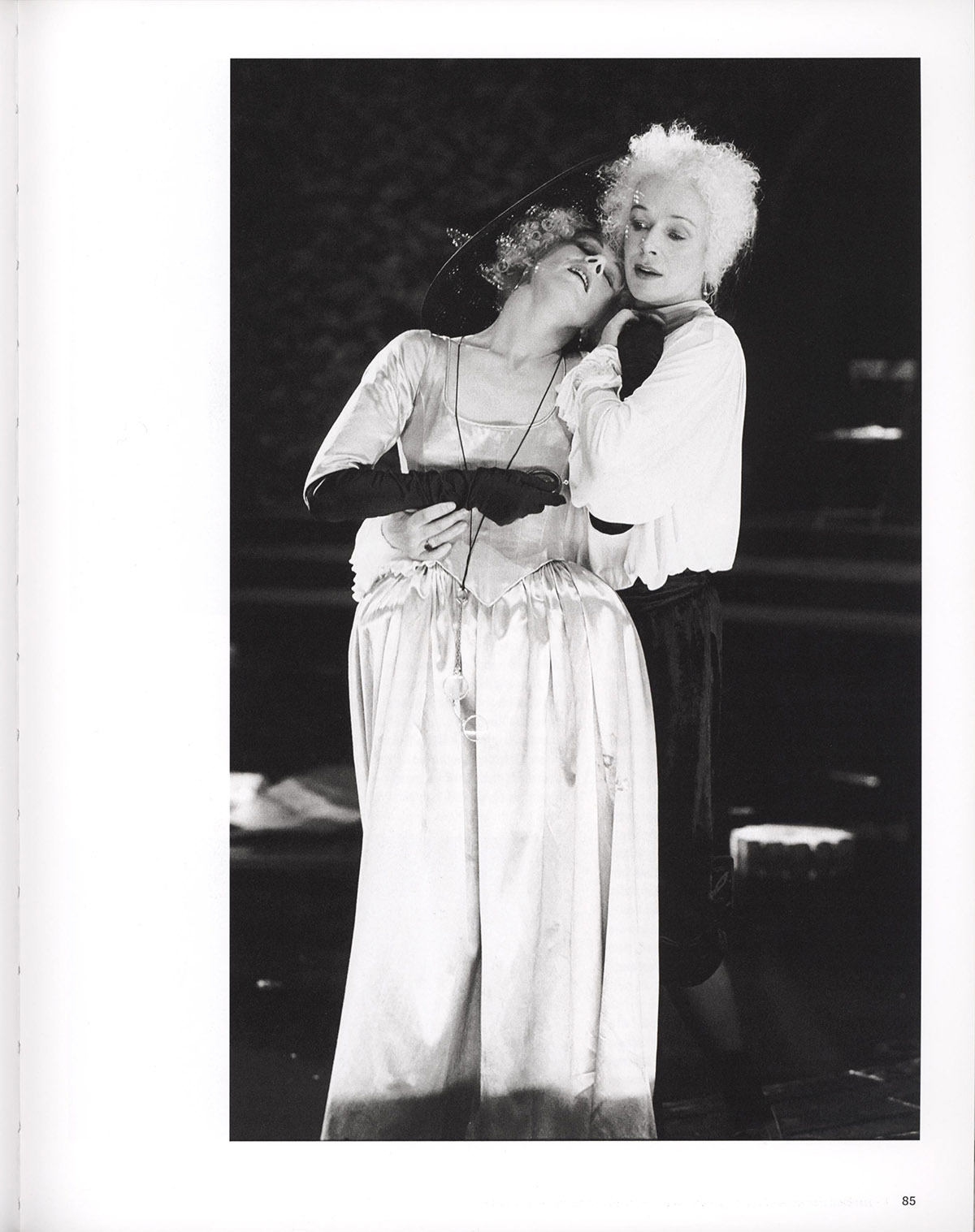
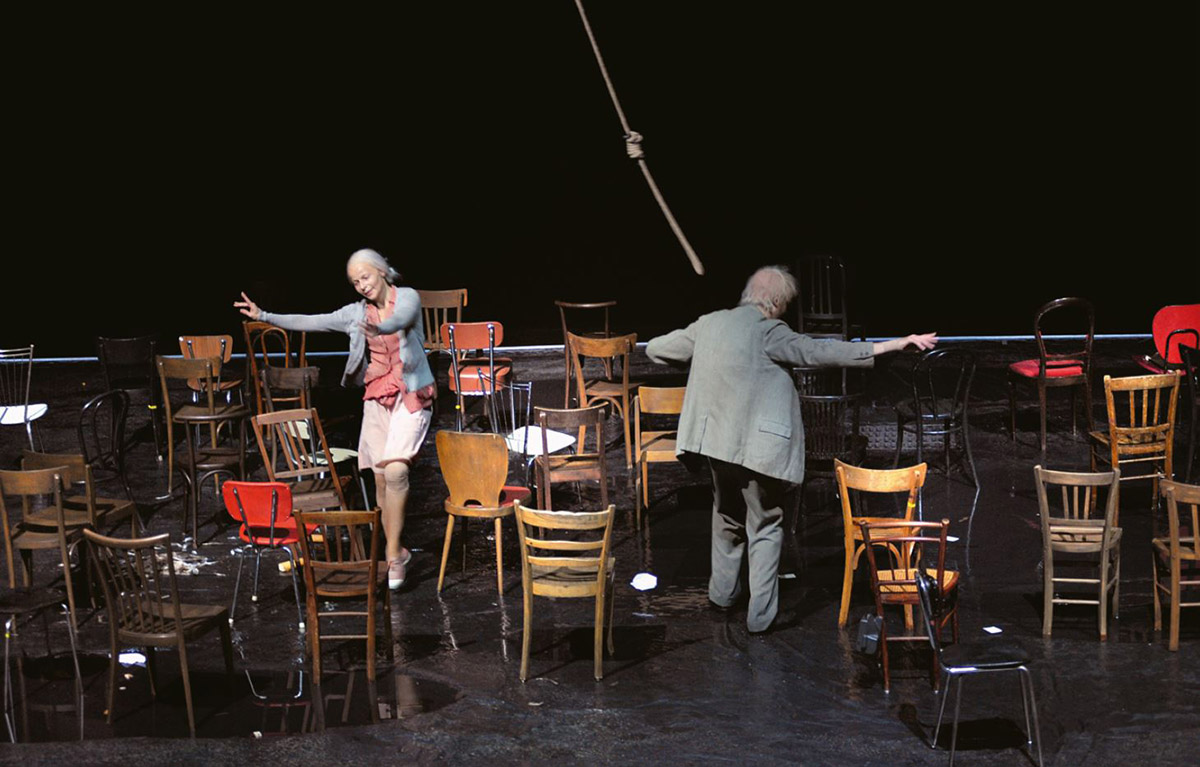
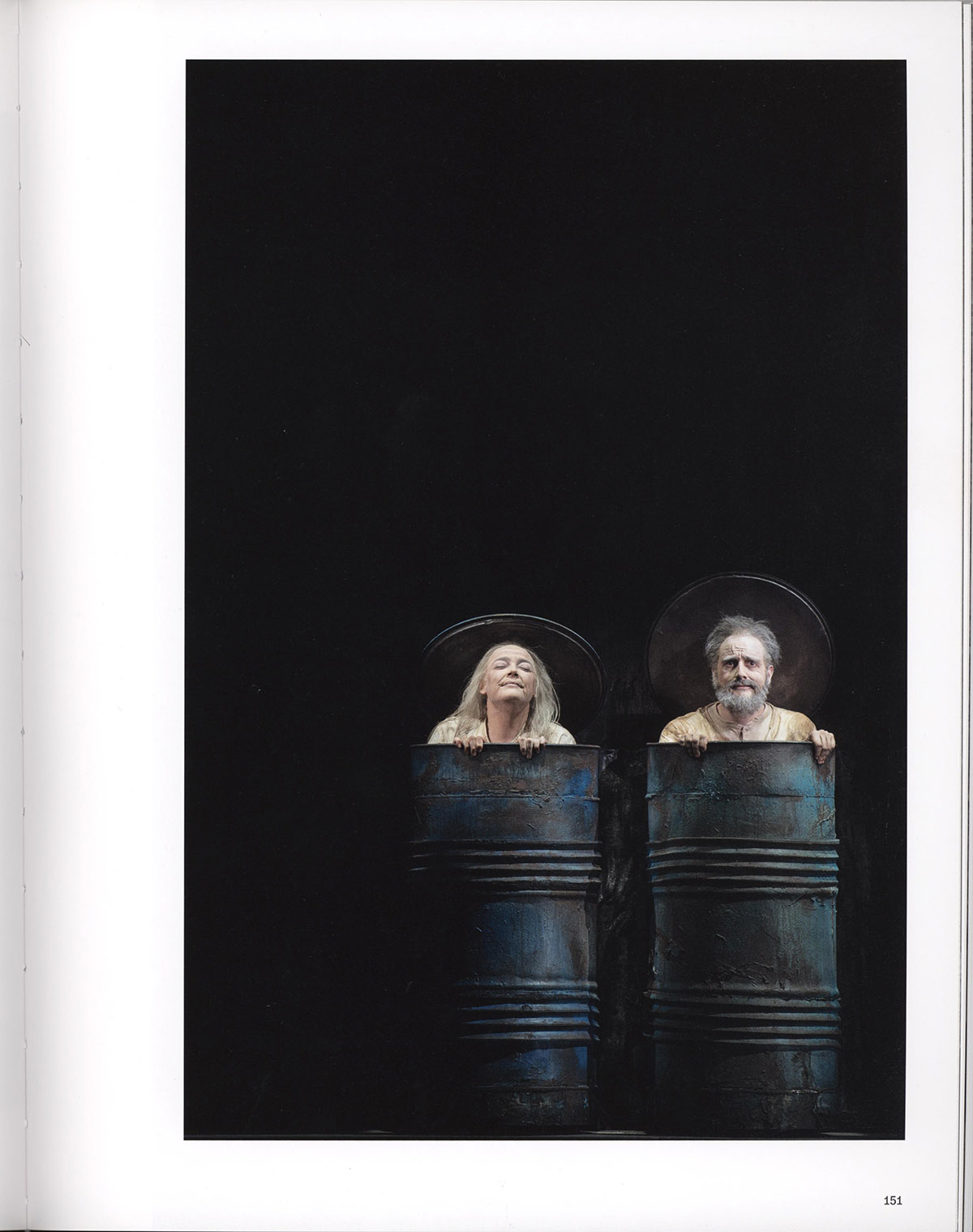
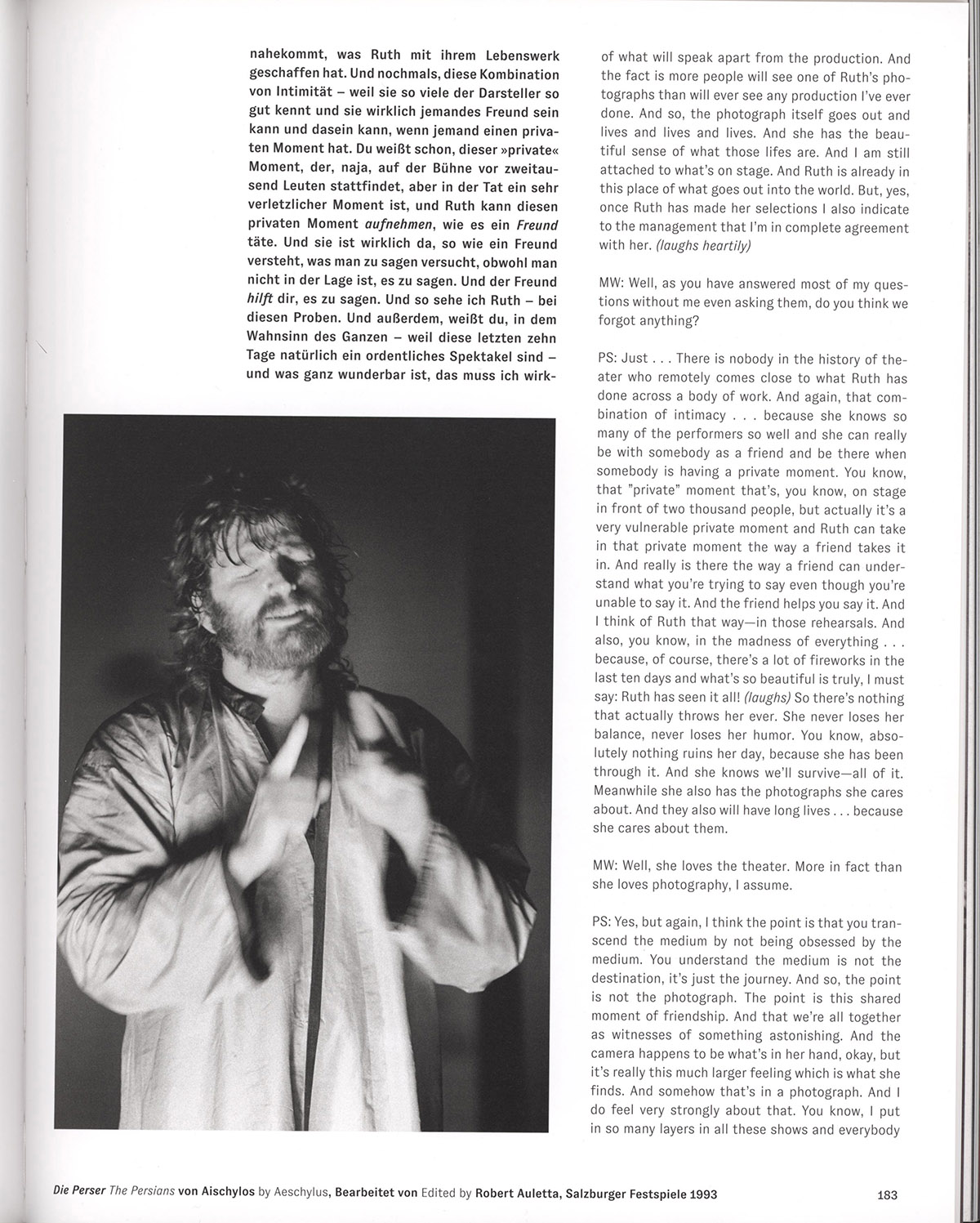
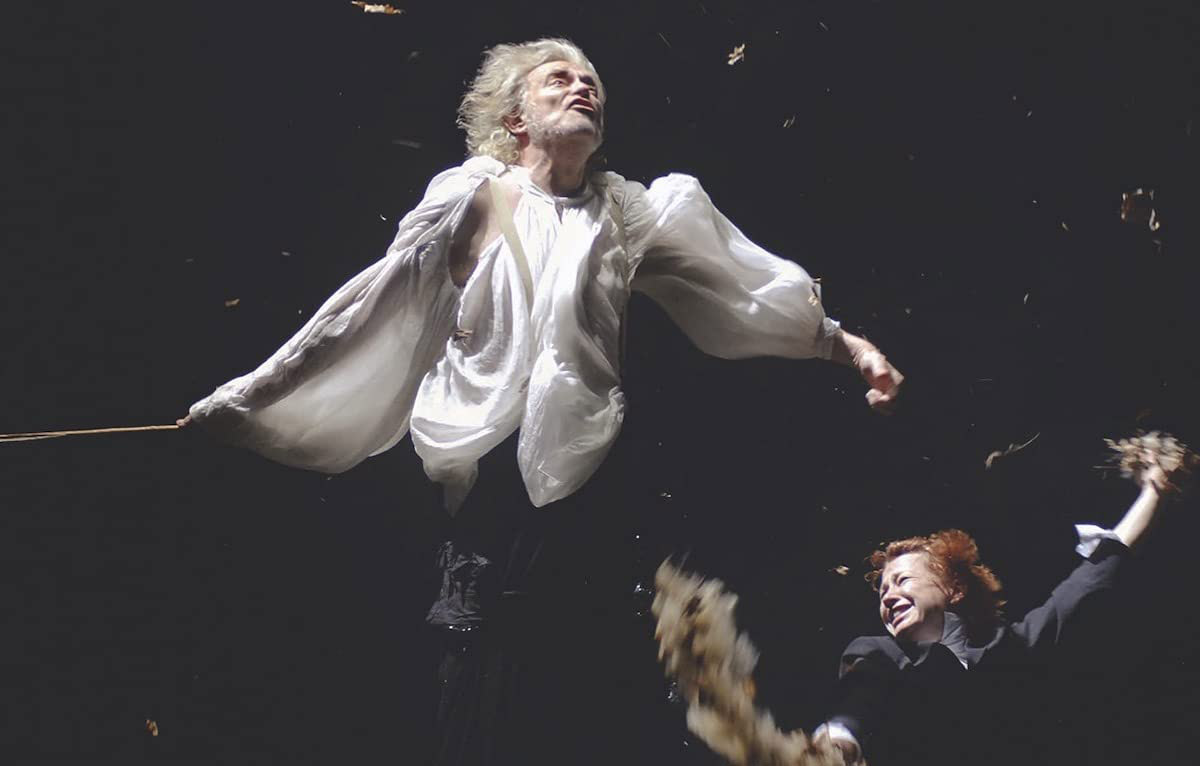
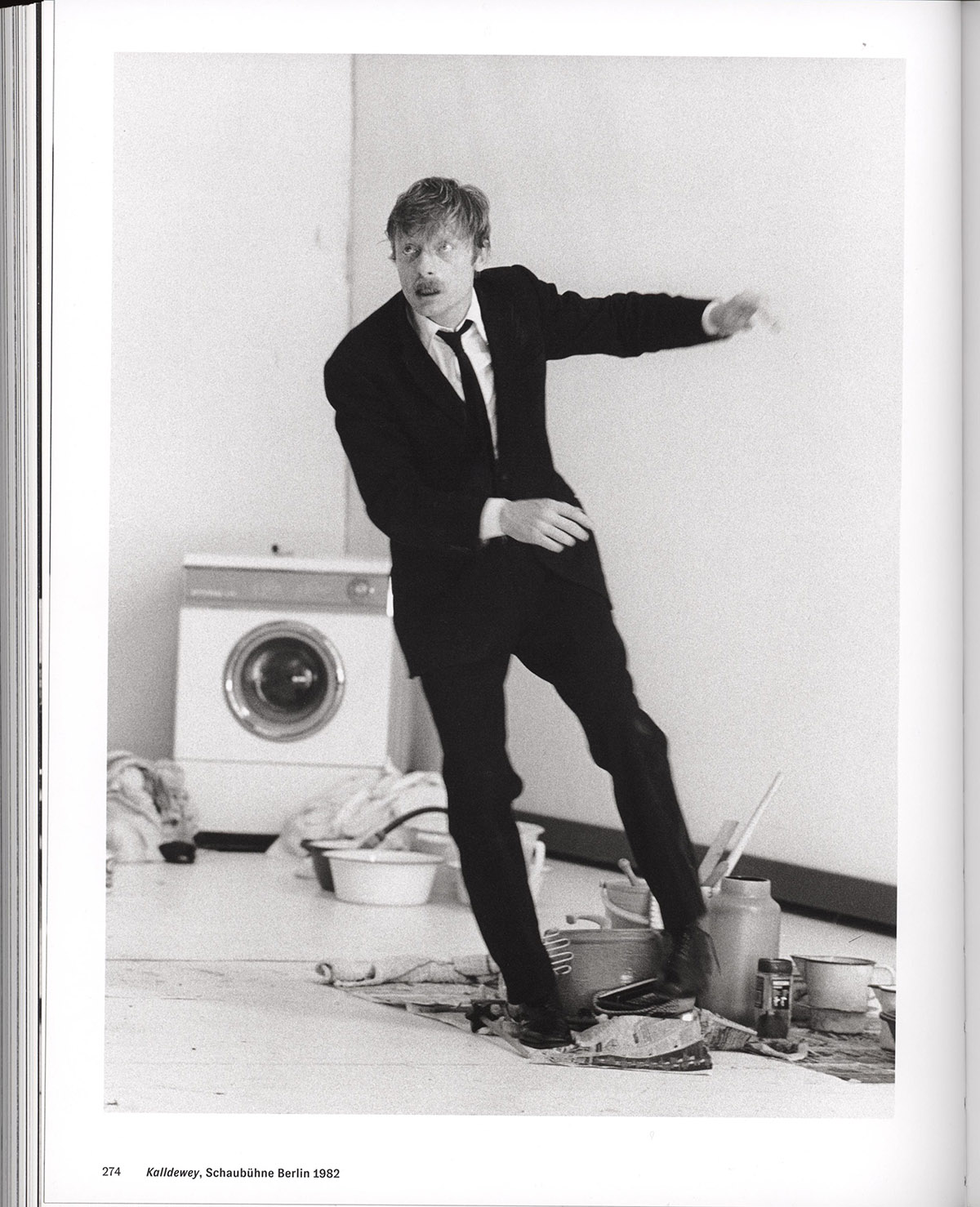
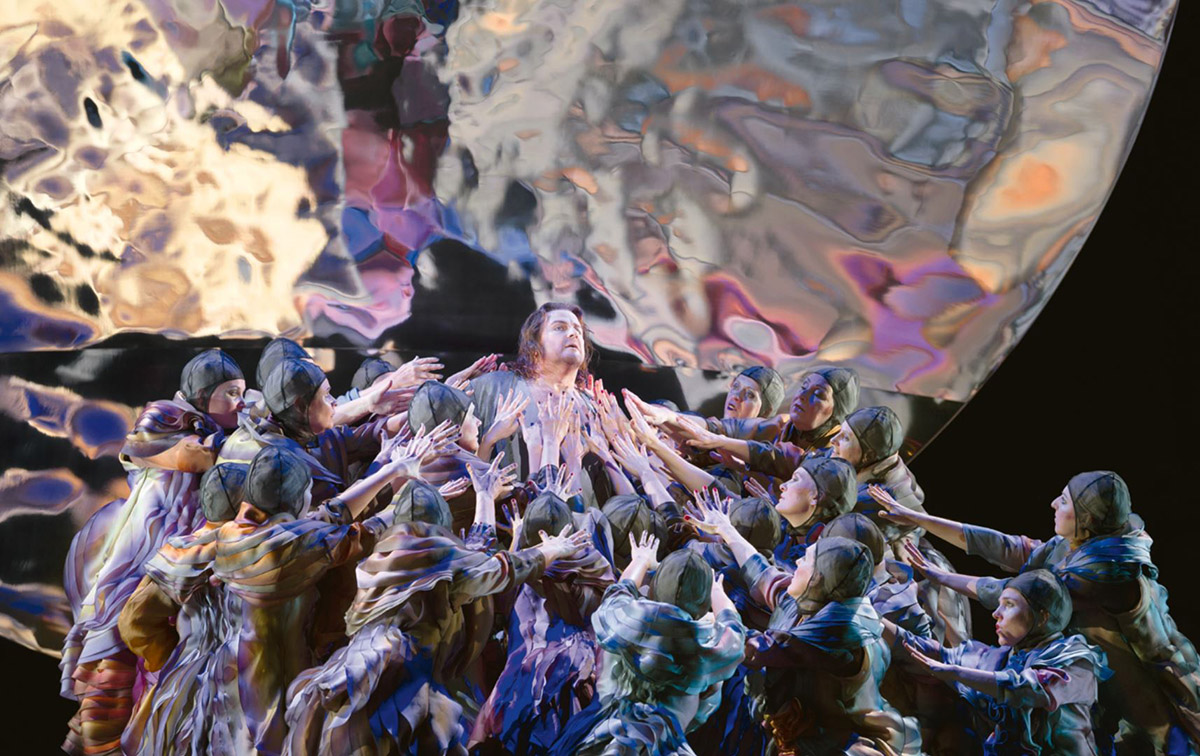
We quickly gain a deep appreciation of the range of Walz’s capabilities. As expected, she is able to produce fantastic portraits of the actors. But her special skill is to capture that moment in various people’s performances that encapsulated the emotion of the circumstances to be conveyed to the audience, as intended by the artistic team. It is that special ‘decisive moment,’ so often quoted in ways that don’t fully apply, that here perfectly describes the specific accomplishment of many of the photographs that Ruth Walz created. Her special strength might be presenting the grand design of moments in sweeping views.
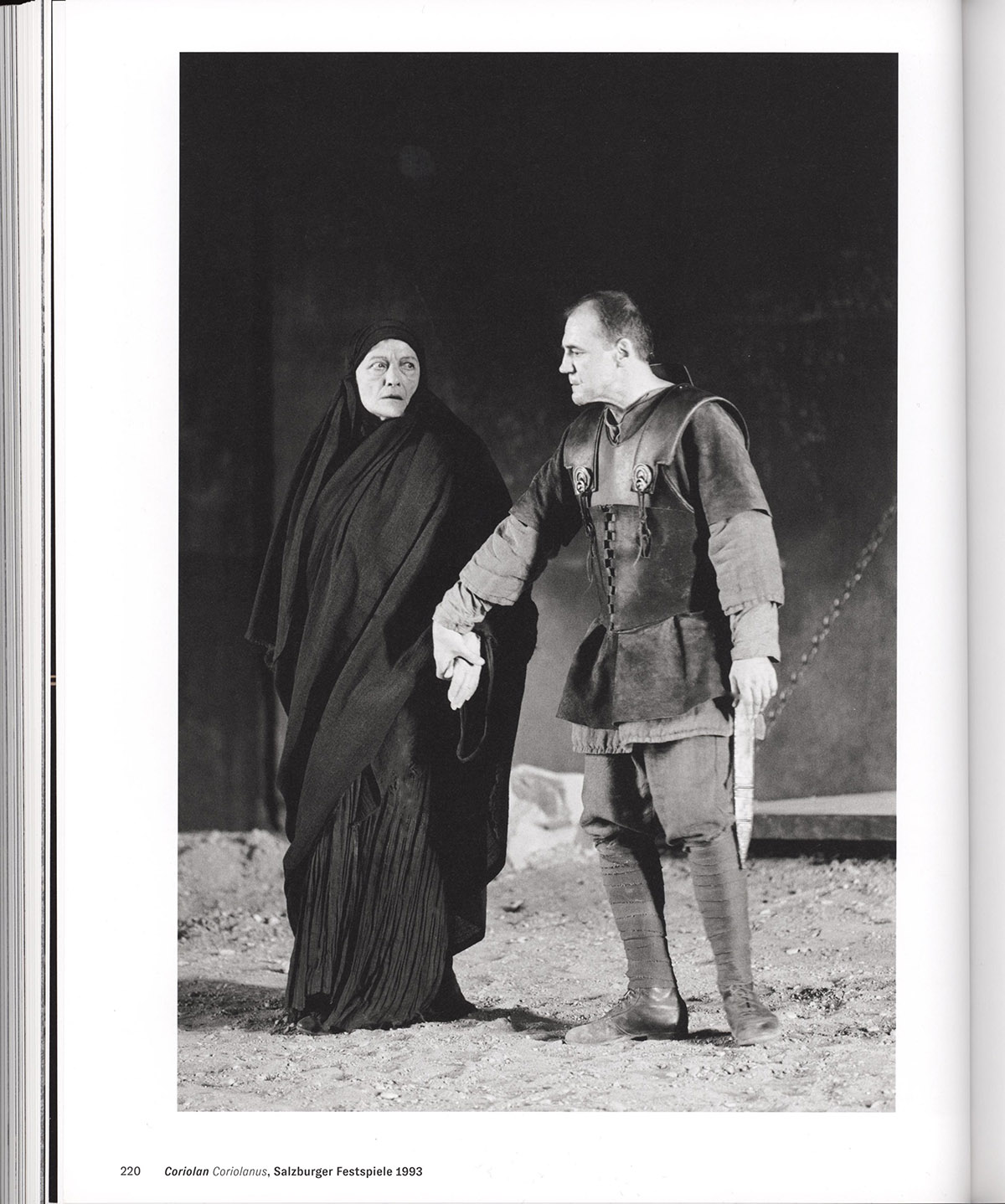
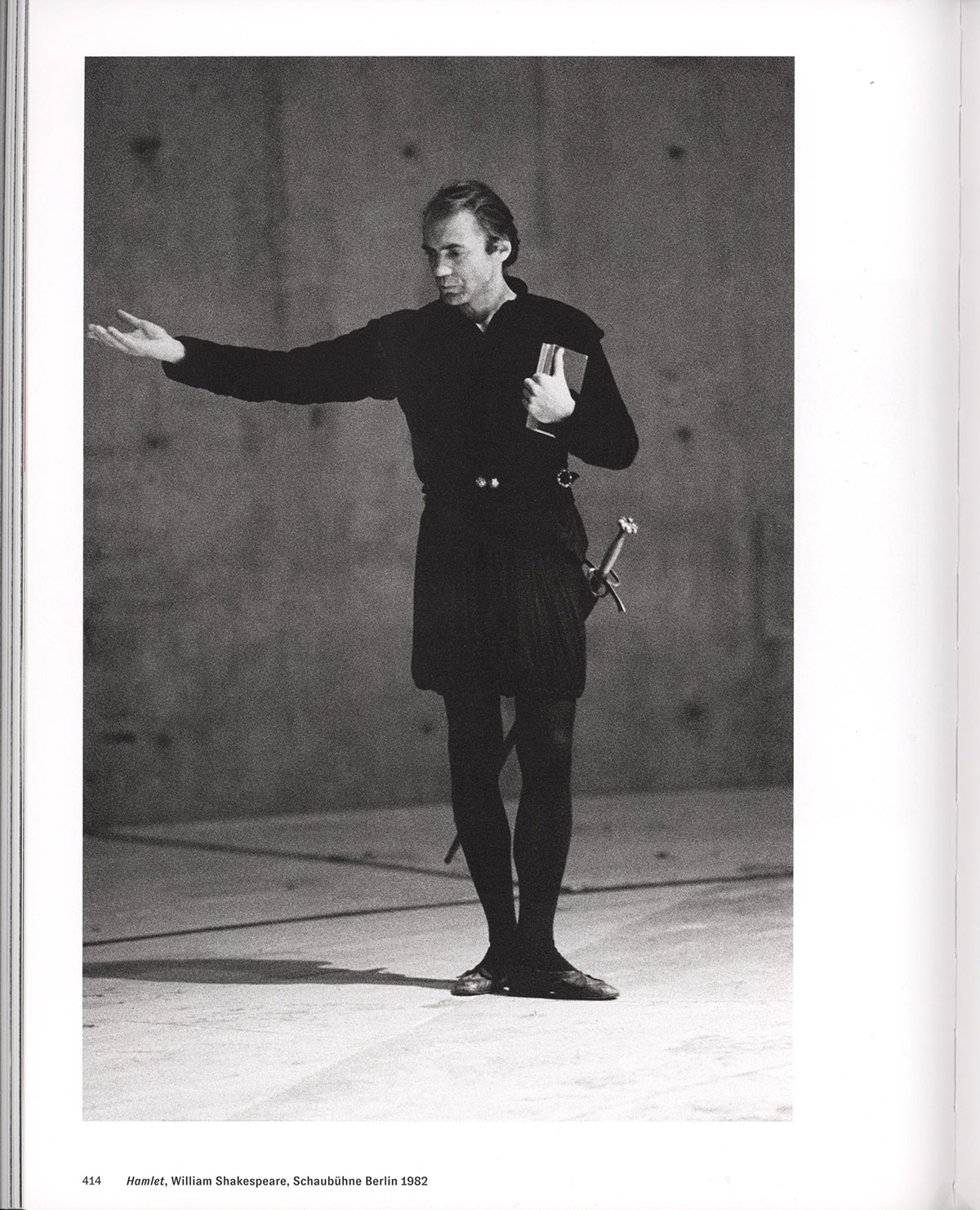
The section that serves as a tribute to the stellar actor Bruno Ganz is especially touching. Many of the roles he played – in the picture section below he appears in images 7 (Coriolanus) and 10 (Hamlet) – are shown as intense conveyances of emotional moments. Fortunate are those who were able to see him perform on the stage, as I did in Berlin, or in the gripping performance in the motion picture Downfall (Der Untergang), where he so effectively and memorably portrayed the German dictator, having completed many months of preparation.
The layout of the book is generous and shows an excellent balance between the essays and interviews giving special backgrounds, and the images, many of which are double-page spreads. Color where used is subtly implemented and adds to moments of special emphasis. The process analyses and testimonials of several well-known directors and other luminaries of the German theater deepen our understanding of the importance of Ruth Walz’s work. The lay-flat binding is especially helpful in viewing such a heavy book.
This photo book concludes with a complete visual index of the images, detailing the members of the various teams and the plays they interpreted. For all who appreciate the work that goes into documenting and interpreting live performances visually for times to come, this photobook will serve as a highly useful compendium that presents a gifted stage photographer’s visual interpretations for all of us to enjoy. It is also a highly useful reference work, as it covers 50 years of a vast range of successful theater moments.
____________
Gerhard Clausing, Editor of the PhotoBook Journal, is an author, photographer, and synthographer from Southern California.
____________
Ruth Walz – Theater im Sucher / Theater Through a Lens
Photographer: Ruth Walz (born in Bremen, Germany, and resides in Berlin)
Publisher: Hatje Cantz, Berlin, Germany; © 2021
Essays and Texts: Klaus Bertisch, Ludger Derenthal, Winfried Dickhoff, Jens Harzer, Niklas Maak, Manuela Reichart, Gerhard Stadelmaier, Simon Strauß, Ruth Walz; Interviews by Martin Walz with Pierre Audi, Peter Sellars, and Robert Wilson
Language: German and English
Paperback with illustrated dust cover and lay-flat binding; 440 pages, paginated; 23.5 x 30 cm (9.25 x 11.75 inches); printed and bound in Italy by Printer Trento s.r.l.; ISBN 978-3-7757-5041-7
Curators: Ludger Derenthal, Thomas Ladenburger
Editors: Thomas Ladenburger, Hanns Zischler
Photobook Designer: Dilan Perera
____________
Articles and photographs published in the PhotoBook Journal may not be reproduced without the permission of the PhotoBook Journal staff and the photographer(s). All images, texts, and designs are under copyright by the authors and publishers.
 PhotoBook Journal
Leave a comment