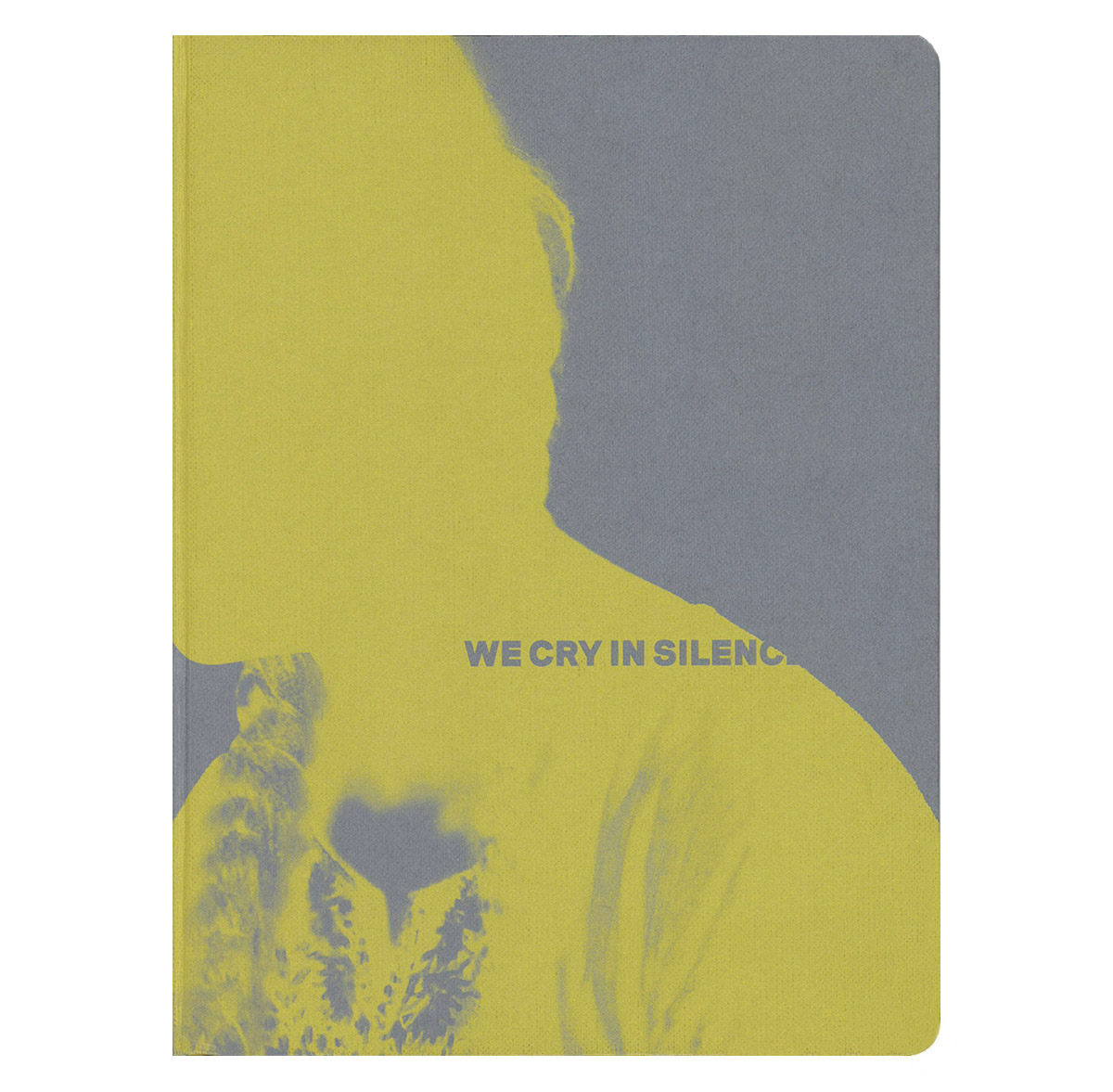
Review by Gerhard Clausing •
The trafficking of humans for nefarious purposes has gone on for centuries and is still practiced today. Poverty and/or the promise of some economic gain are usually the motivating factor on the part of the perpetrators. Often relatives or close ‘friends’ commit these betrayals that assault human dignity. Whether it is to exploit people as work slaves or for sexual purposes, the process strips individuals of their integrity and their liberty, blocks their self-determination and development, and causes all sorts of severe and long-lasting damage.
According to Indian photojournalist Smita Sharma, as well as the National Human Rights Commission of Nepal, the situation is especially bad in the countries of India, Nepal, and Bangladesh. Many tens of thousands of girls, women, and children are trafficked to India and within India and other countries every year. Many go missing and cannot easily be found. Sharma created this photobook and an accompanying exhibition as well as zines and community events to raise awareness, to warn people of all ages, and to work toward possible prevention of these horrendous crimes in the future.
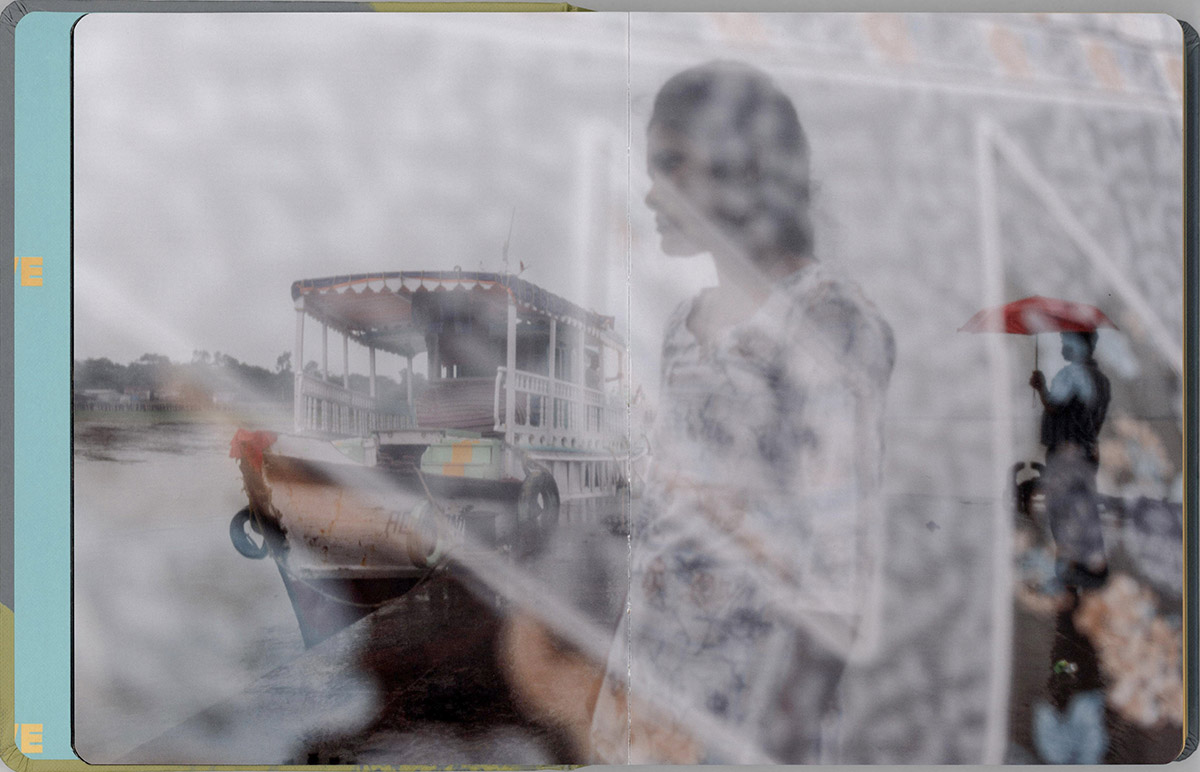
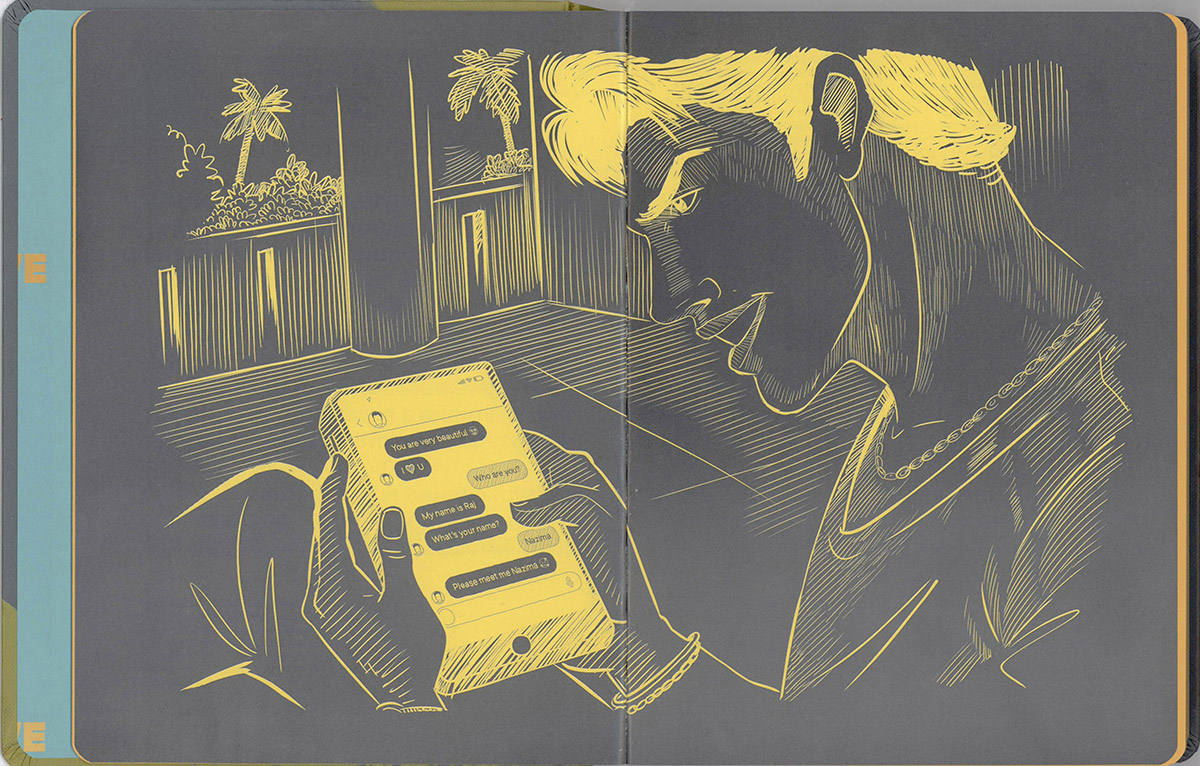
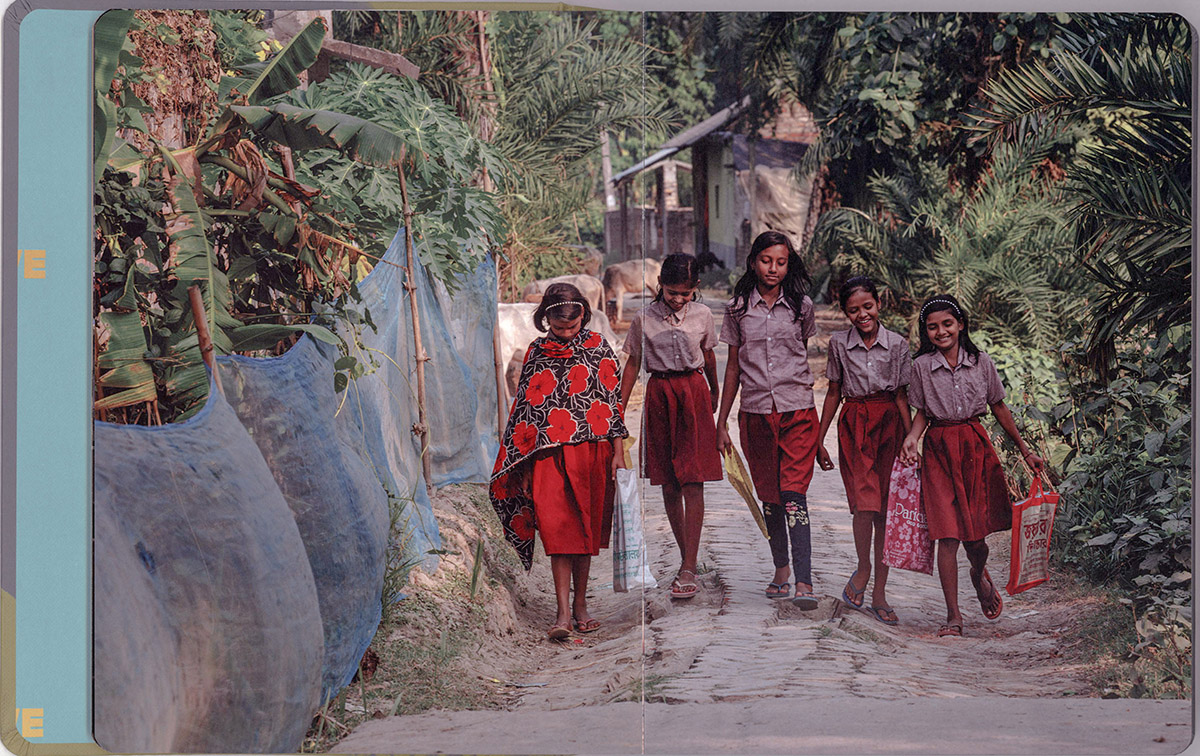
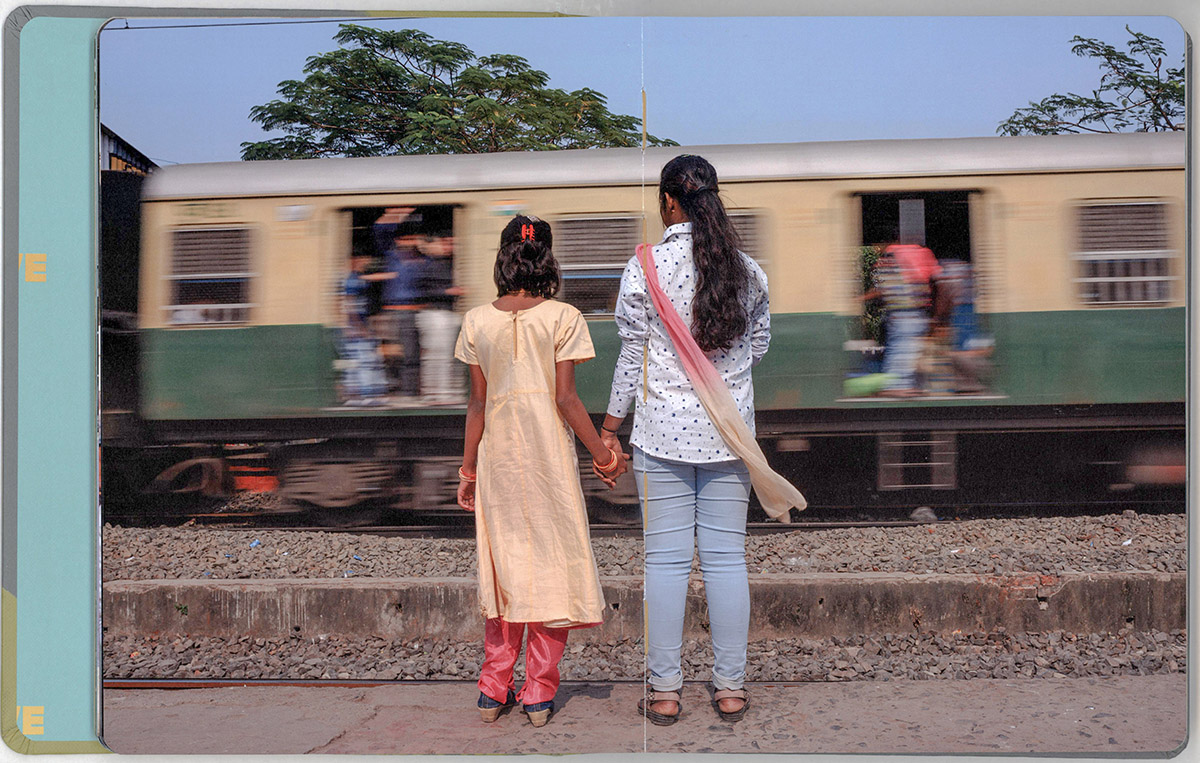
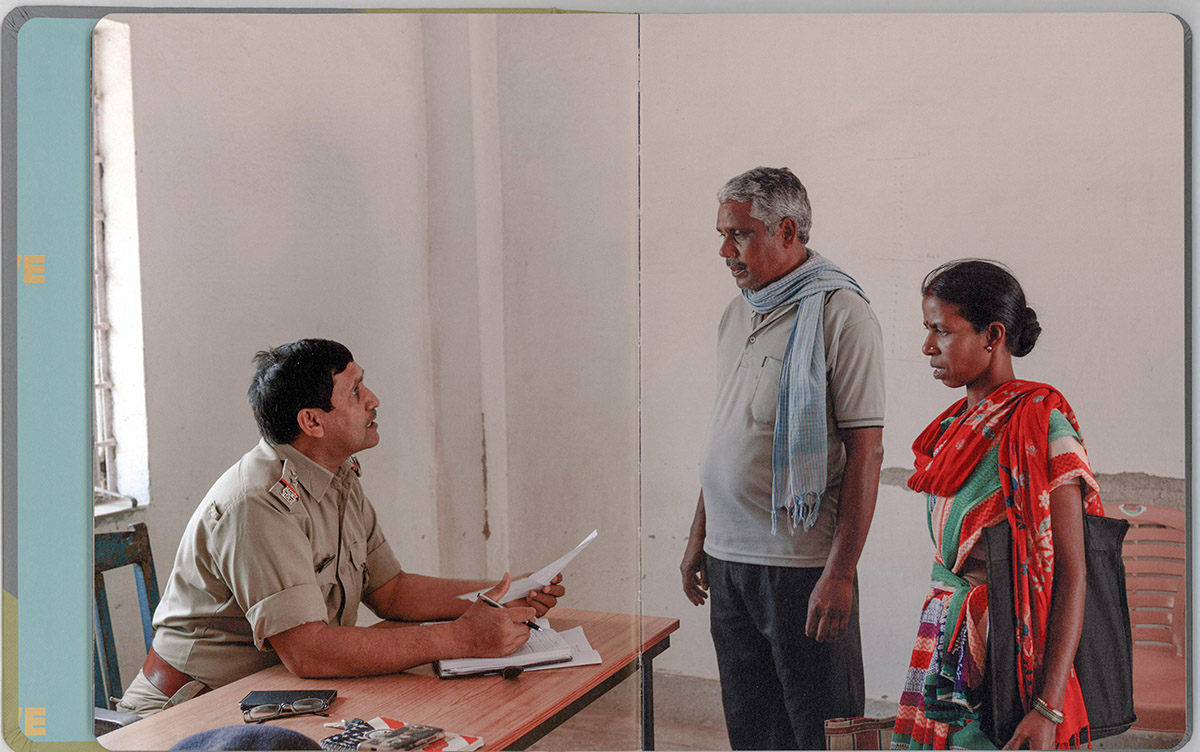
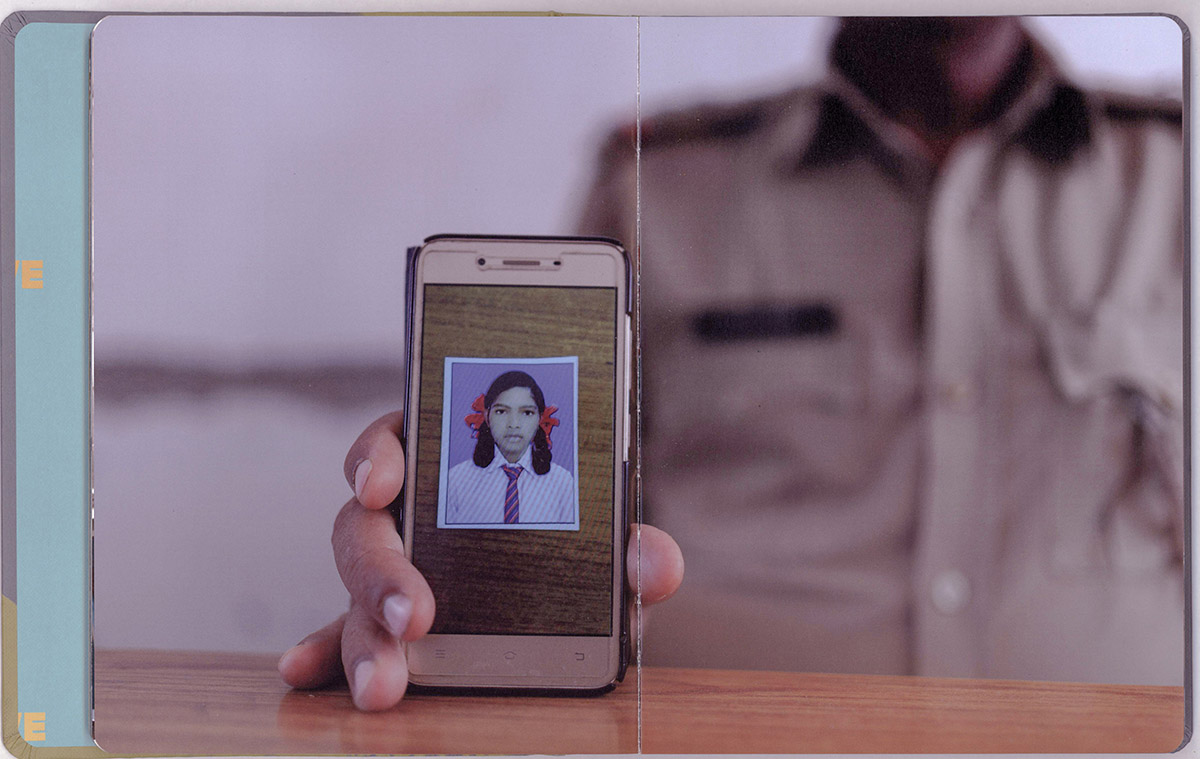
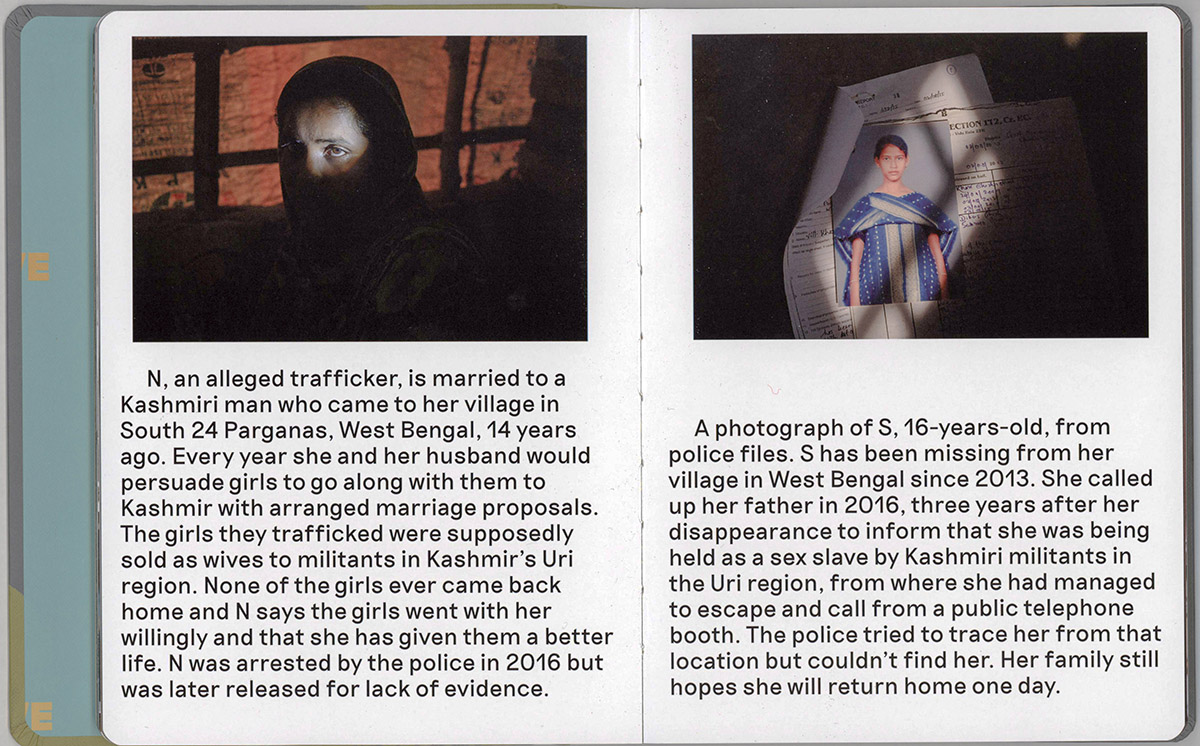
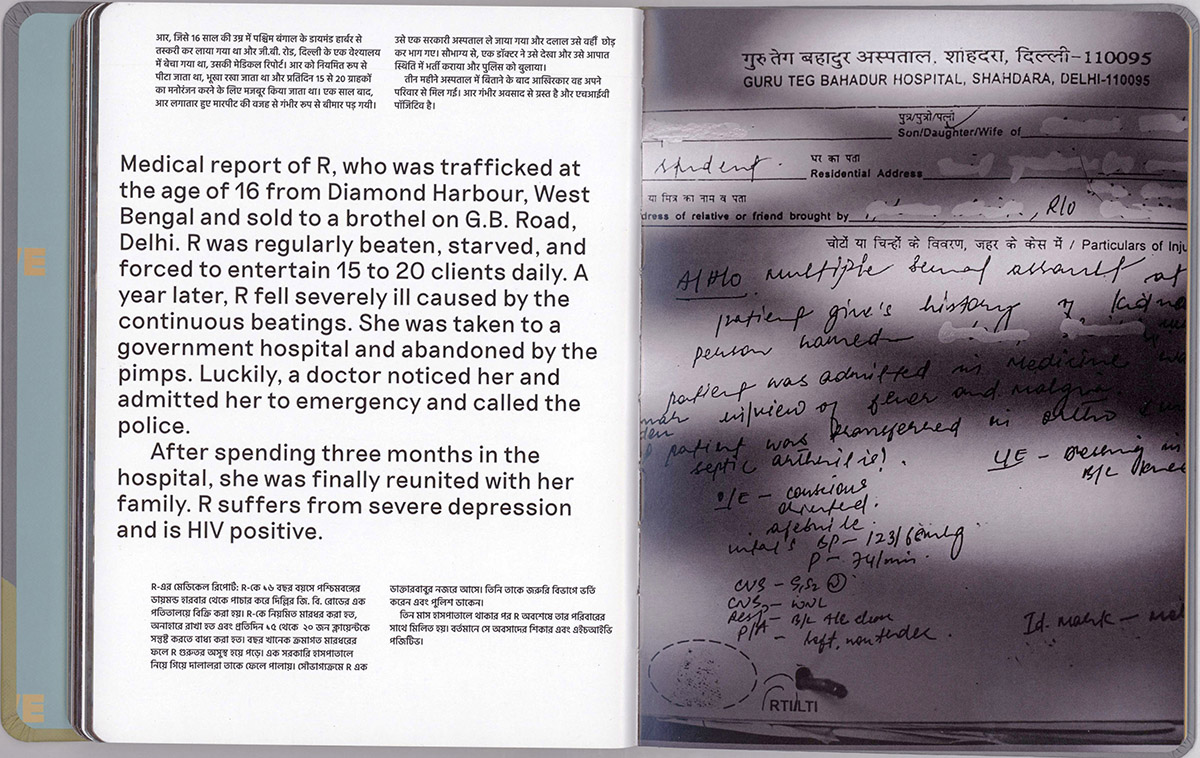
After a very impressive foreword by Dr. P.M. Nair and a thorough introduction to the project by the author, we participate in seven sections of pictorial narration and documentation, along with explanations, some case histories, and further details. The sections are labeled Girls, Train Station, The Police, Missing, The Brothel, The Shelter, and Survivors. These reflect the various locations where the victims are found, transferred, and exploited, as well as where attempts are made to put their lives back together again. There are also drawings by Nitin Chawla and Loveleen Chawla which depict some of the situations that are representative of the moments in which these crimes are solicited and enticed under false pretenses.
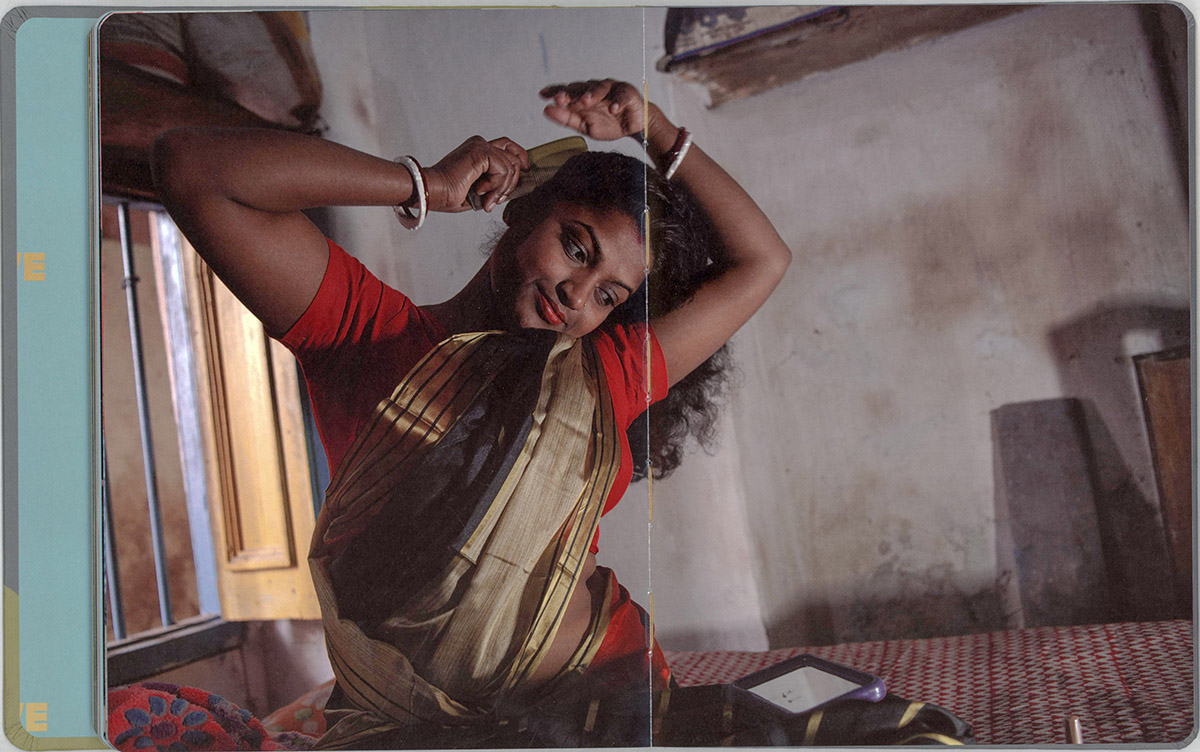
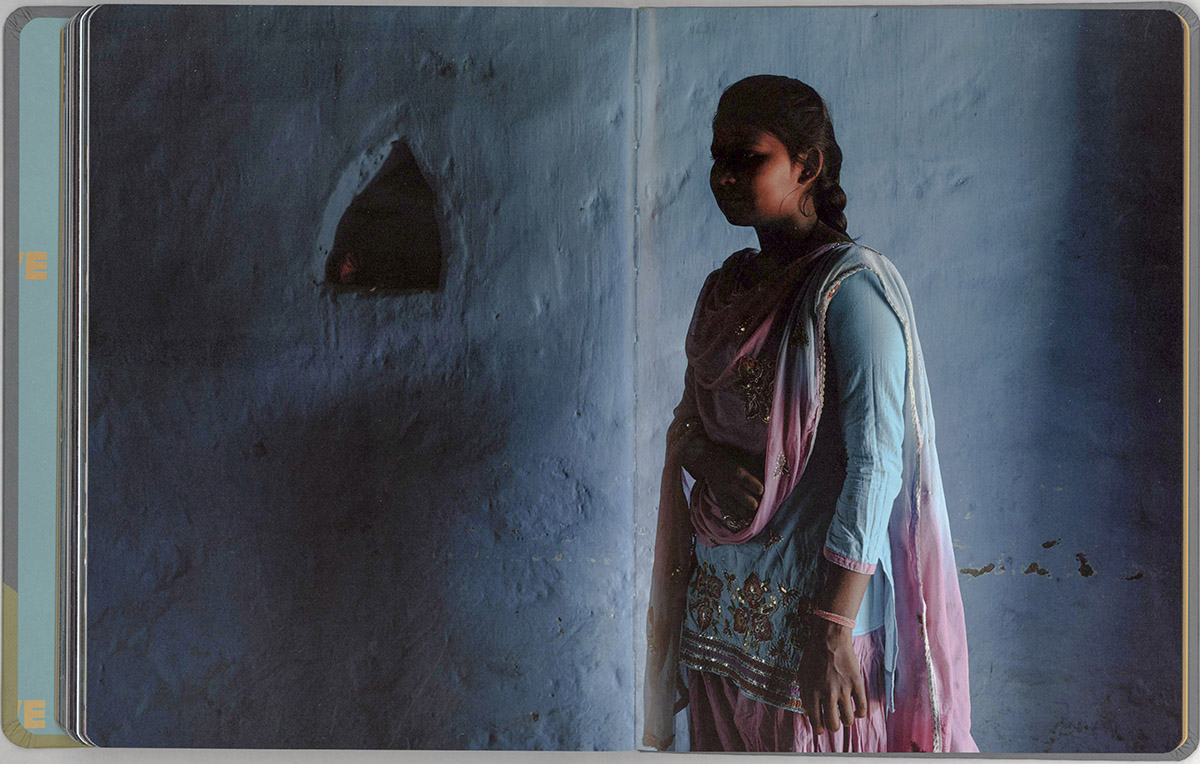
I am showing one of these drawings as well as representative images from each of the sections in the visual portion below. What is particularly gripping about these images is that Sharma has succeeded in capturing the raw reality of the sordid moments that represent this entire process. We see the innocence of girls growing up, expecting a reasonable life, of saying goodbye to their friends, who might expect a well-compensated life as a domestic, and instead are sold into sexual slavery. We see the women forced into serving as what is now euphemistically called sex workers, under duress and against their will, and also the police trying to help some of the parents and relatives of people that are missing. Also, we see the attempts of social workers trying to put the lives of exploited women back together again. What is most impressive is that at every stage of this terrible process women stick together and support each other as best they can, which is very evident from the pictures that we are shown in this photobook. The open binding helps us see every detail of every image.
It is my sincere hope that this photobook and its related activities can help stem this terrible process as well as any other anti-women crime. This is not just occurring in the countries mentioned here but other parts of the world as well. We must protect people’s integrity and self-determination, for men and women, as best we can, always!
____________
Gerhard Clausing, PBJ Associate Editor, is an author, photographer, and synthographer from Southern California.
____________
Smita Sharma – We Cry In Silence
Photographer: Smita Sharma (born in India, based in Delhi)
Publisher: FotoEvidence, Marseillan, France; © 2022
Essays and Texts: Dr. P.M. Nair, Smita Sharma
Languages: English, Hindi, Bengali
Hardback, with illustrated cover, sewn open binding; 6.75 x 9 inches (17 x 22.5 cm); printed by Thomson Press (India) Ltd; ISBN 978-1-7324711-9-1
Text Editor: David Stuart; Photo Editor: Sarah Leen
Design: Fernanda Fajardo and Joao Linneu
____________

Articles and photographs published in the PhotoBook Journal may not be reproduced without the permission of the PhotoBook Journal staff and the photographer(s). All images, texts, and designs are under copyright by the authors and publishers.
 PhotoBook Journal
Leave a comment