Review by Gerhard Clausing •
What do we think of when we see the word glitch? Some part of a technical system that doesn’t work, something that slips through a control mechanism, something used or abused, like a loophole? Something unusual or abnormal that suddenly appears and just as quickly disappears in the middle of a space where it is least expected? A disruption of logic, or of routine? The purpose of this photobook is to present moments between the unreal and the real, between constructs and what is tangible. The difference between what is fake and what is real is becoming increasingly difficult to discern…
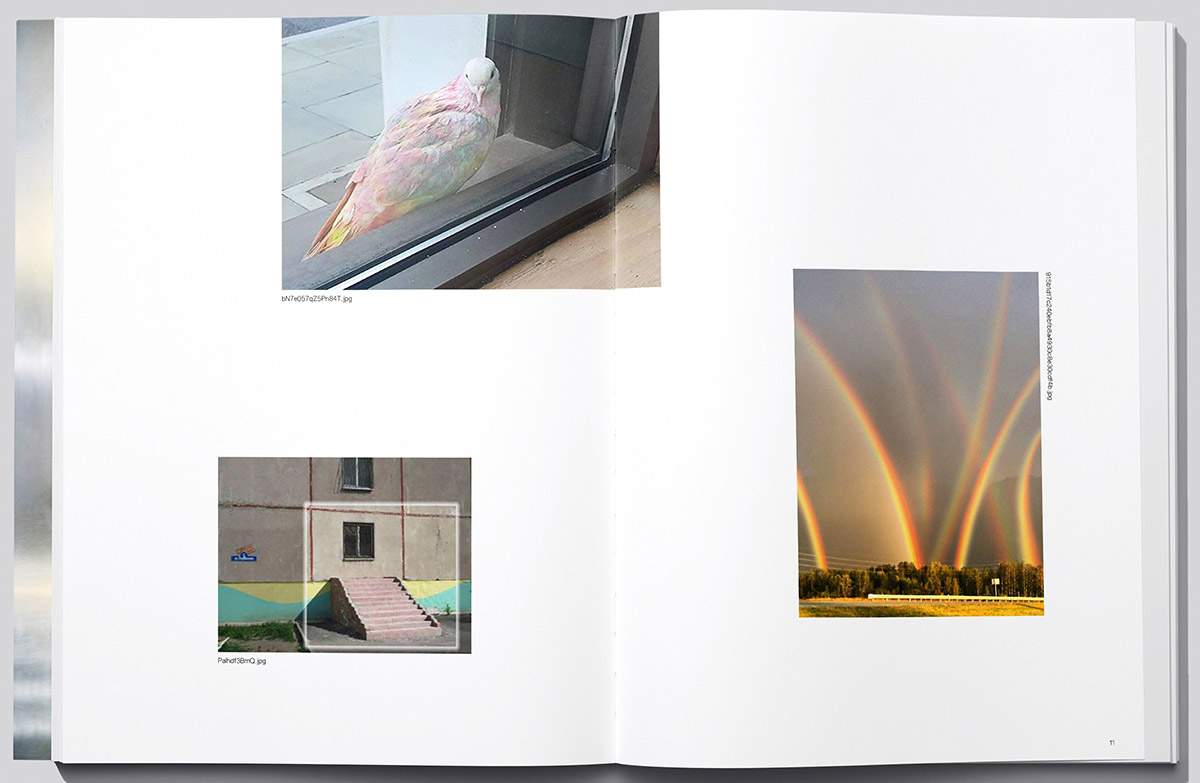
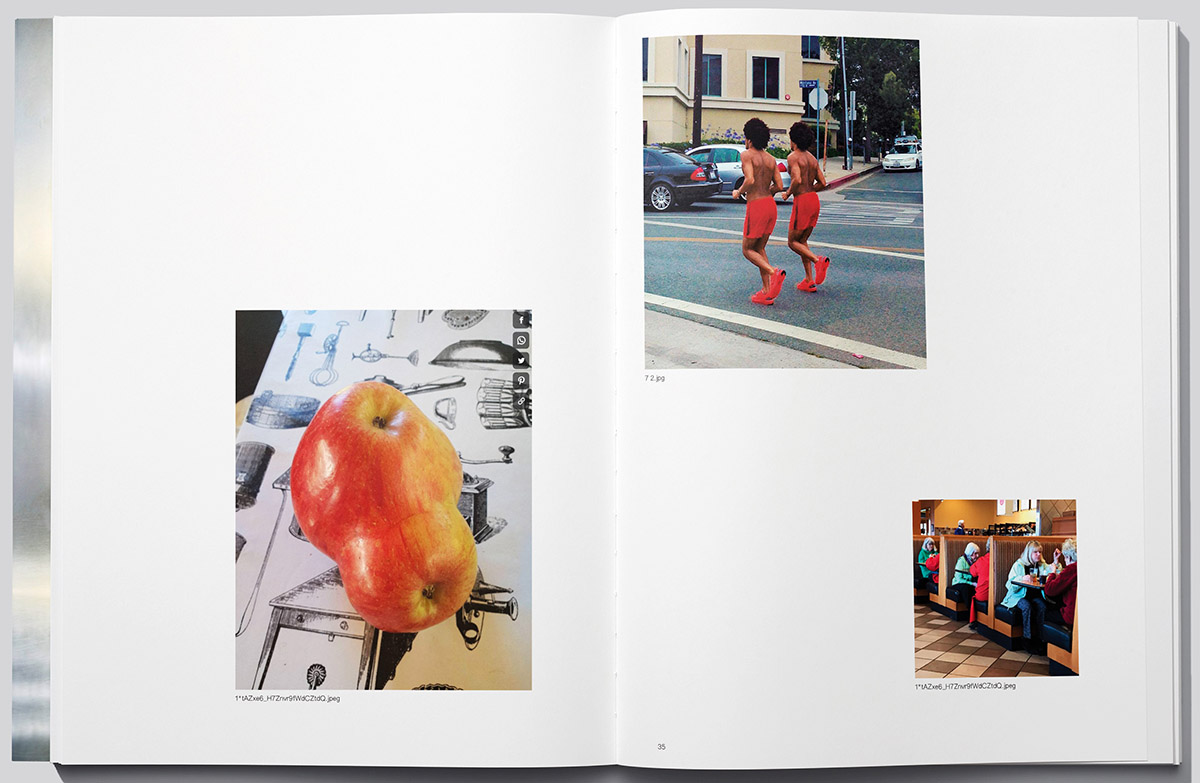
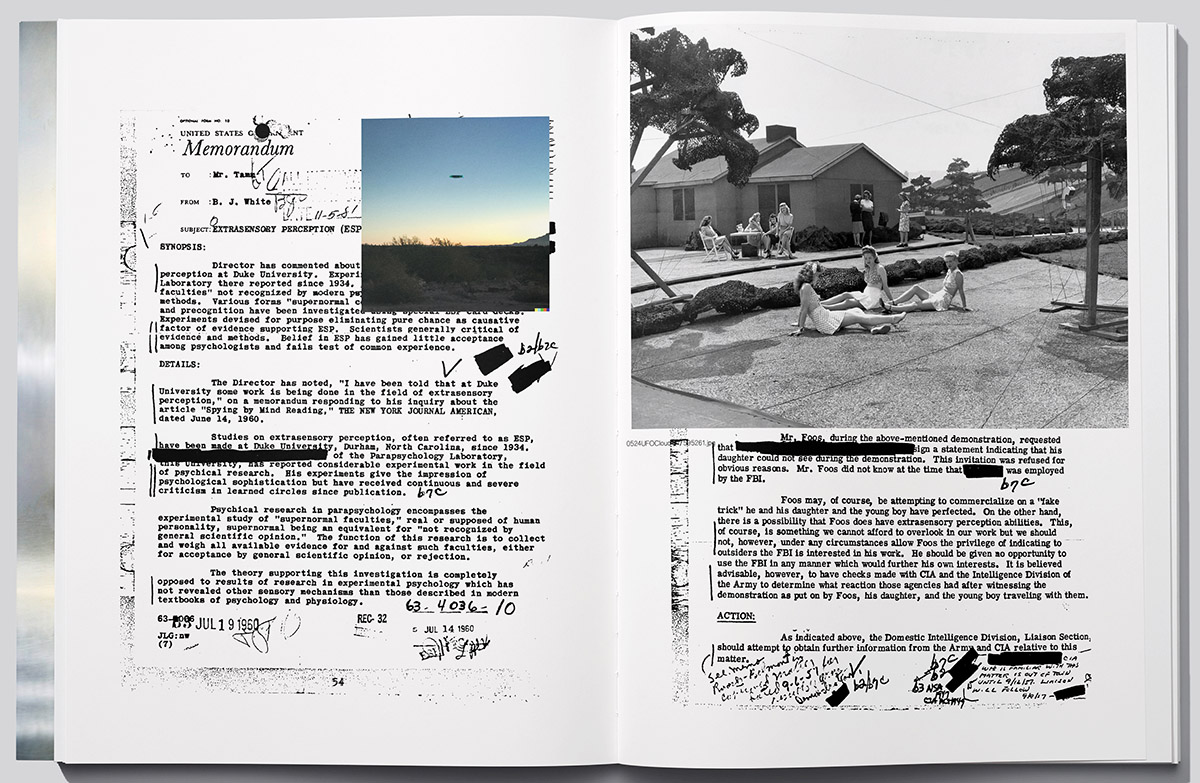
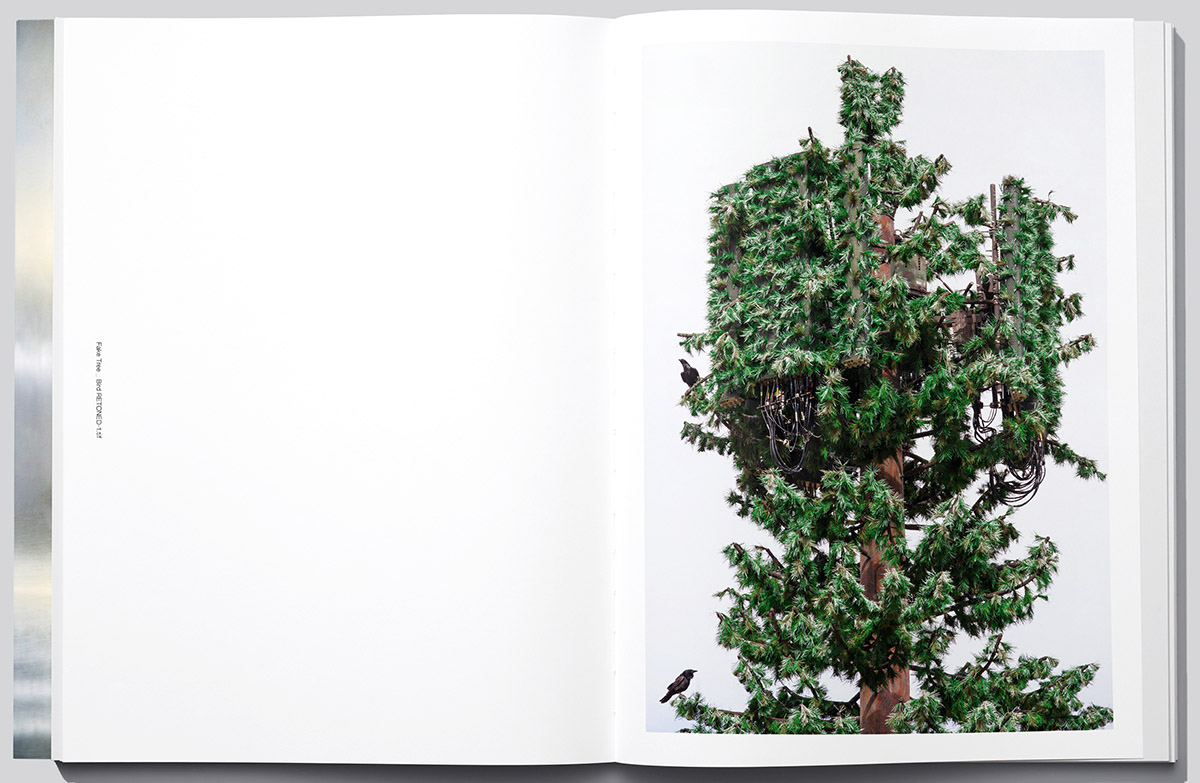
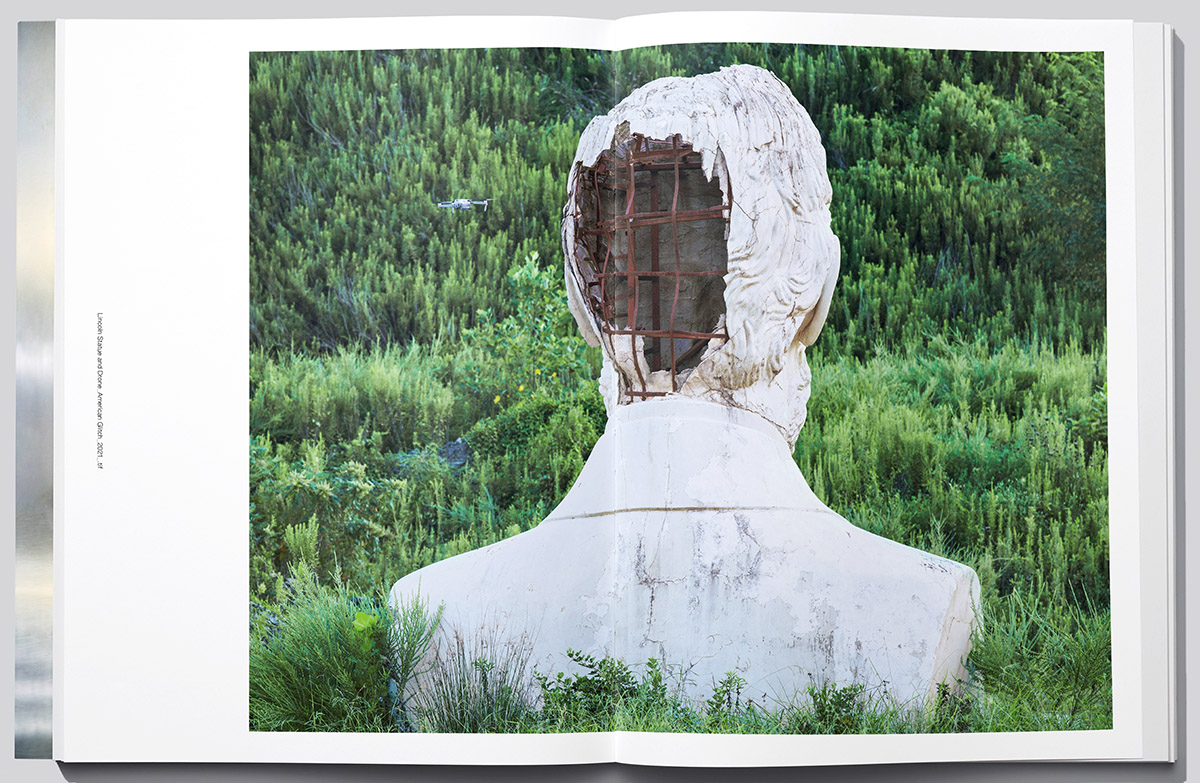
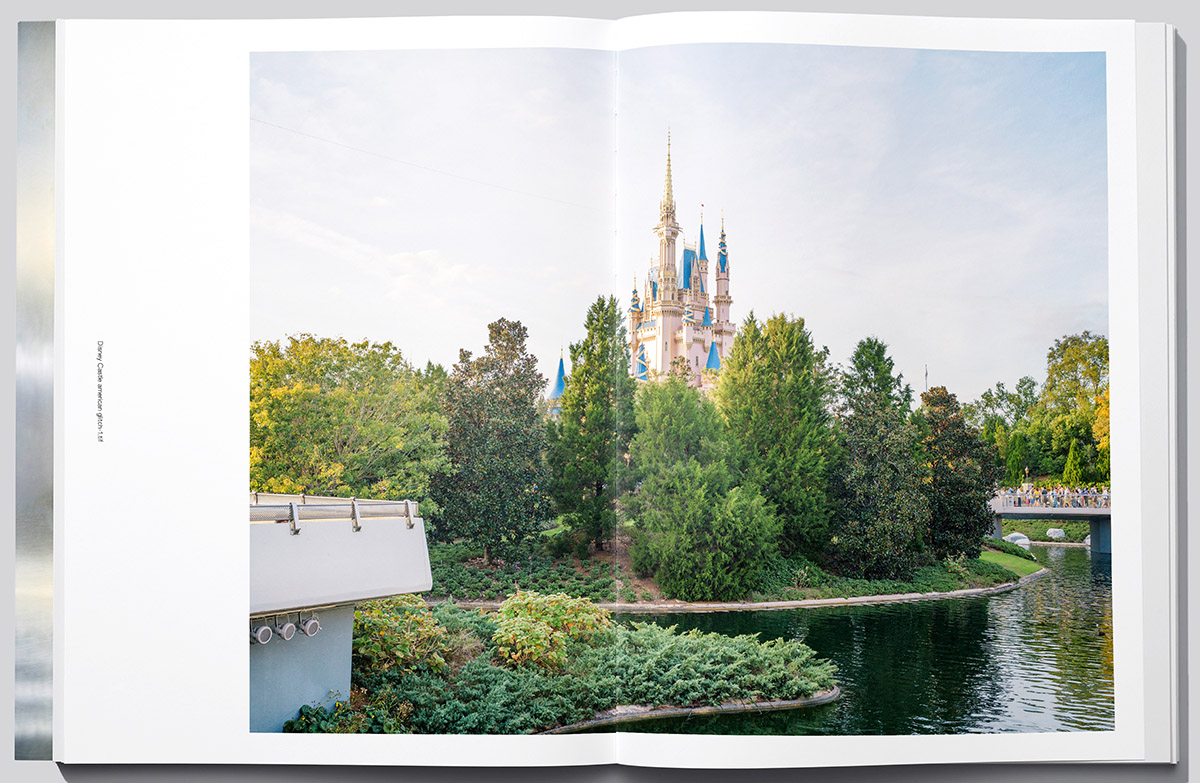
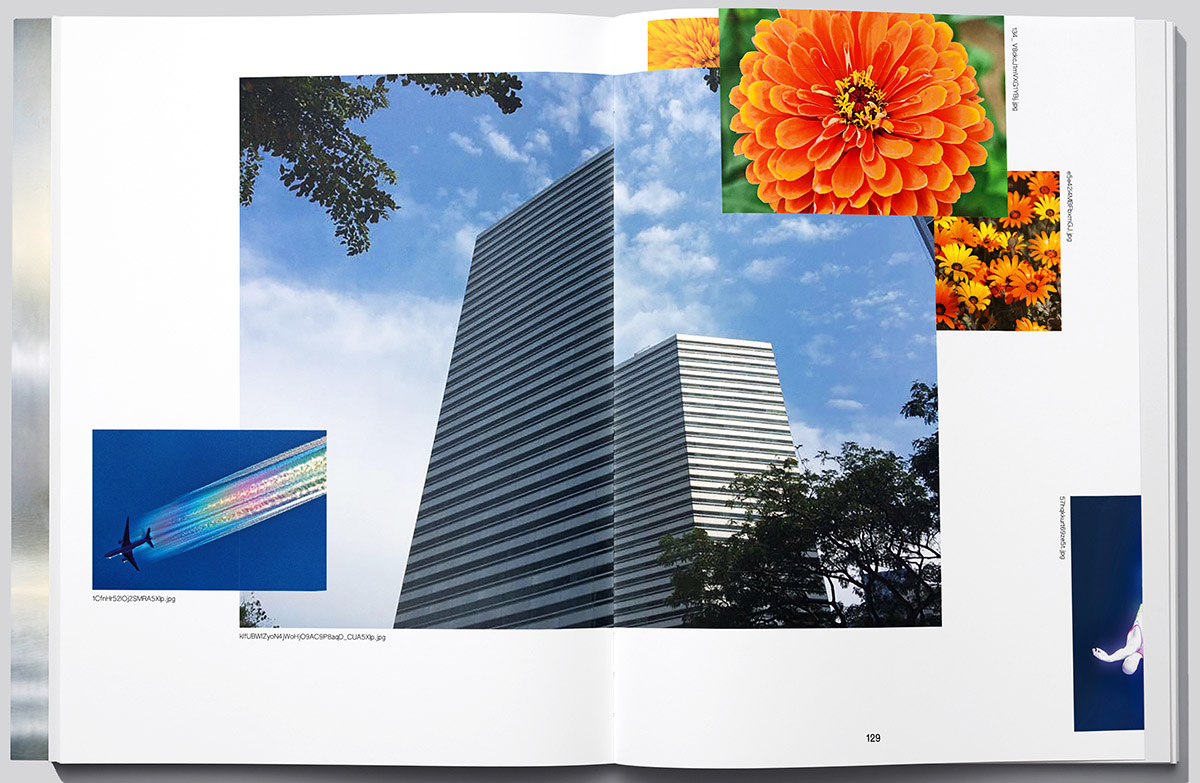
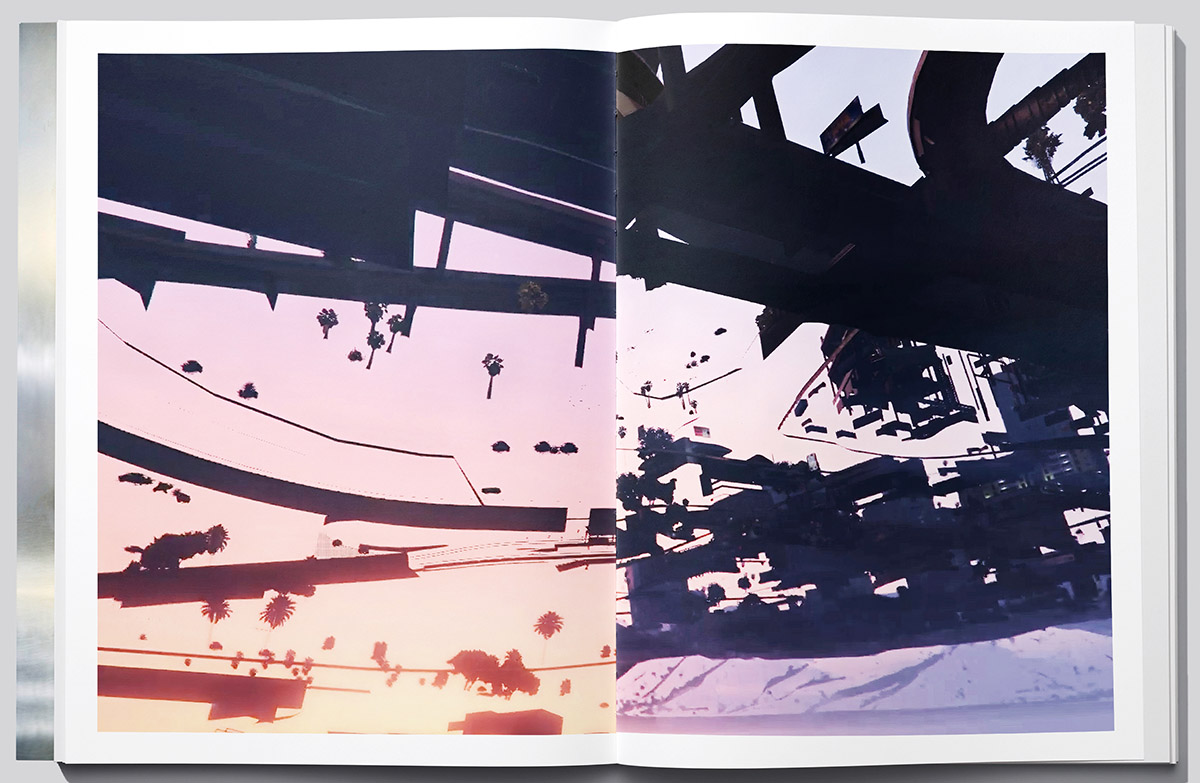
This book is a clever arrangement of many things that qualify as being defined as glitches. The authors of this book have used visuals of all sorts from the internet to create a combined appearance of glitches throughout society. The project involved rephotographing some landscapes and items, along with some anomalies. As you can see from the page spreads below, there is a varied and amazing series of juxtapositions to stimulate our thoughts. It is obvious that this also allows a certain amount of humor, since not every glitch is equally weighty.
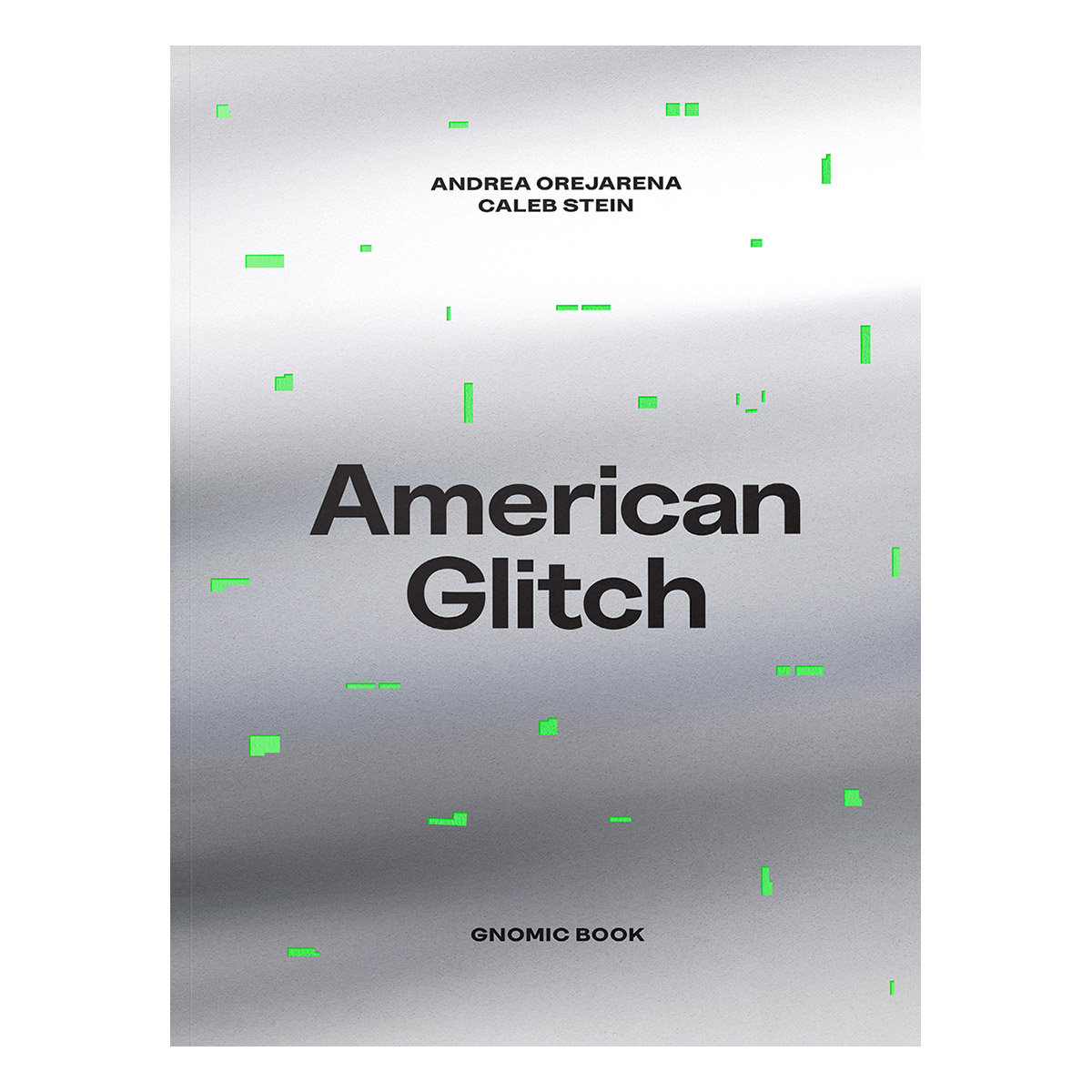
As we look at the cover we notice perforations: many small rectangular holes punched into it. They remind me of “IBM cards” used in times gone by, such as for the data analysis of some of my research projects. If there was even a single mistake in the card, the entire card had to be repunched in large machines specifically created for that purpose. These items were part of a system, and mistakes or glitches had to be corrected before the project could be completed. Nowadays data entry is much easier, but glitches abound nevertheless. The close attention those cards received is the opposite of the lackadaisical acceptance some bestow on invented falsehoods known as conspiracy theories in the internet today. The cover of the book is an excellent way of introducing what is inside.
The impression this book makes on us is that it has a dreamlike quality, or that we are in the middle of a game, and someone is joking around with us. That is not necessarily bad at all, because glitches are often products of unforeseen circumstances or unexpected events, and are therefore curiously unpredictable. Glitchy places are presented in historical photographs and revisualized as beautiful large-scale glitch photographs by the authors. The essay by David Campany draws important parallels to our current popular culture and our political circumstances, an essay to be taken to heart. The insert of ideas by 35 clever people on this subject gives us much food for thought as well.
This photobook is an interesting conceptual integration and a fascinating printed product at the same time. For anyone who wishes to delve into implications of things glitchy and wants to study the vagaries of cultural change, this is the one to get and study.
____________
Gerhard Clausing, PhotoBook Journal Editor, is an author and artist from Southern California.
____________
Andrea Orejarena & Caleb Stein – American Glitch
Photographers: Andrea Orejarena & Caleb Stein (born in England and Colombia respectively; live in Brooklyn, NY)
Publisher: Gnomic Book, Portland, Oregon; © 2024
Essay: David Campany, and 35 other texts
Language: English
Softbound; 156 pages and 52-page insert; 8.4 x 11 inches (21.3 x 28 cm); printed in Turkey by Ofset Yapimevi; first edition and printing of 750; ISBN 978-1-9573010-4-4
____________



Articles and photographs published in the PhotoBook Journal may not be reproduced without the permission of the PhotoBook Journal staff and the photographer(s). All images, texts, and designs are under copyright by the authors and publishers.
 PhotoBook Journal
Leave a comment