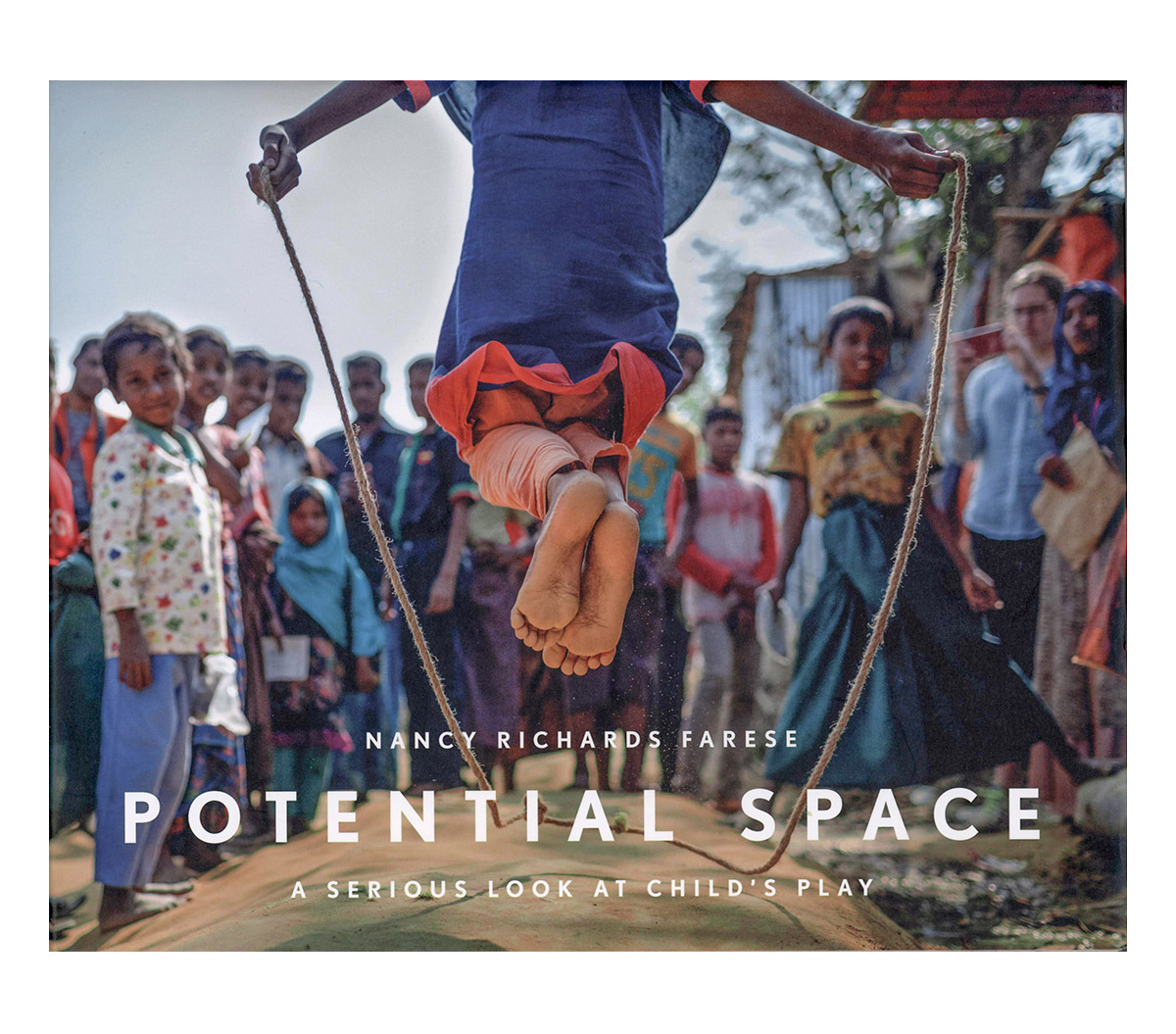
Review by Gerhard Clausing •
Keeping the hidden child in each of us alive is not easy. Many influences and factors along the way try to squash it as time goes by, to the point that it gets heavily suppressed. Yet it is that hidden creative force that needs to be nurtured and brought to the forefront in order to allow your creativity to blossom forth. So it is a great pleasure for me to see that this volume by Nancy Richards Farese not only deals with child’s play, but also has a playful approach to the presentation.
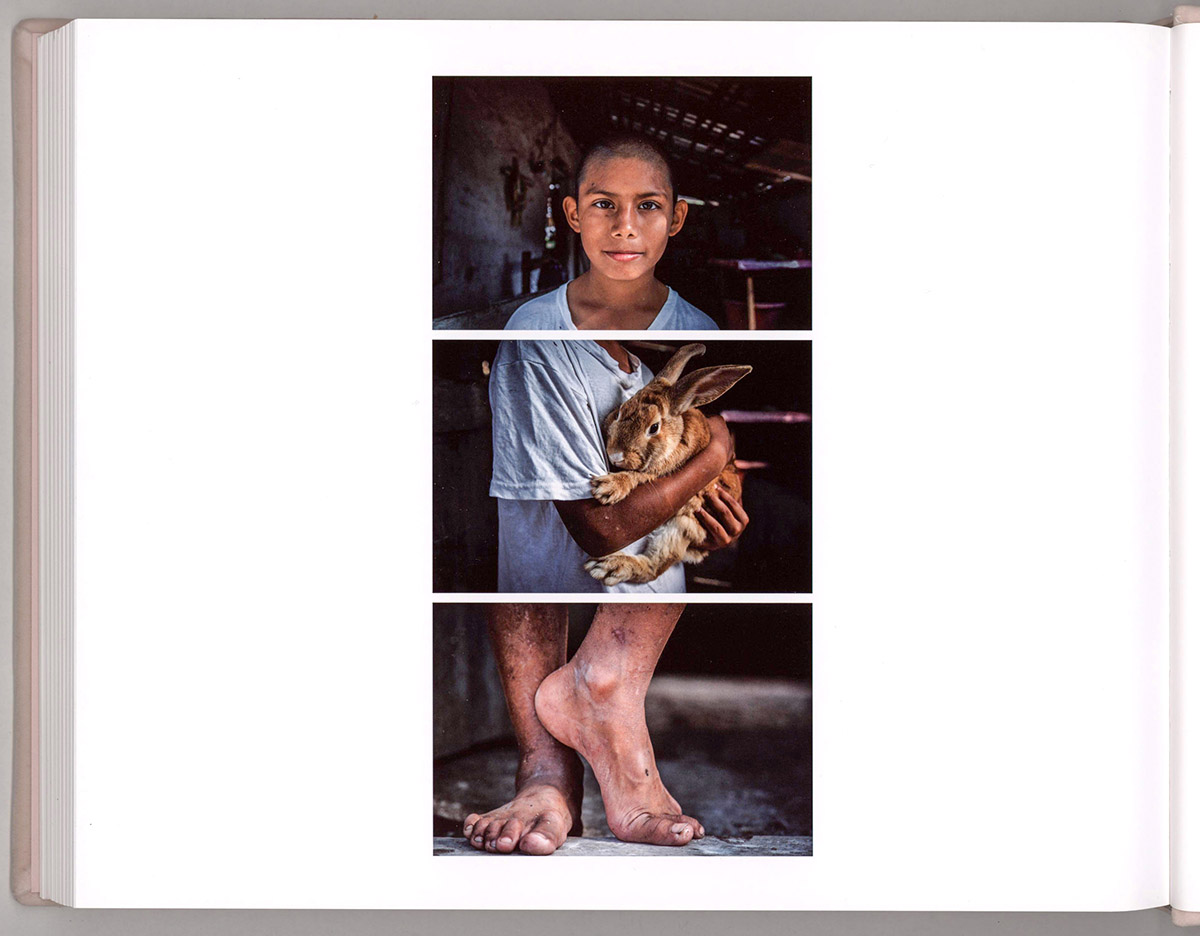
To begin with, the dust jacket is illustrated with a warm-toned color image, matched by an orange spine and orange-colored flaps. The book itself is cloth-bound with a fabric that feels like a soft pillow. Right away, we get the feeling that we are invited to join in a playful visual journey by opening the book. The layout also features a number of innovations such as the tripartite collage images (check the last image below – playing with a rabbit). The sequence of images is varied and invites the reader to linger and also to proceed in looking at the project, especially since the pages are a generously large trim size of approximately 11.5 by 9.5 inches or 30 by 24 centimeters.
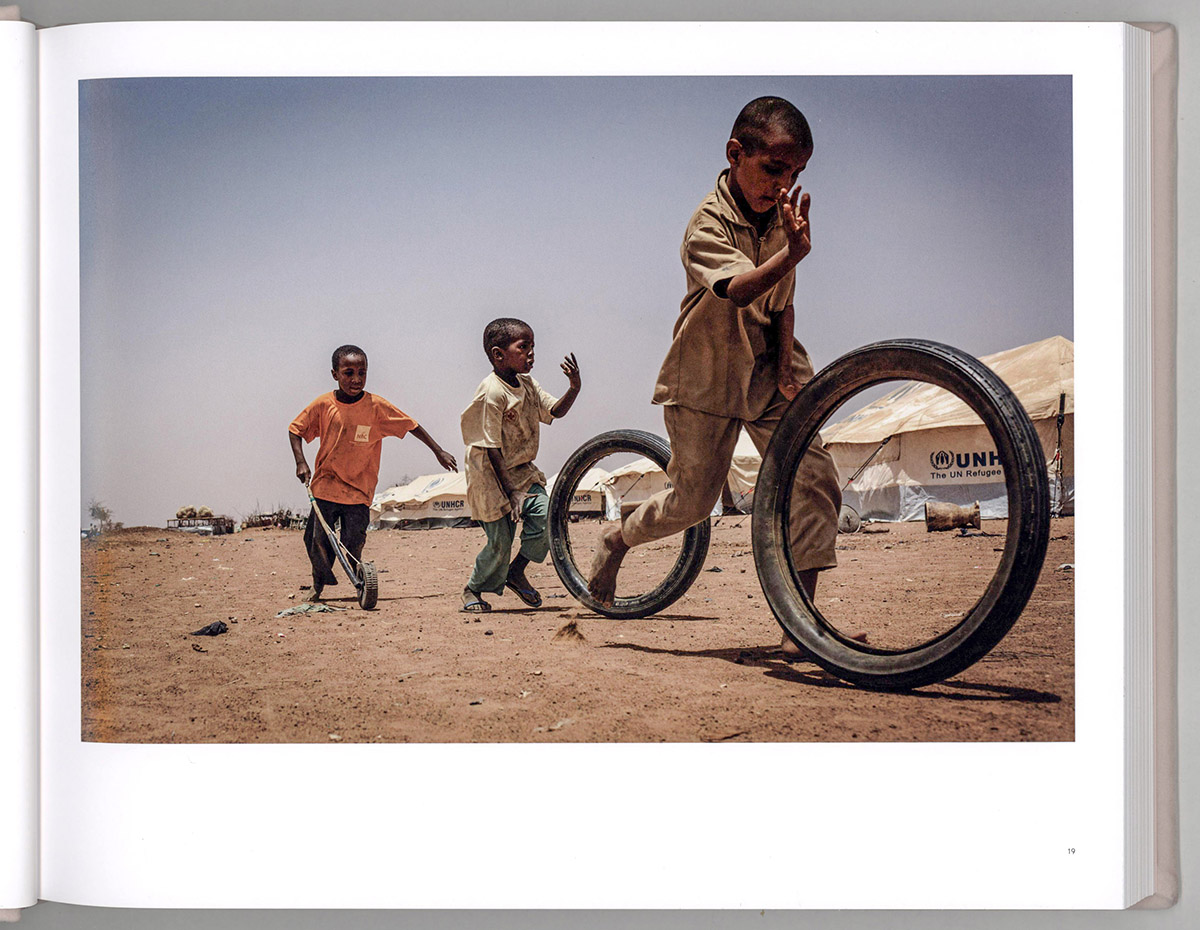
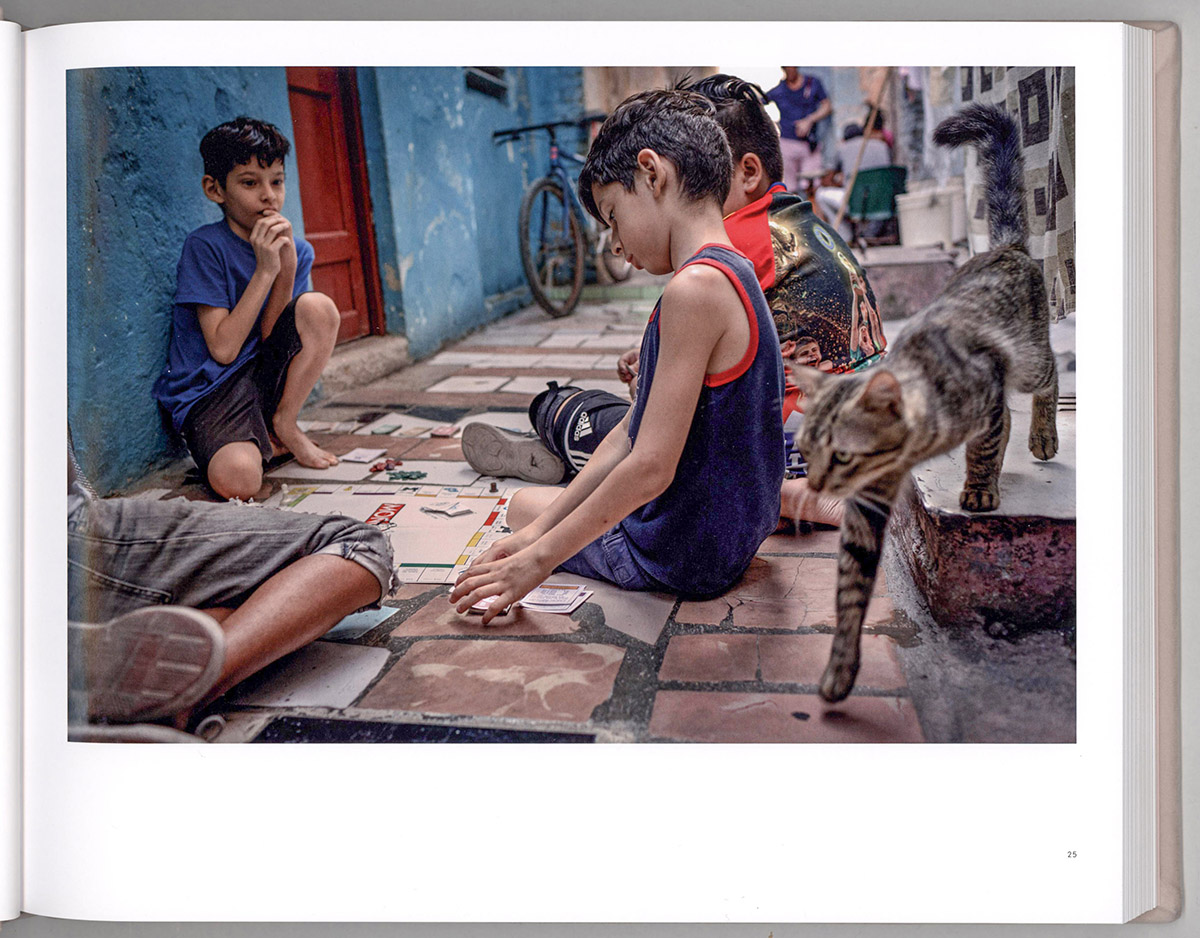
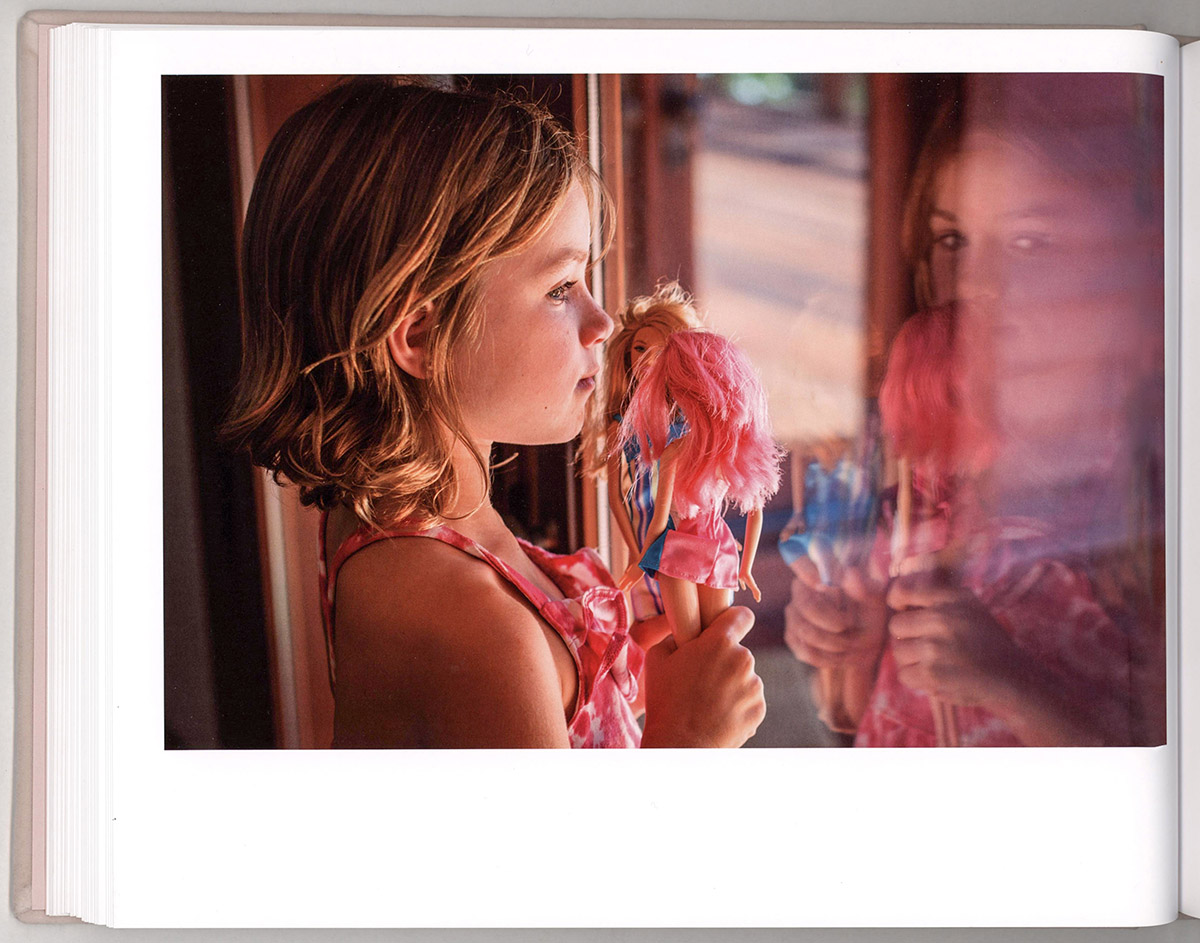
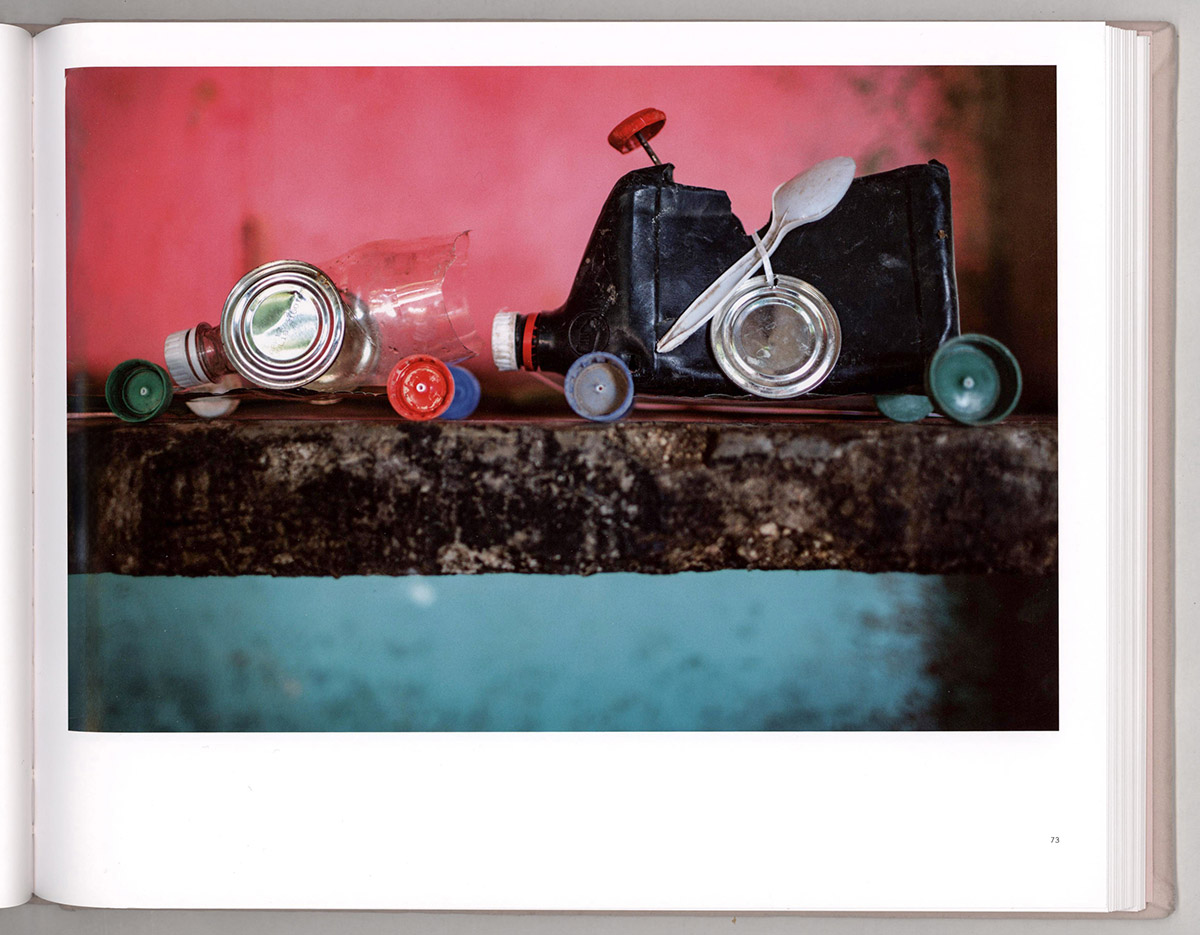
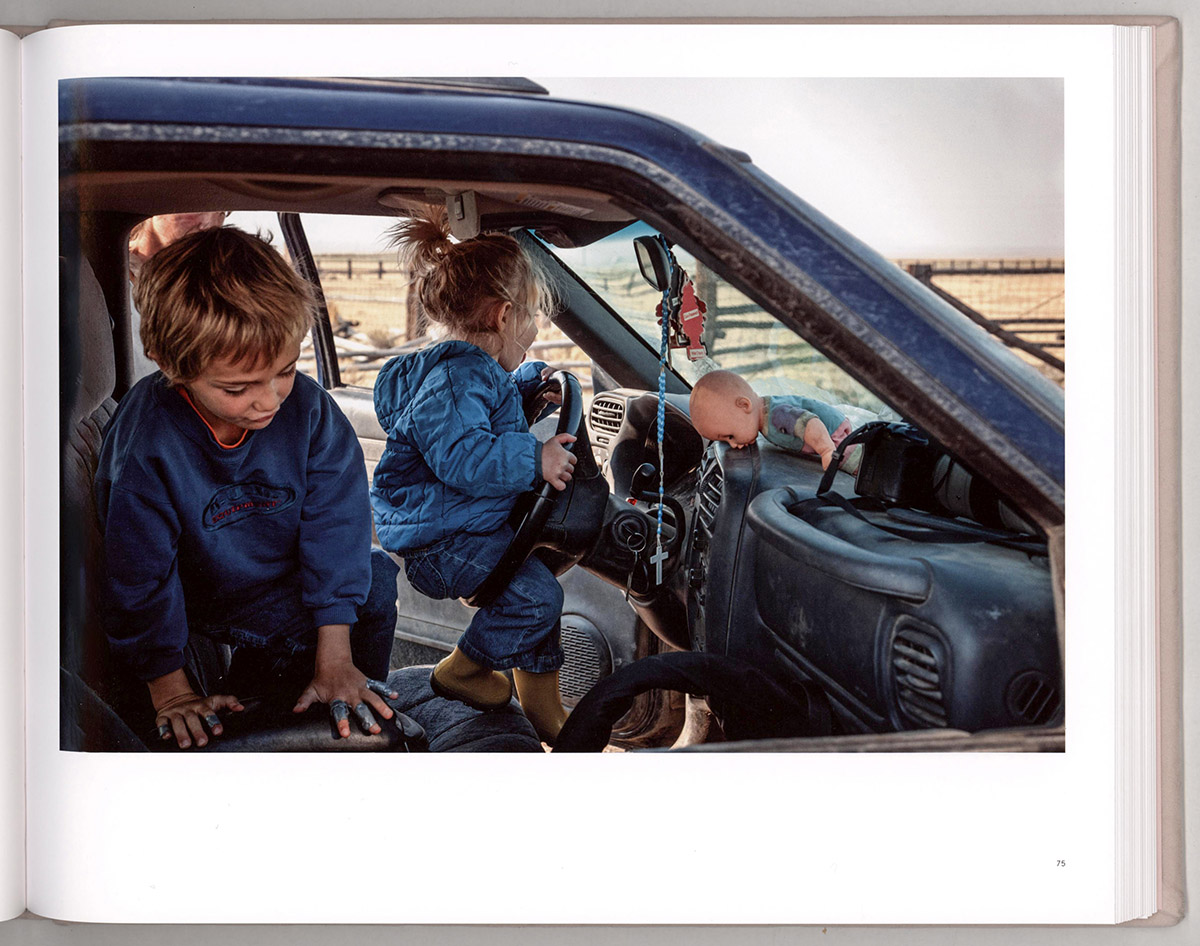
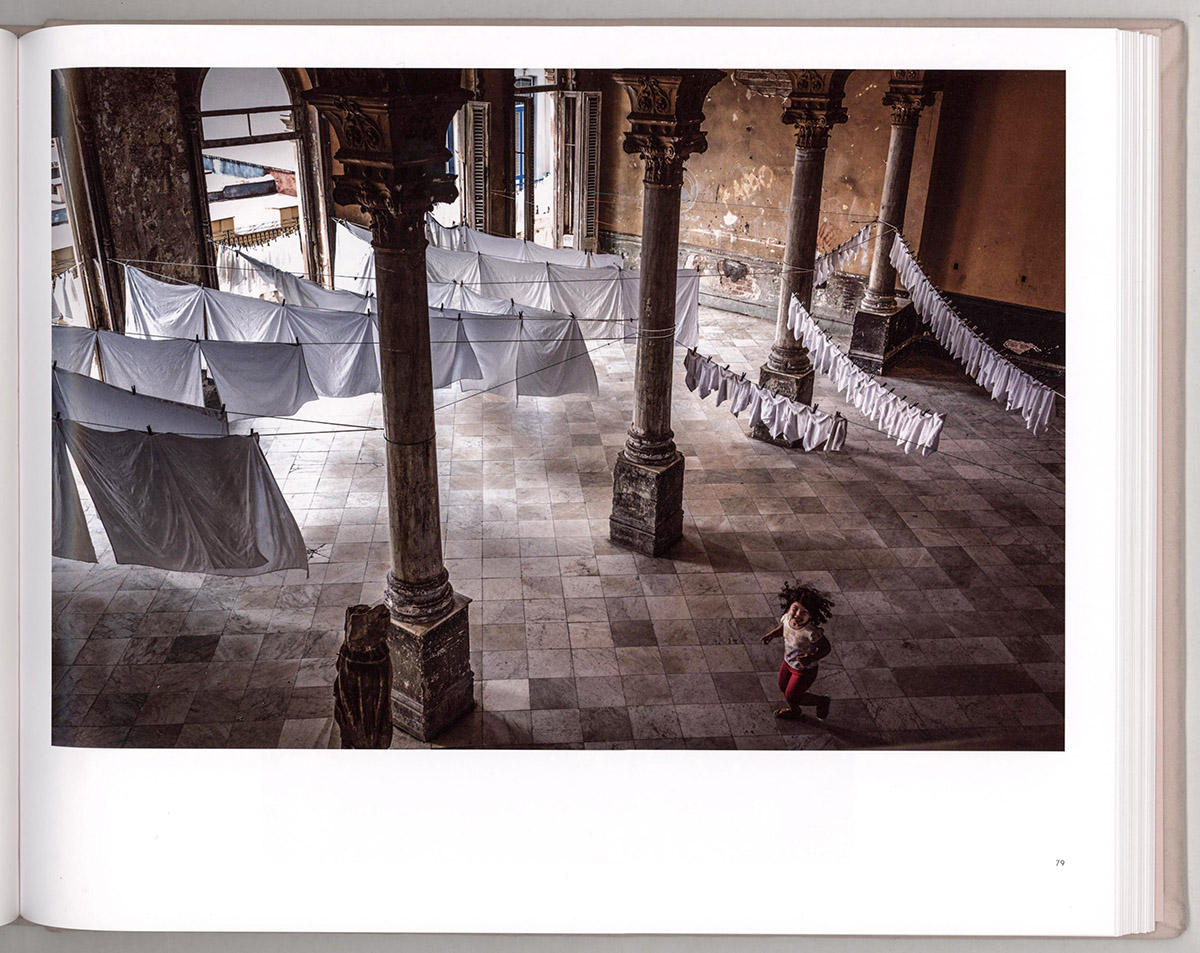
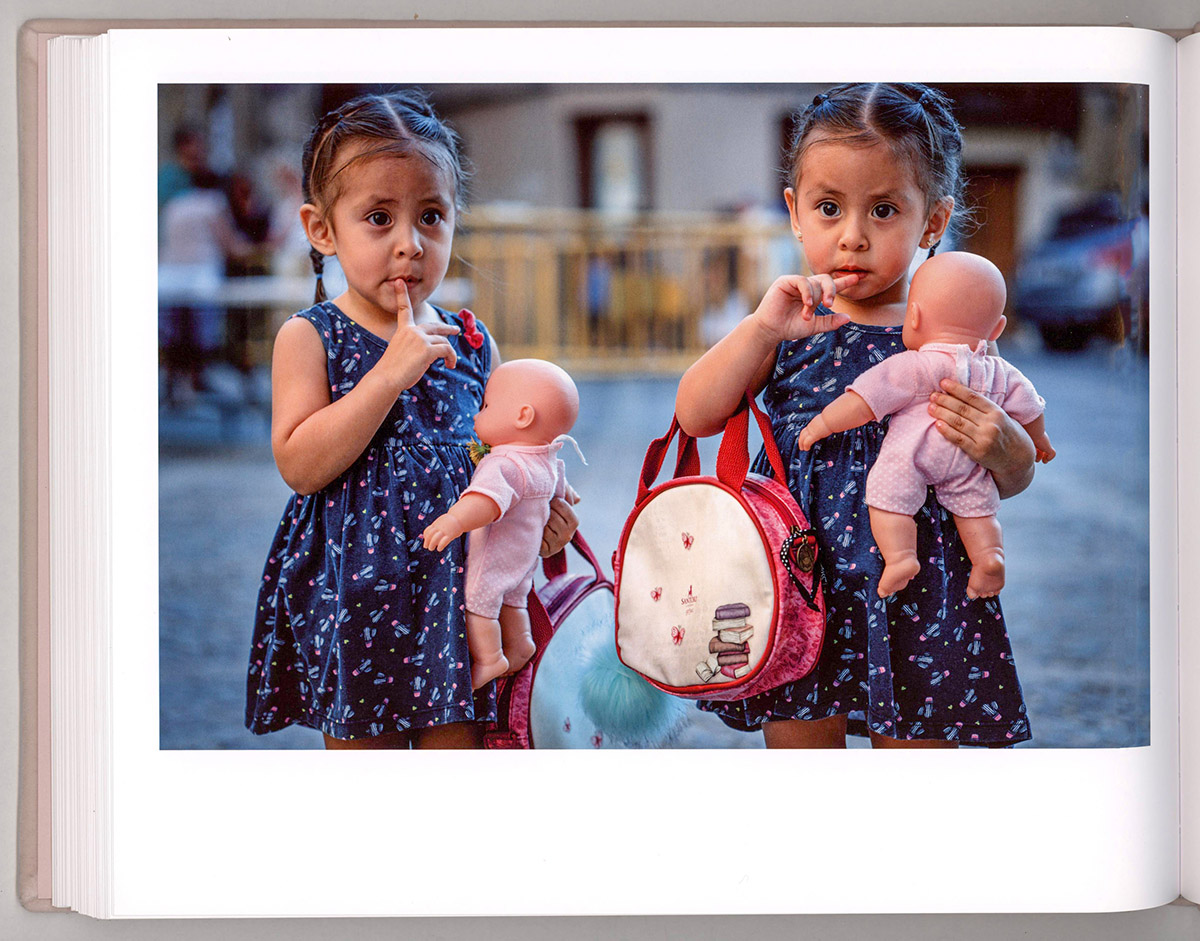
As we look at the images, we are impressed by the sheer creative force and physicality of children in various countries and circumstances. In this day and age of the influence of digital media and their hypnotic strength in sequestering people as they encourage pseudo-interaction (“virtual contact”), it is refreshing to see children interacting with each other live and direct. This reminds us that there is no substitute for live human interaction. It is also good to be reminded of the fact that children can take the most common discarded objects, such as an abandoned car, and create the most wonderful play environment that includes developmental activities and interactional storytelling as well. Bubbles and sprays of water also can have a certain magic that computers cannot replicate.
Nancy Richard Farese is a photographer who has a commitment to encouraging creative human interaction and the right of children to play. She says, “We all know how to play. My intent with these photographs is to contribute to the private and public questions who we want to be and how we want to live together. Play has been recognized by the United Nations as a guaranteed human right.” Farese has also been actively supporting organizations doing play therapy and has photographed children in many locations, including refugee camps. She discusses Winnicott, among others, a pioneer in the field of child development who pointed out the importance of play. James Estrin in his foreword also mentions photographic forerunners who were similar advocates, starting with Jacob Riis and Lewis Hine. Estrin also especially notes the extreme importance of Farese’s playful approach to the photography constituting this project. When you practice what you preach, the results are all the more impressive. Thus I would encourage you to study this book in greater detail, applying the same spirit of discovery that marked your own childhood play activities.
Finally, a note about my general intent. I do not want to present you with exhaustive details concerning the history of photography, or, in this case, the history of psychology with particular emphasis on child development, because others have done it so thoroughly in so many other publications already. My goal is to give you my personal perspective on each particular photobook, since that is something you cannot find anywhere else. That approach gives you something to think about and also allows you to see to what extent our impressions might match or might differ, so that you can decide to what extent any particular book is for you. In the spirit of photobooks like this one, I would also encourage you to take a playful attitude toward looking at reviews; it is a vast world out there, and there is some visual excitement for everyone to be found in it. The approach of this photobook is an excellent example of the spirit with which I am hoping to reach our readers.
____________
Gerhard (Gerry) Clausing, Editor of the PhotoBook Journal, is an author and photographer from Southern California.
____________
Nancy Richards Farese – Potential Space: A Serious Look at Child’s Play
Photographer: Nancy Richards Farese (born in Carrollton, GA; lives in Marin County, CA)
Publisher: MW Editions, New York, NY; © 2021
Essays – Foreword: James Estrin. Introduction: Nancy Richards Farese
Language: English
Fabric-bound hardback, sewn, with illustrated dust jacket; 144 pages, paginated; 31 x 25 cm (12.25 x 9.75 inches); printed and bound by Pristone, Singapore; ISBN 978-1-7357629-4-4
Concept, Design, Editing: Matsumoto Inc., New York – Takaaki Matsumoto, Robin Brunelle, Amy Wilkins
__________

Articles and photographs published in the PhotoBook Journal may not be reproduced without the permission of the PhotoBook Journal staff and the photographer(s). All images, texts, and designs are under copyright by the authors and publishers.
 PhotoBook Journal
Where and how can we buy this book ? I’m living in Belgium and did not find it on Amazon.
Thanks in advance,
Marie-Anne Pauwels
The link is right where the title is, in the data section:
Nancy Richards Farese – Potential Space: A Serious Look at Child’s Play
https://www.nancyfarese.com/store/potential-space-a-serious-look-at-childs-play