Review by Gerhard Clausing •
The Australian photojournalist Michael Coyne is most interested in supplying us with ample documentation of how people cope in these rapidly changing times, and he does so with huge amounts of photographic acumen and investigative and personal enthusiasm. Since the end of the 20th century, he has been traveling and capturing moments that effectively show the impact of climate change, shifting cultural emphases, economic and medical hardships, and never-ending geopolitical uncertainties, especially as they concern the backbone of our societies, the rural population. This photobook is one result of his investigations, a project that has lasted some 23 years.
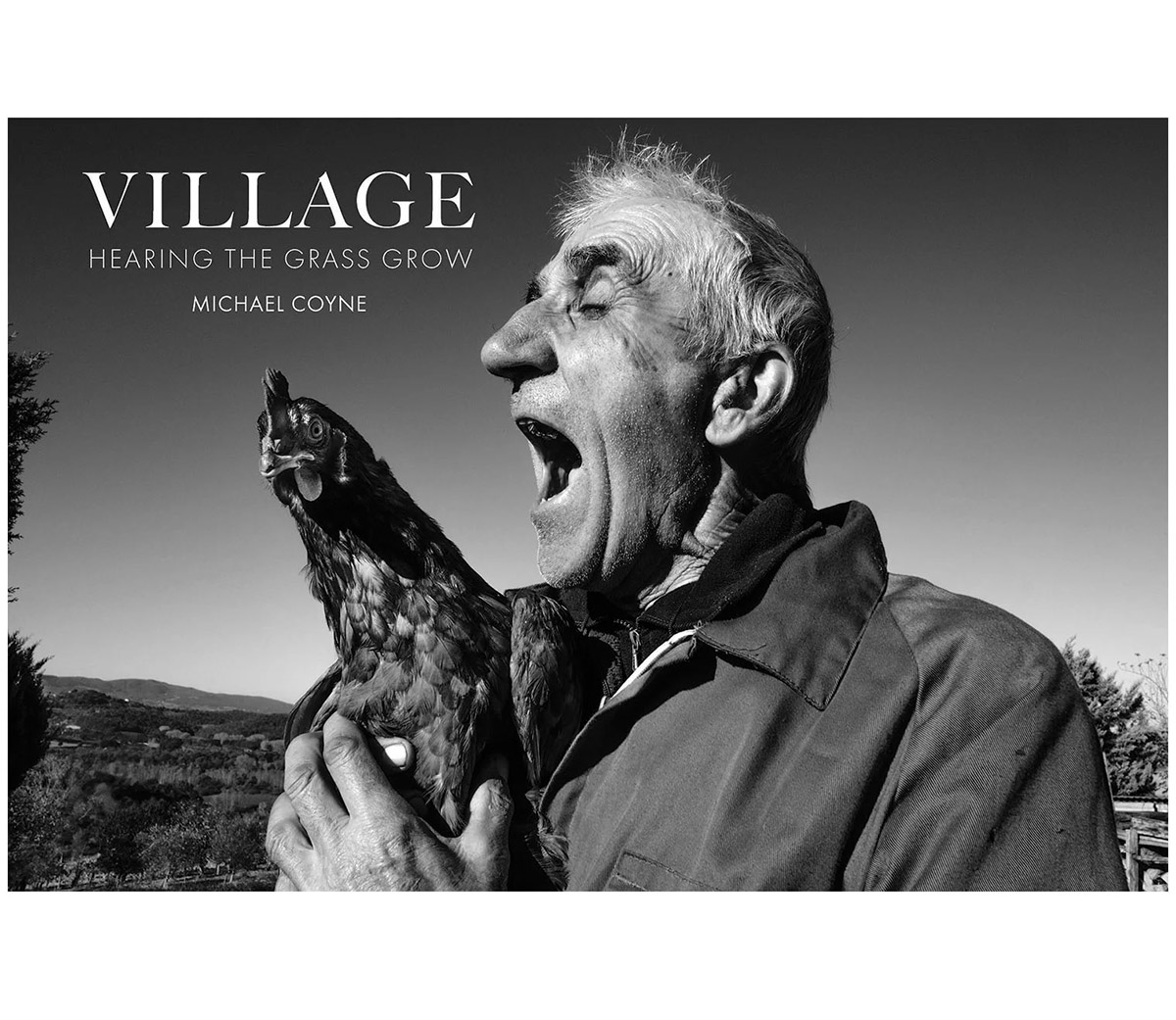
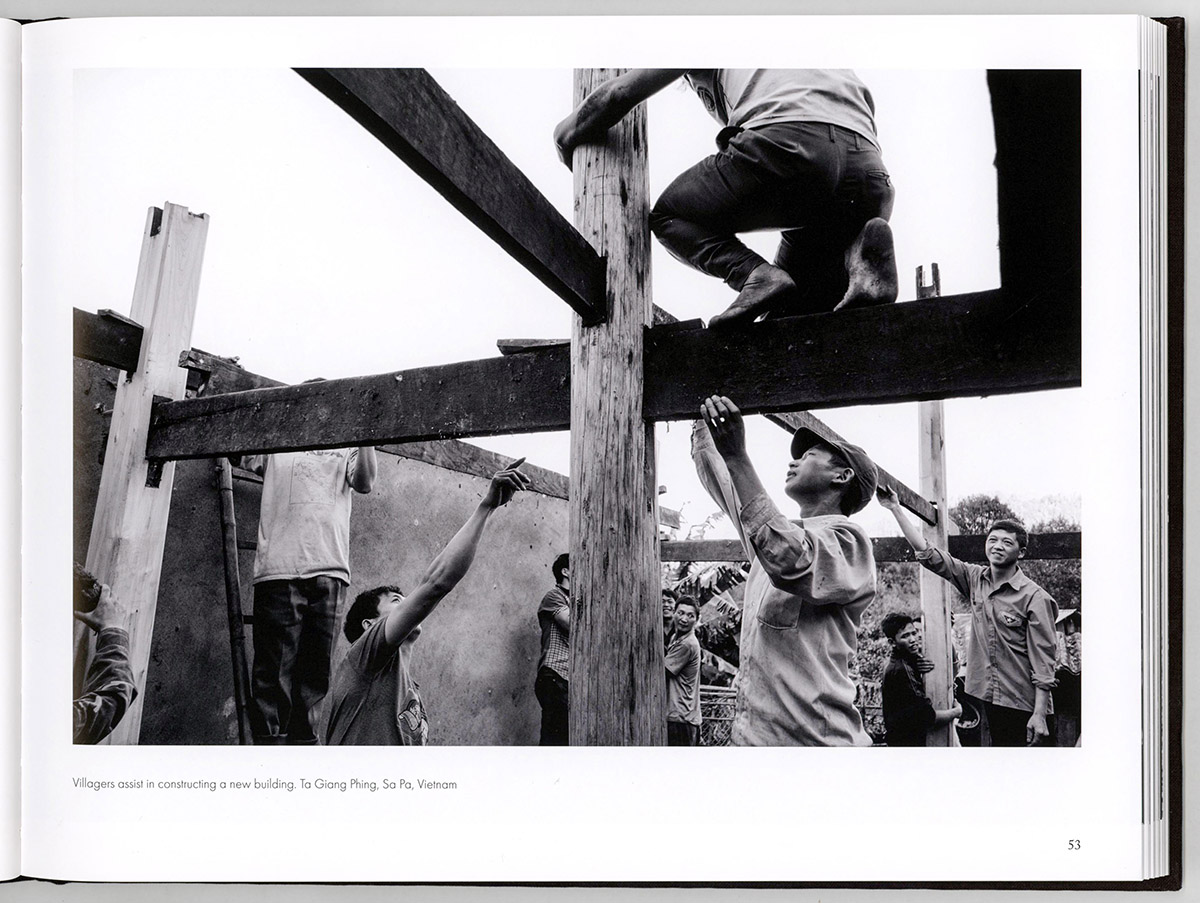
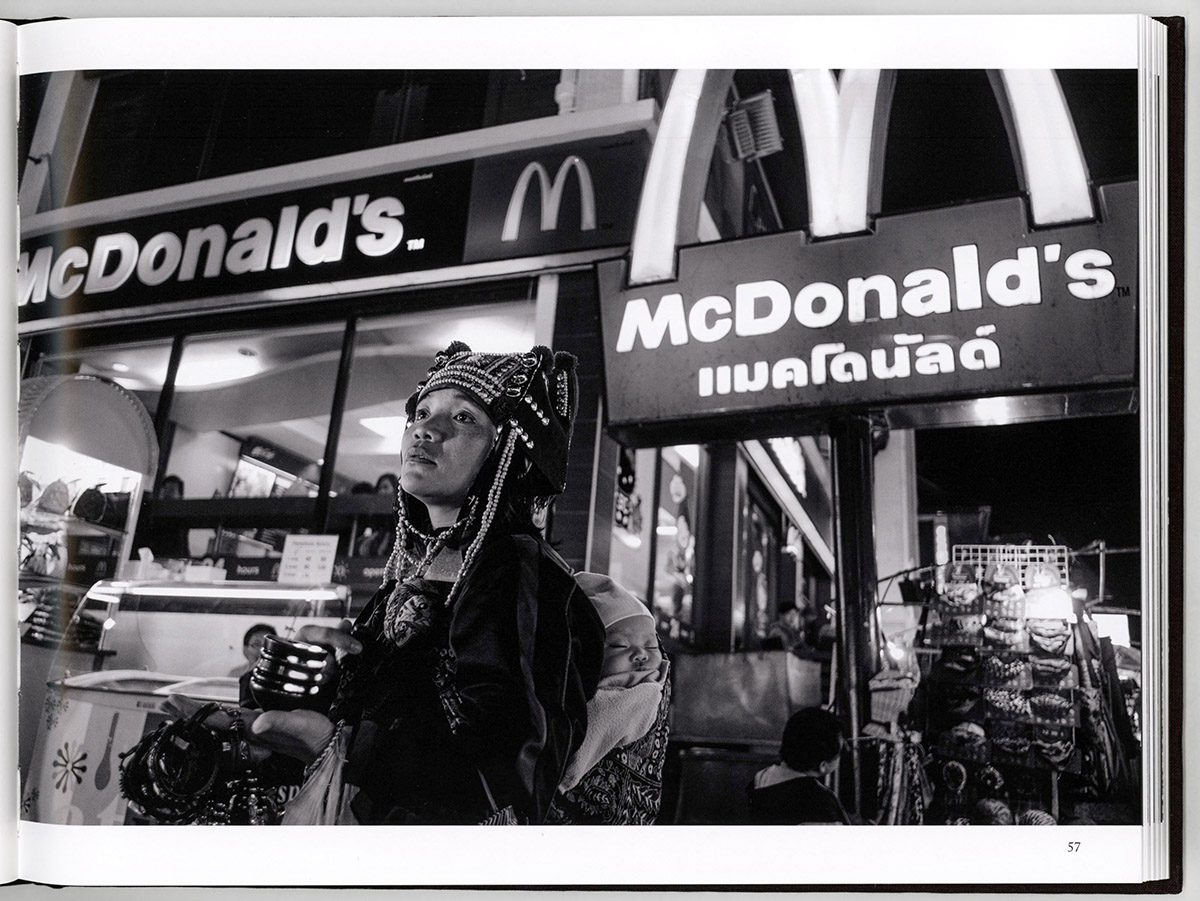
Starting with the cover picture, we see superb observations of personal factors. The farmer is aware of the personality of his chicken and provides a personal serenade, perhaps to create a calmer moment. Some of the other pictures show struggles of various kinds, whether it is in the construction of houses, or in the raising of crops, or in attempting to continue various everyday rituals, preferences, and customs. The changes exacted on society, especially the rural population, by the forces of nature and of commercialism are substantial. While one person tries to find connectivity for his cell phone for his contemporary form of communication, on the opposite page the blind chief of a tribe sings a different form of communication, a song in a language soon to disappear.
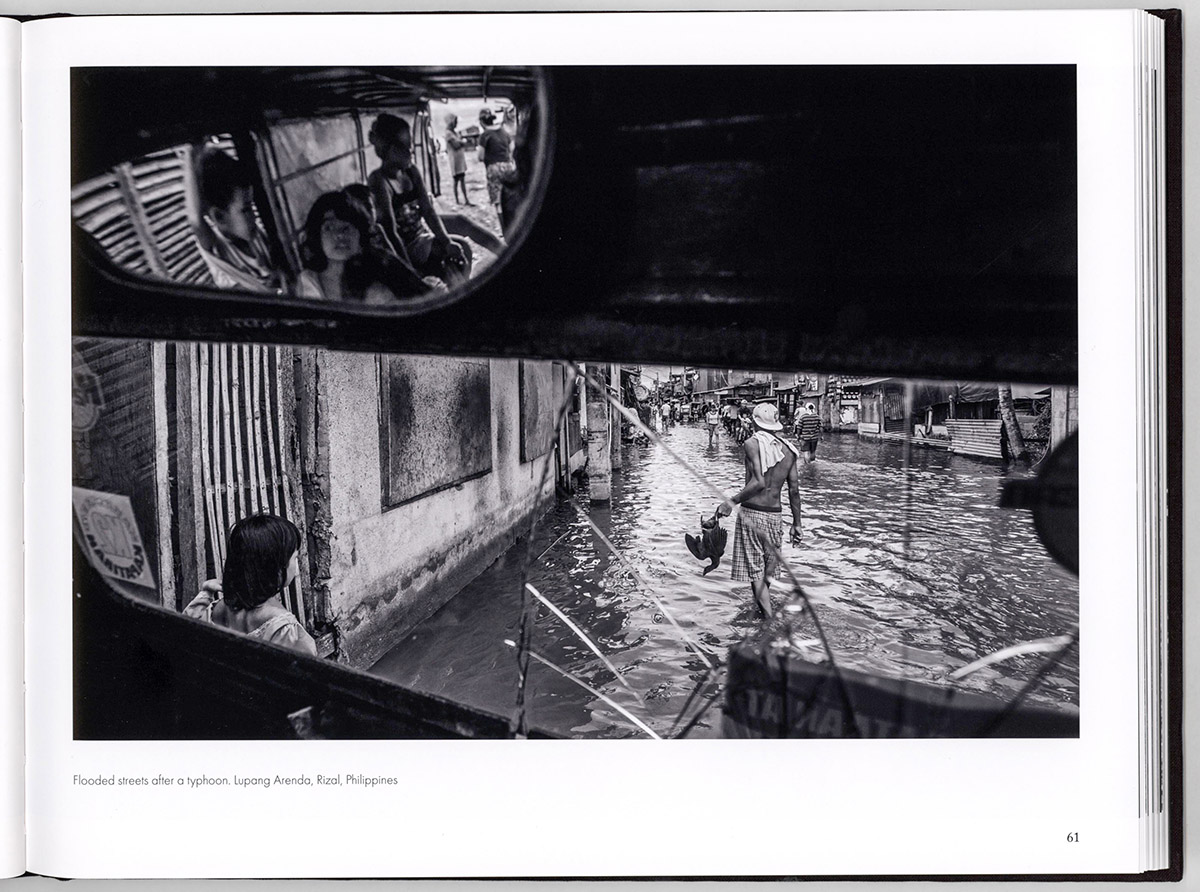
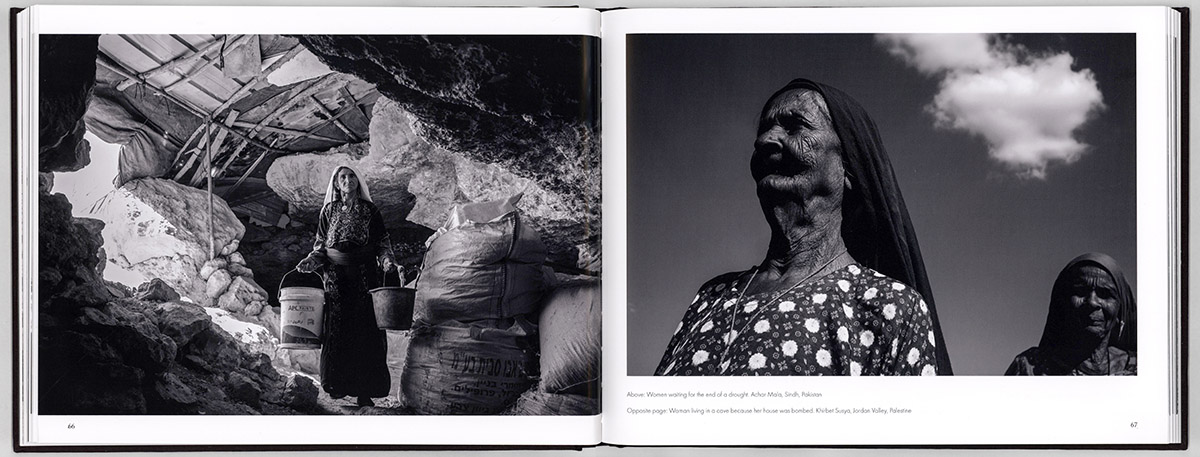
Coyne’s images were done in various places around the world and thus point to a certain universality. Natural disasters, such as flooding and hot spells, seem to be increasing, and we also see increasing attempts on the part of governments to make decisions that are commerce-driven and often counter to preventing further natural disasters. Those are just some of the struggles Coyne observes – construction and destruction side by side.
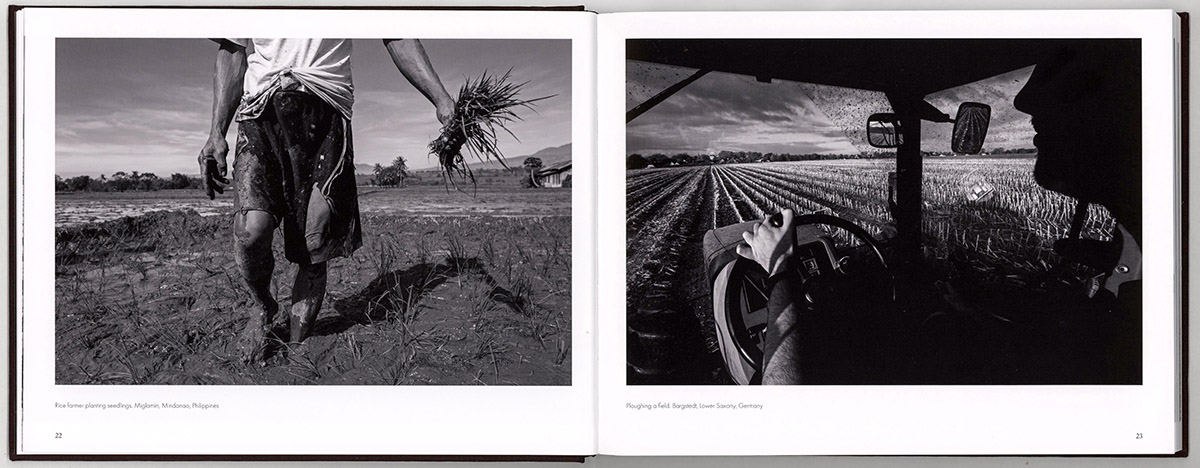
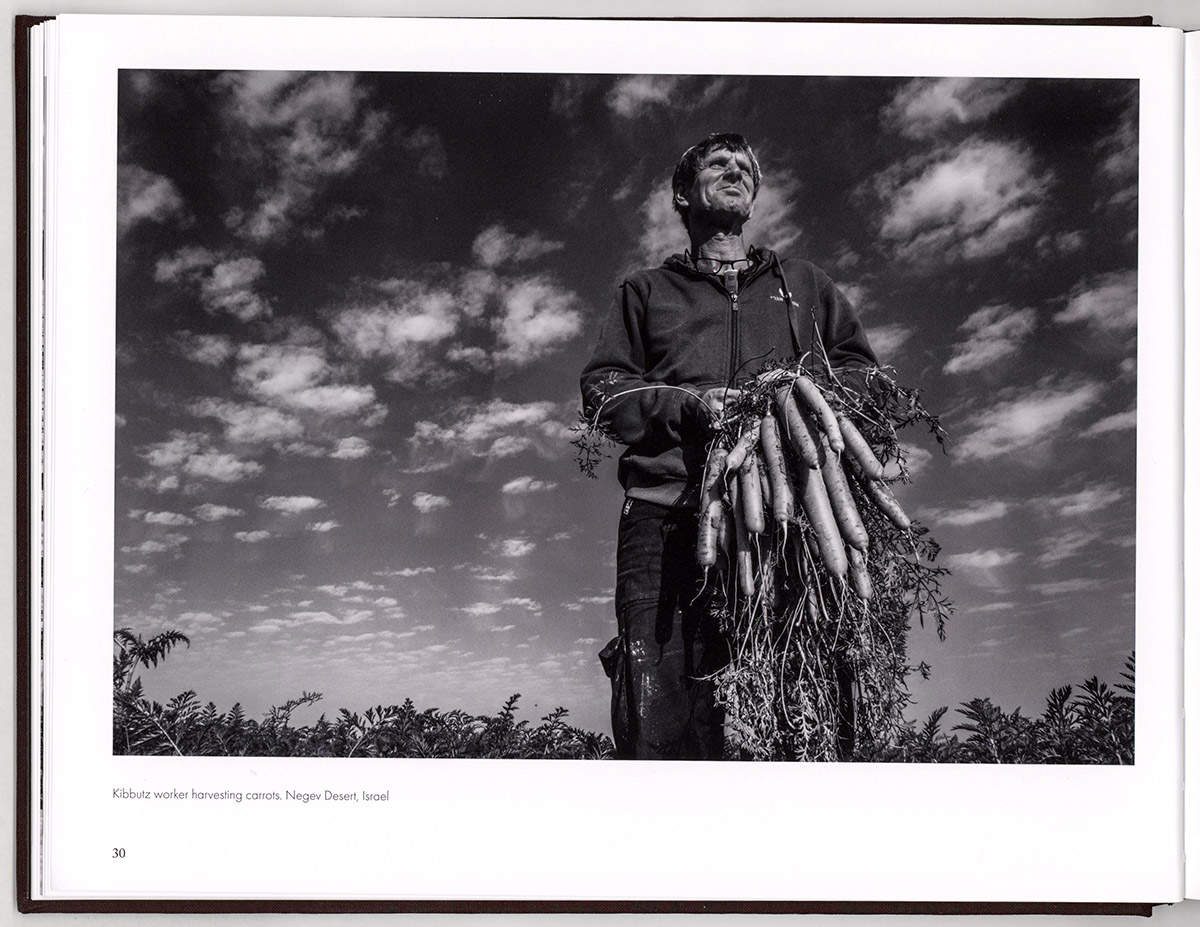
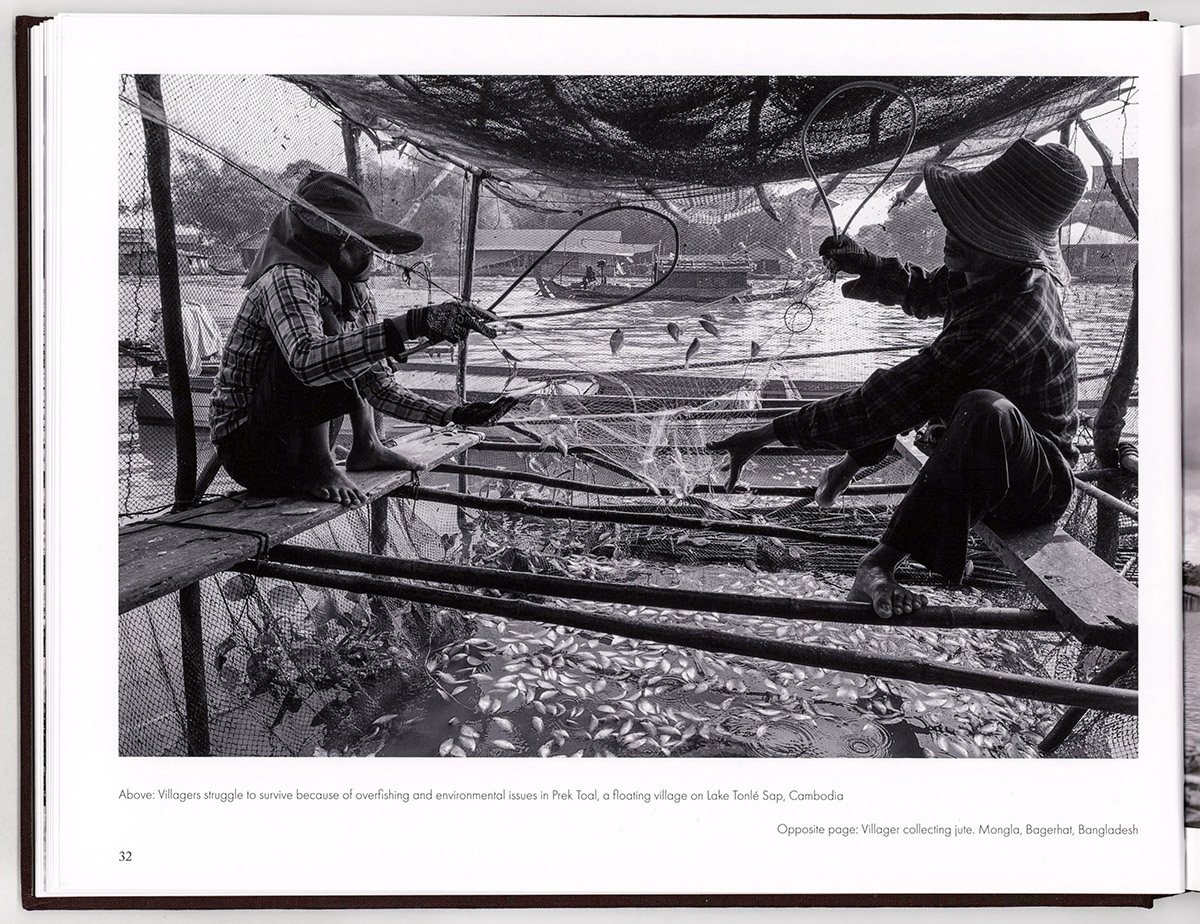
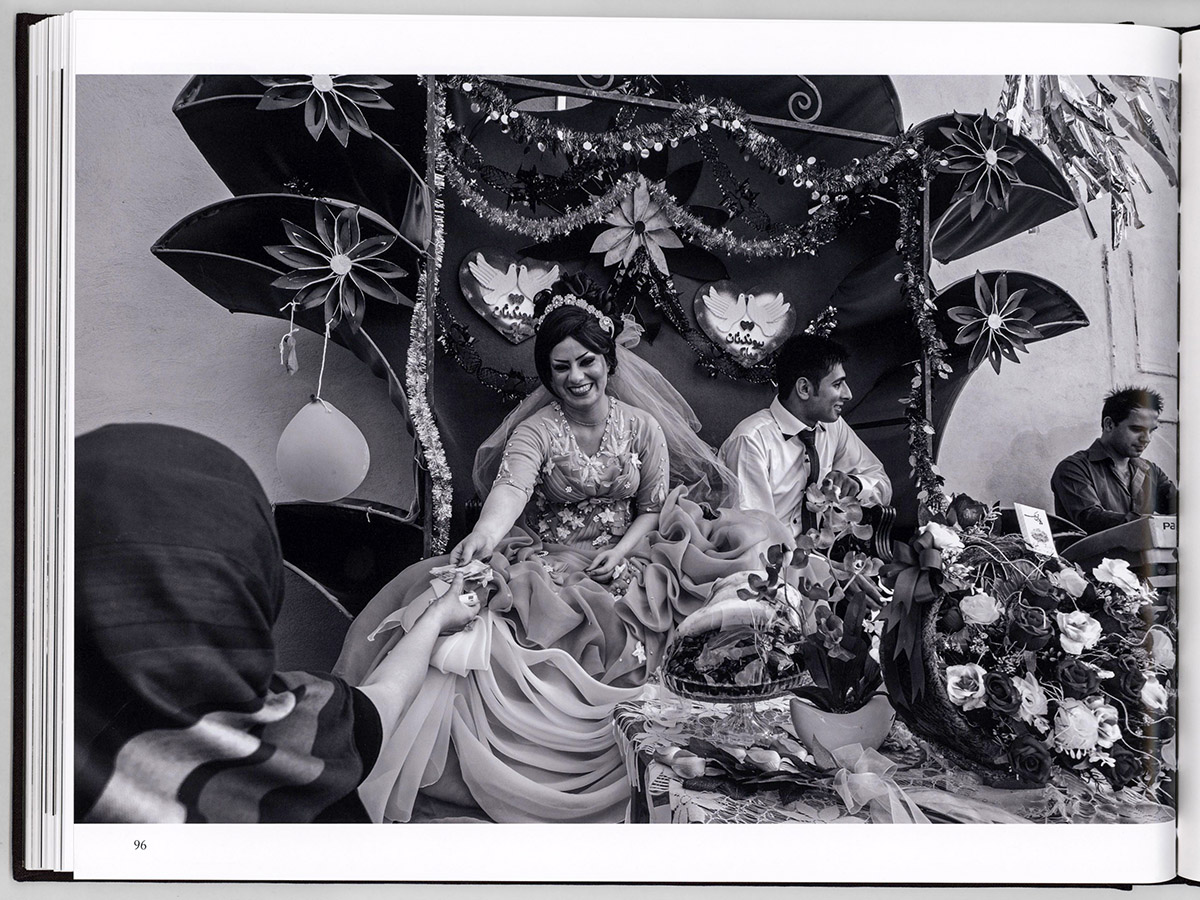
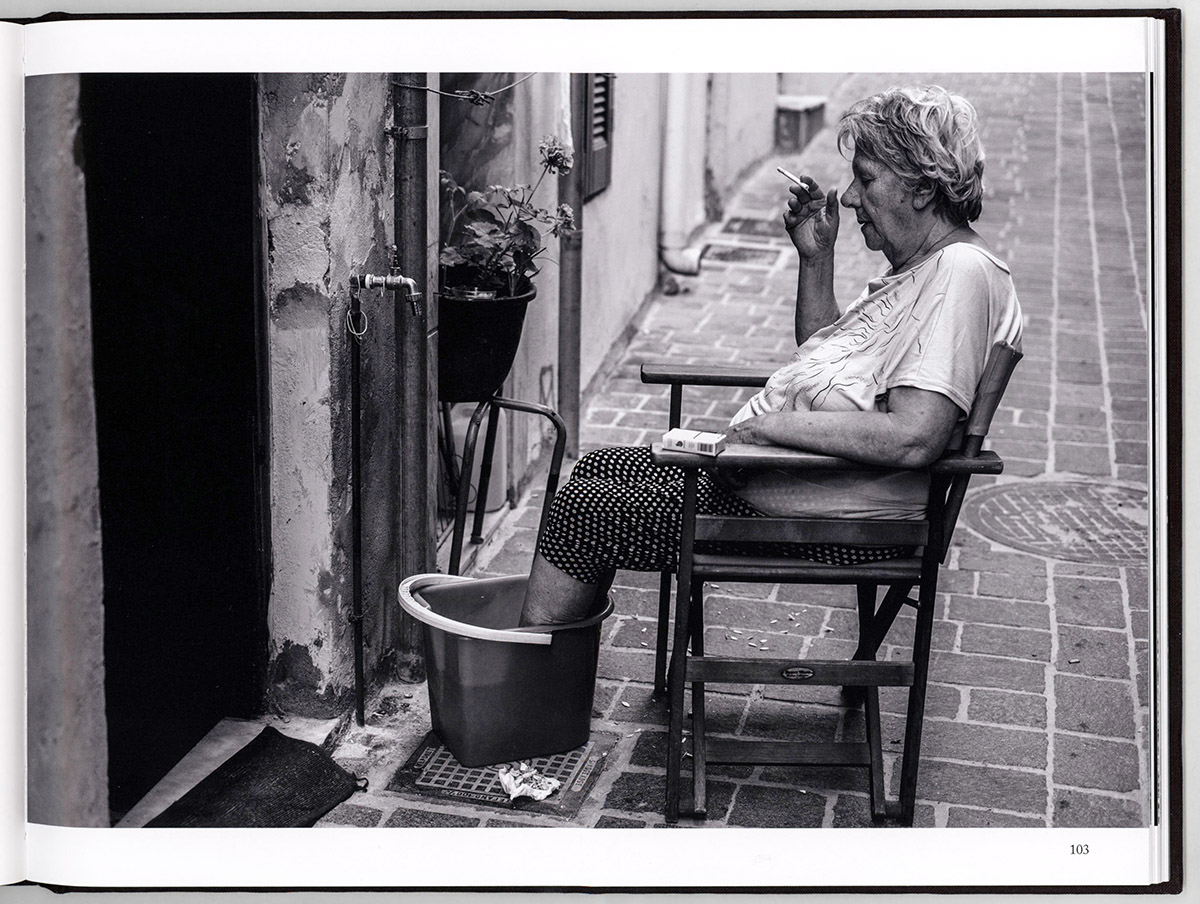
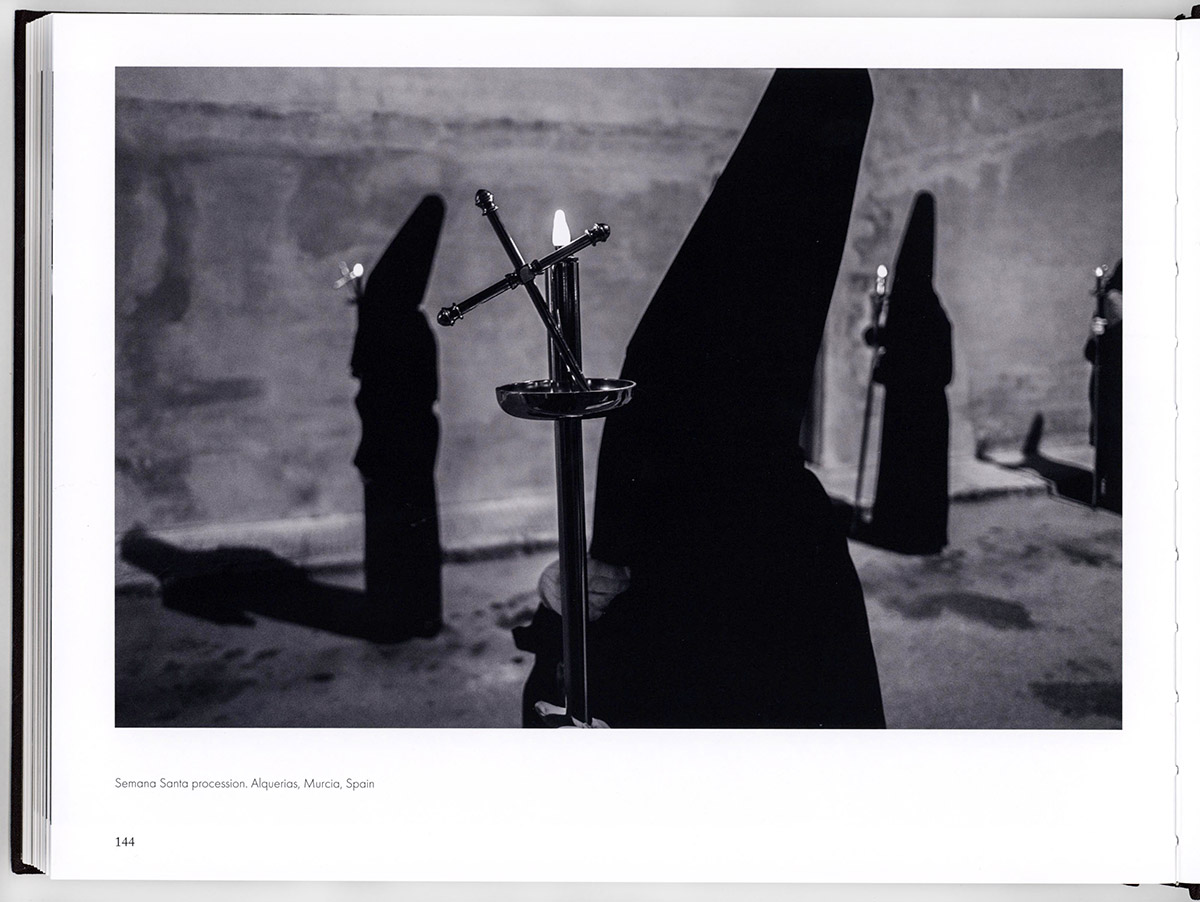
The mostly wide-angle images are printed very large and with strong contrasts. This puts us right in the midst of the action. As shown in the description of some of the pairings and in the double page images below as well, interesting contrasts are developed for the viewer and reader. There are occasional small verbal exposés that describe settings and moments of interest. Urbanization and globalization are processes that cause much individuality to disappear and make much personal and local initiative more difficult to bring to fruition.
A certain demise of what was once held important can be seen throughout the well-designed book. In all of that, the human spirit can still be felt as dominant and prevailing even in the humblest circumstances, even when the beds for recovery of one’s health are set in simple or even minimal surroundings. Coyne manages, time after time, to place us in the middle of dramas that affect us all.
This photobook gives us much to think about. It is a superb study, well presented, of changes in the midst of which we find ourselves right now. I urge you to take these signs and warnings seriously, as you study superb projects like this one, a prime example of top photojournalism, to give all of us some perspective regarding the scope of what we are facing.
____________
Gerhard (Gerry) Clausing, Editor of the PhotoBook Journal, is an author and artist from Southern California.
____________
Michael Coyne – VILLAGE: Hearing the Grass Grow
Photographer: Michael Coyne (born in Daventry, Northampton, England; lives in Melbourne, Australia, and Hong Kong)
Publisher: Self-published; © 2023
Texts: Foreword by Michael Sainsbury; texts by Anne O’Sullivan and Michael Coyne
Language: English
Hardback with illustrated jacket; 148 pages, paginated; 12 x 9.3 inches (31 x 24 cm); printed in Australia by Southern Impact; ISBN 978-0-646-85900-2
____________

Articles and photographs published in the PhotoBook Journal may not be reproduced without the permission of the PhotoBook Journal staff and the photographer(s). All images, texts, and designs are under copyright by the authors and publishers.
 PhotoBook Journal
Leave a comment